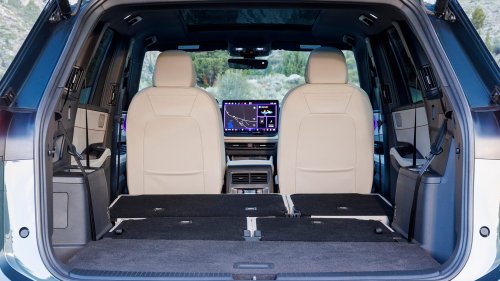
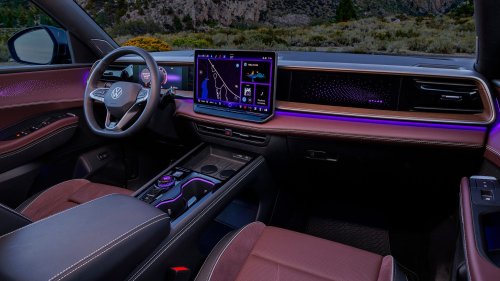
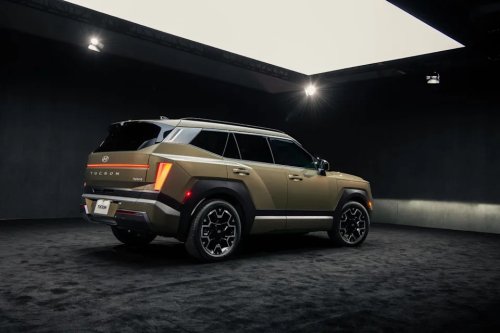
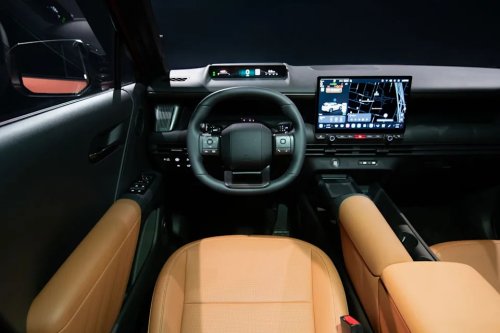
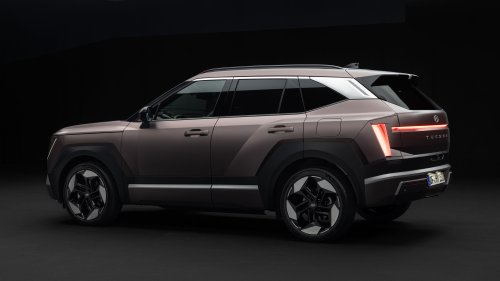
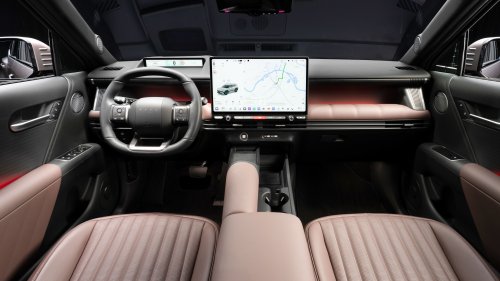
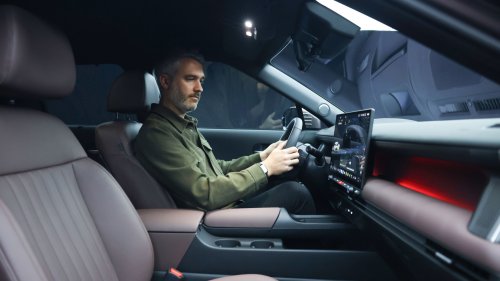
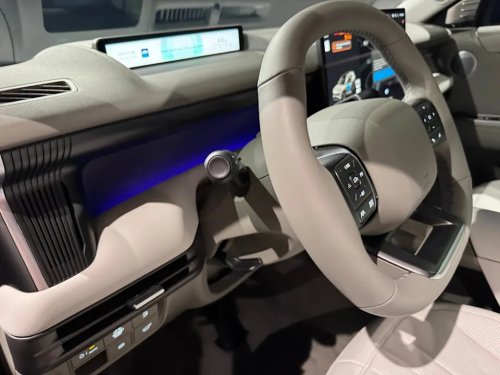
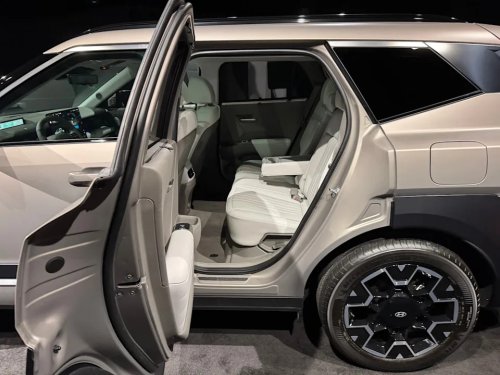
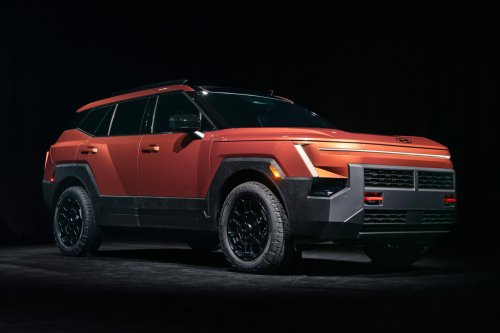
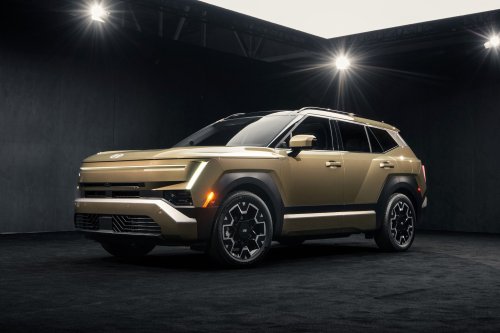
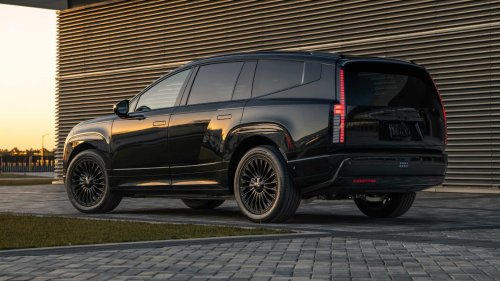
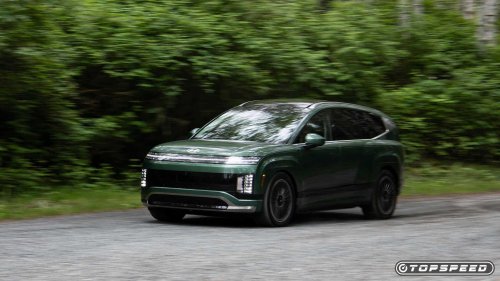
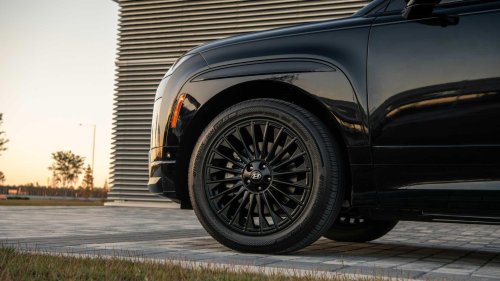
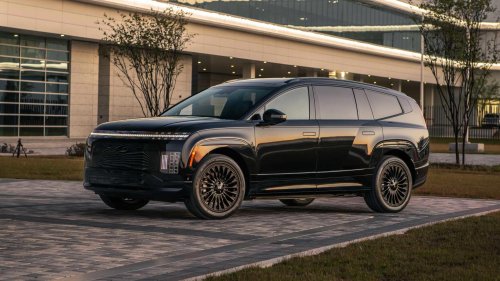
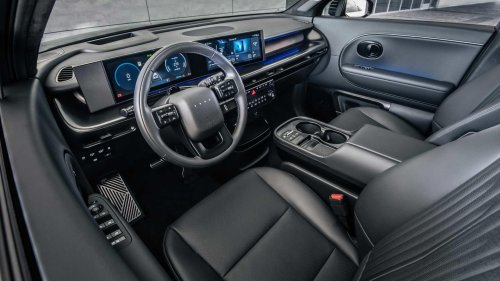
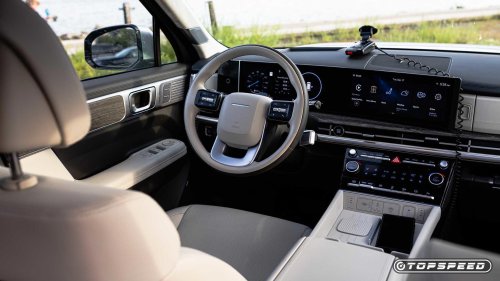
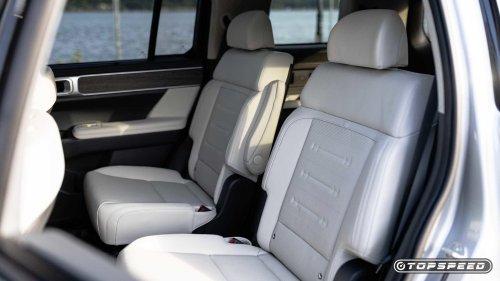
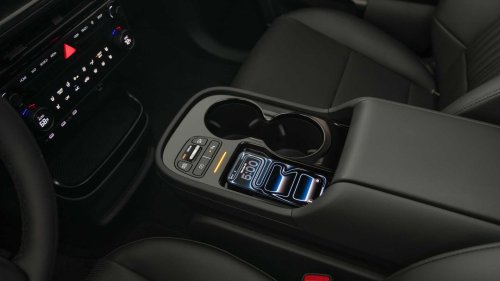
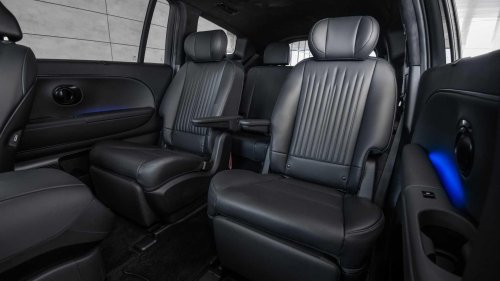
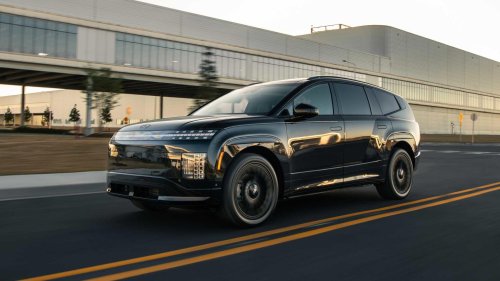
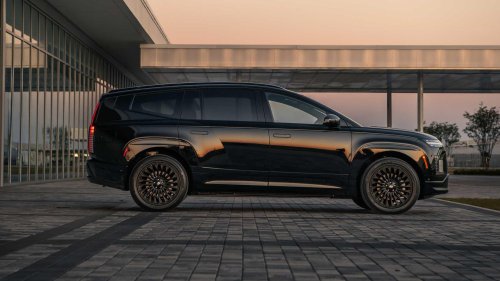
The luxury electric car market in the U.S. is currently navigating a complex transition. The industry has been suffering from the end of a speculative boom, and has shifted more towards discerning, utility-focused buyers. Luxury EVs accounted for roughly 23 percent of all luxury sales in 2025. However, the sector experienced a significant volatility spike following the expiration of several federal tax credits by the end of last year. This pulled demand forward into record-breaking third-quarter figures before a sharp cooling in early 2026.Despite this holding pattern, some luxury SUVs and crossovers continue to perform respectably in terms of sales. They are even outperforming performance sedans as consumers prioritize battery range and more versatile body styles. The primary demographic remains high-net-worth individuals and tech-forward professionals with high disposable incomes. They are typically concentrated in urban and suburban hubs with robust charging infrastructure. With this in mind, it is worth noting that the market is increasingly seeing interest from pragmatists who view luxury EVs as a long-term investment in sustainability. This is especially true when looking at high-performance technology as more than just a status symbol. Hyundai's Affordably Luxury Design Approach HyundaiHyundai’s approach to electrification adopts a chess piece design strategy, giving each model a distinct visual identity. Overall, the South Korean brand incorporates a retro-futuristic Parametric Pixel language into models like the Ioniq 5, while the new compact Ioniq 3 takes on a sleek Aero Hatch silhouette. There is a common design theme across all models, but Hyundai ensures that it doesn't follow a uniform style for its entire catalog. This aesthetic variety is supported by the technical versatility of the E-GMP platform, which emphasizes high performance and flexible Living Space interiors.In terms of market performance, Hyundai has demonstrated remarkable resilience in 2026. Many competitors struggled with a post-subsidy demand slump, but Hyundai reported its strongest first quarter on record in the U.S., with its most popular model rising 14 percent during Q1 2026. By balancing its pure EV momentum with a 50 percent surge in hybrid sales, the brand has effectively captured a broad spectrum of consumers. It positions itself as a primary challenger to established EV leaders through a combination of bold styling, rapid charging tech, and a realistic multi-powertrain retail strategy. An EV Fit For The Flagship Title William Clavey | TopSpeed The Hyundai Ioniq 9 is the South Korean brand's flagship EV SUV offering based on the E-GMP architecture. It's a highly anticipated product from the brand, as it finally offers consumers the option of a large three-row EV SUV akin to the Palisade. Hyundai offers the Ioniq 9 in six well-defined trims, resulting in not many optional extras for you to choose from. The Calligraphy sits at the very top of the catalog, introducing much more refined interior fitments and its most powerful electric motor configuration.For 2026, the South Korean marque enhances this experience with a thrilling new package that makes the large EV SUV appear sleeker and more understated, without impacting its overall presence.HyundaiCurrently, it is the only Hyundai model to feature this type of package, but there's a strong likelihood that it will be offered on other models in time. The Ioniq 9 has been a low-volume seller for the brand, but since its arrival, it has received impressive owner-submitted reviews.The Edmunds consumer review section currently features a 5/5-star rating for the model, with key strengths being its interior space, driving experience, performance abilities, and value for money. The Black Ink Sets A New Luxury Standard Hyundai The 2026 Hyundai Ioniq 9 AWD Performance Calligraphy Black Ink serves as a high-end flagship for the brand. The new look prioritizes a stealth aesthetic, which it curates via a suite of bespoke blacked-out exterior elements. Available in Abyss Black Pearl, this edition features a black chrome front skid plate, gloss black roof rails, and black window moldings. Rounding off the exterior appearance is an exclusive set of 21-inch Black Ink Turbine Design alloy wheels.Hyundai Stepping into the three-row cabin reveals an equally dark aesthetic. Here you'll find a black steering wheel and unique aluminum trims with handcrafted organic patterns. The cabin is designed for premium comfort, offering a standard six-passenger layout equipped with power-reclining, ventilated Relaxation Seats in the first two rows. You also get heated seats for the third row. Hyundai rounds out the package with sustainable materials, including an eco-suede headliner made from corn-derived fibers, ensuring the vehicle's luxury feel is matched by a modern, eco-conscious philosophy. What The Standard Calligraphy Includes Chris Chin | TopSpeed Without the package, the Calligraphy is the Ioniq 9's true flagship form. Priced at $74,990, it comes standard with unique 21-inch alloy wheels, dynamic welcome lighting, color-coded wheel arches, premium side door trimmings, and Calligraphy-exclusive front and rear design fascias.Chris Chin | TopSpeed The interior is host to the Ergo Motion driver's seat, a perforated door trim design, microfiber suede, and alloy pedals. You also get a heads-up display, auto up and down functions for the rear windows, a two-tone leather-upholstered steering wheel, and a full display rearview mirror. The Calligraphy is also the model in the range that benefits from the brand's Vehicle-to-Load two-way on-board charger, which lets you use the large three-row EV SUV as a mobile power unit for times of need. The Design Package Adds More Luxury HyundaiFor $76,490, you can get the Calligraphy Design model, which includes a set of bespoke 21-inch Turbine alloy wheels and gives you access to the optional $1,000 Gravity Gold Matte or Sage Silver Matte paint shades. This trim also applies a Dark Teal and white finish to the seat upholstery. Hyundai charges $1,600 for destination, regardless of your specification. Substantial Interior Packaging HyundaiThe Hyundai Ioniq 9 offers an exceptionally spacious cabin thanks to its electric platform. The interior provides generous headroom of 41.5 inches in the first row, 41 inches in the second, and 39.7 inches in the third. Legroom is equally substantial, measuring 41.4 inches for front passengers, a class-leading 42.8 inches in the second row, and 32 inches for those in the back.Storage versatility is a highlight of the E-GMP platform, featuring 21.9 cubic feet of cargo space with all seats upright. This expands to 46.7 cubic feet with the third row folded and 86.9 cubic feet when both the second and third rows are stowed. Additionally, the Ioniq 9 includes a front trunk that provides an extra 1.8 cubic feet of space, ensuring ample room for smaller items even when the vehicle is at full passenger capacity. Sports Car-Rivaling Performance Hyundai Hyundai currently only offers the Ioniq 9 with your choice of a single rear-wheel drive or dual-motor all-wheel drive configuration. The former produces 215 horsepower and 258 pound-feet to the rear axle, resulting in a 9.4-second zero to 60 MPH time and a limited 124 MPH top speed. The dual-motor generates a combined 303 horsepower and 446 pound-feet to all four wheels, which is enough to get you from zero to 60 MPH in 6.7 seconds with no change to the top speed limit.The Performance produces a combined 422 horsepower and 516 pound-feet to all four wheels, which is enough to get you from zero to 60 MPH in 4.9 seconds, again with no change to the top speed limit. Hyundai only offers the Performance on the Limited and Calligraphy trims. Dual Motor and Performance models will tow up to 5,000 pounds, while the rear-wheel drive configuration can only haul up to 3,500 pounds. Convenient Range And Impressive Consumption Estimates HyundaiAll models feature a 110.3-kWh lithium-ion battery pack, which lets you cover a total of 335 miles on a single charge if you're behind the wheel of the rear-wheel drive model and 320 miles if you opt for all-wheel drive. Energy consumption estimates come in at 103/81/92 MPGe for the former and 98/78/88 MPGe for the latter on the city/highway/combined cycle.The Performance returns a 91/79/85 MPGe energy consumption estimate set and covers 311 miles on a single charge. Thanks to 350-kW fast charging, you can replenish 10 to 80 percent of the battery pack in just 24 minutes using a DC Level Three Fast Charger.



















 +11 others