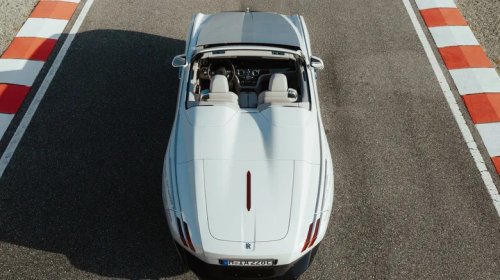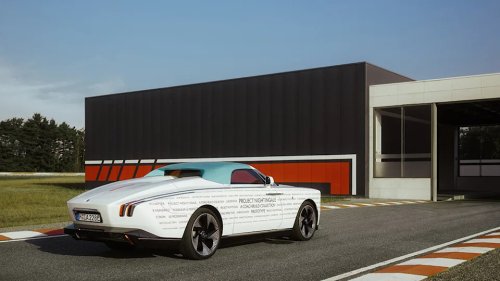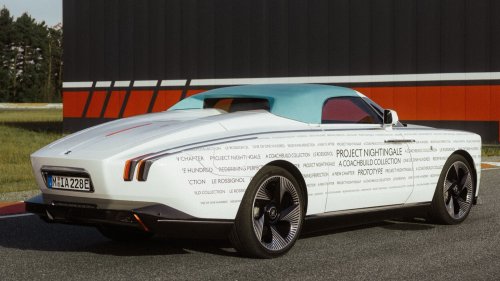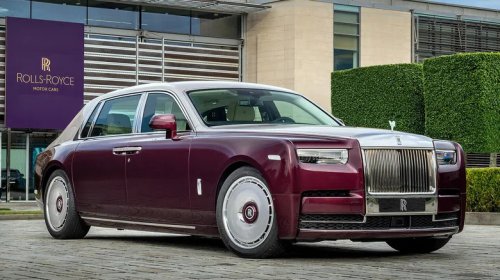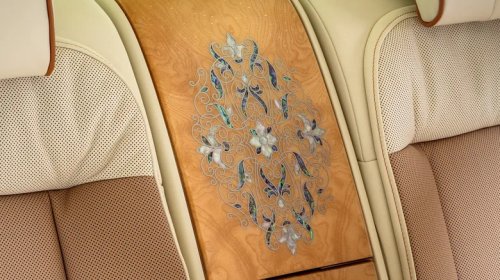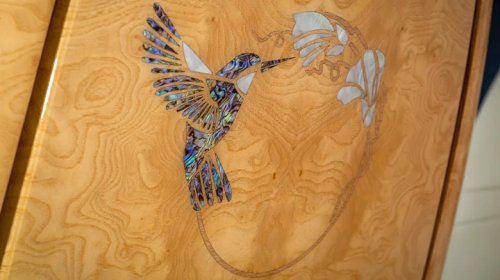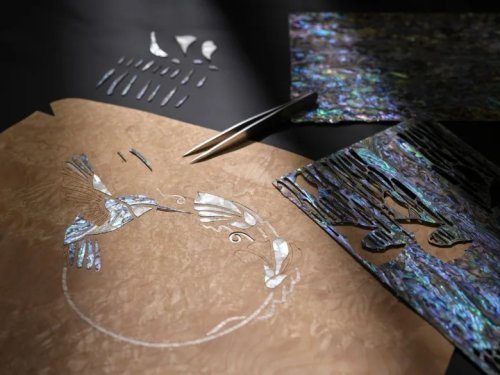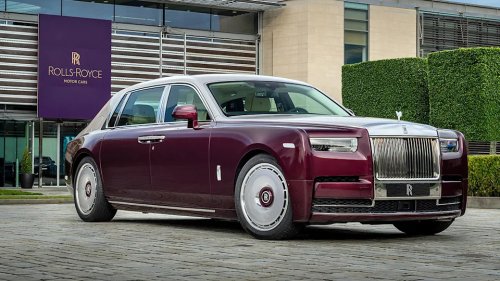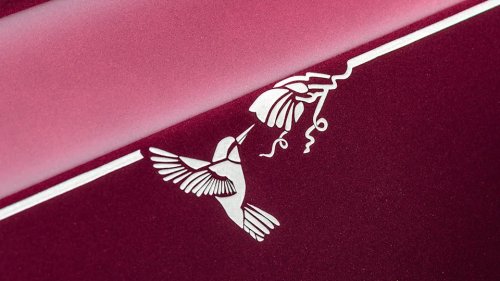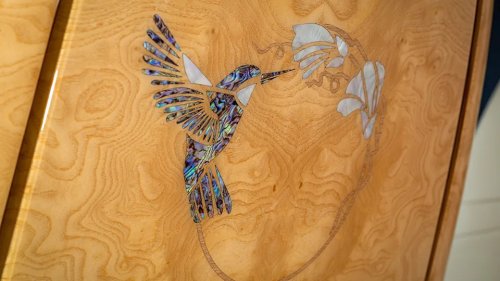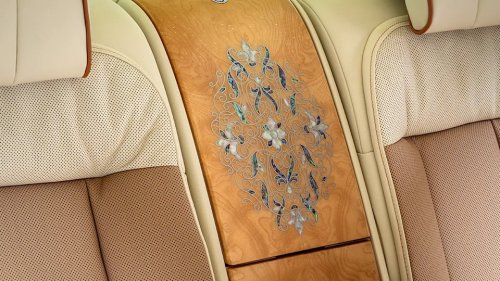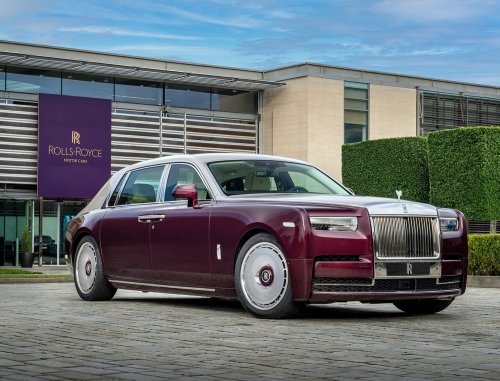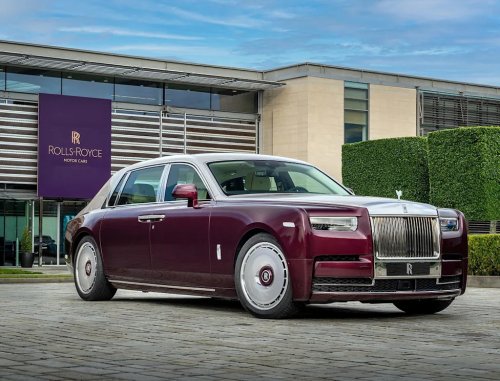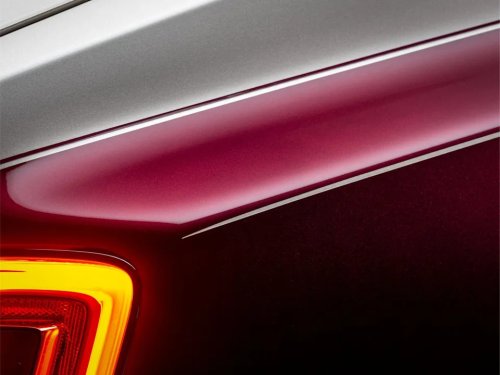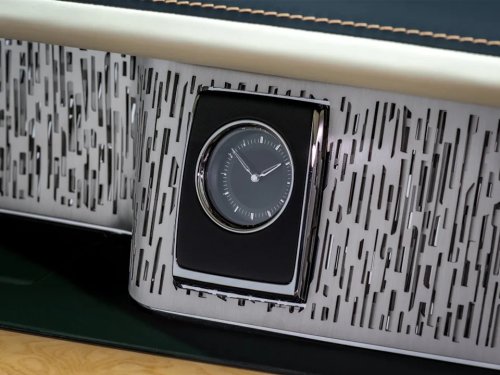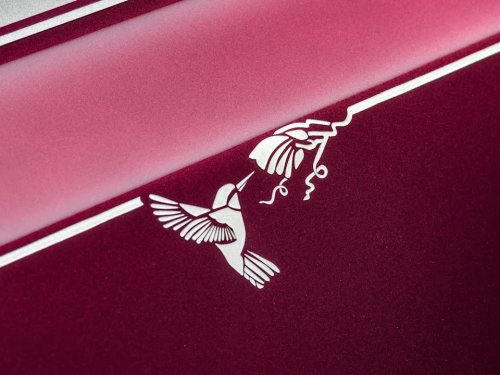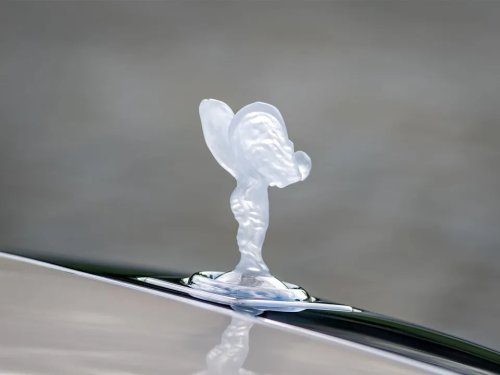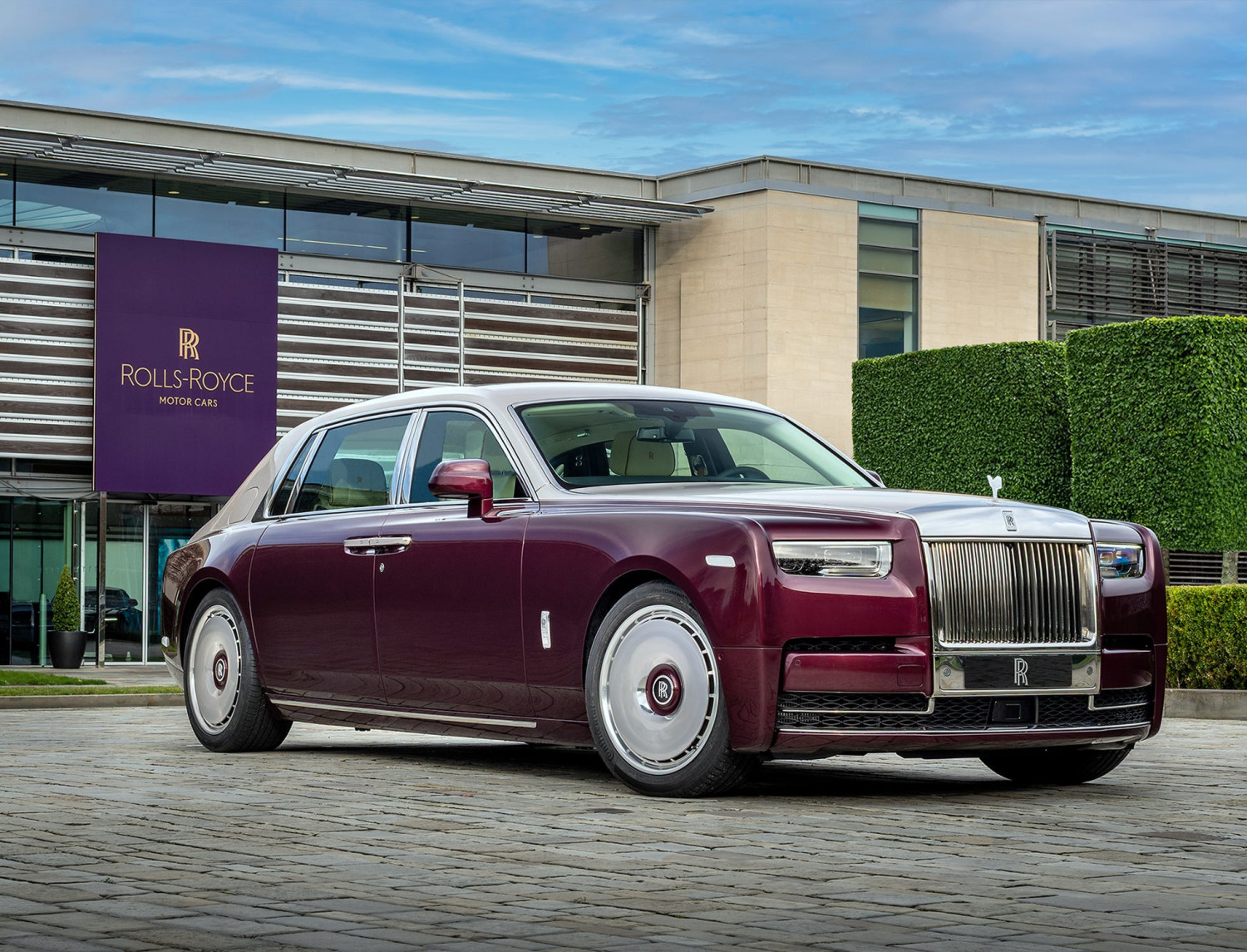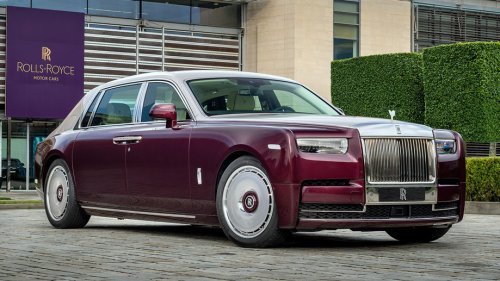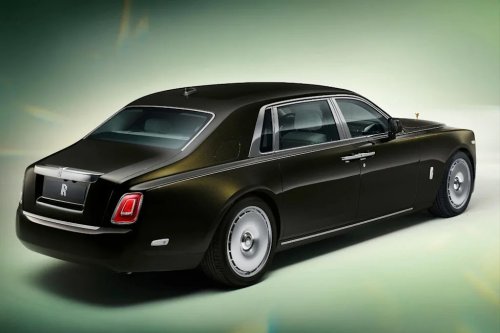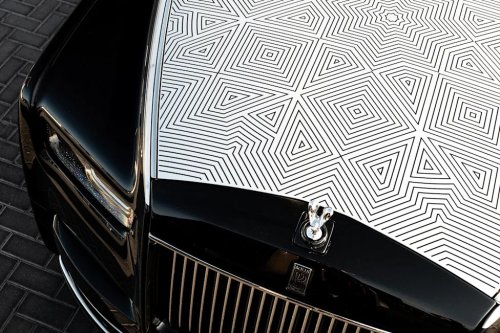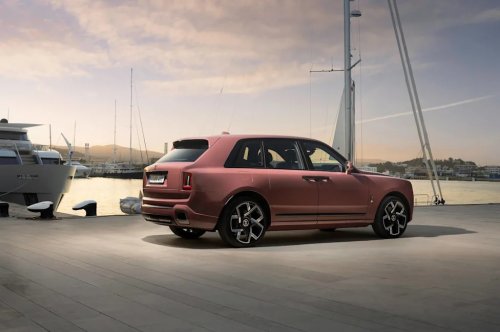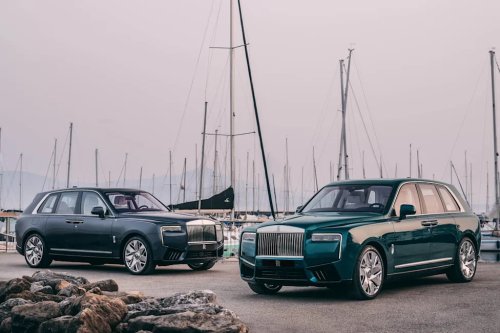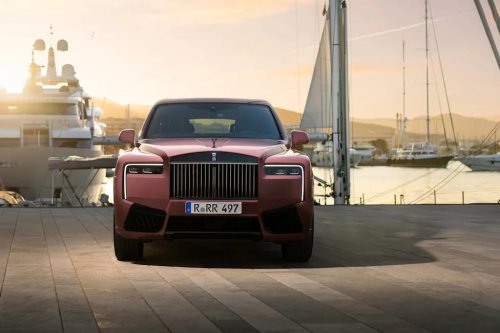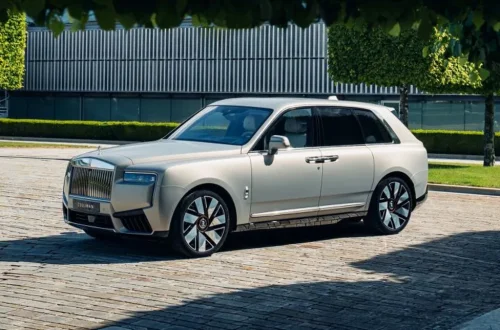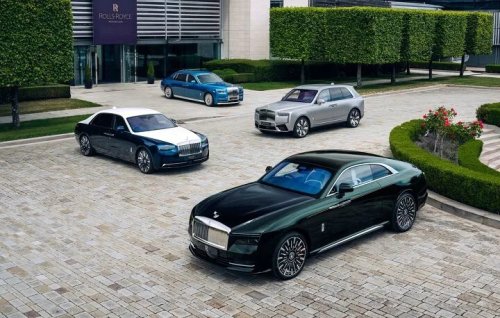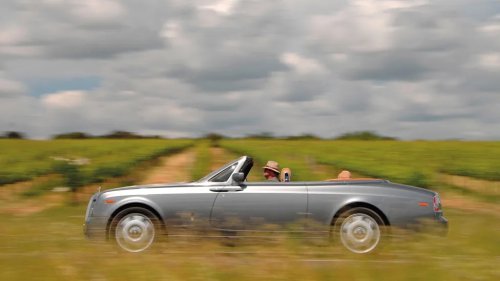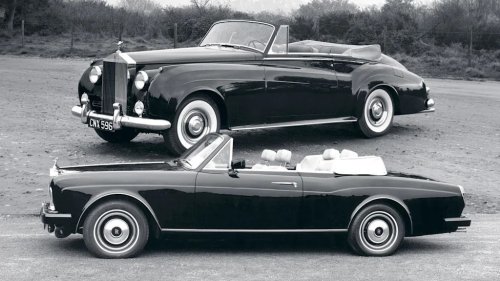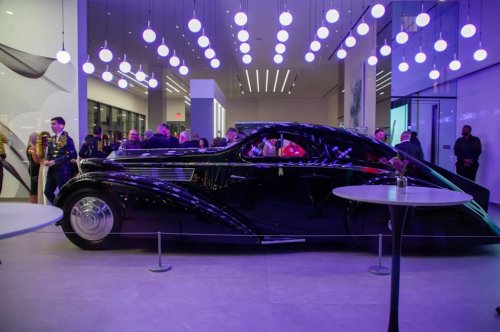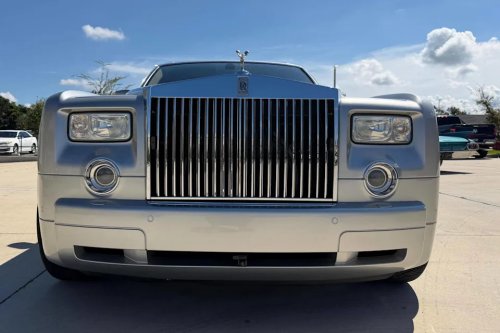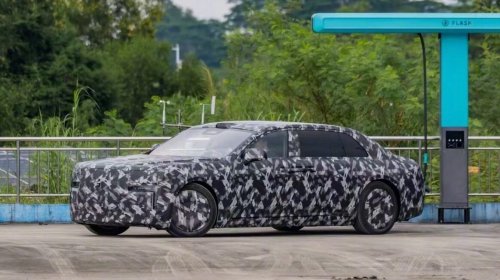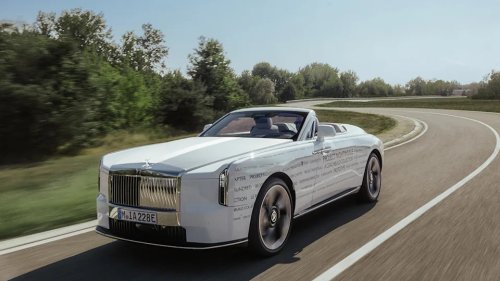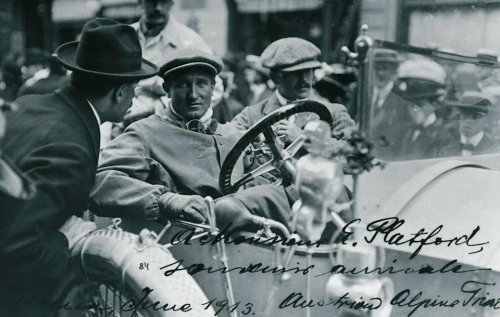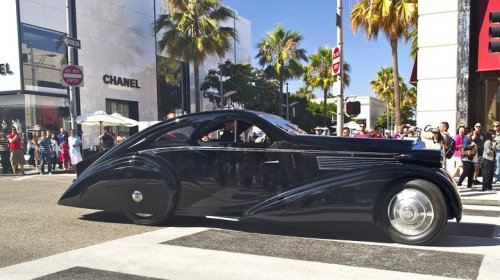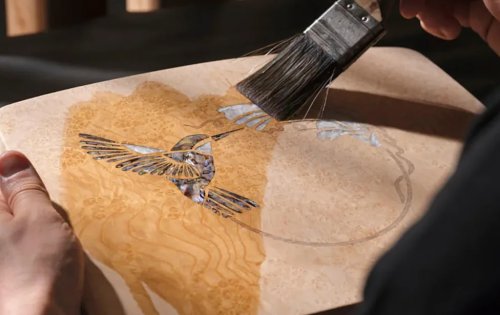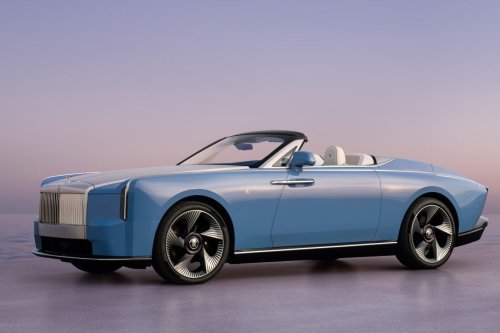
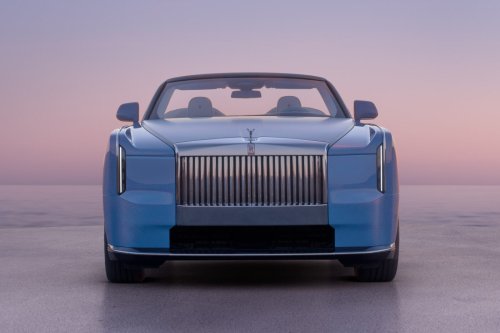
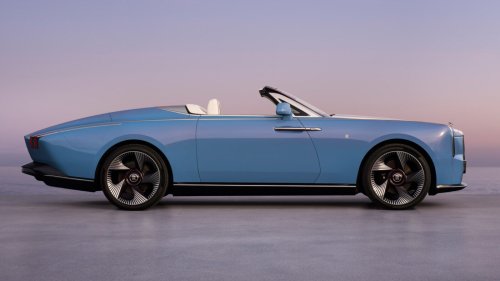
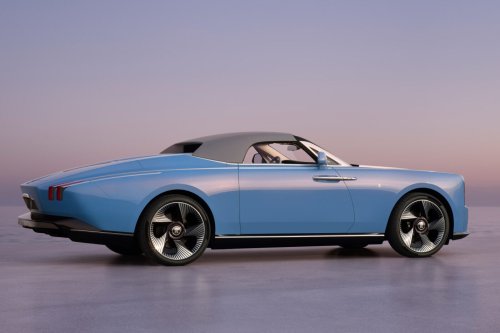
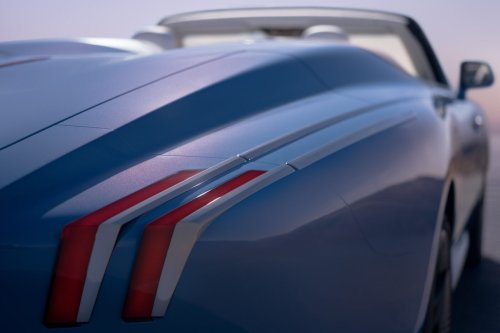
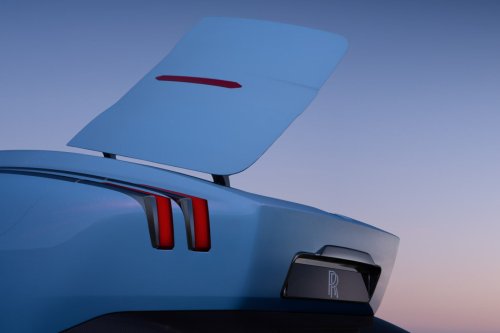
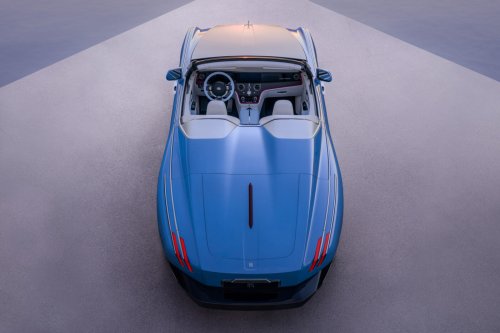
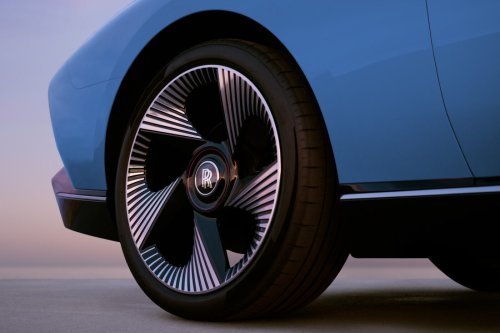
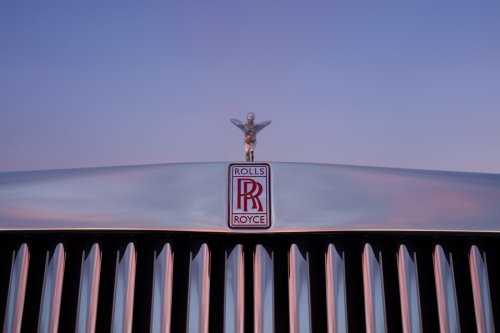
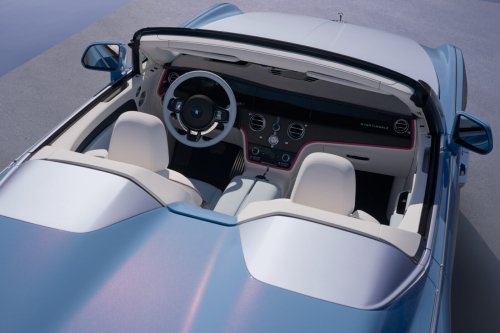
















Image: Rolls-RoyceWith the Spectre, the British luxury marque already offers a battery-electric model. The electric coupé shares many components internally with the BMW i7, which recently received a technical update. Regarding the new electric convertible from ‘Project Nightingale’, Rolls-Royce confirms only that the vehicle is powered by the brand’s ‘silent all-electric powertrain’. The Spectre typically delivers up to 430 kW, while the ‘Black Badge’ version achieves a maximum of 485 kW. To date, the Spectre has been equipped with the familiar 102 kWh battery from the i7, featuring prismatic cells. Whether the updated version, with its cylindrical cells and 112 kWh energy capacity, will be adopted by Rolls-Royce remains unconfirmed.The British marque rarely discusses the technical details of its powertrains, instead emphasising design, luxurious appointments, and bespoke craftsmanship. When Rolls-Royce does address the powertrain, as in the case of Project Nightingale, it states: “For a Coachbuild Collection conceived for the most discerning and design-literate clients in the world, the qualities of electric power are deeply considered. The silent and effortless delivery of power amplifies every characteristic that has defined the Rolls-Royce experience for more than a century, and the nature of this powertrain unlocks completely new design possibilities.”At least one thing is certain: further technical details will be revealed “as the motor car progresses through its global testing and development programme.” Until then, references to the Spectre’s technology and the i7’s recent update will have to suffice. Image: Rolls-Royce Image: Rolls-Royce Image: Rolls-Royce Image: Rolls-Royce Image: Rolls-Royce Image: Rolls-Royce Image: Rolls-Royce Image: Rolls-Royce Image: Rolls-RoyceAbout the model itself: the 5.76-metre-long luxury convertible is defined by “grand proportions and underpinned with a fully electric drivetrain that delivers a uniquely silent open-top experience… evoking the glamour and confidence of the 1920s and 1930s while remaining entirely of its time”. The ‘creative vision’ is complete, with the body design nearly finalised – “the small number of design details that remain demand entirely new manufacturing techniques that are currently under development.” Incidentally, the vehicle is named after *Le Rossignol*, French for ‘nightingale’, and the name of the house where the designers and engineers worked, near Henry Royce’s winter residence on the Côte d’Azur.“Some of the most discerning Rolls-Royce clients in the world asked us for our most ambitious work. We responded by bringing three things together that have never coexisted within our brand: the complete design freedom of coachbuilding, our powerful, near-silent all-electric powertrain, and a uniquely potent yet serene expression of open-top motoring – an experience that only this technology makes possible,” says Chris Brownridge, CEO of Rolls-Royce Motor Cars. “Achieving this required the same audacious mindset that drove our co-founder, Sir Henry Royce, to create his radically different experimental ‘EX’ motor cars of the 1920s. Project Nightingale shares the spirit of those landmark projects and is the most extravagant expression of what Rolls-Royce is capable of today.”rolls-roycemotorcars.com