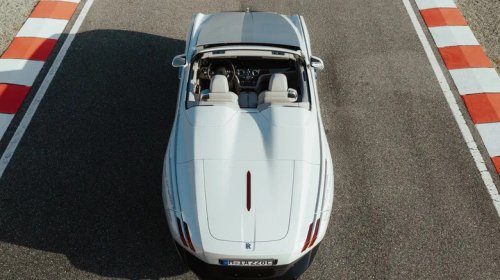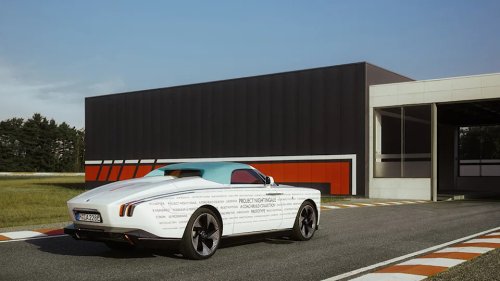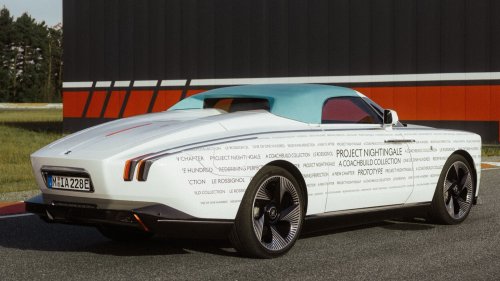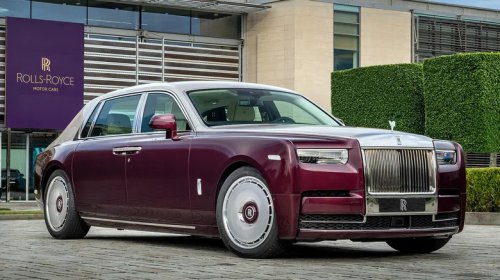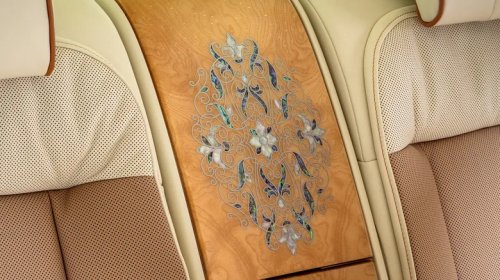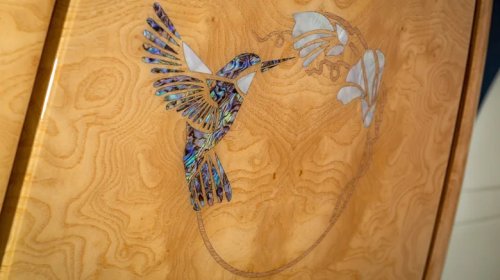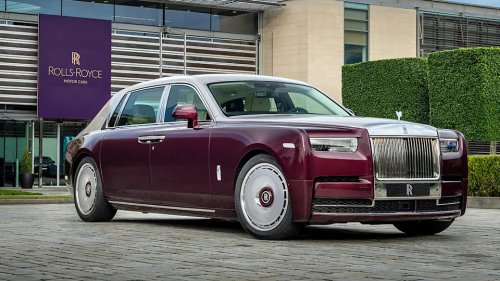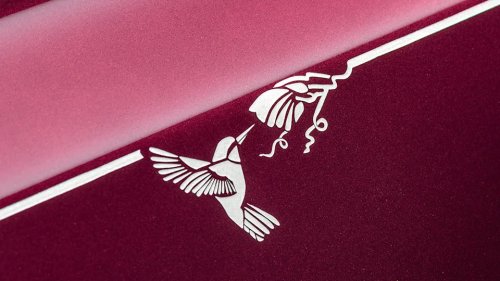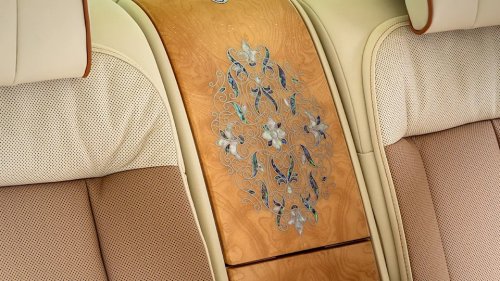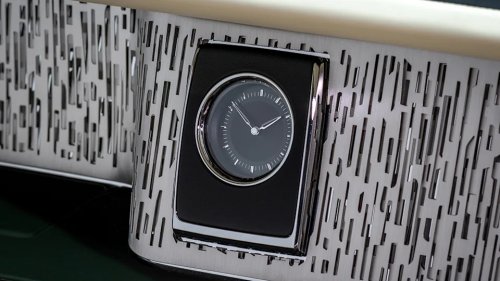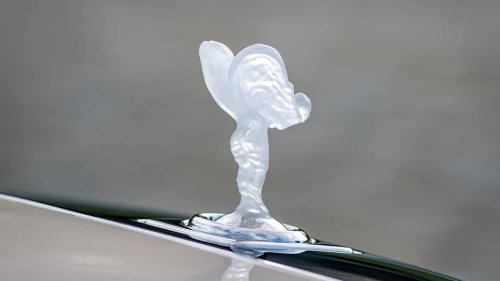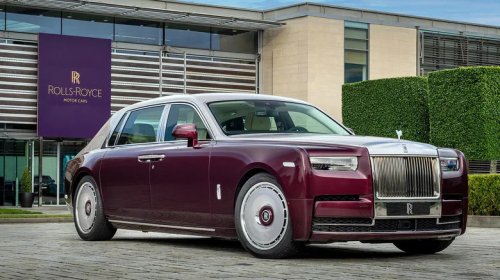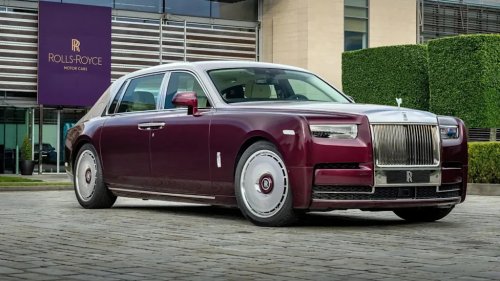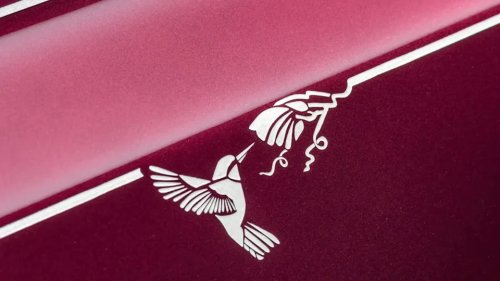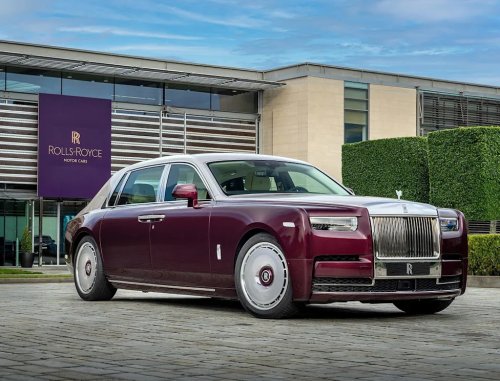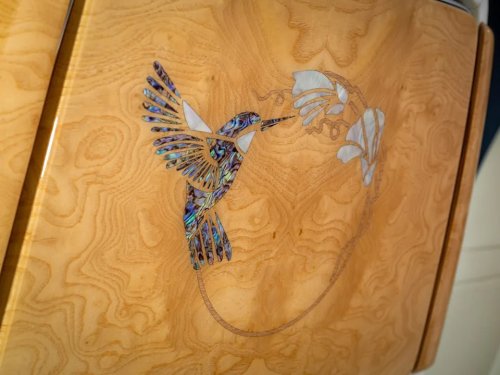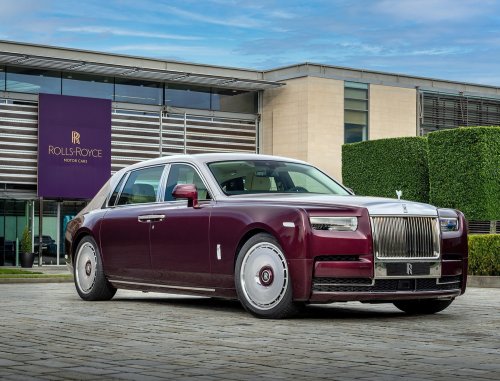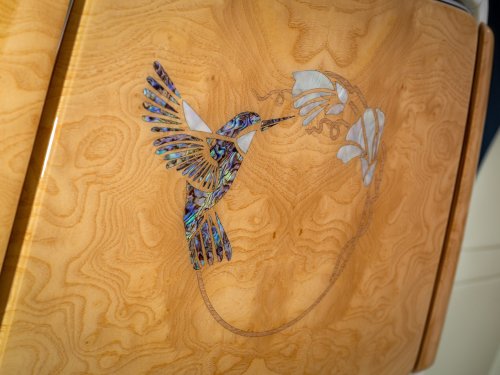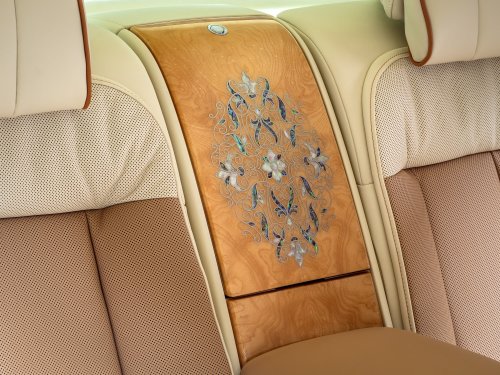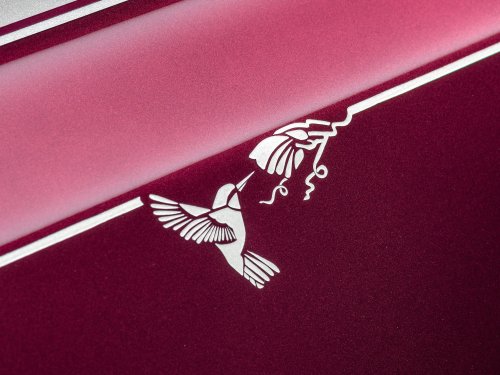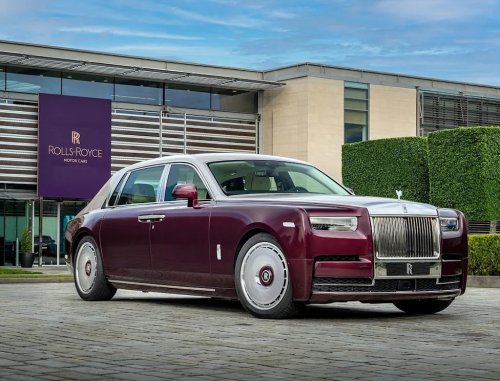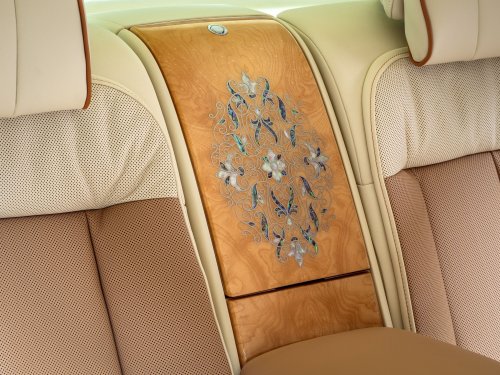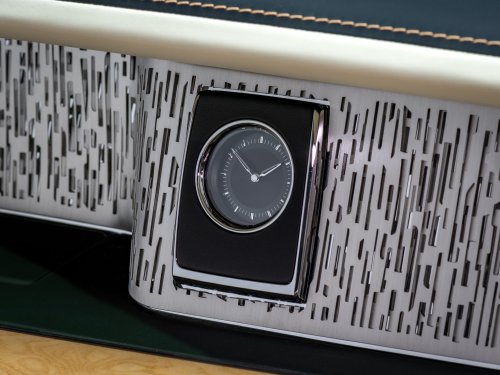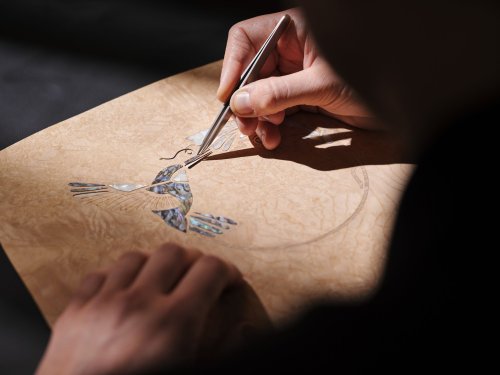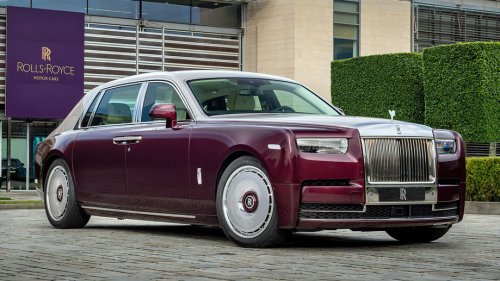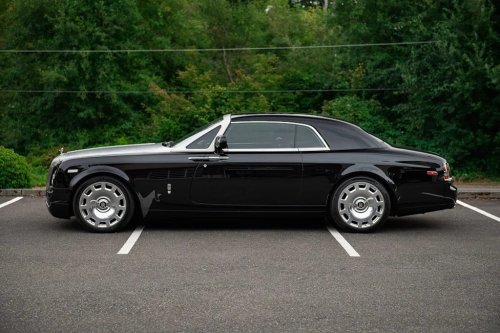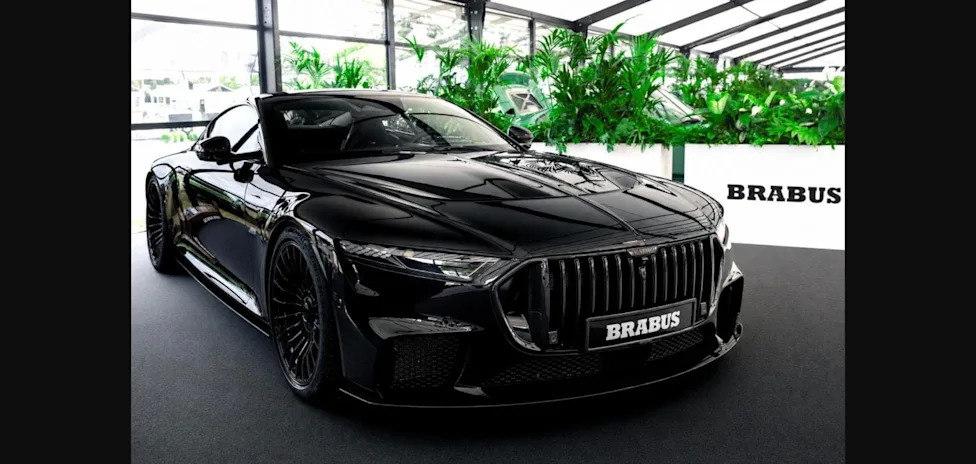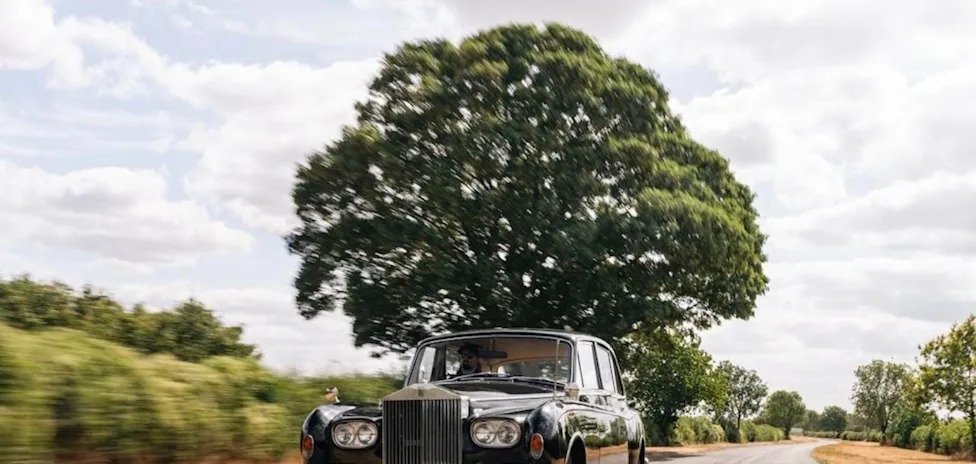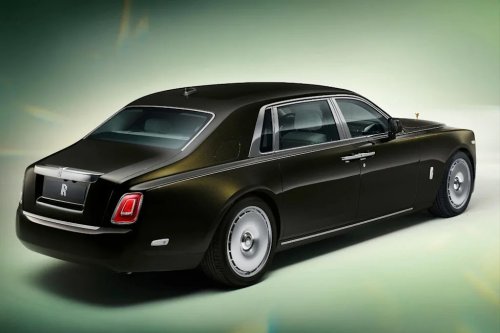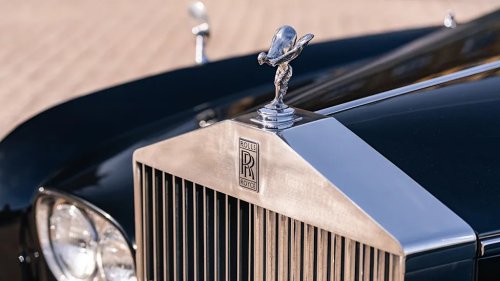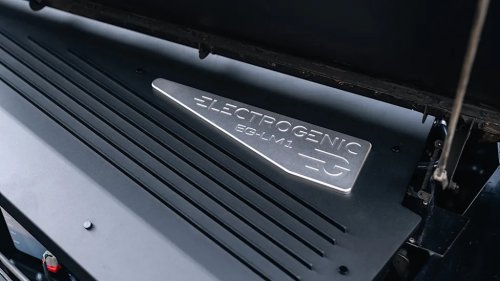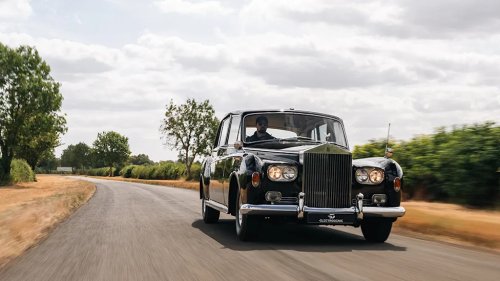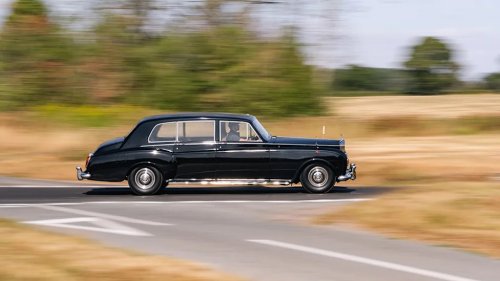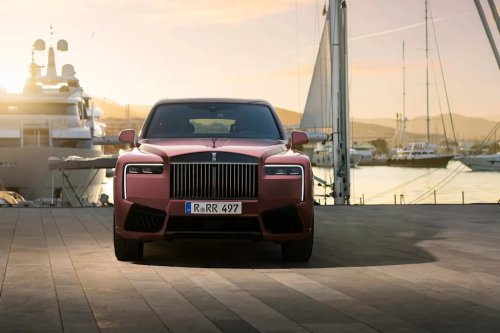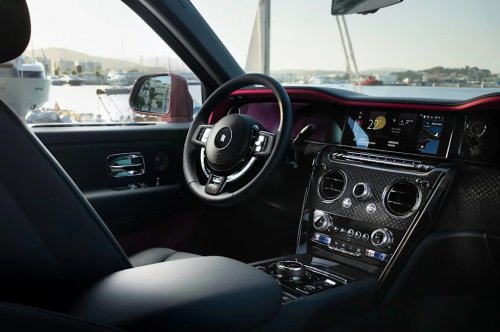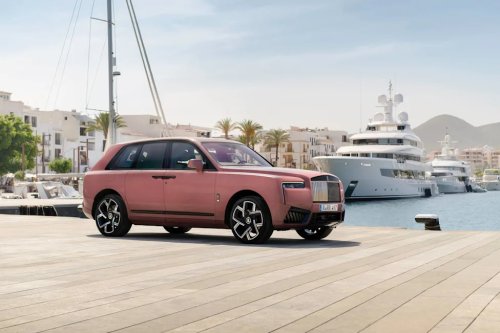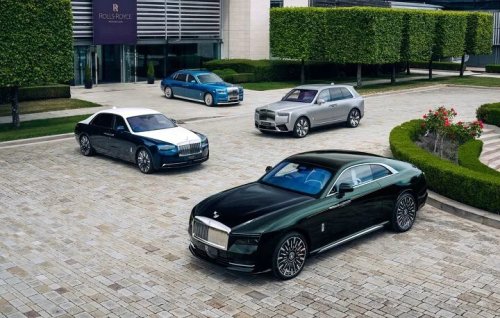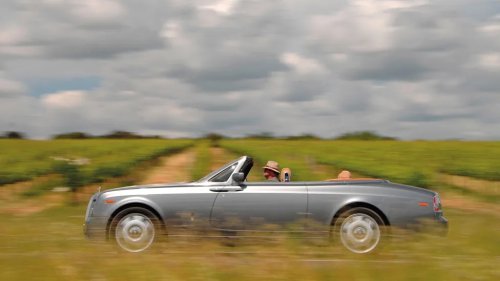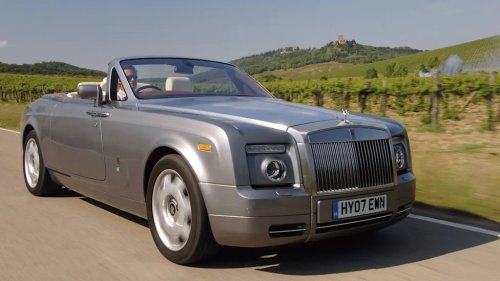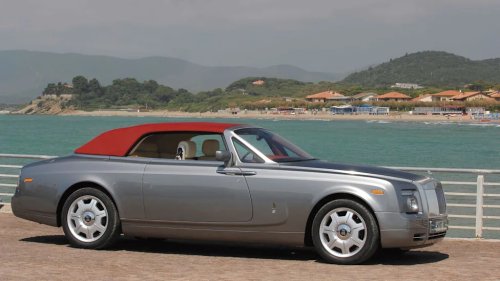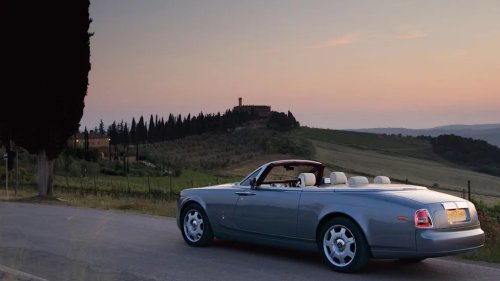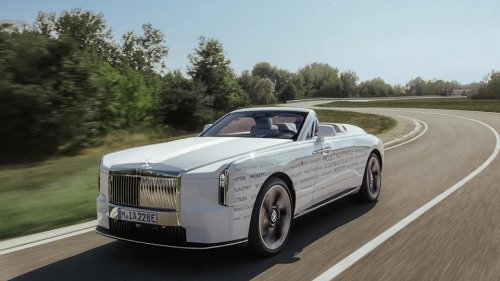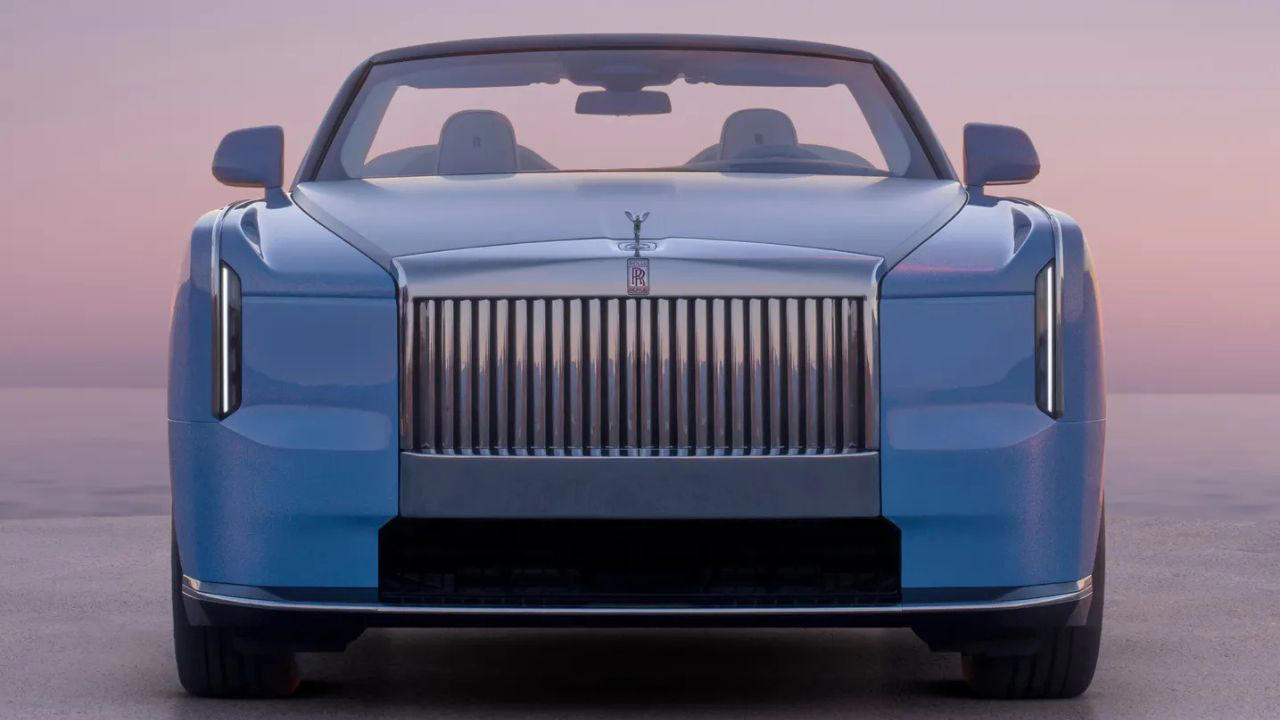


















Rolls-Royce coachbuilt EV convertible priced near $10MRolls-Royce has pulled the wraps off a new coachbuilt electric convertible that costs about as much as a small office tower, with pricing reported near 9.5 million dollars and a build run counted in single digits. The ultra-luxury EV is less a car and more a rolling commission, created for one or a handful of clients who want a zero-emission grand tourer without sacrificing the brand’s traditional excess. Its arrival signals a new phase for the British marque, testing whether the world’s wealthiest buyers are ready to embrace battery power at the very top of the market and previewing how hand-built coachwork might evolve in an electric era. What happened According to early details, Rolls-Royce has introduced a coachbuilt electric convertible positioned well above the already expensive Spectre coupe, with pricing described as roughly 9.5 million dollars for each example. The project follows the company’s modern coachbuilt lineage that includes the Sweptail and the Boat Tail, but this time the foundation is a battery-electric powertrain rather than a V12. The car has been characterized as an electric land yacht, a phrase that reflects both its size and its mission as a long-distance cruiser rather than a track car. The bodywork is bespoke, with proportions closer to a classic grand tourer than a conventional four-seat cabriolet. A long bonnet, sweeping shoulder line, and dramatically tapered rear deck give the car a nautical stance, while the fabric roof is designed to disappear almost completely when lowered, leaving a clean, uninterrupted profile. Underneath, the convertible uses the same all-electric architecture that underpins the Spectre. That means a large battery pack integrated into the aluminum spaceframe, which doubles as a structural element to improve stiffness. Power figures have not been detailed in full in the available reporting, but the expectation is that the output will sit in the same neighborhood as the Spectre, which already delivers more than 560 horsepower and over 660 pound-feet of torque. The new coachbuilt model is therefore expected to offer effortless acceleration that fits Rolls-Royce tradition, even if outright performance numbers are not the headline. The cabin follows the familiar pattern of the brand’s coachbuilt commissions. Each car is tailored to its owner, with unique veneers, bespoke embroidery, and custom metalwork that will not be repeated on other vehicles. The electric convertible introduces new materials and finishes that highlight the absence of a combustion engine. In place of a conventional engine bay, the front compartment can be trimmed as a kind of gallery, with illuminated panels or sculptural metalwork that celebrates the EV hardware instead of hiding it. Rolls-Royce’s designers have also reworked the traditional rear deck. On earlier coachbuilt projects, that area has been used to house elaborate hosting suites with parasols, picnic sets, and crystal flutes. The electric convertible continues this theme, but the packaging freedom of an EV platform reportedly allows for even more creative storage and presentation solutions. The result is a car that treats the rear of the vehicle as a stage for social life, not just a trunk. Development of the car has been framed as a collaboration between the Rolls-Royce coachbuild team and a small group of clients who were involved from an early sketch phase. Those clients are understood to have specified not only colors and materials, but also broad themes that guided the design. The final product is therefore less a standardized model and more a series of individual objects that share a core structure. According to one early report, the project has been described as a 9.5 million dollar electric land yacht, a phrase that captures both its cost and its intent as a statement piece for the EV age. That reporting on the 9.5 million price anchors the car near the very top of the global automotive market, even by Rolls-Royce standards. Why it matters The existence of a nearly eight-figure electric convertible from Rolls-Royce matters on several levels. At the most basic, it shows that the company is not treating electrification as a separate, more modest line of vehicles. Instead, battery power is being woven directly into the brand’s most exclusive offerings, the cars that define its identity among the ultra-wealthy. For years, the assumption in some corners of the luxury world was that high-net-worth buyers would cling to large displacement engines for as long as regulations allowed. That logic suggested that EVs would dominate the mass market first, with the top tier of luxury switching last. Rolls-Royce is flipping that script. By putting an electric drivetrain into one of its most expensive coachbuilt projects, the company is signaling that its most influential clients are at least open to, and in some cases enthusiastic about, a silent, emissions-free alternative. There is also a strategic angle. Rolls-Royce has already committed publicly to an all-electric lineup by the end of the decade. The Spectre is the first series-production step on that path, but coachbuilt projects like this convertible have outsized influence on the brand’s image. When a 9.5 million dollar commission is electric, it sends a message that the internal combustion engine is no longer a prerequisite for ultimate luxury in Goodwood’s view. The coachbuilt EV convertible also illustrates how electrification can actually enhance some of the brand’s long-standing goals. Rolls-Royce has always prized silence, smoothness, and effortless torque. Electric motors deliver all three by default. The absence of engine vibration allows the company to push its refinement targets even further, whether that means thinner glass, more creative cabin acoustics, or new ways to tune the car’s soundscape without the need to mask mechanical noise. Design freedom is another factor. Without a large engine and traditional transmission tunnel, the coachbuild team can reshape proportions and interior layouts in ways that were not practical before. The long bonnet remains, in part for visual drama, but the packaging constraints are different. That opens possibilities for new storage concepts, different seating arrangements, or even reimagined ceremonial elements at the front of the car, such as how the Spirit of Ecstasy is presented. From a business perspective, the project reinforces the economics of ultra-low-volume EVs. Battery development is expensive, and most automakers rely on scale to make the numbers work. Rolls-Royce operates on a different model. Its clients are willing to pay extraordinary sums for exclusivity and craftsmanship, which allows the company to spread the cost of EV technology over very high margins rather than huge production runs. In that context, a 9.5 million dollar price tag is not simply a flex, it is a way to fund experimentation at the top of the market. The car also speaks to a broader shift in how wealth and sustainability intersect. High-end buyers are increasingly conscious of environmental optics, particularly those who operate in public-facing industries or hold leadership roles in companies that talk about decarbonization. For such clients, an electric Rolls-Royce convertible offers a way to indulge in conspicuous luxury while aligning, at least symbolically, with climate goals. The environmental impact of building and operating a 9.5 million dollar EV is still significant, especially given the resources involved in coachbuilding, but the narrative is different from that of a 12-cylinder grand tourer. There is a cultural dimension as well. Coachbuilt Rolls-Royces tend to become reference points in design conversations, both inside and outside the automotive world. The Sweptail and Boat Tail, for example, influenced how other brands thought about nautical themes, integrated hosting features, and the use of rare materials in car interiors. An electric coachbuilt convertible will likely have a similar ripple effect, encouraging other luxury marques to experiment with EV-based commissions and to rethink what a high-end electric grand tourer can look like. For the EV sector, the project is a reminder that electrification is not confined to utilitarian or performance-focused narratives. Much of the public conversation around electric cars has centered on range, charging infrastructure, and acceleration times. Rolls-Royce is adding another storyline: the electric car as a slow, ceremonial object, designed for unhurried coastal drives and formal arrivals rather than drag-strip bragging rights. That shift in emphasis could help broaden the emotional vocabulary of EVs beyond the current obsession with zero to sixty figures. The coachbuilt EV convertible also raises questions about longevity and heritage. Rolls-Royce cars have historically been built to last for decades, with some remaining in the same family for generations. Electric technology evolves quickly, which creates a tension between the timelessness that buyers expect and the rapid pace of battery and software development. By committing EV technology to a coachbuilt project, Rolls-Royce is implicitly promising that it can support and update these cars over very long time horizons, or at least that it can preserve their usability as infrastructure and standards change. What to watch next The first and most obvious question is how many examples of the electric coachbuilt convertible will ultimately be built. Rolls-Royce has not detailed the total number in the available reporting, but its recent coachbuilt projects have typically been limited to one to three cars. If the company confirms a similarly tiny run, that will reinforce the car’s role as a design and technology showcase rather than a template for wider production. Another key issue is how quickly the build slots are spoken for. Historically, coachbuilt Rolls-Royces are effectively sold before the public ever sees them, with clients invited into the process long in advance. If the electric convertible follows that pattern, it will suggest that the brand’s most loyal patrons are fully aligned with its electric strategy. Any sign of hesitation or a slower-than-usual uptake would raise questions about how deep that enthusiasm really runs. On the technical side, observers will be watching for more precise information on the car’s battery capacity, range, and charging performance. The Spectre targets a range in the mid-260 mile bracket under mixed conditions, and buyers of a 9.5 million dollar convertible will expect at least similar capability, if not more. If Rolls-Royce reveals a larger battery or faster charging for the coachbuilt model, it could hint at upgrades that may later filter into the broader lineup. Another area to monitor is how the company handles software and digital features. The luxury sector is still grappling with the right balance between traditional craftsmanship and modern interfaces. An ultra-expensive coachbuilt EV gives Rolls-Royce a chance to experiment with more bespoke digital experiences, such as custom ambient lighting sequences, personalized soundscapes, or owner-specific interface themes. How far the brand goes in that direction will say a lot about its comfort level with software as a core part of luxury. Regulation and policy may also shape the car’s long-term significance. As more cities introduce low-emission or zero-emission zones, an electric Rolls-Royce convertible becomes not just a lifestyle choice but a practical way for owners to continue using their cars in restricted urban centers. If regulations tighten further, the company’s early move into high-end EVs could prove to be a competitive advantage, allowing its clients to maintain access where combustion-only rivals face limits. More from Fast Lane Only Unboxing the WWII Jeep in a Crate 15 rare Chevys collectors are quietly buying 10 underrated V8s still worth hunting down Police notice this before you even roll window down