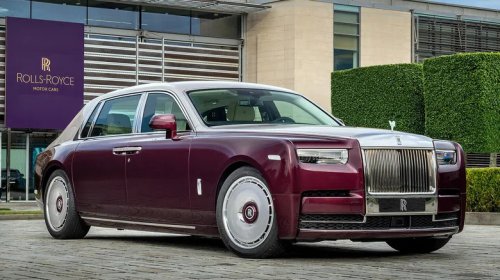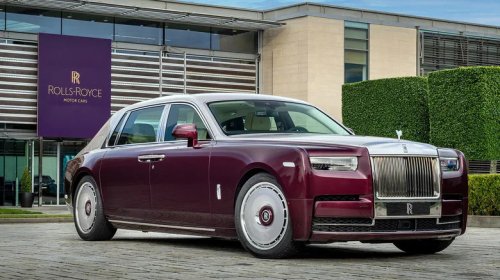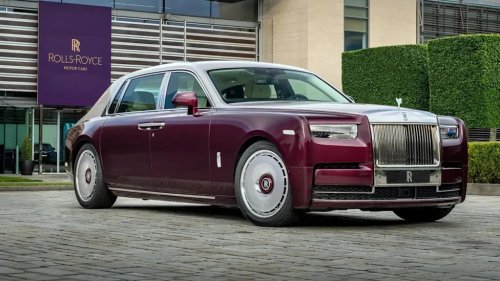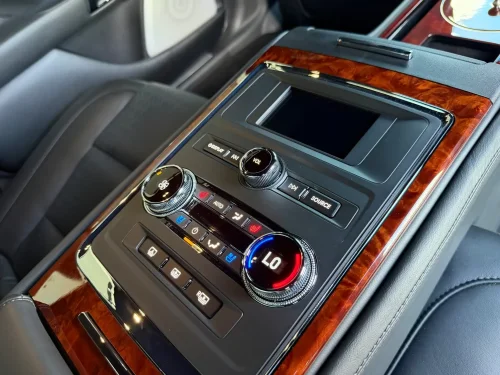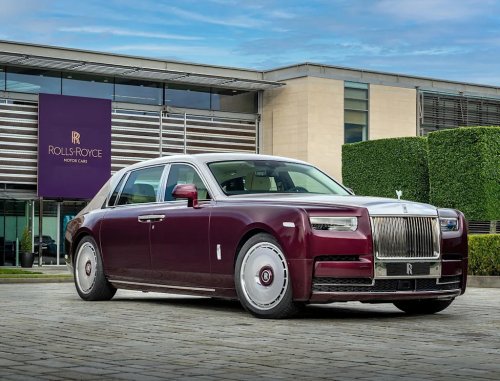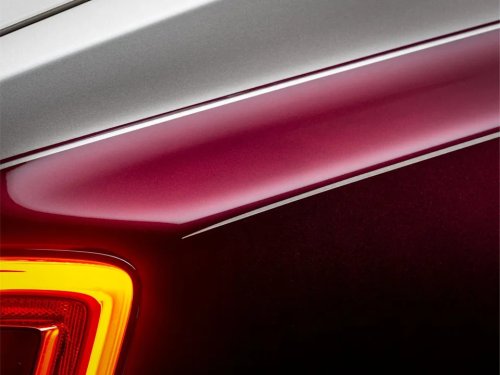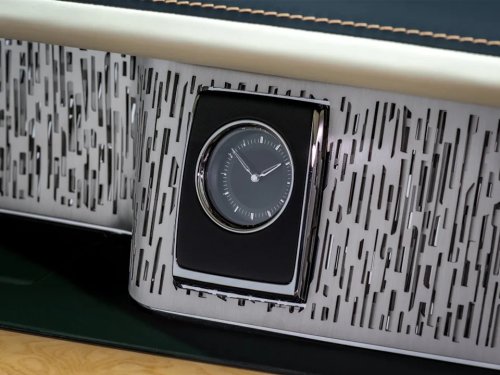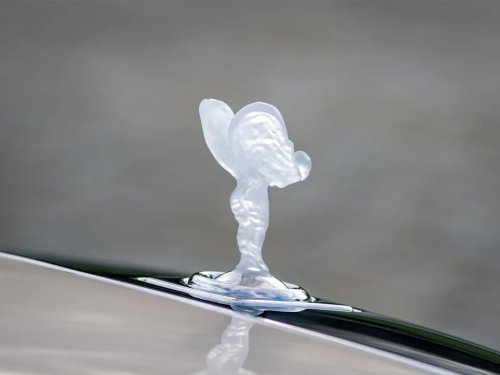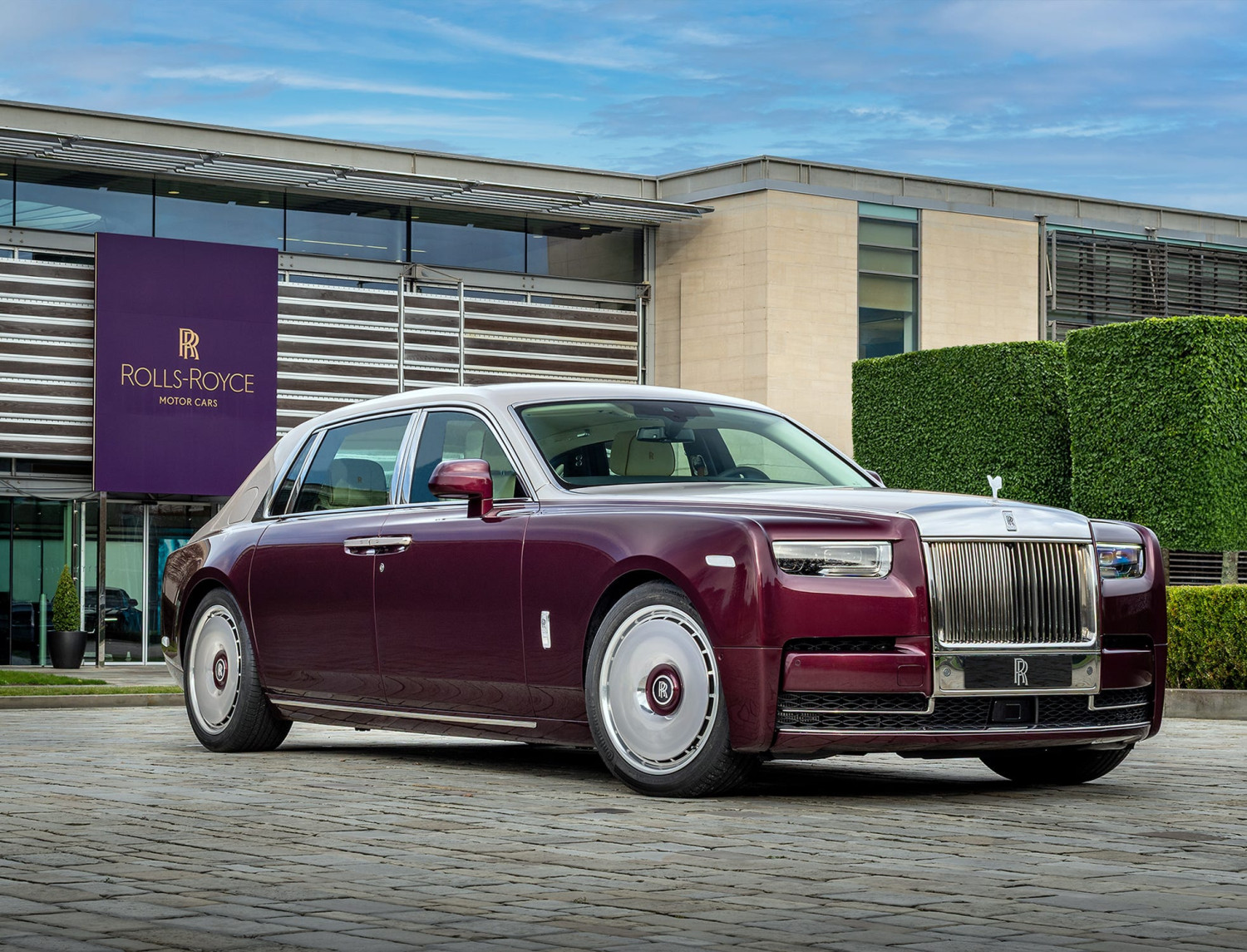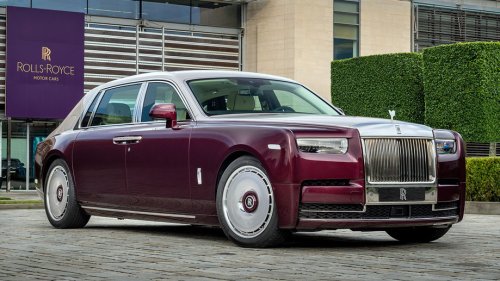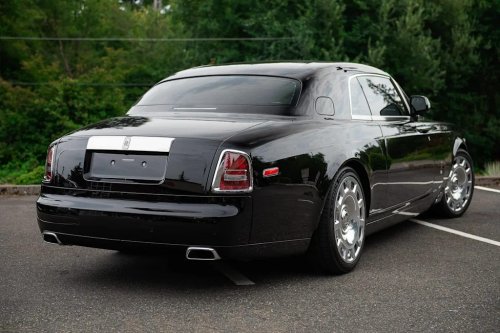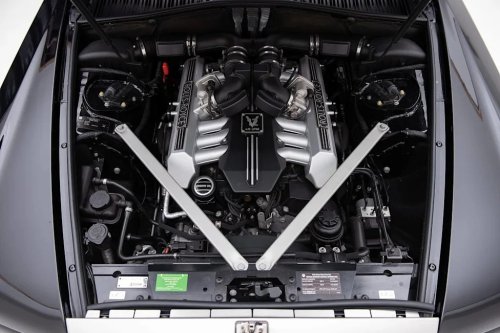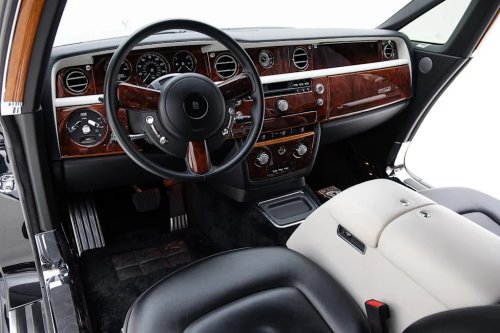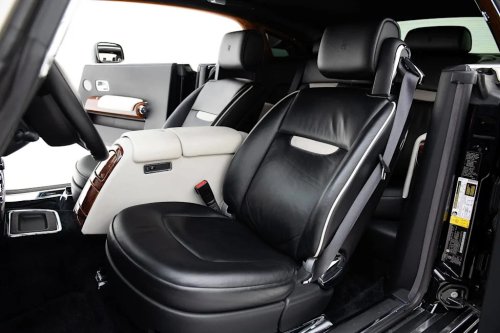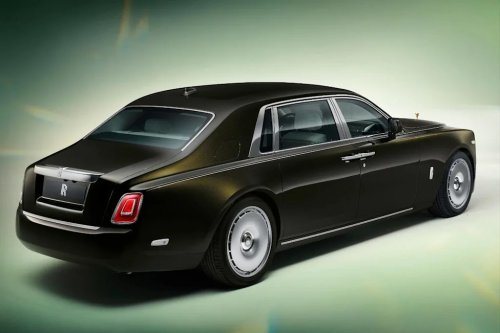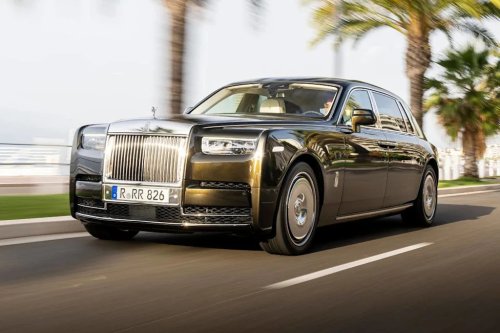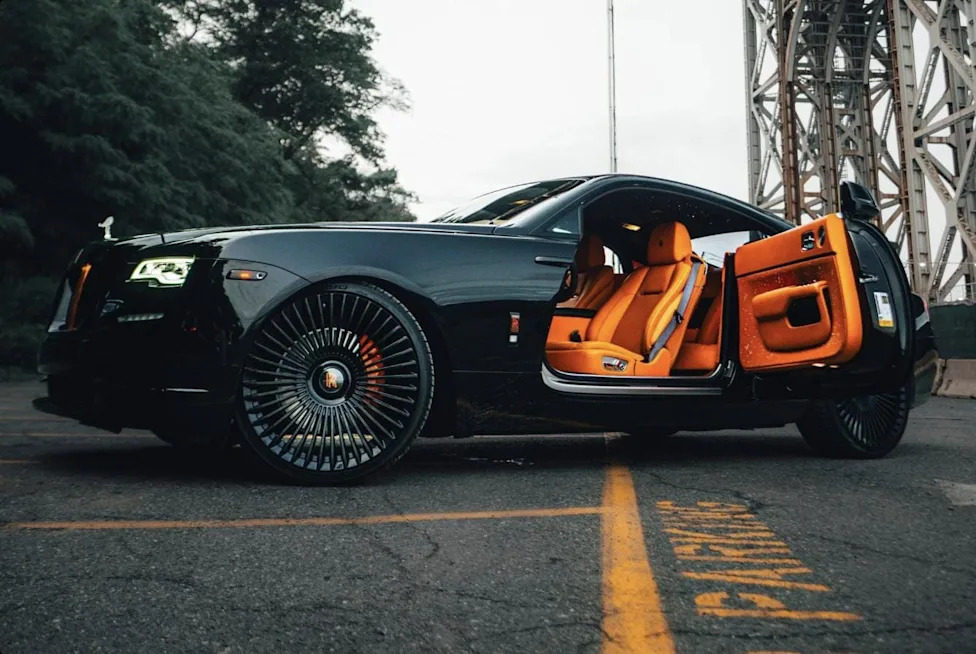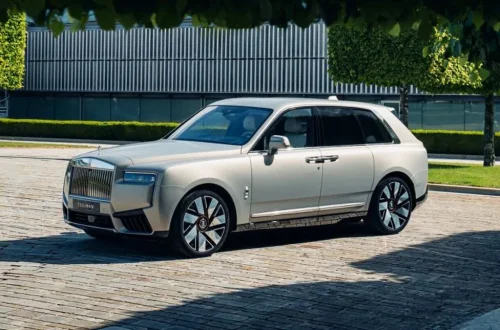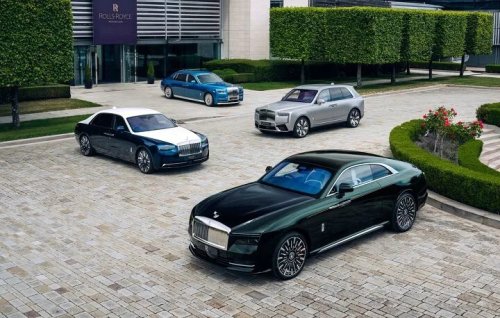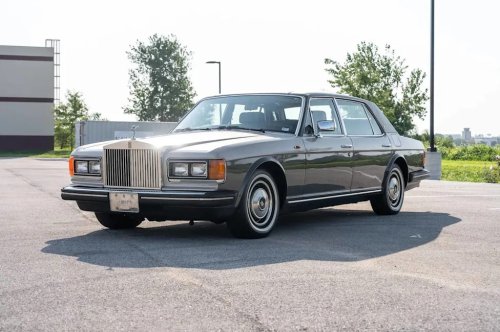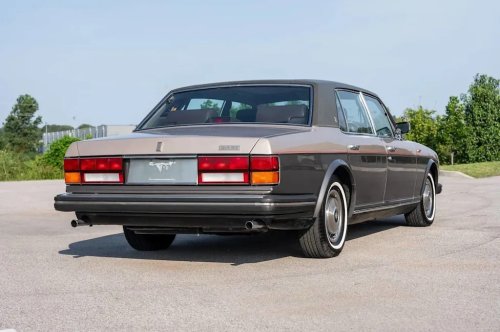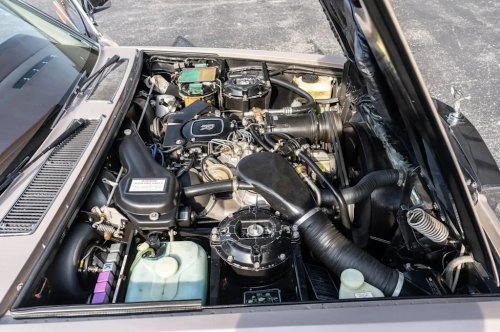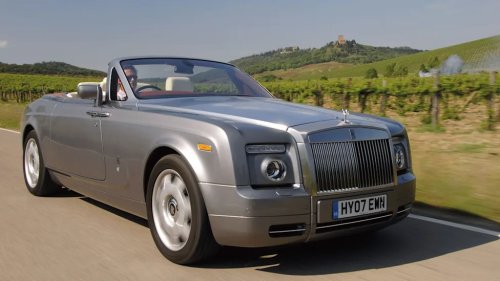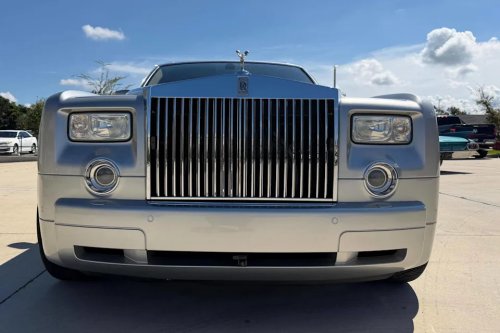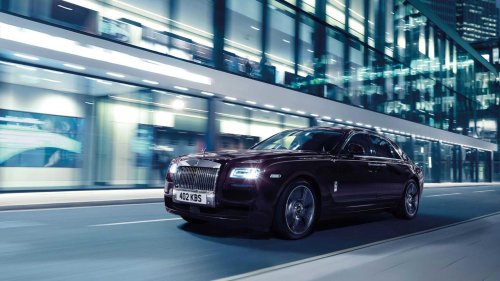
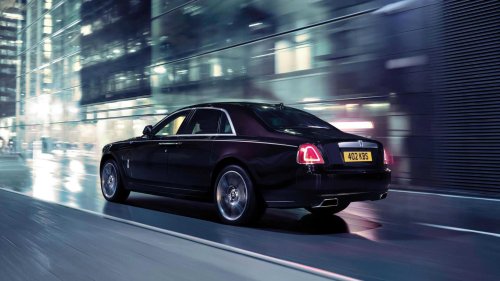
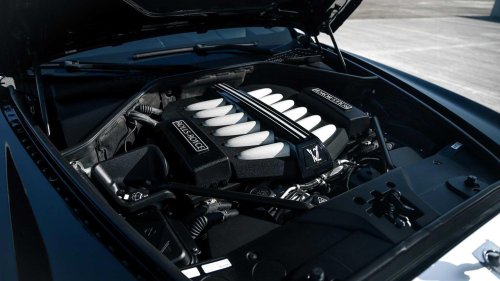
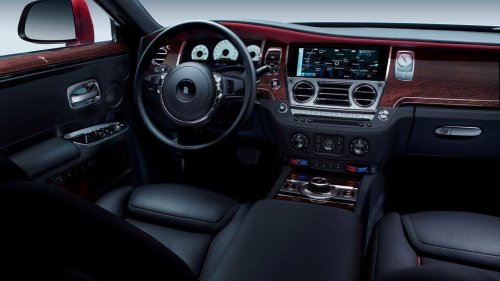
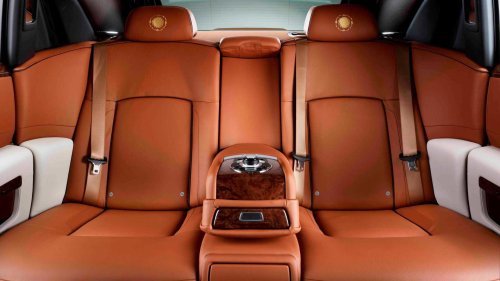
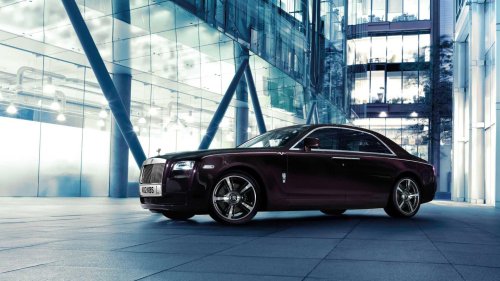


















Affordability is always relative, and what seems like a bargain to one person could well be out of reach for another. But still, a Rolls-Royce motor car would never traditionally enter an affordability conversation, as from the moment it leaves its creator to the moment it turns a wheel for the final time, it typically sits above most luxury sedans. A Rolls-Royce is just different in almost every respect due to its price, status, and social positioning, as well as its lambswool carpets, rear-hinged coach doors, polished veneers, and Spirit of Ecstasy emblem.Yet something strange is happening in the used market today, and the first-generation Rolls-Royce Ghost now seems to sit at a price point where the numbers no longer match its image. And while you may still not classify the Ghost as “cheap” by any means, it may be entering the same broad used market territory as a new Mercedes-AMG or a well-optioned BMW M car. The Rolls-Royce That Was Never Meant To Feel Attainable Rolls-RoyceRolls-Royce first launched the Ghost in 2010 as a more compact version of its Phantom. The company was aiming at a different group of clients who still wanted a Rolls-Royce but could use a more modest or minimalist expression of the marque. Rolls-Royce followed the original Ghost with the Ghost Extended in 2011, before moving on to the Series II, which launched at the Geneva Motor Show in 2014. The first Black Badge Ghost came along in 2016 before production finally ended in 2019. The British company reckoned that this first-generation Ghost was its most successful product over that 10-year life cycle, and the Ghost clearly helped broaden the historic brand's appeal.Rolls-Royce The Rolls-Royce Ghost may have been the company's entry-level product, but most people who put their money down did not do so because the Ghost represented “value”, and this is what makes today's used market situation seem so strange. Certainly, the Ghost was less stately than a Phantom and more compact in its appearance. And while it still had ceremony, craftsmanship, and outright presence, it might have tempted some people to drive it rather than just stepping into the back of it. The Ghost Was A Serious BMW-Era V12 Luxury Sedan Bring A Trailer Underneath the badge, Ghost buyers were getting some cutting-edge hardware that was anything but ornamental. The first versions had a 6.6-liter twin-turbo V12 with direct injection that produced 563 hp and 575 lb-ft of torque. Those cars also had an eight-speed automatic transmission and could get to 60 mph in 4.7 seconds, on their way to a governed 155 mph. That was quick then and remains quick now for a full-size luxury sedan that weighs in at more than 5,500 lb.While those statistics don't make the Ghost a sports sedan by most assessments, they do point to a car that was really usable in the real world and not just a static symbol of wealth. It had enormous torque from low down and could cover the ground at serious speed. And while it may not have been as openly athletic as a Bentley Flying Spur or as technical as a Mercedes-AMG S-Class, it was far more serious than its ceremonial appearance might have suggested.When the Rolls-Royce Ghost hit the showrooms, you'd have to pay around $245,000 for the base model. But options were often the name of the game with a vehicle like this, and Rolls-Royce offered a substantial list of bespoke additions. These extras often turned this luxury sedan into a heady six-figure personalization exercise, and that places even more emphasis on value perception today. After all, a used Ghost buyer could be getting a list of spicy additions, as well as a very solid and purposeful car. The Bargain Is Real, But Only At The Purchase Price Rolls-Royce A used first-generation Ghost could be seen as a bargain in the context of its badge. For example, the CarBuzz Marketplace is showing an average of $82,442 for a 2010 Ghost, about $101,000 for a 2014 version and north of $155k for a 2019 car. iSeeCars puts depreciation at 55.6% over seven years and 70% over ten years and while the overall spread of pricing is difficult to pin down, early depreciation was certainly steep, with long-term depreciation severe by most assessments.Generally, a five-year-old Ghost is now available for less than half of its likely purchase price, and a decade-old version at around a third, and this represents a lot less than most buyers would emotionally expect to pay for a Rolls-Royce. And to provide context, it pays to compare the Rolls-Royce Ghost with some Bentley and Mercedes vehicles from the same era. Here, iSeeCars suggests that the Bentley Flying Spur depreciates by 77.6% over a decade, while the Mercedes-Benz S-Class is marginally ahead at 78.8%. Both of those figures appear to be worse than the Ghost's 70% figure, but remember that the Ghost started out in a far more “socially loaded” place. The Hidden Cost Reality Is What Makes Most People Pause Rolls-Royce When you buy a used Ghost, you're not only getting a high-end luxury sedan, but embarking on a significant ownership journey. This means that the purchase price may only be the cover charge for access to this club. Several sources point out sizable annual service bills, which makes proper pre-purchase discipline very important to avoid a mid to long-term financial disaster.However, both the V12 engine and the ZF automatic found their origins in the BMW camp, and this means they may not be as fragile as some Italian counterparts from that era. And that BMW engineering lineage could give specialists the kind of problem-tracking head start they might not get if they were dealing with a completely bespoke drivetrain.Owners shouldn't expect BMW price repair bills here, though, because the powertrain is still wrapped in Rolls-Royce electronics, air suspension, specialized diagnostics, and parts supply. That’s why prospective buyers should look carefully for evidence of any missed service visits, tired suspension items, warning lights, weak batteries, neglected brakes, or questionable repairs. Many owners will choose to use specialists, rather than continue using Rolls-Royce for service work. Naturally, this will introduce savings, but still, maintaining a Rolls-Royce is still a costly endeavor that will pinch thousands each year from your savings account.Some used Ghosts may qualify for Rolls-Royce's Provenance Certified Pre-Owned program. However, Consumer Affairs reports show that such cars may still require an average of $15,000 in refurbishment, repairs, and replacement parts to coax them back to that level. And that’s why it’s really important to perform proper due diligence when looking at any used Ghost candidate. The Smart Buy Is The One With The Least Drama Rolls-Royce Potential buyers should use cost as only one decision factor, and the best used Ghost may not be the cheapest. Instead, the gem could be the one with the fewest stories to tell, with low or moderate mileage, documented service history, healthy electronics, and no signs of any deferred brake or suspension work. A good car should come with a documented service history and pass a strong pre-purchase inspection, and high-mileage examples tend to sit lower in the marketplace.Configuration is another important purchase factor. In this case, it’s probably better to look for more dignified specifications with black, silver, grey, white, or dark blue colors rather than bespoke, wild creations. Highly personal interiors could make a Ghost memorable for its original owner, but conservative combinations are typically the bestsellers in the follow-on world. Lower mileage is attractive, as is intact factory equipment, and while an overloaded options list may look impressive, it may hide mystery maintenance jobs behind it.Before buying a Ghostly-bargain, it’s important to understand that this is far more than just a cheap Rolls-Royce. Buyers may indeed be getting a depreciated Roller whose purchase price has fallen to a reachable range, but the ownership cost remains serious, even if it is predictable. The right buyer will conduct a no-holds-barred inspection and have a suitable maintenance budget in reserve. But if they are appropriately careful and pragmatic, they may find that a first-generation Ghost is not just a foolish indulgence. In fact, it could now represent a quietly rational way to access one of the most irrational badges on the planet.