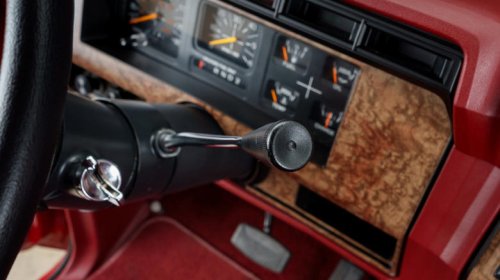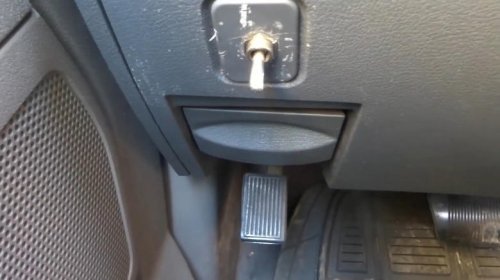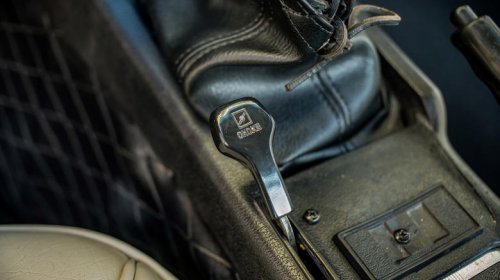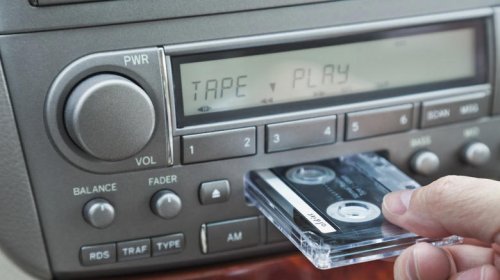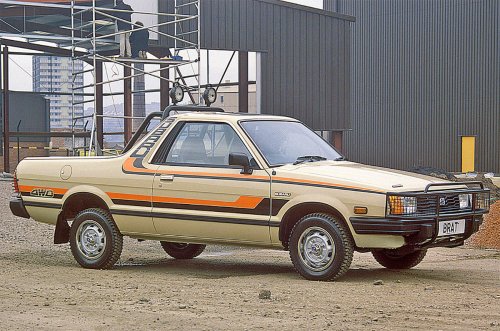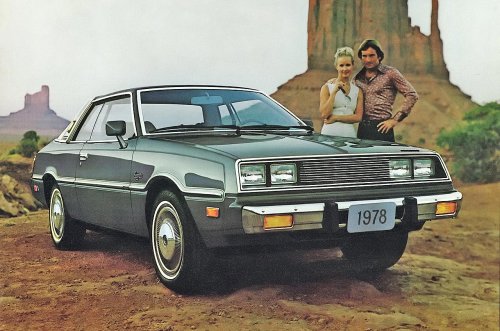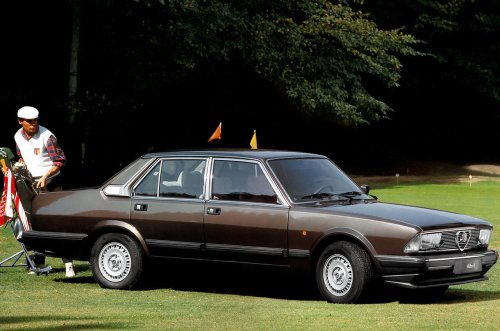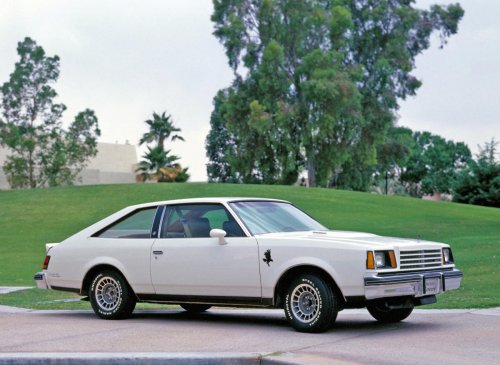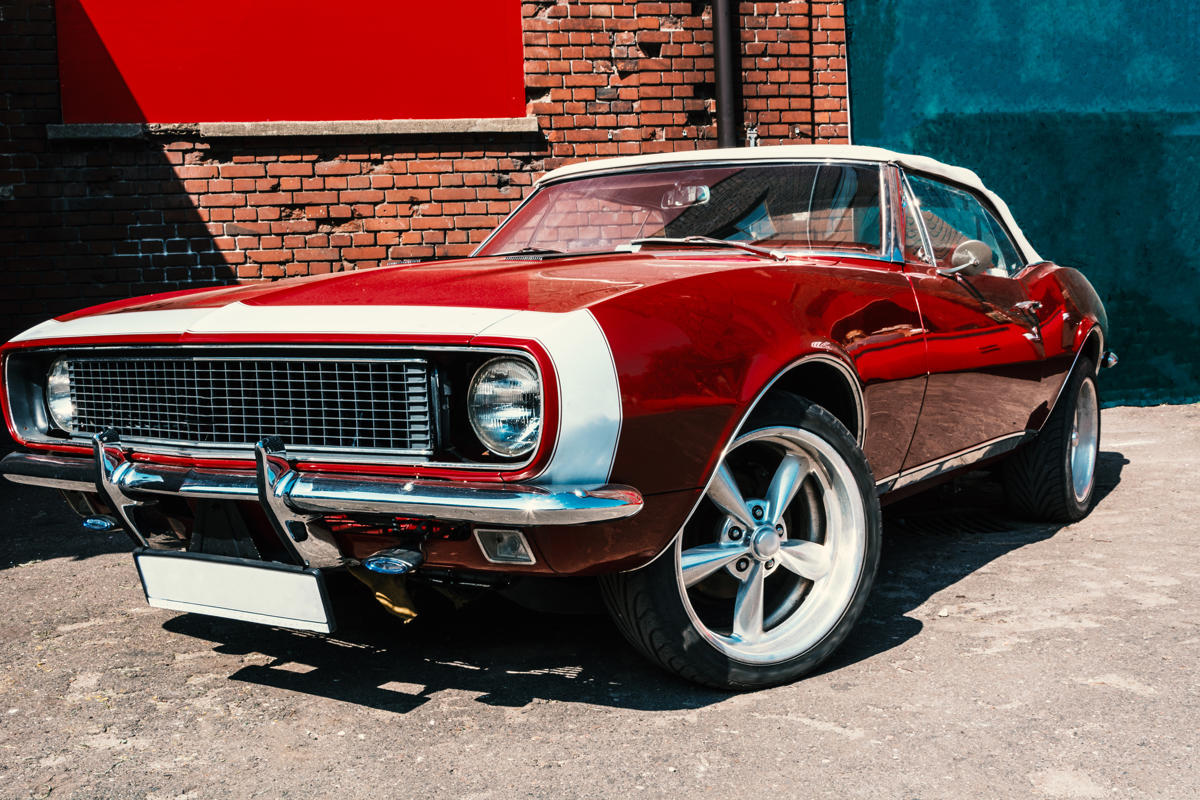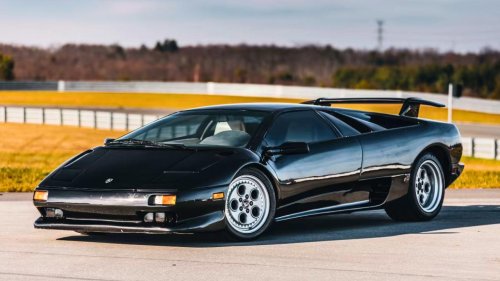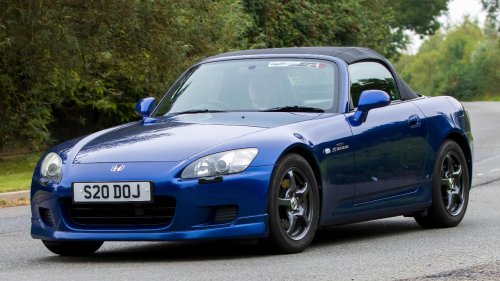




























When you see classic cars, do you notice some of the old features that aren’t part of modern vehicles? Many items that seemed modern and futuristic in the middle to latter part of the previous century are not classic features. Some have gone away despite seeming extremely important at the time. A few of these features have been renamed, while others have been deleted because they were easy targets for theft.It would be hard to imagine a car in today’s world with some of the car features that have been forgotten. You might have a hard time driving a car with the dimmer switch in the floor or understanding the purpose of a choke knob. Take a walk down memory lane and enjoy these classic car features that were part of many cars of the past but have now been forgotten.To give you the most up-to-date and accurate information possible, the data used to compile this article was sourced from various manufacturers’ websites and other authoritative sources, including Hemmings, Popular Mechanics, and Hagerty. Vent Windows Shutterstock What Was It? Vent windows were often also referred to as wing windows, which were separate small windows shaped like triangles built into the front window. These small windows pivoted to open and bring air into the cabin, ensuring some airflow. Why It Was Useful Many early vehicles didn’t include air conditioning. For many years, A/C was considered an optional upgrade, and some drivers chose not to add it to their vehicles, opting instead to be cooled by the vent windows. Some early cars with these windows include the 1957 Chevrolet Bel Air, 1965 Ford Mustang, and 1969 Dodge Charger. Why It’s Gone As air conditioning became standard, vent windows no longer made sense. They added more moving parts and cut into the aerodynamics of a vehicle. Automakers were able to cut them out of production and simply include A/C as a standard feature. Bench Seats Shutterstock What Was It? Bench seats that continued across the entire vehicle used to be standard on most vehicles. Today’s cars have pseudo-bench seats, typically with a 60/40 split. In many classic cars, bench seats stretched across offer extra room, especially on date nights. Why It Was Useful Before seat belts were mandatory in the rear seats and parents learned how to keep kids safe, bench seats offered a great way to stretch out, enjoy the extra room, and cruise around. It was common for more than three passengers to fit across a rear bench seat. Some cars that had them were the 1970 Chevrolet Impala, 1966 Chrysler Newport, and 1985 Ford LTD Crown Victoria. Why It’s Gone Safety regulations, the addition of airbags and seatbelts, and the transition to bucket seats allowed vehicles to have better support and safety for all passengers. Bench seats meant passengers could easily be tossed about during a collision. Manual Window Cranks Shutterstock What Was It? Today’s vehicles have automatic windows in which you push and hold a button, and the window goes up or down. That wasn’t always the case. Nearly every vehicle made for many years came with standard manual window cranks, which turned a pulley system in the door to raise or lower the window. Why It Was Useful Although cranking a window up or down is a little more work than pushing a button, the simplicity of the design makes manual window cranks useful. The durability and lack of motors meant you could roll the window up or down without relying on a motor in the door to do the trick. Nearly every car before the change to automatic windows had manual cranks, but a few notable examples are the 1974 Volkswagen Beetle, the 1980 Chevrolet El Camino, and the 1990 Toyota Corolla. Why It’s Gone Power-operated windows became more affordable and eventually became standard features in every vehicle on the market. This change pushed manual window cranks out the door, but they were useful for many decades. Floor-Mounted Dimmer Switches Pinterest What Was It? Some drivers refer to this feature as floor-mounted high beams. It was a small, cylinder-shaped button on the left of the driver’s floorboard that toggled between high beams and low beams. This meant your left foot actually had a purpose when you had an automatic transmission. Why It Was Useful This feature can be operated easily with your left foot, allowing you to keep your hands on the wheel and focus on driving. Floor-mounted dimmer switches were part of cars before steering wheel stalks had several features on them. Most cars had this feature, with a few notable models including the 1953 Buick Super, 1969 Plymouth Road Runner, and the 1971 Ford Galaxie 500. Why It’s Gone Steering-column stalks became standard to create a consolidated point for many controls, which allowed drivers to keep their hands on and near the steering wheel while operating the high and low beam settings. Choke KnobsShutterstock What Was It? You might be familiar with choke knobs, which are still part of some lawnmowers and motorcycles. These knobs used to also be part of cars. They are used to enrich the fuel-air mix for cold starts, allowing more fuel to enter the cylinder to get the vehicle running right. Why It Was Useful Choke knobs allowed fine-tuning of engine start-up procedures, especially in the winter months. Before vehicles had computers and electronic systems, they had carburetors and mechanical start-up procedures, aided by choke knobs. You can find these knobs in some classic vehicles, including the 1965 Volkswagen Bus, 1957 Fairlane, and 1965 Datsun 510. Why It’s Gone Despite their usefulness, electronic fuel injection made choke knobs and carburetors obsolete. This means you’ll only find these items on older cars and smaller motorized items, such as motorcycles, ATVs, and lawn mowers. Ashtrays & Cigarette Lighters Shutterstock What Was It? Nearly every car came with ashtrays and cigarette lighters in the early days. Before more modern studies proved that smoking was bad for your health, many people smoked, and that meant including the convenience of ashtrays and cigarette lighters in vehicles. Why It Was Useful Smoking was socially common, and these items were included for convenience. It was common for parents to smoke in vehicles with kids. Ashtrays were often included in the rear seats as well. Most vehicles had these items, including the 1968 Lincoln Continental, 1979 Oldsmobile Cutlass Supreme, and 1982 Cadillac Eldorado. Why It’s Gone Improved health regulations, changes in social norms, and the decline in smoking caused most automakers to stop including these items in cars. What used to be cigarette lighters transitioned to the 12-volt charging ports used in modern vehicles. Hood Ornaments Hagerty What Was It? Most high-end vehicles had hood ornaments, and some music stars put them on chains to wear around their necks. Hood ornaments were decorative badges mounted on the center top of the hood to show off the luxury brand’s position on the market. Why It Was Useful Hood ornaments were less useful and more a symbol of prestige, identity, and elegance. Some of them were very large and decorative, such as the Spirit of Ecstasy on the Rolls-Royce Silver Cloud. Other cars that had these ornaments were the 1959 Cadillac Eldorado with its flying goddess, and the 1930s Packard with the Cormorant hood ornament. Why It’s Gone Some safety regulations caused most automakers to remove hood ornaments from production, but mostly these items were a target for regular theft because they weren’t secured to the front of the car very well. In many cases, thieves could quickly pop them off, leaving an ugly blemish on an otherwise pristine luxury vehicle. Pop-Up Headlights Hagerty What Was It? The pop-up headlights were really cool. They emerged from the hood surface when turned on, and when not in use, they were folded down into the hood when off. This allowed automakers to present vehicles with sharper front ends. Why It Was Useful Although these headlights weren’t more useful than those that didn’t pop up out of the hood, they were great for giving a sporty car a much more stylish and aerodynamic appearance. They looked cool and were a huge part of the 1980s automotive market, with the 1986 Pontiac Fiero, 1984 Chevrolet Corvette, and 1991 Mazda RX-7 all showing off with pop-up headlights. Why It’s Gone Pedestrian safety laws ended the trend of pop-up headlights. Because they required motors on both sides of the car to operate, many cars with these headlights would look like they were winking when one light would pop up and the other would not. Hardtop Convertibles (Without B-Pillars) Ford Skyliner What Was It? Some hardtop convertible cars came with large front and rear windows that included the B-pillar that disappeared into the door when rolled down. This was a sleek look offered on two-door cars, giving convertibles a fantastic appearance. Why It Was Useful The clean lines and open-air feel without a soft convertible top meant less wind noise when the top was up and a fantastic style when it was down. Some cars that came with this feature in their convertible body styles were the 1956 Mercury Montclair, 1963 Buick Riviera, and 1971 Dodge Demon. Why It’s Gone Despite the cool appearance, these hardtop convertibles without the B-pillars provided little structural reinforcement. As safety standards improved, these hardtops were no longer allowed. Fender-Mounted Turn Signal Indicators Dodge Garage What Was It? Fender-mounted turn signal indicators were small lights mounted on the front fenders to allow drivers to confirm their signals were blinking. They were easy to see and showed the driver the information they desired about their turn signals. Why It Was Useful These small lights provided reassurance that your signal was working. This was especially important for cars that had louder engines or no clicking sound for the signals. Some cars that came with this feature are the 1950s Cadillac Series 62 models and the 1964 Lincoln Continental. Why It’s Gone These signal lights were redundant with the inclusion of dashboard indicators and modern lighting systems. Evolving to modern turn signals meant the fender-mounted turn signal indicators went the same way as the dinosaurs, onward to extinction.