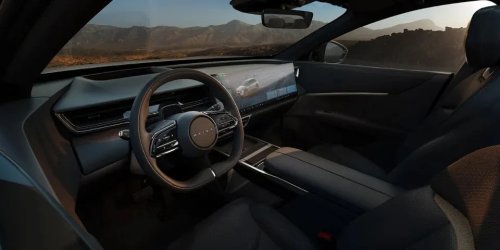
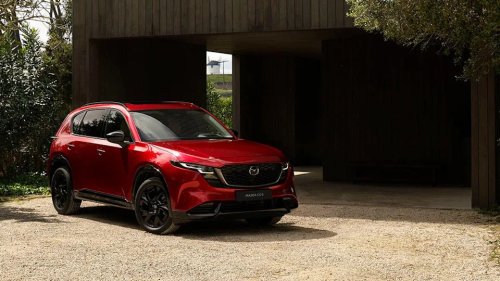
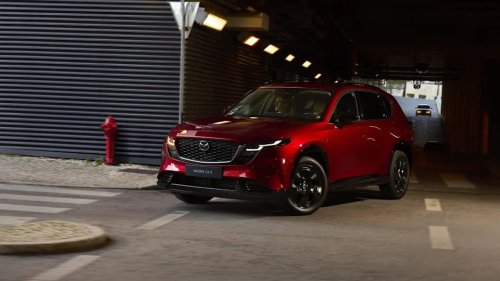
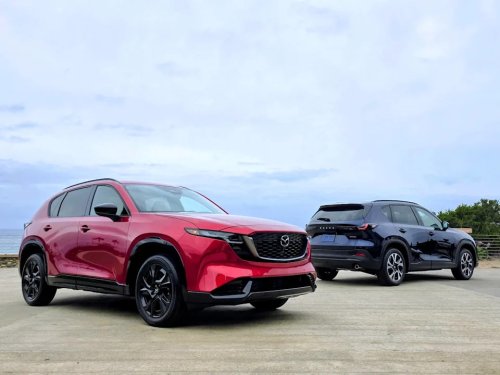
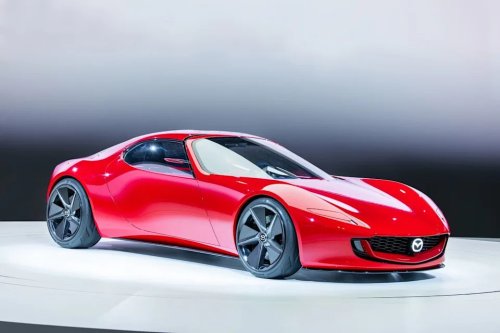
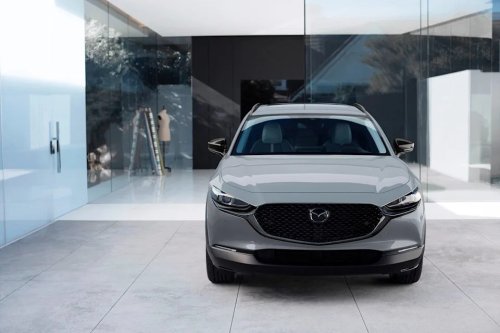
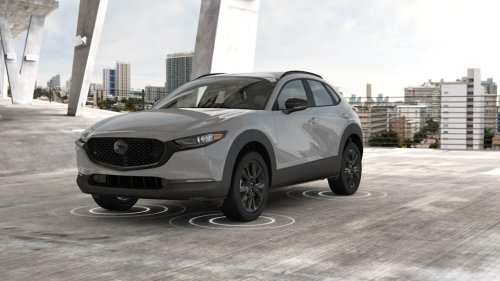
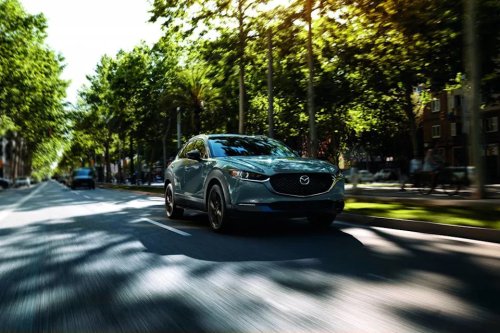
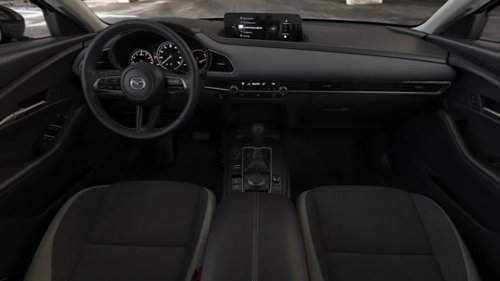
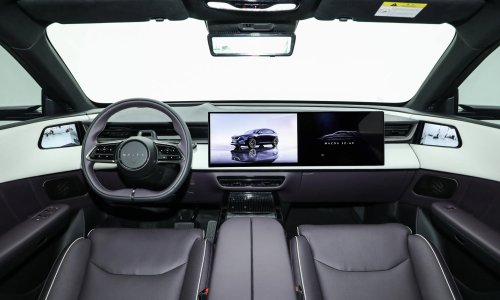
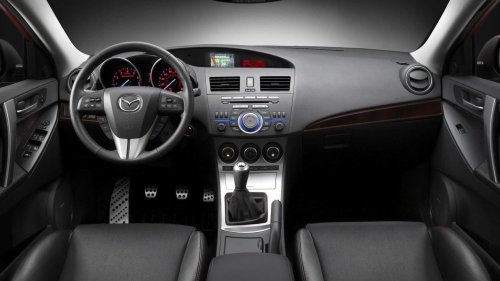
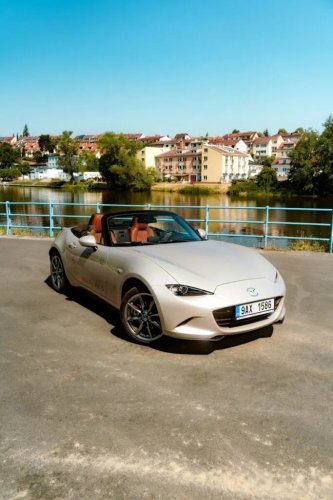
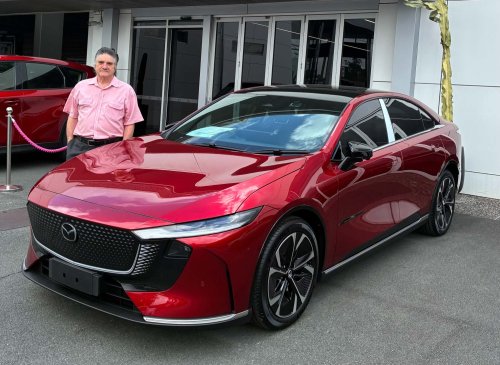
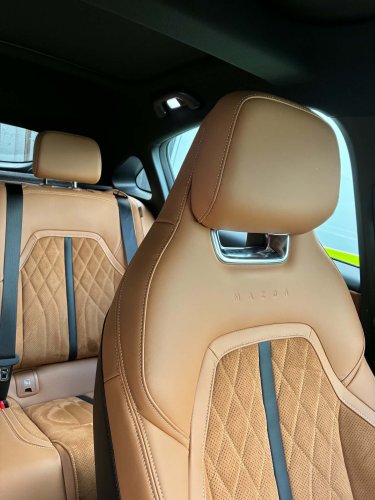
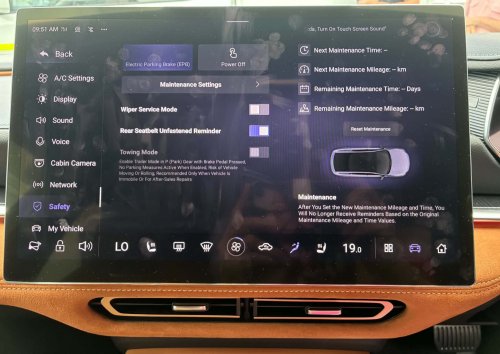
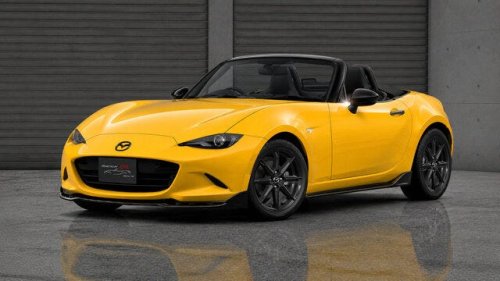
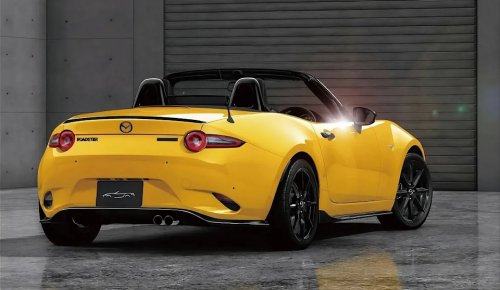
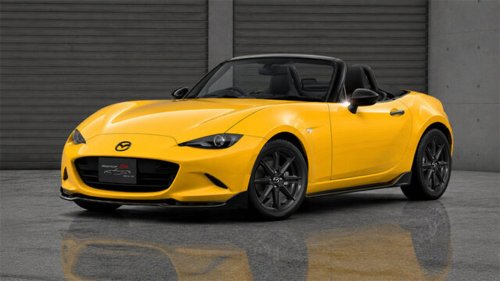
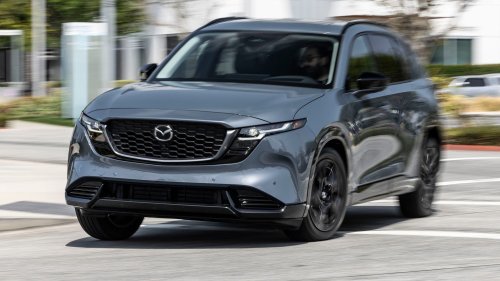
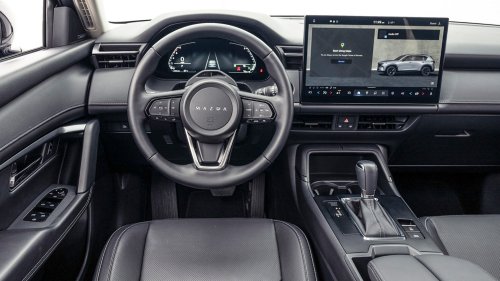
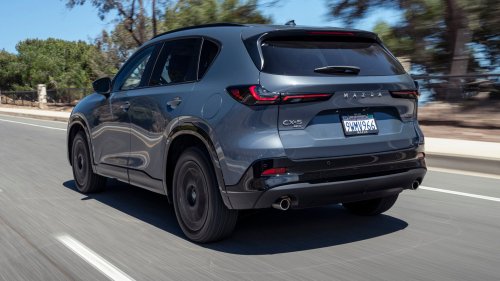
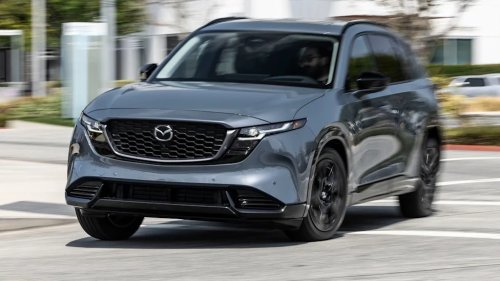
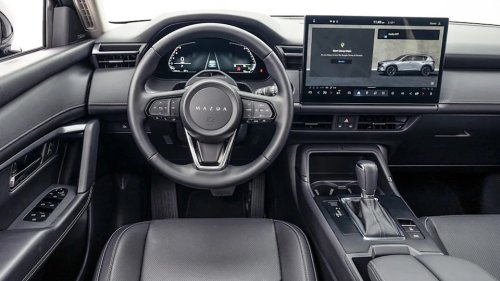
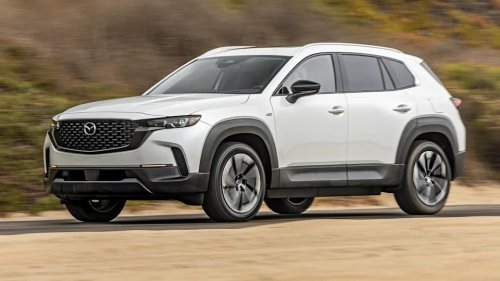
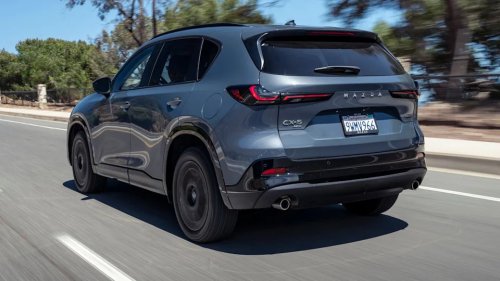
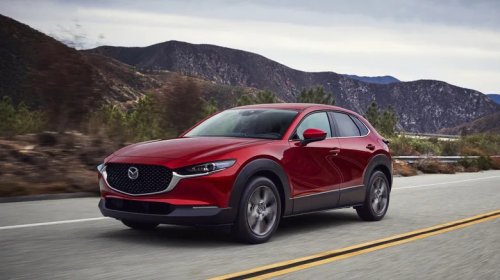
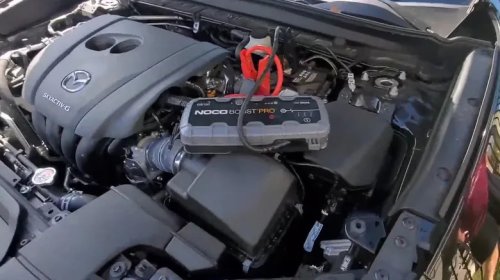
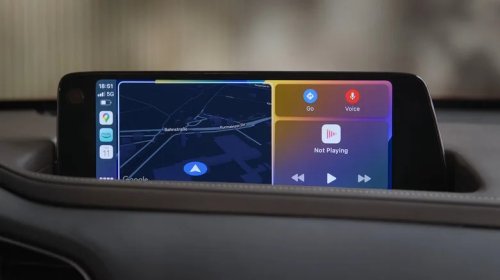
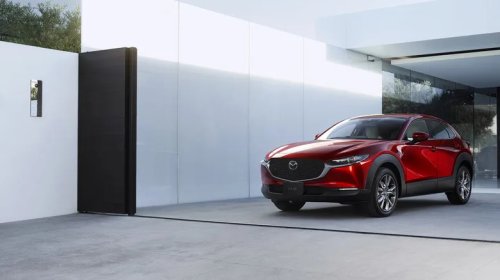
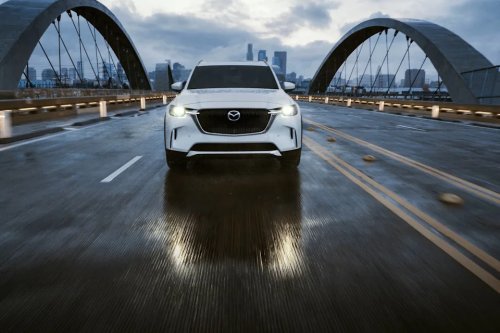
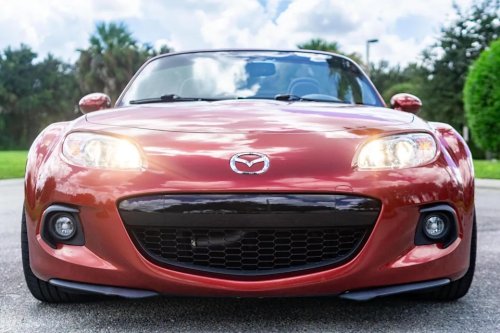
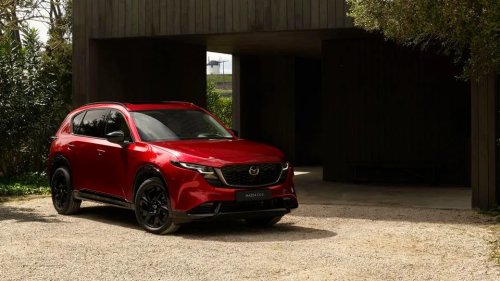
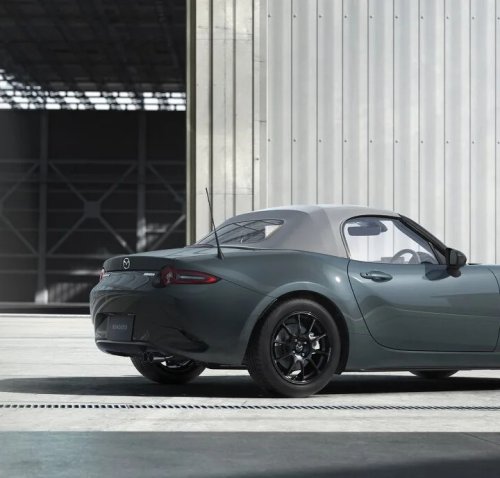
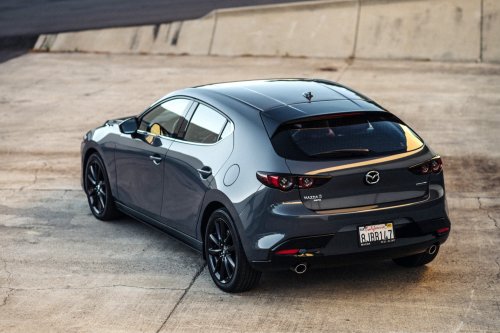
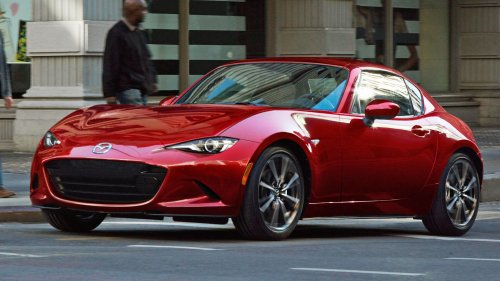
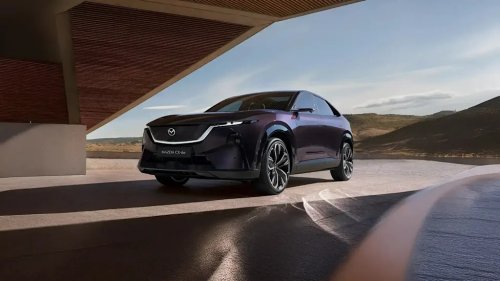
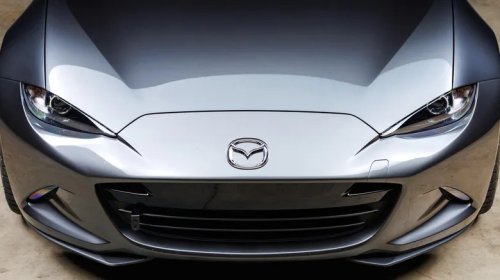
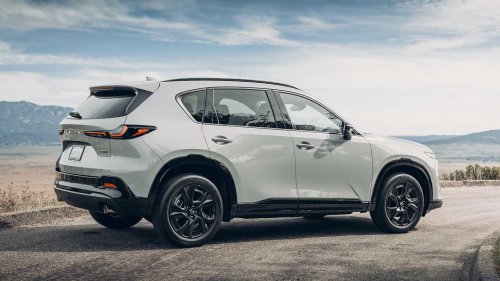
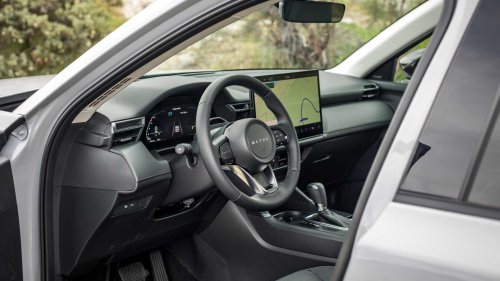
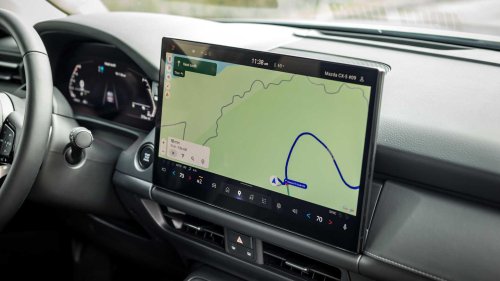
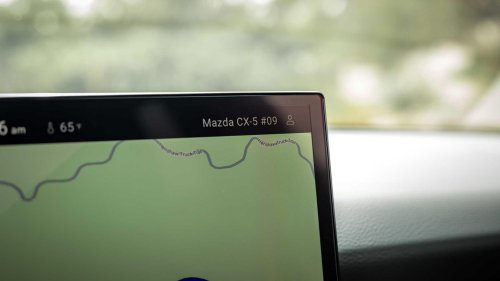
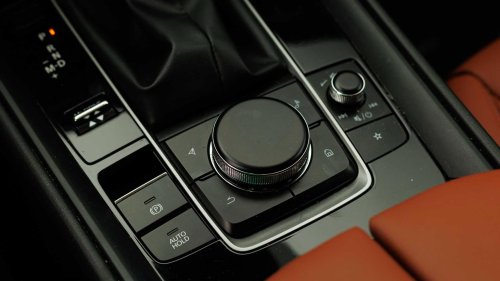
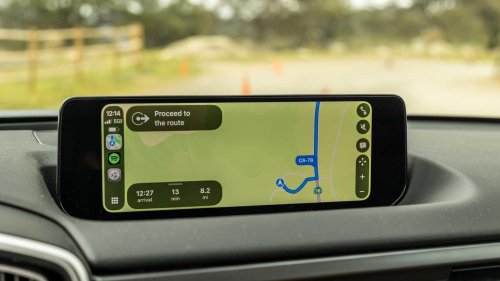
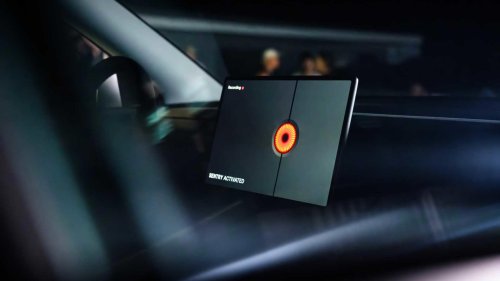
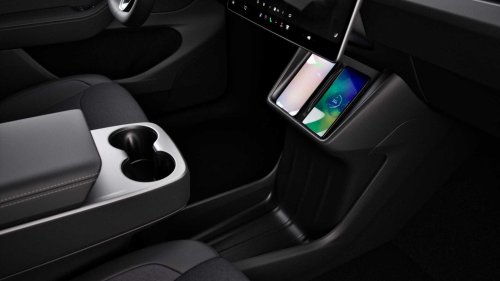
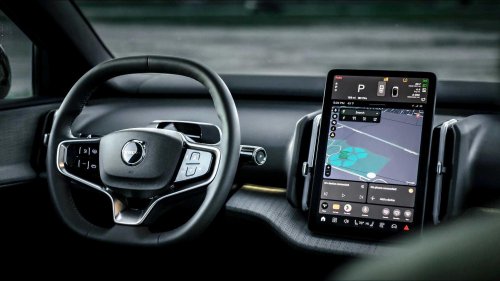
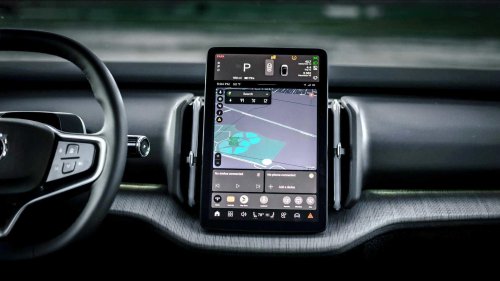
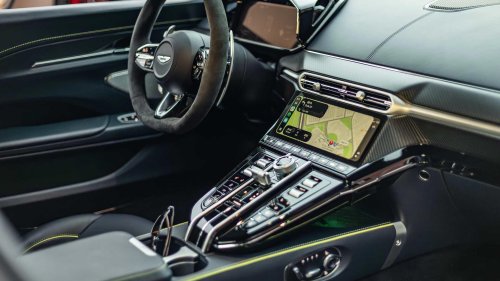
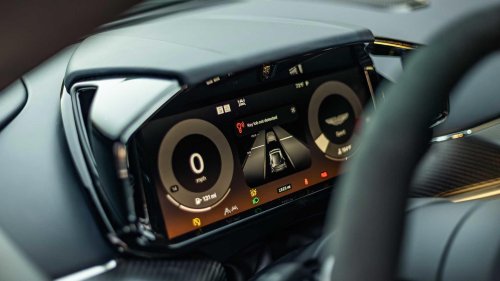
Mazda has carved itself into the automotive landscape by ignoring industry trends that don't suit its philosophy. Barring a brief blip in 2004 and 2005 when the automaker toyed with a limited-availability factory-tuned Mazdaspeed version of the MX-5, Mazda won't turbocharge the little roadster – no matter how many people beg the brand. Naturally aspirated is the way for the Mazda MX-5. It's part of the philosophy of the little sports car.Mazda has also stuck quite doggedly to the philosophy that tactile controls and non-touchscreen displays offer a safer and more intuitive driving experience. However, the 2026 Mazda CX-5 is here, and Mazda has gone to full touchscreen and toward minimal physical controls. A Big Turnaround Ian Wright/CarBuzz/Valnet According to Mazda representatives we spoke to, the move to touchscreens in the CX-5 is not discarding its philosophy of reducing distractions the dial control system is built upon by sticking a 15.6-inch touchscreen on the dashboard. If you own or have driven a modern Mazda that uses the "Commander" control wheel in the center console and a small screen set back in the dashboard, you're probably also scratching your head. After all, the reasons we were told it was a small screen set back near the windscreen was twofold: the driver's eyes don't have to move far to glance at information, navigation for example, and it's too far away to reach out and touch.Ian Wright/CarBuzz/Valnet It works brilliantly as a concept and is well executed. In the Mazda CX-50 the system is still in place, there are buttons you can learn to reach and feel without looking down to change the temperature, and there's a volume knob in the center console that's as easy for the passenger to reach as the driver. Now, on the CX-5, the environment controls live at the bottom of a screen along with a volume adjustment. It's far from extreme, as we'll get into, but it's a sign of where things are going. Mazda's Reasoning Ian Wright/CarBuzz/Valnet According to Mazda's company line, it's not a change in philosophy, but bringing the philosophy up to date. The system is based on Google built-in and the Gemini AI voice control system and Mazda isn't the first to tell us voice control is an answer to driver distraction. And, indeed, you can tell the system to turn the volume up and down, change the heat level, and where you want to go. But there are a bunch of reasons why it's not perfect, and you've likely experienced them if you use, say, a voice control home assistant or just the voice assistant on your phone.Ian Wright/CarBuzz/Valnet The inherent issue with relying on voice control is that it interrupts whatever you're doing at the time. If you're listening to music, an audiobook, or a podcast, or having a phone conversation, it gets interrupted so it can listen and figure out what you want the next action to be. Assuming, of course, the voice assistant interpreted you properly and turned the volume up instead of the heat or added coffee to your grocery list rather than find the nearest coffee shop.If you're in the middle of a conversation in the car, suddenly saying "Hey Google," and issuing a command is a bit rude compared to just tweaking the dial to turn the heat up a degree or two. It's also quicker to turn a dial than say "Hey Google, set the temperature to 75 degrees." If you have the windows down and the music up, well, you get the idea.If you want to turn the heat up or down without the voice assistant in a 2026 Mazda CX-5, you have to do the same thing that irritates so many people in other brand's cars, Volvo being a long-term offender, and touch an icon at the bottom of the screen. Now, the physical controls for the HVAC are generally under a screen, but when they're tactile, you learn where they are and don't need to look down. I've yet to meet someone who's learned muscle memory for a car's touchscreen. Some Honest to God Nuance Ian Wright/CarBuzz/Valnet While we were talking with Matthew Valbuena, the project manager for in-vehicle technologies and HMI at Mazda’s North American operations, at the CX-5 first drive event he gave us some direct reasoning for moving to a touchscreen. The outgoing infotainment system with a small screen (pictured above in the 2026 Mazda CX-50) navigated with the control wheel worked because the infotainment system was simple. With Apple CarPlay and Android Auto added, it can become laborious to navigate them as those systems are designed for a touch interface – both systems mirror the operating system of the phones.Ian Wright/CarBuzz/Valnet As Valbuena pointed out, over 85 percent of people use a smartphone. Everyone from tweens to octogenarians can navigate through a smartphone now. Apple defined the touchscreen graphical interface, and Google has evolved their operating system with it. The rotary dial system just isn't cutting it, and asking new customers to learn a whole new infotainment navigation system is a hurdle now. On top of that, the control wheel would be a huge and expensive undertaking to make work with the complexity of Google Built-In, then even harder and likely more laborious to use by the car's driver.Indeed, Mazda had to make the screens touchable for that reason. There's a stone-cold demand from customers and the stone-cold logic of giving customers something they already understand – touchscreens. The language of touchscreens is so built in now that switching between Apple's iOS and Google's Android isn't a big deal. Particularly compared with switching a desktop or laptop computer from Windows to macOS or, for the truly adventurous, Linux. It's hit the point now that Apple is baking itself into vehicle's control systems. The Cost Of Cost Cutting Tesla What is, effectively, a tablet computer on the dashboard of a car is intuitive for the vast majority of us as a smartphone is just a scaled-down tablet computer. But that's also the rod we as regular folk are building for our own backs, with me wholeheartedly included. Mazda, or any automaker at this point, isn't taking its user control system decisions lightly and has the customer to satisfy. But, the trend has become relying heavily on screens and then using them for cost-cutting, and the slippery slope ends with buttons and dials in cars being a luxury.Tesla Switches and wiring and the engineering to make all the switches and buttons work as planned is expensive, so dropping all the functions into a screen for signals to be sent by a computer that is already there is a lot cheaper. Tesla started the hardware to software switch, so to speak. But EV's in general have taken the idea forward the most. Having an interior that gets rid of buttons looks clean, minimalistic, and technology forward. Literally putting technology forward with a big fancy screen mounted on the dashboard at the front of the cabin with lots of menus and controls.However, it looks great in photos and video and gives a nice first impression, but it's objectively hugely impractical to get to the end of the slippery slope. The concept persists now because it saves a lot of money, and automakers need to cut costs on all-electric vehicles because they still cost more to make than regular engine vehicles. Volvo Enters The Chat Ian Wright/CarBuzz/Valnet A slippery slope isn't always a logical fallacy, as evidenced by the Volvo EV I currently have parked in the driveway. Volvo not just dispensed with all but the physical window and lock switches, but they were moved to the center console so that only the door handles exist on the door. Everything else is either controlled through the touchscreen or, in the case of moving the side mirrors, using the touchscreen to set the steering wheel direction buttons to adjust the mirrors.Ian Wright/CarBuzz/Valnet There's not even a gauge cluster in the Volvo EX30 – what you see there instead, are sensors watching the driver. The EX30's speed is displayed on the corner of the center screen. That's a big saving right there. The biggest clue that getting rid of the gauge cluster is a cost-saving design is that a head-up display at the bottom of the windscreen would be a great tech-forward solution and cheaper to install in the car than a conventional gauge cluster screen, and make the mph display on the center screen secondary. The driver hardly has to move their eyes to glance at a head-up display, and a safety-conscious company like Volvo knows this.Conversely, climb into an Aston Martin, and there's a sea of buttons and scroll wheels to reach out and touch rather than talk to a voice assistant or spend more time looking at a screen while the vehicle is moving. You can talk to the voice assistant if you want, but the key is having the convenience of a choice in how not to interact with the screen while driving, depending on the situation and environment.Ian Wright/CarBuzz/Valnet So, that's where we're heading, unless legislation gets in the way, which is possible with things like getting rid of the gauge cluster and making it awkward for the driver to read what speed they are doing. It looks like things we take for granted now, like volume and temperature knobs and convenient time-tested gauge clusters, will soon be for those that can afford luxury car prices and running costs.Ian Wright/CarBuzz/Valnet While those that can afford luxury vehicles are cruising around serenely enjoying some media or a conversation and not accidently speeding, the rest of us will be hunting for the menu to recline our seat or yelling at the voice assistant that we want to listen to music by Billie Eilish, not a podcast about being Irish. Or, at worst, dying because we can't open the doors.Sources: Mazda, Volvo, Aston Martin.



















 +1 others