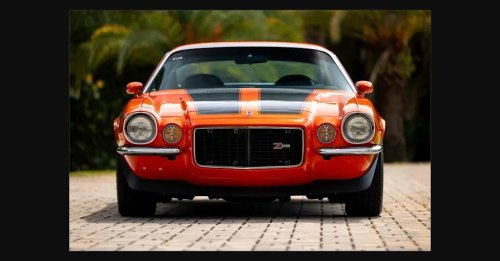
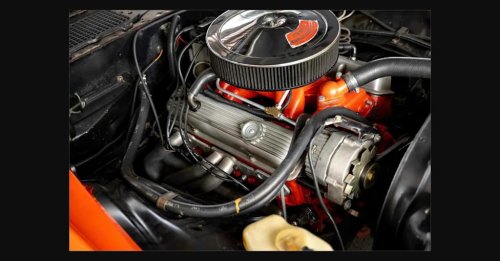
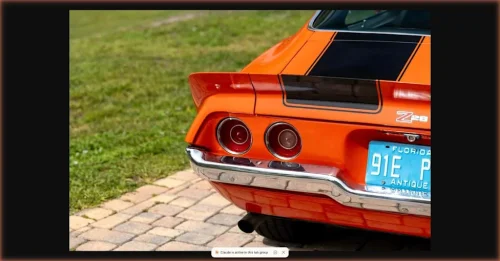
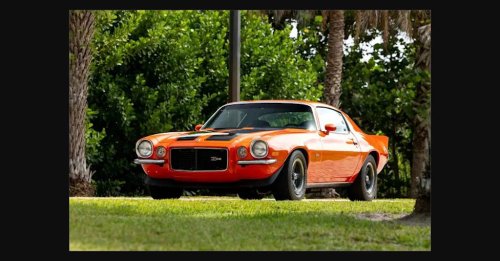
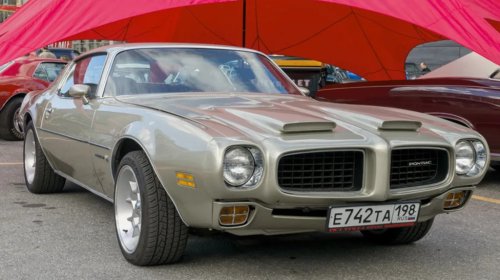
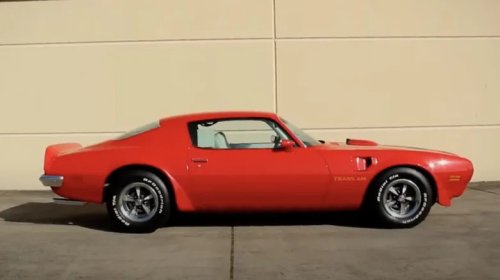
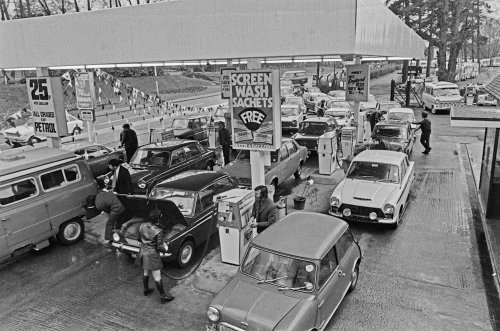
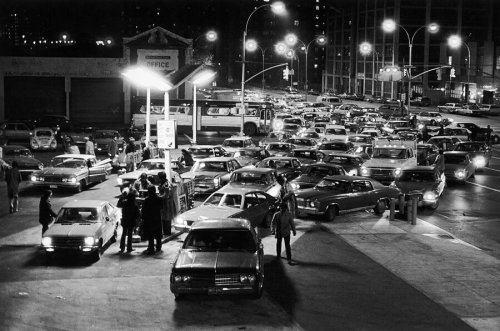
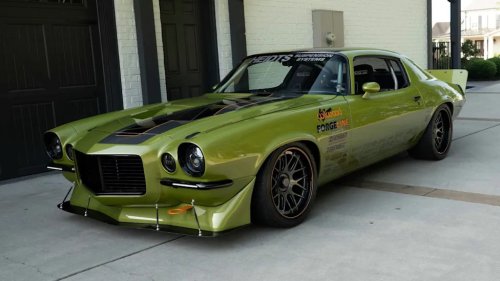
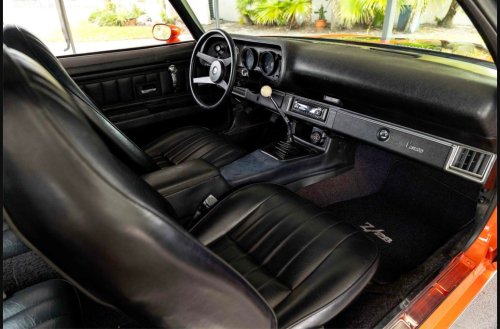
The 1973 Camaro arrived at the exact moment when American performance cars were being forced to grow up. It carried the styling and spirit of the classic muscle era, but it also absorbed new regulations, shifting fuel economics, and changing buyer expectations that would reshape the segment for decades. By looking closely at how the 1973 Camaro balanced power, image, and compliance, I can trace a clear pivot point between the freewheeling late 1960s and the more constrained, efficiency‑minded years that followed. It was not simply another model year, it was the car that had to bridge two very different automotive worlds. The end of the classic muscle car playbook The early 1970s were already eroding the foundations that had made big‑block muscle cars viable, and by 1973 the old formula of ever more cubic inches and compression was no longer sustainable. High insurance premiums on powerful coupes, combined with a growing gas crisis, pushed buyers away from thirsty performance models and toward more practical personal transportation, a shift that Ultimately undercut the business case for traditional muscle cars. As Consumer tastes moved toward comfort and efficiency, the Camaro could no longer rely on raw horsepower alone to justify its place in Chevrolet showrooms. Regulation tightened the vise. New federal rules on tailpipe emissions and safety were already in motion, and by 1973 they were directly reshaping how performance cars were engineered and marketed. One analysis of the era notes that These regulations led to engine detuning, lower compression ratios, and a general retreat from the wild power figures that had defined the late 1960s. The Camaro, which had been one of the most visible symbols of that horsepower race, now had to survive in a climate where the very attributes that made it famous were being legislated away. Oil shocks, emissions rules, and a new definition of performance By the time the 1973 Camaro reached buyers, the energy landscape was shifting in ways that would permanently alter how performance cars were judged. The Oil Crisis that unfolded in the early 1970s made fuel economy a front‑page concern, and another factor that contributed to the end of the muscle car era was the 1973 oil crisis itself, which exposed how vulnerable big‑engine coupes were to sudden spikes in fuel prices, as detailed in The Oil Crisis. Buyers who might once have tolerated single‑digit miles per gallon for the sake of acceleration now had to think about long lines at gas stations and the real cost of feeding a V8. At the same time, environmental and safety regulations were tightening year by year, and 1973 marked a turning point in the history of the automobile because of how comprehensively those rules began to reshape vehicles. One period account notes that Increasing restrictions on tailpipe emissions had already forced engineers to rethink engines, while new safety standards were driving up the size and weight of vehicles. For the Camaro, this meant that performance could no longer be defined purely by quarter‑mile times; it had to be reconciled with catalytic converters, lower compression, and heavier bumpers that dulled the sharp edges of its earlier persona. How the 1973 Camaro adapted without losing its identity Image Credit: That Hartford Guy from Hartford, Connecticut, USA, via Wikimedia Commons, CC BY-SA 2.0 What makes the 1973 Camaro so pivotal is that it did not simply surrender to these pressures, it tried to reinterpret them. The model year is often remembered for its styling continuity, including the split‑bumper front end on certain trims and the familiar round taillights, details that helped it retain a strong visual link to the peak muscle years. A restored example finished in Mulsanne Blue with white stripes shows how the basic shape and proportions still projected speed and aggression, even as the underlying engineering was being softened by regulation. Under the skin, the Camaro’s performance options were evolving rather than disappearing outright. The Chevrolet Camaro Z/28 remained a centerpiece for enthusiasts, with period descriptions emphasizing that this 1973 Chevrolet Camaro Z/28 was a real Z/28 that was absolutely loaded with options and ready to be driven, as highlighted in coverage of the Chevrolet Camaro. Even as the Super Sport (SS) performance package was phased out, the Z/28 badge signaled that Chevrolet still saw value in offering a focused driver’s car, albeit one that had to live within new emissions and safety boundaries. From street brawler to personal luxury coupe As raw horsepower became harder to sell, the Camaro’s mission began to tilt toward comfort and image, and 1973 is where that shift becomes unmistakable. The introduction of the Chevrolet Camaro LT, which was featured in period advertising as a more upscale interpretation of the car, showed how Chevrolet was repositioning the Camaro as a personal luxury coupe as much as a street racer. In one ad, the 1973 Chevrolet Camaro LT appears in a campaign that framed it as a refined choice at a time when, as the muscle‑car era ended, tailpipe‑emissions rules and changing buyer priorities were reshaping the market, a dynamic captured in coverage of the Chevrolet Camaro LT. This repositioning aligned with a broader trend in which performance cars were expected to deliver quieter cabins, better ride quality, and more creature comforts rather than just straight‑line speed. The LT trim’s emphasis on features and finish reflected a recognition that the Camaro’s survival depended on appealing to buyers who might once have shopped for big sedans or well‑equipped station wagons. As the golden era of muscle cars faded, one analysis notes that it was soon to end due to two important events that caused a dramatic reduction in demand for both muscle cars and powerful station wagons, a shift summarized with a pointed However that underscores how quickly the market moved. The 1973 Camaro’s more luxurious variants were an early answer to that new reality. A turning point shared across Detroit The Camaro was not alone in facing this inflection point, and its 1973 model year sits alongside similar pivots at other American brands. Coverage of the 1973 Dodge Dart Sport notes that 1973 marked a turning point in the history of the automobile, with emissions and safety rules driving fundamental changes in size, weight, and performance, a pattern that applied as much to compact performance cars as to larger models, as detailed in the same Increasing restrictions. The Camaro’s evolution therefore reads not as an isolated design decision, but as part of a coordinated industry response to a new regulatory and economic environment. Even within the Camaro’s own decade, 1973 stands out. A retrospective ranking of every 1970s Camaro model year notes that the 1973 model year started with a big stumble when the suburban Cleveland plant that built the Camaro and Fire models faced production challenges, yet the car still managed to carry the second‑generation design forward and keep the nameplate viable, as recounted in a review that highlights Nov and the role of Cleveland in building the Camaro and Fire. That resilience, in the face of both factory setbacks and a hostile policy climate, is part of why I see the 1973 Camaro as a hinge between eras: it proved that the nameplate could survive even when the old rules of the muscle car game no longer applied. Looking back now, the 1973 Camaro reads like a compromise, but it is precisely that compromise that makes it historically important. It preserved the styling cues and enthusiast appeal that had made the car a cultural touchstone, while absorbing the first full wave of oil shocks, emissions rules, and insurance pressures that would define the rest of the decade. In doing so, it marked the moment when American performance cars stopped being pure expressions of power and started becoming carefully negotiated products of regulation, economics, and changing taste, a balance that still shapes how performance coupes are built today. More from Fast Lane Only: Unboxing the WWII Jeep in a Crate 15 rare Chevys collectors are quietly buying




















 +3 others