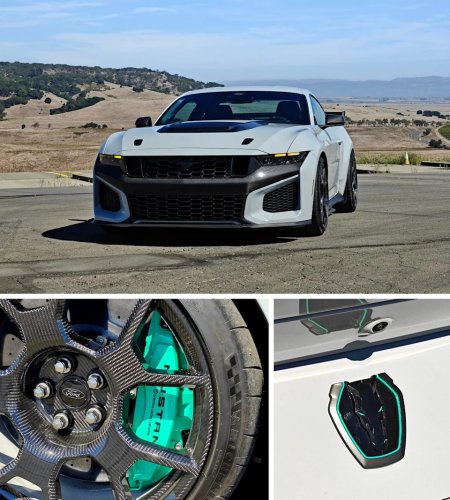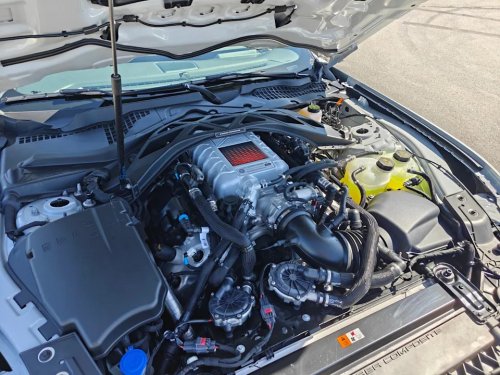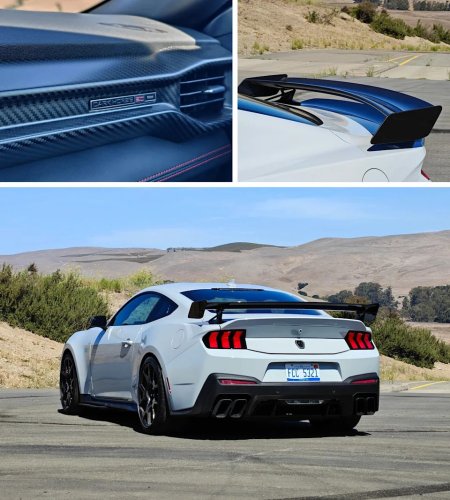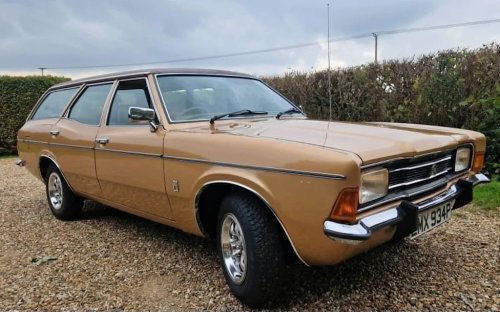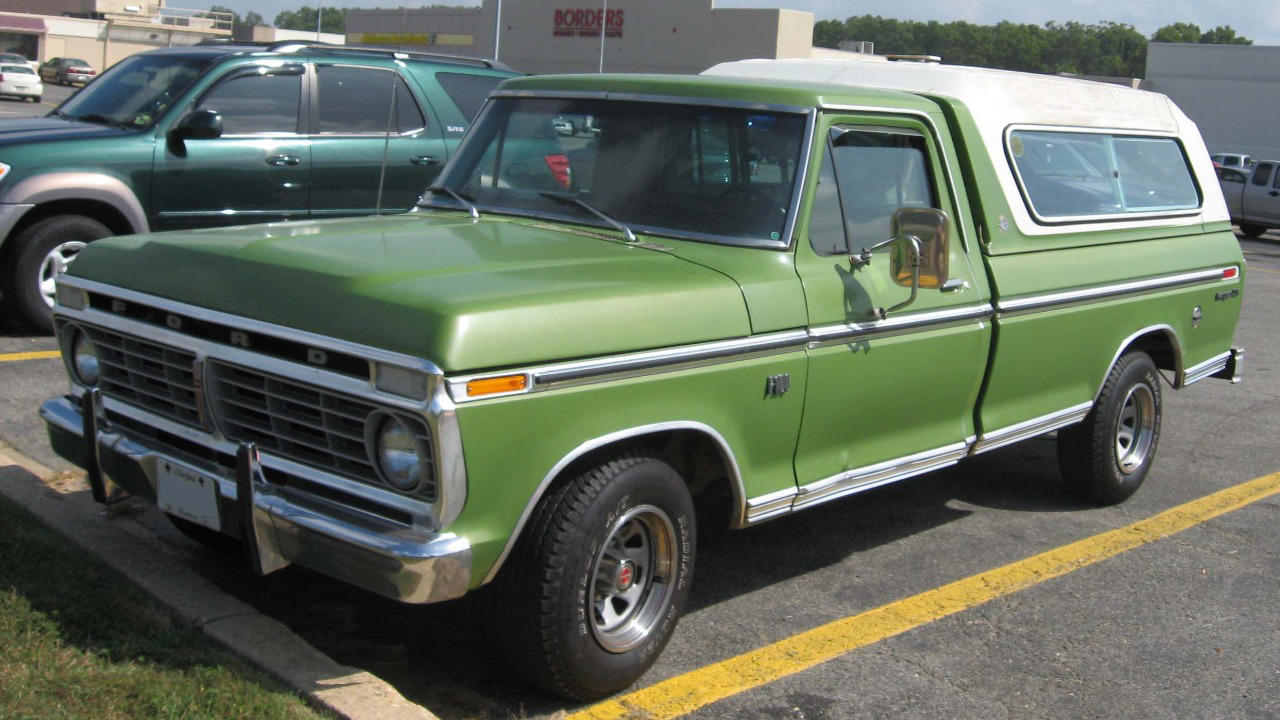



















The 1973 Ford F-100 introduced a new era of truck designThe 1973 Ford F-100 marked a pivotal moment in automotive history, ushering in a new era of truck design that combined durability with modern aesthetics. As part of the sixth generation of the F-Series, this model set the stage for future innovations and established a legacy that endures today. It influenced truck design significantly and left a lasting impact on the industry. Evolution of the Ford F-Series The Ford F-Series has a storied history that began in 1948, evolving from simple workhorses to the sophisticated and versatile trucks we know today. This series has consistently adapted to the needs of its users, with each generation introducing new features and improvements. In the early years, the focus was primarily on utility, with the trucks designed to endure the rigors of farming and industry. Over time, however, advancements in technology and design allowed the F-Series to evolve beyond its utilitarian roots, incorporating elements of comfort and style that appealed to a broader audience. By the early 1970s, the F-Series had become a staple in the American automotive landscape, and the introduction of the sixth generation in 1973 marked a significant turning point. This era witnessed a shift in consumer expectations, with drivers seeking vehicles that offered not only durability but also comfort and style. The 1973 F-100 met these demands head-on, reflecting changing market dynamics and setting new standards in the truck industry. Design Innovations of the 1973 Ford F-100 The exterior of the 1973 Ford F-100 showcased a blend of traditional ruggedness and modern design elements. The new body style featured a boxier shape, which not only improved aerodynamics but also provided a more spacious interior. This design was complemented by the use of galvanized steel, a material choice that significantly enhanced the truck’s durability and resistance to rust. This innovation in material usage was a critical factor in the long-lasting appeal of the F-100, as it ensured that the truck could withstand harsh environmental conditions. Inside the cabin, the F-100 offered notable advancements in comfort and functionality. The interior was redesigned to provide more space, allowing for a more comfortable ride. Innovations in the dashboard layout and instrumentation made the driving experience more intuitive and user-friendly. These changes reflected a broader industry trend towards improved ergonomics and driver satisfaction, setting a precedent for future truck designs. Technological and Mechanical Upgrades The 1973 Ford F-100 was equipped with a range of engine options that catered to various performance needs. From the standard 240-cubic inch inline-six engine to the powerful 390-cubic inch V8, the F-100 offered configurations that balanced power and efficiency. These engines were designed to provide better fuel economy, a key consideration during the energy-conscious era of the 1970s. The improvements in performance metrics allowed the F-100 to maintain its reputation as a reliable and capable vehicle, suitable for both work and leisure. Safety and reliability were also prioritized in the 1973 model. The introduction of features such as power brakes and improved suspension systems contributed to a safer driving experience. These enhancements were in line with Ford’s “Built Ford Tough” branding, emphasizing the truck’s ability to endure demanding conditions while ensuring the safety of its occupants. The F-100’s reputation for reliability further solidified its status as a staple in the American automotive market. Cultural and Economic Impact The 1973 Ford F-100 played a significant role in shaping American culture and lifestyle, epitomizing the rugged individualism and work ethic associated with the pickup truck. For many, the F-100 became more than just a vehicle; it was a symbol of American resilience and versatility. The truck’s presence in popular culture and its association with rural and suburban life cemented its image as an integral part of the American landscape. Economically, the F-100 was positioned strategically to appeal to a wide range of consumers. The pricing strategy was competitive, making it accessible to both blue-collar workers and the growing middle class. Despite the economic challenges of the 1970s, the F-100 managed to achieve strong sales performance, thanks to its blend of affordability, reliability, and innovation. This success was a testament to Ford’s ability to adapt to changing market conditions and consumer preferences. Legacy and Influence on Future Truck Designs The 1973 Ford F-100 left a lasting legacy that influenced subsequent models in the F-Series lineup. Elements of its design, such as the use of galvanized steel and ergonomic interior layouts, became standard in later generations. These features contributed to the F-Series’ evolution into the best-selling truck line in America, a title it continues to hold today. The 1973 F-100’s impact is evident in the continuous innovation and improvement seen in newer models, reflecting its role as a trailblazer in the truck industry. Beyond the F-Series, the 1973 F-100 set trends that were emulated by other manufacturers, shaping the broader truck industry. Its emphasis on durability and functionality, combined with modern design aesthetics, resonated with consumers and influenced the development of other pickup models. The principles established by the F-100 continue to be relevant in today’s market, where consumers demand vehicles that offer both performance and style. For more details on the F-Series history, explore this detailed timeline. To learn more about the lasting influence of the F-100, consider the story of a restored 1970s Ford pickup. Additionally, the pricing strategy of the 1973 F-100 can be further explored here. More from Fast Lane Only Unboxing the WWII Jeep in a Crate 15 rare Chevys collectors are quietly buying 10 underrated V8s still worth hunting down Police notice this before you even roll window down