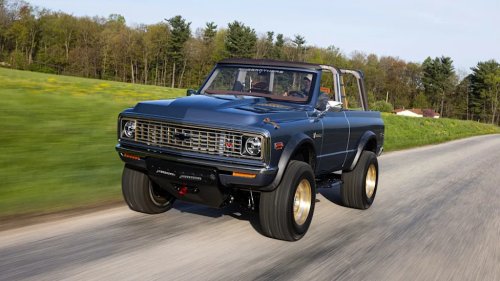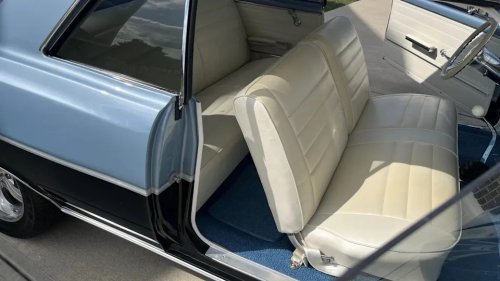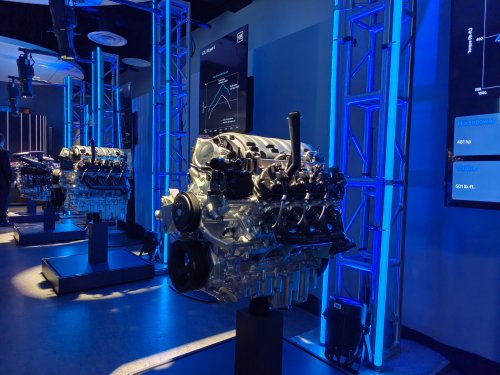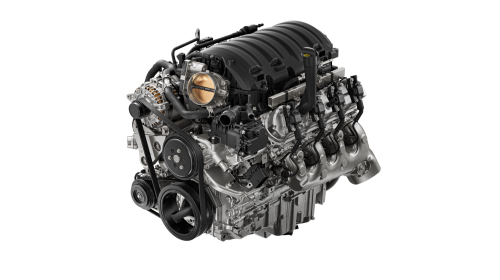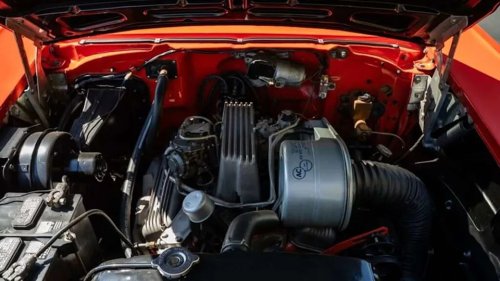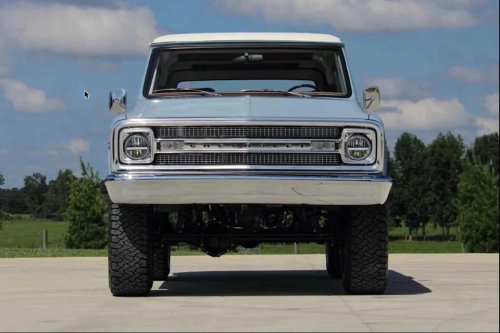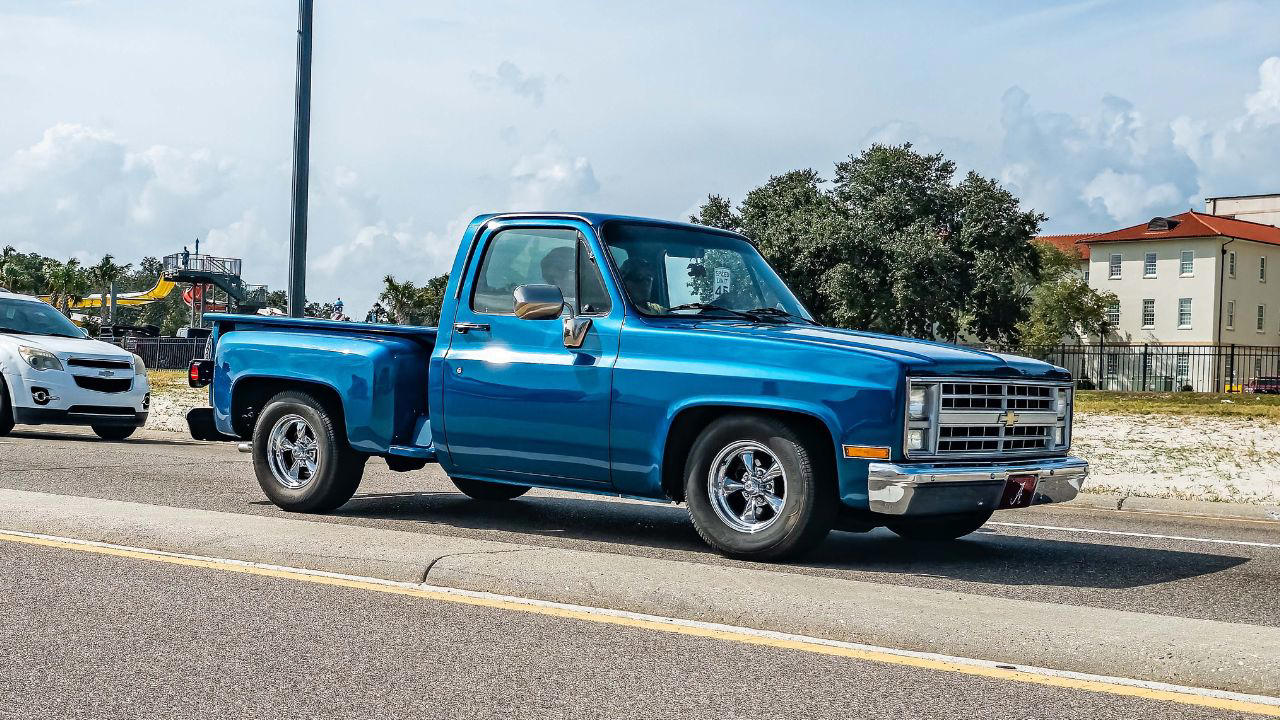



















The 1986 Chevrolet C10 marked the end of a long-running generationThe 1986 Chevrolet C10 marked the end of the third generation of Chevy’s iconic C/K truck series, a line that had become a staple in the American automotive landscape. Known for its durability and versatility, the C10 solidified its place in history as both a reliable workhorse and a beloved classic. It represents a significant chapter in the evolution of pickup trucks, capturing the essence of its era while laying the groundwork for future innovations in the industry. Evolution of the Chevrolet C10 The Chevrolet C/K series first made its debut in 1960, setting a new standard in the world of pickup trucks. It was introduced as a versatile vehicle that could serve a variety of purposes, from agricultural work to urban transportation. Over the years, the C/K series evolved significantly, adapting to the changing needs of consumers and advancements in automotive technology. By the time the third generation was introduced in 1973, the C/K series had already established a reputation for reliability and performance. The third generation of the C/K series, which spanned from 1973 to 1987, brought several design and engineering changes that set it apart from its predecessors. Notable changes included a more aerodynamic body style, improved suspension systems, and enhanced safety features. These modifications not only improved the truck’s performance but also made it more visually appealing. As the series progressed, Chevrolet continued to refine the C10, making adjustments to meet the demands of a competitive market. During the 1980s, the pickup truck market was becoming increasingly crowded, with models like the 1986 Dodge Ram vying for consumer attention. Despite the competition, the C10 managed to maintain a strong presence, thanks in part to its well-established reputation. Its ability to balance utility with comfort made it a popular choice among both rural and urban buyers. Chevrolet’s strategic positioning of the C10 as a versatile and reliable vehicle helped it maintain a competitive edge in a rapidly changing market. Features and Innovations of the 1986 C10 The 1986 Chevrolet C10 offered a range of engine and performance options that catered to different driving needs. Customers could choose from several engine configurations, including the 4.3L V6 and the more powerful 5.0L V8. These engines were designed to provide a balance between power and fuel efficiency, a consideration that had become increasingly important due to tightening emissions regulations. Chevrolet’s commitment to performance ensured that the 1986 C10 could handle both heavy workloads and everyday driving with ease. Design and styling were also key elements that set the 1986 C10 apart from its predecessors. The exterior featured a more streamlined look, with subtle changes to the grille and headlights giving the truck a modern appearance. Inside, the C10 offered a comfortable cabin with increased attention to detail in materials and finishes. Features like power windows and locks, along with an improved dashboard layout, contributed to a more user-friendly experience, highlighting Chevrolet’s focus on driver comfort and convenience. Technological advancements in the 1986 C10 further cemented its reputation for reliability. The introduction of electronic fuel injection in some models improved fuel efficiency and reduced emissions, aligning with the growing emphasis on environmentally friendly technologies. Other innovations included improved braking systems and enhanced suspension, which contributed to a smoother and safer ride. These advancements not only met consumer expectations but also set a benchmark for future models in the pickup truck segment. Cultural Impact and Popularity The Chevrolet C10 holds an iconic status in American culture, particularly during the 1980s. Its rugged design and dependable performance resonated with a wide range of customers, from farmers needing a workhorse to city dwellers looking for a stylish yet practical vehicle. The C10’s flexibility and reliability made it a staple in both urban and rural environments, contributing to its widespread popularity across diverse demographics. Today, the C10 has become a sought-after classic truck among collectors, with enthusiasts valuing its historical significance and timeless appeal. Several factors have contributed to its status as a collectible item, including its robust build, nostalgic design, and the ease of finding replacement parts. The enduring popularity of the C10 can also be attributed to its frequent appearances in media and popular culture, where it is often depicted as a symbol of Americana and blue-collar work ethic. The C10’s presence in film and television has further solidified its cultural impact. It has been featured in various shows and movies, often as a backdrop to quintessential American stories. This exposure has helped maintain the truck’s relevance over the years, ensuring that it remains a favorite among fans of classic vehicles. Its continuous representation in media underscores the lasting appeal of the C10 and its place in the collective memory of automotive enthusiasts. Comparison with Competitors The 1986 Chevy C10 faced stiff competition from other pickup trucks of the era, particularly the 1986 Dodge Ram. When comparing these two models, several differences in performance and design become apparent. The C10 was known for its smooth ride and comfortable cabin, while the Dodge Ram emphasized ruggedness and durability. Both trucks offered unique advantages, appealing to different segments of the market. Industry trends during the 1980s saw an increasing demand for pickup trucks that could serve both as utility vehicles and everyday transportation. The C10 managed to strike a balance between these needs, offering a level of comfort and functionality that was not always present in its competitors. This adaptability was crucial in maintaining Chevy’s market share in a time when consumer preferences were shifting towards more versatile vehicles. The rivalry between Chevy and other brands, including Dodge, played a significant role in the development of future truck models. The competition pushed manufacturers to innovate and improve their offerings, leading to advancements in technology and design that would benefit consumers. The legacy of the C10, along with its competitors, is reflected in the modern pickup trucks that continue to evolve and adapt to new challenges and customer demands. The Legacy of the Third Generation C10 The 1986 model year marked the end of the third generation of the Chevrolet C/K series, signaling the conclusion of an era that had seen significant advancements in pickup truck design and technology. This transition was not merely the end of a generation but a precursor to the changes that would shape future Chevrolet trucks. The lessons learned from the third-generation C10 were instrumental in guiding the development of subsequent models, ensuring that Chevy remained at the forefront of the industry. Innovations introduced during the third generation had a lasting impact on the future of Chevrolet pickups. The emphasis on aerodynamics, comfort, and technological advancements set a new standard for what consumers could expect from a truck. These elements became integral to Chevy’s design philosophy, influencing the approach taken in later models. The legacy of the C10 is evident in the continued success of Chevrolet’s truck lineup, which remains a leader in the automotive market. The enduring popularity of the C10 among truck enthusiasts worldwide speaks to its lasting appeal and significance. Whether as a classic collector’s item or a reliable work vehicle, the C10 continues to capture the hearts of those who value its blend of practicality and nostalgia. Its place in the history of the American automotive industry is secure, a testament to the impact of the third-generation C/K series and the innovations that defined it. More from Fast Lane Only Unboxing the WWII Jeep in a Crate 15 rare Chevys collectors are quietly buying 10 underrated V8s still worth hunting down Police notice this before you even roll window down