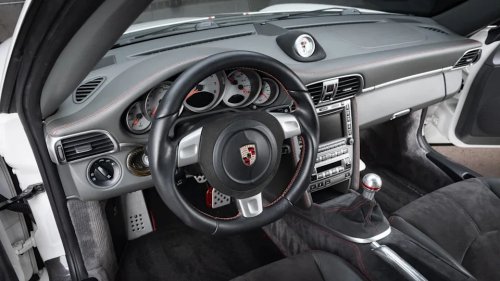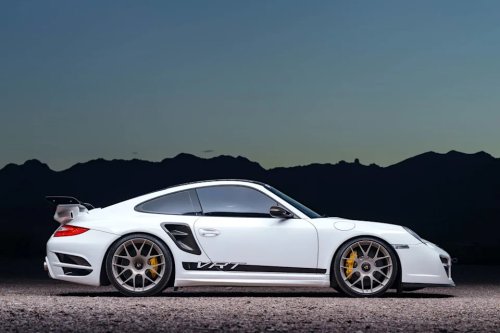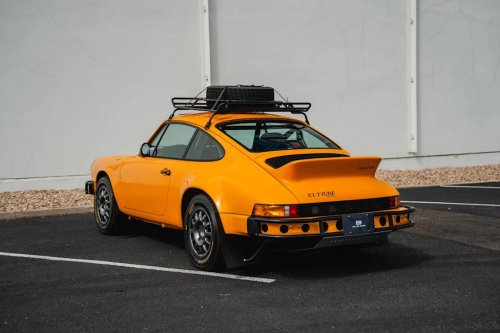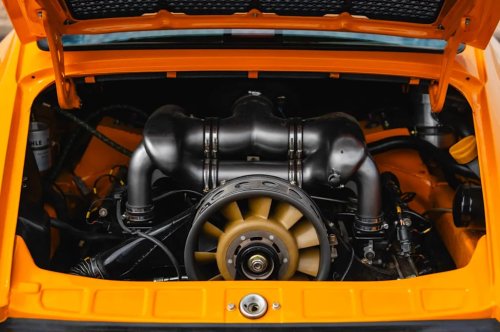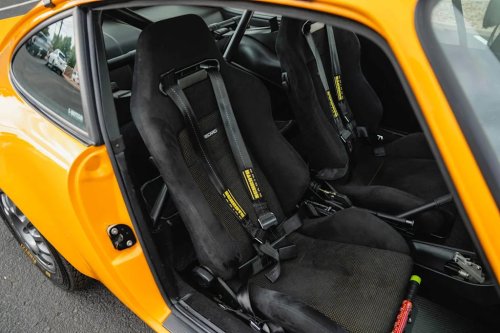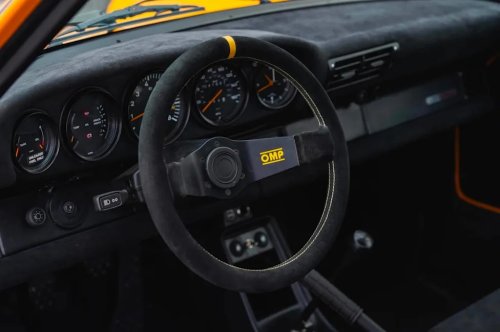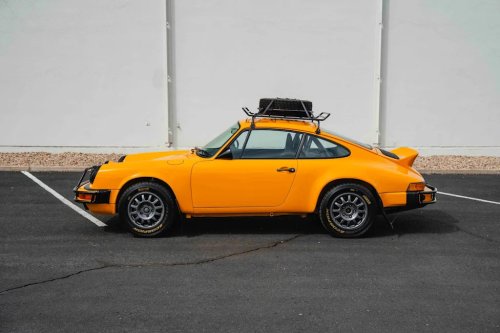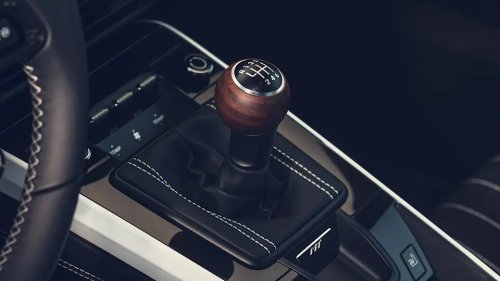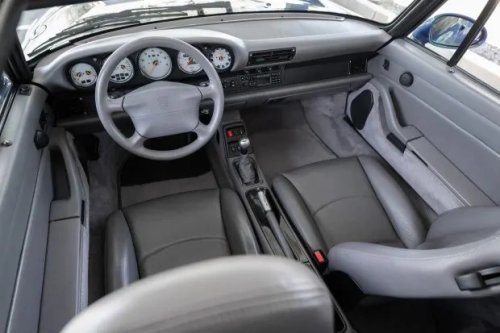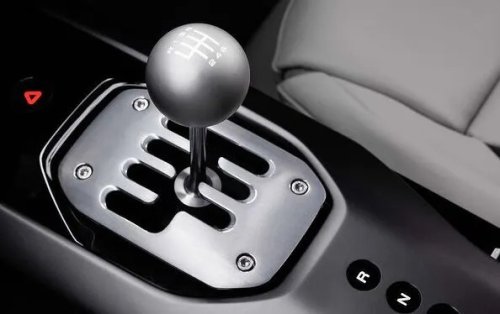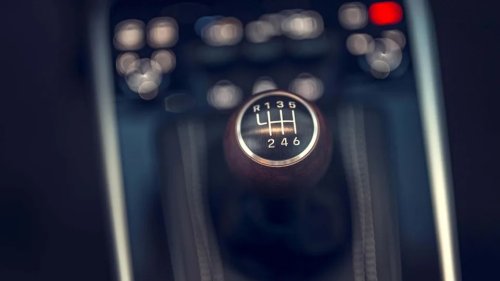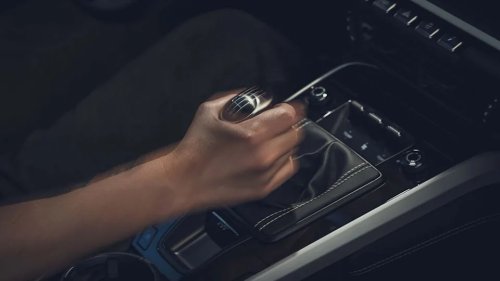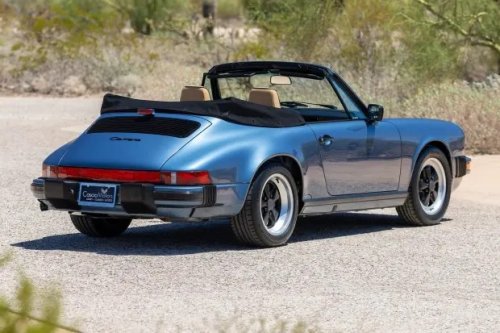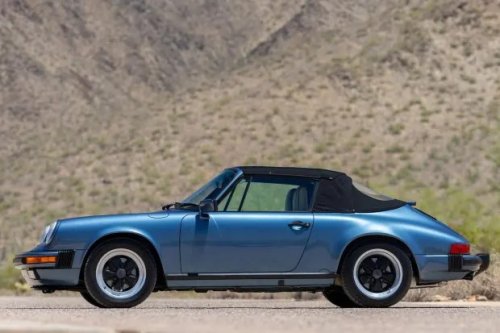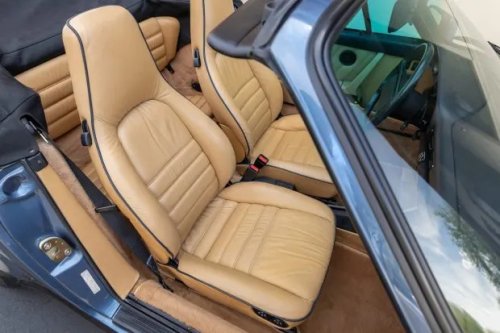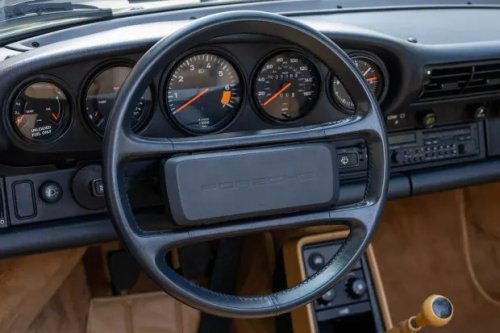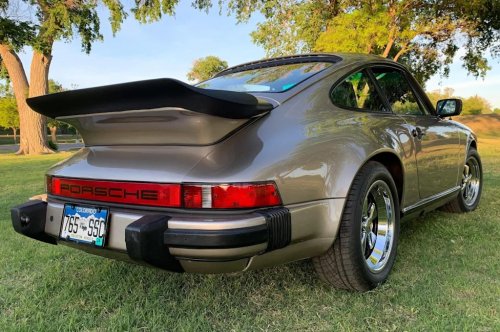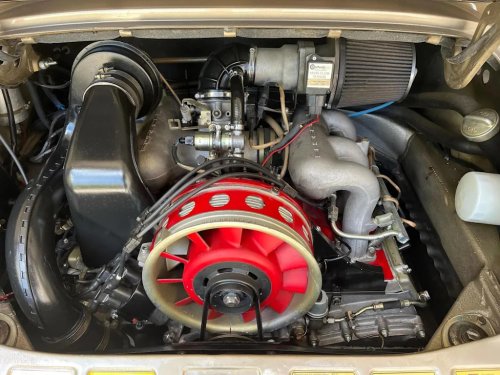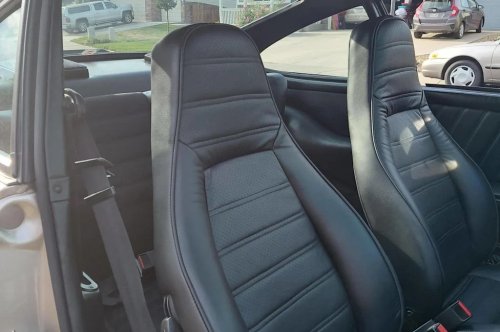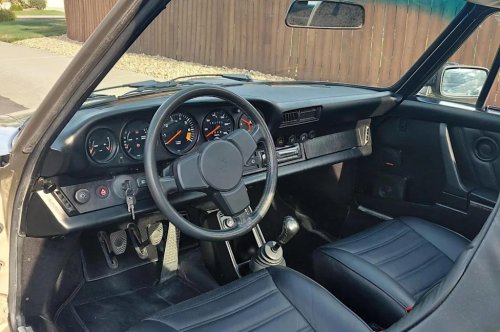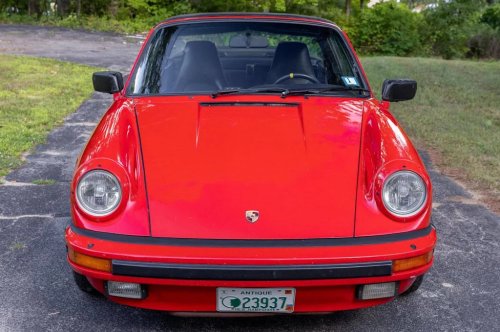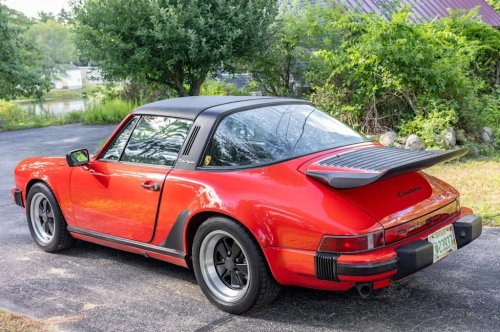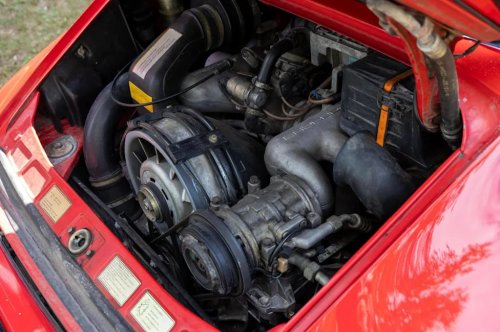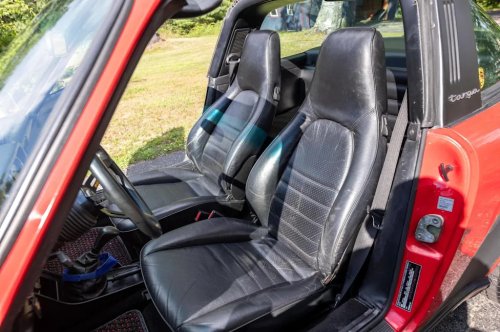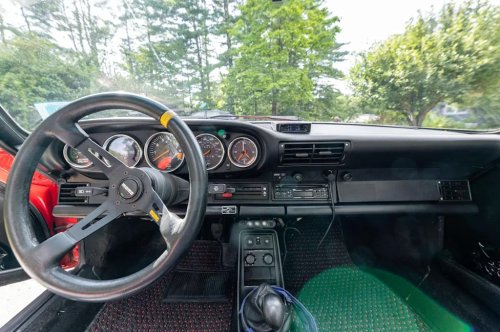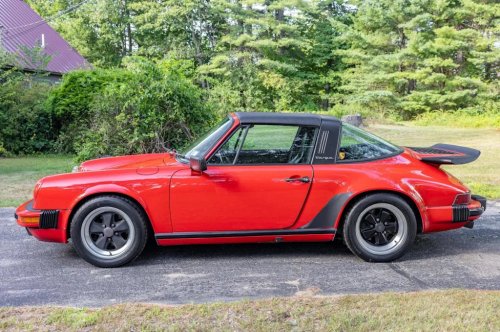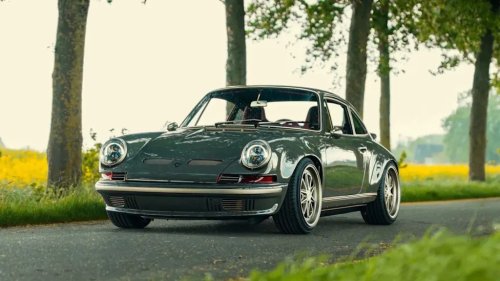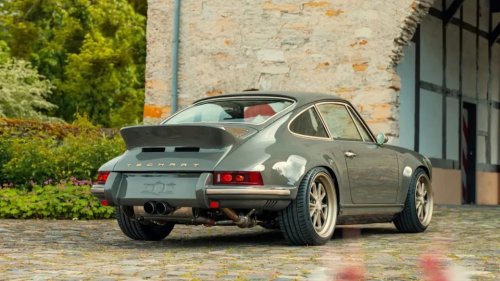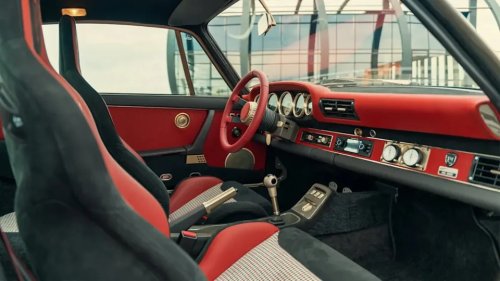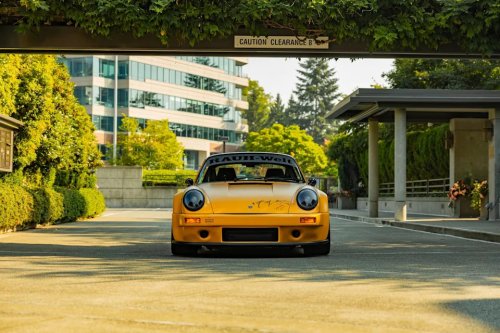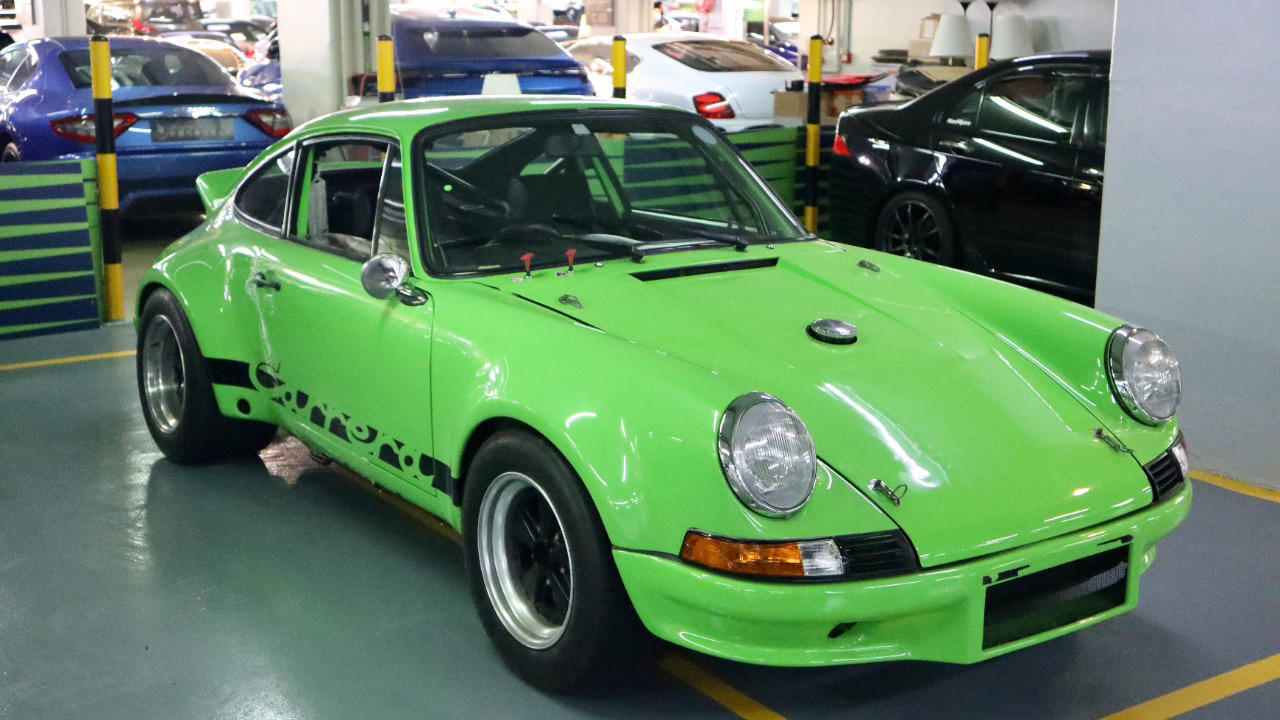



















Even today the 1973 Porsche 911 Carrera RS still feels focused and rawThe 1973 Porsche 911 Carrera RS has spent half a century being mythologized as the ultimate driver’s 911, yet the car itself still feels startlingly direct and unfiltered. In an era of configurable driving modes and thick sound insulation, its light steering, hard-edged engine and pared-back cabin make it seem less like a classic and more like a factory-built club racer that somehow slipped onto public roads. That mix of rawness and focus is exactly what keeps collectors, engineers and track-day regulars returning to this model as a benchmark. Born from racing necessity The Porsche 911 Carrera RS 2.7 did not start life as a nostalgia project. The Porsche motorsport department needed a road-going base for competition, and the company created the car for homallegation so it could go racing in period GT categories. The Porsche 911 shell was already proven in rallying and endurance events, but the firm wanted a sharper weapon that could underpin cars such as the later 2.8 and 3.0 Carrera RSR models that appeared on the Porsche 911 Carrera competition roster. To get there, engineers treated the production coupe as if it were a prototype. The body was all about weight reduction, with thin sheet metal, thin windows, plastic parts and the elimination of insulation used to decrease the total vehicle weight toward racing levels, as described in official factory history. The resulting homologation run was limited: out of 1,580 RS 2.7 examples built in total, a small subset of Lightweight cars was singled out as one of just 200 particularly focused versions, according to auction data. Powertrain that rewards commitment Under the engine lid, the car introduced a specific 2.7-liter flat six that pushed the existing 911 concept hard. The engine capacity increase came from Nikasil-coated cylinder technology, with the 2.7 engine using Nikasil liners to allow the bore to grow from 84 to 90 m while maintaining cylinder wall thickness, as explained in a technical overview. Another detailed review notes that Nickasil cylinders, inherited from the Porsche 917 competition program, helped the flat-6 now develops 210 horsepower and allowed the car to reach 100 km/h in 6.3 seconds, giving the road car a clear link to the Porsche 917 racing. Contemporary figures describe power at 207 bhp at 6300 rpm and torque of 188 lb ft at 5100 rpm, with transmission five speed manual and rear-wheel drive, according to a detailed specification sheet from specialist reporting. Another source lists 210 brake horsepower at 6300 rpm as the quoted output for some cars, a small variation that reflects period rating differences but still places the RS at the sharp end of early 1970s performance for a compact coupe. The character of the engine matters more than the headline number. One technical deep dive notes that peak torque arrives at a high 5100 rpm, but that it is at 4500 rpm that the engine’s note takes on the famous wail and the thrust really starts to build, a trait that rewards drivers who keep the motor spinning into its upper range, as described in a detailed RS analysis. Video reviews echo this, with one presenter explaining that its 2.7L engine provides a smoother, higher torque curve and a horsepower rush from over 4,000 to 7,200 RPM, which encourages drivers to explore the full sweep of the tachometer rather than short-shifting for comfort, as seen in a track-focused review. Numbers that still feel quick On paper, the RS remains brisk by modern standards. A factory-style breakdown lists weight at 1075 kg, top speed at 149 mph and acceleration to 60 m in 5.6 seconds with 100 m arriving in 12.8 seconds, with top speed described as around 150 mph in period testing of the RS, according to a performance summary. Another detailed feature lists official figures that put its weight at just 960 kg when equipped with the optional Sport seats, which is fully 115 kg lighter than the Touring version, underlining how aggressively Porsche chased mass reduction in the lightest specification, as described in an in-depth comparison. Even modern restorations that carry a little extra equipment remain svelte. One fully restored Touring is described as featuring a 2.7-liter, 6- cylinder engine that produces 210 horsepower, enabling a 0 to 60 m time of just 5.8 seconds and a quoted weight of 2,200 lbs (1,000 kg), according to a recent auction listing. For a car with narrow bodywork, a compact footprint and no electronic driver aids, those figures still translate into urgent real-world pace. Aero tricks that reshaped the 911 The RS is visually defined by its ducktail engine cover, but that piece was not a styling flourish. The Porsche 911 had a reputation for rear-end instability at high speed, and the distinctive ducktail spoiler on the Carrera RS was intended to solve a rear-end stability problem at speeds around 130 mph or so, with some reports mentioning instability at speeds as low as 75 with a good crosswind, as described in a modern drive story. Factory wind tunnel work produced the now-iconic ducktail spoiler, which solved the 911’s notorious high-speed instability while reducing drag and improving engine cooling, according to a detailed aerodynamic account. Independent analysis quantifies the change. One technical review notes that this ducktail spoiler reduced the rear aerodynamic lift by as much as 75% at high speed, although top speed was bounded to 160 m in standard form, with the later Turbo models extending the envelope further, as described in an aero summary. Factory storytelling reinforces this, describing how the Porsche 911 Carrera RS 2.7 was the first production model to feature front and rear aerodynamic spoilers, a configuration that has influenced every subsequent Porsche 911 Carrera and modern GT car. Stripped interior, sharpened senses The way the RS feels from behind the wheel starts with what is missing. The interior was stripped to its essentials, with no rear seats, no carpets, no clock, lightweight bucket seats in place of standard chairs and a generally minimalist cockpit that prioritized function over comfort, as detailed in a period-correct description. Even the glovebox lid was deleted in some cars to save a few grams, a small but telling example of how ruthlessly the engineers chased weight. Factory history pieces underline that the body was all about weight reduction, with thin sheet metal and thin windows combined with plastic trim and reduced sound deadening to decrease the total vehicle weight of the racing-inspired variant, as outlined in a factory retrospective. The result is a cabin that feels sparse even by classic standards, with thin door cards, simple pull straps and almost no concession to luxury beyond the basic dashboard layout. Steering, brakes and gearbox that demand a driver On the road, the RS communicates constantly. One modern reviewer describes how the wheel transforms from seemingly light and lifeless at parking speeds to turning the RS accurately, loading up and simply buzzing with feel as speed rises, a reaction that encourages drivers to lean on the front axle and trust the car mid corner, as captured in an independent test. Another account notes that the brakes feel springy and stiff, but like the steering they offer precision and control so that through curves the driver feels in command of every input, with the accelerator and harsher engine note adding to the sense of connection, as described in a modern comparison. The five-speed 915 g gearbox is often discussed in enthusiast circles, but period testers describe the 915 gearbox moved easily into first gear and worked with knife-edge precision and efficiency once warm, with some corners best taken in second gear to keep the engine on the boil, as recalled in a classic drive story. A more technical assessment notes that each adjustment is precisely controllable as the gearbox lets the driver perform super-fast shifts between the upper ratios, which suits the way the engine comes alive from 4500 rpm upward, as detailed in a gearbox analysis. Summed up by one insurance specialist, its quick-revving engine, powerful brakes, precision engine and seemingly telepathic steering made the car both a pleasure and thrill to drive, a combination that still defines how enthusiasts talk about the RS today, as described in an ownership overview. Why it still feels raw in 2026 Modern 911s carry far more power, yet few feel as unfiltered as the original Carrera RS. One reason is the absence of electronic safety nets. Another is the way the chassis and aero package were tuned as a single system. Factory storytelling describes how the Porsche 911 Carrera RS 2.7 was born out of necessity and created for homallegation, with in the early 1970s Porsche needing a race winner that could also be sold to customers, a brief that forced engineers to prioritize mechanical grip, feedback and durability over comfort, as recounted in a video history. Contemporary reviewers still come away talking about how focused and raw the car feels compared with later GT3 models that trace their lineage back to this car. One modern comparison of the 1973 RS with later 911 Carrera RS and GT3 RS generations describes how the original 911 Carrera RS channels every surface ripple through the steering and sends every change in brake pressure straight to the driver, a contrast to the more refined yet still sharp modern cars, as detailed in a multi-generation test. The RS also remains a touchstone inside Porsche itself. Factory communications refer to the car as a game changer and describe how later high performance models wear the Carrera RS badge today in recognition of that heritage, with the Porsche 911 Carrera RS 2.7 regularly cited as the godfather of high performance 911 variants, as seen in recent brand storytelling. Enthusiast communities mirror that respect, with social posts celebrating the Porsche 911 Carrera RS 2.7 as the legendary ducktail and highlighting that one featured car attracted 255 likes and a flurry of comments, a small but telling sign of how much attention a well-kept RS still commands, as shown in a recent post. From homologation special to cultural icon What began as a tool for the track has become one of the most sought after classic sports cars. Auction houses now highlight the Porsche 911 Carrera 2.7 RS as the ultimate expression of Porsche’s racing DNA, describing individual cars as built for homologation, born for the track and pointing to the iconic 911 silhouette and 2.7 engine as key selling points, as seen in a Touring listing. Enthusiast retailers group RS-themed art and collectibles under dedicated 911 and 2.7 sections, reflecting how the model has become a shorthand for the purest form of the brand, as shown in a Porsche collection. More from Fast Lane Only Unboxing the WWII Jeep in a Crate 15 rare Chevys collectors are quietly buying 10 underrated V8s still worth hunting down Police notice this before you even roll window down