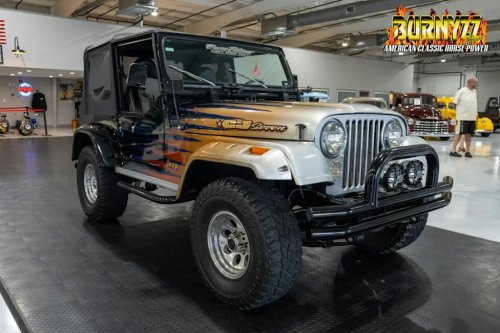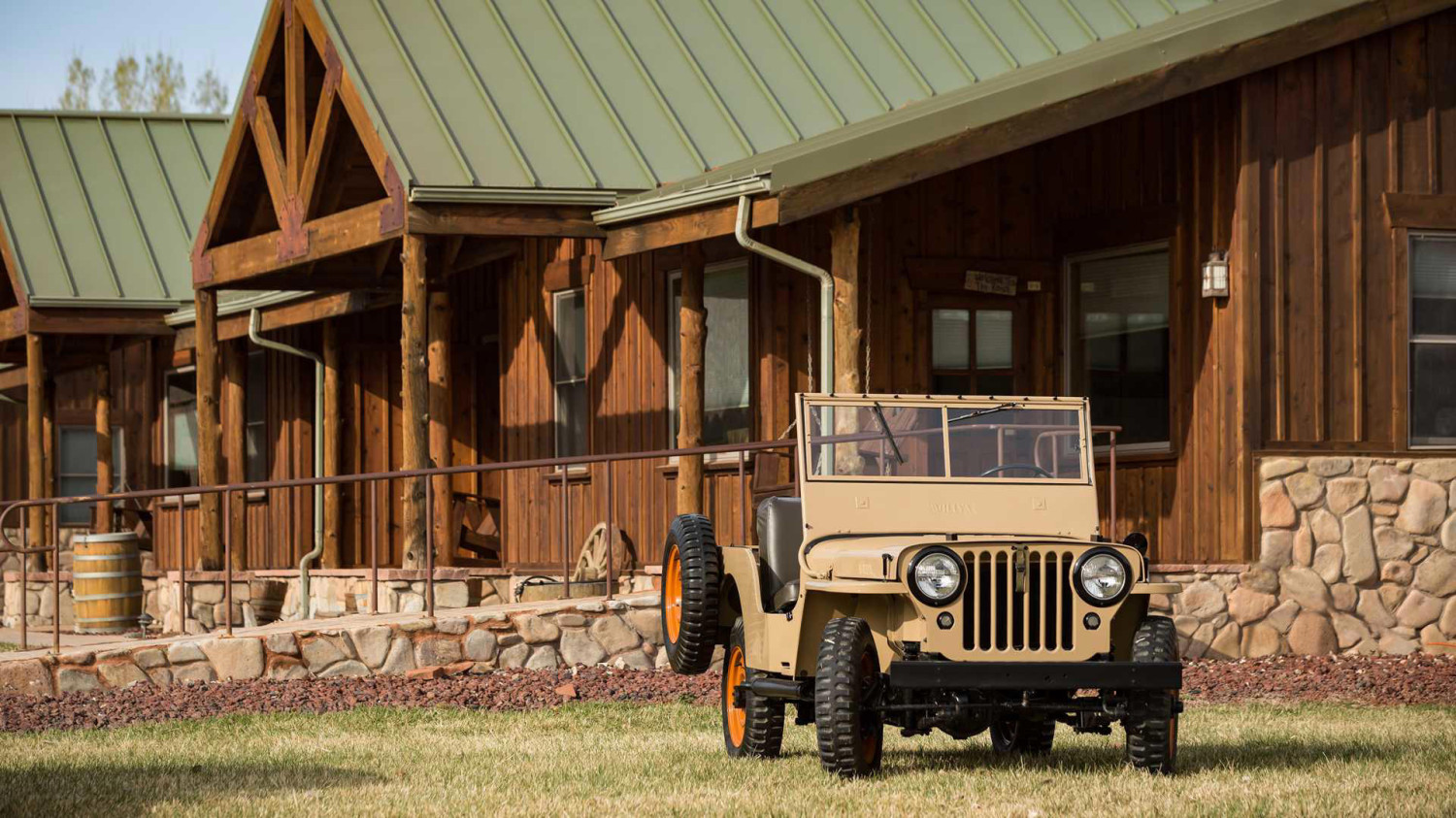

















Central Louisiana served up the kind of yard find that makes grown car people forget the heat, bugs, and lack of breakfast. Dennis Collins and the Coffee Walk crew left the Dallas-Fort Worth area before sunrise, bounced down logging roads, and came back with a rusty 1965 Mustang fastback, two Jeep CJs, a Honda Big Red three-wheeler, and an unexpected short-bed 4x4 Ford pickup. The Fastback Had The Right Codes, Even If Louisiana Had Teeth The Mustang looked rough enough to need a tetanus shot before a wash mitt, but its data plate kept the story alive. Collins decoded it as an A-code car, which means it started life with the 289-cubic-inch, four-barrel V8 rated at 225 horsepower. The transmission code also mattered – a “5” points to a factory four-speed manual. In other words, not your typical tired pony under pine needles.The car now wore the scars of several lives, including black paint and years outside, but the tag pointed to Honey Gold over Ivy Gold and white trim. It also carried DSO 53, which ties the order to Kansas City. The sad part sat under the hood and in the tunnel. Someone had swapped in a 302 with a two-barrel carb and replaced the factory four-speed with a three-speed. That is going backward with confidence.Enthusiasts know why the crew loaded it - body style trumps almost everything on early Mustangs. Ford built far more coupes than fastbacks in 1965 – 372,123 standard hardtops against 71,303 standard fastbacks and 5,776 luxury fastbacks, to be more precise. That gap explains why even a soft, holey fastback can raise pulses. Good metal can be bought, but a real fastback shell with a clear title and strong codes takes more hunting. Another fastback sat nearby, but the owner kept that one. The CJs May Be The Real Gold Jeep The Jeep side of the haul brought less shine and more usefulness. One 1977 CJ looked like a parts donor, but it had the kind of pieces restorers chase – rocker moldings, a V8 driveline, Levi’s-style blue interior pieces, a T-150 three-speed, and the tach-and-clock setup that always catches CJ eyes. Red wasps also claimed a lease on it, because barn finds come with tenants.The better CJ wore an unusual silver shade and looked solid enough for Collins to call it a survivor instead of a parts rig. It had power steering, power brakes, a back seat, a tilt column with an unbroken bowl, and a Warn 8274 winch out front. That winch alone can change the entire story – the upright Warn 8274 became the winch of legend in 1974, with an 8,000-pound rating and quick line speed.Those details matter because AMC-era CJs have moved beyond cheap trail duty. Jeep says AMC introduced the CJ-7 in 1976 as the first major CJ design change in 20 years, while the CJ-5 continued until 1983 after a 30-year run. The 1970s Golden Eagle package sat above the Renegade and bundled items such as Levi’s equipment, tachometer, carpeting, and clock. Trim, gauges, seats, and odd factory hardware can tell a Jeep’s place in the pecking order. Collings knows a thing or two about CJs, so we'll just trust him that this one deserves to be saved.Last came the Honda Big Red, bought partly because it was there and partly because no one with a pulse can ignore an old three-wheeler with reverse.Source: Dennis Collins on YouTube