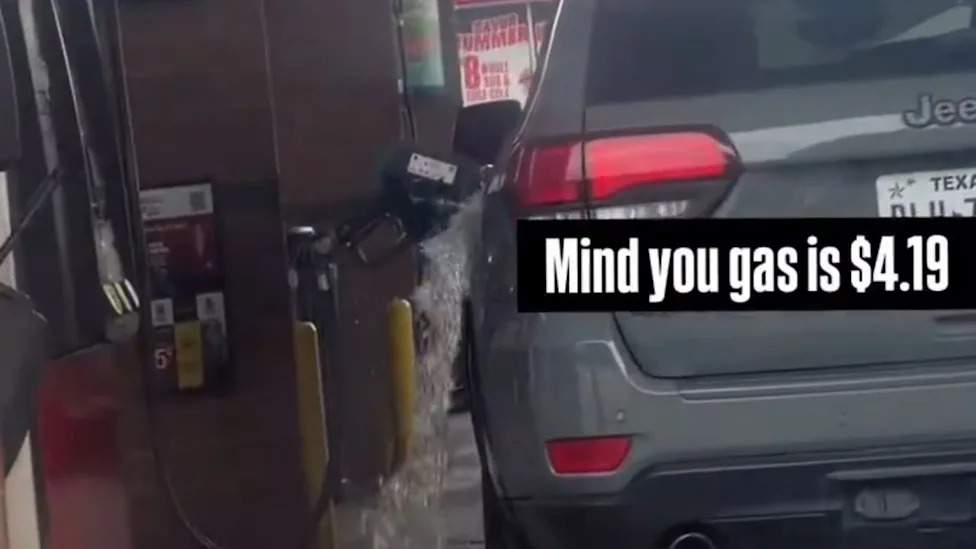
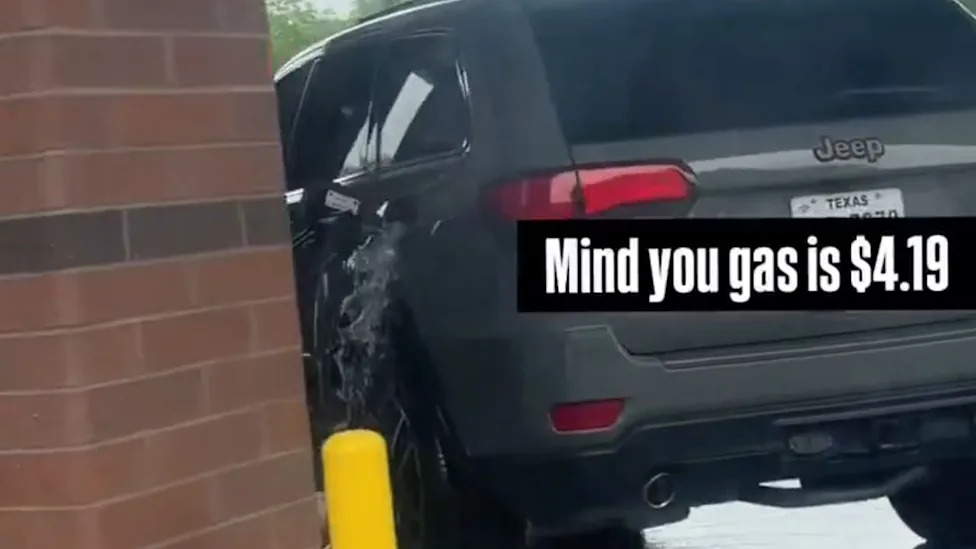
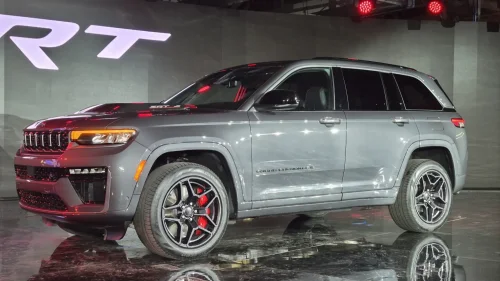
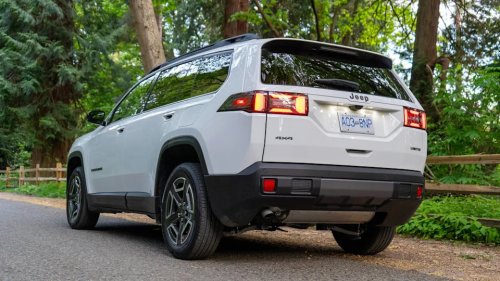
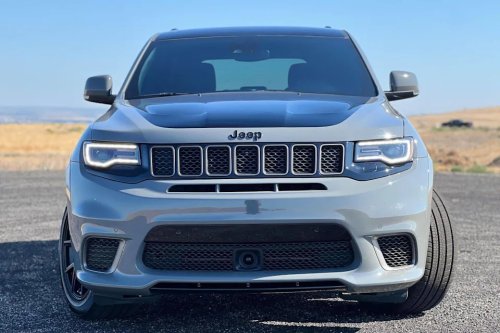
Image Credit: Suzee Q/X.A gasoline overflow at a Texas QuikTrip station turned into a costly and dangerous spectacle after a fuel nozzle failed to shut off while inserted into a gray Jeep Grand Cherokee. Video shared online shows fuel blasting out of the filler neck in a steady stream, soaking the rear quarter of the SUV, flooding the concrete below, and spreading across the pump area while the hose remained attached.The clip, posted on May 23, 2026, captured the kind of incident most drivers assume modern gas pumps are designed to prevent. Instead of automatically clicking off once the tank reached capacity, the nozzle continued pumping gasoline uncontrollably while nobody appeared to be actively holding it.Viewers immediately focused on one detail that changed the entire conversation about blame. The driver was apparently away from the pump while the nozzle handle remained locked in the open position, allowing fuel to continue flowing unchecked.AdvertisementAdvertisementThat’s remarkable because modern self-service fueling systems are built around shared responsibility. Gas station equipment is expected to function safely, but drivers are also legally and practically responsible for monitoring active fueling under both station policy and standard fire safety guidance.The Moment the Pump FailedThe footage shows gasoline erupting with surprising force from the Jeep’s fuel inlet instead of flowing into the tank. Fuel sprays downward across the body panel and pavement while the nozzle continues operating as though the tank were still accepting gasoline.Image Credit: Suzee Q/X.At one point, the SUV inches forward slightly while the hose stays connected, suggesting the driver may have returned after noticing the spill. By then, several gallons of fuel had already escaped onto the ground.Gas pumps in the United States rely on a small sensing port near the tip of the nozzle to detect pressure changes when fuel reaches the top of the filler neck. Once gasoline blocks airflow through that sensing hole, the automatic shutoff mechanism is supposed to disengage instantly.AdvertisementAdvertisementWhen that system fails, the consequences can escalate fast. Gasoline vapor is highly flammable, spreads rapidly across pavement, and can ignite from static discharge, vehicle electronics, cigarettes, or nearby engines.Why the Driver Still Carries Most of the ResponsibilityThe strongest evidence in the video points toward unattended fueling as the critical human error. Nearly every major fuel retailer, including QuikTrip, posts warnings instructing customers not to leave pumps unattended while fueling.That instruction is not optional corporate boilerplate. It exists because automatic shutoff systems are considered backup safety devices, not substitutes for supervision.Under common premises liability and negligence standards in Texas, a driver who leaves an active fuel nozzle unattended can still be found primarily responsible for resulting damages even if mechanical failure contributed to the spill. The reasoning is straightforward. A reasonable person observing gasoline erupting from a filler neck could immediately stop the pump manually. An absent driver cannot.AdvertisementAdvertisementThe National Fire Protection Association and fuel safety agencies consistently advise drivers to remain beside the vehicle during fueling specifically to detect overflow, static buildup, leaks, or equipment malfunction. Ignoring those precautions weakens any argument that the driver bears no fault. That does not completely absolve the gas station or equipment manufacturer.If investigators determined the nozzle’s automatic shutoff mechanism was defective or poorly maintained, the station operator could share liability for cleanup costs or environmental violations. Commercial fueling equipment must meet inspection and maintenance standards. Still, equipment failure alone does not explain why the spill continued long enough to create such a dramatic scene.Cleanup Costs Could Be SignificantLarge gasoline spills trigger far more than embarrassment at the pump. Fuel station employees may be required to shut down pumps, deploy absorbent materials, isolate drains, and contact environmental cleanup contractors depending on spill volume.That is going to cost you!! Sometimes the pump malfunctions. I’m pretty sure you’re still responsible to pay for what came out. I could be wrong. Either way it’s not good. pic.twitter.com/DOz2YRaLSn— Suzee Q (@SusieM414141) May 23, 2026Texas environmental regulations treat gasoline releases seriously because runoff can contaminate drainage systems and groundwater. If enough fuel entered storm drains or soil, specialized hazardous material cleanup crews could become involved.AdvertisementAdvertisementThe driver may also remain financially responsible for all dispensed fuel, even the gasoline that never made it into the tank. Most stations charge based on meter output, not usable fuel retained by the vehicle.In the end, the clearest reading of the incident is this: the pump likely malfunctioned, but the unattended fueling transformed a manageable equipment failure into a major hazard. The automatic shutoff failed first, yet the driver’s decision to walk away allowed the spill to continue unchecked long after the danger became obvious.If you want more stories like this, follow Guessing Headlights on Yahoo so you don’t miss what’s coming next.