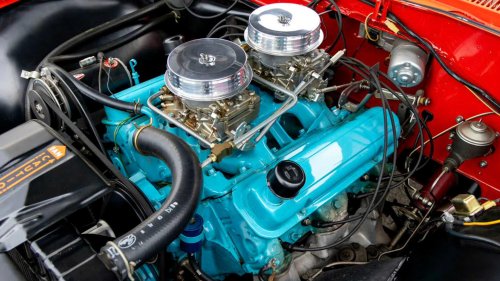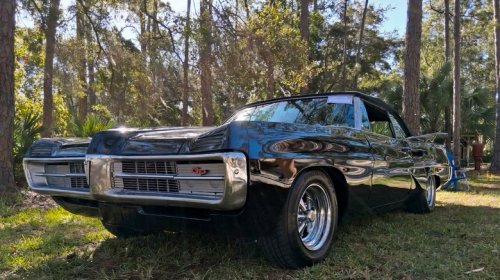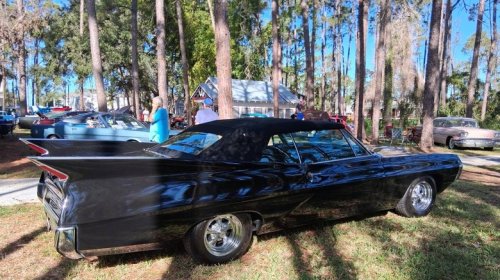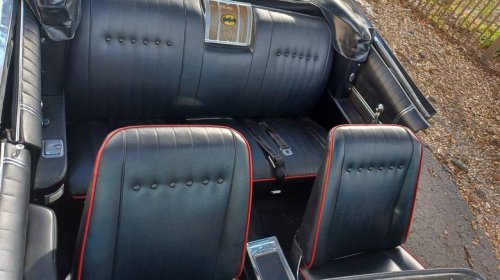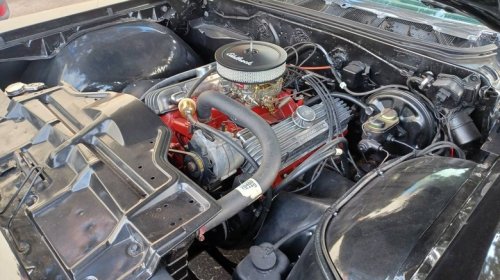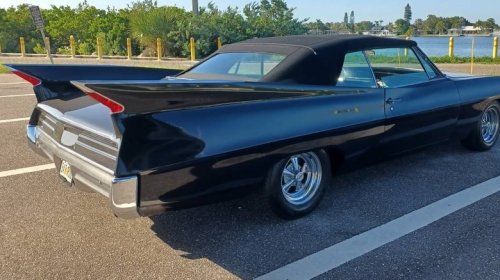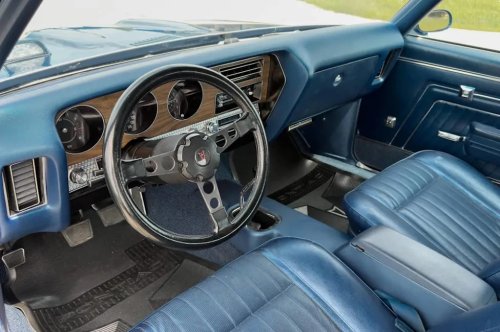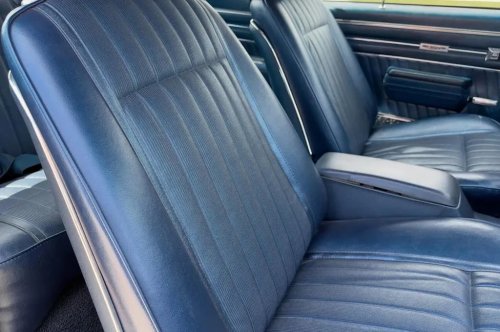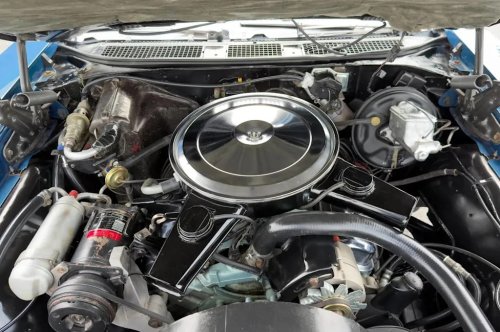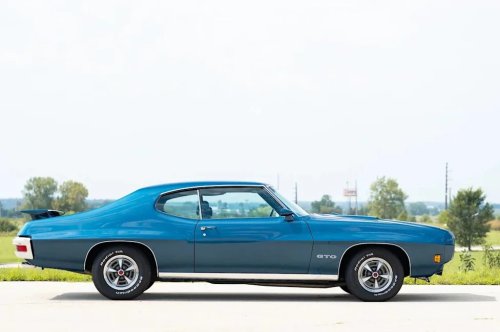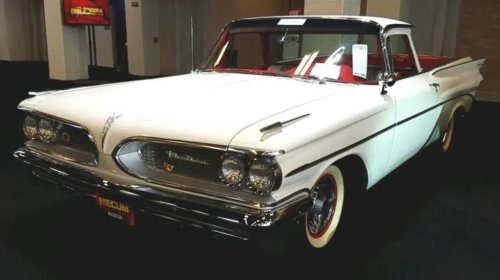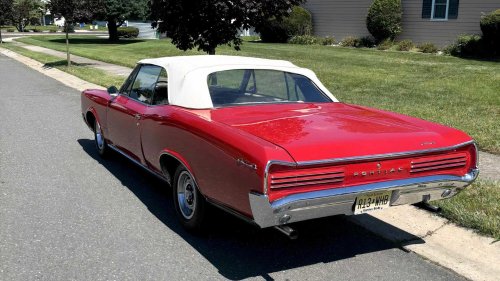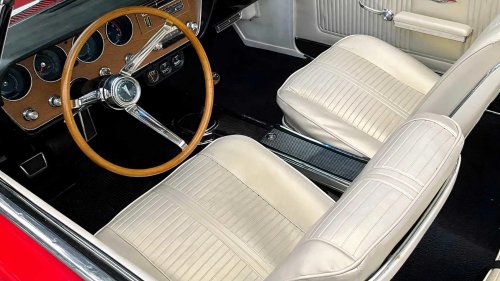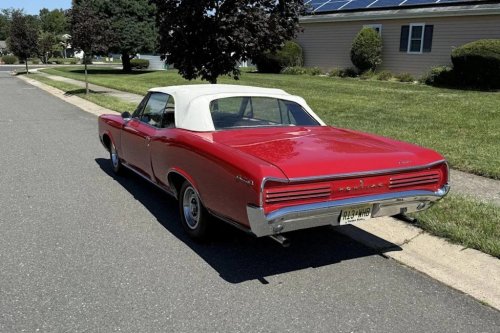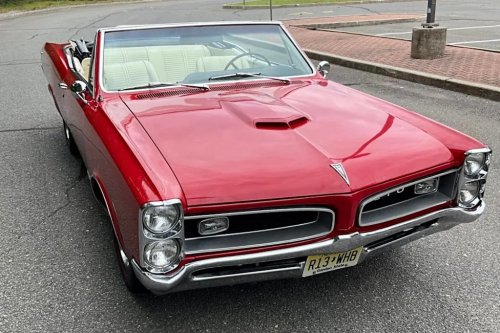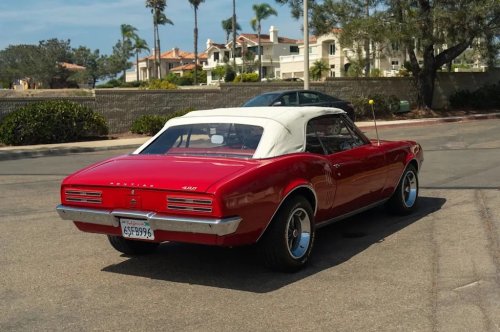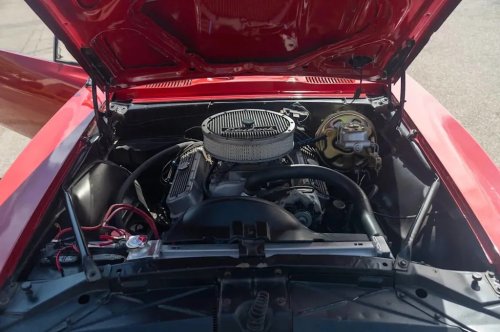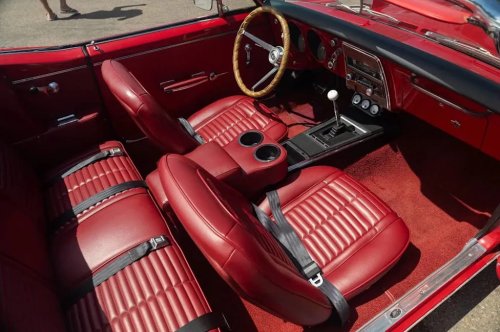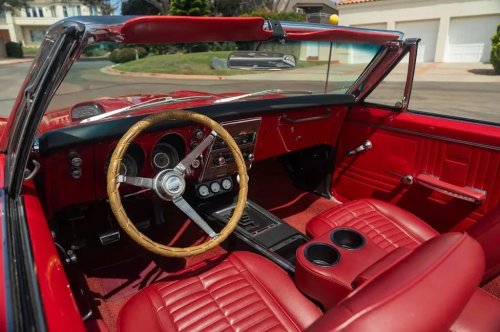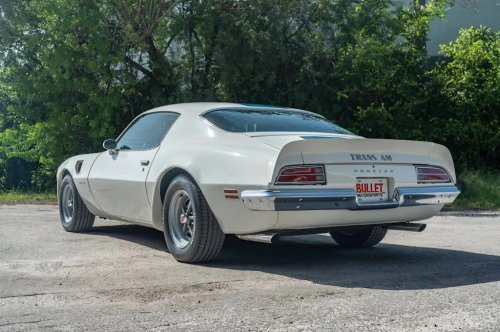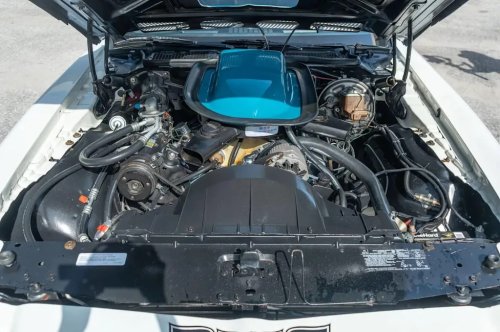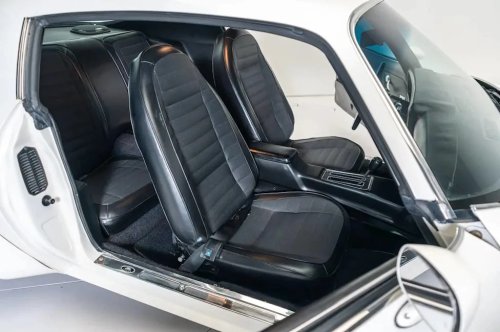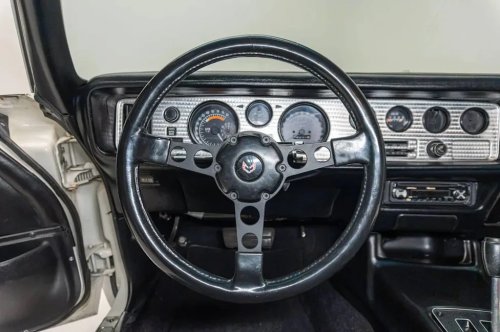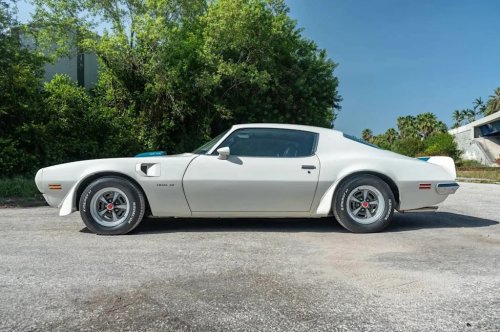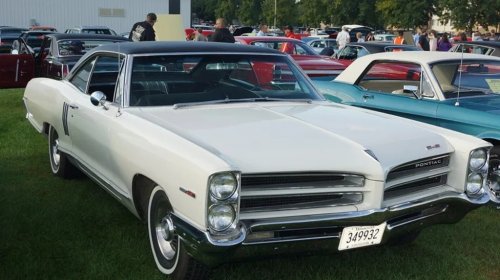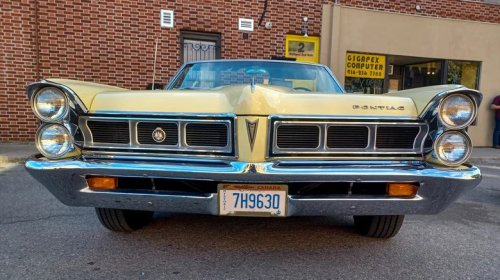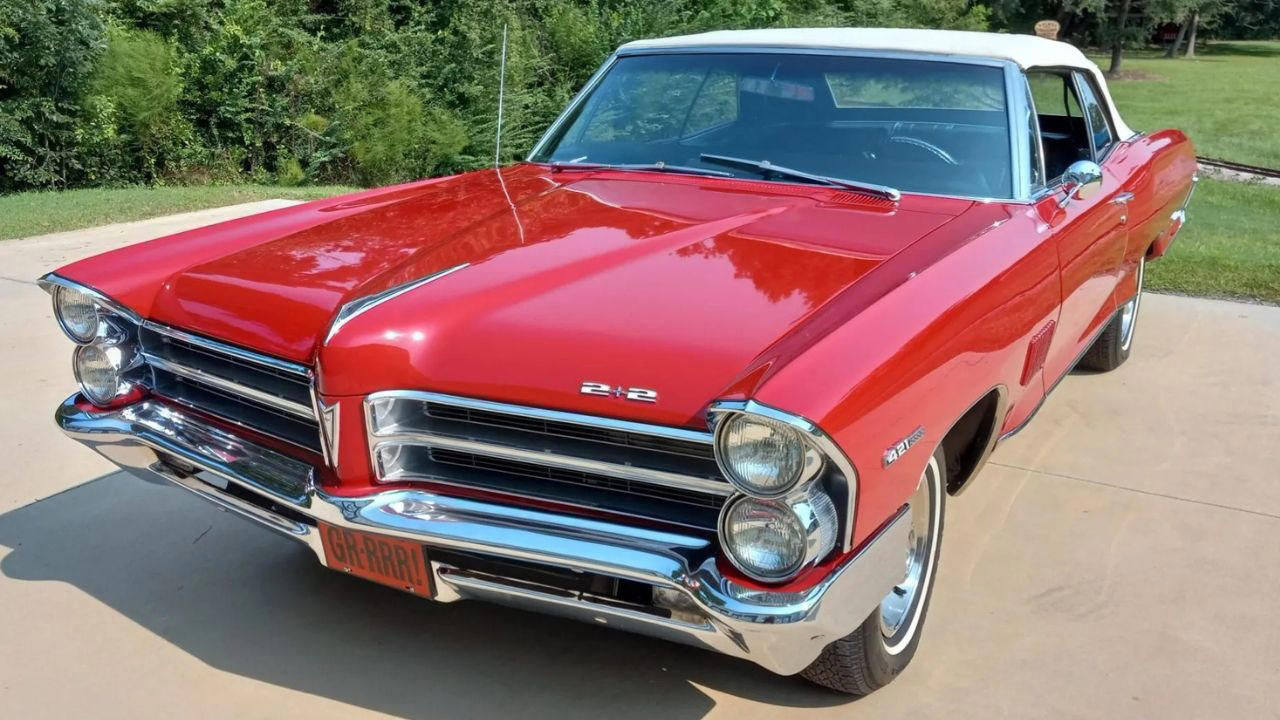



















Once overlooked the 1965 Pontiac 2+2 421 is finally getting respectThe 1965 Pontiac 2+2 421 spent decades in the shadow of its smaller GTO sibling, treated as a curiosity rather than a core muscle car. Today that perception is shifting, as collectors and historians point to its power, engineering and rarity to argue that this full-size brute deserves a place among the greats. What once looked like a grandparent’s Sunday cruiser now reads as a sophisticated performance package that combined big-block torque, serious chassis hardware and understated style. The result is a car that finally fits the market’s appetite for sleeper muscle, long-distance comfort and period-correct drama under the hood. The full-size Pontiac that was really a muscle car The Pontiac 2+2 was introduced as a performance version of the Catalina, built on the B-body chassis that carried much of General Motors’ full-size lineup. According to Pontiac 2+2 documentation, the model positioned itself as a sporty four-seat coupe and convertible, with bucket seats, unique trim and a focus on power rather than pure luxury. Underneath, the 2+2 shared the same basic platform as other big Pontiacs, but it received specific suspension and appearance upgrades that marked it out as the performance choice. Pontiac designers effectively created a bridge between European-style 2+2 grand tourers and American full-size muscle, a link that later enthusiasts would come to appreciate more than period buyers did. In period advertising and internal positioning, the Pontiac brand leaned on its growing performance image, already boosted by the GTO. The 2+2 expanded that reputation into the full-size segment, giving drivers who needed space and comfort a way to buy into the same attitude without sacrificing rear-seat room or trunk capacity. Why 1965 became the sweet spot Among all years, 1965 has emerged as the reference point for the 2+2. Styling updates gave the Catalina and its performance variant a crisp, flowing body that one former GM stylist later described as “one full styling wave” ahead of other Detroit offerings, a comment that fits the long, low profile of the car and its stacked headlights. The overall look balanced aggression with restraint, which suits modern collectors who prefer subtle muscle over loud graphics. By 1965, Pontiac’s big-block program had also matured, and the 2+2 could be ordered with serious power. The combination of fresh design and a strong engine lineup meant the car finally matched its marketing as a full-size performance machine rather than a trim package on a family sedan. Enthusiast coverage of the period often centers on a famous comparison test that put a 2+2 against a Ferrari 330 GT 2+2, a pairing that highlighted how confident Pontiac had become in its engineering. That match-up framed the car not as a simple domestic cruiser but as a challenger to European grand tourers, even if the badge and body style disguised its intent for casual observers. The 421 V-8 that made the difference The heart of the 1965 performance story was the 421 cubic inch V-8. In 2+2 trim, the 421 produced 338 hp and carried a 10.5:1 compression ratio, figures that placed it firmly in muscle car territory for the time. Period option sheets also listed a 356 hp version that used a trio of Rochester two-barrel carburetors, the famous Tri-Power setup that became a Pontiac signature. Enthusiast buyer’s guides describe the 421 as the engine that transformed the car from a dress-up Catalina into a genuine performance machine. The 338 hp rating and 10.5 compression ratio gave the big coupe and convertible the ability to run with smaller, lighter muscle cars while still offering full-size comfort. The Rochester triple carburetor arrangement added both power and visual drama when the hood was raised at local drive-ins or drag strips. For collectors, the presence of the 421 is now a major value driver. Cars equipped with lesser engines do not command the same attention, while genuine 421 cars, especially with the Tri-Power induction, are treated as the most desirable configurations. Later commentary on the broader Pontiac lineup even singles out rare 421 Super Duty applications as big-ticket items, with prices climbing toward six figures for the right examples. From “grandpa’s car” to stoplight menace Part of the 2+2’s modern appeal comes from its sleeper personality. As one enthusiast video framed it, picture a scene in 1965 where a driver pulls up in what looks like a grandfather’s Sunday church car, only for the big coupe to leap ahead when the light turns green. That contrast between conservative appearance and aggressive performance speaks directly to current tastes for understated speed. The same video commentary on how the 1965 Pontiac Catalina 421 Became the Gentleman’s car captures this dual identity. The car could carry a family in comfort, yet the 421 under the hood meant it was fully capable of embarrassing smaller, sportier looking machines when asked. That mix of manners and muscle is now a selling point rather than a compromise. Modern social media discussions often echo this idea. Owners and fans highlight how a well preserved 2+2 can cruise quietly at highway speeds, then roar to life when the secondary carburetors open. The car’s long wheelbase and weight give it a planted feel that differs from the sometimes nervous character of compact muscle cars, which appeals to drivers who want power without constant drama. Performance numbers that finally get respect Contemporary tests and later analysis have helped reframe the 2+2’s capabilities. Coverage of the Pontiac Catalina 2+2 Tri-Power notes that the most powerful configuration could sprint from zero to 60 m p h in about 7 seconds and cover the quarter mile in roughly the mid 15 second range. For a full-size car with a comfortable interior and real trunk space, those figures were impressive in the mid 1960s and still sound respectable today. Commentary on the Pontiac Catalina 2+2’s chassis highlights that the model benefited from a wider track and upgraded suspension compared with standard versions. One detailed feature points to Catalina measurements of 62.5 inches at the front and 64.0 inches at the rear, combined with stiffer coil springs and a heavy-duty front sway bar. That hardware gave the 2+2 more poise in corners and better stability at speed than many buyers expected from a big American coupe. Later restomod builds have demonstrated just how capable the platform can be. Enthusiast coverage of a 500 hp 1965 Catalina 2+2 shows that the underlying chassis responds well to modern tires and tuning, which reinforces the idea that Pontiac’s original engineering was sound. The car’s long wheelbase and wide stance make it a stable base for both straight-line and highway performance. “2+2” as a status symbol, not just a badge The name itself carries weight. As one enthusiast post from Jun put it, Back in the 1960s the term “2+2” was more than a label. European buyers associated it with sleek, expensive sports cars that combined front seats with small rear perches for occasional passengers. When Pontiac adopted the designation, it tapped into that European aura while applying it to a full-size American platform. A popular enthusiast page for the brand explains that the 2+2 was a part of muscle car history, connecting the Catalina nameplate with the broader performance movement. The post on Back in the framing shows how modern fans view the car as a bridge between European style grand tourers and American street machines, a positioning that helps explain its current rise in status. That European reference also helps justify why Pontiac was comfortable pitting the 2+2 against cars like the Ferrari 330 GT 2+2 in period tests. The comparison was not only about straight-line speed. It was also about claiming a place in the same conversation as more exotic machinery, at least in terms of concept and intent. Why it was overlooked for so long Despite its hardware, the 2+2 spent decades as an afterthought in muscle car discussions. Several factors contributed to this. The most obvious was the dominance of the GTO narrative. Enthusiast groups often describe the 1965 Pontiac Catalina 2+2 as Often overshadowed by the Pontiac GTO, a pattern that persisted long after both models left showrooms. Size also worked against the car. As fuel prices rose and insurance costs climbed in the 1970s, full-size performance machines fell out of favor. Collectors in the 1980s and 1990s tended to focus on smaller, lighter muscle cars that were easier to store and perceived as more agile. The 2+2, with its big footprint and family-friendly interior, looked more like an old cruiser than a hot collectible. Production numbers did not help either. While the 2+2 was not extremely rare, it never reached the ubiquity of the GTO or later Firebird models. That meant fewer childhood memories, fewer posters on bedroom walls and less cultural reinforcement. Without a constant presence in media and events, the car slipped quietly into the background of Pontiac history. The reevaluation: from underrated to sought after Over the last several years, a shift has taken place. Enthusiast outlets now routinely refer to the Catalina 2+2 421 as one of the Most Underrated Muscle Car Ever, a phrase that appears in multiple discussions of the model’s place in 1960s performance history. One detailed feature on the Pontiac Catalina 2+2 argues that the 1965 version Is Truly Underrated Pontiac Muscle, citing its combination of power, style and relative scarcity. Another analysis of the most underrated Pontiac muscle car ever singles out the Pontiac Catalina 2+2 Tri Power configuration, noting that the fastest versions delivered competitive acceleration figures despite their size. That same piece mentions the 60 m p h sprint and quarter-mile performance, using those metrics to challenge the idea that only compact or intermediate cars deserve the muscle label. Social media groups devoted to the brand have also played a role. One widely shared post about a 1965 Pontiac Catalina 2+2, described as one of 8815 built with 421 and 338 HP, frames the car as a hidden gem that more collectors are finally discovering. The conversation around that post shows how quickly attitudes can change once enthusiasts see high quality examples restored or preserved. Market signals: prices and projects Market behavior now reflects this reevaluation. Coverage of overlooked Pontiac muscle from Apr notes that if a buyer is looking for one of the rare cars powered by the 421 Super Duty engine, the price climbs quickly, with even driver-quality examples reaching around 125,000 dollars. While those figures apply to the most exotic variants, they influence perceptions of all 421 powered Pontiacs, including the 2+2. At the same time, project cars are gaining attention. One story from Aug follows a 1965 Pontiac Catalina 2+2 that originally carried a 389 but now runs a YC code 455 from 1972. The car needs brakes, floors and extensive work, yet it still attracts interest because of its four-speed layout and 2+2 heritage. The fact that enthusiasts are willing to tackle such ambitious restorations signals growing confidence in the model’s long term value. More from Fast Lane Only Unboxing the WWII Jeep in a Crate 15 rare Chevys collectors are quietly buying 10 underrated V8s still worth hunting down Police notice this before you even roll window down