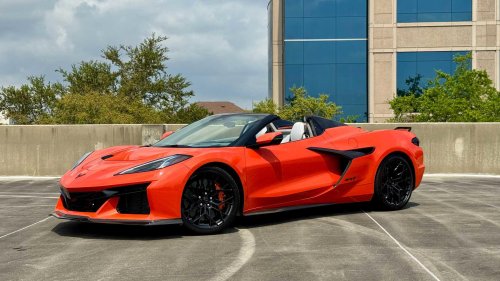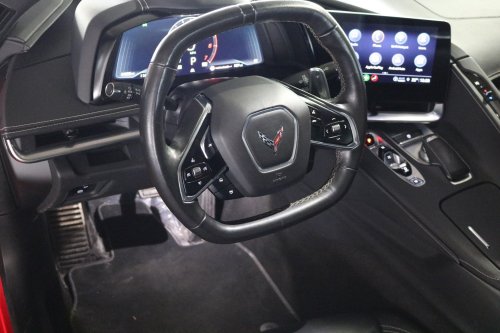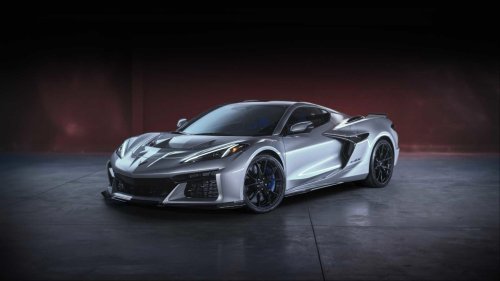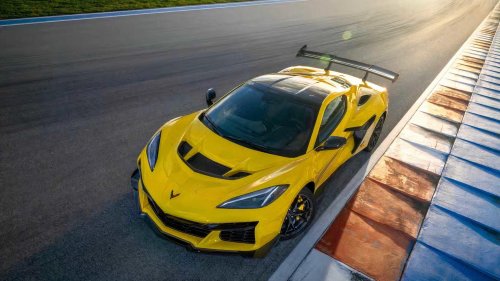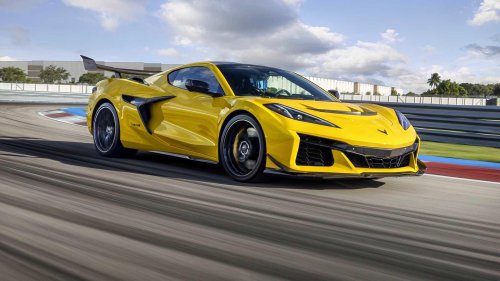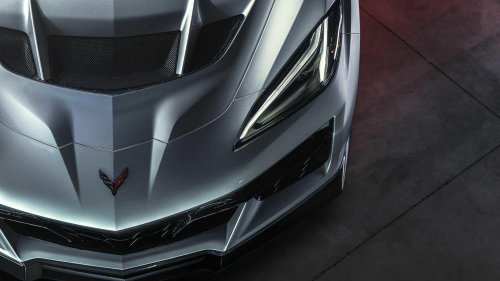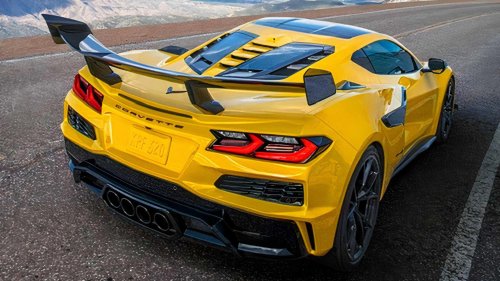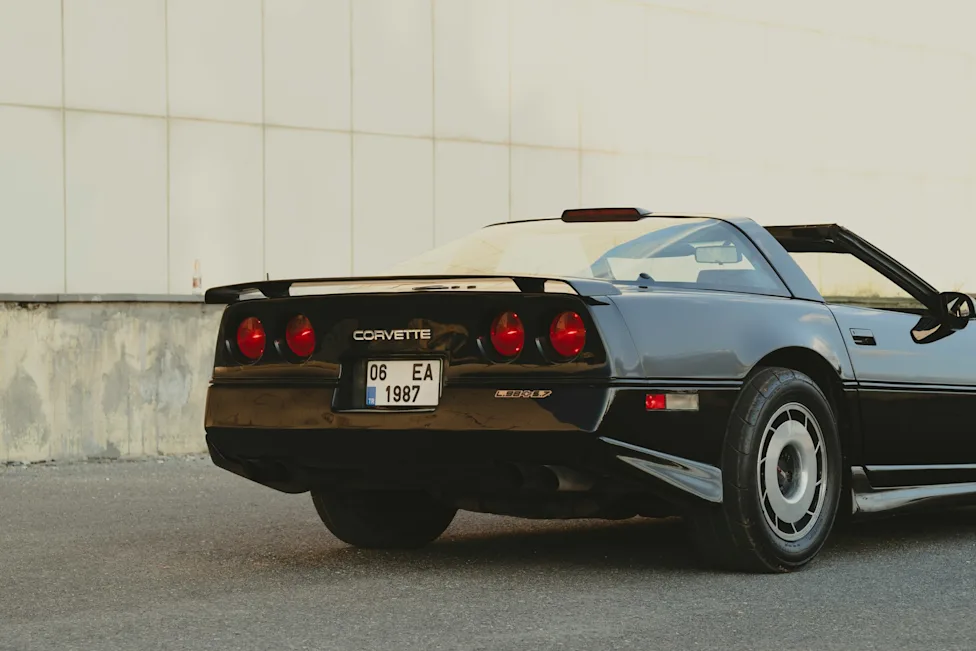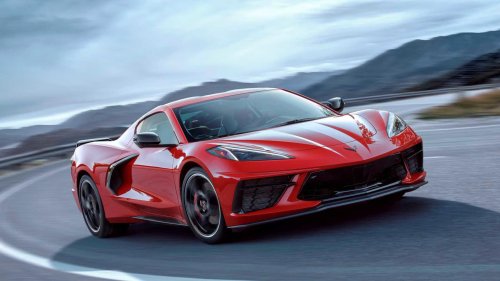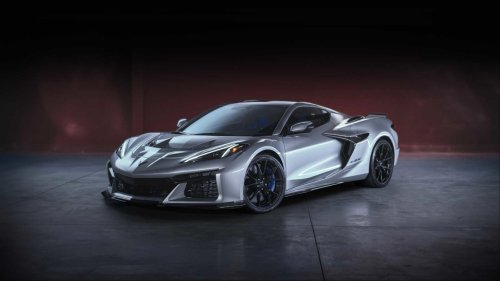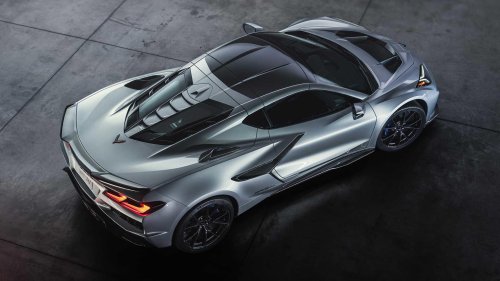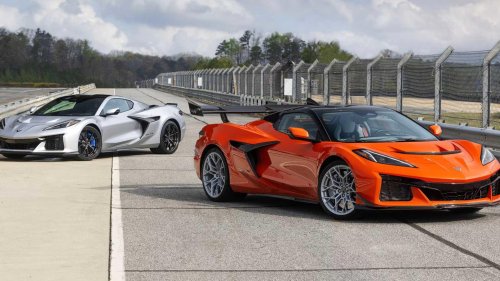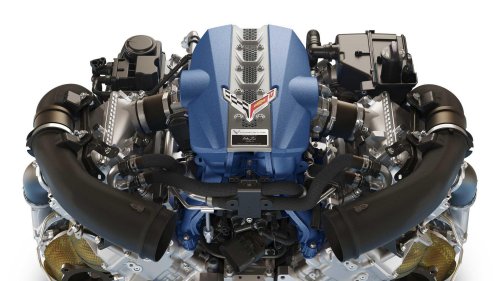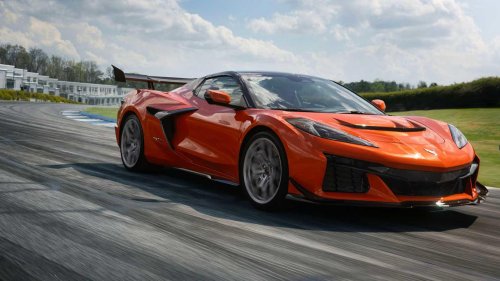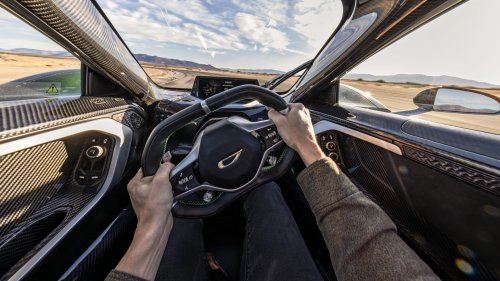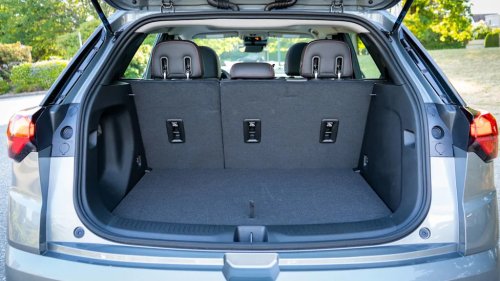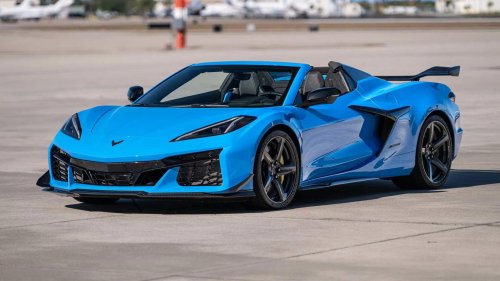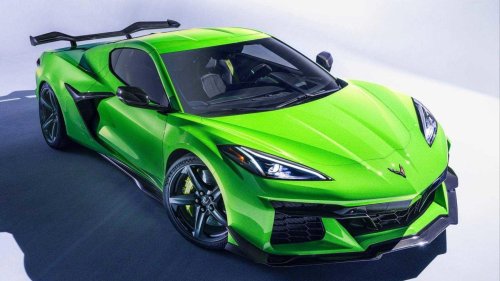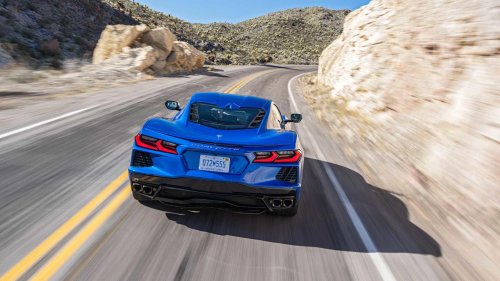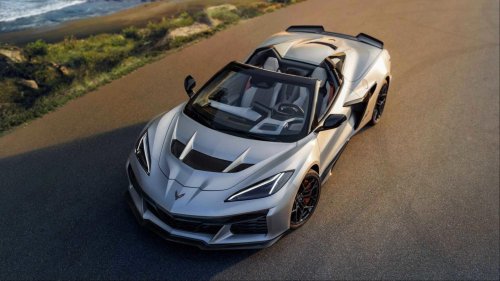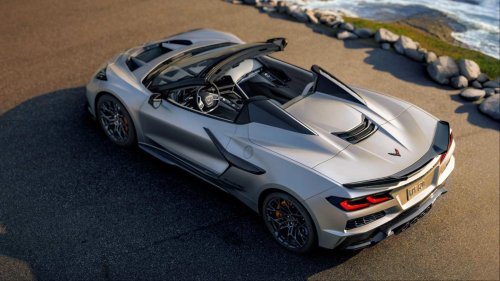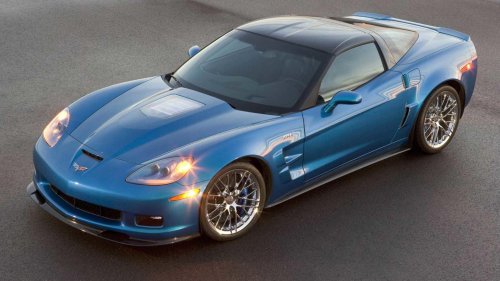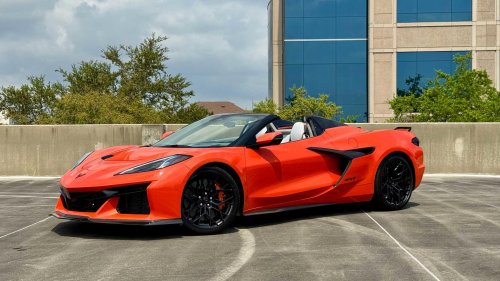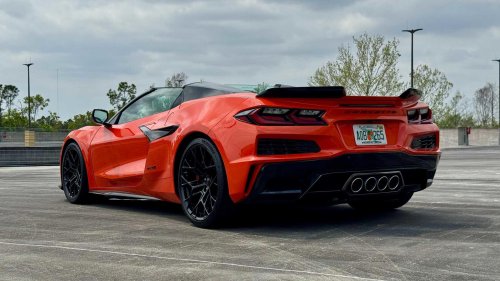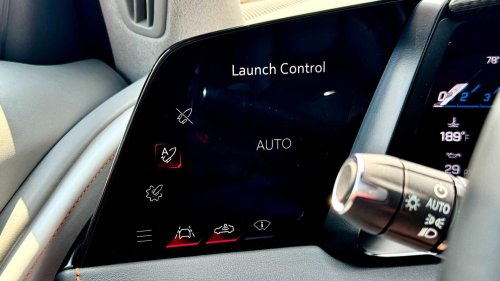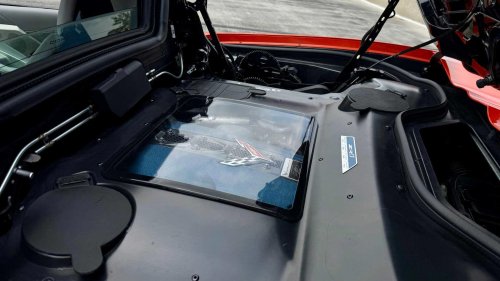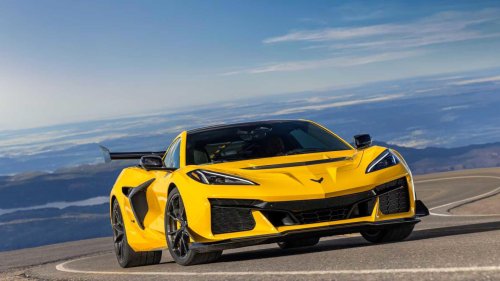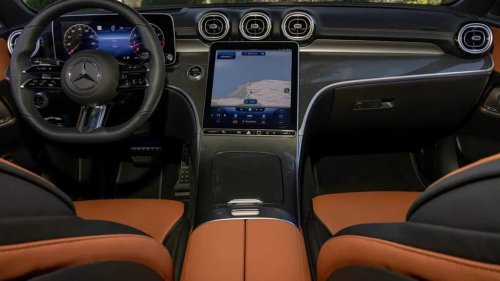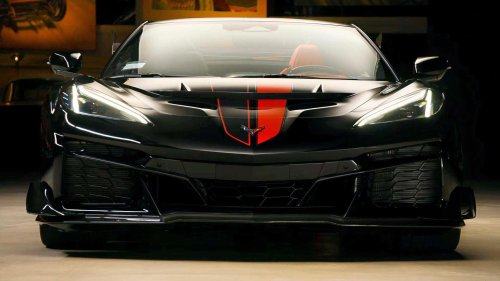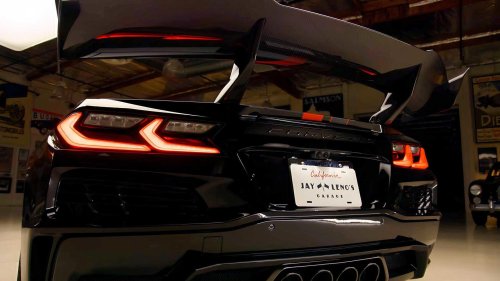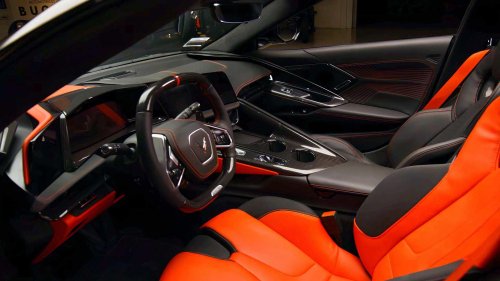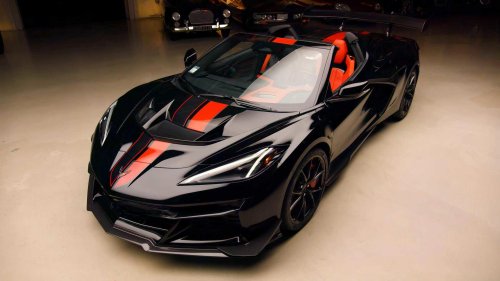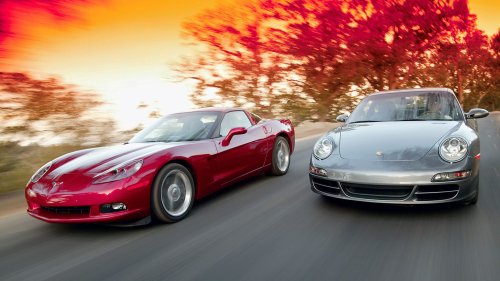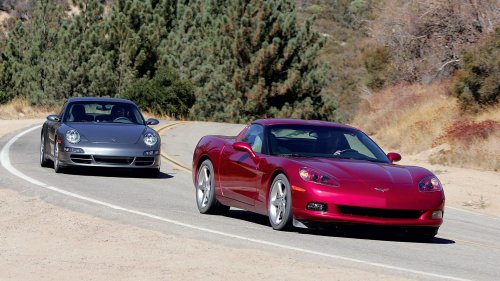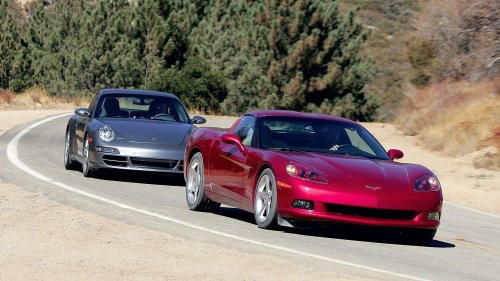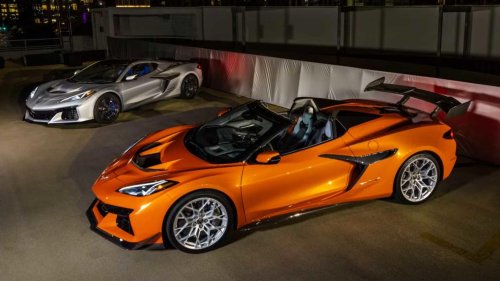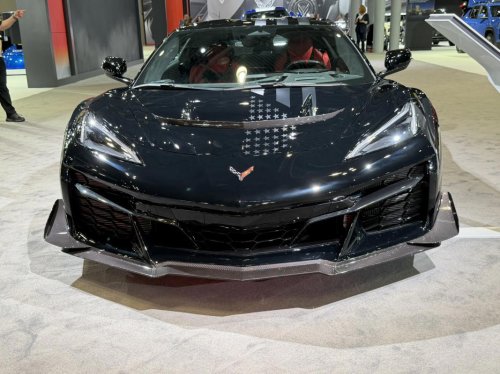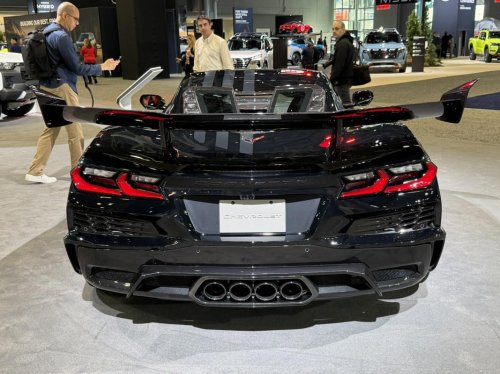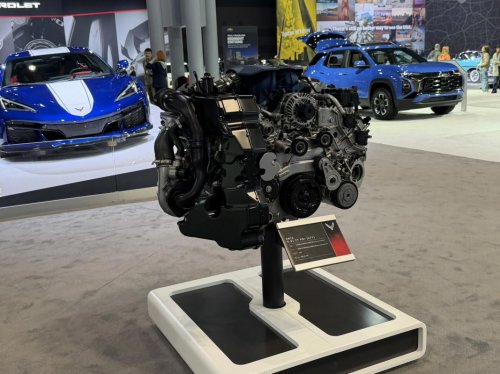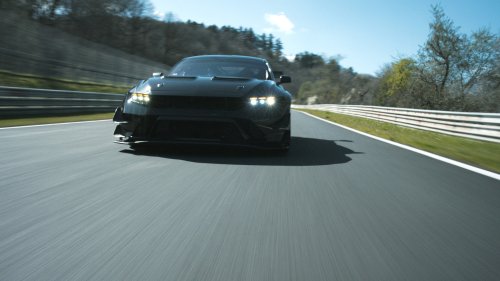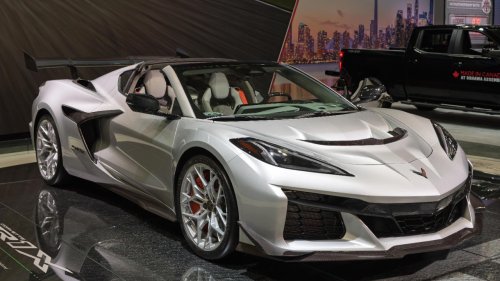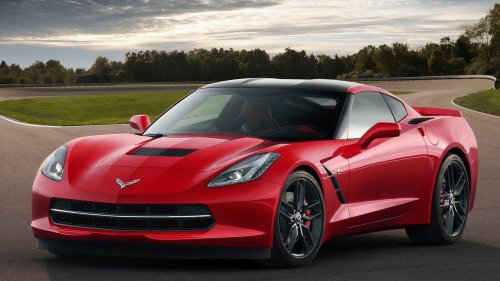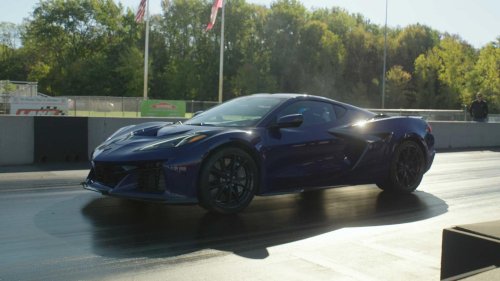



















the zr1 corvette shootout c4 vs c8 The newly-updated C8 ZR1 takes on the "first" ZR1, the C4! Which Corvette is best when it comes to driving enjoyment, performance, style, daily use, and value? Let's blast through the canyons and find out, in this 1,439 HP comparison test that's been 35 years in the making. The AutoGuide Creators Series tells stories and amplifies creators from the car world, including family life, car buying advice, commuting tips and car culture. 2026 Lexus NX 450h+: All the Details Transcript: 2026 C8 ZR1 vs. 1991 C4 ZR-1: Which Legendary Corvette Is Better to Drive? Behold the 2026 C8 ZR1, fresh into its second year of production and now updated for 2026. Parked beside it is the 1991 C4 ZR-1, also from its second model year. Both are icons. Both represent the top of the Corvette food chain in their respective eras. But which one is better when you consider performance, handling, daily usability, and, most importantly, pure driving enjoyment? Any comparison between these two cars has to begin with their extraordinary engines. Unlike most Corvettes, both powerplants use dual overhead cams and 32 valves. There are no old-school pushrods here. Their displacements are even surprisingly close. The C4's LT5 measures 5.7 liters, while the C8's LT7 is slightly smaller at 5.5 liters. The difference, of course, is that the LT7 is boosted by two enormous turbochargers, helping it produce a staggering 1,064 horsepower. For a normal person, that number is almost hard to process. So here is some context. The 1991 C4 ZR-1 made a huge 375 horsepower in its day. To match the output of one C8 ZR1, you would need the power of an early C4 ZR-1, plus another early C4 ZR-1, plus a base LT1-powered C4. Put all three together and you are only just approaching the output of a single C8 ZR1. The new car really is that outrageous. Still, power is not everything, especially on a public canyon road. And while I have driven at least one Corvette from every generation, including a few standard C8s, I am definitely not used to modern supercars like this. Even if I am in over my head, it is time to strap in and find out what the new king of the hill is really like. Driving the C8 ZR1 Here we go: C8 ZR1. This is my first-ever press car, which makes the whole experience even more surreal. Chevrolet dropped it off for a week and told me to drive it and review it, and I am incredibly grateful for that. More than anything, though, I am grateful to the audience for making a moment like this possible. As someone who has driven every generation of Corvette, I have been intensely curious about what this new ZR1 would feel like. One of the most remarkable things about it is that all of its power goes only to the rear wheels. There is no all-wheel drive here. This particular car also does not have the extra-sticky Cup tires. Instead, it rides on "normal" Michelin Pilot Sports. They are still massive, but not as sticky as the optional track-oriented tires. So before pushing too hard, it makes sense to wait for the tires to warm up. This car also has the optional aero package, and I am glad it does. Yes, it costs around $10,000, but it looks phenomenal and brings real functional benefits. Up front you get aggressive dive planes, and out back there is that enormous rear wing. With the aero package, the car produces up to 1,200 pounds of downforce. On a car with this much speed, I will take all the help I can get. Visually, the aero package also solves one of the old C4 ZR-1's biggest weaknesses. The C4 never looked all that different from a base Corvette. It had a wider rear end and tiny badges, but that was about it. The C8 ZR1 with the aero package makes no attempt at subtlety. There is no mistaking this for anything ordinary. The tradeoff is a slightly lower top speed. Without the aero package, the C8 ZR1 is capable of 233 mph. With the big wing and extra drag, that drops to a still-ridiculous 225 mph. Then there is the acceleration. The first hard pull in the C8 ZR1 is genuinely shocking. Even without using a low gear, the thrust is violent. A proper second-gear pull is even more outrageous. It feels less like a fast car and more like a launch event. This thing is a rocket. Chevrolet claims 0 to 60 mph in just 2.3 seconds, which is basically half the time the C4 ZR-1 needs. From a stop to about 85 mph, the car generates roughly 1g of acceleration. In other words, it is faster than falling. The closest comparison I can think of is bungee jumping. I once did the famous GoldenEye bungee jump in Switzerland, and this feels every bit as intense. Thankfully, the brakes are just as serious as the engine. The carbon-ceramic setup is enormous and brutally effective, yet surprisingly quiet in normal use. One detail I love is the return of the split rear window, which is a nod to the 1963 Sting Ray coupe. It looks fantastic, but it makes rear visibility go from bad to terrible. That will matter later when we get into the pros and cons. What Changed for 2026 The 2026 updates focus mainly on the interior, which surprised me because I already liked the previous C8 cabin. I found the old design intuitive, and I especially appreciated the long row of tactile climate buttons that swept down the center spine. For 2026, those buttons are gone, replaced by a grab handle for the passenger. The change opens up the passenger side and makes it feel less walled off than before. On the driver's side, there is now an additional screen to the left of the steering wheel. Combined with the revised layout, the new interior feels like a lot at first. But after spending some time with it and dialing in the settings, it starts to make sense. There is even a cool, almost Knight Rider-style vibe once you get used to it. I especially liked using the extra display to monitor turbo boost. The details are excellent. The orange stitching matches the body color, and the stripe at the top of the steering wheel ties it all together. Even the removable targa top is beautifully finished. It is easily the best Corvette cockpit I have ever sat in. Sound, Style, and Handling The C8 ZR1 does not sound like any Corvette I have driven. The flat-plane V8 is already unusual enough, but add two huge turbochargers making up to 26 pounds of boost and the whole thing takes on a completely different character. At times it almost sounds like a turbo diesel, and once the turbos hit, it feels like another explosion goes off behind your head. The attention this car gets is also unlike anything I have experienced. I thought the C1 might be unbeatable in that regard, but the C8 ZR1 draws crowds of every age. Everyone knows it is something special. The handling, meanwhile, is extraordinary. The car feels incredibly sharp, smooth, and manageable, as long as you are careful with the throttle. It has a tossable, lightweight feel that seems almost impossible given the performance. Chevrolet deserves serious credit here. In an age when performance cars are getting absurdly heavy, this C8 ZR1 weighs about 3,800 pounds. That is only about 300 pounds more than the old C4 ZR-1. By comparison, modern rivals have gained vastly more weight over the years. The Corvette team, especially Tadge Juechter, always seemed to care about weight, and that philosophy still shows. This is also the real payoff of going mid-engine. You could debate whether a base Stingray needed that layout, but there is no question that a car with this level of power and balance benefits enormously from it. With the engine behind the driver, the whole car just makes sense. And yes, the paddle shifters are excellent. The carbon-fiber paddles deliver instant gear changes, and the manual mode is about as good as it gets. The ZR1X Question Of course, Chevrolet now offers an even more extreme variant: the ZR1X. That car adds another 186 horsepower by combining the ZR1's engine with the E-Ray's front electric motor, turning the car into an all-wheel-drive hybrid. On paper, it is incredible. In practice, I am not convinced it would be more enjoyable. It is heavier, and part of the magic of the ZR1 is how raw and focused it feels. This already feels like more performance than any sane person could use on the road. A Performance Bargain, Somehow It sounds ridiculous to call a $200,000 Corvette a value, but in context, it absolutely is. Compared with other cars delivering this level of performance, the ZR1 is a relative bargain. Take the Ford Mustang GTD. It is slower, less powerful, and heavier than the ZR1, yet it stickers for around $327,000. For the price of one GTD, you could have the C8 ZR1, a very nice base LT1 C4, and two early C4 ZR-1s. If someone offered me that garage or the single Mustang, I know which one I would choose. Meeting the C4 ZR-1 For today's comparison, we actually had two 1991 ZR-1s on hand. I had already driven the blue example in a previous video, so this time I took the black car owned by my friend Kasra. It has just over 26,000 miles and is largely stock, save for a Haibeck computer chip, a slightly lowered suspension, and a beautiful set of Shelby Series 1 wheels. The exhaust, however, remains stock, which is relatively rare. And just like that, it is time to step back 35 years. Driving the C4 ZR-1 This is the car that made the ZR-1 badge famous. Yes, there was an earlier racing package in the 1970s, but this is the ZR-1 that Chevrolet built to take on the world. In fact, you could argue that when it debuted, it was one of the best all-around cars in the world. It delivered comfort, speed, reliability, and usability in a package that few others could match. Its legendary 24-hour endurance run at an average speed of 175 mph helped cement that reputation. The LT5 is one of the great Corvette engines, and it turned out to be remarkably durable. It was overengineered in the best way, which helps explain why the ZR-1 package nearly doubled the price of a normal C4. Even so, just like the C8 ZR1 today, it was still a bargain compared with the performance available elsewhere. And then there is the six-speed manual. After driving the C8, having a proper stick shift again feels wonderful. The pedal spacing even makes heel-and-toe downshifts easy, unlike most standard C4s. However good the C8's paddles are, they cannot match the engagement of a real manual gearbox. Once you floor it, the contrast with the C8 is immediate. The C4 feels fast, but you have time to think. You can enjoy the acceleration, process what the car is doing, and appreciate the surroundings. In the C8, you are hanging on for dear life. The C4 still has its quirks. Getting in and out is awkward because of the high door sills. The plastic interior materials are very much of their time. But once seated, the car is comfortable, simple, and easy to understand. This particular car also has a suspension setup that actually makes a noticeable difference between tour and performance settings. Even in performance mode, though, it rides softer than the C8 in tour mode. The brakes are good, but nowhere near the immediate, colossal bite of the modern ceramic setup. Overall, the C4 feels friendly and approachable. It is not razor sharp like the C8, but it is still immensely fun. There are also little charms everywhere. The stock exhaust is quiet but pleasant. The engine loves to rev, which can surprise people used to more traditional Chevy V8s. The pop-up headlights, or more accurately the tumbling headlights, are still one of the coolest features ever fitted to a Corvette. And there is a nostalgic quality to the whole experience that is impossible to ignore. The C4 ZR-1 community also deserves credit. There is real support out there for keeping these cars running, and while parts can be expensive, they are not nearly as difficult to source as you might expect. This car feels like a future classic, if it is not one already. It has the perfect Radwood-era look, plenty of practicality, and enough performance to remain entertaining decades later. C4 vs. C8: Pros and Cons So which one wins? If your priority is maximum speed and drama, the C8 ZR1 is the obvious choice. Nothing compares to the feeling of those huge turbos coming alive and firing you into another zip code. The targa top is also easier to remove than the C4's, thanks to a lightweight carbon-fiber construction and a simple latch system. It stores easily in the back, and with the roof off, the car still feels just as stiff and composed. The C4's roof is a much bigger hassle. You need tools to remove it, it weighs far more, and once it is off, the structure gets noticeably shakier. The C8 is also much more exotic, much more capable, and much more advanced. But it is also massively more expensive. Clean early C4 ZR-1s can still be found in roughly the high-$20,000 to mid-$30,000 range. For the price of one C8 ZR1, you could buy six C4 ZR-1s. That said, the original C4 ZR-1 was not cheap when new. Adjusted for inflation, it works out to roughly $155,000 in today's money. Seen in that light, the C8 still looks like strong value. Surprisingly, though, the C4 does win in several areas. Fuel economy is one. The C4 manages about 17 mpg combined on 91 octane, while the C8 uses 93 octane and is rated around 14 mpg combined. In performance driving, the C8 gets even thirstier. Over 265 miles, I averaged just 9 mpg, and the smaller fuel tank means you only get around 180 miles of fun between fill-ups. The C4 also has the prettier engine bay. The LT5 sits proudly under that fantastic clamshell hood and is easy to admire and easy to access. By contrast, the LT7 is buried in the C8's rear compartment and looks surprisingly small in the space. Ease of maintenance also strongly favors the C4. The C8's five-year, 60,000-mile powertrain warranty helps today, but decades from now I expect the modern car will be far harder to keep alive. Visibility is another clear win for the C4. Even without cameras or parking sensors, it is easy to place and easy to reverse. The C8, by comparison, has terrible rearward visibility. Chevrolet expects you to rely on the mirror camera, but glare and the missing roof panel can make that system less effective than it should be. Merging and reversing in the C8 sometimes feel like trust falls. Cargo space is also more practical in the older car than you might think. A base C8 has decent luggage capacity thanks to the frunk, but on the ZR1, that front trunk is replaced by a cooling extractor. That means the ZR1 loses roughly 30 percent of the cargo space found in the C4. And what remains in the rear gets extremely hot thanks to the engine sitting nearby. The Verdict And that leads to the most surprising conclusion of all. If I had to choose one of these cars to drive every day, I would take the 35-year-old C4 ZR-1. That does not mean it is the better car overall. It is not. The C8 ZR1 is objectively the more thrilling, more capable, more advanced machine. If you have the means and you want maximum-attack, adrenaline-pumping performance, the C8 ZR1 is the one. 2027 Kia Seltos: All the Details