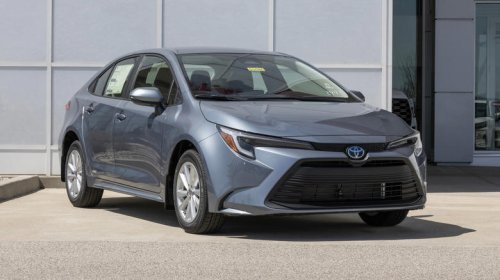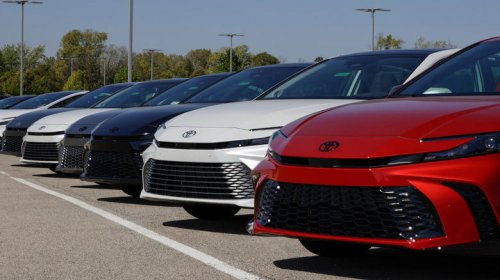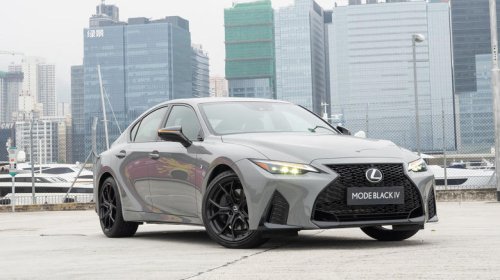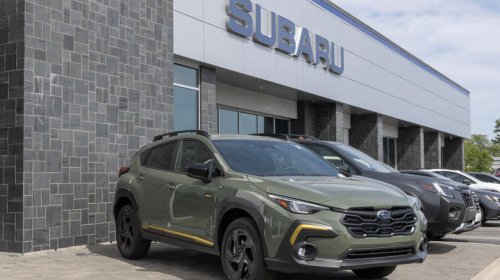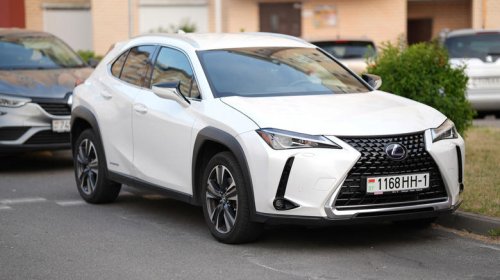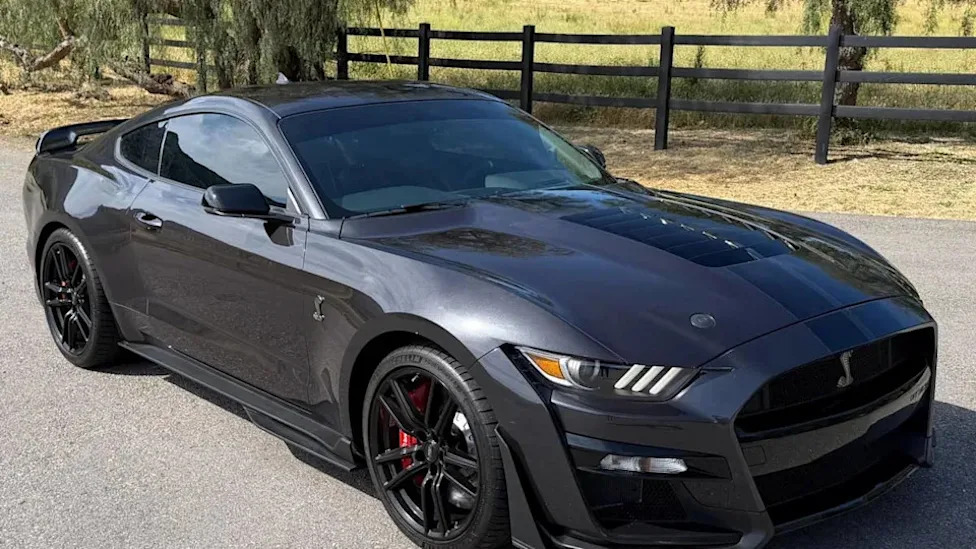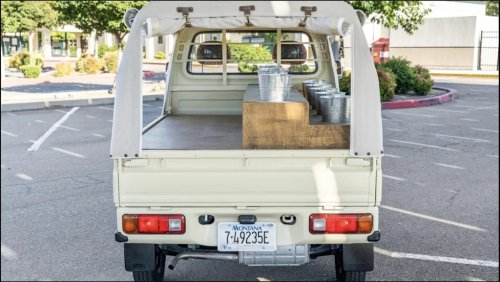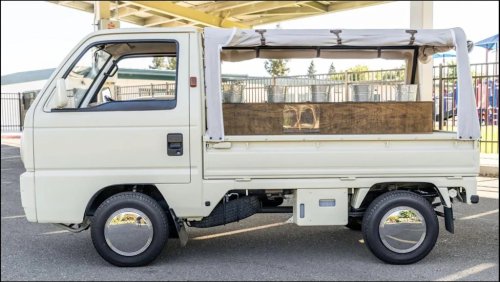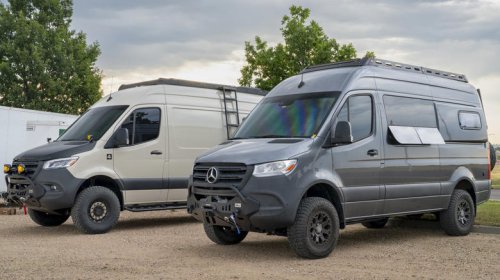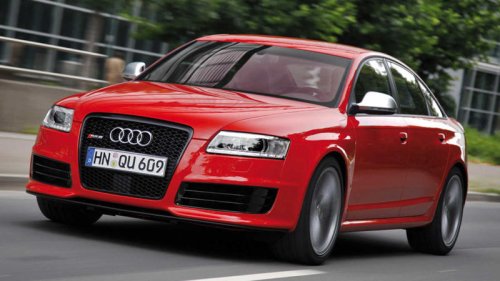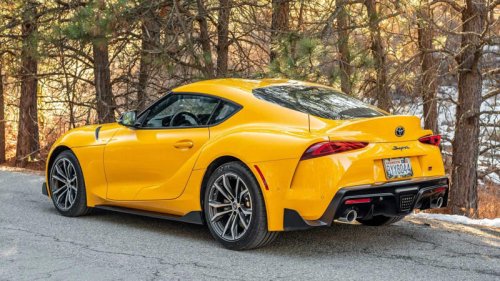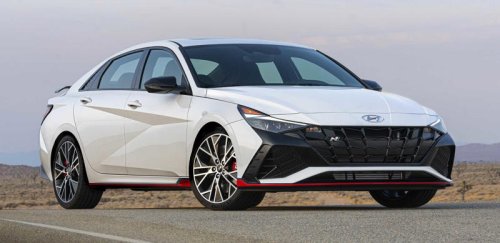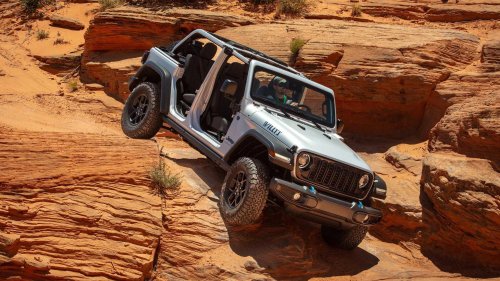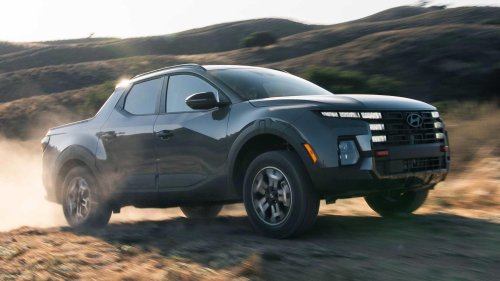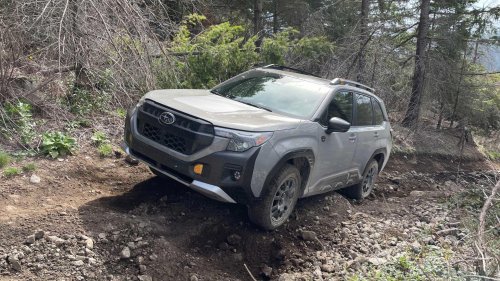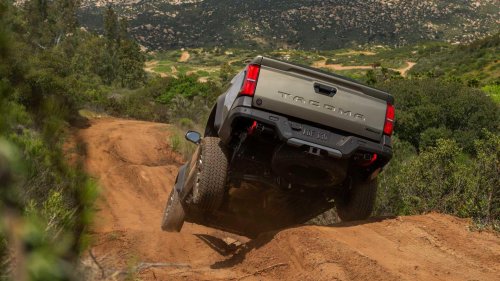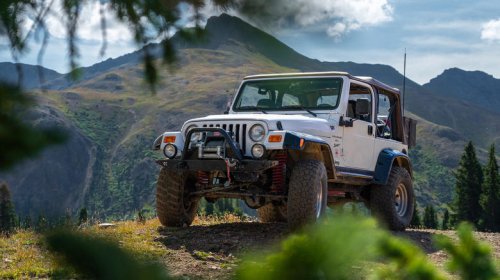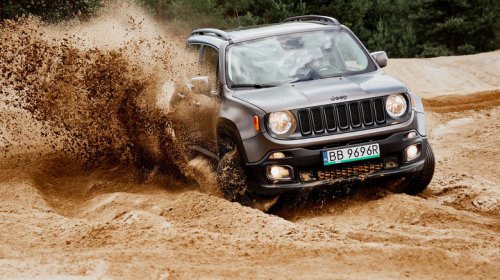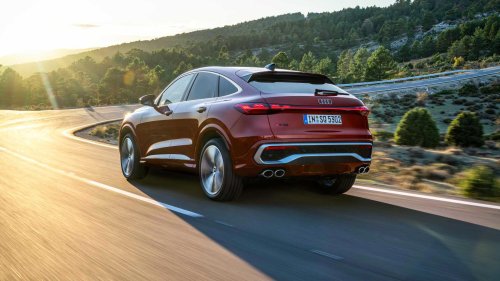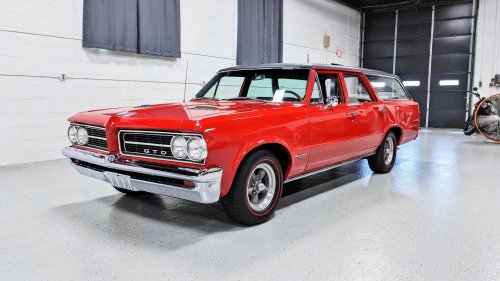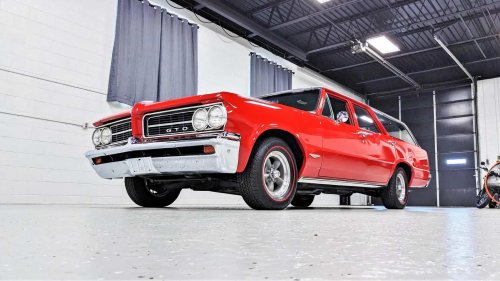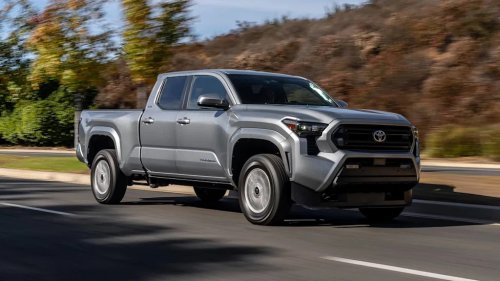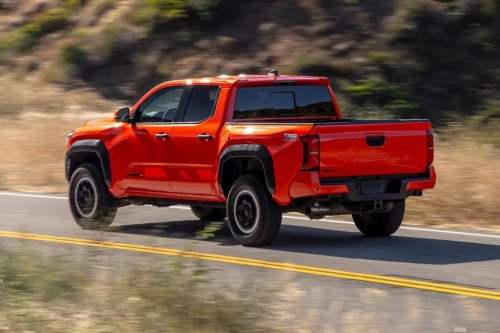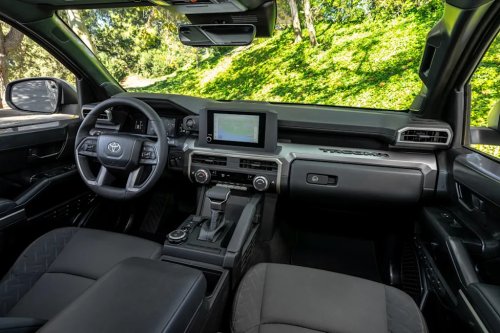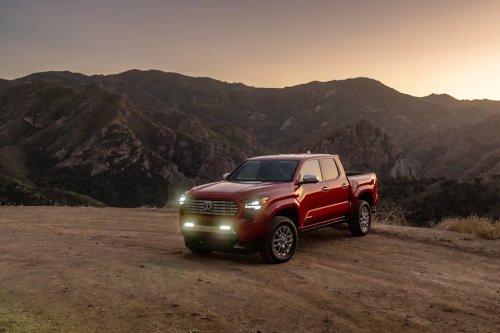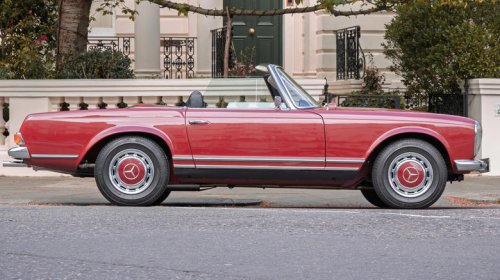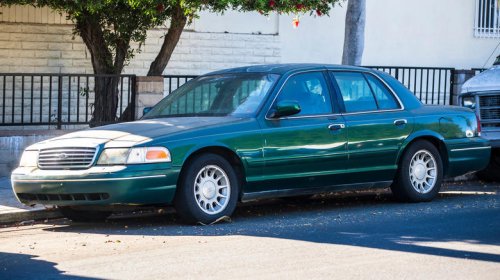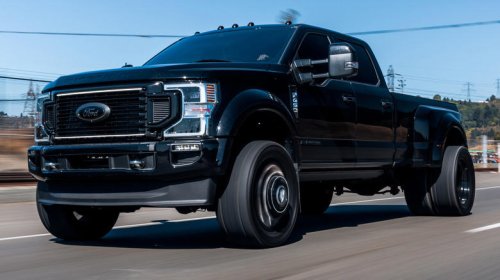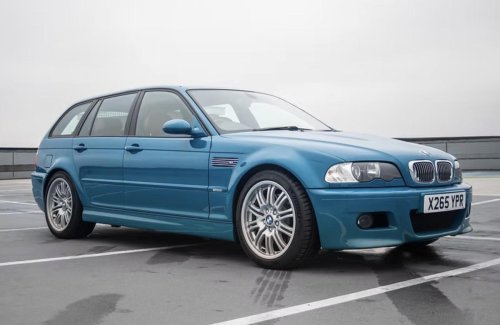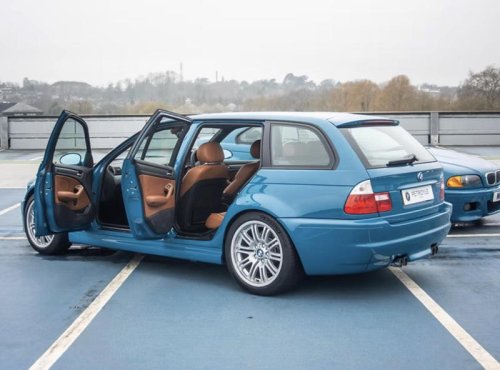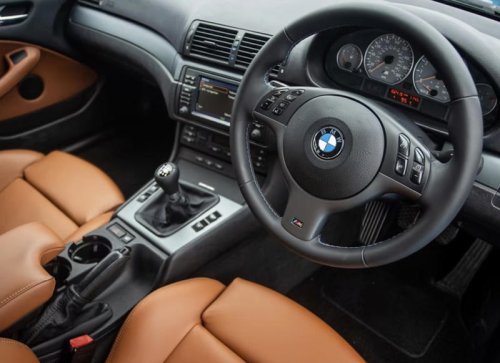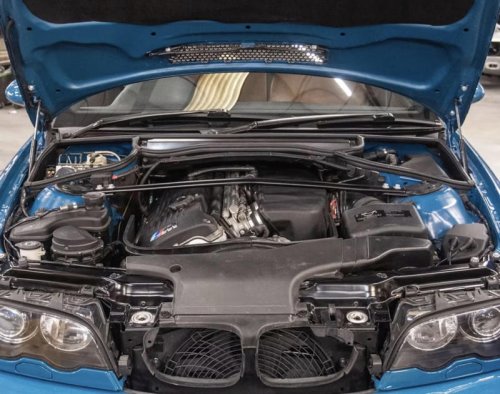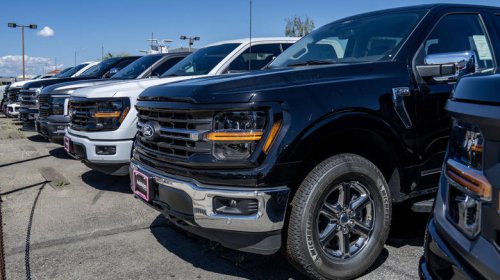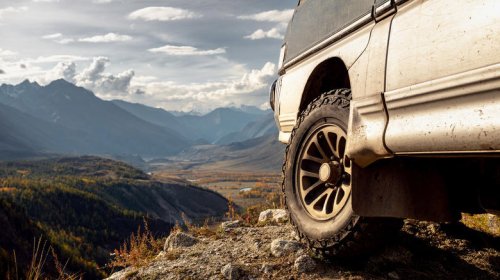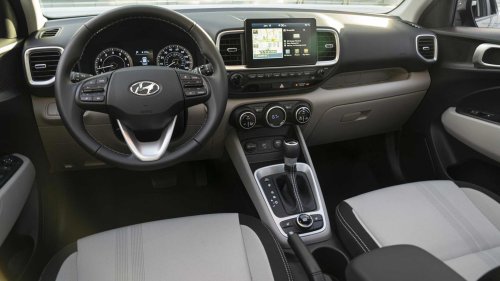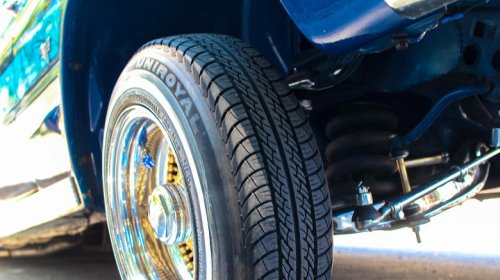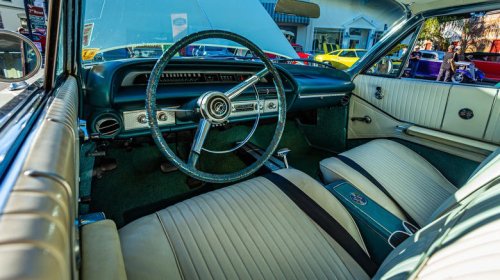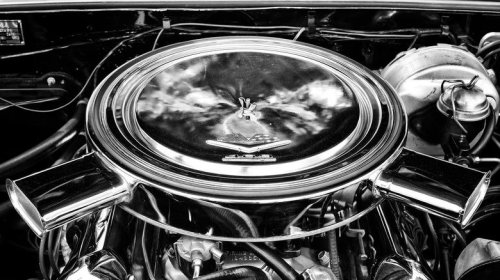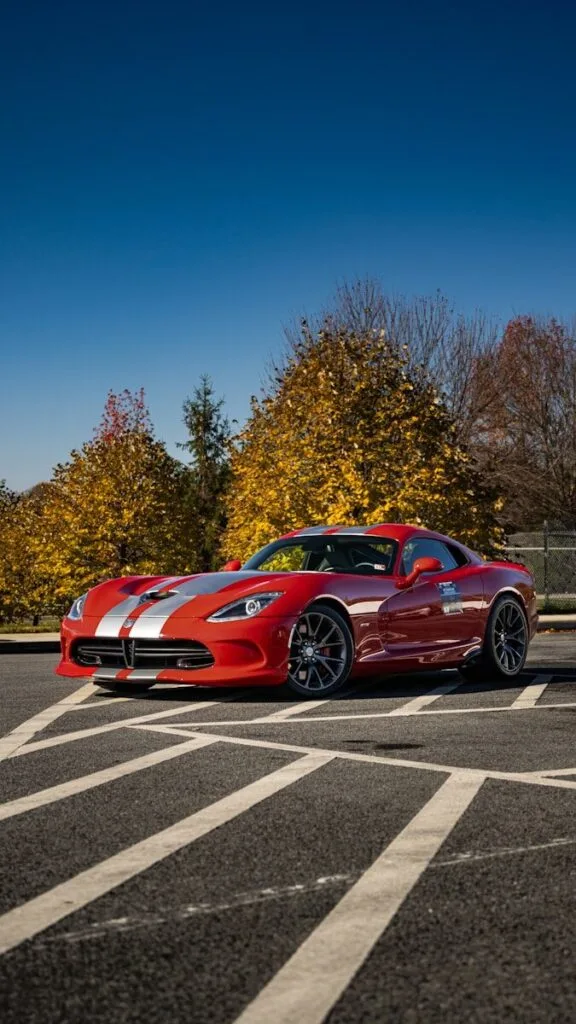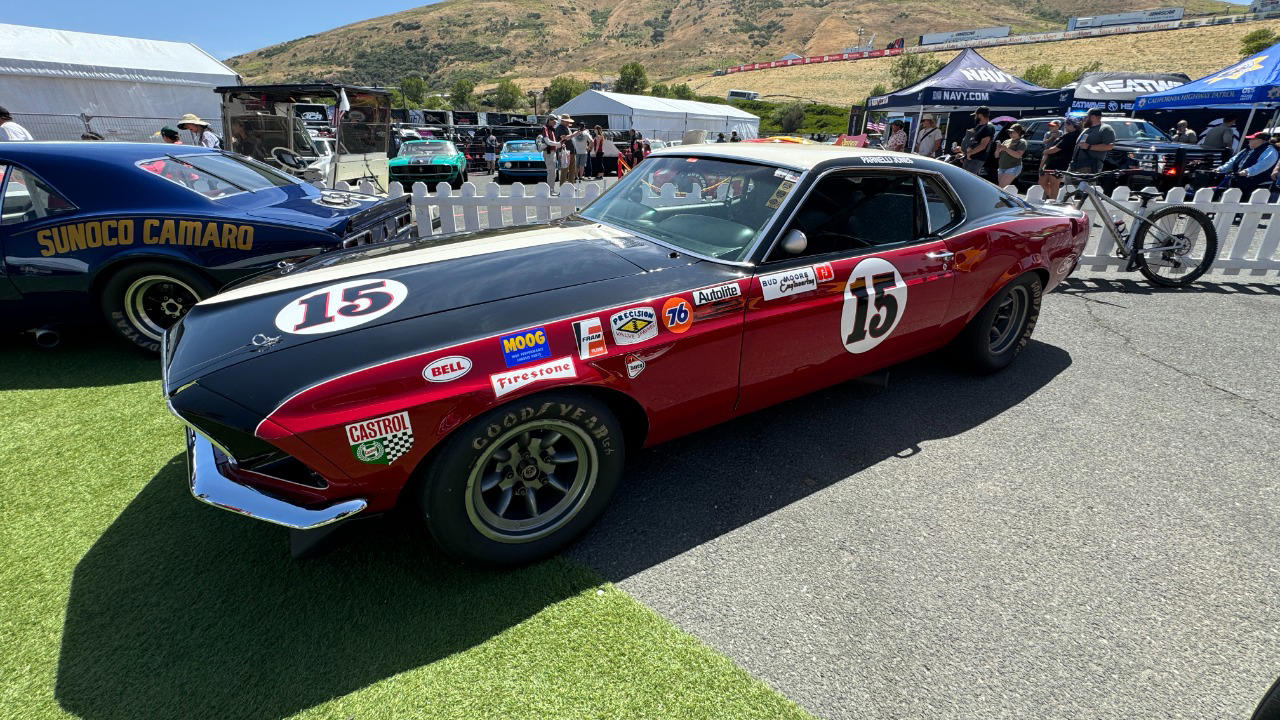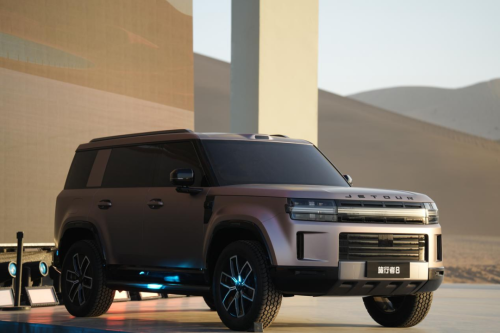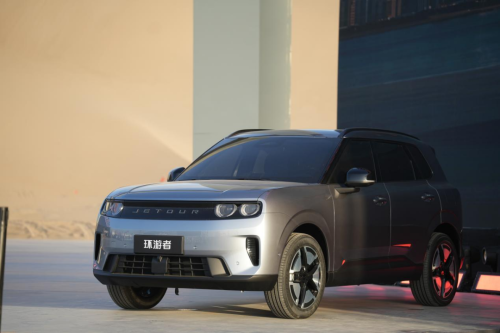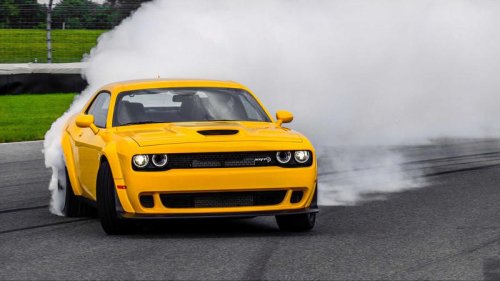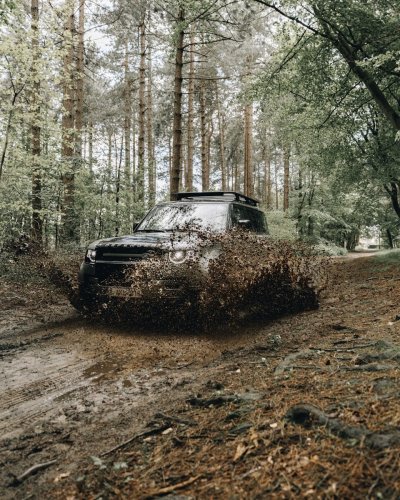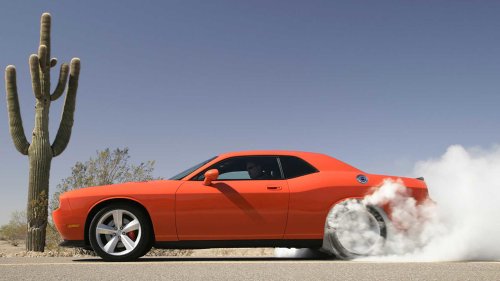
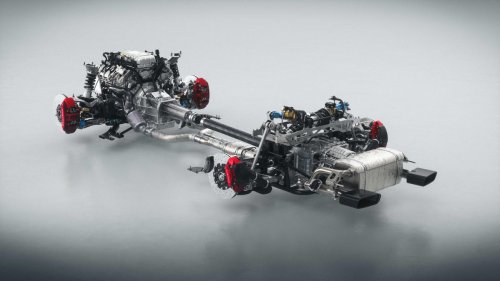
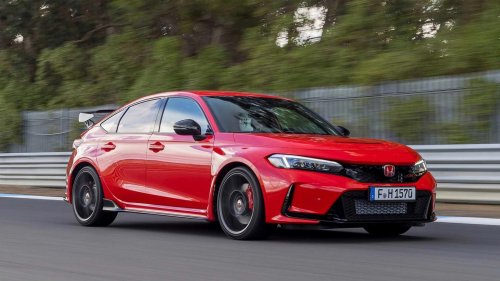
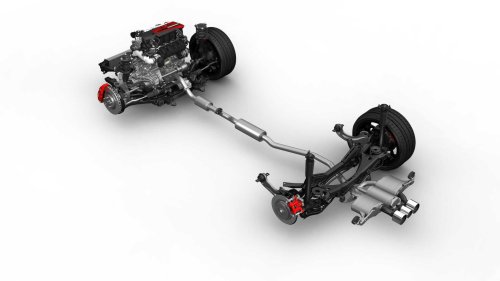
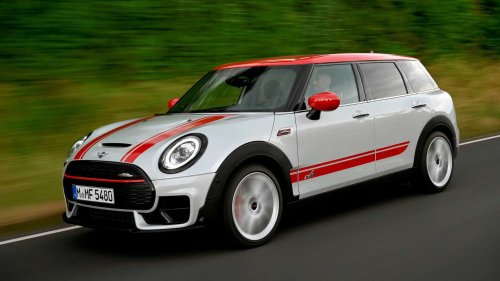

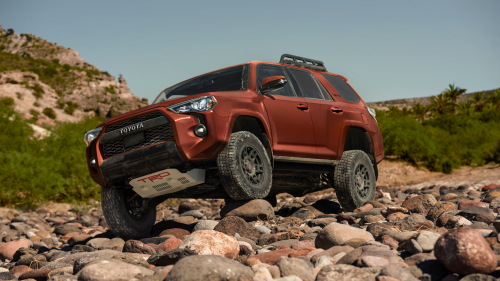
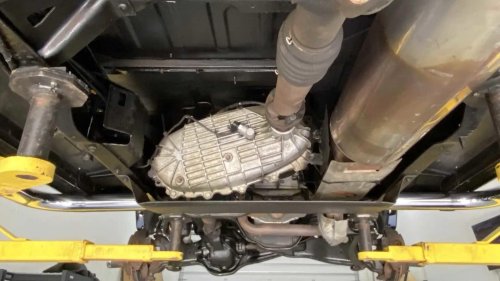
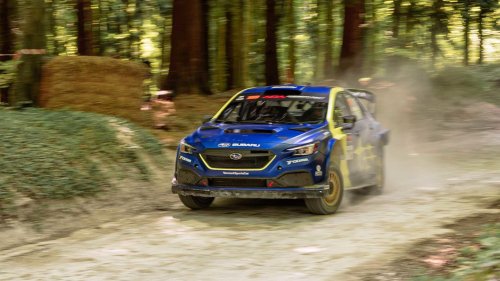
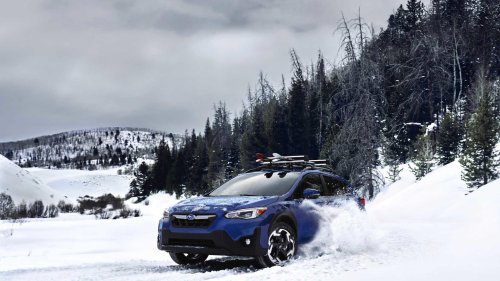



















Jump LinksRear-wheel DriveFront-wheel DrivePros And Cons Of Two-wheel DriveFour-wheel DriveAll-wheel DriveChoosing The Right Drivetrain For The JobIt's difficult to compare two-wheel drive versus four-wheel drive. You wouldn't want to take a Toyota Camry off-road, like you wouldn't want to drift a Jeep Wrangler. This is why knowing the difference between two-wheel drive and four-wheel drive is crucial. This article covers information about the fundamentals of 2WD vs 4WD. What are the differences, how do they each operate, and what are some of the advantages of both two- and four-wheel-drive vehicles?This article discusses the fundamentals of different drive types found in vehicles. There are several different versions of drivetrains between manufacturers. This article does not intend to compare and contrast individual drive systems, but rather explore basic operation and application of core drivetrain types. 2WD Explained Rear-wheel Drive Dodge The definition of two-wheel drive is simply just as it sounds. Only two of a vehicle's four wheels receive power from the engine. It gets a little more complicated when it's broken down into which two wheels of the vehicle are receiving that power, the front or the rear. Rear-wheel drive powers only the rear wheels, and for a large portion of automotive history, mainstream cars were rear-wheel drive. Many cars from the 19th century were not only rear-wheel drive, but had rear-mounted engines as well. This arrangement is similar to front-wheel drive cars in that it utilizes a transaxle instead of the traditional transmission and rear axle arrangement. Rear engine and rear-wheel drive cars are still in use today. A popular car that still uses the rear engine, RWD arrangement today would be the Porsche 911 Carrera, for example.Ford As drivetrain technology, automotive design and manufacturing processes progressed, the front-engine rear-wheel-drive arrangement became mainstream. This places the engine up front with the transmission attached directly behind it. A propeller or driveshaft delivers torque from the transmission to the rear axle housing. The axle contains a differential and two axle shafts. The differential is an intricate assembly of precision gears and bearings that transfer the torque of the driveshaft to the axle shafts, ultimately powering the rear wheels. This arrangement was the standard for a large percentage of American cars until around the late 1970s, when American automakers started producing smaller, more economical and lighter weight cars to meet standards of fuel economy set forth by the government. Front-wheel Drive HondaFront-wheel drive is the second variant of the two-wheel-drive configuration that powers only the front wheels. Although front-wheel drive can be traced back to a steam-powered tractor from 1770, the first American front-wheel-drive car was the 1929 Cord L-29. Fast-forward, things have profoundly progressed into lighter weight and more compact drivetrains that deliver both power and economy. In the front-wheel drive arrangement, the engine and transmission are both in the front of the vehicle. However, the transmission includes the differential and axle housing, or partial axle housing as well. Front-wheel drive has taken over as the predominant arrangement in most mainstream vehicles.Honda The engine in a front-wheel-drive arrangement sits in line with the transaxle, which is called "transversely" mounted. It can also sit in front of the transaxle, which is called "longitudinally" mounted. Most front-wheel-drive cars utilize the transversely mounted engine arrangement for reasons of simplicity and its compact nature. The longitudinal arrangement is generally more applicable to FWD cars that have larger engines like a V8, or for use in all-wheel-drive cars, like most Subaru products. There are, however, some transversely mounted V8-powered cars that have been produced, like the third generation Ford Taurus SHO or the V8-powered W body cars from General Motors, for example. Pros And Cons Of Two-wheel Drive MiniBetween the two traditional arrangements of front- and rear-wheel drive, there are some pros and cons. Front-wheel drive is typically less complicated, involves fewer parts, and is more compact. The front-wheel-drive arrangement is easily adaptable to smaller vehicles designed with efficiency in mind. This combination is typically lighter, contributing to improved fuel economy. The compact nature of the traditional FWD arrangement also contributes to increased interior space due to the lack of a transmission and driveshaft tunnels. Front-wheel drive, however, is not always optimal for performance applications. A FWD vehicle also tends to be less balanced due to the entirety of the drive train being in front of the vehicle. To clarify, that's not to say that a FWD vehicle can't go fast or offer high performance. The placement of the engine and transaxle being entirely over the drive wheels of the vehicle does offer superior traction in inclement weather and performance applications.BMWRear-wheel-drive cars are almost completely opposite. The traditional rear-wheel-drive arrangement has more moving parts and tends to be heavier overall. Since the RWD car employs a driveshaft, not only is that added weight, but interior space is diminished by the presence of transmission and driveshaft tunnels. Complicating the drivetrain and adding additional weight, is the rear axle assembly. This assembly requires its own fluid and maintenance routine. However, that weight in the rear, lends to better weight distribution and overall balance. For performance application, this is an important characteristic, giving the car better handling characteristics. The RWD vehicle may have better weight distribution, but it lacks weight over its drive wheels, so traction, especially in bad weather, can be dicey. However, physics does come to the rescue. As a RWD car accelerates, a weight shift happens, shifting extra weight towards the rear of the vehicle. This is exacerbated in hard acceleration situations, like racing, for example. It may be minimal, but this weight benefits rear-wheel drive traction. 4WD Drive Explained Four-wheel Drive ToyotaFour-wheel drive was brought mainstream into the United States after the Second World War by vehicles like the Jeep CJ-2A. Four-wheel drive is a catch-all, with some caveats. In a traditional four-wheel-drive arrangement, both the front and rear axles can receive power from the engine. However, four-wheel drive is typically selectable, meaning, when extra traction is needed, the driver can engage four-wheel drive, sending power to the axle that is not primarily driven.Bring A Trailer In the case of a traditional 4WD system, a transfer case is mounted to the tail shaft of the transmission. Torque comes through the transmission, to the transfer case which then sends it to the rear axle like a standard RWD vehicle. When four-wheel drive is engaged, power is also sent back up to the front axle using a separate driveshaft, also from the transfer case. Four-wheel-drive systems are typically used for SUVs and pickup trucks. These systems are often robust in construction, to handle the rigors of off-road abuse or the wear and tear of daily operation.A four-wheel-drive arrangement is more complicated than that of a two-wheel-drive system as there are more moving parts. These additional components not only add complications, but additional weight and higher cost of ownership. All-wheel Drive Chaydon Ford/Subaru Motorsports USATraditionally, all-wheel drive is a system in which both front and rear axles receive power from the engine at all times. The components of an all-wheel-drive system are typically not as robust as four-wheel-drive parts as they are commonly intended for superior on-road traction for all driving conditions. Many contemporary "on-demand" systems do not stay engaged unless there is a loss of traction at one of the axles. The system will automatically engage via viscous clutch packs. These clutch packs react to differences in rpm or "shear" between axles or driveshafts. This shear thickens the fluid within the clutches, ultimately transferring torque. Other systems do this electronically, utilizing wheel speed sensor input compared to each other and/or other inputs gathered by the vehicle, to actuate the clutch packs by means of a hydraulic pump or electromagnetic pressure.Modern all-wheel-drive systems are fairly simple, compact and lightweight in comparison to older systems. The Haldex-based systems, like Audi's quattro Ultra, are great examples of an AWD system that is lightweight, simple and effective. The proliferation of AWD in late model vehicles is widespread as the benefits of improved traction, safety, and acceleration have been realized. 2WD vs. 4WD Choosing The Right Drivetrain For The Job Subaru USAThese two different drivetrains serve completely different purposes and one is not inherently superior to the other. Although there is some overlap, drivetrain selection should be based on application. Generally, two-wheel-drive cars will be more fuel efficient, and make excellent daily driving vehicles in most instances. Two-wheel-drive vehicles will also cost less to own in most ways, from initial purchase to maintenance, even costing less to insure in some cases. Four-wheel-drive vehicles cost more to own and operate in every capacity. However, their traction capabilities off-road and during severe road conditions offer confident grip and safe passage. Four-wheel drive is extremely useful and necessary in industries when off-road driving is demanded.