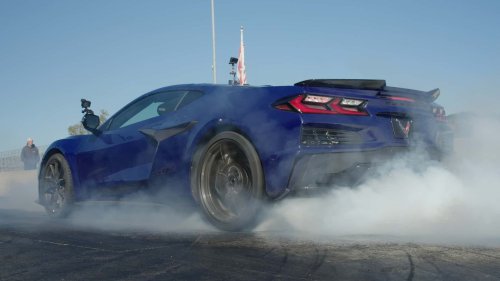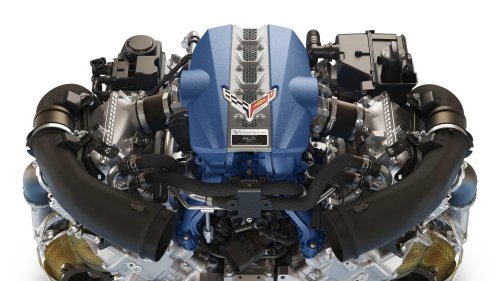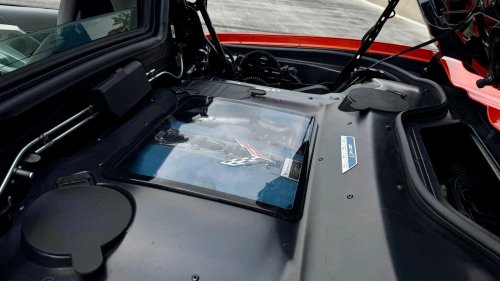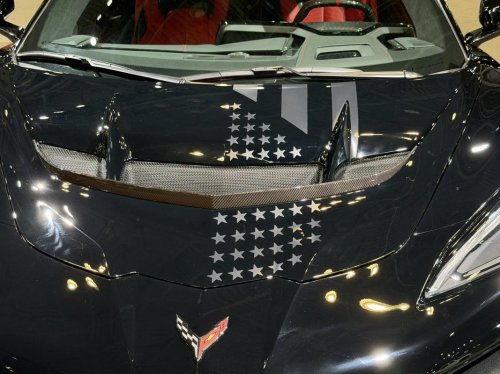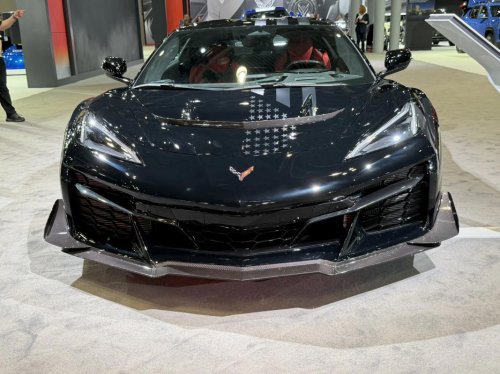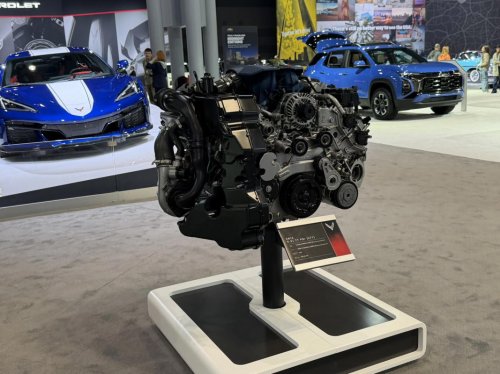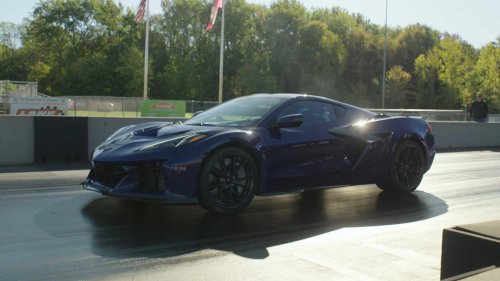



















Corvette ZR1X performance sparks NHRA street‑car rule concernsThe Corvette ZR1X has turned quarter-mile bragging rights into a regulatory headache, with performance so extreme that it collides head-on with long-standing National Hot Rod Association safety thresholds for street cars. What began as a showcase for hybrid engineering and 1,250 horsepower has quickly become a test case for whether the rulebook can keep pace with showroom machines that run like full race cars. As the ZR1X posts elapsed times that were once the domain of tube-chassis drag specials, track operators and sanctioning officials are being forced to decide whether to clamp down on factory rockets or rethink what a street-legal car is allowed to do. That decision will shape not only how owners use this Corvette, but also how far future high-performance models can push acceleration without pricing themselves out of organized drag racing. ZR1X performance numbers that outstrip the rulebook The core of the controversy is simple: the ZR1X accelerates in a way that the National Hot Rod Association did not anticipate from a car that can be registered, insured, and driven to work. Independent testing describes a 1,250-horsepower 2026 Chevrolet Corvette ZR1X that blasts from 0 to 60 m in 2.14 seconds, rips past 100 m in 4.11 seconds, and charges through the quarter mile at 153.3 mph. Separate coverage of Chevrolet Corvette drag passes highlights that the car runs deep into the 8-second range, with observers arguing that it redefines what a production car can achieve at the drag strip. Further analysis of the same machine frames it as a hybrid halo car that simply ignores traditional limits, with one report pointing out that its output is quoted at 1,250 horsepower and that the Corvette does not care about sensible thresholds. A separate deep dive into the drivetrain notes that the front axle borrows heavily from the E-Ray layout, with an electric motor assisting the rear combustion engine to deliver explosive launches, illustrating how engineering can outpace existing rulebooks. Taken together, the reports depict a car that behaves like a purpose-built dragster in the first 1,320 feet, yet carries a license plate and factory warranty. How NHRA street car rules collide with factory speed The National Hot Rod Association has long tried to separate casual test-and-tune nights from full race programs by setting clear safety thresholds for street-driven cars. Its Street Legal rules specify that once a vehicle runs quicker than a defined elapsed time or exceeds a set trap speed, the owner must add equipment such as a roll cage, fire system, and other safety gear or move into a different class. Reporting on the ZR1X notes that the NHRA’s Street Legal framework was built around the assumption that a showroom car on street tires would sit comfortably above those cutoffs, and that only heavily modified builds on competition tires will lead to conflicts. The Corvette has shattered that assumption. Coverage of the situation explains that the National Hot Rod Association now faces a scenario where a stock vehicle, delivered with air conditioning and a hybrid powertrain, runs in a performance window that previously required a logbook and technical inspection. A separate overview of the dispute, accessible through a detailed feature, outlines how track operators are being told to turn away unmodified ZR1X owners or insist on safety gear that would fundamentally change the car. The result is a clash between a ruleset designed for a slower era and a single model that has leaped far beyond it. Owners caught between dealership promises and track realities For buyers, the tension is not abstract. Many ordered the ZR1X expecting to enjoy the same casual Friday night drag sessions that previous Corvette generations made famous. Social media clips from Jun, including one widely shared video titled Corvette ZR1X is illegal to drive on the drag strip, show frustrated owners learning at the gate that their stock car cannot make a pass without upgrades. Commenters argue that if the car is factory-built and can accelerate and brake safely, it should not face restrictions, while others compare the situation to earlier high-output models that eventually required roll cages once they ran below 10 seconds. Video commentary from Jan titled Is the Corvette ZR1X Too Fast for Street Use builds on that frustration by suggesting that as cool as the Corvette is, it might have killed the performance car industry by pushing regulators into a corner. The host argues that a car which can cover 60 m to 97 k in 1.68 seconds in less than 100 feet, a figure cited in a detailed test, leaves little room for error on marginal tracks and forces sanctioning bodies to respond. Owners, in other words, are discovering that the very numbers that sold them on the car are the same ones now limiting where they can legally explore its potential. Will rules change or will performance be reined in The standoff has sparked a broader debate about whether the National Hot Rod Association should adapt its Street Legal rules or whether automakers should voluntarily cap acceleration to keep cars within existing safety envelopes. Some analysts argue that Rules Can Change and point out that previous adjustments were made when production vehicles started dipping into the 10-second range. A recent discussion of how the fastest C8 has become too quick for traditional track limits suggests that there are interim workarounds, such as restricting ZR1X runs to eighth-mile distances or requiring special events, while emphasizing that Rules Can Change if stakeholders agree on a new balance between spectacle and safety. More from Fast Lane Only Unboxing the WWII Jeep in a Crate 15 rare Chevys collectors are quietly buying 10 underrated V8s still worth hunting down Police notice this before you even roll window down