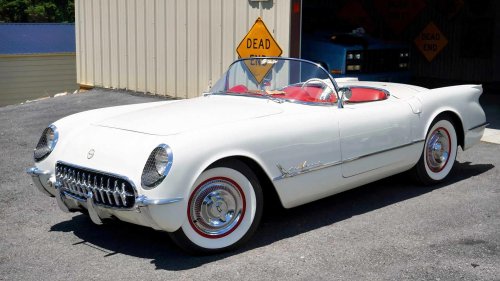
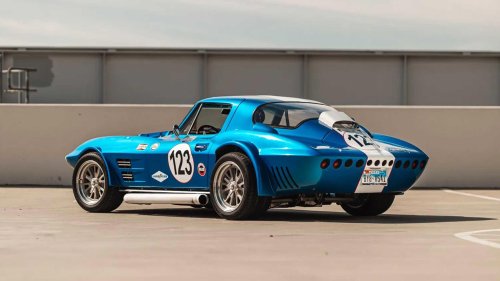
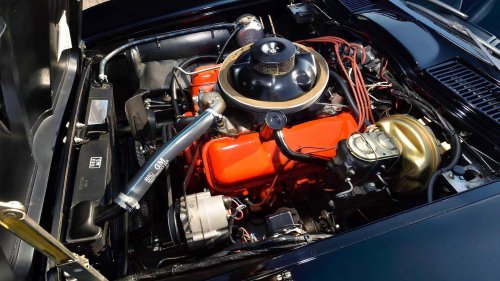
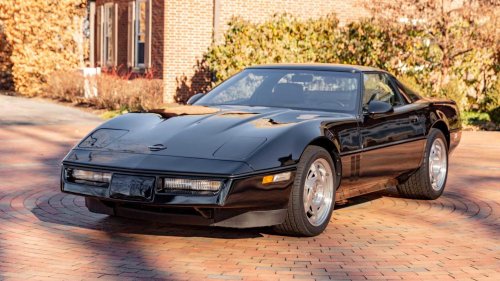
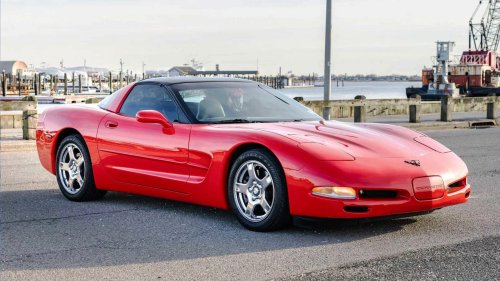
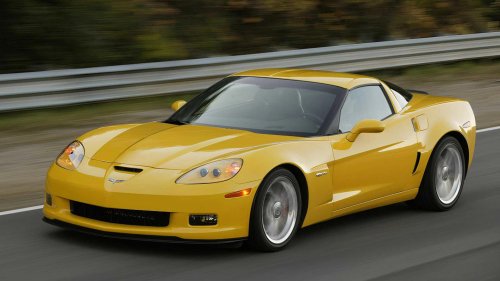
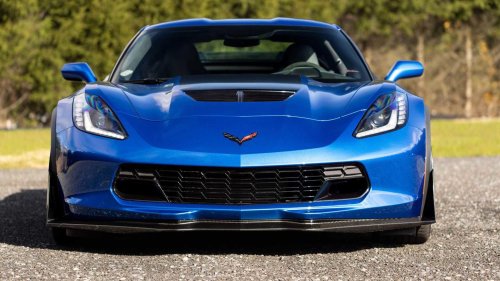
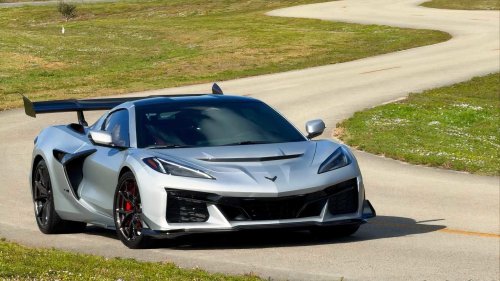
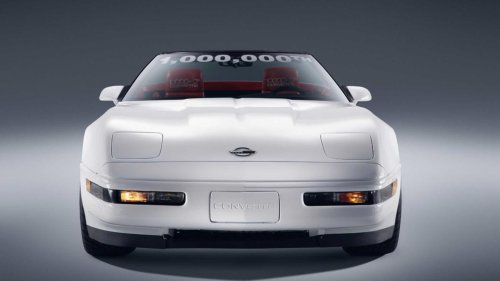
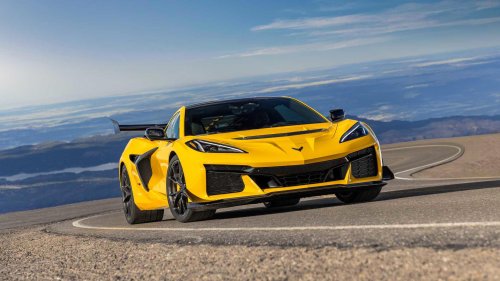
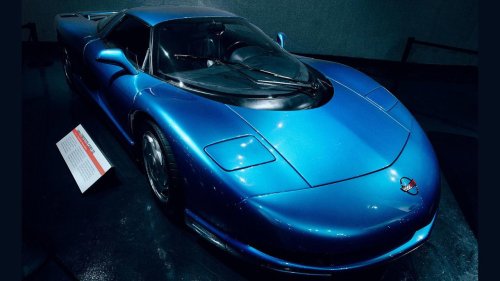
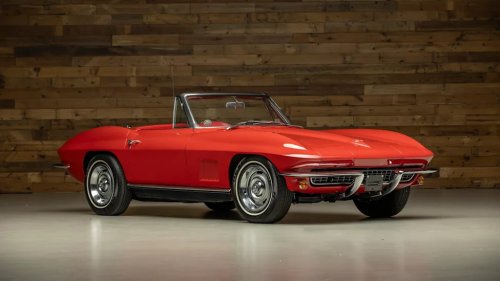
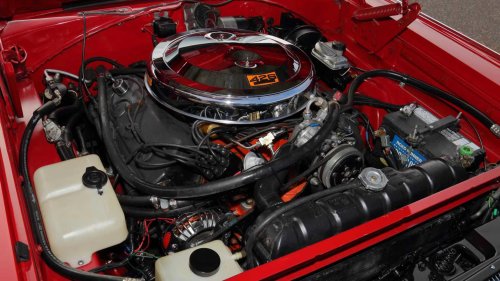
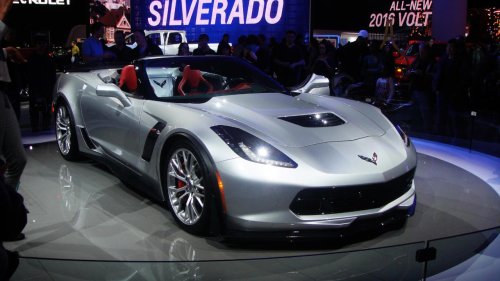
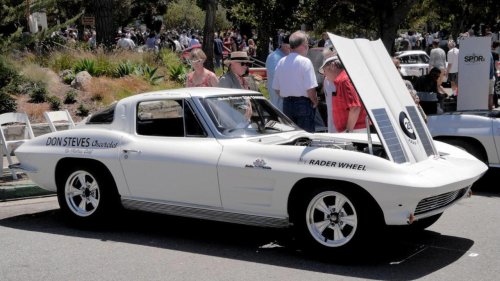
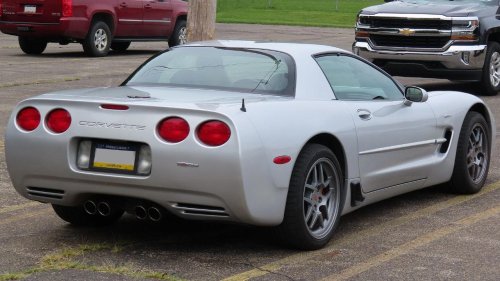
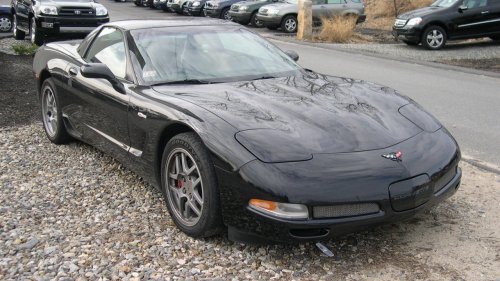
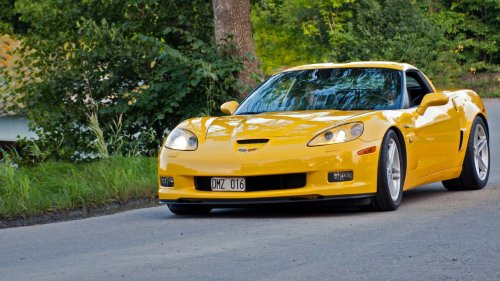
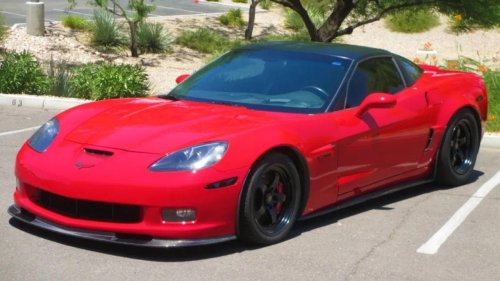
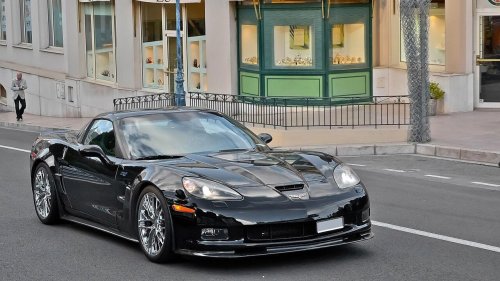
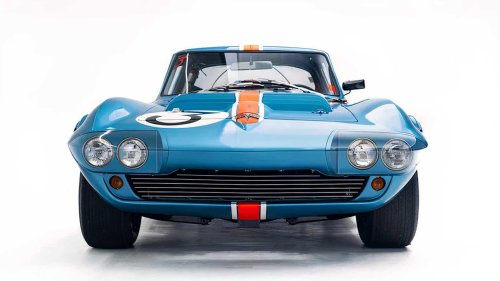
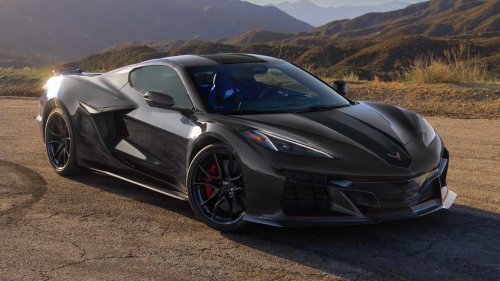
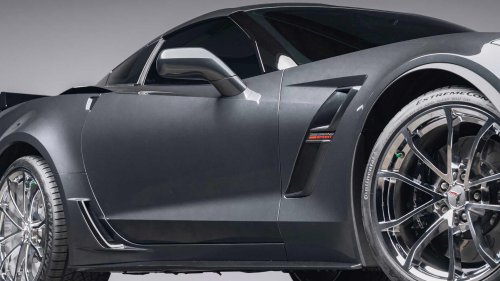
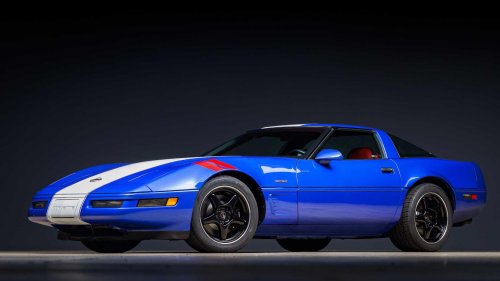
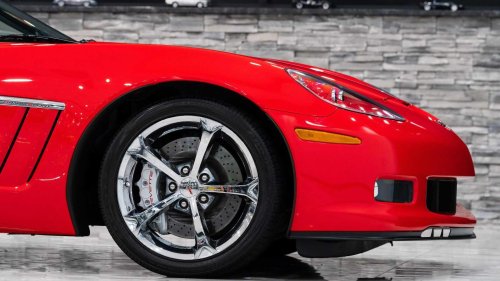
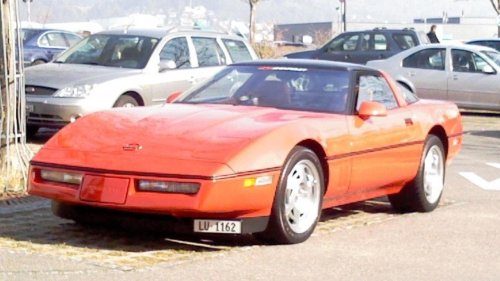
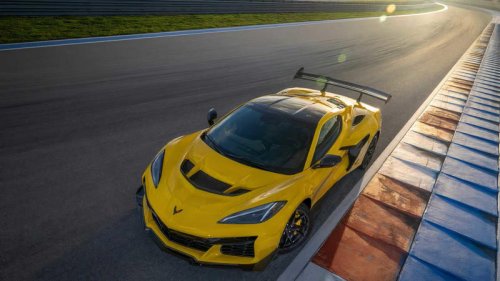
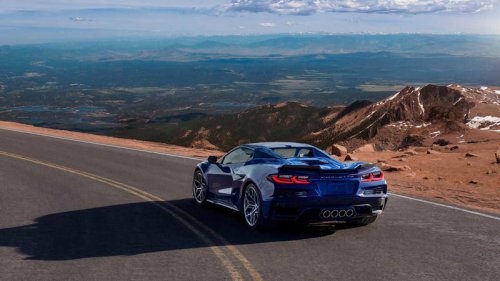
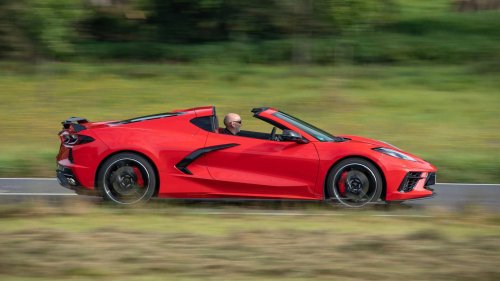
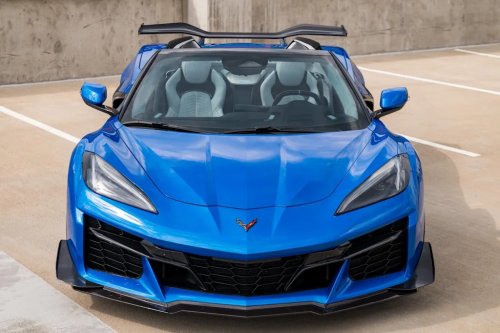
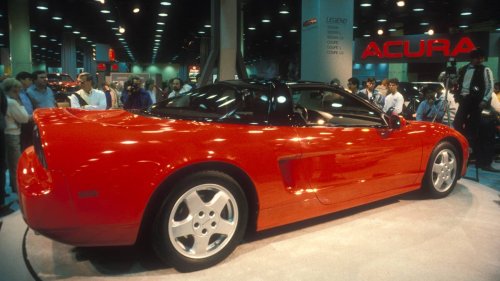
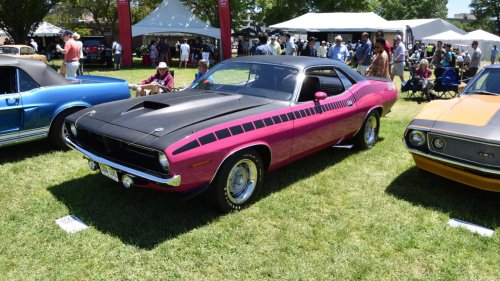
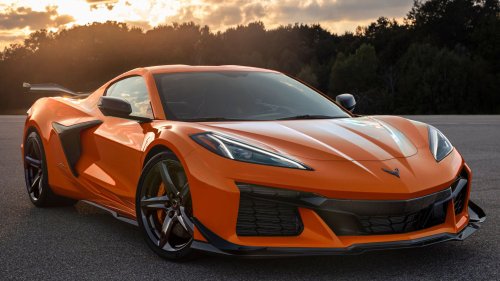
When Chevrolet unveiled a fiberglass dream car in 1953 at the Waldorf Astoria, it looked more like a Motorama fantasy than something that would eventually be mass-produced. A little over seventy years later, that dream car has evolved into a 1,064-horsepower flat-plane-crank, twin-turbo V8 beast that gives European exotics regular nightmares. But the real story is what came between those two models: the story of how Chevrolet’s Corvette engineered the evolution of American performance cars.The Corvette has lived through eight generations, surviving corporate skepticism, oil crises, emissions crackdowns, and even shifting performance philosophies. Every major milestone it achieved both set standards and answered those pertinent questions the automotive world kept asking the entire time: Can America build a true sports car that can compete with the might of Europe? For the Corvette, it knew it couldn't rely on simple model updates, so it went on to break so much ground that it permanently changed what American-built performance cars could become. The Dream Car That Became Real — How The 1953 C1 Started Everything Bring A Trailer When Chevrolet debuted the Corvette at GM's Motorama show in January 1953 inside New York's Waldorf Astoria, the aim wasn't to build a permanent production car, but to see how the public would react to a European-inspired American roadster. Chevrolet was stunned by the reaction. Public demand was so strong that production began the same year, with Chevrolet shipping out the first Corvette from Flint, Michigan, on June 30, 1953. It was a limited-production car, with only 300 hand-built units produced, all finished with red interiors and black soft tops, with Polo White exteriors.However, the performance didn't measure up to the styling. The original 1953 Corvette used a 235 cubic-inch Blue Flame 150-horsepower inline-six engine paired with a two-speed Powerglide automatic. The Corvette's identity was permanently transformed when Chevrolet's 195-horsepower 265-cubic-inch small-block V8 arrived in 1955. The C1 gave America its first homegrown sports car category built around style, performance, and engineering ambition. This Was The Corvette Design Everyone Remembered Via: Bring a Trailer When Chevrolet released the second-generation Corvette in 1963 with the Sting Ray, it was the Corvette’s first fixed-roof coupe body style and quickly became one of the most recognizable designs in American sports car history. Bill Mitchell, the Corvette's designer, split the rear glass into two separate panes with a dramatic center spine down the fastback roofline. This created controversy within the company, with chief engineer Zora Arkus-Duntov famously hating how it compromised visibility.That design didn't return in the 1964 model year, but the legend had already been born. This rarity and unique design are part of what drive collector interest in the 1963 version. Coupled with the fact that the C2 introduced independent rear suspension, this made the Corvette a genuine sports car rather than simply a straight-line American performance car. Collectors today rave about this generation's engineering significance, calling it one of the greatest Corvette designs ever produced. The L88 Was Corvette’s Most Dangerous Engine MecumIn 1967, Chevrolet released the L88 engine in the Corvette, an engine that felt too much for public roads. Chevrolet claimed the L88's 427-cubic-inch big-block V8 produced 430 horsepower, but no one believed that. The beast’s actual output was likely much closer to 550 horsepower, but what was Chevrolet to do when insurance companies were being hard on cars with such powerful beasts?This engine was built to be raced, and that showed clearly in how many comfort features the interior lacked, including radios and heaters. It also required 103-octane racing fuel to operate properly. It received limited production, meaning that if you were buying one in 1967, you were one of just 20 people, one of 80 in 1968, and one of 116 in 1969. But the street was not where the L88 was built to shine. In 1967, on the Mulsanne Straight at Le Mans, an L88-powered Corvette hit 171.5 mph, announcing Corvette’s racing credibility globally. This was when the world realized that this American sports car was a legitimate racing weapon. When America Built A Supercar Killer — The C4 ZR-1 Changed the Conversation Bring a TrailerWhen Chevrolet unleashed the Chevrolet Corvette ZR-1 in 1990, the plan was to take American performance from just being respected domestically to actually competing with European exotics in the global supercar conversation. This Corvette was nicknamed “King of the Hill” because the C4 ZR-1 was powered by the LT5, a 5.7-liter DOHC V8 developed in a partnership with Lotus Engineering and assembled by Mercury Marine, churning out up to 375 horsepower. By 1993, output had increased to 405 horsepower.This was when the Corvette moved from “a quick American car” to a legitimate challenger to the Ferraris and Lamborghinis. It had 0–60 acceleration times in the four-second range and could keep climbing to a top speed of over 180 mph. And shockingly, it could do all these at a fraction of the price of the European exotics. This was when it earned the name “supercar killer.” The ZR-1 had wider rear bodywork compared to the standard C4s. The Engine That Made Corvette Reliable — C5 LS1 Rewrote The Owner Experience Via: Bring a TrailerBefore the C5, the Corvette occasionally got criticized for quality control despite its strong performance credentials. When Chevrolet released the C5, it changed that. The C5 was powered by the LS1, an all-new aluminum 5.7-liter small-block, which could send 345 horsepower at launch and eventually 350 hp. It wasn't long before it became one of the most influential American performance engines ever created.The LS1 was lightweight, compact, durable, and allowed you to tune it to your heart's content. That's why the LS platform quickly went on to dominate motorsports, hot-rodding culture, and swap communities worldwide. It's hard to find many other engines that have reshaped performance culture more dramatically. Chevy designed it with a rear-mounted transaxle, a hydroformed frame, and a torque-tube driveline layout that made handling more precise and dramatically improved balance. The C6 Z06 And ZR1 Gave Corvette Its Racing Soul Back ChevroletWhen Chevrolet launched the C6 Corvette Z06, they gave it the 7.0-liter LS7, one of the greatest naturally aspirated American V8s ever built. This massive pushrod V8 produced 505 horsepower while revving to 7,000 rpm. The LS7 featured lightweight aluminum construction, magnesium components, and race-derived engineering designed specifically to make the C6 Z06 a serious global track weapon.In 2009, Chevrolet introduced the LS9 into the Corvette ZR1. This 6.2-liter supercharged V8 produced 638 horsepower and could hit a top speed of 205 mph, making it the most powerful production Corvette ever built at the time, and one of the fastest cars in the world. By the time it hit the Nürburgring, the ZR1’s performance cemented the car’s reputation with a 7:19.63 lap time that European manufacturers openly respected. The C7 Proved Corvette Didn’t Need To Choose Between Style And Speed Via: Bring a TrailerBy the time Chevrolet revived the “Stingray” name in the 2013 C7, the Corvette concept had hit full maturity. The exterior design was dramatically sharper, the interior was fully redesigned, and under the hood, it had a new 455-horsepower LT1 6.2-liter V8. At this point, the Corvette had become both a full luxury sports car and a performance monster. The Stingray used magnetic ride control, dry-sump lubrication, and electrically assisted steering to elevate the chassis beyond brute-force performance.But that was in the base model. By the next year, the Chevrolet Corvette Z06 arrived with its 650-horsepower 6.2-liter supercharged LT4 V8 engine. With launch control, it hit 0–60 mph in roughly 2.95 seconds. The Grand Sport’s naturally aspirated engine created a balance between the Stingray’s engine and the Z06-wide bodywork, but the real beast was the ZR1, with its 755-horsepower 6.2-liter supercharged LT5 V8 engine. At this point, there was a new consensus: the Corvette was no longer a bargain alternative, but a complete sports car package, and the objective advantages of European rivals had shrunk significantly. Why The C8’s Mid-Engine Shift Was 70 Years In The Making DragTimes | YouTubeAfter seven generations of the Chevrolet Corvette, the C8 finally did what Zora Arkus-Duntov had pushed Chevrolet towards for decades. The chief designer had pushed for a mid-engine layout through experimental projects like the CERV I and CERV II prototypes, believing moving the engine behind the driver would always provide optimal balance and chassis dynamics. In 2020, Corvette finally made the leap.With the C8 Stingray, Chevrolet relocated the 6.2-liter LT2 V8 to the middle of the car like a Porsche Cayman. This fundamentally transformed weight distribution, making handling even more precise, and improved rotational behavior. With the Z51 package, the engine could reach 495 horsepower, but the architectural significance was the real draw. This time, Chevrolet didn't install a traditional manual transmission, not even as an option, and only used an eight-speed dual-clutch gearbox. Enthusiasts complained, but the compromise won the day: the automatic transmission was much faster than the manual could have achieved. Its sub-three-second 0–60 sprint completely disrupted the sports car market. The Day Corvette Proved It Wasn’t Going Anywhere CorvSport On July 2, 1992, almost four decades after the first Corvette was released, Chevrolet built its one-millionth Corvette at the Bowling Green Assembly Plant in Kentucky. This milestone car, a white 1992 coupe, is now preserved at the National Corvette Museum, symbolizing the Corvette's survival through those decades when many believed American sports cars would disappear entirely.Bowling Green, a former Chrysler air-conditioning factory, was bought and transformed by General Motors in 1981, becoming central to Corvette mythology, being the sole production facility since 1981. In addition to building the one millionth Corvette in 1992, it built the 1.75 millionth in 2020, an Arctic White C8 coupe, and currently averages 30,000 to 40,000 sports cars annually. The Most Powerful Corvette Ever Built — The C8 ZR1 Rewrites the Ceiling ChevroletThe Chevrolet Corvette has traveled a long way from the 1953 launch edition. The ZR1 trim became the performance trim in 1970. Revealed in 2024, the C8 ZR1 is the most powerful Corvette ever produced, with its flat-plane-crank 5.5-liter LT7 twin-turbocharged V8 generating an astonishing 1,064 horsepower. That number alone permanently changes Corvette history, making it the first factory-production Corvette to cross 1,000 horsepower. Corvette derived the flat-plane crankshaft directly from the racing program, producing an exotic, high-revving character unlike any previous Corvette V8.This model also combines underbody airflow management, aggressive aerodynamic development, and track-focused downforce packages, competing directly with cars like the Lamborghini Huracán, Porsche 911 Turbo S, and Ferrari 296 GTB, while undercutting them financially. This sports car, which started with a 150-horsepower inline-six roadster in 1953, can hit 0–60 mph acceleration in 2.3 seconds with a 1,064-horsepower twin-turbo monster today.