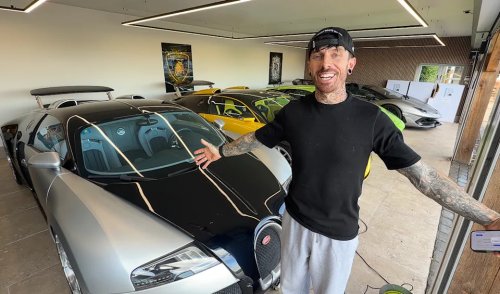
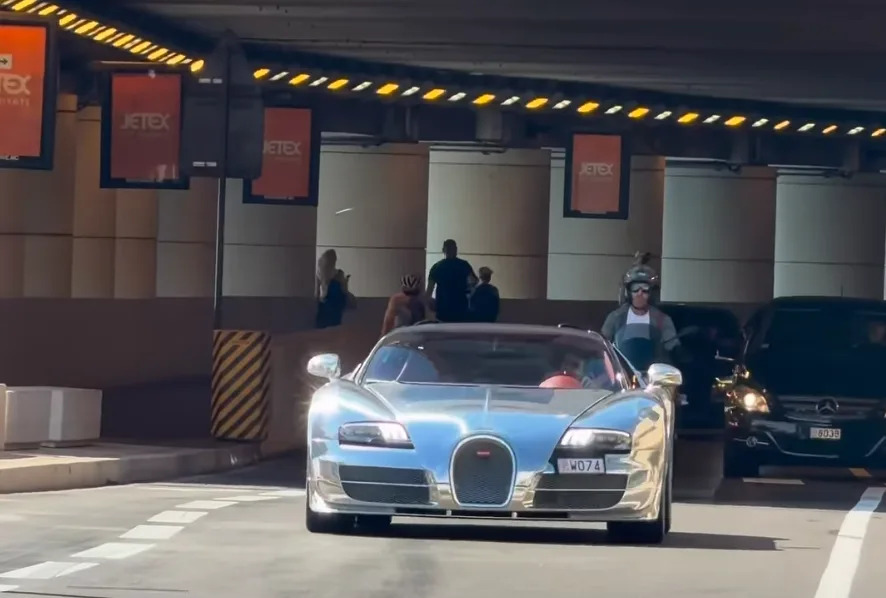
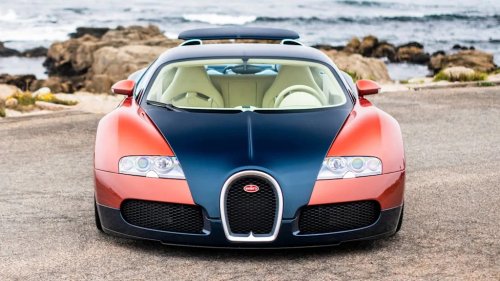
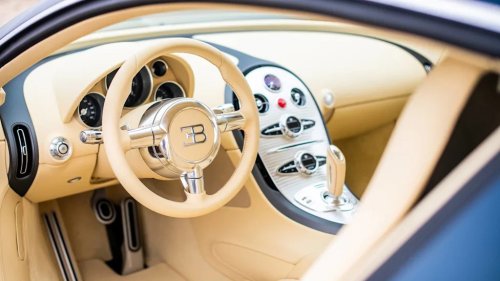
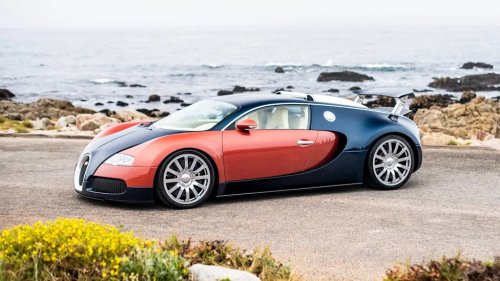
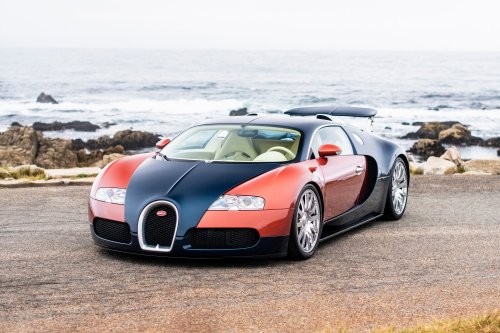
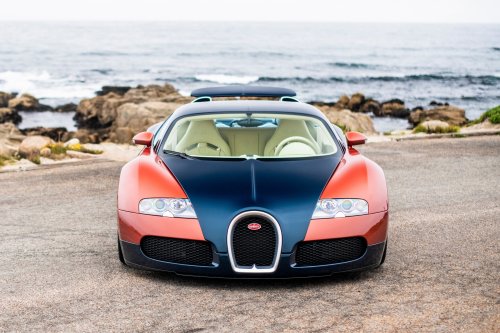
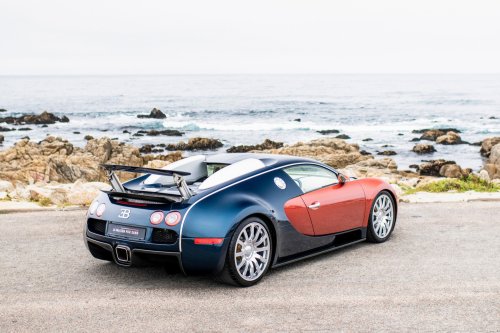
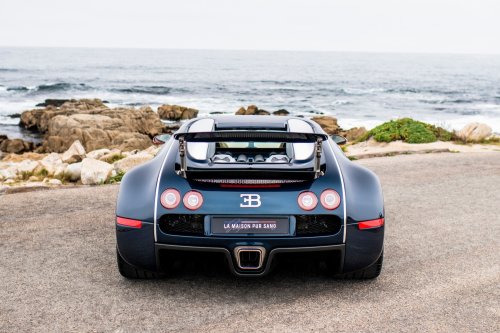
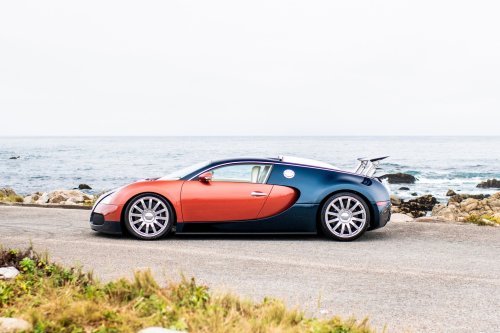
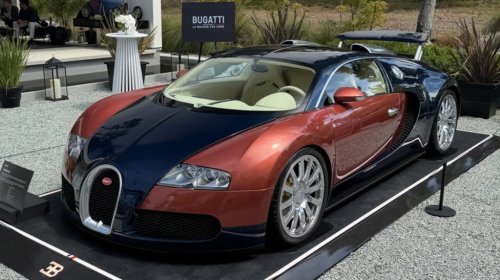
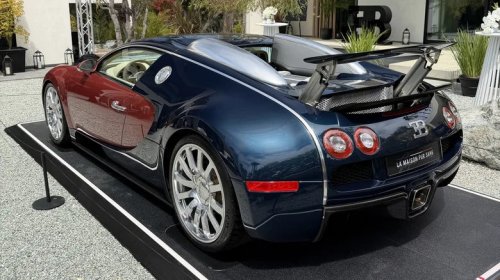
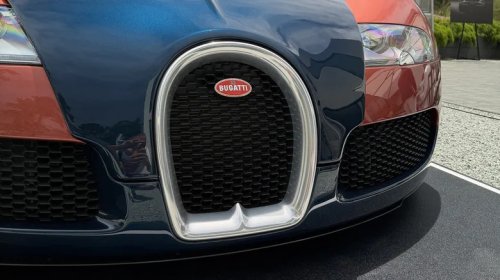
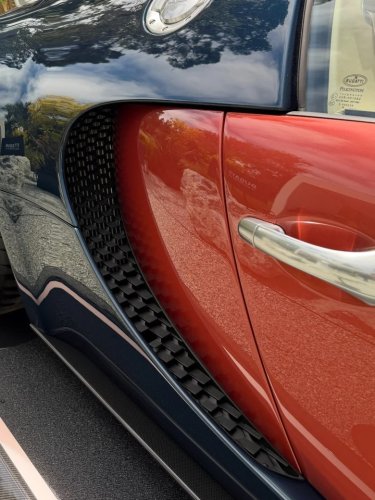
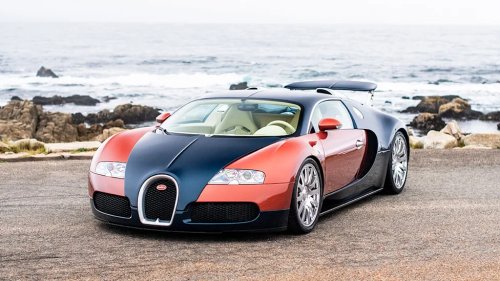
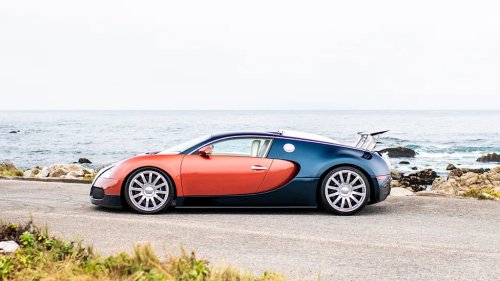
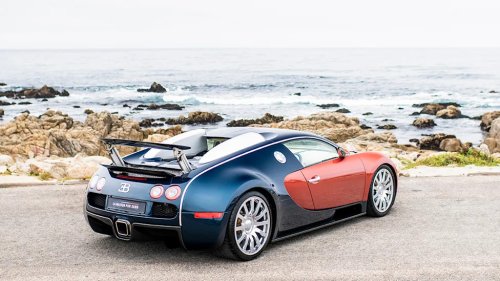
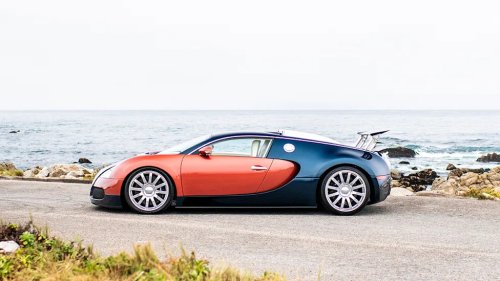
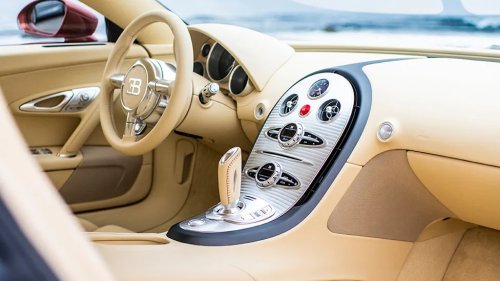
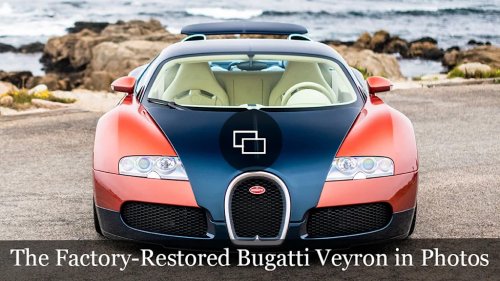
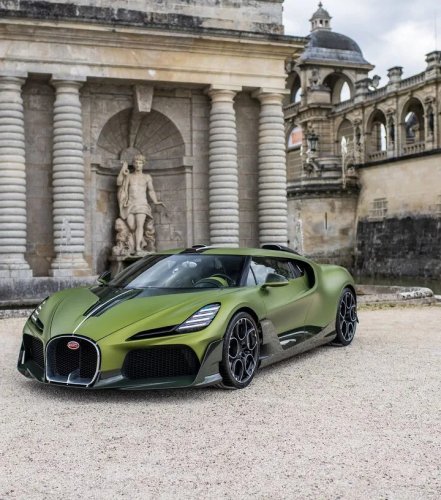
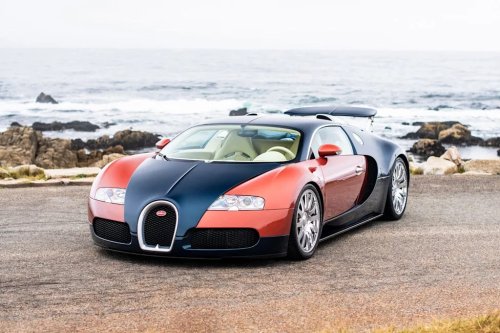
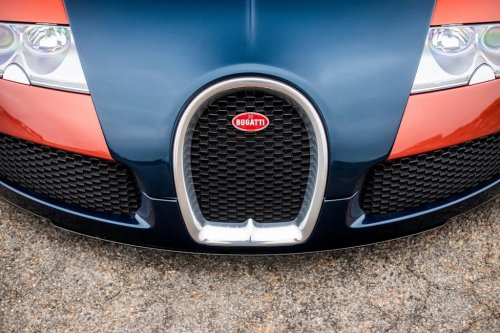
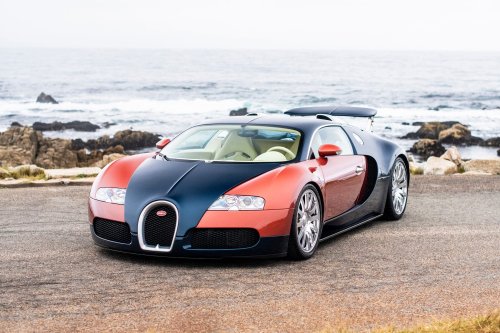
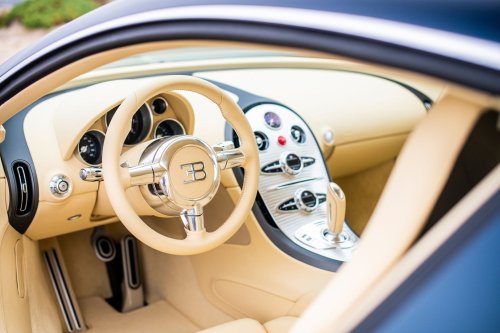
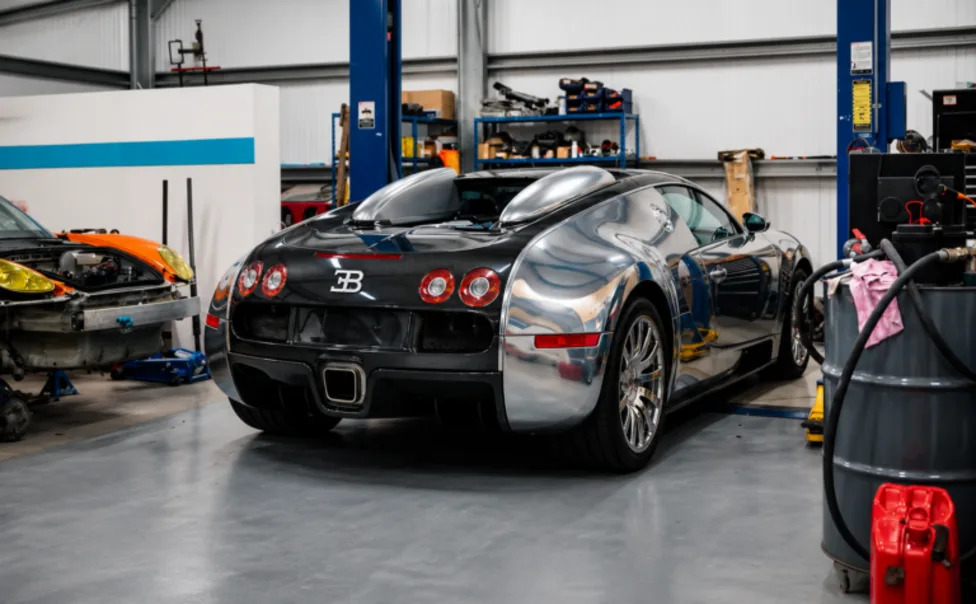
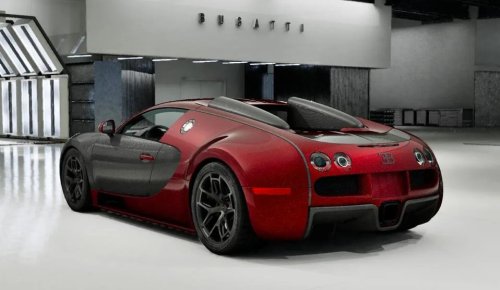
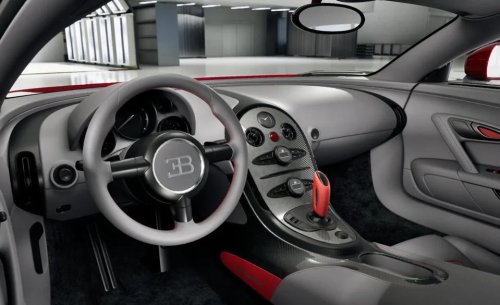
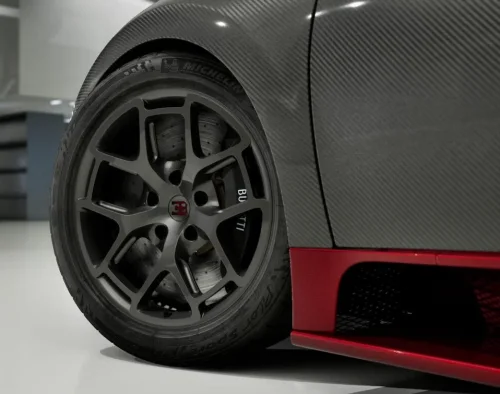
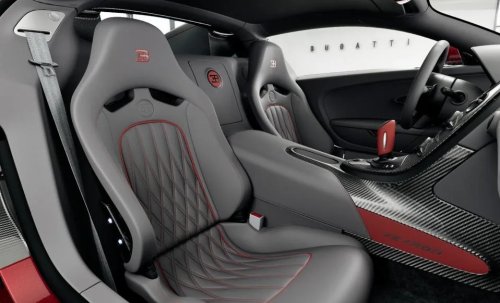
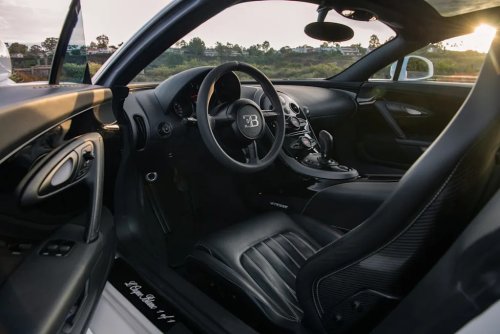
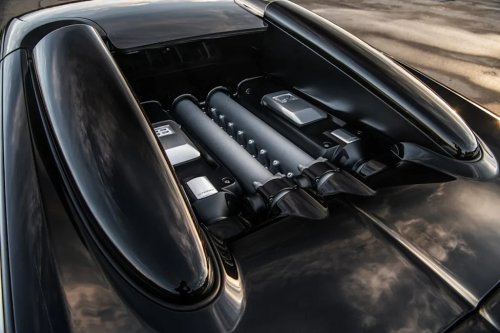
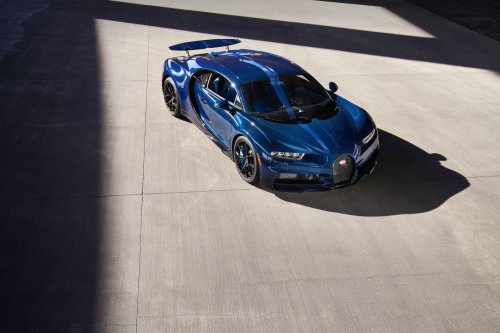
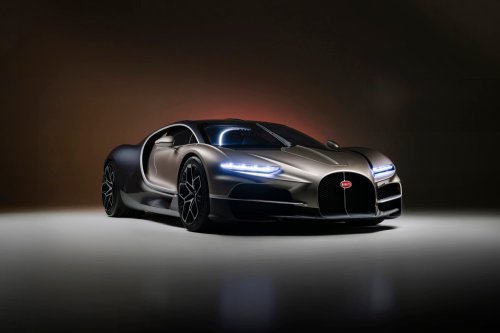
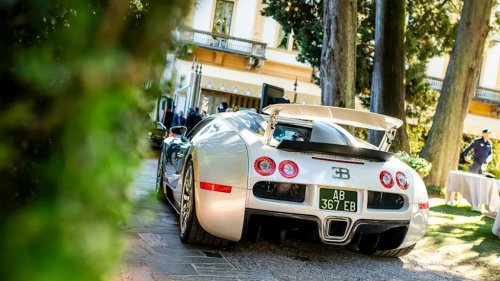
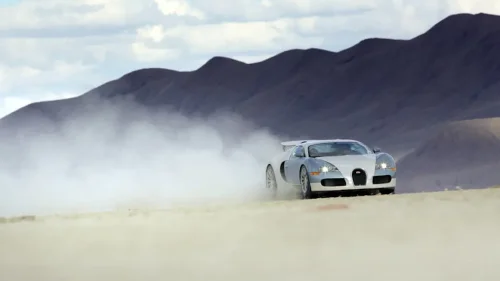
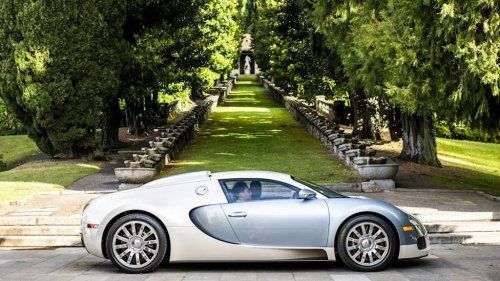
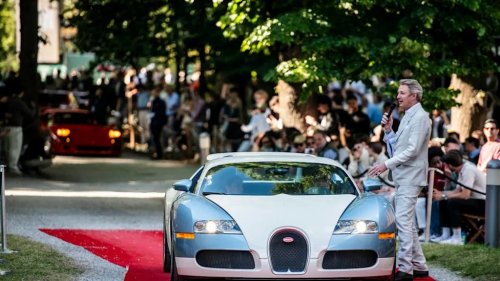
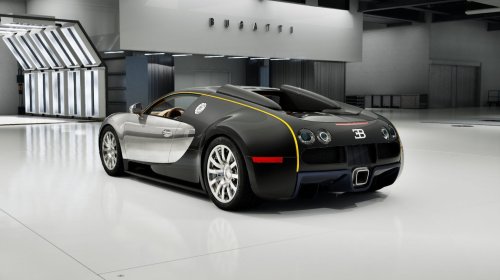
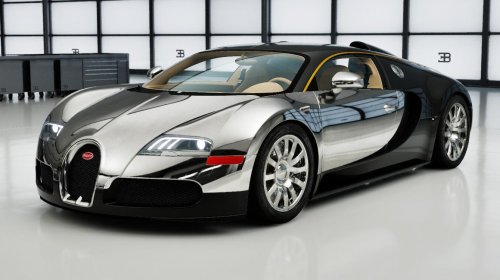
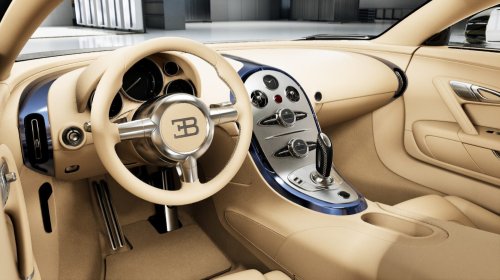
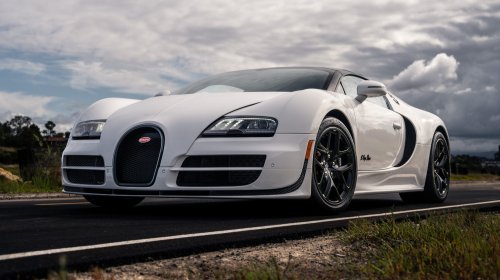
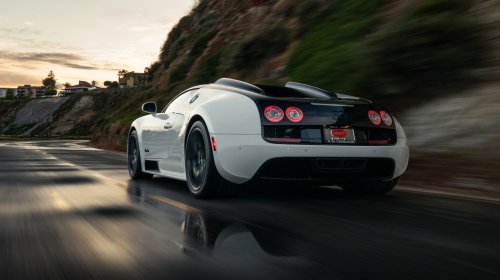
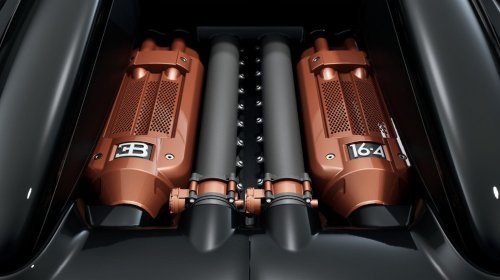
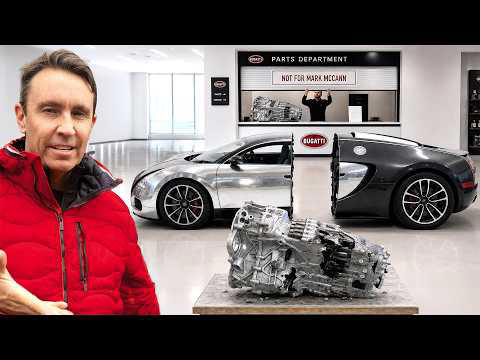
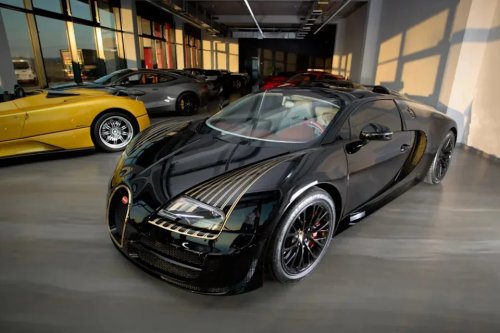
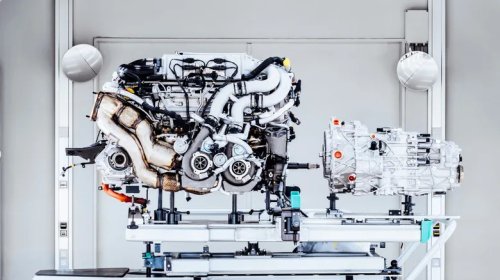
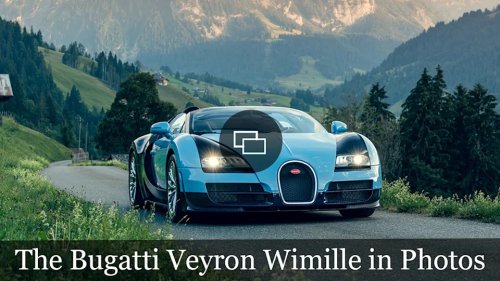
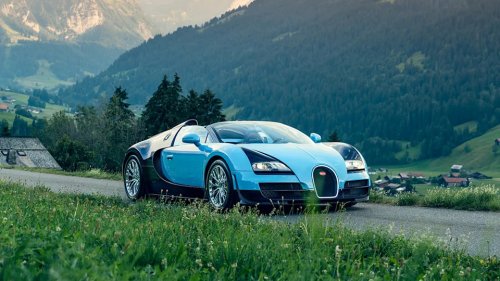
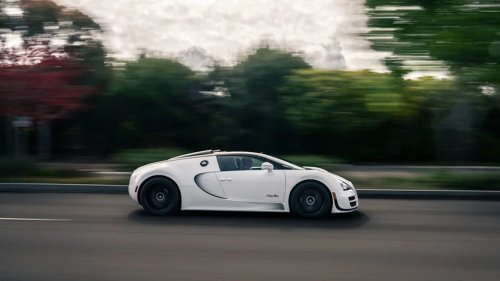
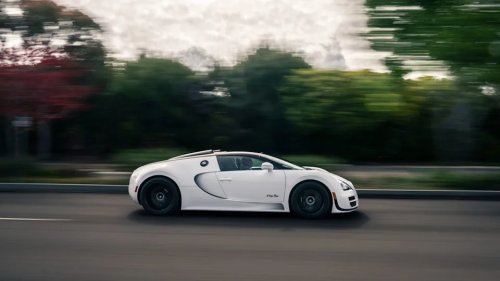
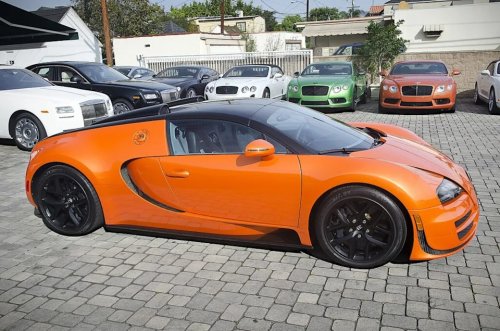
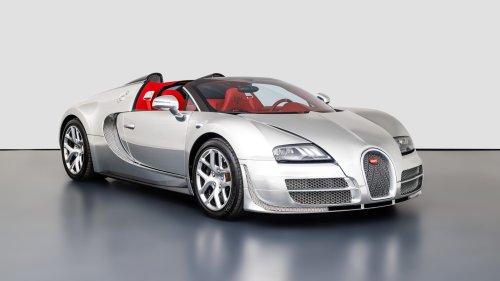
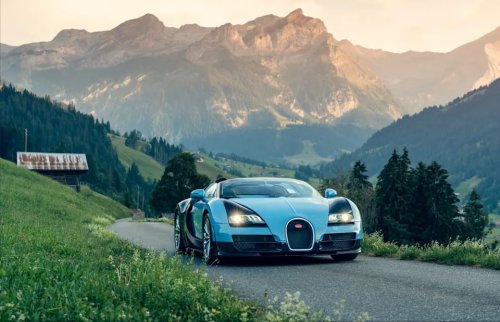
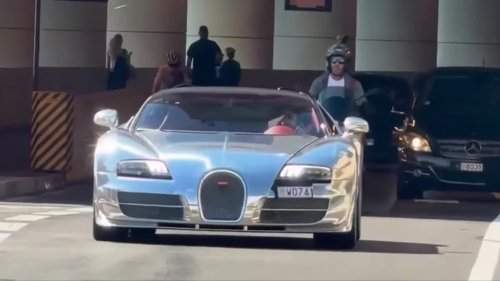
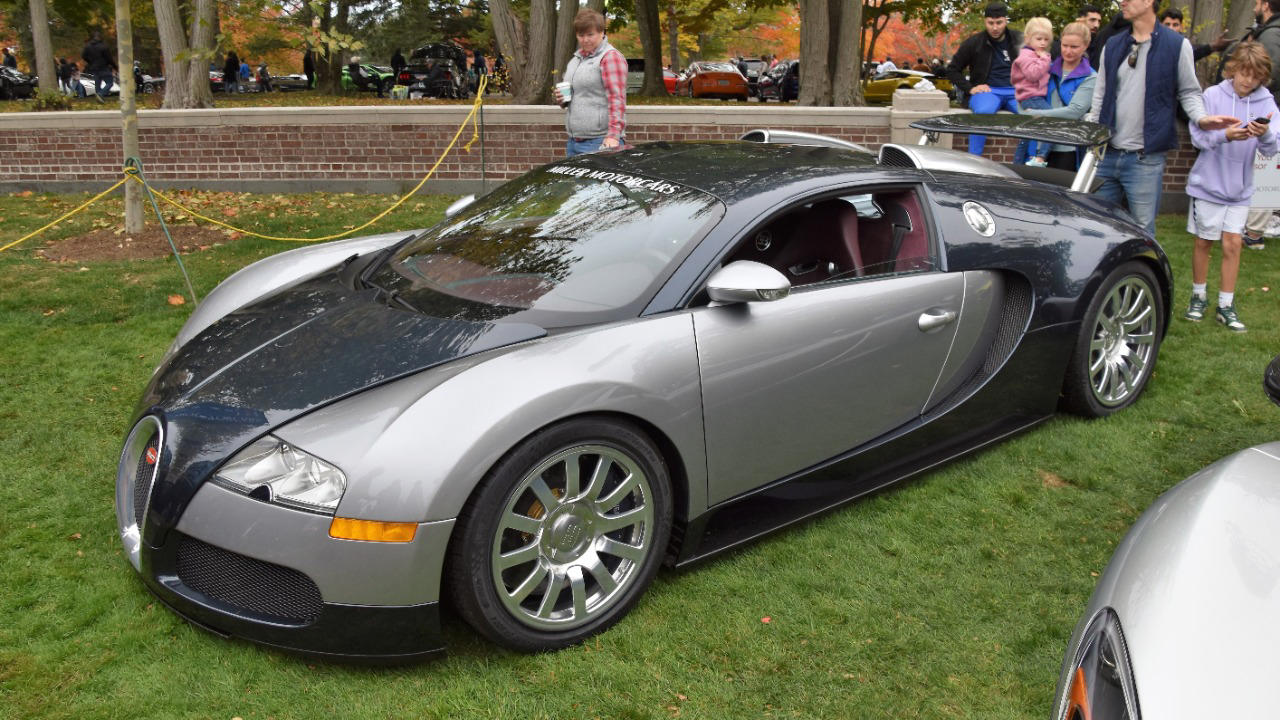
More than a flagship, the 2006 Bugatti Veyron changed performance expectations foreverThe 2006 Bugatti Veyron arrived as more than a new flagship hypercar. Its quad‑turbocharged W16 engine rewrote what a road‑legal production car could do, resetting expectations for power, speed, and engineering ambition across the industry. Two decades later, every 1,000 horsepower showroom car still lives in the shadow of that powerplant. From ambitious concept to 1,001 horsepower reality When Bugatti set out to create the Veyron, the brief was blunt: build a car that could exceed 400 km/h while remaining as usable and refined as a luxury grand tourer. The solution was a 16‑cylinder engine made by pairing two narrow‑angle VR8 blocks on a common crankcase, creating an 8.0‑liter W16 that left conventional V12s looking modest. The production Veyron 16.4 delivered a quoted 1,001 metric horsepower and 1,250 Nm of torque, figures that placed it far beyond any previous street‑legal production car. Contemporary coverage stressed that output as making it the first production model to cross the 1,000 horsepower threshold, a milestone that turned the Veyron into a reference point for every later hypercar. The engine sat just ahead of the rear axle, fed by four turbochargers and a complex air intake and cooling system that had to manage extraordinary thermal loads at sustained high speed. Bugatti paired the W16 with a seven‑speed dual‑clutch gearbox, permanent all‑wheel drive, and active aerodynamics to keep the car stable as it approached its electronically limited top speed. The drivetrain packaging and the need to cool such a dense, powerful engine dictated much of the car’s shape, from the massive side intakes to the rear deck dominated by radiators and exhaust hardware. Inside the quad‑turbo W16 The Veyron’s W16 was not simply large; it was highly engineered to deliver its power with civility. Each bank of eight cylinders was force‑fed by a pair of turbochargers, for a total of four, arranged to provide rapid boost response and a broad torque curve. The engine used four camshafts and 64 valves, with advanced fuel and ignition mapping to keep combustion controlled under extreme cylinder pressures. The cooling system became a project of its own. Multiple radiators handled engine coolant, charge air, and oil, while careful ducting managed airflow through the car without creating excessive drag. The exhaust system, including large catalytic converters, had to survive repeated full‑throttle runs without overheating, which demanded exotic materials and meticulous thermal shielding. Despite its complexity, the W16 was tuned for smoothness. At idle and low speeds, the engine behaved more like a refined luxury powerplant than a race unit. Only as the driver pressed deeper into the throttle did the full character emerge, with the turbos spooling and the car surging forward in a continuous wave of acceleration that few drivers had experienced in a road car before 2006. Performance numbers that reset the benchmark The headline figures from the early Veyron tests sounded almost implausible. Independent measurements recorded 0 to 100 km/h in roughly 2.5 seconds, 0 to 200 km/h in under 8 seconds, and a top speed beyond 400 km/h when the car was placed in its special high‑speed mode. These numbers were not theoretical claims but verified performance that forced the industry to reconsider what was possible for a car that carried a license plate and full emissions equipment. That combination of power and control helped the Veyron earn a reputation as the first true 1,000 horsepower production car, a title widely noted in period coverage of the Veyron 16.4. The car’s acceleration and top speed eclipsed previous record holders and set a new bar that would define the hypercar category for years. What made the achievement more striking was the way the Veyron delivered its speed. Owners and testers described a linear, almost effortless surge rather than a frantic, peaky rush. The all‑wheel drive system and sophisticated traction control translated the W16’s output into usable thrust, so the car could launch cleanly and repeat its performance on demand, not just in ideal drag strip conditions. Engineering trade‑offs and packaging challenges Building a quad‑turbo W16 for road use required Bugatti to accept significant trade‑offs. The engine’s size and the need for extensive cooling hardware contributed to a curb weight far higher than that of typical supercars of the period. Engineers compensated with huge carbon ceramic brakes, advanced suspension tuning, and active aerodynamics that adjusted ride height and wing angles depending on speed and driving mode. Packaging also affected everyday usability. The W16 sat so close to the passenger compartment that heat management became a constant concern, addressed through insulation and airflow management. The rear of the car was dominated by cooling intakes and exhaust exits, which defined its visual identity but left little room for luggage or conventional storage. Even with these compromises, the Veyron retained a level of ride comfort and refinement that surprised many observers. The engine could cruise at highway speeds with minimal noise and vibration, and the dual‑clutch gearbox shifted smoothly in automatic mode. That balance between brutal performance and luxury behavior was central to Bugatti’s claim that the car was not just a technical exercise but a usable grand tourer. How the Veyron reframed power expectations Before the Veyron, supercar performance had inched upward in relatively small steps. Top‑tier models from Ferrari, Lamborghini, and others hovered in the 500 to 650 horsepower range, with top speeds in the low 300 km/h band. The arrival of a 1,001 horsepower, 400 km/h production car made those figures seem suddenly conservative. Manufacturers and tuners now had a new reference point. The Veyron showed that four‑figure horsepower and 400 km/h speed were not theoretical extremes but achievable targets with the right budget and engineering commitment. In the years that followed, other brands began to chase or surpass those benchmarks, often citing the Veyron as the standard they aimed to beat. The car also changed how enthusiasts and media talked about performance. Discussions that once focused on 0 to 100 km/h times and quarter‑mile runs now included top speed runs on specialized tracks and comparisons of power outputs that would have seemed absurd a decade earlier. The Veyron’s W16 did not just raise numbers; it shifted the entire conversation around what a top‑tier performance car should deliver. Influence on later Bugatti models The W16 architecture introduced in the 2006 Veyron became the foundation for later evolutions of the model. Subsequent versions increased power output, refined cooling and aerodynamics, and pushed top speed even higher, but they all traced their lineage back to the original quad‑turbo 8.0‑liter design. By 2008, for example, the Veyron 16.4 continued to be celebrated for its combination of engineering excess and real‑world usability, with coverage of the 2008 Veyron 16.4 emphasizing how the original formula still felt unmatched. Later derivatives would experiment with higher power, reduced weight, or track‑focused setups, but the core W16 and four‑turbo layout remained central to Bugatti’s identity. The company’s next‑generation hypercar projects continued to use evolved versions of the W16, often with even more power and advanced electronics. Each iteration reinforced the idea that Bugatti’s flagship status rested on a unique engine concept that no rival attempted to copy directly. Ripple effects across the hypercar segment The Veyron’s impact extended well beyond Molsheim. Rival manufacturers watched as Bugatti proved that customers existed for a multi‑million‑euro car with four‑figure horsepower and extreme running costs. That realization encouraged others to pursue their own halo projects, whether through high‑revving naturally aspirated engines, turbocharged V8s, or hybrid powertrains. Some competitors chose to chase outright top speed, targeting the Veyron’s 400 km/h benchmark with lighter, more focused designs. Others focused on track performance, using hybrid systems to deliver instant torque and higher combined outputs. In both cases, the Veyron’s W16 served as a yardstick, even when the technical solutions differed. The car also influenced how brands positioned their flagship models. The notion of a hypercar that combined extreme performance with luxury appointments, advanced electronics, and a degree of daily usability became more common, echoing the Veyron’s original brief. The idea that a top‑tier performance car should be as polished as it is fast gained traction across the segment. Technology lessons and industry takeaways Beyond raw numbers, the Veyron’s engine program generated lessons that filtered into broader automotive engineering. The integration of multiple turbochargers on a large displacement engine, combined with sophisticated engine management, highlighted the potential for high specific output without sacrificing drivability. The cooling and thermal management strategies developed for the W16 informed how engineers approached high‑output engines in more attainable cars. While no mainstream model adopted a 16‑cylinder layout with four turbos, the principles of efficient airflow, multi‑stage cooling, and careful heat shielding appeared in performance variants across different brands. The project also demonstrated the value of dual‑clutch gearboxes in handling extreme torque while delivering smooth shifts. As the Veyron showcased the capability of such transmissions under the most demanding conditions, other manufacturers accelerated their adoption of similar technology in sports cars and even high‑performance sedans. Changing expectations for customers and collectors The Veyron’s W16 reshaped what wealthy buyers expected from a flagship car. Four‑figure horsepower, once a fantasy, became a baseline for the most exclusive models. Collectors began to evaluate new releases against the Veyron’s performance and engineering drama, asking whether a car felt as special or as technically ambitious. This raised bar influenced pricing and exclusivity. Manufacturers could justify higher price tags for models that approached or exceeded the Veyron’s performance envelope, arguing that the engineering effort and materials matched or surpassed Bugatti’s example. The market for ultra‑high‑end performance cars expanded, with the Veyron often cited as the catalyst. At the same time, the car set expectations for reliability and usability at this level. Buyers who experienced the Veyron’s relatively refined manners and consistent performance began to demand similar polish from other hypercars, pushing brands to balance outrageous speed with everyday functionality. What the Veyron’s engine means for the future of performance As regulations tighten and electrification spreads, the Veyron’s quad‑turbo W16 already feels like a monument to a specific era of internal combustion excess. Yet its influence continues to shape how engineers and designers think about performance. The idea that a road car can combine extreme power with stability, comfort, and repeatable performance remains central to modern hypercar projects, even when electric motors replace cylinders and turbos. Future performance flagships are likely to chase similar benchmarks using different tools, such as high‑density battery packs and powerful electric drive units. The Veyron’s legacy suggests that success will depend not just on headline numbers but on how cohesively the entire system delivers speed, control, and driver confidence. In that sense, the 2006 Bugatti Veyron’s quad‑turbo W16 did more than win a horsepower race. It redefined what a top‑tier performance car should be, set expectations that still guide competitors, and left a blueprint for how to turn ambitious engineering into a usable, repeatable experience on the road. More from Fast Lane Only Unboxing the WWII Jeep in a Crate 15 rare Chevys collectors are quietly buying 10 underrated V8s still worth hunting down Police notice this before you even roll window down *Research for this article included AI assistance, with all final content reviewed by human editors.



















 +40 others