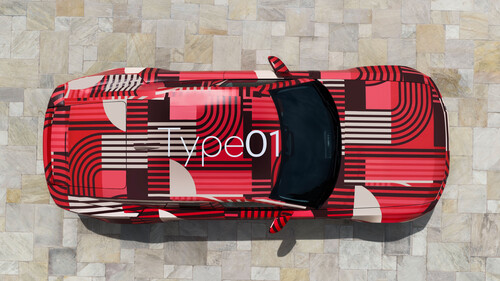
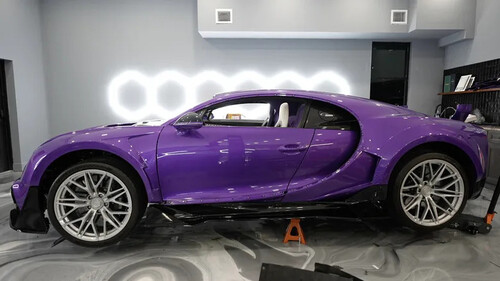
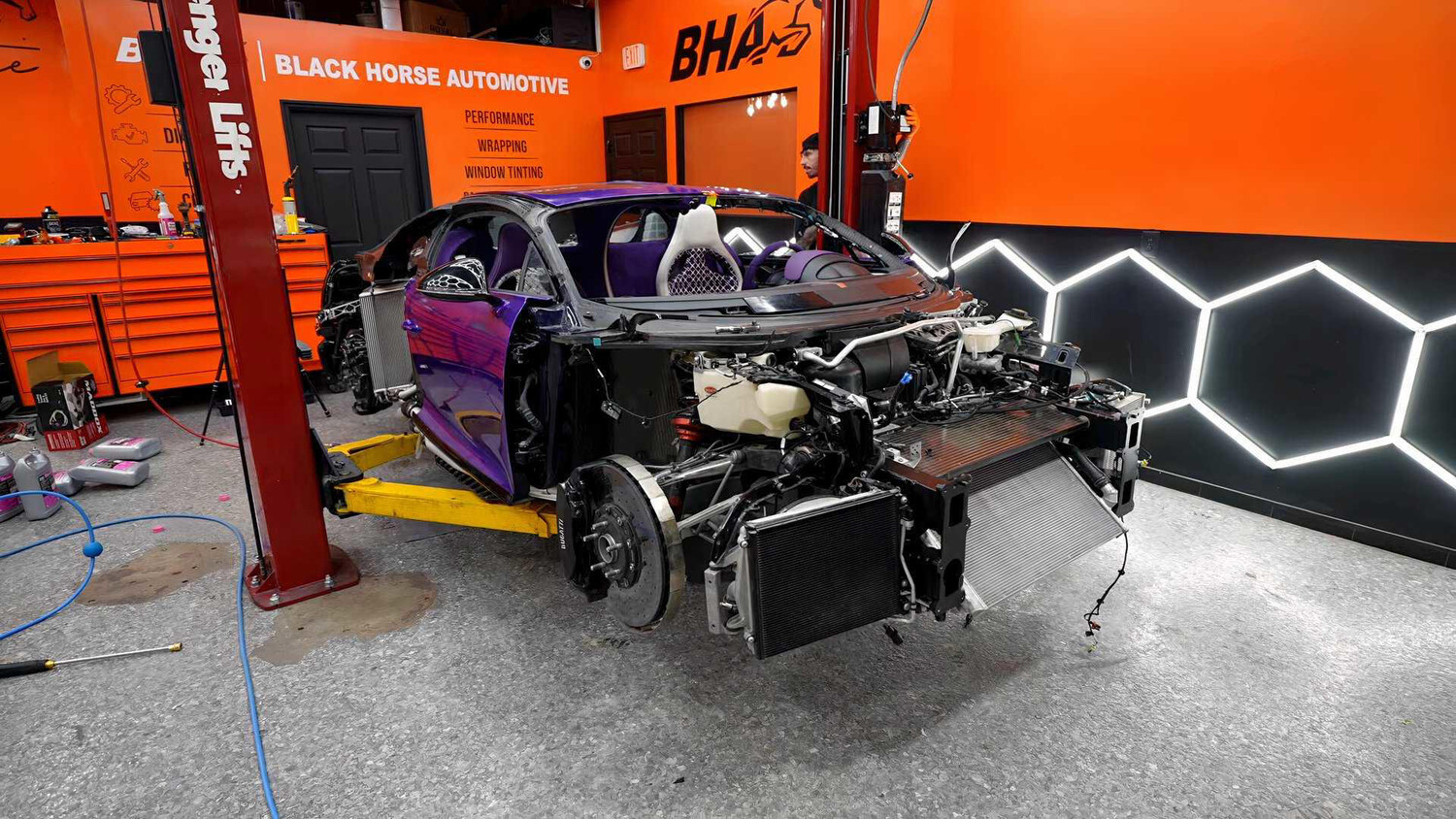
Kaitlyn Smith · 5 months ago@kaitlynsmith70Crashed Bugatti Chiron drives again after homemade radiator fix Liked by+54 othersAuto EnthusiastsPost commentRelated PostsBugatti Just Made a 20-Year-Old Veyron Look New Again 80 · Ava Rogers · 2 months agoSomeone Paid CHF 4,505,000 for a Wimille Legend Bugatti Veyron at RM Sotheby's ZurichNathan Morgan · 19 days agoBugatti Can Now Modernize Your Old Veyron With Parts Borrowed From Newer Models 20 · Mia Wilson · 2 months agoNew Jaguar Type 01 will be revealed tonight!Sophie Wilson · 19 days agoBugatti Is Making Larger OEM Veyron Wheels That Don't Need To Use $40,000 PAX Tires 12 · Abigail Fortin · 2 months agoNew Jaguar Type 01 reveal is just days away: design, interior and specsAbigail Lavoie · 20 days agoBugatti Just Unveiled a Gorgeous, One-Off Veyron 36 · Caleb Brown · 2 months agoBugatti Boss Tells European Brands To Focus More On Luxury And Less On ChinaMason Pelletier · 21 days agoThe Bugatti Veyron is 20 Years Old, So the Automaker Remade This One Better Than New 64 · Emma Hall · 2 months agoA Ferrari 250 GT California Spyder Broke A 20-Year Old Auction RecordCaleb Wilson · 22 days agoAuctions At 2026 Monterey Car Week Tally $748 Million, A New Record 56 · Jenna Brown · 2 months agoWho Makes Quad-Turbo Engines Besides Bugatti?Morgan White · 22 days agoBugatti’s Boss Wants A Manual V16, And He Won’t Fake It Like Ferrari 11 · Zoë Campbell · 2 months agoRare Bugatti Veyron Black Bess, One of Only Three Built, Surfaces With Just 2,600 MilesCarter Tremblay · 22 days agoMonterey Car Week 2026 Auction Results: $747.9 Million, 11 Eight-Figure Cars, and a Pile of Broken Records 57 · Jacob Morgan · 2 months agoBugatti Boss to Euro Car Brands: Ditch Screens and Focus on Luxury, Not ChinaEvan Johnson · 23 days agoMansory Thought Bugatti’s Mistral And Chiron Looked A Bit Plain. Peanut Butter Fixed That 44 · Zoë Leblanc · 2 months agoBMW Nazca: The V12-Powered Carbon Fiber Supercar BMW Almost Built 24 · Ethan Scott · 25 days agoBugatti's New One-Off Destrier Strips a Bolide of Every Wing and Vent That Made It Fast 45 · Alexander Green · 2 months agoZurich Didn't Re-Rate Bugatti's Legends Veyrons. It Re-Rated One Chapter. 29 · Adam Martin · 25 days ago





 +54 others