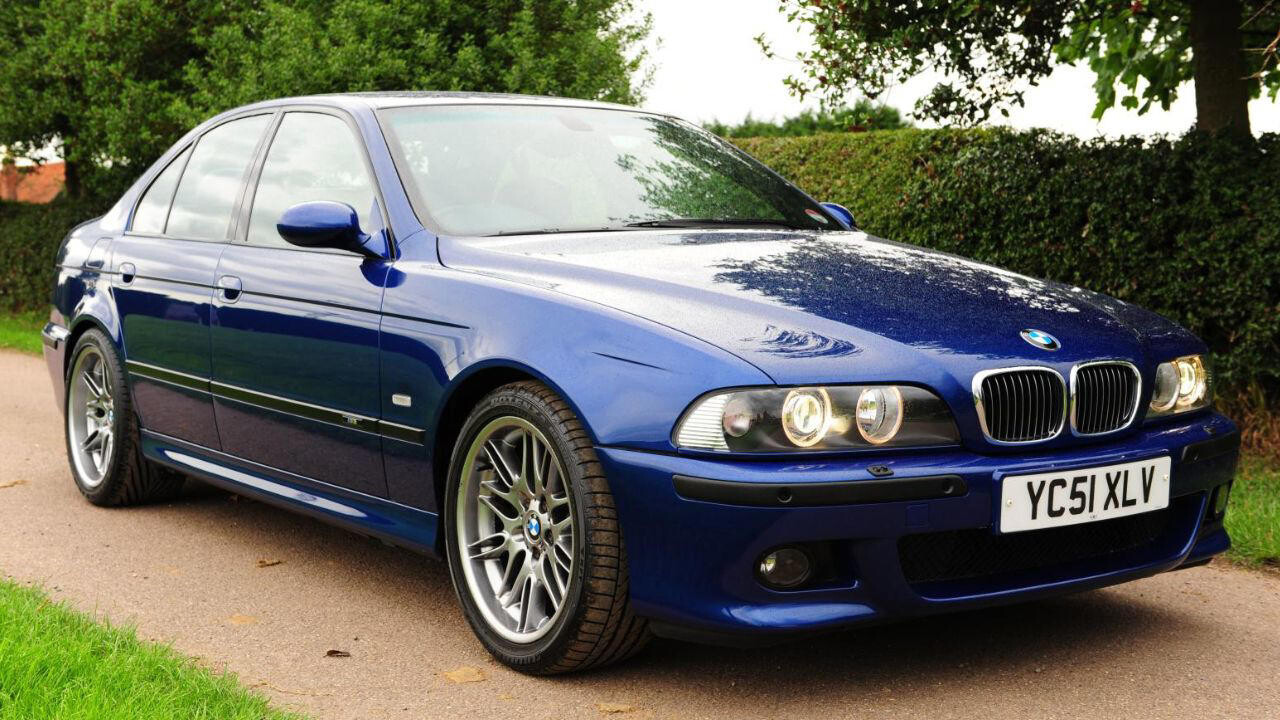
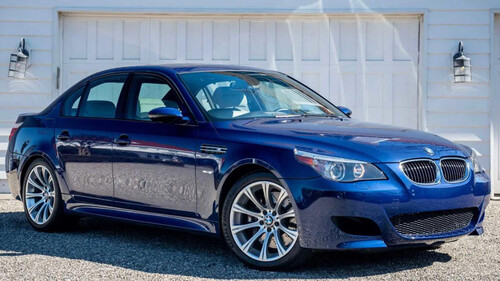
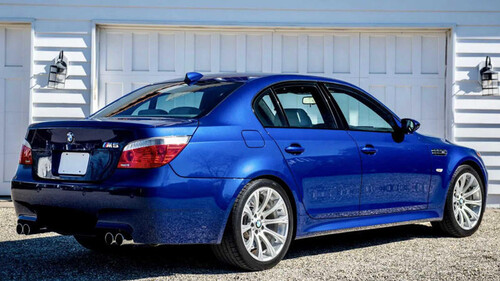
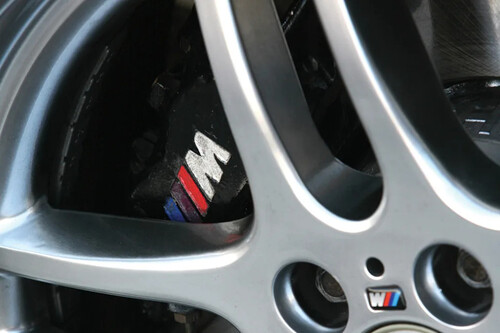
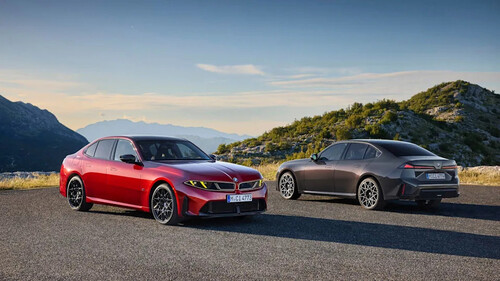
BMW M5 E39 reset expectations for performance sedans foreverThe BMW M5 E39 arrived at the end of the 1990s with a clarity of purpose that forced the entire performance-sedan class to recalibrate. By combining supercar performance with a restrained body and everyday usability, the E39 M5 redefined what a four-door sedan could achieve without flashy styling or electronic gimmickry. More than two decades later, engineers, collectors, and drivers still treat the E39 as a benchmark rather than a nostalgic curiosity. Its blend of naturally aspirated power, precise chassis tuning, and understated design continues to shape how fast saloons are judged, even as power outputs and price tags have climbed far beyond its original brief. From quiet 5 Series to fastest four-door When the E39 M5 appeared, it transformed a conservative executive sedan into what was, at launch, the quickest four-door production car on sale. On its debut in 1998 the BMW M5 (E39) was recorded as the fastest 4-door production sedan that money could buy, with a 4.9 L V8 and a top speed of 186 mph, a figure that immediately reframed what buyers could expect from a practical family car that still wore a discreet grille badge and subtle bodywork rather than race-inspired aero addenda, as captured in period accounts of the BMW M5 (E39). This blend of speed and subtlety allowed owners to drive from highways to offices without altering their vehicle choice or sacrificing comfort. The engineering pedigree behind this transformation was unusually strong, even by performance-car standards. The project involved engineers Wolfgang Reitzle, Gerhard Richter, and Joji Nagash, who approached the E39 as a showcase for what a traditional sports sedan could achieve, rather than a routine model update. Their work ensured that the car’s performance figures were not isolated statistics but part of a coherent package that balanced power, ride quality, and long-distance refinement. A V8 that redefined the M formula The heart of the E39 M5 was its V8, which challenged internal skepticism about abandoning the straight-six formula that had defined earlier M cars. Contemporary analysis notes that the E39 M5’s production-based V8 achieved high specific output, combining high-revving character with everyday drivability, reinforcing the V8 concept within the M division. That engine did more than power a single model; it shifted the internal philosophy around what an M car could be, legitimising larger-displacement, high-tech V8s in subsequent generations. Performance testing underlined how thoroughly that engine altered expectations. Period reviews recorded that the E39 M5 could rip to 60 m from standstill in just 4.7s and pass 100 m just over six seconds later, numbers that placed it in direct contention with contemporary two-door exotics while retaining a full-size rear seat and a sizeable boot, as documented in detailed road tests of the BMW M5 E39. Those figures were not merely impressive on paper; they translated into an effortless surge in real-world driving that allowed the car to dispatch long autobahn runs, tight country roads, and daily commuting with equal ease, reinforcing the idea that a super-saloon could be both brutally fast and genuinely relaxing. Chassis balance, design restraint, and everyday credibility Power alone did not secure the E39 M5 its reputation; the chassis and design choices were equally influential. Contemporary and retrospective assessments emphasize that the E39 M5’s steering, suspension, and body control created a rare balance, enabling drivers to use the V8’s performance confidently without intimidation. The result was a sedan that could be driven briskly on a circuit and yet felt composed and predictable on broken urban tarmac. Visually, the E39 M5 relied on subtle cues rather than flamboyant styling, which has helped it age gracefully. Many E39 M5s feature factory style 65 M double-spoke wheels, regarded by enthusiasts as central to the car’s stance and character, often refinished to maintain their appearance against BMW brake dust. That restraint extended to the cabin, where high-quality materials and clear instrumentation reinforced the sense that this was an executive car first and a performance icon almost by stealth. Enduring benchmark and rising icon The E39 M5’s influence did not fade as newer generations arrived; if anything, later cars have only sharpened its reputation. Comparative drives across M5 generations show that while technology and speed have improved, the E39 remains a benchmark, with drivers often measuring newer models against its balance and composure. That persistent comparison supports the view that the E39 set a template for the modern sports sedan that subsequent models have refined rather than replaced. More from Fast Lane Only Unboxing the WWII Jeep in a Crate 15 rare Chevys collectors are quietly buying 10 underrated V8s still worth hunting down Police notice this before you even roll window down