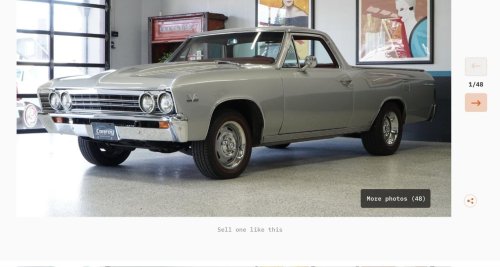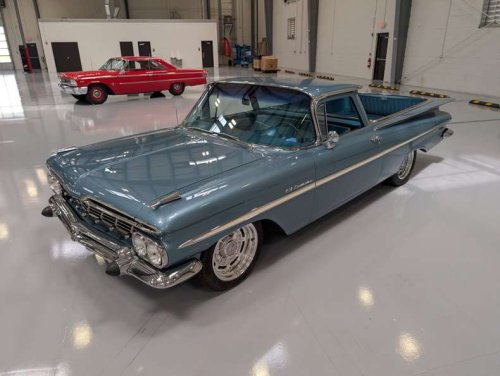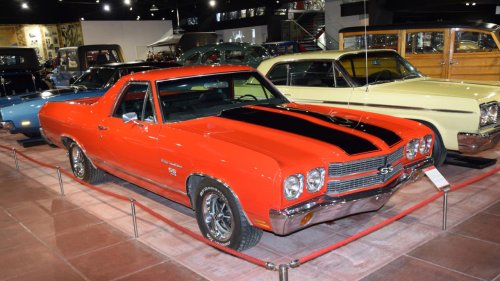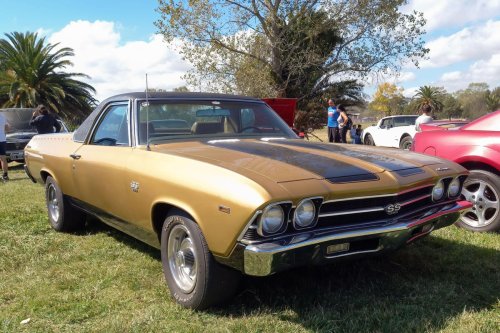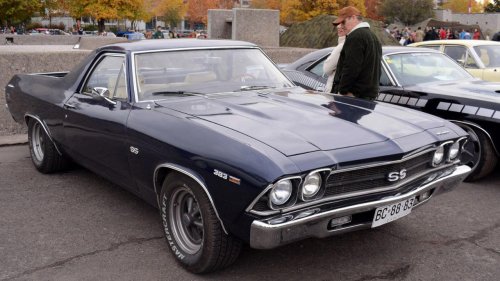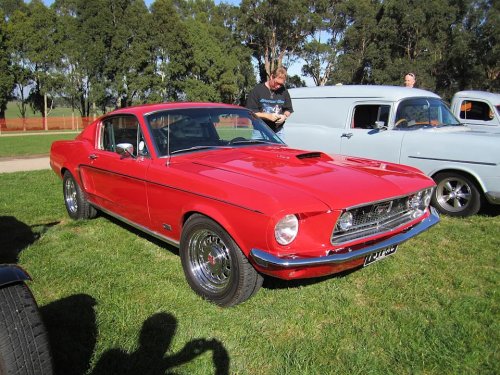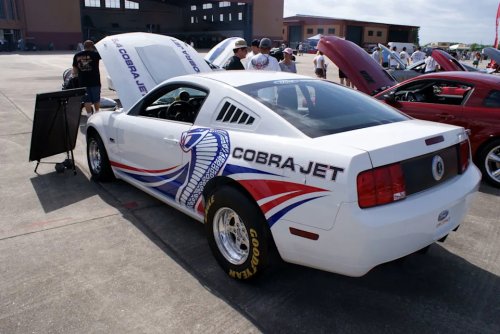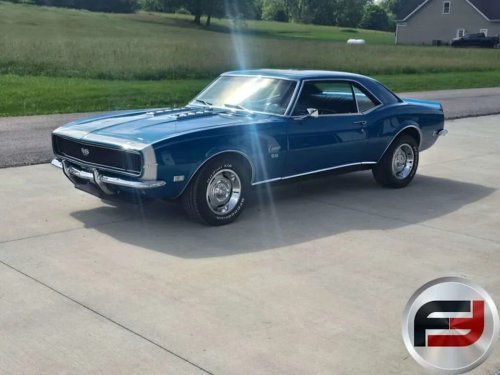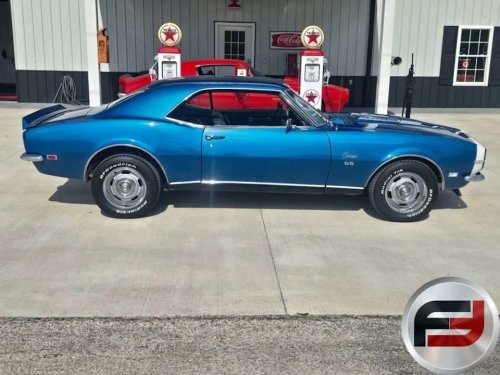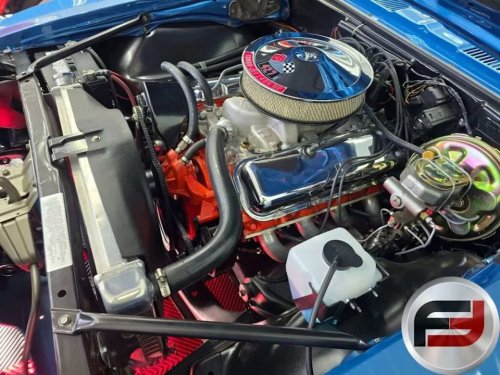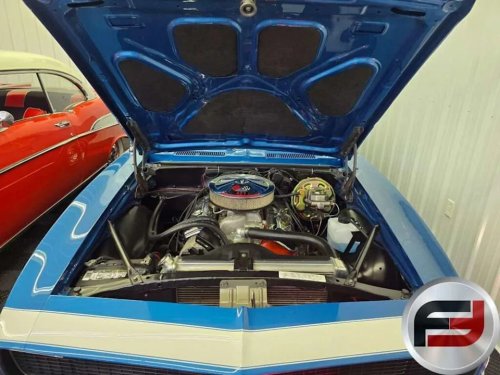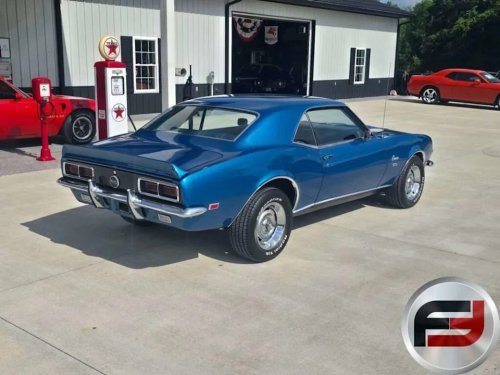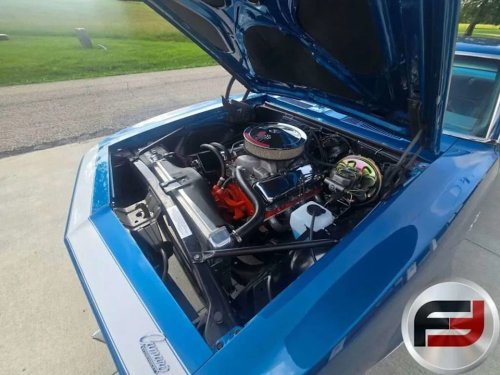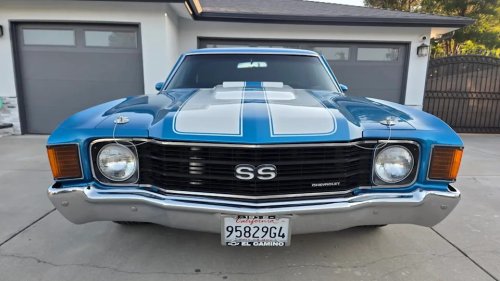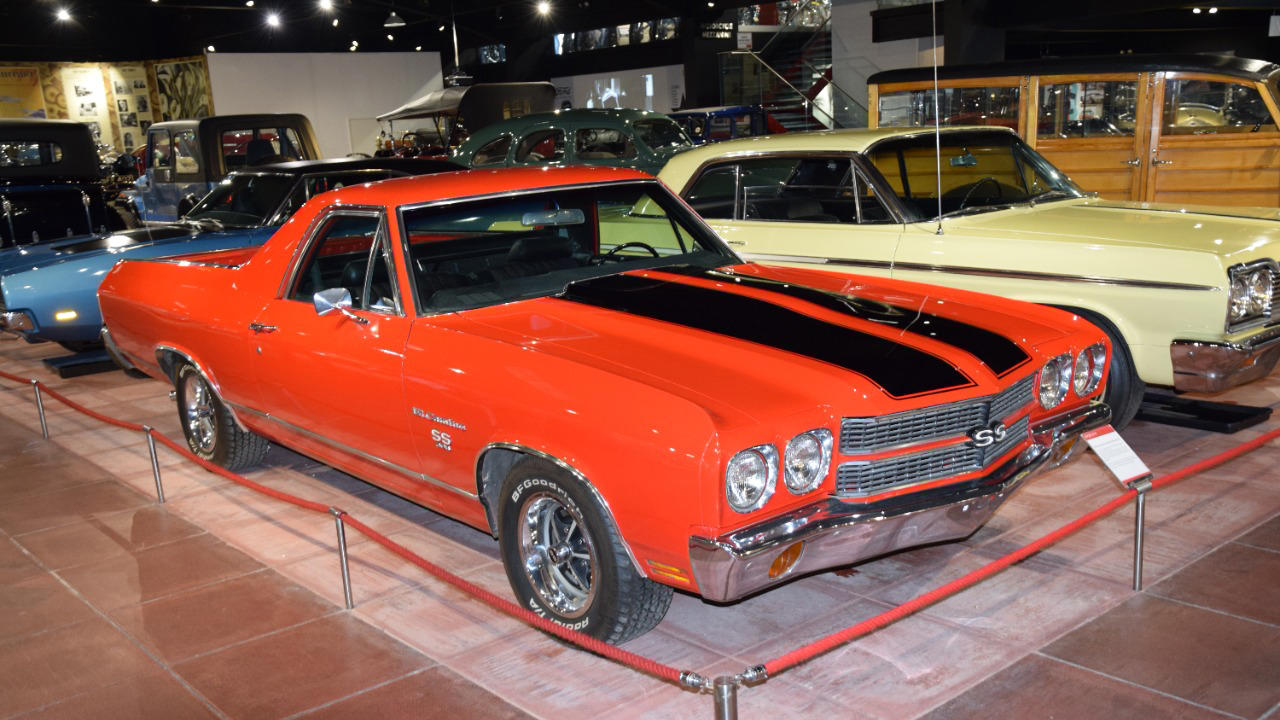



















1970 Ford Ranchero vs 1970 Chevrolet El Camino one blurred the line betterIn 1970, Ford and Chevrolet were not just selling vehicles, they were selling identities on wheels. Few matchups captured that better than the Ford Ranchero and the Chevrolet El Camino, two car-based pickups that tried to be work partner and weekend muscle car at the same time. Both blurred the boundary between coupe and truck, but they did it in different ways, and only one truly nailed that in-between space for drivers then and collectors now. From experiment to cult rivalry The rivalry did not appear out of thin air in 1970. It began when the 1957 Ford Ranchero and the 1959 Chevrolet El Camino arrived as bold experiments that blended passenger car styling with pickup utility, a move that put both Ford and Chevy into a new niche. Chevrolet then reintroduced the El Camino in 1964 on the intermediate Chevelle line, in step with Ford’s decision to base the Ranchero on the Fairlane platform, which gave both models a mid-size, family-car foundation rather than a full-size truck feel. By the late 1960s the formula was clear. Buyers wanted something that could haul a load of parts on Friday and still look at home in the cruise-in parking lot on Saturday. As the dawning of a new decade emerged, the Ranchero was more than just a niche curiosity; it represented the merging of two major American automotive obsessions, the practical pickup and the sporty coupe, into a single body style that Ford could sell to customers who did not want to choose between the two. Chevrolet saw the same opportunity and pushed the El Camino deeper into muscle territory, especially once the Chevelle line became one of the era’s performance icons. That context matters for 1970, because by then both companies understood that these machines were not simple workhorses. They were rolling statements about what a driver valued, whether that was Ford’s slightly more understated approach or Chevrolet’s louder, more aggressive persona. Design: two interpretations of the half-car, half-truck idea Visually, the 1970 Ford Ranchero and 1970 Chevrolet El Camino told different stories before the engine ever turned over. The Ranchero leaned into its car-based roots, carrying over the Torino and Fairlane design language with a long hood, sweeping fenders and a relatively formal cab profile. Contemporary coverage describes the Ranchero as a vehicle that merged two major American automotive themes, and that is exactly how it looked: part personal coupe, part light-duty hauler, with a bed that did not overwhelm the rest of the proportions. The El Camino, by contrast, had just received a dramatic restyling in line with the Chevelle lineup. The 1970 El Camino (listed in period material as Chevrolet El Camino) adopted the Chevelle’s quad headlights, bold grille and muscular rear haunches, which gave the car a cleaner and more muscular stance. That restyle made the El Camino feel very much like a Chevelle SS with a bed attached, a perception reinforced by the shared sheetmetal and the way the rear quarters flowed into the cargo area. In the showroom, that visual connection to the Chevelle helped Chevrolet pitch the El Camino as a legitimate muscle car that just happened to carry lumber. Dimensionally, enthusiasts often point out that the El Camino from this time was based on a larger chassis, with a wider and longer bed than the Ford. The Ranchero, being based on the Fairlane and Torino architecture, had a slightly more compact cargo box. Owners who needed every inch of bed space gravitated toward the El Camino for that reason, while buyers who valued a more car-like footprint often preferred the Ford. The different platforms also shaped ride and handling. The Ranchero felt very close to a Torino sedan from behind the wheel, while the El Camino’s Chevelle roots gave it the stance and road presence of a mid-size muscle car. Design taste is subjective, but those choices affected how each model blurred the car and truck line. The Ranchero tried to hide its work side under elegant sheetmetal. The El Camino flaunted its muscle car identity first and let the pickup bed speak for itself. Powertrains and performance: big blocks, Ram Air and the 454 Under the hood, 1970 was a peak year for Detroit horsepower, and both Ford and Chevrolet poured that power into their car-based pickups. On the Ford side, the Ranchero could be ordered in high-performance GT or Cobra Jet form. Enthusiasts still talk about the Ram Air 429 Cobra Jet variants that turned the Ranchero into a genuine big block bruiser. Period material highlights the 1970 Ford Ranchero Ram Air 429 Cobra Jet alongside the 1970 Chevrolet El Camino Super Sport, a pairing that shows how seriously both brands took this segment. That same comparison also notes that Ford matched its big engines with a choice of transmissions. The Ranchero was available with a 4-speed manual or a 3-speed automatic transmission, a spread that let buyers pick either a more involved, performance-oriented drive or a laid-back cruiser feel. For many muscle-era fans, the presence of a factory 4-speed in a vehicle that could still tow and haul has become a key part of the Ranchero’s appeal. Chevrolet answered with the El Camino SS, which could be ordered with the same big block engines that made the Chevelle SS famous. The most coveted versions carried the 454 cubic inch V8, and original SS El Caminos that came from the factory with the 454 are now described as somewhat rare. Pricing guides note that well-kept examples can trade hands for as much as 30,000 dollars, a figure that reflects how strongly collectors value that combination of engine and body style. Beyond the headline power figures, both models shared a similar mission. They offered smooth, car-like suspensions that delivered a more refined ride than a traditional pickup, yet they still had frames and drivetrains that could handle real work. Enthusiast discussions often praise the El Camino for its overall performance and versatility, pointing out that it could be driven daily, taken to the drag strip on the weekend and still carry a full load in the bed. The Ranchero earned similar respect from Ford loyalists, especially in GT and Cobra Jet trims that gave it serious straight-line speed. From a pure specification standpoint, the El Camino arguably had the edge in ultimate power once the 454 arrived, while the Ranchero countered with the exotic appeal of the Ram Air 429 Cobra Jet. Both, however, delivered more performance than most owners could exploit on public roads, which shifted the real comparison to how each model felt in everyday use. Sales, loyalty and how the market judged them On paper, the sales race was not close. While the Ranchero never outsold Chevrolet’s El Camino, it maintained a loyal following thanks to its distinctive styling, its wide range of trim levels and its availability in high-performance GT or Cobra Jet form. The El Camino, on the other hand, consistently moved more units and became the more familiar sight on American roads. Analysts who have compared the two across engine, style and sales often conclude that the El Camino comes out ahead on those three metrics. Based on these three metrics, engine, style and sales, the El Camino is described as the clear winner. Sales comparisons that look at empirical data state that the El Camino wins again because it sold way more than the Ranchero, a gap that has long-term consequences for collectability and parts support. Paradoxically, that sales imbalance has given the Ford an advantage in rarity. Commentators who track classic car values point out that there are more El Caminos on the road today than Rancheros, which gives a collectability nod to Ford. In other words, the Chevrolet may have won the showroom war, but the lower surviving numbers of Rancheros make each remaining example a bit more special for collectors who want to stand out at a show or cruise-in. Market analysis of the late 1960s and early 1970s also shows that both the 68 to 72 Chevy utility and the 68 to 71 Ford counterpart have experienced periods of declining values, with the Chevrolet heading up and the Ford slipping at different times. That pattern reflects changing tastes and the way nostalgia cycles through different segments. When muscle cars in general surge in interest, the El Camino often rides that wave thanks to its Chevelle connection. When collectors look for underappreciated oddballs, the Ranchero’s status as a slightly overshadowed cousin can work in its favor. Among enthusiasts, brand loyalty still shapes opinions. Some Ford fans argue that the Ranchero’s more conservative styling has aged better and that the car-like interior makes it a more pleasant long-distance driver. Chevrolet supporters counter that the El Camino’s more aggressive look and stronger sales record prove that it resonated more deeply with buyers at the time. Both sides can point to period advertising and modern auction results to back up their case. How each one blurred the line between car and truck At the heart of the comparison is a simple question: which 1970 model blended car comfort and truck utility more convincingly in day-to-day life. Here, design, chassis tuning and packaging matter as much as raw power. The Ranchero’s foundation on the Fairlane and Torino platform gave it a driving character that felt very close to a mid-size sedan. The seating position, dashboard layout and suspension tuning all leaned toward passenger car comfort. Owners who used their Rancheros as daily drivers often praised the way the vehicle soaked up highway miles, while still offering a usable bed for light hauling. In high-performance GT or Cobra Jet form, the Ranchero added muscle without sacrificing that underlying civility, which helped it appeal to buyers who wanted a do-everything car rather than a part-time toy. The El Camino, especially in SS trim, tilted more toward the muscle car side of the spectrum. The Chevelle-based chassis, the availability of the 454 and the aggressive styling all signaled performance first. The bed was wider and longer than the Ford’s, which made the El Camino more capable for bulkier loads, but the overall package still felt like a Chevelle that happened to have a pickup box. That balance worked well for drivers who wanted to project a sportier image and were willing to accept a slightly firmer ride in exchange for sharper handling. Enthusiast polls and social media debates capture that split. One discussion framed the choice as a question of which car-based truck offered the best mix of ride quality, performance and versatility. The El Camino earned praise for its smooth ride and strong all-around performance, while the Ranchero drew support from fans who appreciated its more understated approach and Ford’s big block options. Another thread asked why the El Camino seems to get more love than the Ranchero, and participants pointed again to the Chevrolet’s larger chassis, roomier bed and closer association with a halo muscle car line. Yet, when the focus shifts to how well each model embodied the hybrid idea itself, the Ranchero starts to look like the purer interpretation. Its proportions and driving dynamics sit almost exactly halfway between a coupe and a pickup. The El Camino, by contrast, feels more like a muscle car that happens to be able to haul, which is a slightly different proposition. That distinction helps explain why some commentators describe the Ford Rancherro as one of those cars that is often overshadowed by its closest peer the Chevy El Camino, even though it arguably represents the concept more faithfully. Enthusiast verdicts and the clash of the classics Modern comparisons often treat the 1970 Ford Ranchero and 1970 Chevrolet El Camino as a kind of rolling playoff, with enthusiasts voting one winner or the other. In one such clash of the classics, the two were pitted head to head with the understanding that there had to be a victor. While both cars are respected, the final judgment in that matchup gave the edge to the El Camino, which was said to nose over the finish line first. The reasoning behind that call reflects a blend of period performance, design impact and cultural memory. The El Camino’s dramatic 1970 restyle in line with the Chevelle, its availability with the 454 and its stronger sales all contribute to a sense that it defined the segment more clearly. For many enthusiasts, the image of a brightly painted El Camino SS with raised white-letter tires and a rumbling exhaust is the quintessential car-based pickup. Other analysts take a more balanced view. They note that while the El Camino dominated in sales and remains more common on the road, the Ranchero’s distinctive styling, wide trim range and high-performance variants give it a depth that deserves more recognition. Articles that revisit the Ford Ranchero vs Chevy El Camino question often acknowledge that subjectivity is important. Based on engines, style and sales, the El Camino may be the clear winner, but some people will always prefer the Ford, and that is not going to change anytime soon. Collectors and restorers also factor in practical considerations. The greater number of El Caminos and the shared parts with Chevelles make sourcing components easier, which lowers the barrier to entry for a project. Ranchero owners sometimes have to hunt harder for model-specific trim and sheetmetal, although the shared mechanical pieces with Fairlane and Torino models soften that challenge. That reality influences which cars get saved and restored, which in turn shapes what future enthusiasts see at shows and in online communities. Video features and online walkarounds of individual cars further shape public perception. One clip that focused on a forgotten 429 big block Ranchero asked whether it was better than the more famous Chevrolet rival, and the host framed the Ford as a hidden gem that had lived in the El Camino’s shadow for too long. That kind of coverage helps rebalance the narrative by spotlighting how special a well-optioned Ranchero can be, especially in Ram Air or Cobra Jet form. Which one blurred the line better? When all the evidence is weighed, the answer depends on how the phrase “blurred the line” is defined. If the focus is on cultural impact and market success, the 1970 Chevrolet El Camino has a strong case. It sold in greater numbers, shared its identity with one of the era’s most iconic muscle cars and continues to enjoy broad recognition. Enthusiast comparisons that score engine, style and sales tend to place the El Camino on top, and collector pricing for original SS models with the 454 confirms that demand. More from Fast Lane Only Unboxing the WWII Jeep in a Crate 15 rare Chevys collectors are quietly buying 10 underrated V8s still worth hunting down Police notice this before you even roll window down