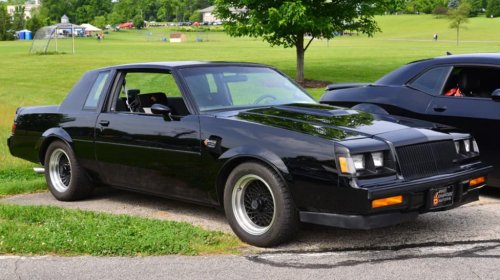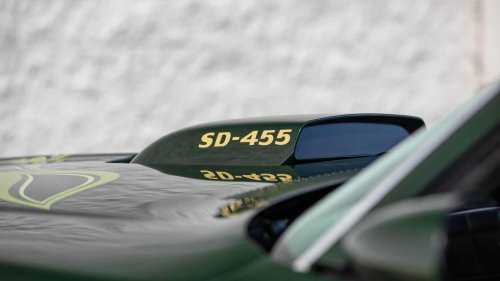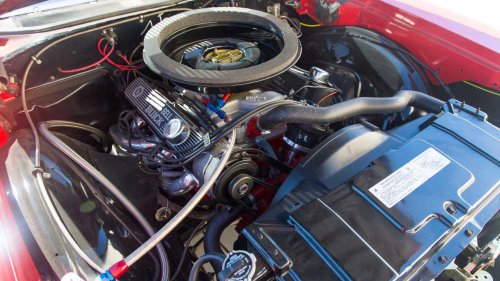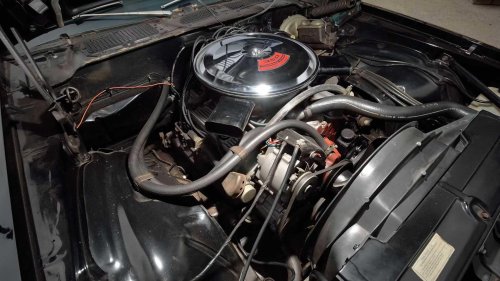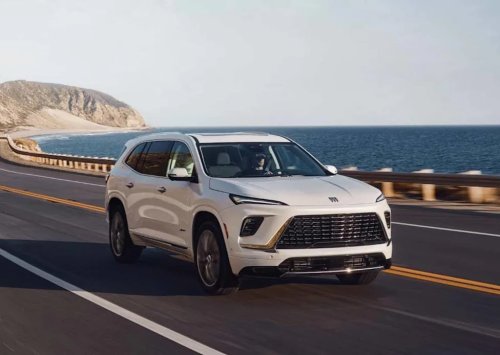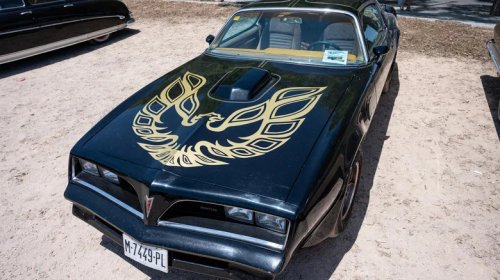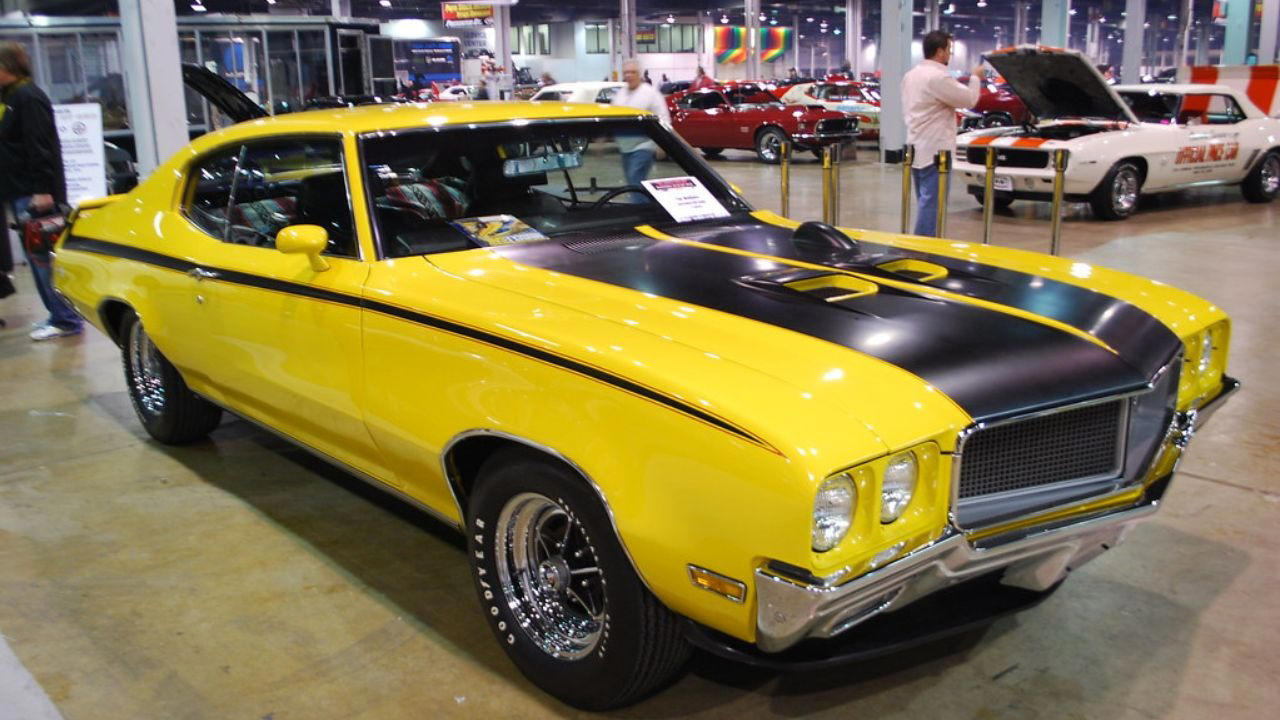



















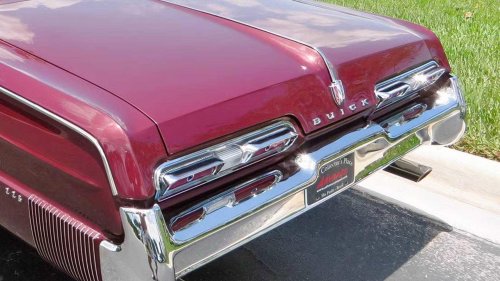


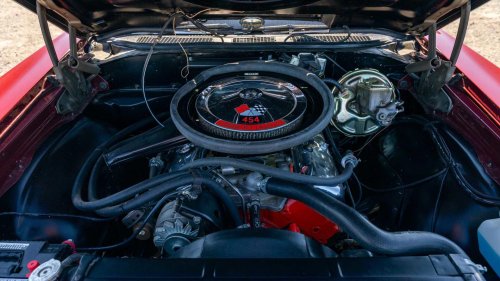
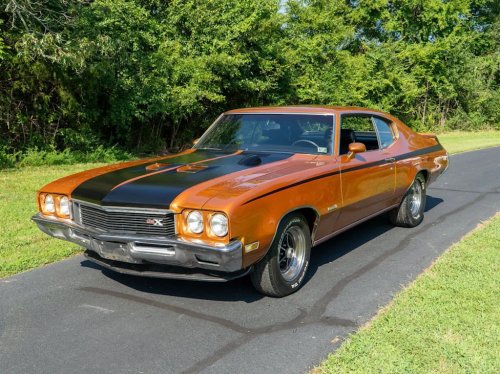
Chevelle SS vs Buick GSX which one delivered the better performance storyThe rivalry between Chevrolet’s Chevelle SS and Buick’s GSX is one of the sharpest contrasts of the muscle car era. Both arrived with huge-displacement V8s, drag strip credibility, and serious street presence, yet they told very different stories about how American performance should feel and look. One car became the archetype of raw, blue-collar power; the other, a limited-production statement that fused luxury with violence. To decide which one delivered the stronger performance narrative, it helps to look beyond simple horsepower numbers and trace how each machine earned its legend. Two badges, two philosophies The Chevelle SS carried the full weight of Chevrolet’s performance ambitions. Among enthusiasts, the Chevelle SS name still triggers an immediate image of a square-shouldered mid-size coupe with cowl induction, fat rear tires, and a snarling big block. Those three letters stood for Super Spo and signaled that this was not an ordinary family car but a factory-sanctioned street weapon. As a package, the SS (Super Spo) option typically brought performance-oriented engines, uprated suspension, and visual cues that separated it from base models. The Chevelle SS combined muscle car aggression with everyday practicality, which helped it reach a broad audience and anchor Chevrolet’s place in the horsepower wars. Buick came at the same fight from a different angle. The company had built a reputation on comfort and refinement, so when it created the Buick GSX, it wrapped serious power in a more polished shell. Enthusiasts still describe the Buick GSX as one of the most powerful and rarest muscle cars of the golden era, a car that combined brute force with Buick’s signature upscale feel. Engines that defined an era Under the hood, both cars relied on some of the most storied big blocks of the period. The Chevelle SS line evolved through several displacements, including the famous 396 V8 that helped cement Chevrolet’s reputation. Later, the model gained one of the most feared engines in muscle car history, a 454 cubic inch big block that pushed the platform deep into drag strip territory. The Chevelle range is remembered for its progression from small-block practicality to 396 and 454 power that turned a mid-size coupe into a straight-line monster. By 1970, the Chevelle SS 454 could be ordered in LS6 form, a specification that enthusiasts still quote with reverence. Period data lists the base 454 engine at 360 bhp, or 268 k, with the LS6 version sitting above it in the hierarchy. That combination of a 454, 360 rating and serious internal upgrades made the Chevelle SS 454 LS6 the poster child for factory horsepower. Buick answered with displacement of its own. The Buick GSX was built around the 455 cubic inch V8 that had already appeared in Buick’s GS models. For the really power hungry, Buick offered the 455 Stage I performance package. For the enthusiast who ticked that box, Stage tuning brought a hotter cam and revised breathing that turned a big luxury engine into a torque-rich powerhouse. One enthusiast comparison lists the 1970 Buick GS 455 Stage 1 Engine as a 455ci V8 with 360 hp (underrated) and 510 lb-ft torque. That same breakdown highlights 0 to 60 mph in roughly 5.5 seconds and calls out its Strength as Massive torque. Those figures, cited as 455, 360, 510, show how Buick leaned on twist rather than headline horsepower to build its identity. Torque versus horsepower The Chevelle SS 454 LS6 is remembered for peak numbers. In period advertising and later bench racing, the LS6 specification became shorthand for Chevrolet’s most extreme street package. Big carburetion, high compression, and aggressive cam timing gave the LS6 a feral character that matched its visual swagger. When the conversation shifts from dyno sheets to real-world acceleration, however, the Buick GSX Stage 1 often steals the spotlight. The GSX Stage 1, with its 455ci V8 and 510 lb-ft torque, delivered more twist than the Chevelle SS 454. That difference may not sound massive on paper, but torque is what launches a car off the line, and the GSX Stage 1 had no shortage of it. Coverage of the period regularly notes that the GSX was the only 1970s muscle car with more torque than the Chevelle SS 454. Buick launched it (GSX Stage 1) as a more refined but no less potent alternative. It ran with all the competition, then added a level of drivability that made its power easier to access in daily use. In straight-line tests, that torque advantage translated into serious numbers. In one enthusiast comparison of a 1970 Buick GSX 455 Stage 1 versus a 1972 Chevy Chevelle SS 454 LS5, the Buick’s 455, 360, 510 combination and roughly 5.5-second sprint to 60 mph underline how effective that package was. The same source describes its Strength as Massive torque, a concise summary of the GSX philosophy. From street to strip No performance story is complete without the drag strip. The Chevelle SS 454 LS6 built its reputation in quarter-mile battles where traction and gearing could either make or break a run. With the right driver and conditions, LS6 cars dipped deep into the 13-second range and sometimes better, numbers that put them among the quickest street machines of their time. Buick’s GSX did not stay in the showroom either. Period tests and later recollections describe Stage 1 cars running neck and neck with the best Chevrolets. Enthusiasts still debate a period Motor Trend test that recorded a GSX Stage 1 in the low 13s, with one social media discussion citing a 13:38 pass that made the Buick the fastest car that publication had tested at the time. In that conversation, James Michael and Chris Parker in the comments point to the GSX’s combination of 455 displacement and Stage tuning as the key to its performance. Modern video comparisons keep the rivalry alive. In one drag race clip, a 1970 Buick GSX 455 Stage 1 lines up against a 1970 Chevelle SS 454 LS6, while another pits a 1970 Buick GS 455 Stage 1 against a 1972 Chevelle SS 454 LS5 in pure stock trim. These runs often come down to driver reaction and traction, but they also illustrate how closely matched these cars were when prepared to similar standards. How each car felt to drive On paper, the Chevelle SS and Buick GSX look like siblings: body-on-frame mid-size coupes with big V8s, rear-wheel drive, and automatic or four-speed manual gearboxes. Behind the wheel, their characters diverged. The Chevelle SS prioritized raw excitement. Owners and historians describe it as one of the most legendary names in muscle car history. The Chevelle SS was born to dominate the streets and strip, and the SS (Super Sp) badge came to represent not just power but attitude. Period accounts emphasize heavy steering, firm suspension, and a sense that the car always wanted to leap forward. Buick, by contrast, tuned the GSX to retain some of the brand’s civility. The Skylark GS Line of mid-sized Buick coupes provided the base, then engineers upgraded them with large-displacement powerplants to create the GSX model cars. That lineage meant the GSX rode a bit more smoothly and felt more substantial, even as it delivered violent acceleration when the throttle was buried. Inside, the Buick GSX offered comfort that the Chevelle could not always match. Better sound insulation, more upscale trim, and a generally quieter cabin made it easier to live with on long drives. The Stage 1 V8 still made its presence known, but the overall experience leaned closer to a grand tourer that happened to run 13-second quarter miles. Styling and image Styling played a major role in how each car’s performance story was perceived. The Chevelle SS projected aggression through blocky lines, bold stripes, and a stance that suggested speed even at rest. Optional cowl induction hoods and SS badging made sure no one mistook it for a grocery getter. That visual drama helped the Chevelle SS become a pop culture fixture. It appeared in movies, television, and countless driveway posters. The Chevelle SS and its 454 engines came to symbolize the idea of a no-excuses American muscle car, a car that was about power, presence, and pure American attitude. The Buick GSX went in a more flamboyant yet controlled direction. The Buick GSX was marketed as a Limited Edition Muscle Car, and the exterior reflected that status. High-impact colors, bold side stripes, and a rear spoiler signaled that this was not a typical Buick. The Buick GSX was arguably the most radical muscle car Buick ever produced, yet it still carried the brand’s crest and a hint of formality. That dual identity has led some enthusiasts to call the Buick GSX a Forgotten Gem Of The Muscle Car World. It shoved a massive engine and performance hardware into a body that still looked at home in a Buick showroom, then added visual touches that made it impossible to ignore. The result was a car that could appeal to both muscle car fans and buyers who wanted something more exclusive. Production numbers and rarity Production volume shapes legacy as much as performance. The Chevelle SS was built in significant numbers, especially in its more common configurations. While exact totals for each engine and trim combination vary, the SS package was widely available and heavily promoted, which helped it saturate the market and secure its place in history. The Buick GSX, by design, took the opposite path. It was a Limited Edition Muscle Car, built in relatively small numbers over a short run. The 1970 to 1972 production window for the Buick GSX, combined with the cost of the package and Buick’s more conservative buyer base, kept volumes low. That scarcity has only amplified its mystique among collectors. Later valuations and collector guides frequently highlight the GSX’s rarity, especially in Stage 1 form. The combination of a 455 Stage package, distinctive colors, and limited production has pushed surviving cars into the upper tier of muscle car desirability. Community memory and modern perception Today, both cars live on as icons, but they occupy slightly different spaces in enthusiast culture. The Chevelle SS is often treated as the default image of a classic muscle car. Enthusiast communities describe the Chevelle SS as one of the most legendary names in muscle car history, a car that embodies the idea of Super Sp performance straight from the factory. Social media groups and clubs still trade stories about specific Chevelle builds, from early small-block cars to later 454 LSX swaps. One modern example is a survivor series 1966 Chevelle rocking a 454 LSX, T 56 manual, and modern chassis upgrades, a build that shows how the platform continues to evolve while retaining its original spirit. The Buick GSX, by contrast, tends to attract connoisseurs who enjoy its blend of rarity and performance. Enthusiast pages dedicated to Buick’s muscle car history regularly celebrate the GSX as one of the most powerful and rarest muscle cars of the golden era. They highlight not just its straight-line numbers but also its role in proving that Buick could compete with Chevrolet and other brands on equal footing. More from Fast Lane Only Unboxing the WWII Jeep in a Crate 15 rare Chevys collectors are quietly buying 10 underrated V8s still worth hunting down Police notice this before you even roll window down