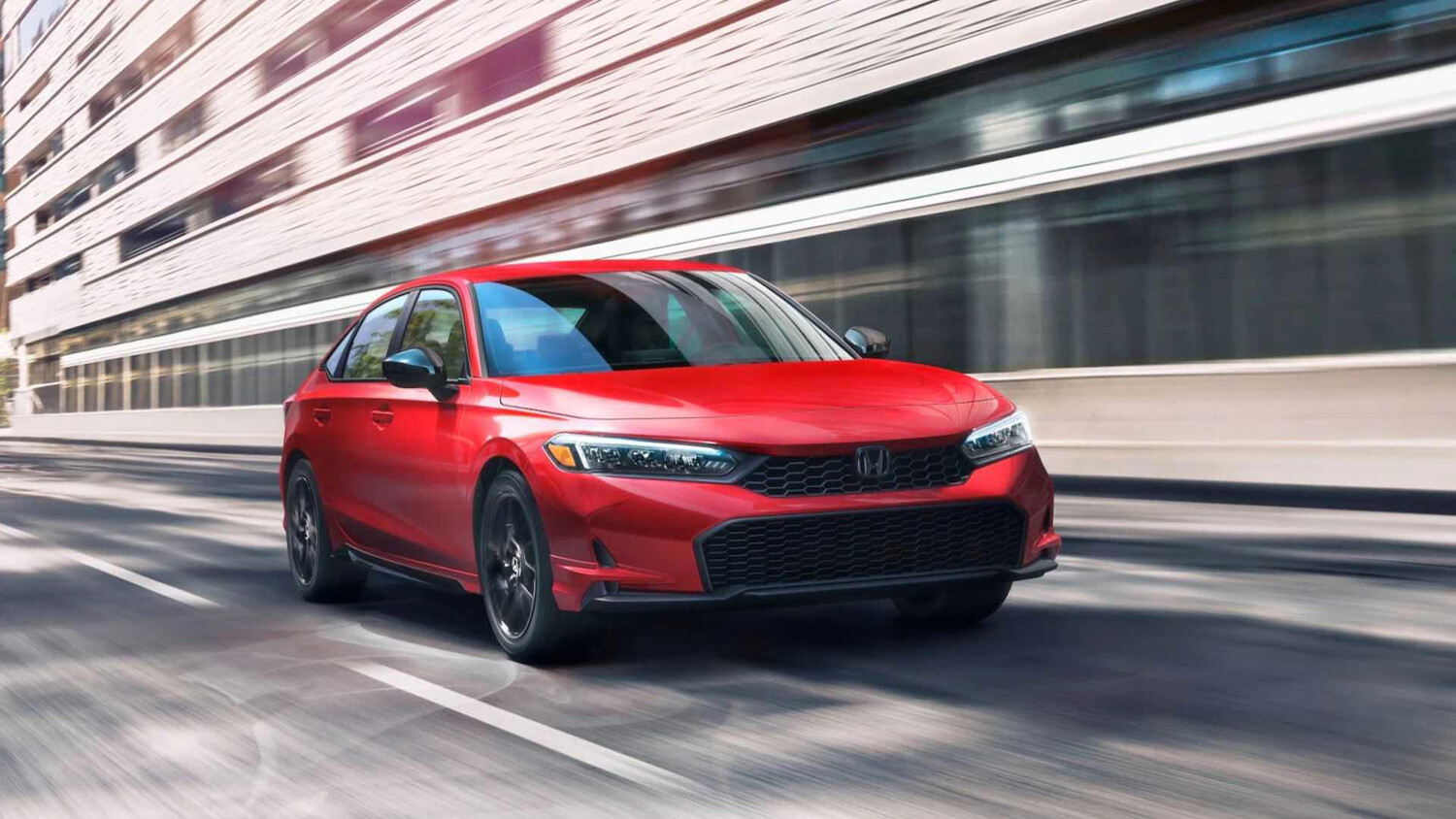
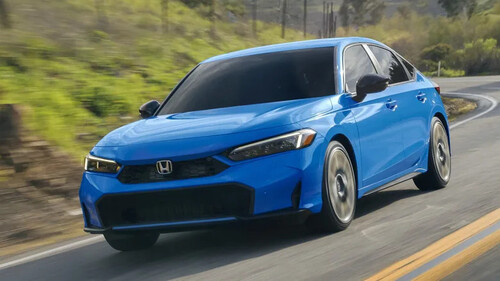
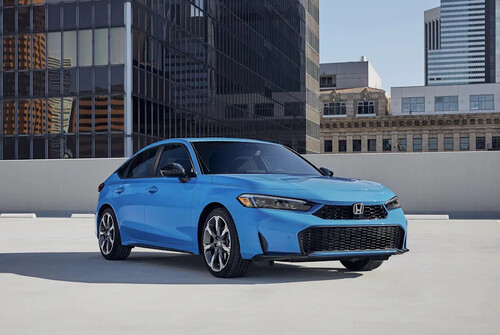
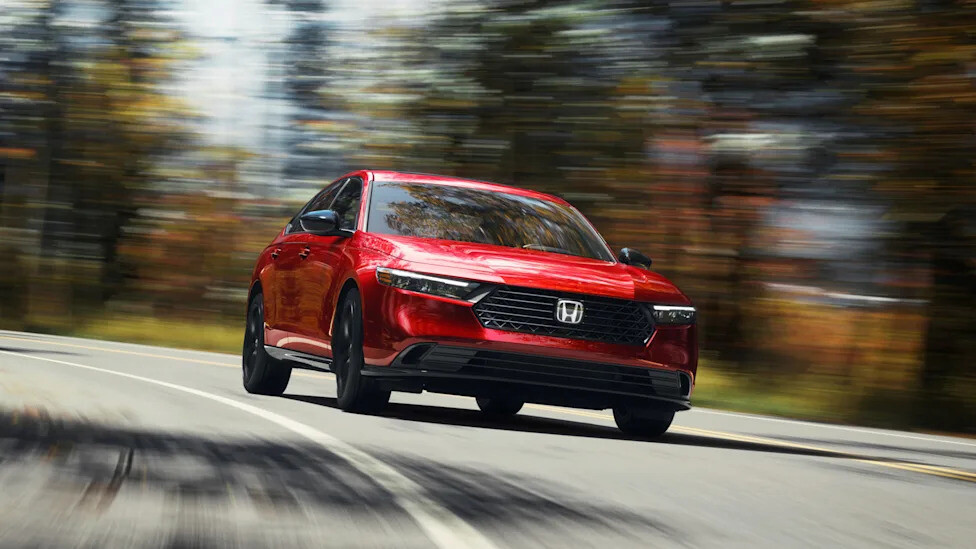
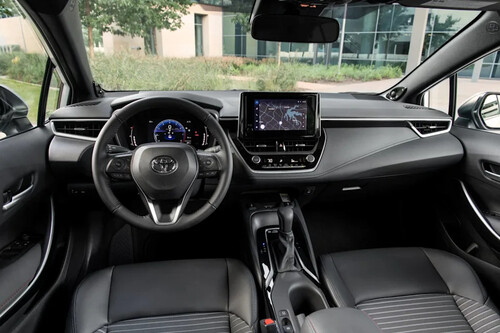
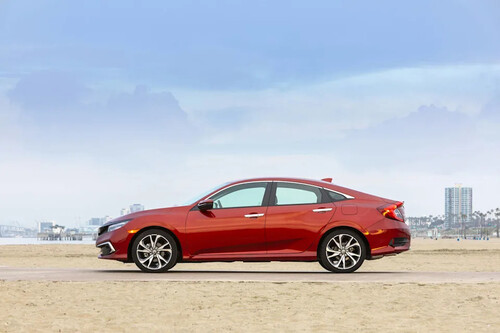
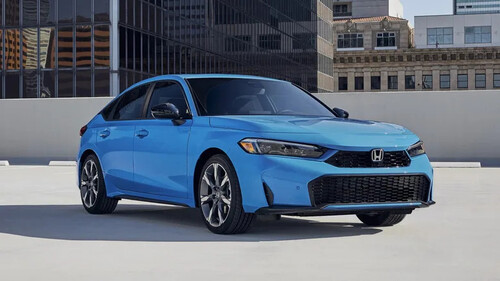
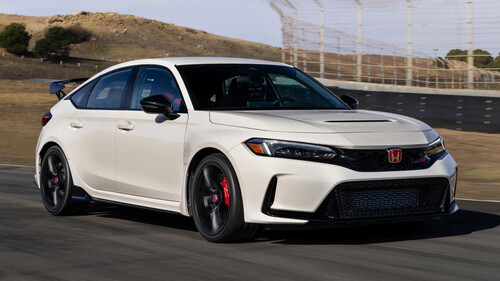
While SUVs have taken over from the sedan as the vehicle design of choice for the American masses, the latter still has its place in the automotive marketplace. Not only do they generally look better than the tall and ungainly SUV contingent, but they also offer a superior driving experience due to being lower and lighter. One element that remains consistent across both vehicle types is depreciation, which makes a considerable difference with brand-new examples in particular.If you're after a new sedan of some description, but want to get as much of your money back after a five-year ownership stint, then the humble Honda Civic should be sitting right at the top of your shopping list. The Honda Civic Sedan Offers The Best Chance Of Getting Most Of Your Money Back Honda According to CarEdge, a site that calculates the rate of depreciation for vehicles on sale in the US, the lowest depreciating new sedan over a five-year period is the Honda Civic Sedan. The Civic sits at the bottom of Honda's product lineup as its compact sedan offering, and thus can be had for a pretty low price to start with. This tends to help with depreciation, since the car has less value to lose in the first place, unlike luxury cars that tend to suffer the most with value loss. A 2026 Civic will set you back $24,695 for an entry-level LX trim, with prices raised to a base of $32,495 for the range-topping Sport Touring Hybrid.CarEdge reckons that the Civic will retain 71% of its value on average during its first five years in service, placing it 13th overall and as the highest-ranked sedan offering. You'll Only Lose Around $7k After Over 65,000 Miles Of Driving Honda If we dig deeper into this 71% figure, we find that this represents a total loss of $7,159 over the first five years of the car's life. This is based on a yearly mileage of 13,500 miles too, adding to a total of 67,500 miles during that time. This would mean you could theoretically aim for a sale price of $17,500 when you come to sell it after half a decade, which could rise a bit if you don't end up covering that kind of mileage.Since cars lose most of their value in their first three years, the Civic would only lose a further $4k over the five years beyond this point, leaving it with a resale figure of $13k after ten years with a mileage of 135,000 miles. Considering the amount of time and use you could get out of the car across this timeline, it's not a bad return at all. As for why the Civic performs so well in this regard, the fact that it is one of the most reliable sedans on the market is the chief reason. Well-looked-after examples can keep going well beyond 100,000 miles, making them pretty safe long-term buys, even at higher mileages. This ensures they hold their worth much more effectively than rivals that tend to age faster, and become more problematic and more expensive to keep running as the miles stack up. The Little Civic Is Well Suited As A City Slicker Honda If you're curious about picking up a brand-new Civic to take advantage of its minimal depreciation, you'll have to consider whether the smaller machine will suit your day-to-day lifestyle. Happily, the Civic has one of the most practical cabins in its class, primarily thanks to a logical design that makes the most of the space available. It boasts considerably more front headroom than rivals such as the Toyota Corolla Sedan and the Volkswagen Jetta, as well as more front legroom, while it has comparable rear headroom to the competition. The same goes for its rear legroom, while the Civic's 14.8 cubic foot trunk is also comfortably larger than those offered by the Corolla and Jetta.It's still pretty small when compared to larger sedans like its Accord sibling though, so it makes better sense as a daily driver for those with smaller families, or for those who need a second car as a runaround. The Civic Sedan Neatly Combines Nippiness With Efficiency Honda These functions make even more sense when you factor in the powertrains available. The LX and Sport trims come with a naturally aspirated 1.5-liter inline-four engine that sends 150 horsepower to the front wheels, which offers a solid average MPG figure of 36. Upgrade to the hybrid version, and you'll get a powertrain that provides 200 hp, as well as a vastly improved average fuel efficiency figure of 49 MPG. The Civics Sportier Sibling Offers A More Engaging Drive, And Still Holds Its Value Well Honda Should the standard Civic be a little limp-wristed for your tastes, then its more performance-geared Si sibling could be just what the doctor ordered. It retains the same base 1.5-liter engine featured in the standard car, though the unit is now bolstered by a turbocharger. This boosts its peak power output to 200 hp, while the cherry on the cake is an upgrade from the rather soulless CVT transmission to a six-speed manual gearbox. With a 0-60 mph sprint time of less than seven seconds, and engaging handling courtesy of a more focused suspension layout, the Si is ideal for those looking for a spirited drive on a Sunday morning but without compromising on running costs.CarEdge reckons it'll retain a good chunk of its value too, even if it doesn't perform quite as well as its more docile family member. Expect to lose 67% of the car's initial $31,495 base value over five years, which translates to a total loss of $10,283 during this time. As far as resale value goes, anticipate you'll get back around $21k. Toyota's Venerable Corolla Also Preserves Its Worth Nicely Toyota Should you not fancy putting a Honda cap on, then Toyota's Corolla Sedan rival is another compact sedan that won't leave you high and dry when the time comes to cut and run. The Corolla may not be quite as practical as its Honda rival, but its base 2.0-liter I4 engine produces an extra 19 hp and 18 lb-ft of torque, and can also be had for a couple of grand less. Despite costing a fair chunk less than the cheapest Civic on the market, the Corolla loses more of its initial value during its opening half-decade of service.CarEdge reports that the base Corolla LE will be worth 67.34% of its original $22,925 MSRP at the end of that period, which translates to a total loss of $7,487. In terms of total value, this means your new 2026 Corolla Sedan will net you around $15,500 should you choose to sell after five years of happy memories. That said, the 4% gap to the Civic does close down to less than 2% over a longer ten-year stretch. The Corolla is arguably even more dependable than the Civic, which is likely the reason it fares better over a longer term.Any of the three sedans outlined in this piece should provide you with a trusty companion over a five-year ownership run, while also offering you the best chance of getting back the largest amount of money to put towards a new car. Just make sure to look after it in the meantime, as you'll find it tough getting these kinds of figures if the valves are dancing around on the hood when the new buyer turns up to take a look.