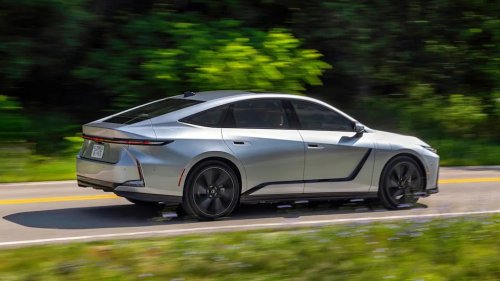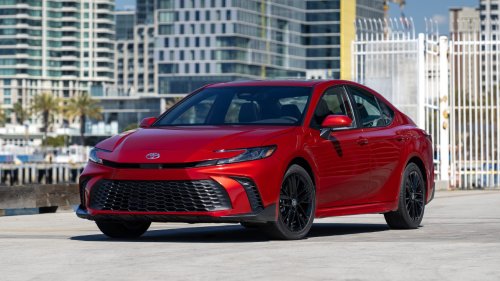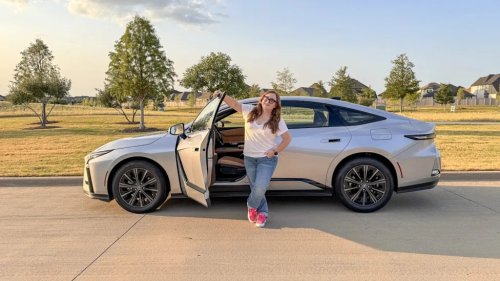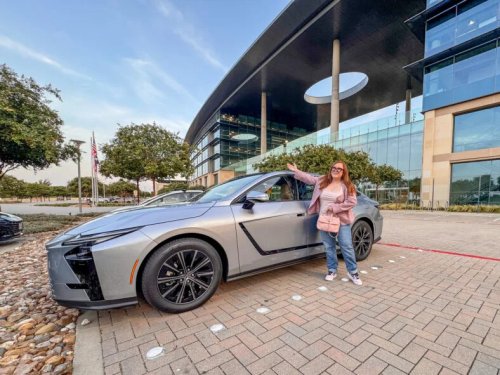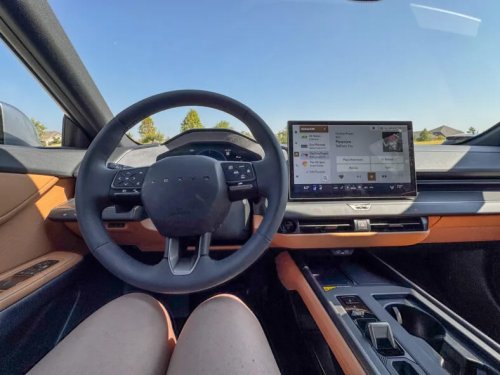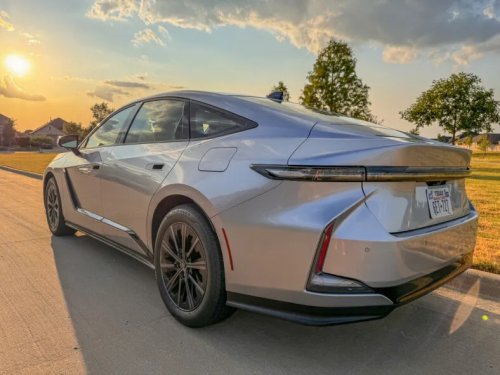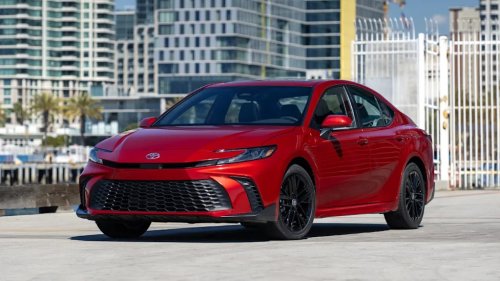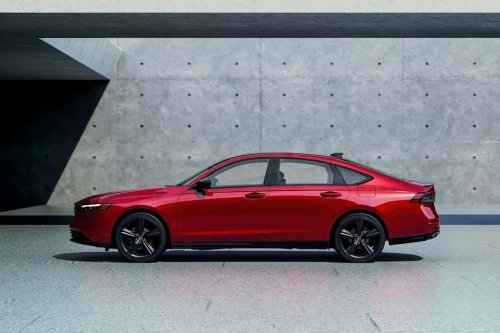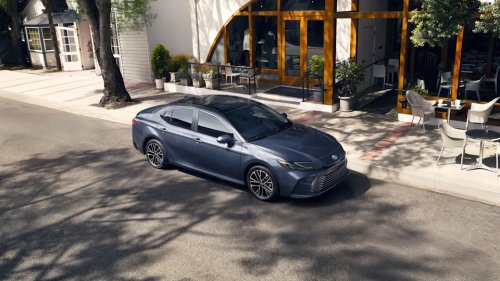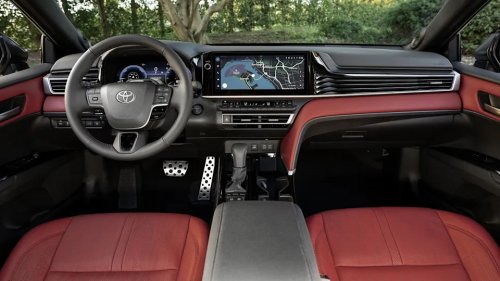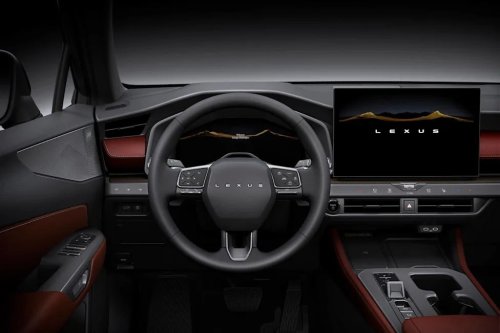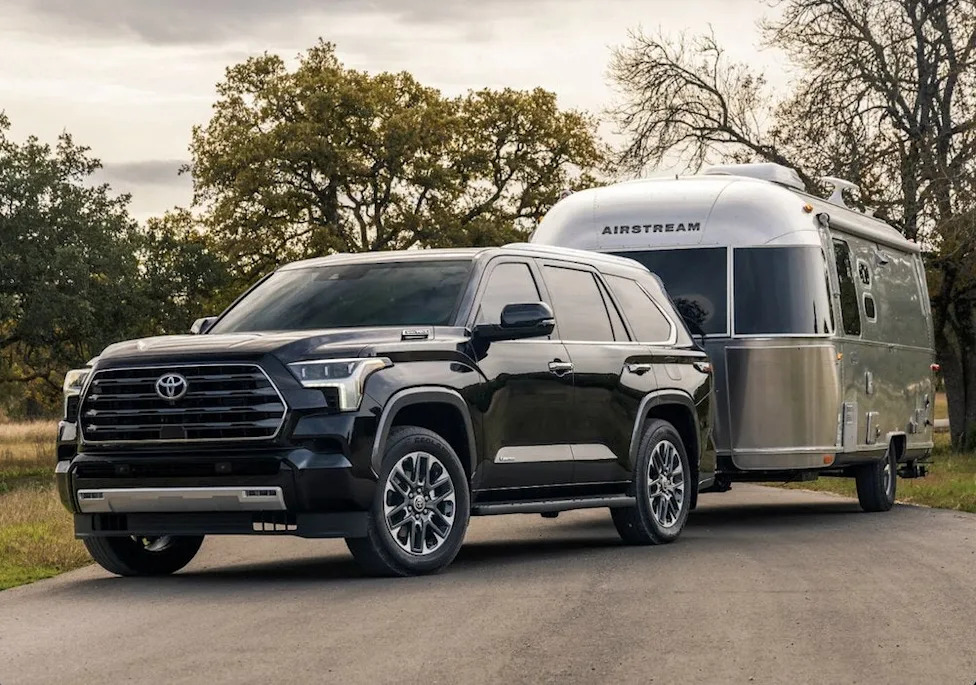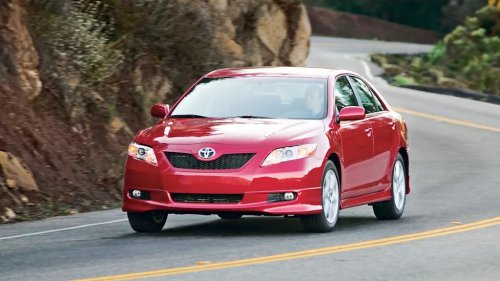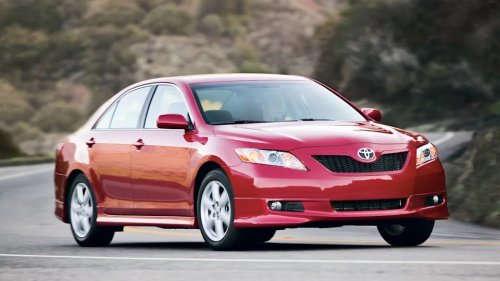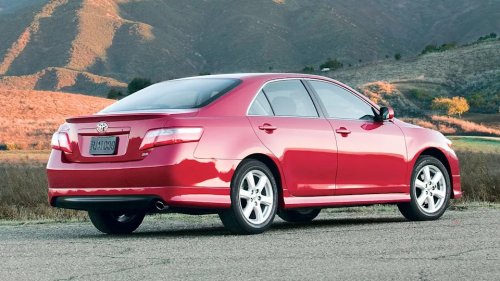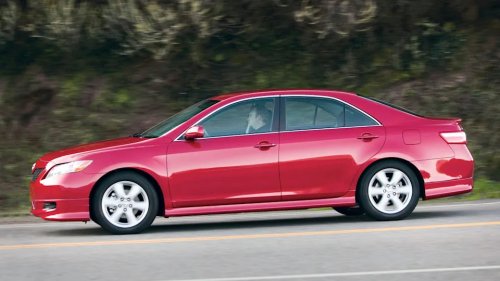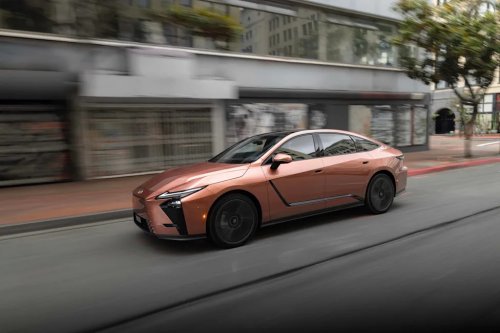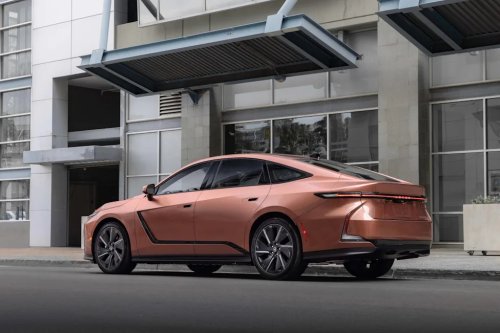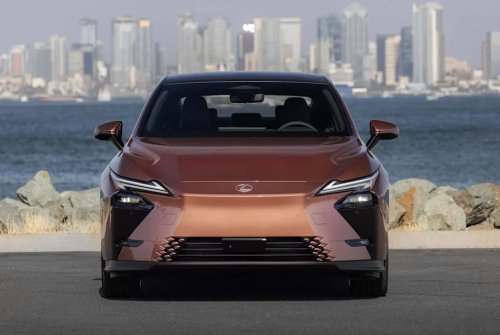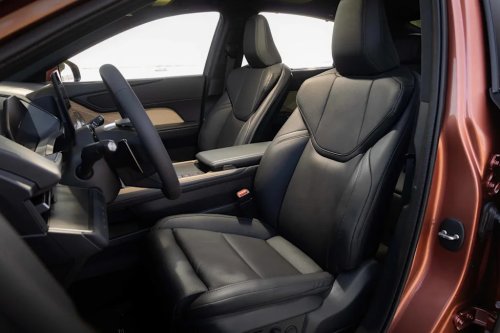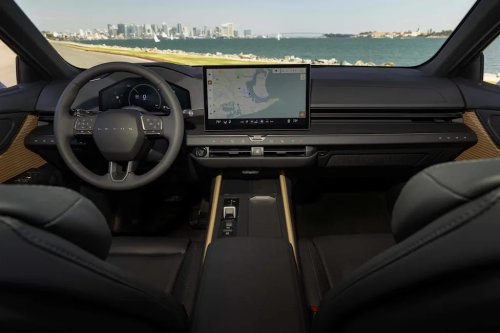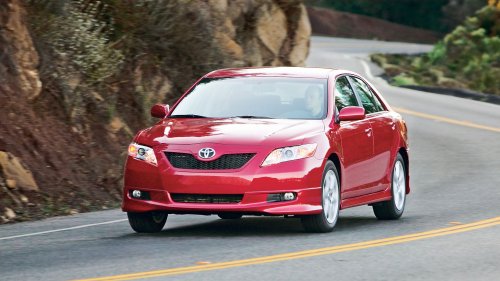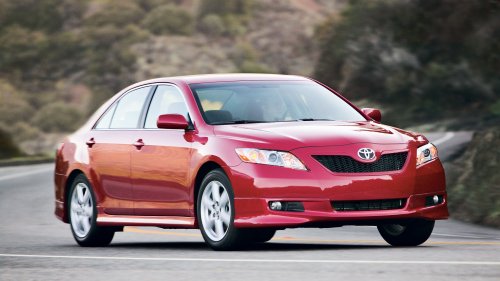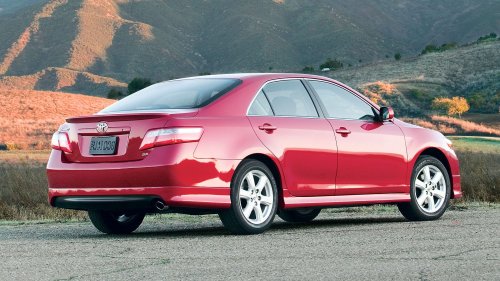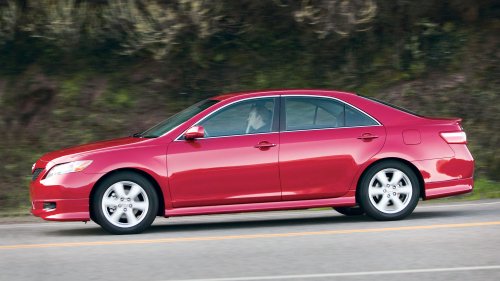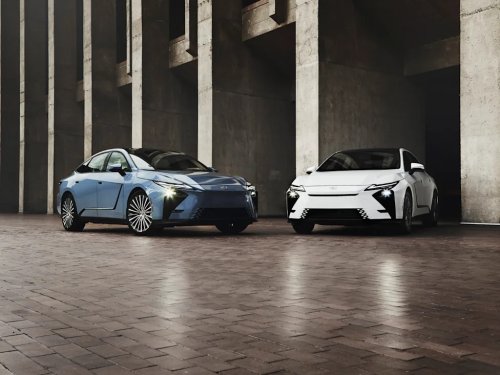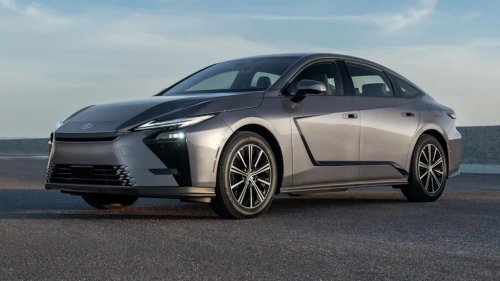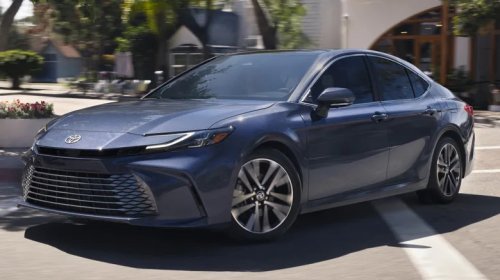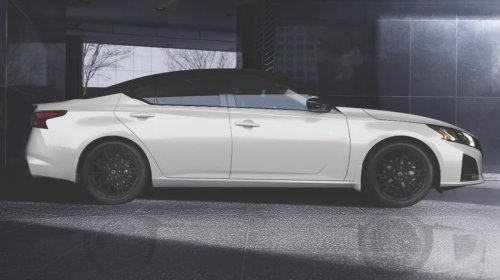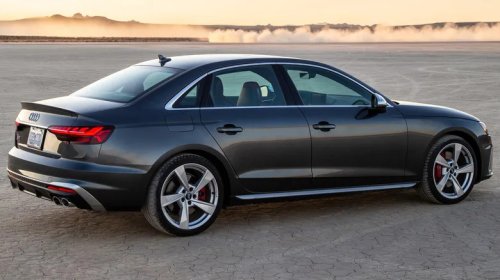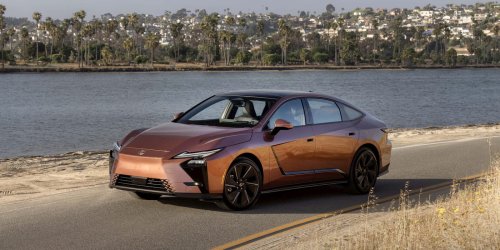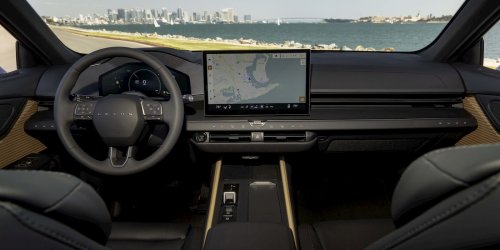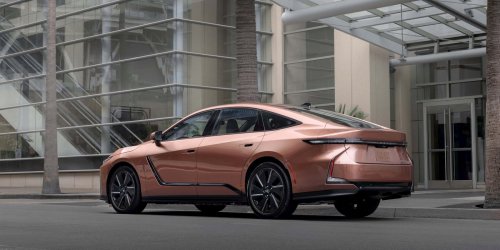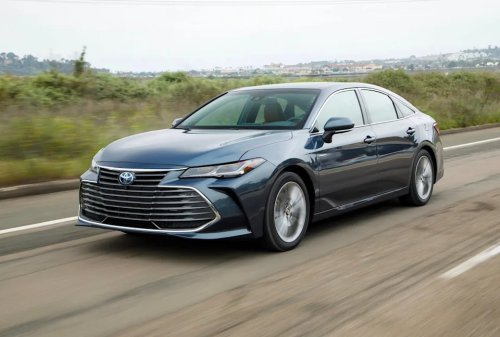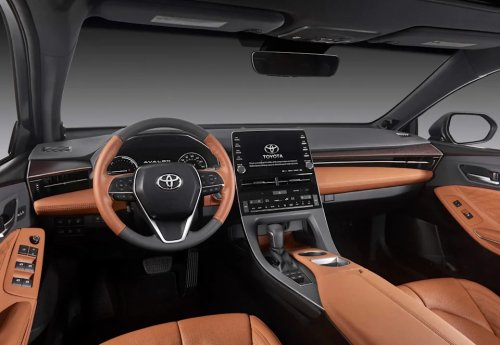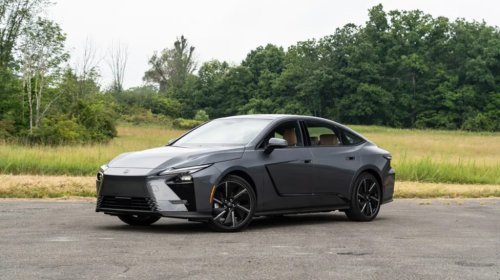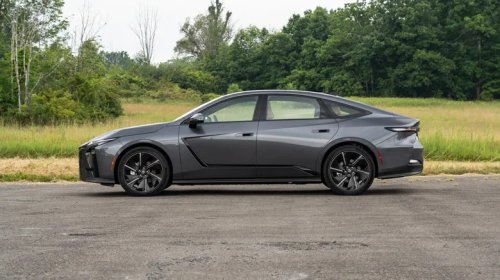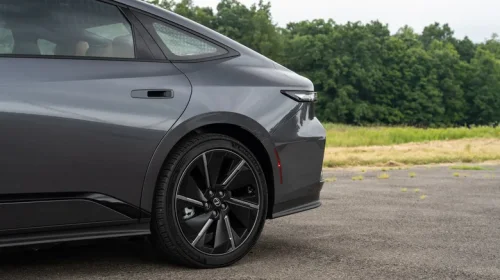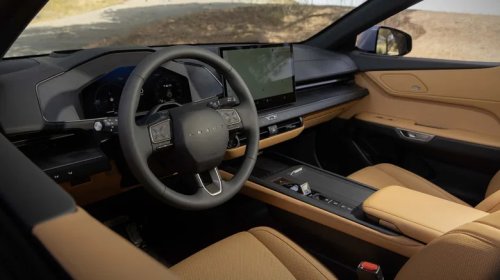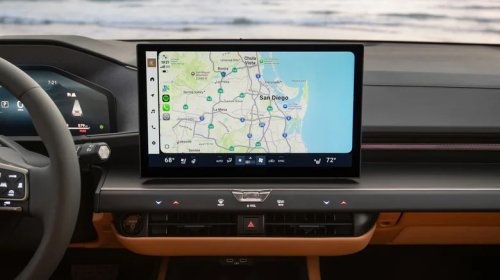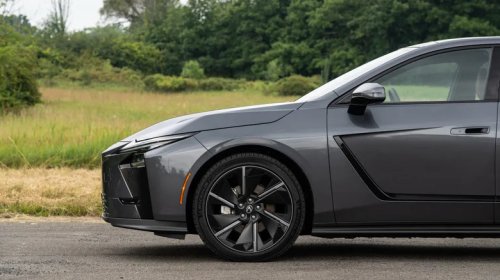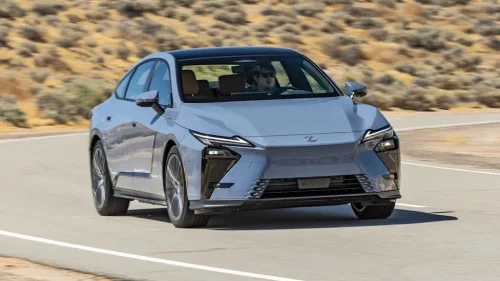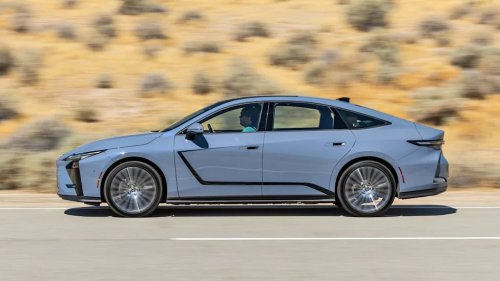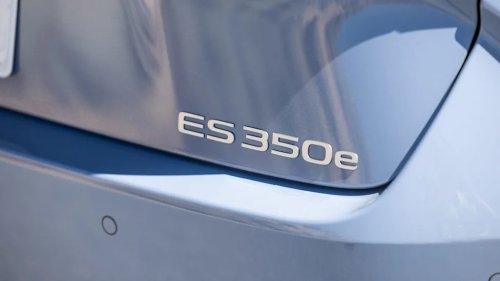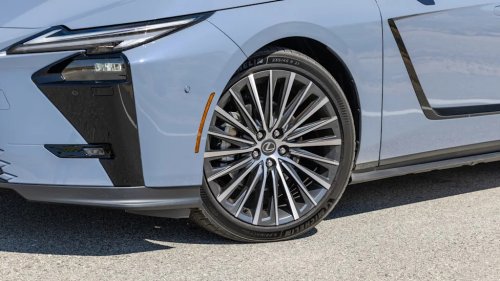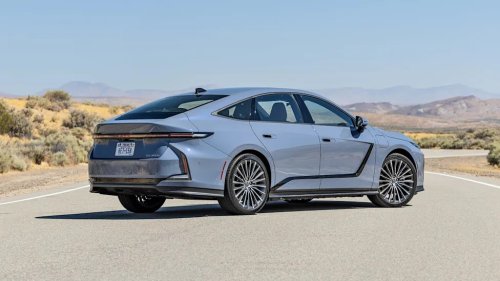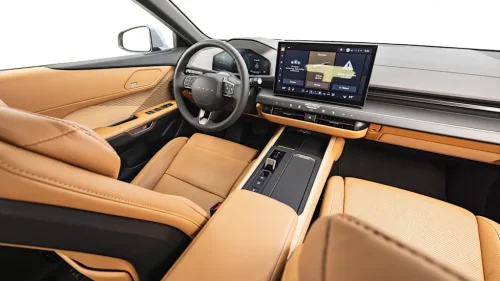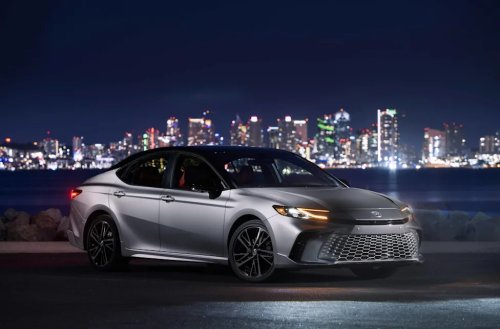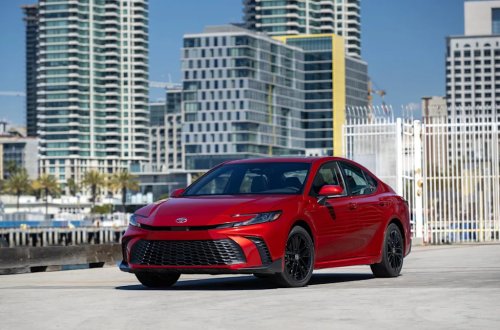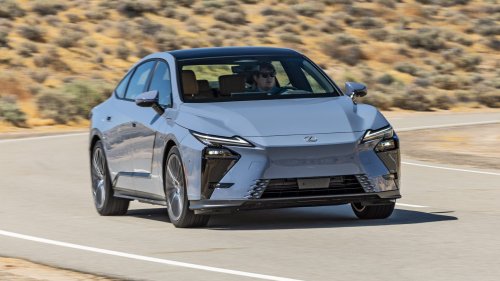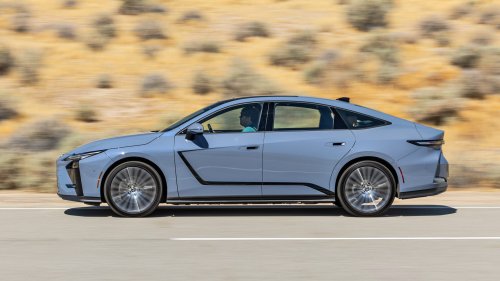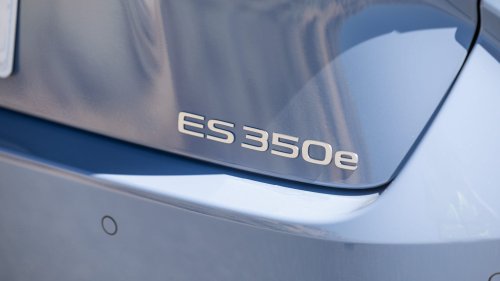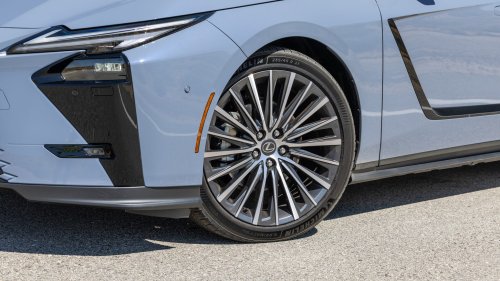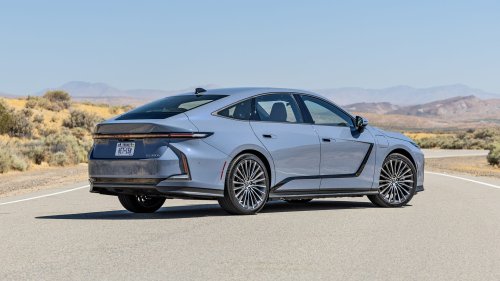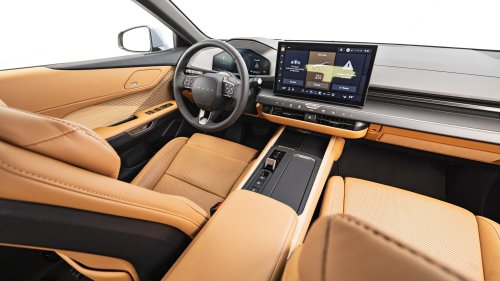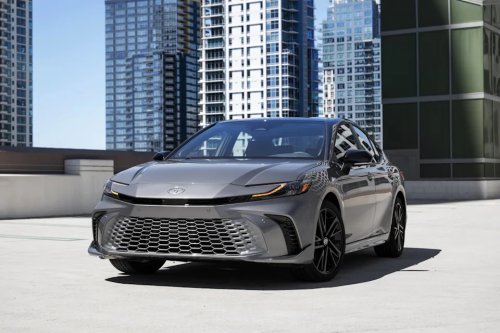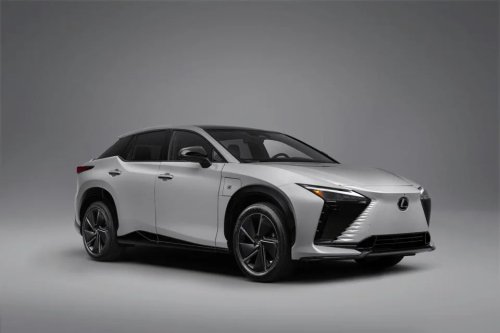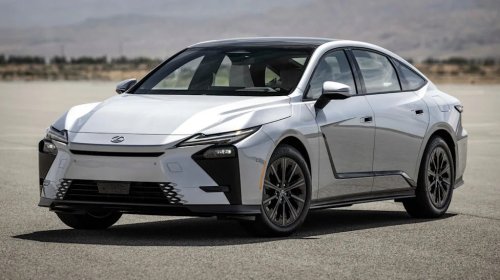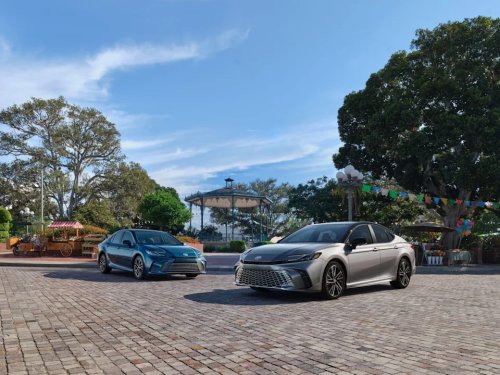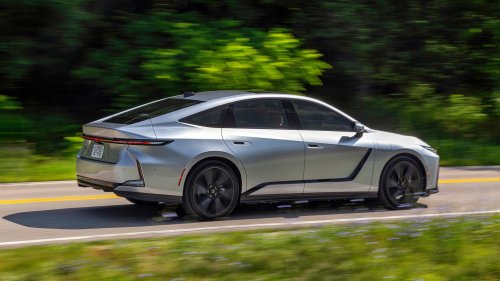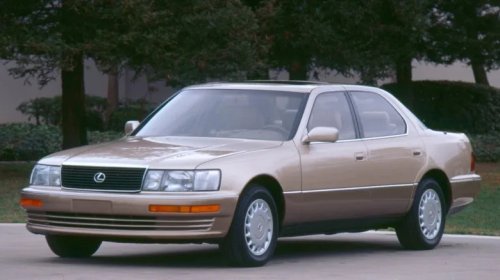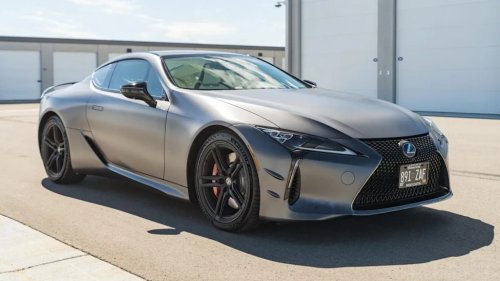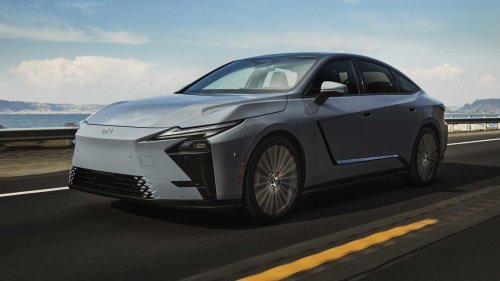
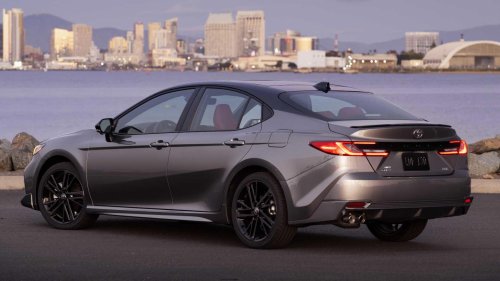
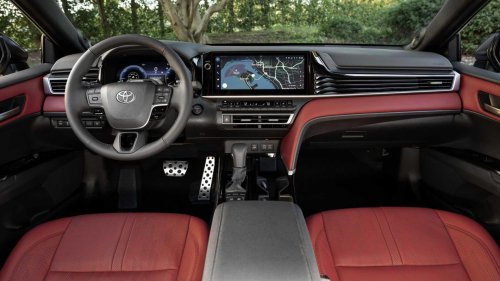
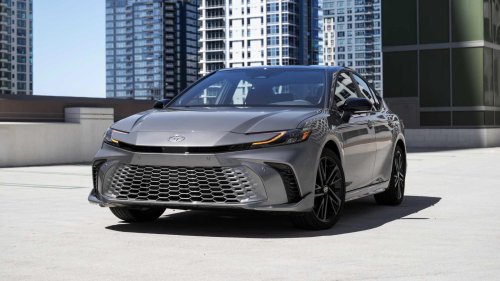
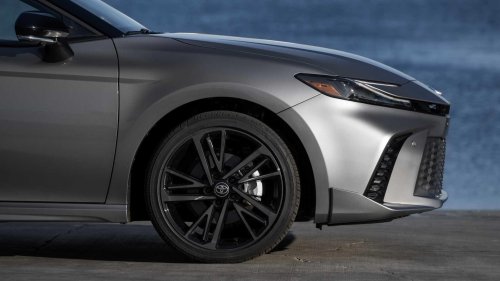
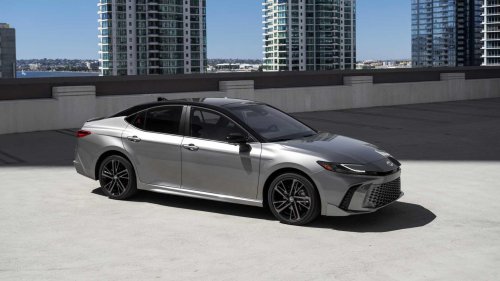



















A Lexus is "just a fancy Toyota," right? That's one way of putting it, but it is a little more nuanced than that. For instance, did you know that J.D. Power names Lexus as its most reliable brand, while Toyota ranks eighth most-reliable? Meanwhile, Toyota finished 2025 with four IIHS Top Safety Pick awards to just one for its luxury counterpart. So there's a little more to it than some leather seats and extra speaker.Still, there's enough overlap that choosing a Lexus, or its Toyota counterpart, can be tricky. We know that an all-new Lexus ES is most likely preferable to a 2026 Toyota Camry for a number of reasons, but what if we deck that Camry out at the top trim level, the XSE, and pack it with all the goodies? Let's dig in and compare. The Entry-Level ES Is Electric, But The Hybrid's On Its Way Lexus The 2026 Lexus ES will go on sale this year with an all-electric model, the 350e, to be followed by hybrid models later into the year. Believe it or not, the EV is actually the entry-level model, starting at $48,795, while the 350h starts at $50,995. The 350h Premium and the 350e Premium are the same trim with two different powertrains, and a $2,200 difference might not be enough to get you to ditch gas power altogether, so if you want to pretend the 350h is the actual base model, you can go ahead and do that.At present, Lexus has yet to release an official torque rating for the ES 350e. We've seen dealers listing the car at 300 lb-ft, which sounds reasonable for an electric sedan, but don't take that as an official number until you hear it from the horse's mouth.Each of these models offers its own advantages and disadvantages, but performance specs are close enough that you're probably not going to be making your purchasing decision based on horsepower or 0-60 times alone. But, the ES 350h will be available in front or all-wheel drive, while the XSE is AWD-only. So, point for Toyota. What Do You Get In A Fully-Loaded Toyota Camry? Toyota A 2026 Toyota Camry XSE with all-wheel drive starts at an MSRP of $37,025. The XSE trim level gets you some attractive features, including the following. Navigation system with voice command Wireless charging pad Safety Connect telematics Six-speaker audio Side mirror indicators Rear spoiler Leather seats Tallying Up All The Extras Toyota If we're going fully-loaded, we'll start with the $4,760 Premium Plus package, which adds the following. Panoramic glass roof 9-speaker JBL audio Ventilated front seats 10-inch head-up display Digital key capability Rain-sensing windshield wipers Driver's seat and outer-mirror memory Traffic jam assist Front cross-traffic alert Lane change assist Panoramic view monitor Front and rear parking assist Rear cross-traffic braking Driver monitor camera We can go with the free color options, inside and out, but we can't call it fully-loaded without all the other options thrown in. Here's what that entails. Cargo net - $59 Phone cable charge package - $79 Dashcam - $529 First-aid kit - $29 Emergency assistance kit - $89 Illuminated front door sills - $549 Smart LED ambient lighting - $499 Black emblem overlays - $179 Mudguards - $219 All weather mats with all weather trunk mats - $449 Multimedia screen protector - $129 Paint protection film, hood and door $698 This brings our total up to $46,452. You Get More Stuff For Less Money In A Fully-Loaded Camry Toyota We're still waiting for full details regarding features and options in the 2026 Lexus ES, and we know it'll be a big improvement over the 2025 model, but we can confidentially say that a fully-loaded Camry XSE outshines an entry-level 2025 Lexus ES, and will likely outshine the 2026 model when it comes to what you're getting for the price, with a fully-loaded Camry XSE coming in $2,343 cheaper than an entry-level ES.The 2025 ES includes a panoramic view monitor, a power moonroof, and Lexus Safety System+ 2.5, which won't leave you wanting for any driver-assistance features. But you'll have to pay extra for leather seats, all-wheel drive, rain-sensing windshield wipers, a wireless charging pad, navigation, and premium audio.On the other hand, what we've seen of the cabin in the all-new Lexus ES is the embodiment of class, with elegant 3D-printed bamboo details, a 14-inch touchscreen, and pleasing, high-end, soft-touch textures wherever you care to rest your hand. Comparing a Lexus to a Camry is proof enough that there's more to luxury than a long list of creature comforts. The Camry Comes With A Lower Cost Of Ownership Toyota If we check in with RepairPal for typical annual maintenance costs for both of these cars, and CarEdge for a ten-year estimate, here's what we get.Note that these numbers are for the current ES 350, and we won't know what the new electric Lexus ES costs to maintain until it's been on the road for a while, and we see what a typical repair bill looks like. But, it tracks as a general rule that a luxury car will cost more to maintain than its downmarket counterpart, even if it sees fewer mechanical malfunctions, simply because of the cost of premium parts and specialized labor.The Camry XSE and Lexus ES 350h are each estimated to deliver a combined 44 mpg, which the EPA puts at $1,000 a year in fuel costs, assuming 15,000 miles, split 45/55 between highway and city driving. We're still waiting on estimates for the 350e, but a comparable powertrain in the Lexus RZ 300e averages just $600 a year in charging costs.Finally, a Camry is going to be cheaper to insure, with CarEdge estimating an annual cost of $2,039 a year, to $3,033 for an entry-level Lexus ES hybrid. The Camry Will Likely Save You At Least $600 A Year These are very rough estimates, because there's a lot of data we won't have available to us until the new ES is actually on the market, but, based on what we know right now, we would expect the ballpark figures to look something like this.An electric Lexus can be expected to offset some of its higher maintenance and insurance costs that come with owning a luxury car, thanks to the fact that you're not paying for gasoline. But, no matter how you crunch the numbers, a fully-loaded Camry is going to be cheaper to own than an entry-level Lexus ES. A Fully-Loaded Camry Is A More Practical Buy, But It's Not A Lexus Toyota On paper, a fully-loaded Camry XSE with the works makes a lot more sense than a brand-new Lexus ES. You get more features, you spend less at the dealer, and you spend less on maintenance and insurance.That being said, "more features" doesn't necessarily mean "more luxurious." Lexus are built to a higher standard of quality, they feature better-quality materials, and they're intended to deliver a more satisfying experience on the road, whether you're sitting behind the wheel or riding shotgun.Additionally, there's something to be said about Lexus' push to make luxury EVs more accessible. With an MSRP starting below $50,000, the new ES is undercutting leading luxury EVs like the $105,700 BMW i7, and the $74,900 Mercedes-Benz EQE sedan, by tens of thousands of dollars. A 221-hp powertrain might not be a match for the EQE's 315 horses, but it's plenty for an entry-level electric sedan.This is all to say that we could go either way, but, pragmatically speaking, the Camry XSE is the clear winner.