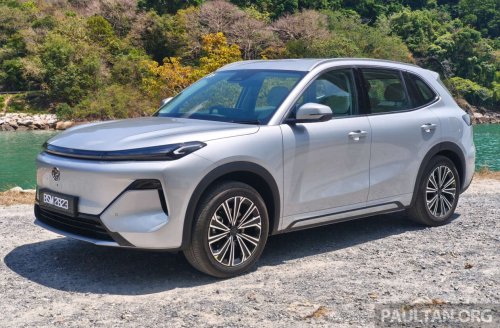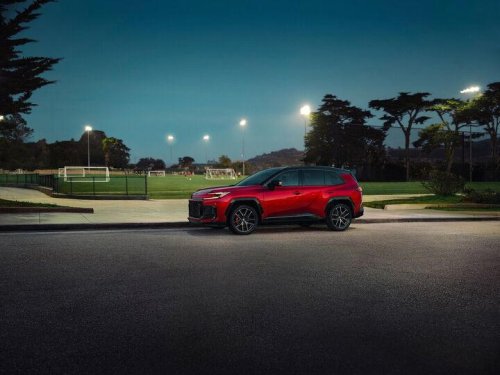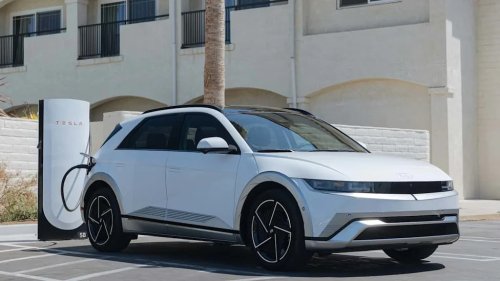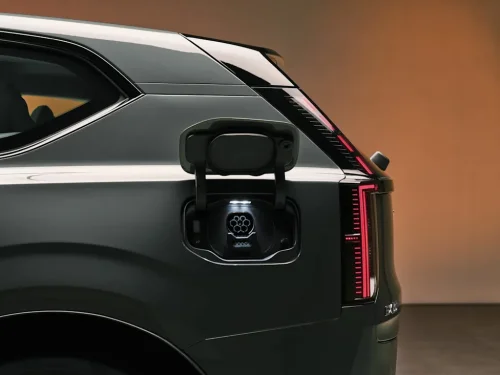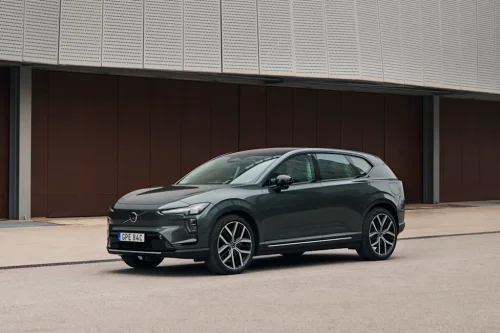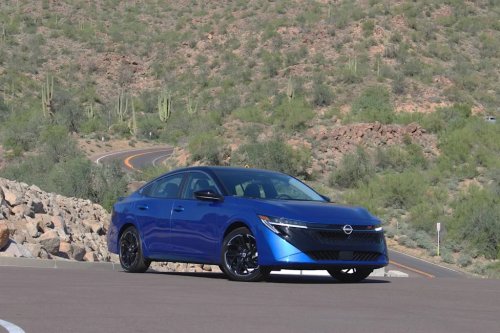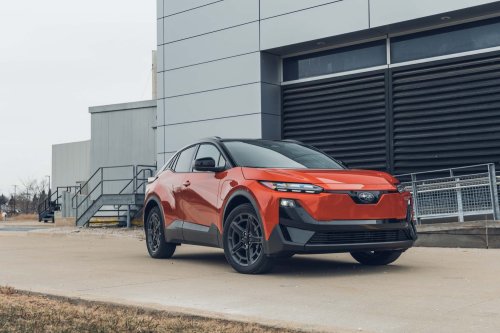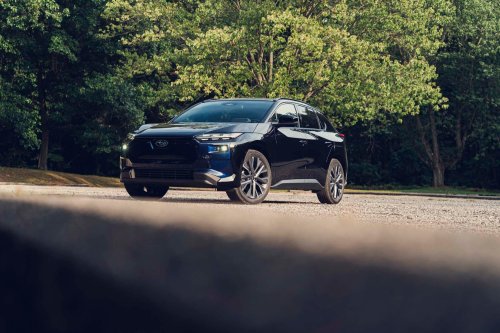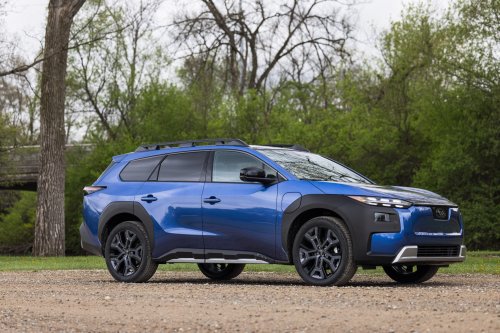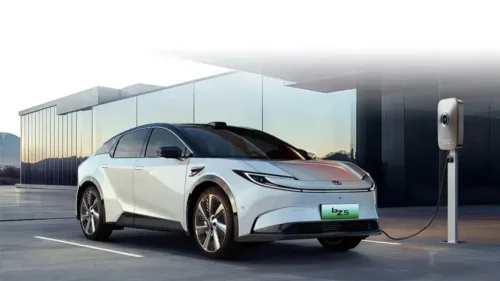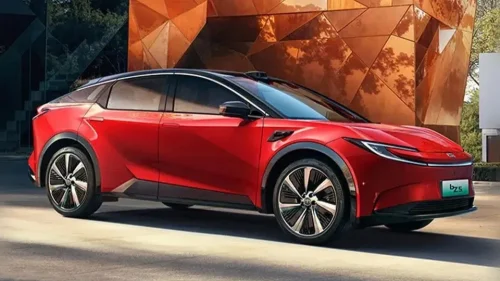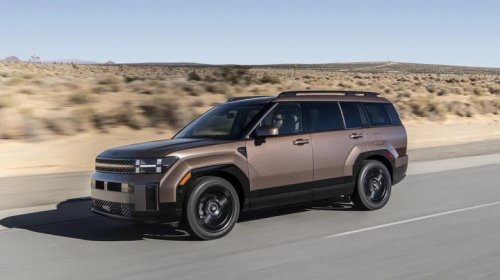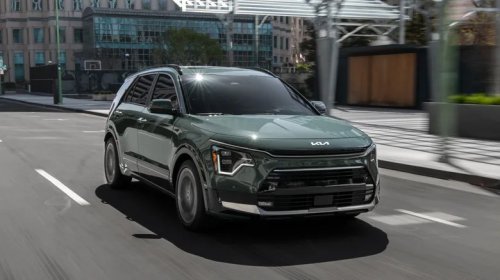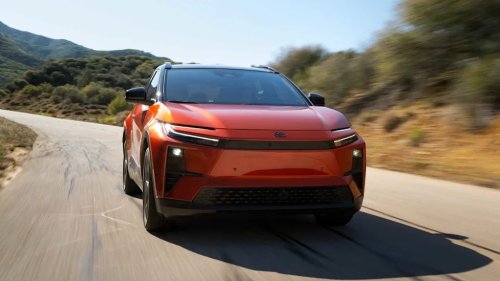
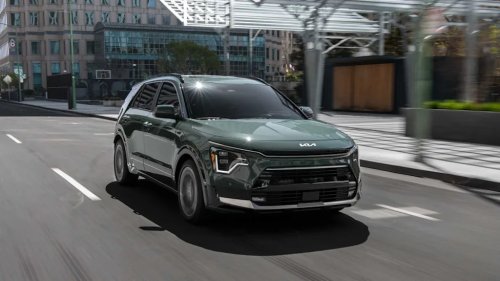
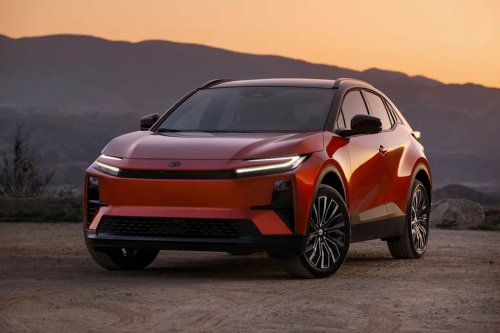
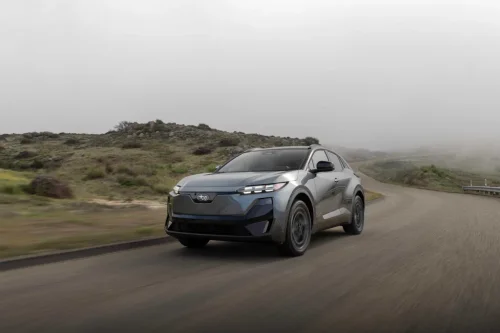
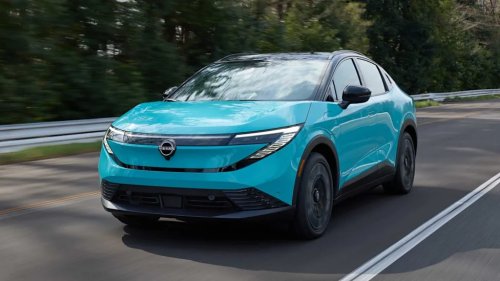
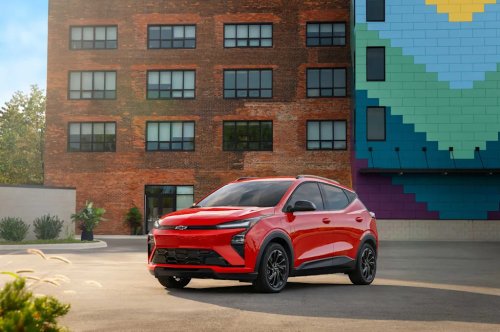



















ToyotaElectric vehicles used to come with one major compromise: affordability. If you wanted to stop paying for gas, you often had to accept a much higher monthly payment in return. That gap is finally starting to close, with a growing number of electric crossovers now landing comfortably below the $40,000 mark while still offering solid range, modern tech, and everyday practicality.Affordable EVs have also become far more competitive in the last few years. Buyers no longer have to settle for stripped-out commuters with limited range and awkward styling. The latest crop of electric crossovers delivers quick acceleration, comfortable cabins, useful cargo space, and enough driving range to work as genuine daily drivers. These models prove that going electric is becoming more accessible than ever without forcing buyers to spend luxury-car money.In order to give you the most up-to-date and accurate information possible, the data used to compile this article was sourced from various manufacturer websites and other authoritative sources, such as the EPA. Models in this list are ranked based on their starting MSRP, from most expensive to most affordable.2026 Kia Niro EVStarting MSRP: $39,700Front 3/4 shot of a 2026 Kia NiroThere is a lot of new competition in the electric subcompact SUV segment, but the Kia Niro has been around for a while. It really sits on the edge of the segment, with dimensions that come close to putting it up against compact EVs instead. This means that it is more spacious and more practical on the inside than some of its rivals on this list.Performance, efficiency, and rangeAs standard, the Niro comes in one setup, with a single motor sending power to the front wheels. It makes 201 horsepower and gets the little crossover up to 60 miles per hour in as little as 6.7 seconds. It isn't the livliest option, but its ride quality and noise insulation make it feel fairly premium. The Niro gets a humble 64.8-kWh battery pack that will get you around 253 miles before you have to recharge.ProsGood curb appealTons of standard featuresExtremely practicalConsBattery is a little too smallUnexciting accelerationLow-rent materials throughout the cabin2026 Toyota C-HRStarting MSRP: $37,0002026 Toyota C-HR XSE in the Tandoori exterior color parked against a scenic hillside (5)Toyota's C-HR was originally a quirky little gas-powered crossover that was discontinued after the 2022 model year. After a short hiatus, Toyota has brought the nameplate back, but this time it's attached to an EV. It sports a lot of the Japanese brand's new design language, but still retains the sleek and sporty looks that helped the original C-HR stand out.Performance, efficiency, and rangeUnlike some of the other affordable electric crossovers on the market, the C-HR comes standard with all-wheel drive. This means it has two electric motors, one powering each axle, for a combined output of 338 horsepower. That's 137 more horses than the Kia Niro. It is capable of shooting up to 60 miles per hour in as little as 4.9 seconds. All this, and it gets up to 287 miles on a single charge.ProsStandard all-wheel driveLooks fantasticQuick off the lineConsYou can feel its weight all the timeTakes a while to chargeRear seats are not the most comfortable2025 Subaru UnchartedStarting MSRP: $34,9952026 Subaru UnchartedDeveloped jointly with the Subaru C-HR, the Uncharted is yet another step for Subaru into the realms of electric vehicles. The Japanese automaker is hoping that EVs are the answer to their recent sales woes. Unlike Toyota, though, Subaru offers a less-powerful entry-level model, which is why it starts quite a bit cheaper than the C-HR.Performance, efficiency, and rangeSport and GT trims share the exact same setup as the Toyota C-HR, with two motors, all-wheel drive, and 338 horsepower. Subaru, however, offers a 221 horsepower, single motor, front-wheel drive model. You can expect the same 287 miles from the all-wheel drive models, but the front-wheel drive base model is rated for 308 miles on a single charge.ProsVery comfortable rideGreat accelerationAffordable FWD modelConsLooks far more rugged than it really isSubaru didn't deviate from the C-HR's styling all that muchSame awful rear seats2026 Nissan LeafStarting MSRP: $29,990Front 3/4 shot of a 2026 Nissan LeafAdvertisementAdvertisementThe Nissan Leaf has long been a bastion for affordable electric cars. What made the outgoing model so successful was that it was extremely simple and very affordable. The newest update has turned the little Leaf into a small crossover, giving it some added practicality, but keeping true to the ingredients that helped make the nameplate what it is today.Performance, efficiency, and rangeEvery 2026 Nissan Leaf comes equipped with a single motor which sends power to the front wheels. It makes 214 horsepower and gets up to 60 in around 6.9 seconds. That might not be super impressive by EV standard, but there are few gas-powered SUVs under $30,000 that can get going that quickly. Every model gets a 75-kWh battery pack, which is good for between 256 miles and 303 miles of range, depending on which trim you opt for.ProsMuch better range compared to the outgoing modelVery refined ride qualityLooks fairly premium insideConsMediocre acceleration for an EVNo optional all-wheel driveSnooze-worthy driving dynamics2027 Chevrolet BoltStarting MSRP: $27,600Chevrolet Bolt 2027 DriverFrontAfter being discontinued back in 2023, the Bolt is finally back. It dethrones the Nissan Leaf as the most affordable new electric car on the market, and it does so by a relatively large margin. The Bolt isn't going to blow you away with a luxury cabin or gimmicky features, but it will impress you with its practicality and range, especially at this price point.Performance, efficiency, and rangeThe Bolt takes its setup straight from the Equinox EV. This means you get a single 210-horsepower motor that sends power to the front wheels. This isn't much more than the 200 horsepower the old Bolt had, but it is more efficient. You get a 65-kWh battery pack in the Bolt that is good for up to 262 miles on a single charge. The little EV is also capable of using Tesla Superchargers without an adapter.ProsPractical and spacious insideCharges quicker than you'd expectPlayful handlingConsA little down on rangeNot the most interesting car to look atSome low-rent materials used throughoutGas is expensive, but these EVs aren'tGas prices are still on the rise, with the national average sitting at above $4.50 at the time of writing this article. Owning a gas-powered car is becoming an expensive ordeal. Previously, the high purchase price of EVs meant that savings were minimal, but the above models show that more and more affordable electric vehicles are hitting the market. Going electric is becoming more and more accessible, and your savings only grow as the gas prices steepens.