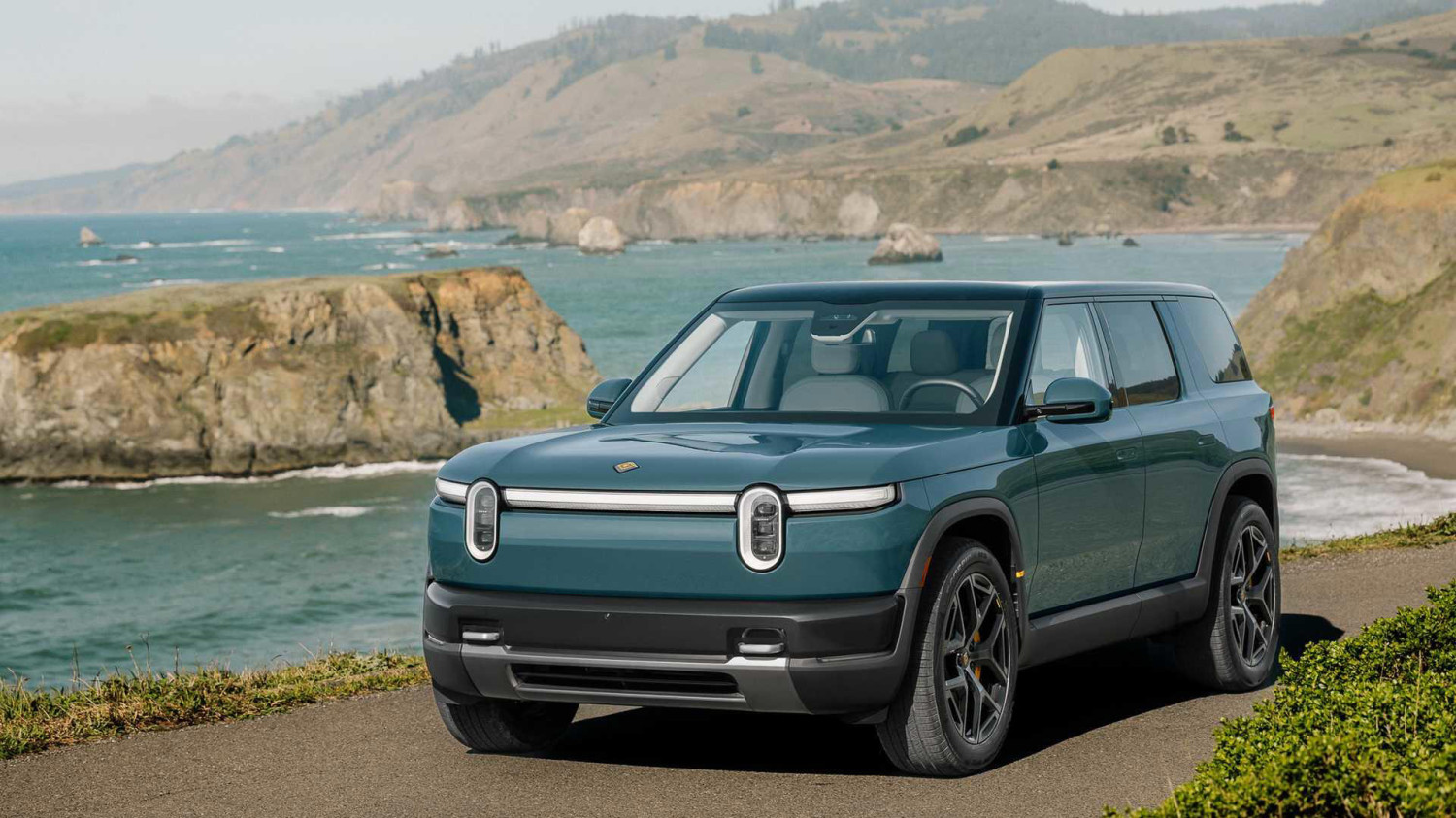
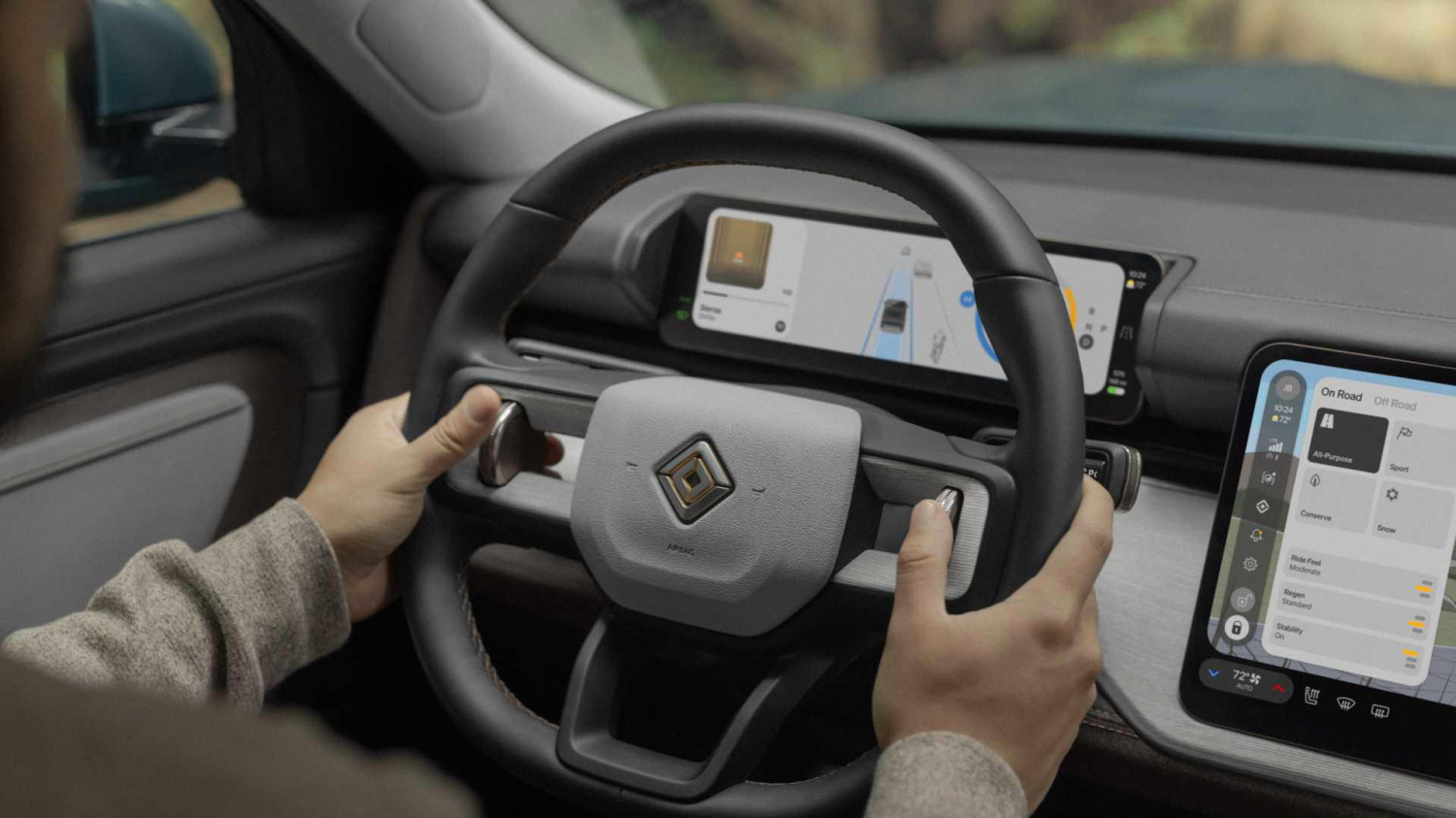
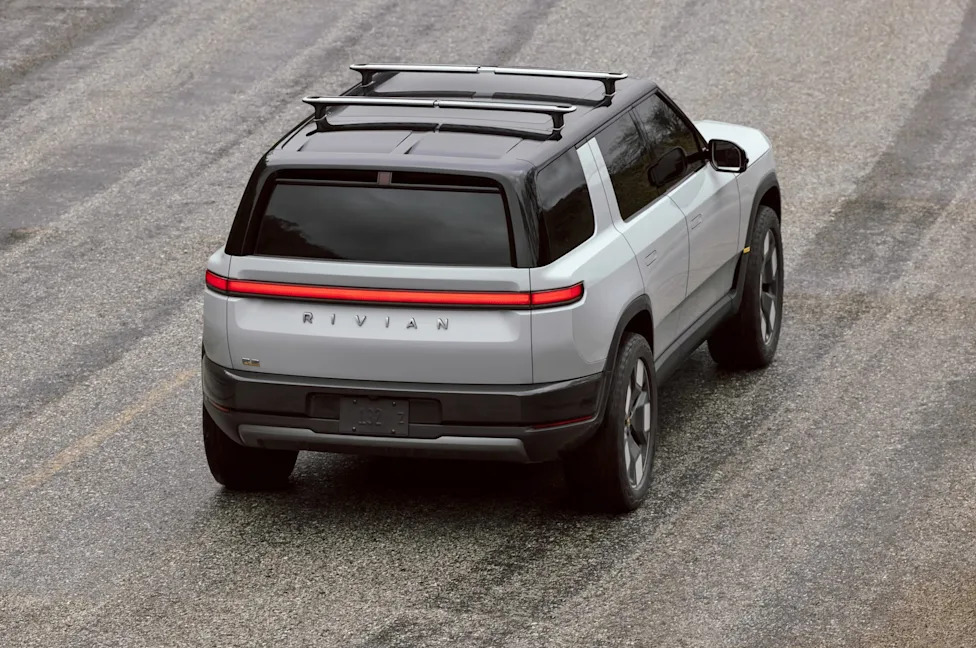
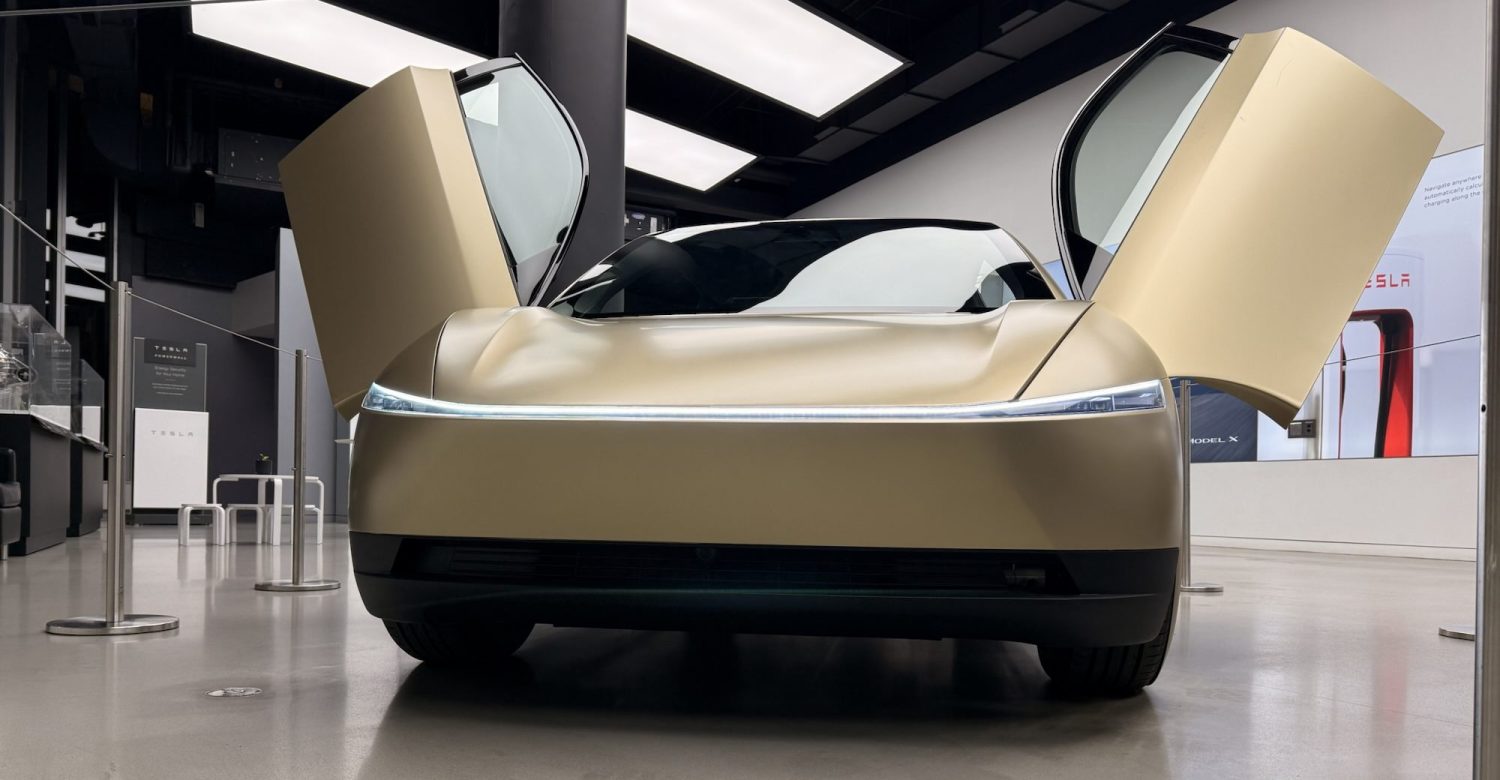
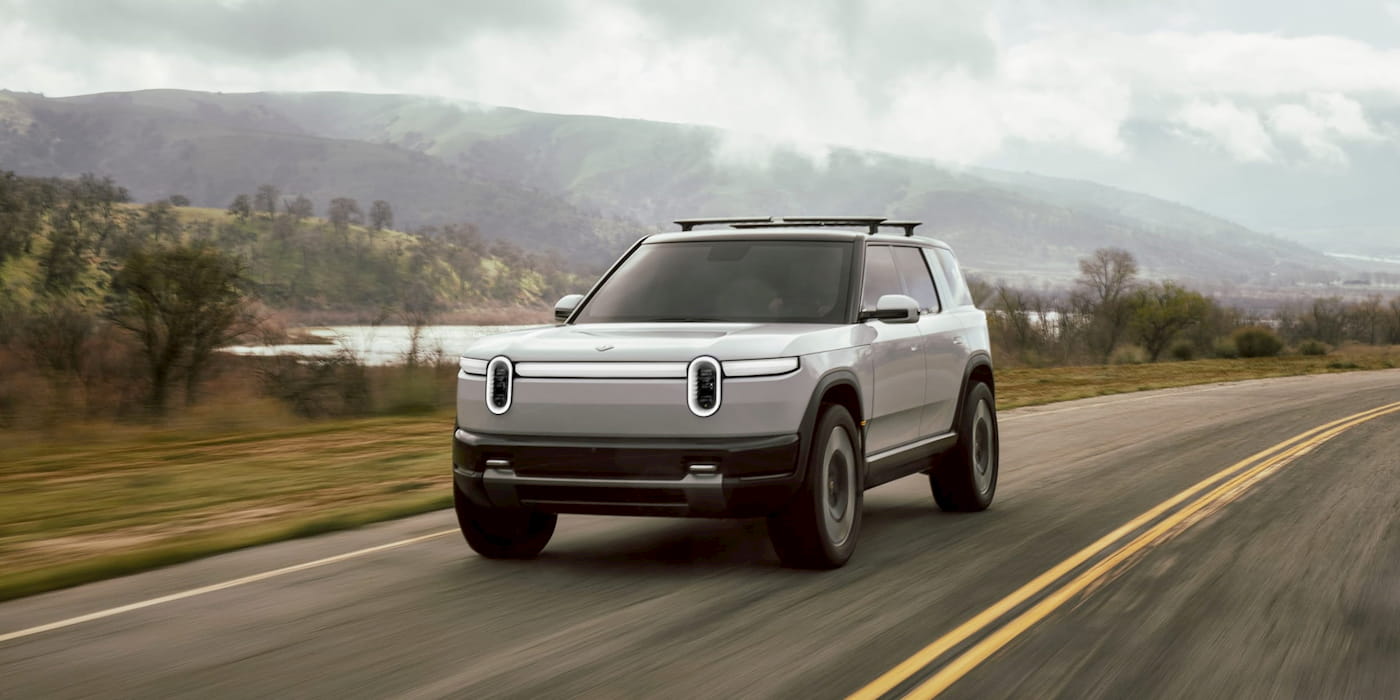
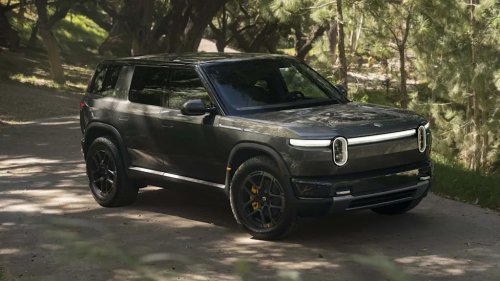
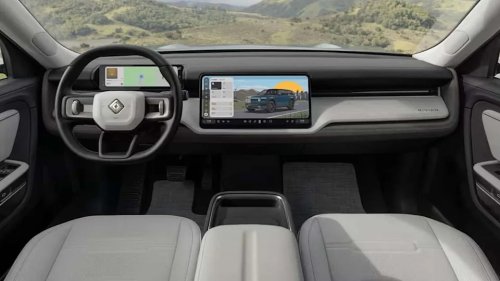
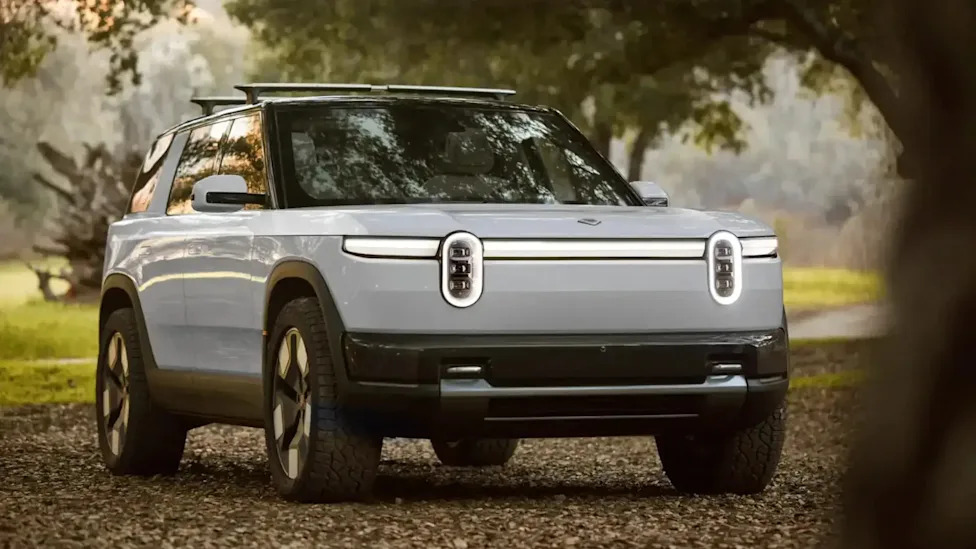
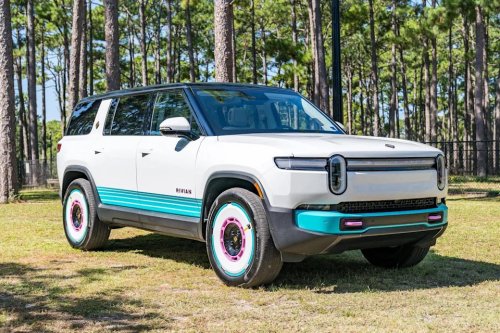
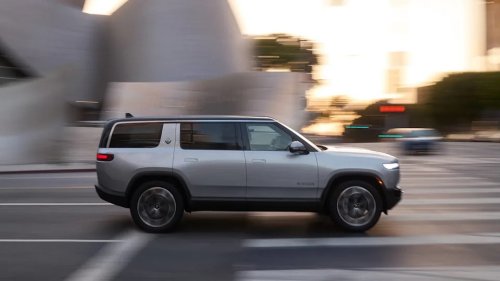
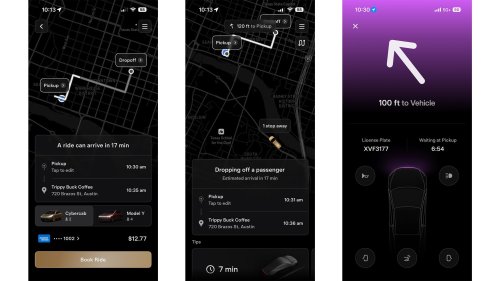
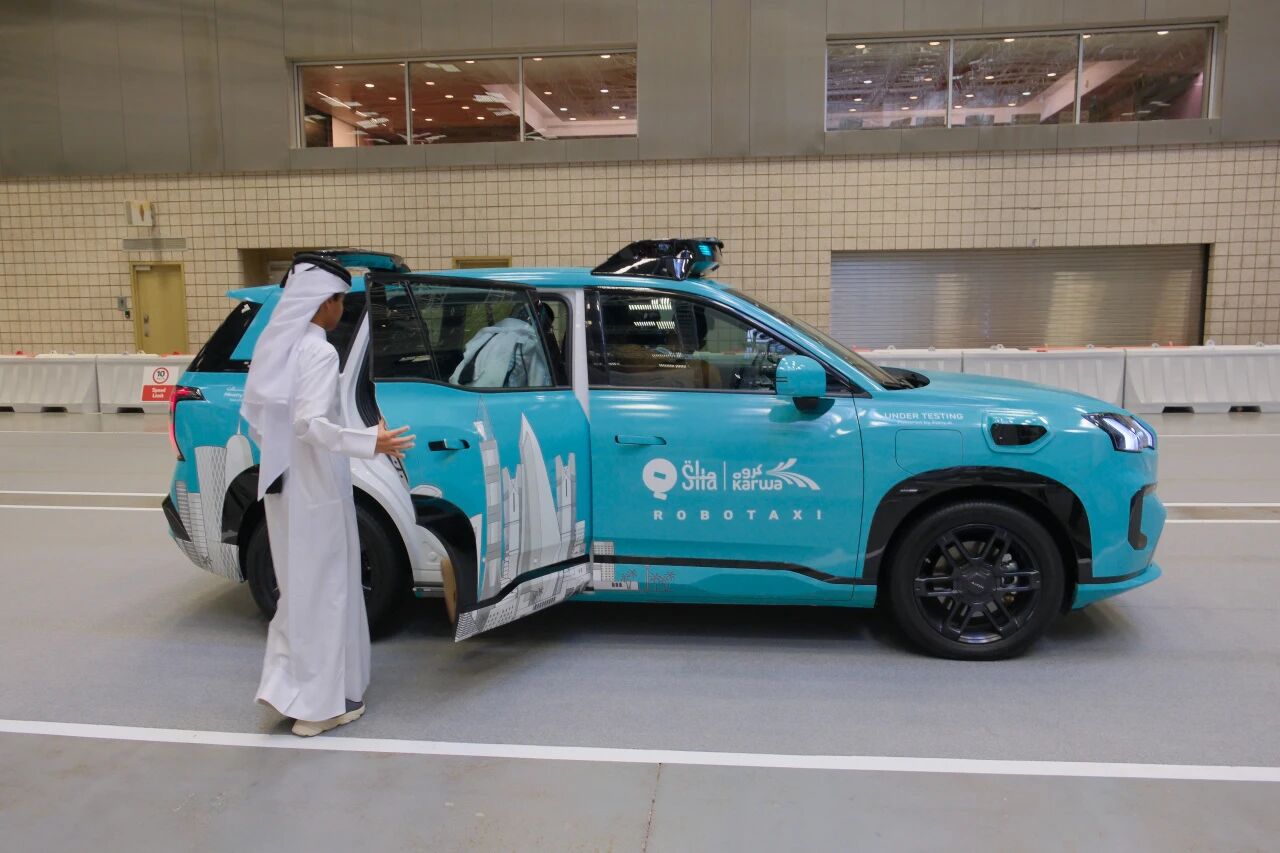
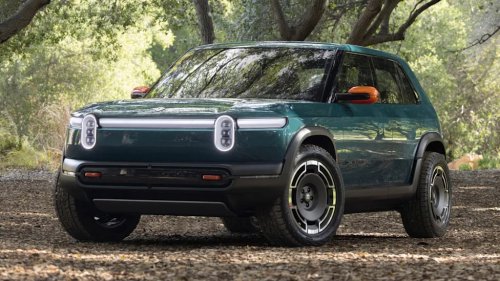
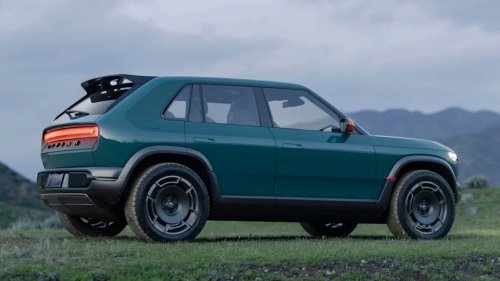
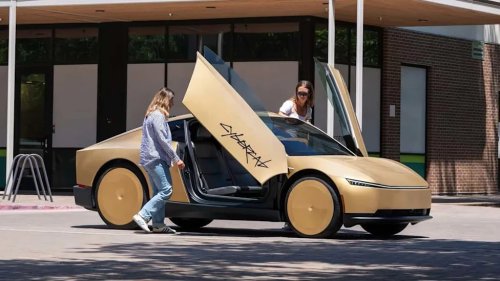
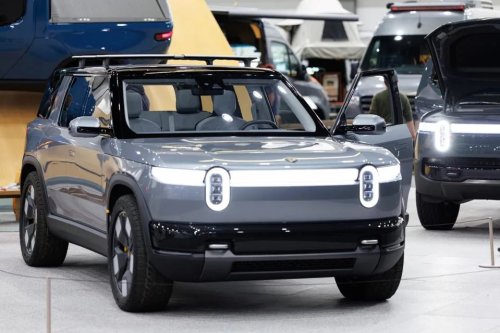
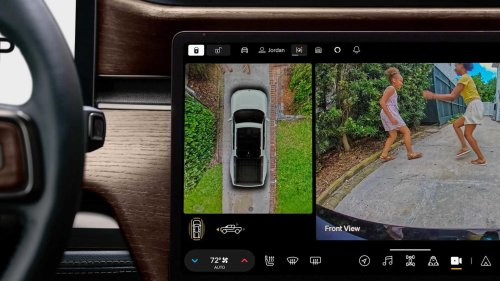
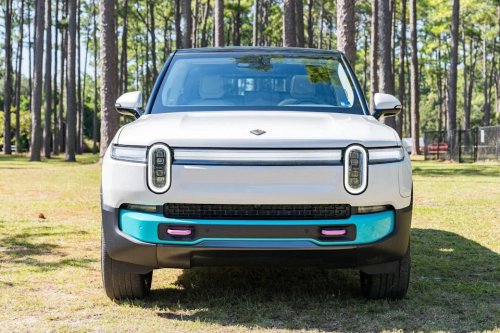
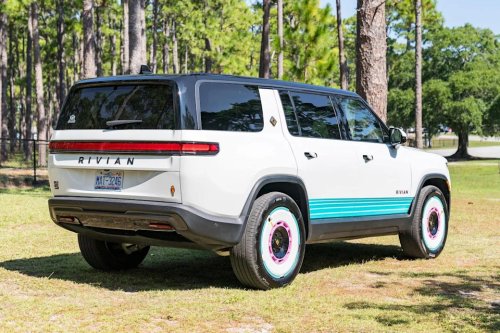
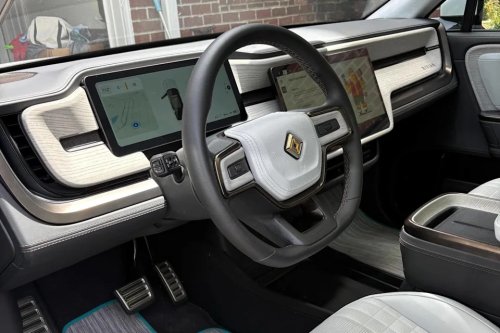
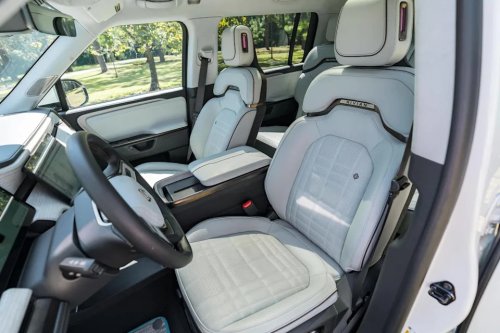
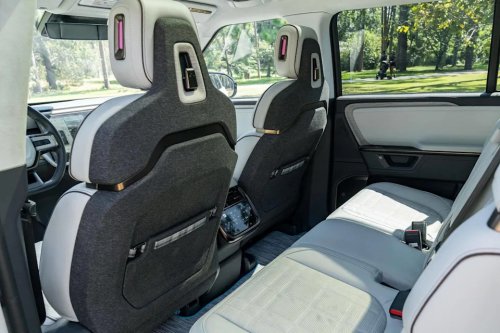
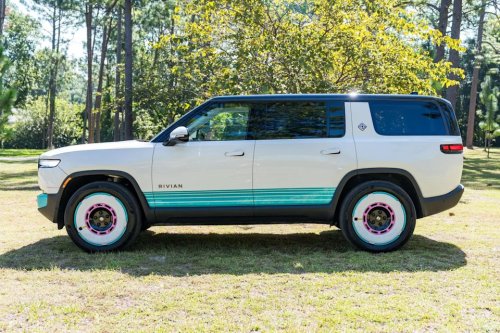
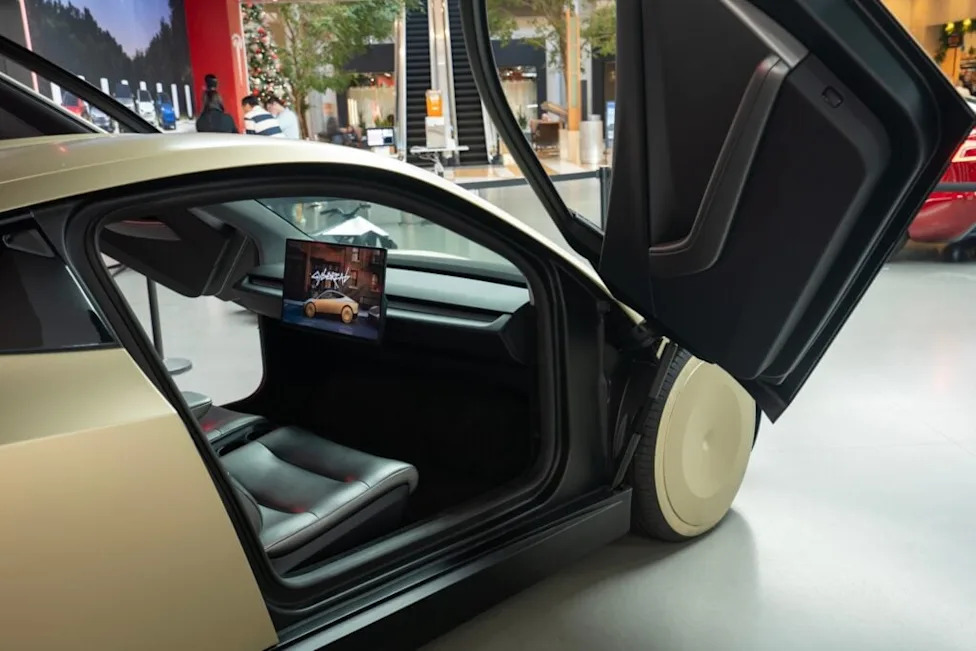
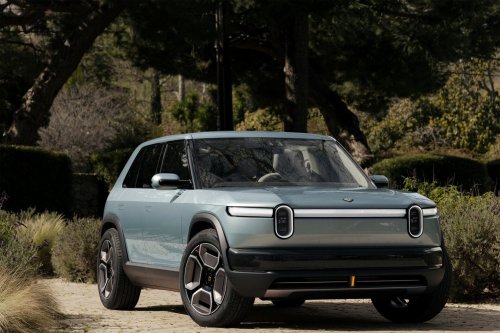
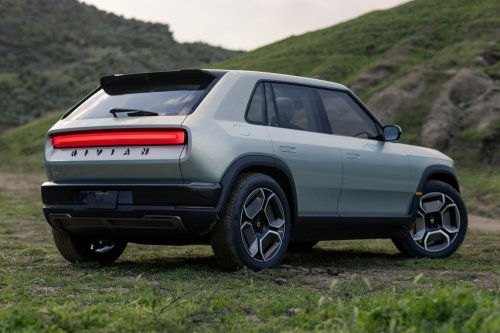
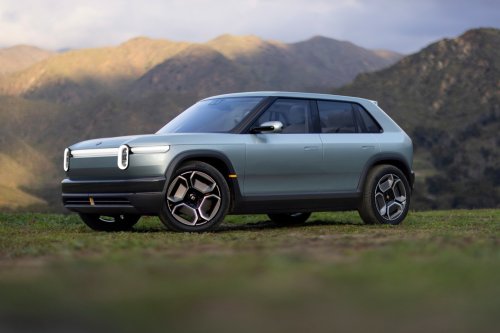
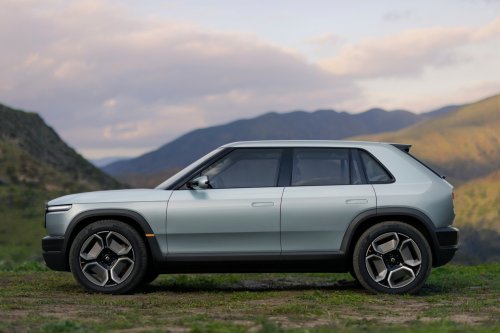
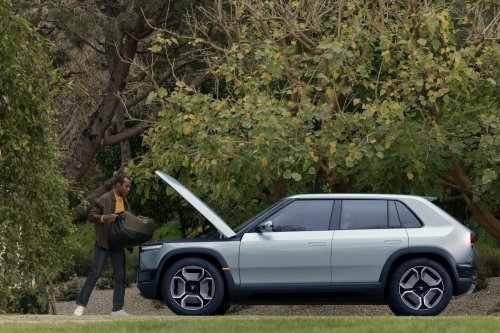
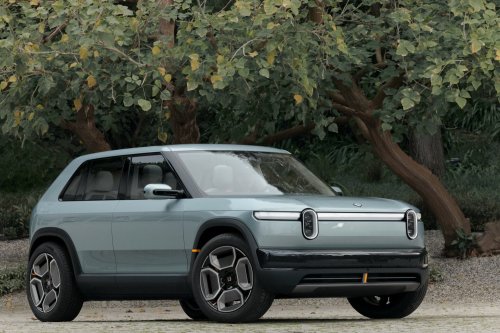
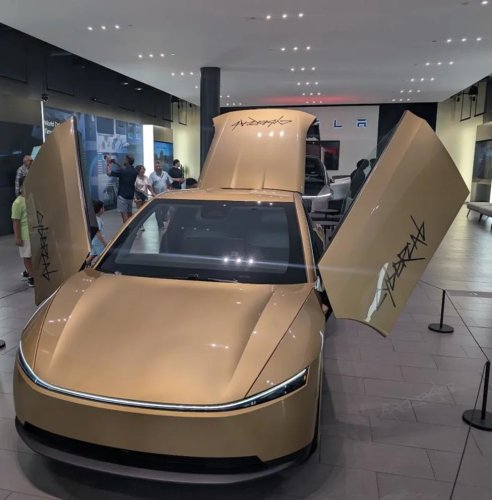
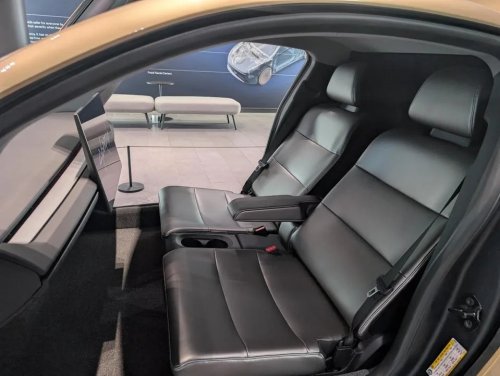
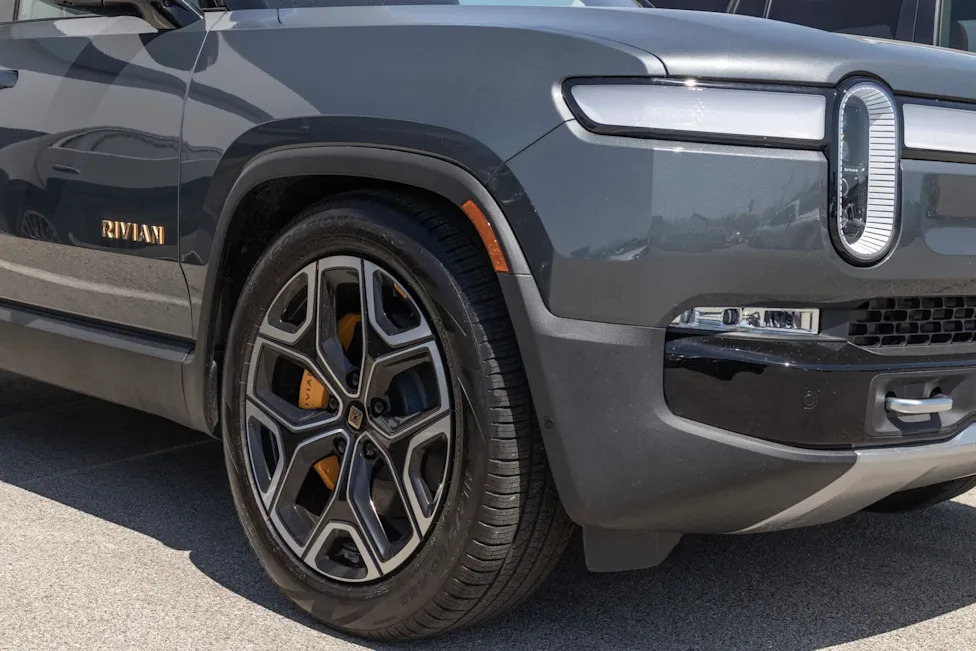
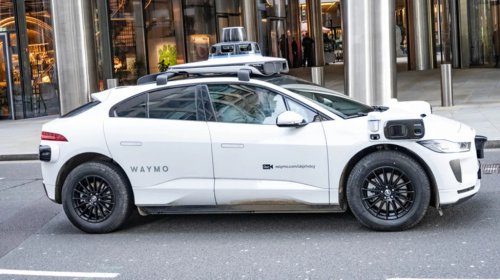
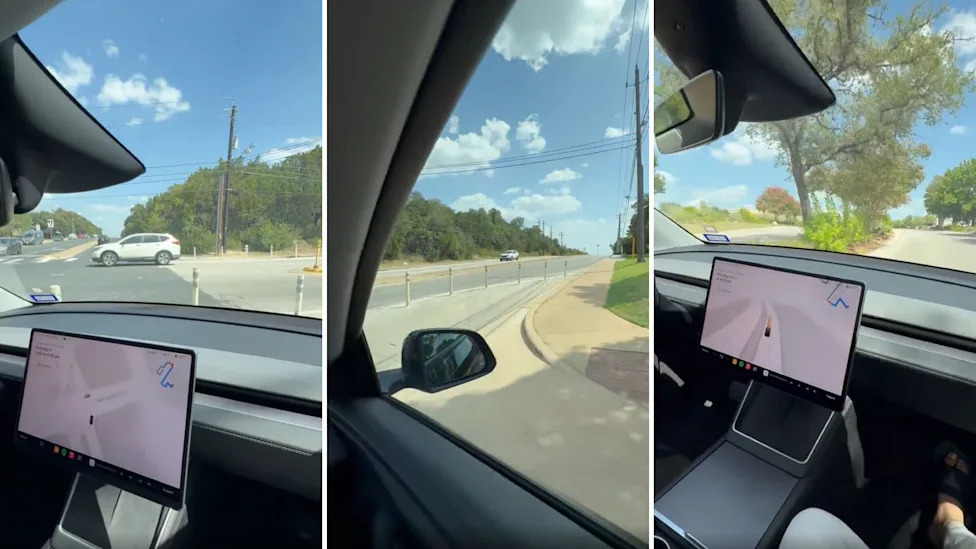
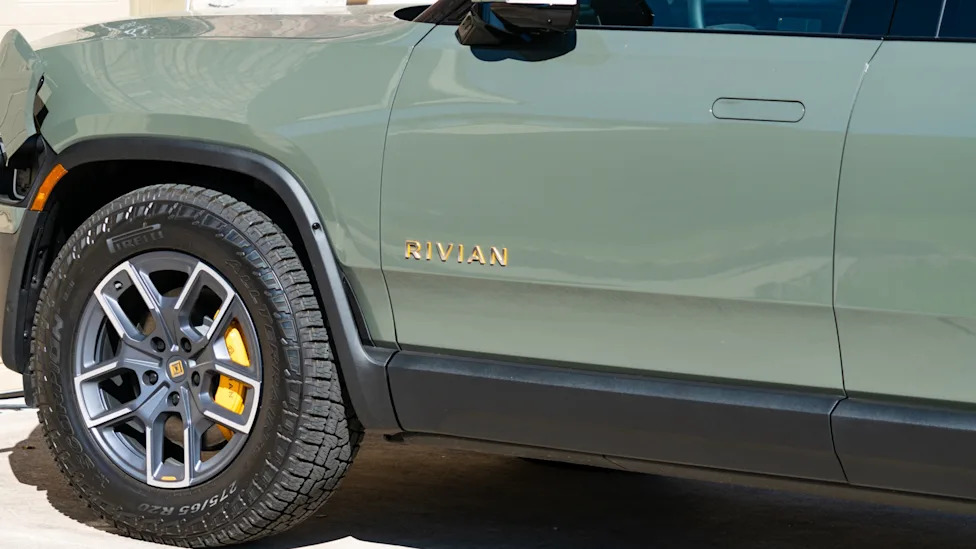
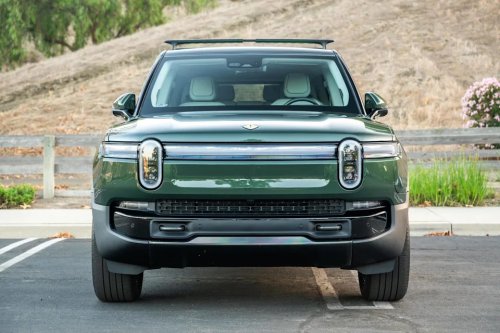
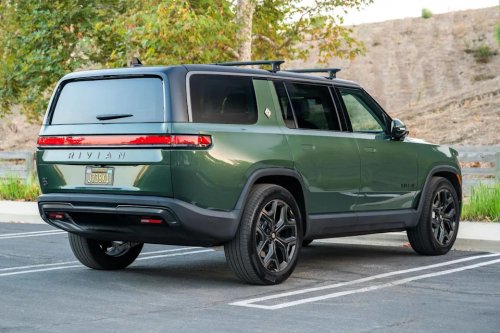
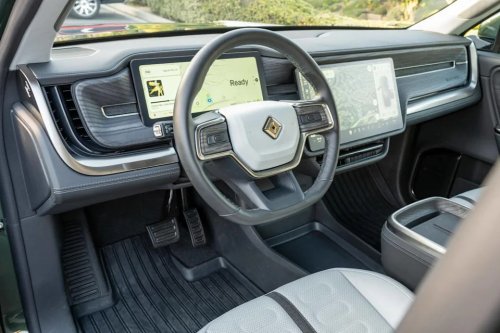
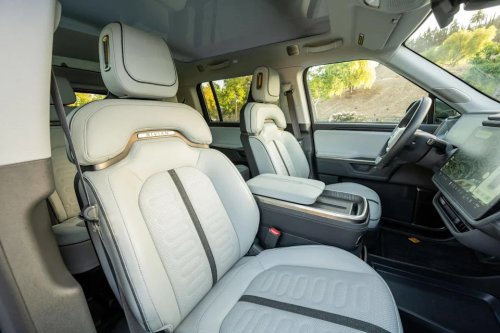
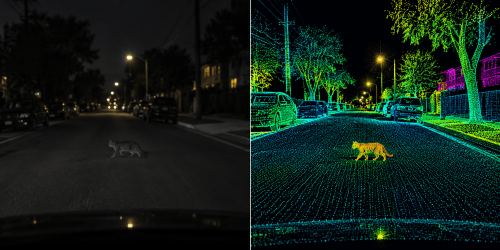
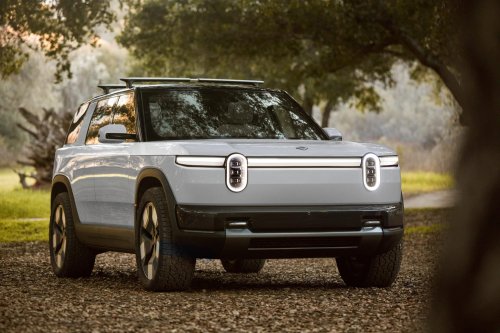
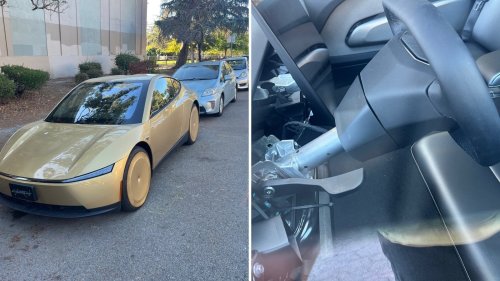
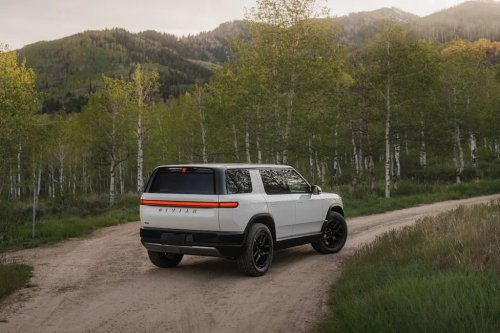
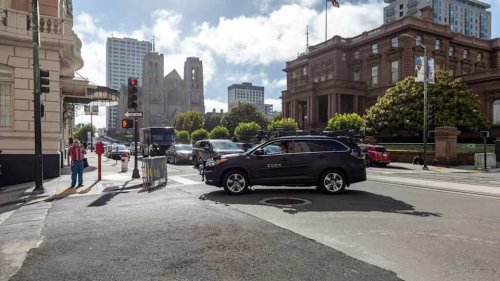
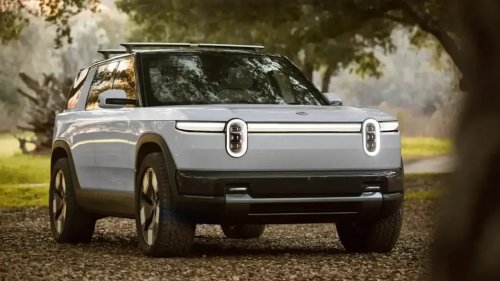
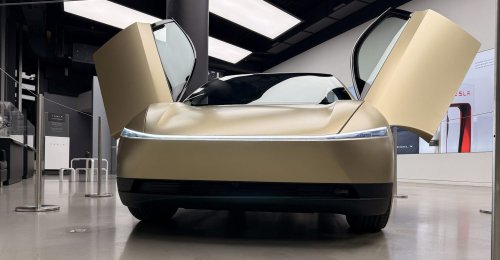
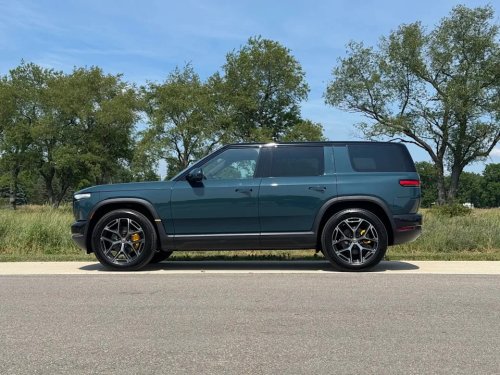
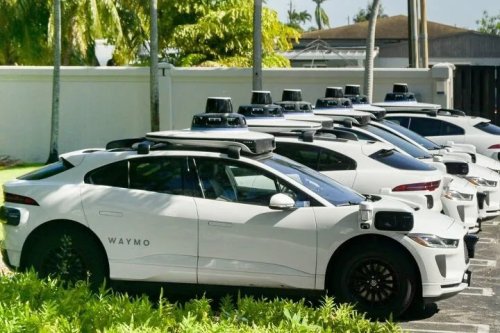
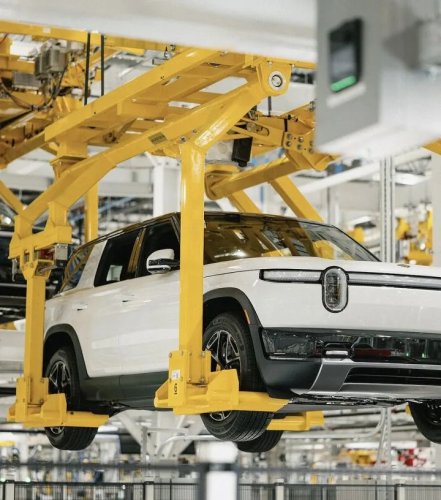
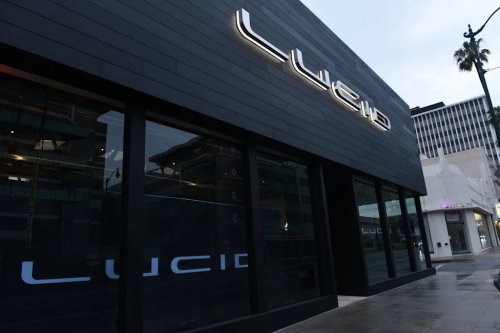
The 2027 Rivian R2 was finally announced last week along with pricing, with the Performance Launch Package model arriving in Spring 2026 at $57,990 and a cheaper $45,000 model to follow in late 2027. While investors hoped this would be the vehicle that would bring the American EV company to profitability, Rivian now has other goals in mind: autonomous robotaxis.Rivian just announced a new partnership with Uber, which will see the latter invest $1.25 billion through 2031 towards the development of fully self-driving vehicles. $300 million has been committed (pending signing), subject to regulatory approval. It's a big investment for sure, but what exactly does it mean for the two companies going forward?This move sounds positive, since such a massive injection of funds would surely move Rivian towards profitability. However, the company reported that it no longer expects to post positive earnings before interest, taxes, depreciation, and amortization (EBITDA) in 2027 as it previously stated. This is due to the additional R&D costs associated with the autonomous vehicle development, as reported in Rivian's Form 8-K with the US Securities and Exhange Commission."We couldn’t be more excited about this partnership with Uber – it will help accelerate our path to Level 4 autonomy to create one of the safest and most convenient autonomous platforms in the world. The scale of Rivian's growing data flywheel coupled with RAP1, our state of the art in-house inference platform, and our multi-modal perception platform make us incredibly excited for the rapid advancement of Rivian autonomy over the next couple of years."– RJ Scaringe, Rivian founder and CEO. A Bigger Robotaxi Rivian Rivian is not the first automaker to launch an autonomous robotaxi. Tesla famously revealed the two-seater Cybercab back in 2024, but may not have secured the rights to that name. Not to be outdone, Lucid recently announced its own robotaxi model called the Cosmos, which will also be limited to only two seats because the majority of ride-hailing services are booked for two people or less.Uber will take a different approach here, deploying 10,000 fully autonomous R2 robotaxis as part of its initial deployment in San Francisco and Miami. An option to purchase up to 40,000 more will be available in 2030. The first deployments will take place in 2028 with 25 more cities joining in 2031."We're big believers in Rivian's approach – designing the vehicle, compute platform, and software stack together, while maintaining end-to-end control of scaled manufacturing and supply in the US," said Dara Khosrowshahi, Uber CEO. "That vertical integration, combined with data from their growing consumer vehicle base and experience managing the complexities of commercial fleets, gives us conviction to set these ambitious but achievable targets." Rivian Autonomy Rivian These robotaxis will drive using Rivian's recently announced third-generation autonomy platform, which uses 11 cameras, five radars, and one LiDAR sensor in the consumer version. It's unclear if the fleet vehicles will require any additional hardware modifications beyond what is included in the sold on the regular R2.Rivian's system can currently operate hands-off, but does not yet have Level 3 or Level 4 capability to let drivers focus their attention away from the road without intervention. Perhaps this latest investment from Uber will help Rivian leapfrog Tesla in the race towards self-driving vehicles.