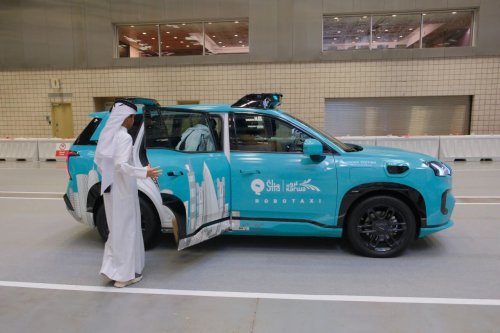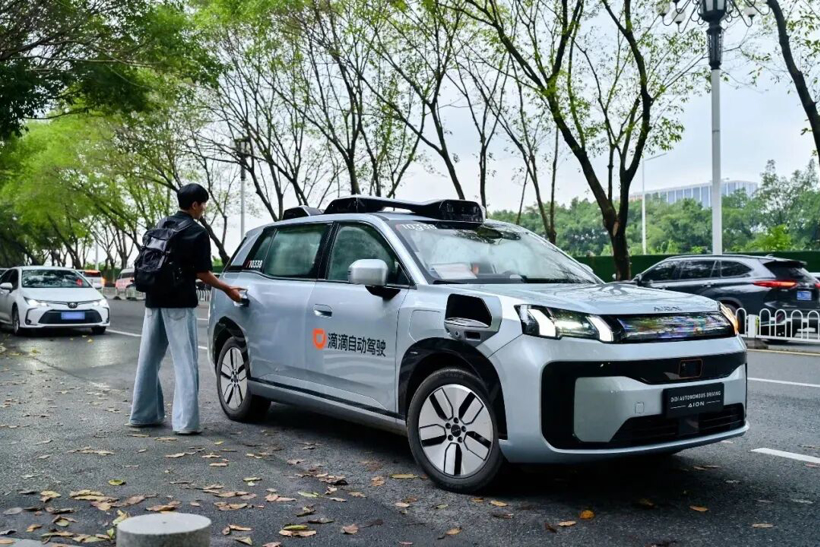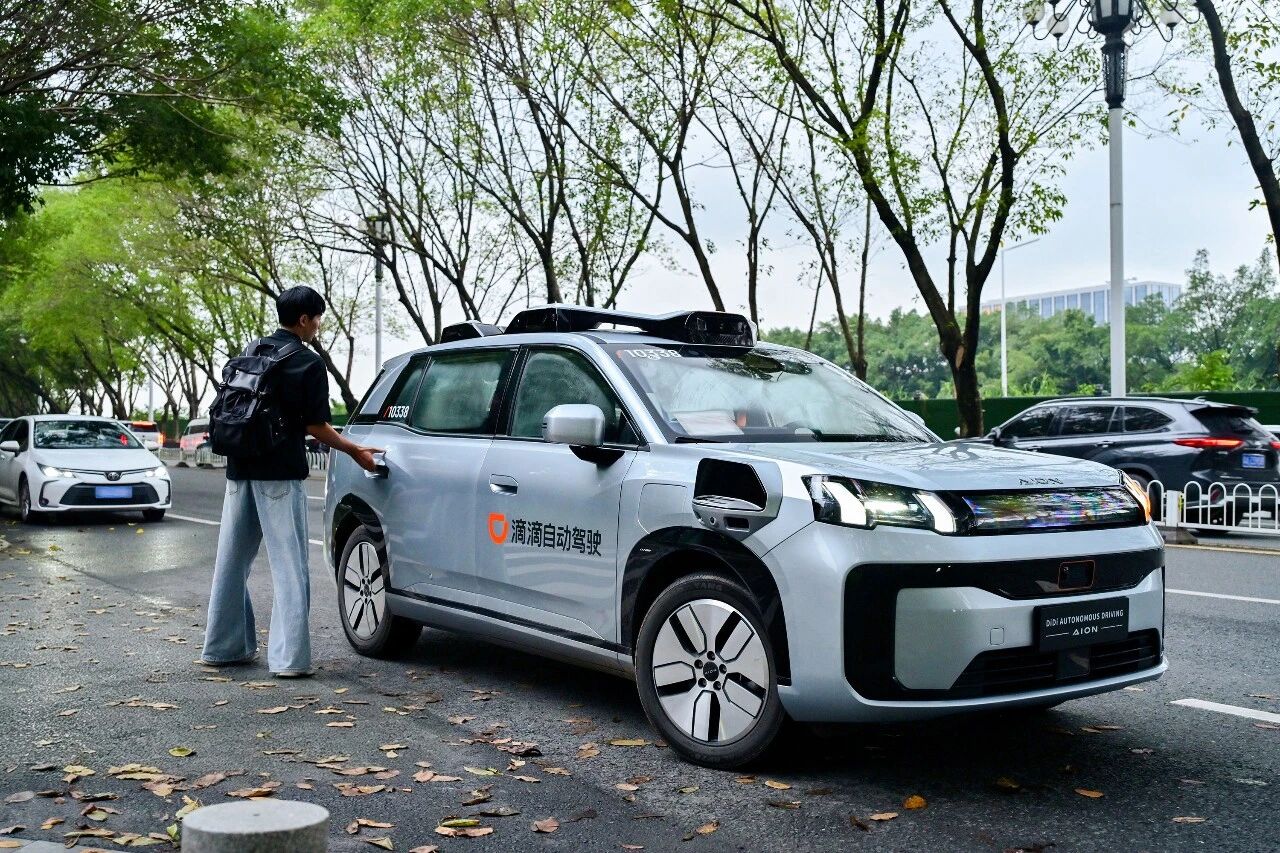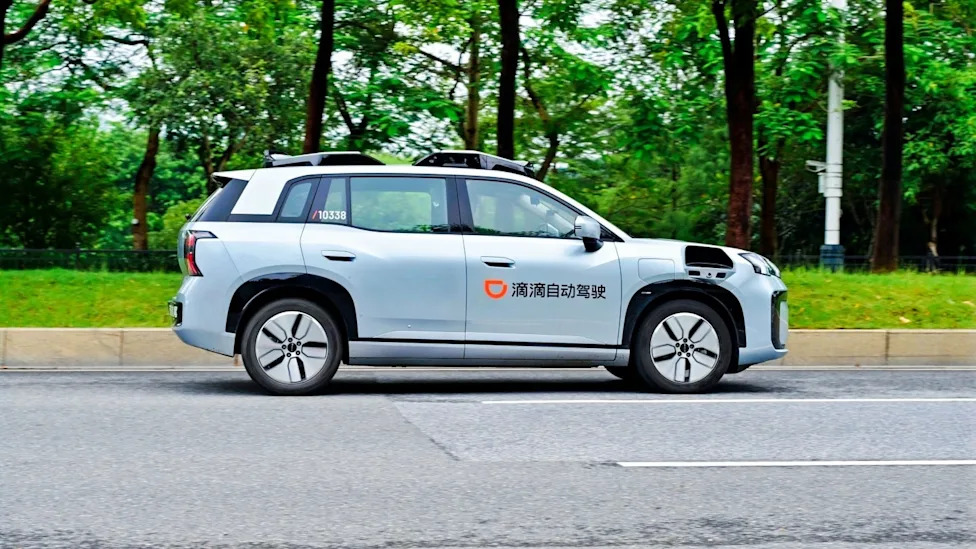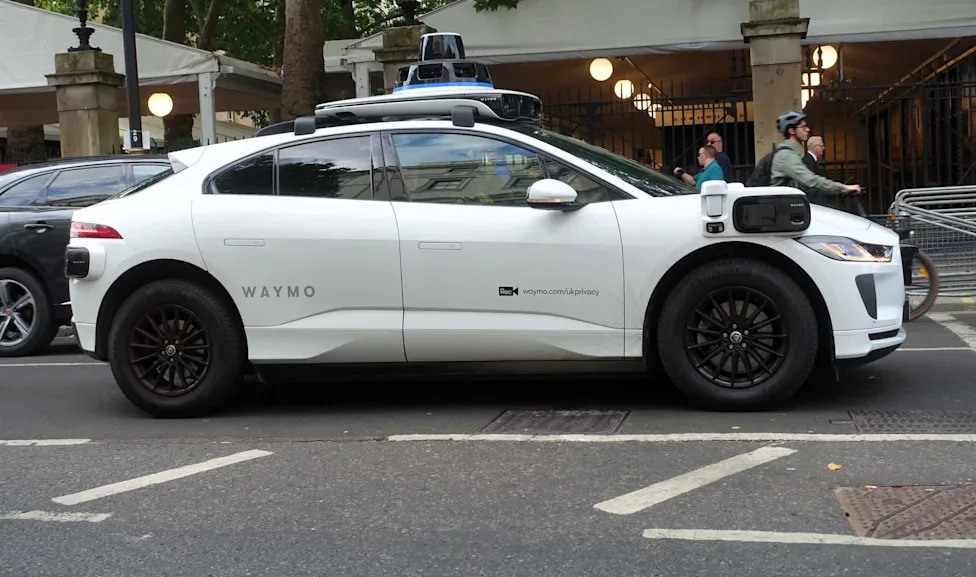



















Image: BaiduOn the evening of 31 March 2026, dozens of autonomous vehicles operated by Apollo Go, a subsidiary of the internet conglomerate Baidu, came to a sudden halt in the middle of the road in Wuhan, a city with a population of over 13 million people. Reports vary, with estimates ranging from a few dozen to over 200 vehicles affected. The cause was reportedly a system failure.The incident caused significant disruption to road traffic and several rear-end collisions. Fortunately, no injuries were reported. According to police reports, passengers were not trapped in the vehicles and could exit without assistance. Some passengers reportedly felt unsafe to step into traffic and sought help from police officers.The incident is particularly concerning as the consequences could have been far more severe. According to reports from news agencies Bloomberg and Nikkei Asia, authorities, including the Chinese Ministry of Transport and the Ministry of Industry and Information Technology (MIIT), convened a meeting in early April with eight robotaxi companies and officials from cities running pilot projects for robotaxis or autonomous vehicles. The authorities urged local governments to conduct comprehensive self-assessments and enhance safety monitoring to prevent similar incidents in the future.Until the issue is resolved, China has suspended the issuance of new licences for autonomous vehicles. According to Nikkei Asia, a final decision on the matter is not expected before the end of May. Existing robotaxi services may continue operating for now. Pony.ai stated in a press release that its robotaxi services in Beijing, Shanghai, Guangzhou, and Shenzhen are functioning normally and that preparations for upcoming market launches in Changsha and Hangzhou are proceeding as planned. Competitor WeRide also confirmed that its robotaxis in China remain operational as usual, while simultaneously supporting “the authorities’ efforts to ensure the highest safety standards across the industry.”By the end of 2025, around 4,500 robotaxis from eight providers were already operating in approximately ten Chinese cities. The approval of these services as pilot projects is the responsibility of local authorities, rather than the central government. The market is expanding rapidly; recently, Geely’s ride-hailing service, Caocao, today announced plans to build a robotaxi fleet of 100,000 vehicles by 2030.futurezone.at, bloomberg.com, nikkei.com