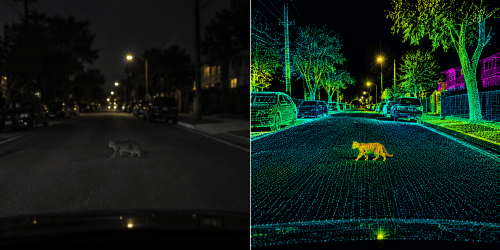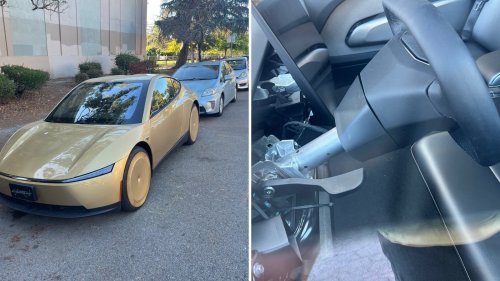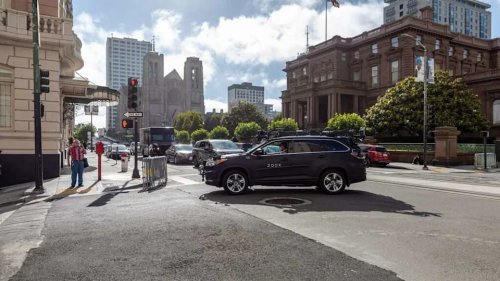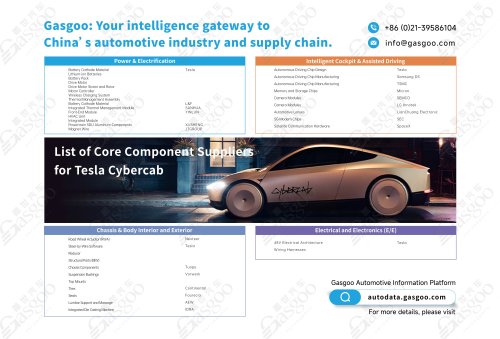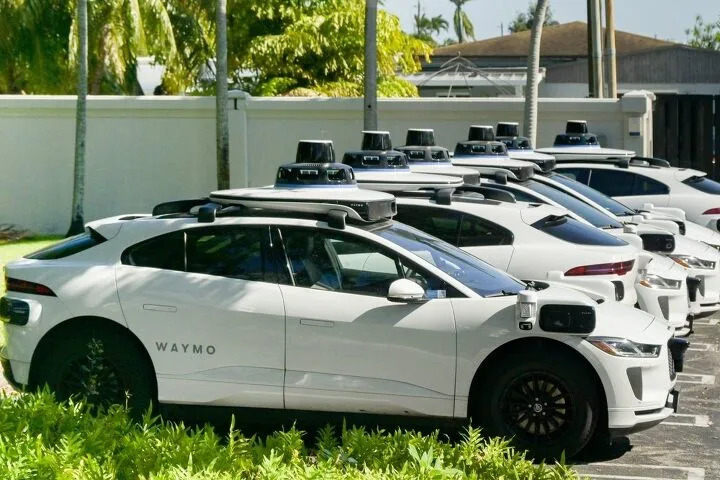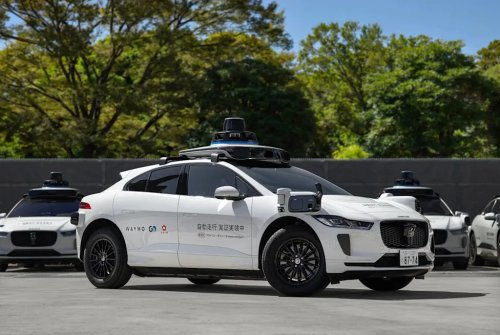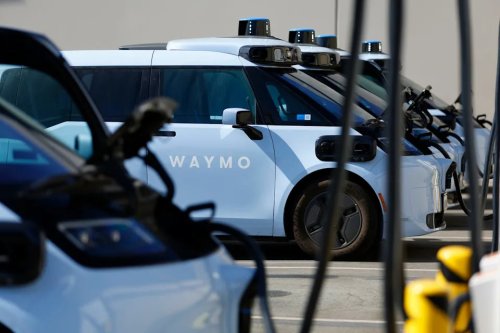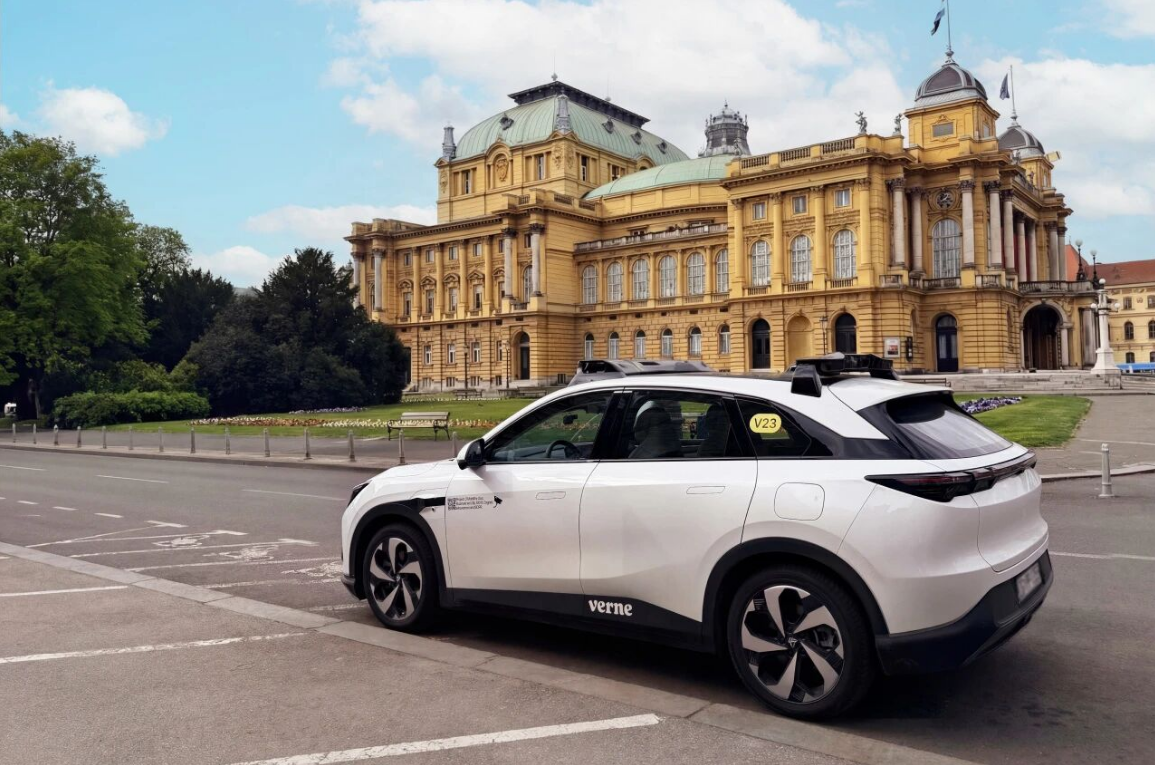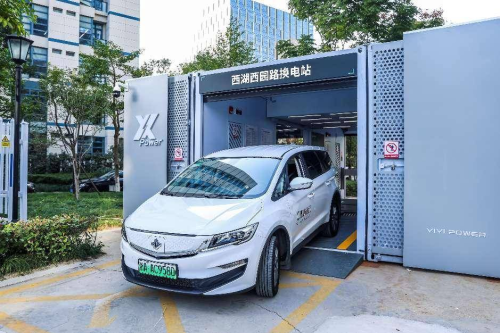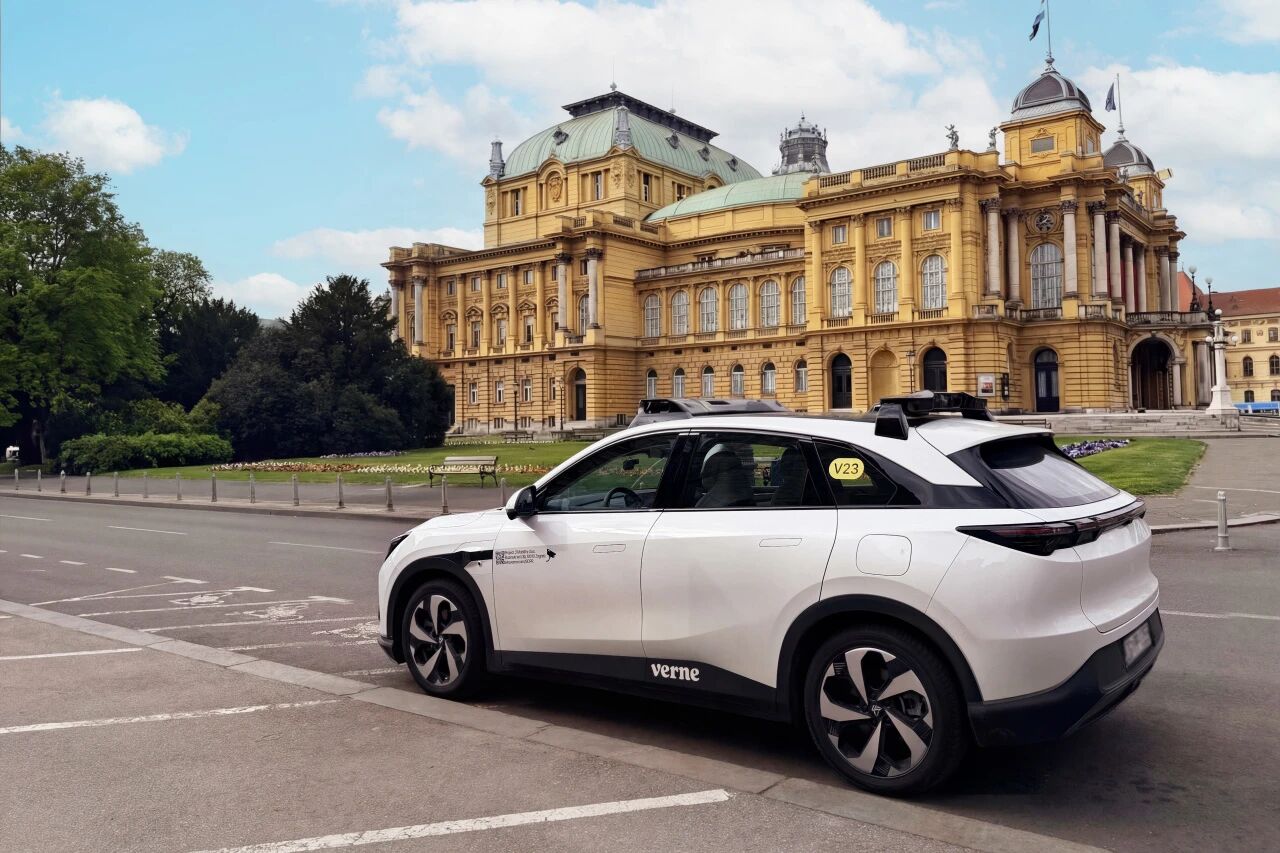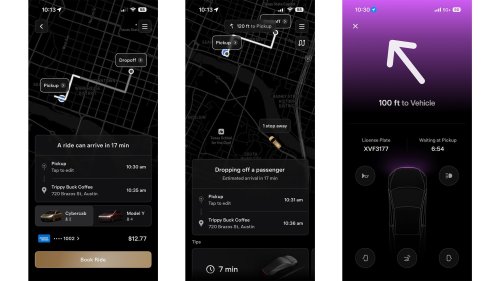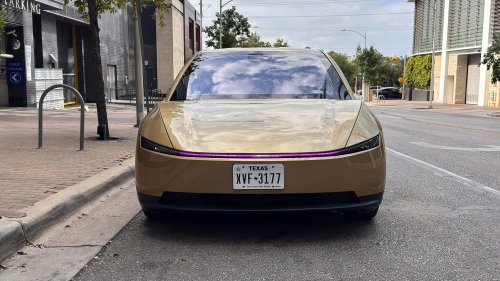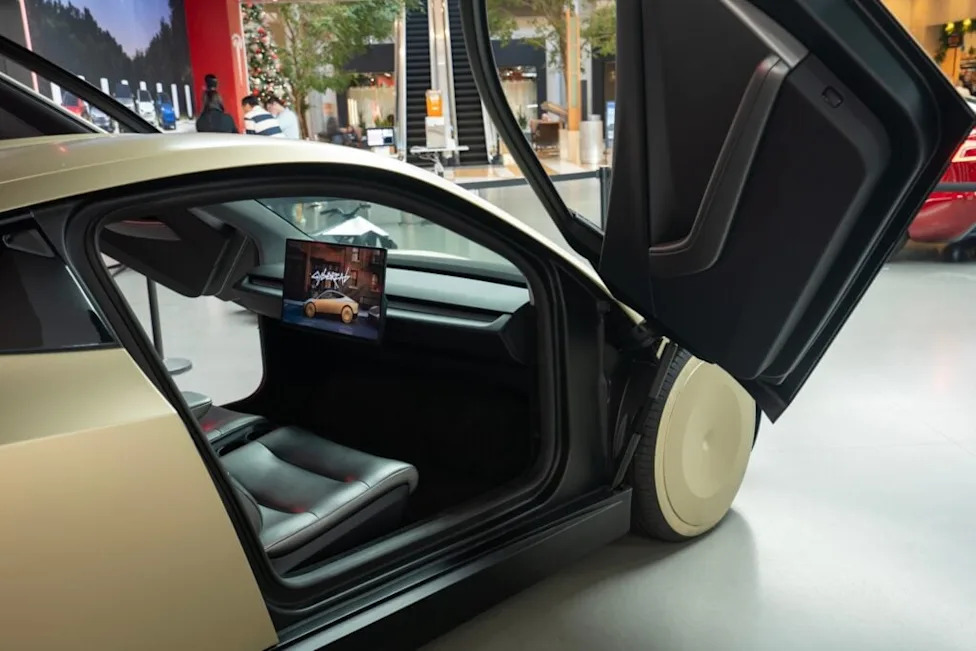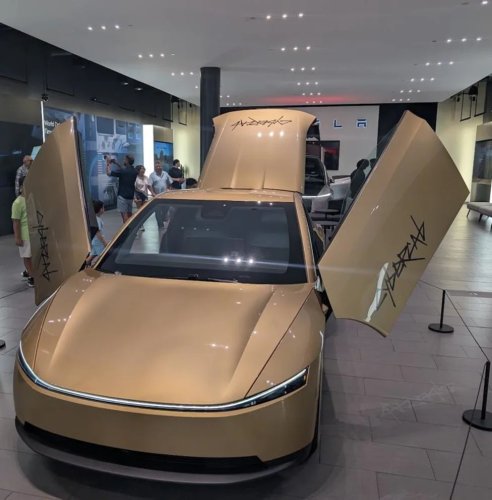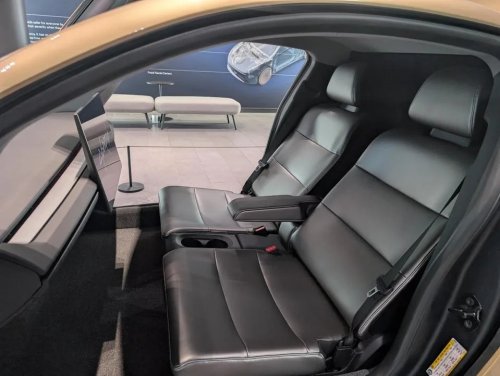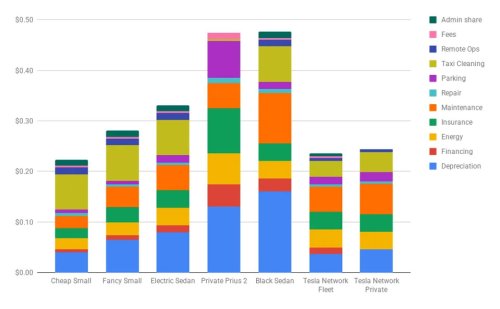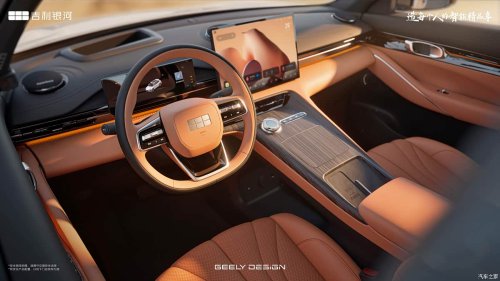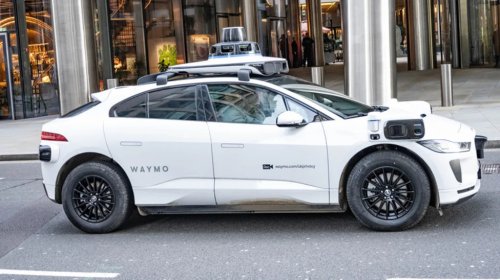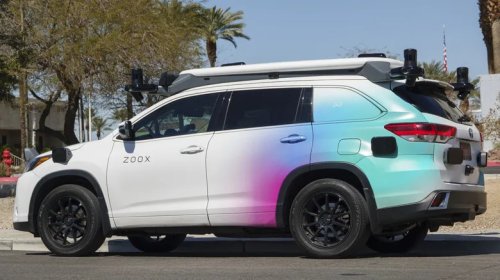



















Image: GeelyGeely and Caocao unveiled the Eva Cab at Auto China in Beijing. The vehicle, designed as a minivan, was tested in pilot projects by Caocao Mobility in Hangzhou and Suzhou, according to Geely. The Eva Cab uses the new EEA 4.0 architecture, which includes a central supercomputer that processes data from a LiDAR system with 2,160 lines.Geely’s autonomous minivan has no driver’s seat, steering wheel, or pedals. Instead, it offers four seats arranged vis-à-vis—meaning passengers face each other—just like in the robotaxis of Amazon subsidiary Zoox. Geely claims this is the first dedicated robotaxi fully developed in China.Caocao, China’s second-largest ride-hailing provider after Didi, plans to deploy a robotaxi fleet of 100,000 vehicles by 2030. Caocao CEO, Gong Xin, said at Auto China that the large-scale rollout is set to begin in 2028. The service is expected to launch as early as 2027 in Abu Dhabi, Hong Kong, and five cities on the Chinese mainland.The Eva Cab is designed more for practicality than luxury and may, for example, be delivered without a high-performance motor. Gong Xin expects that, despite the currently expensive sensor technology, the vehicles will ultimately cost less than today’s standard models for private customers, though he did not provide specific figures.The Eva Cab is expected to offer cost advantages because it is tailor-made for ride-hailing services and can omit unnecessary features. Most other robotaxis on the market—aside from Zoox—are currently modified production vehicles. For instance, US market leader Waymo currently uses upgraded units of the Jaguar I-Pace, which are inherently high-powered and equipped for comfort. Both the previously introduced Cybercab by Tesla and Verne from Rimac will be purpose-built robotaxis, albeit as two-seaters.The Eva Cab is likely to incorporate insights from two other robotaxi projects within the Geely Group: Geely’s Zeekr brand collaborated with Waymo under the working title Zeekr RT to develop a robotaxi that was integrated into Waymo’s regular robotaxi service in the USA, in San Francisco and Phoenix in February 2026 under the name Waymo Ojai. In these vehicles, Waymo installs its own sensors and autonomous driving software. Meanwhile, the Chinese ride-hailing provider WeRide works with Geely’s commercial vehicle brand Farizon and has developed a robotaxi called GXR based on its SuperVAN. Farizon is set to deliver 2,000 units of this model this year alone.geely.com, reuters.com