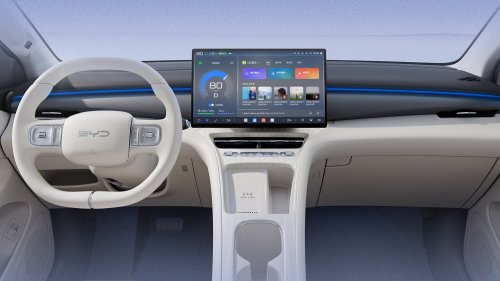
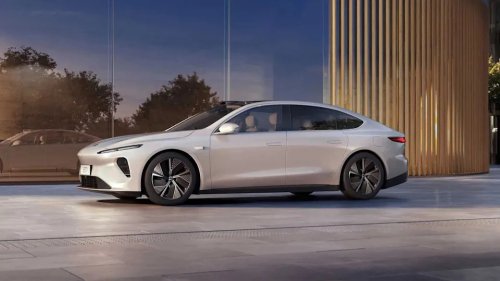
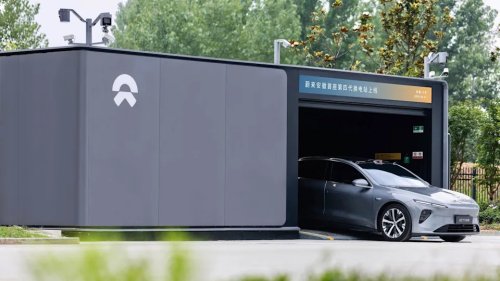
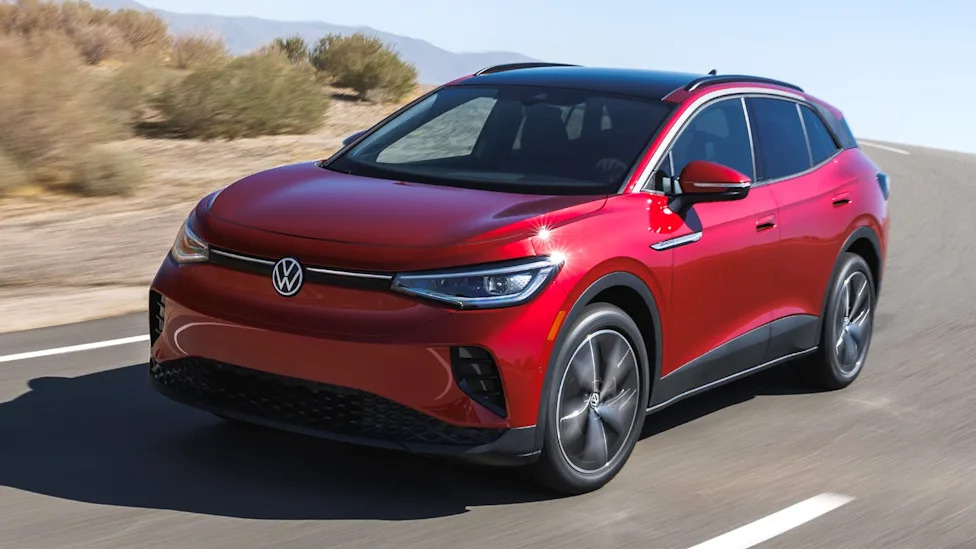
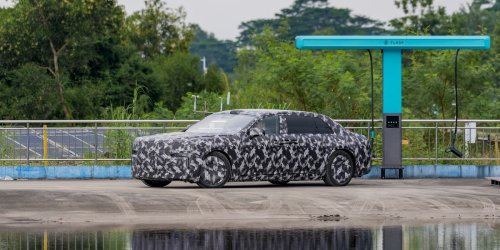
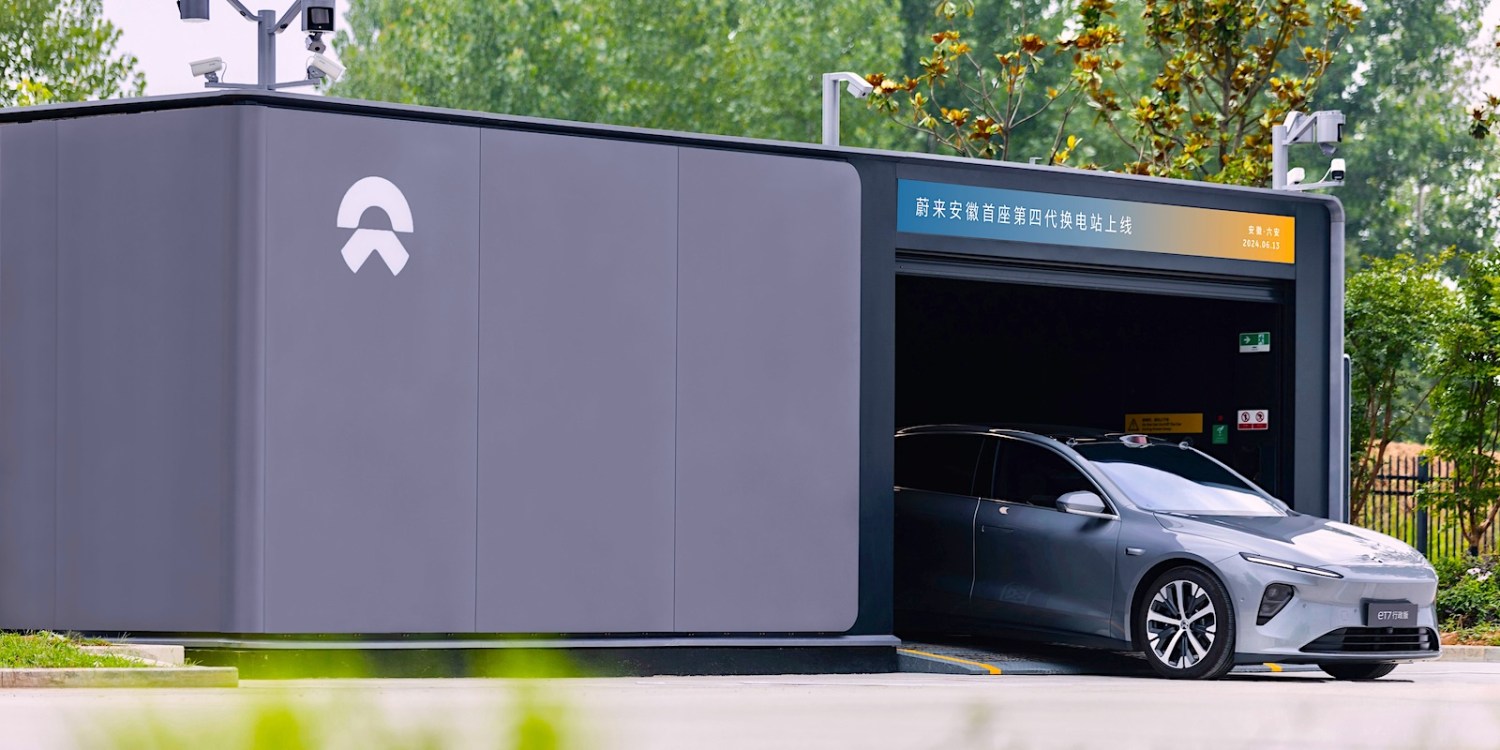
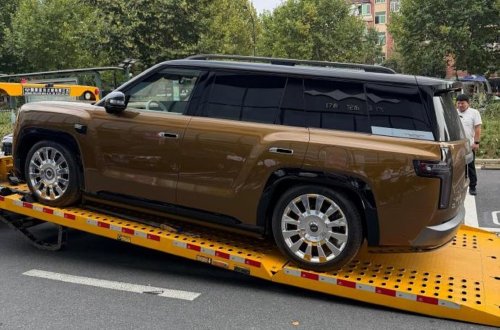
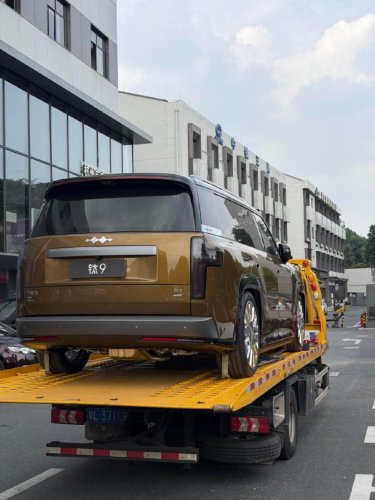
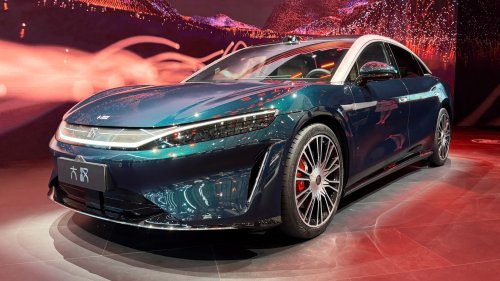
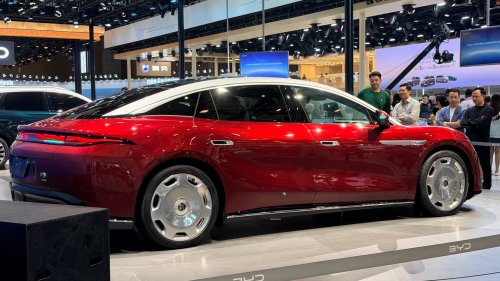
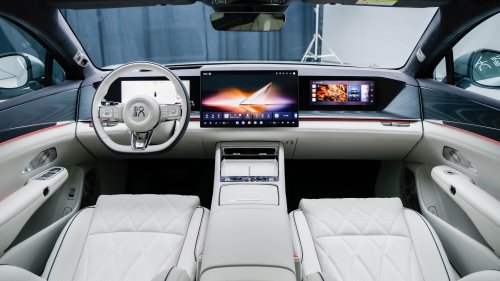
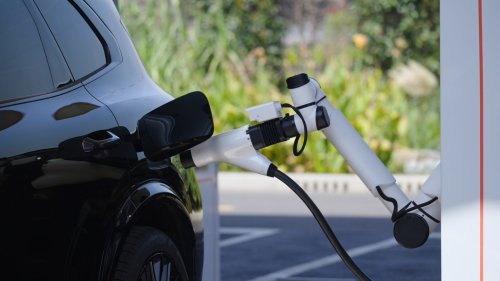
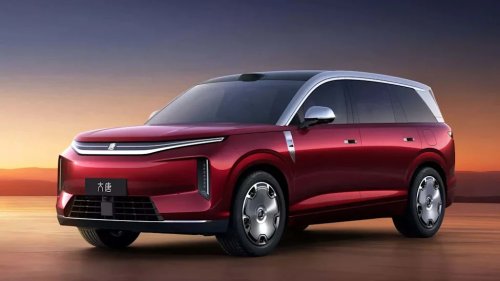
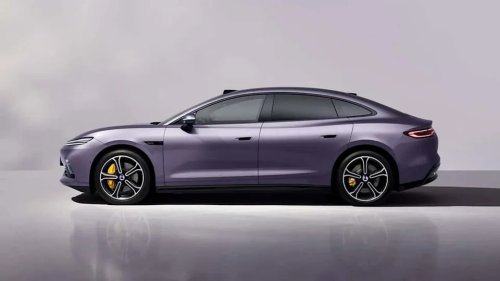
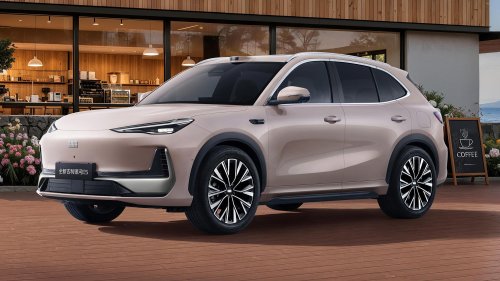
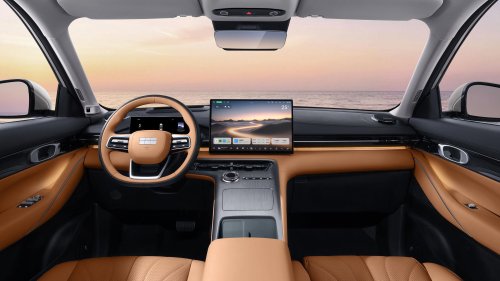
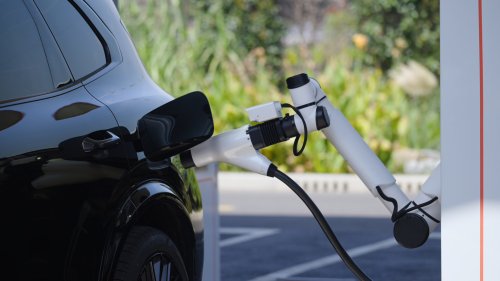
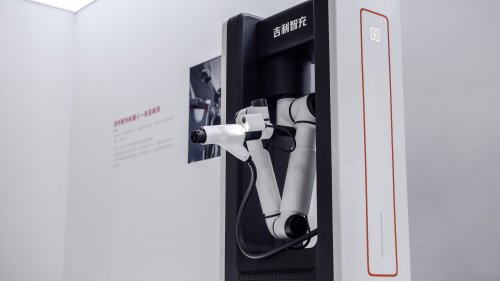
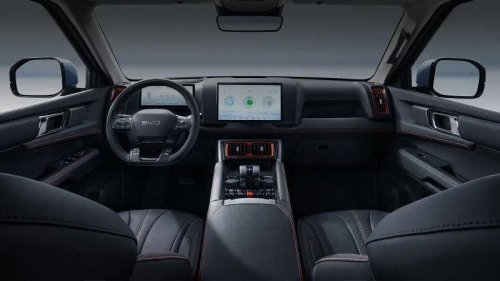
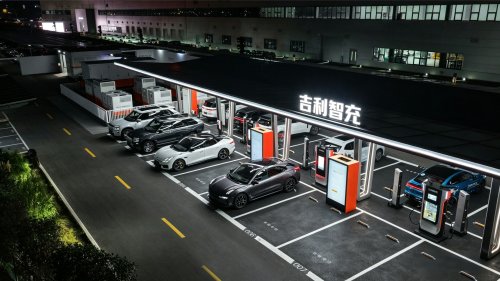
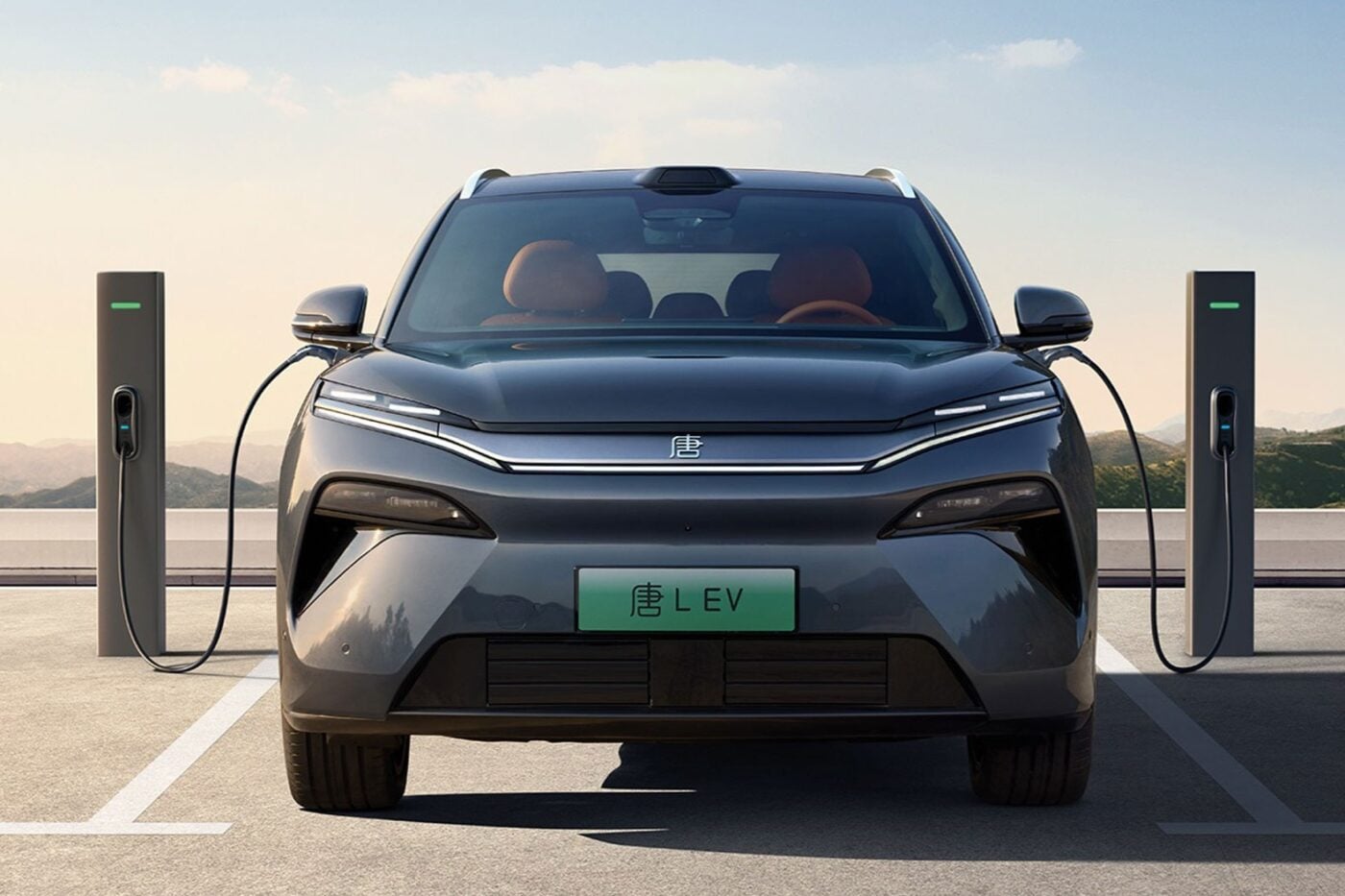
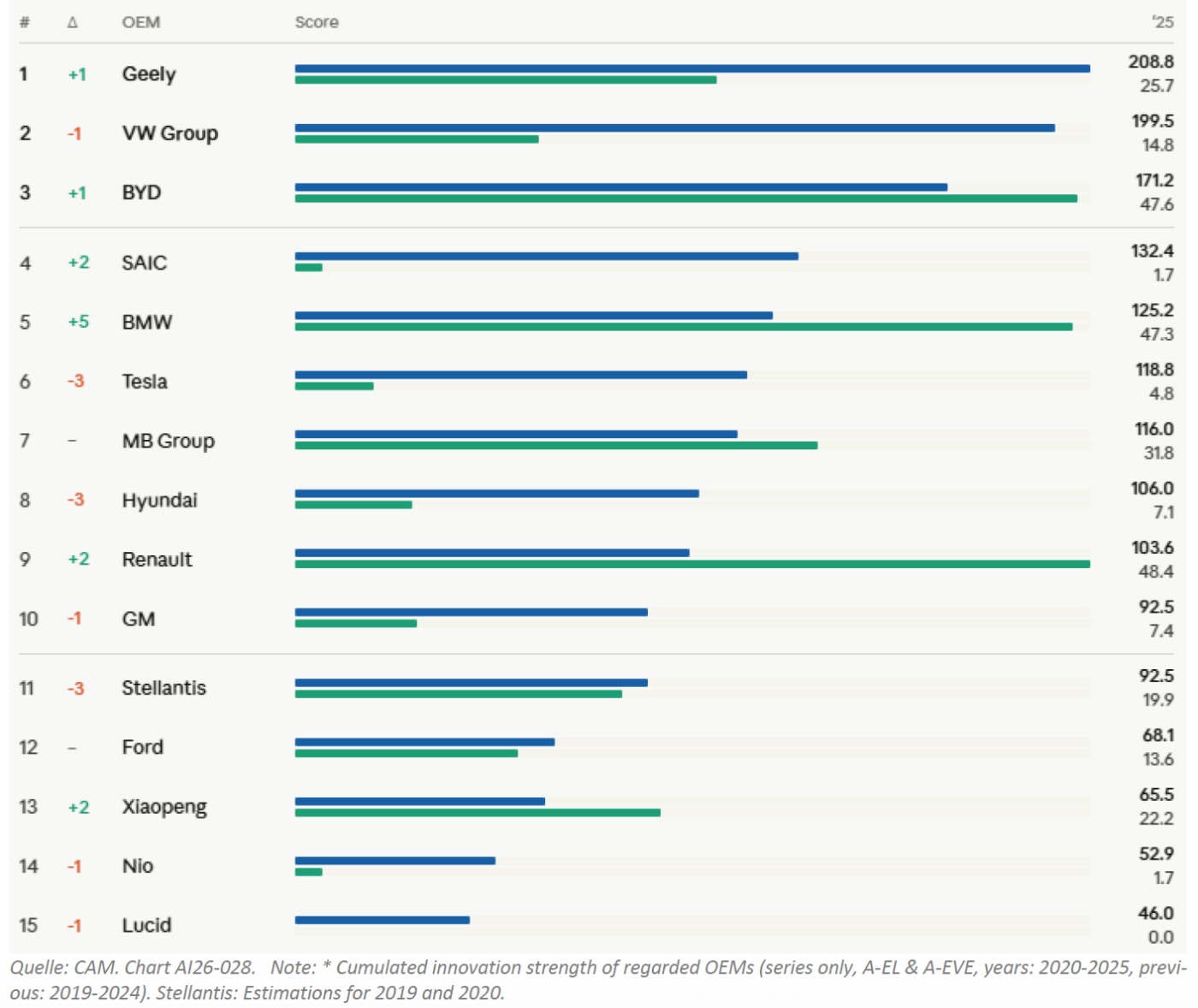
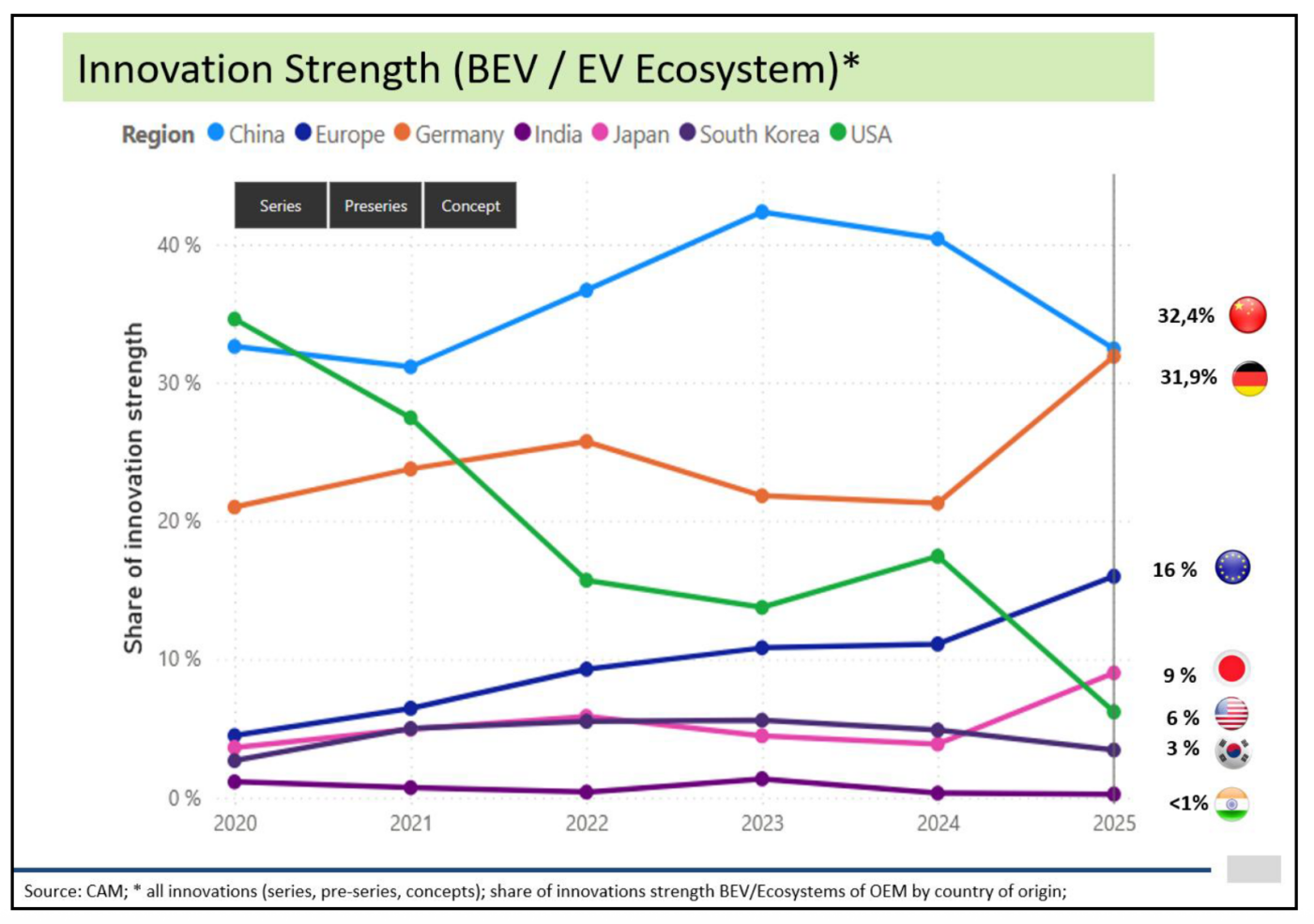
BYD Tang L during the 'Dual Gun' charging procedureImage: BYDFor years, the German Center of Automotive Management (CAM) has tracked innovations by global automotive manufacturers for its studies. Just days after CAM released the 22nd edition of its ‘Automotive Innovations’ series—which examines advancements across all types of vehicle powertrains and saw BYD leading the field—it has now published another ‘Electromobility Report’ focusing solely on innovations in electric mobility. As in the last edition in January, Geely, VW, and BYD occupy the top three positions.The ranking assessed the innovation strength of the world’s 35 leading automotive groups in the battery-electric vehicle sector. Between 2020 and 2025, a total of 874 series-production innovations were identified and evaluated, with 162 of these introduced in 2025 alone. CAM categorised the innovations into range, charging power, and energy consumption, as well as EV ecosystem, and scored them using index points.Leading the ranking is the Chinese Geely Group, which includes brands such as Lotus, Polestar, Volvo, and Zeekr, with a total score of 209 index points (IP). Compared to the previous year, Geely has improved by one position, though it had already topped the rankings in January when CAM conducted an interim evaluation of innovations from 2020 to the first half of 2025.The VW Group secured second place (200 IP), while BYD took third (171 IP). The top 10 is completed by the SAIC Group (including MG Motor), BMW, Tesla, Mercedes-Benz, Hyundai, Renault, and General Motors. CAM ranking of innovation strength of regarded OEMsGraphic: CAMBeyond the rankings, it is worth noting which innovations the automotive researchers consider particularly groundbreaking. Geely, for example, scored highly not only for its extensive model range but also for the technical excellence of individual models: the Lotus Emeya achieves a segment-leading charging power of 450 kW, while the Zeekr Mix sets benchmarks with 450 kW charging and a 10 to 80 % charge time of just 10.5 minutes.The second-placed VW Group showcases the Porsche Cayenne Electric, featuring a structurally integrated 113-kWh battery system that enhances body rigidity, lowers the centre of gravity, and reduces energy consumption. Additionally, the Turbo variant delivers 850 kW and accelerates from 0 to 100 km/h in just 2.5 seconds, making it the most powerful mass-production SUV in its segment.BYD impressed the CAM team with a particularly broad innovation portfolio: the Han L combines 1,000-kW dual-gun charging, an advanced Blade Battery 2.0 with low-temperature charging at -30 °C, and a high-performance motor with 30,511 rpm. The Tang L and the Yangwang U7 also set new standards in their segments with charging powers of up to 1,000 kW and 500 kW, respectively.One of the biggest climbers is BMW, which rose from 10th to 5th place year-on-year. This improvement is primarily due to the first vehicle of its Neue Klasse, the BMW iX3, which offers an electric range of up to 805 kilometres. This is complemented by an AI-powered, automatically opening charging flap and Plug & Charge Multi Contract, which supports up to ten simultaneously manageable charging contracts.From the perspective of Prof. Dr. Stefan Bratzel and his team, the most notable development is the decline of Tesla, a pioneer in electromobility that had led the rankings for years but has now not only dropped out of the top three for the first time but also fallen to 6th place. This is likely due to Tesla not having introduced a new mass-production model for some time. Grafik: CAMIn contrast, the aforementioned manufacturers from China and Germany have recently accelerated their pace in the electric vehicle sector, as reflected in their strong rankings. A country comparison underscores this trend: Chinese OEMs account for 32.4 % of all innovation points awarded, followed by Germany with 31.9 %. In previous years, German OEMs had only secured around 20 % of electric innovation strength, while China held over 40 %.“Germany is making significant strides in electric innovation strength: with a share of nearly 32 % of global electric innovation strength, German OEMs are now almost on par with Chinese manufacturers—just a few years ago, the gap was much larger,” study leader Stefan Bratzel stated. “BMW, Volkswagen, and Mercedes-Benz currently demonstrate the highest innovation strength in pre-series innovations. This makes me optimistic about the future competitiveness of the German automotive industry in the BEV segment.”The innovation strength of manufacturers in electric vehicles is largely reflected in their sales figures. In the first quarter of 2026, Tesla—after a weak 2025—regained the lead in global electric vehicle registrations, followed by BYD, Geely, the VW Group, and the SAIC Group.Source: via e-mail (in German)



















 +1 others