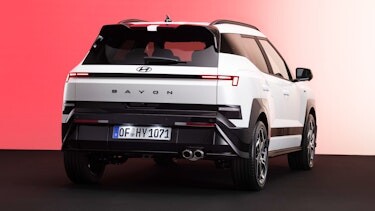
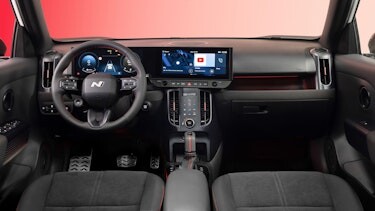
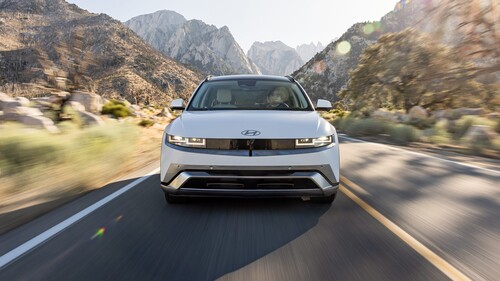
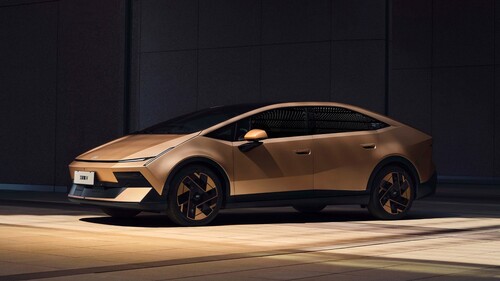
Hannah Moreau · 6 months ago@hannahmoreau27Hyundai Partners With Waymo To Produce An IONIQ 5 Robotaxi — Field Trip Liked by+11 othersSelf-drivingPost commentRelated PostsNew Hyundai Tucson N Line adds sporty style to muscular SUVSamuel Young · 12 days agoShould You Buy or Lease the Hyundai Ioniq 5? The Answer Isn't That SimpleAlexander Mitchell · 16 days ago2027 Toyota bZ 27 · Daniel Lewis · 24 days agoNew Hyundai Bayon gets boxy new look and hybrid powerAnnabelle Turner · 12 days agoHyundai Ioniq 5 Leasing vs. Buying: Which Option Saves You More Money?Adam Harris · 16 days agoThe Futuristic-Looking Hyundai Ioniq V Launches At Just $14,800 In China 94 · Mason Roy · 25 days agoCar Buyers Have Chosen Hybrids. Some Automakers Weren’t Ready.Kayla Harris · 12 days agoHyundai’s In-Cabin Camera Watches Drivers, and Four Owners Are SuingClaire Johnson · 17 days agoHyundai launches electric Ioniq V for under $15,000, but you can't have it 70 · Carter Côté · 25 days agoLuxshare acquires 100% stake in BWI Group; FORVIA HELLA secures two ordersGabriel King · 13 days agoDespite All The Pros, The Hyundai Ioniq 5 Falters On Price | ReviewAnnabelle Bouchard · 18 days agoHyundai Ioniq V launched at 16,380 USD in China ahead of global rollout 27 · Hannah Brown · 25 days agoHyundai Tucsons Are Pretty Reliable, But These Are Some Of The Common IssuesHannah Young · 13 days agoHyundai Reportedly Planning Ioniq 4 and Ioniq 7 SUVsAnnabelle Clark · 18 days agoHalf Of The World Car Of The Year Contenders Are Chinese 80 · Samuel Wright · 26 days agoPolice Say Two Stolen Hyundais May Connect to Nearly Two Dozen Nashville TheftsSarah Moreau · 13 days agoHyundai IONIQ 3 offers up to 308 miles range and starts at $25,000Hannah Moreau · 19 days agoKia's new interior spotted with larger screen and high-tech software 79 · Ryan Lavoie · 26 days agoHyundai Santa Fe's Controversial Looks May Be About to ChangeLauren Campbell · 13 days agoDo You Really Need a 3-Row SUV? 12 of the Best Mid-Size SUVs Show a 5-Seater SUV Can Do It AllNicole Brown · 19 days ago




 +11 others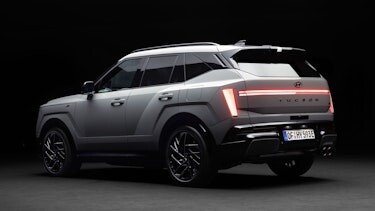
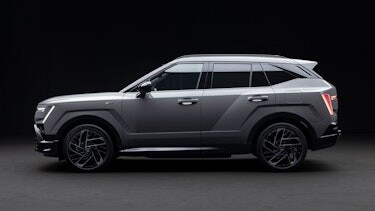
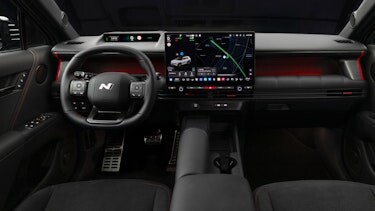


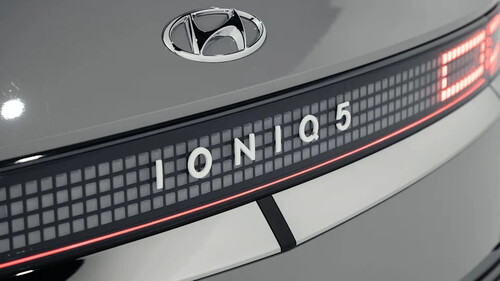























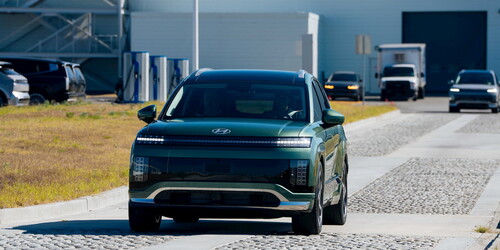
![Hyundai is testing a smaller EV — could it be the IONIQ 4? [Video]](https://cdn.topcarnews.net/en/68203/thumb/id/aHR0cHM6Ly9pMC53cC5jb20vZWxlY3RyZWsuY28vd3AtY29udGVudC91cGxvYWRzL3NpdGVzLzMvMjAyNi8wMi9IeXVuZGFpLUlPTklRLTEtRVYtZnJvbnQuanBlZz93PTE1MDAmYW1wO3F1YWxpdHk9ODImYW1wO3N0cmlwPWFsbCZhbXA7c3NsPTE/62d7459438201b3f1399106554e467d7.jpg)