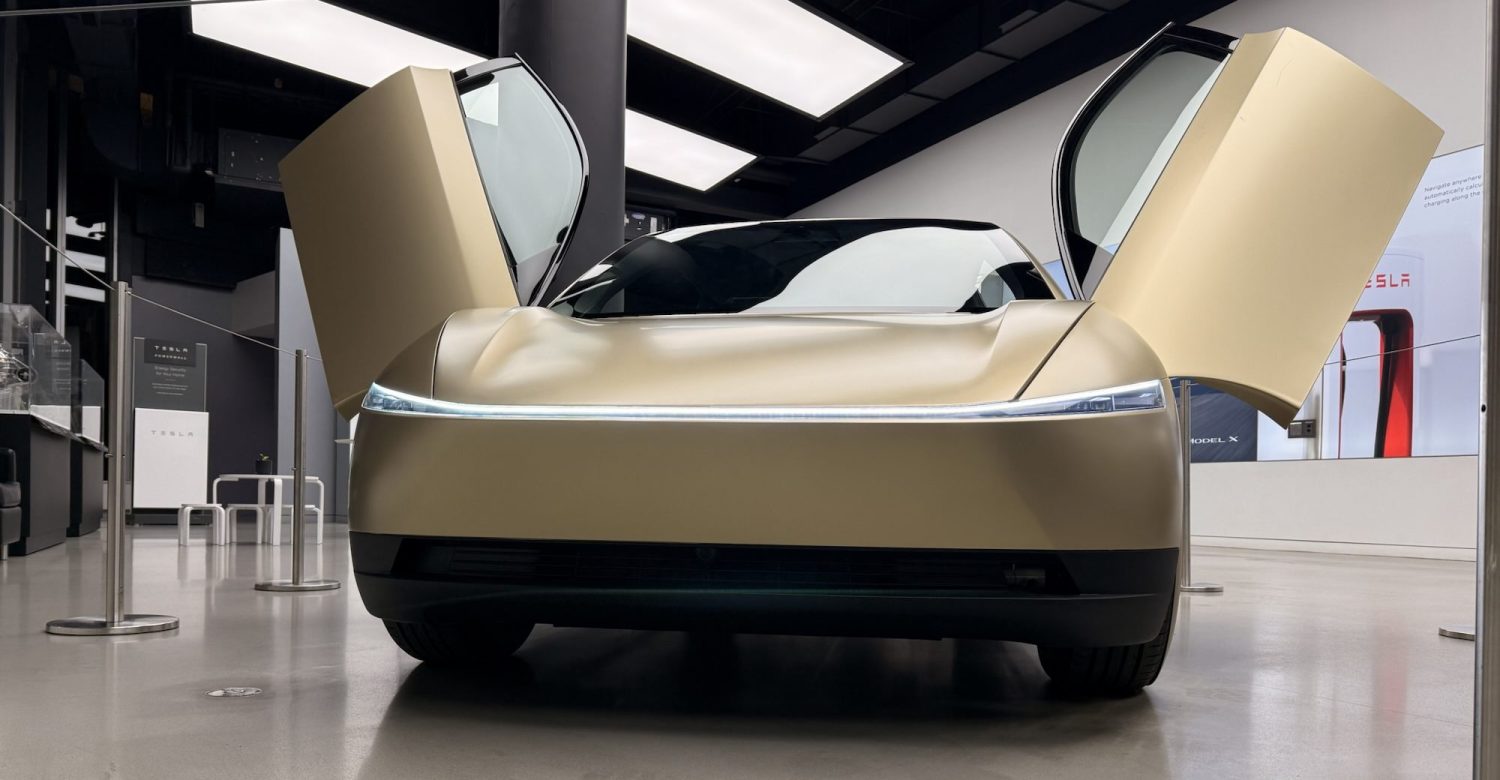
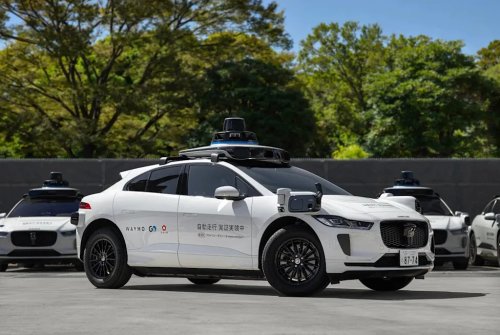
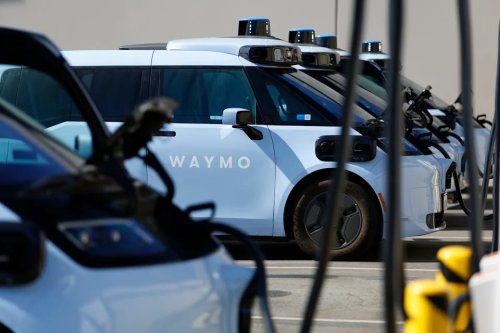
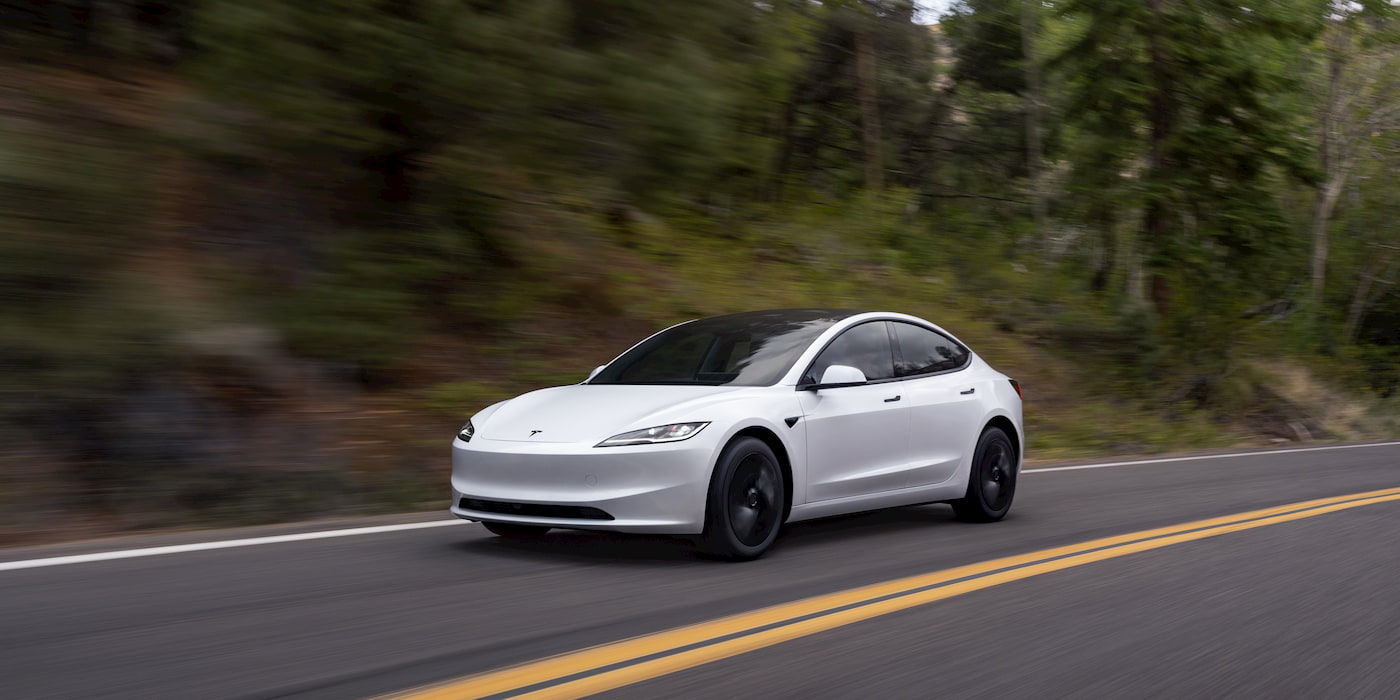
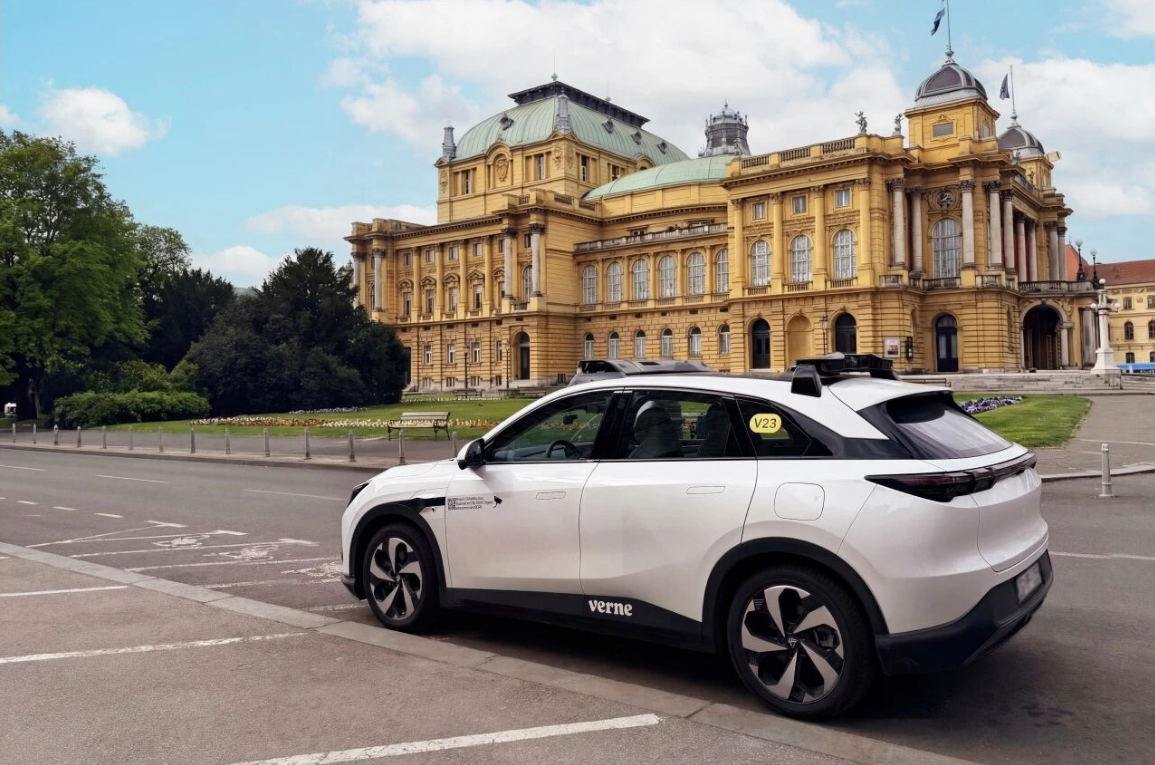
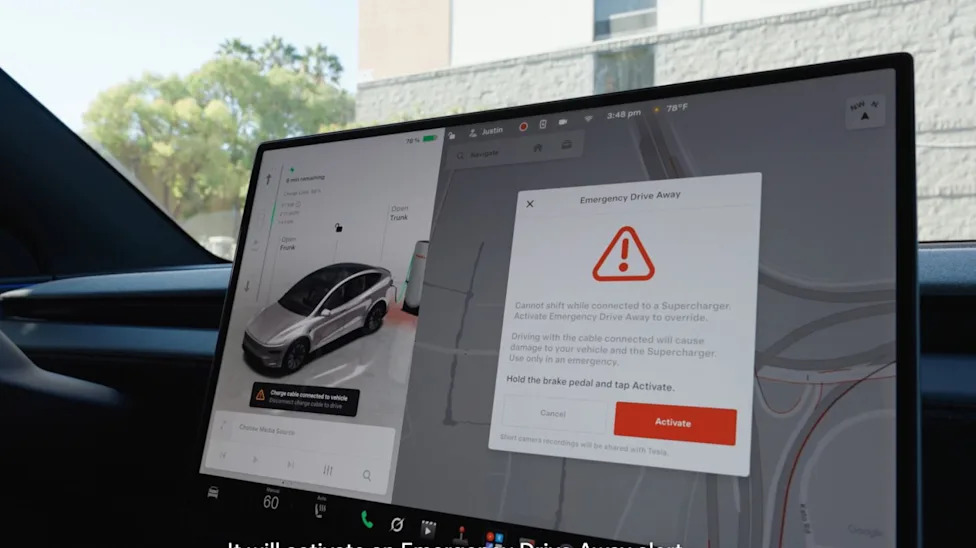
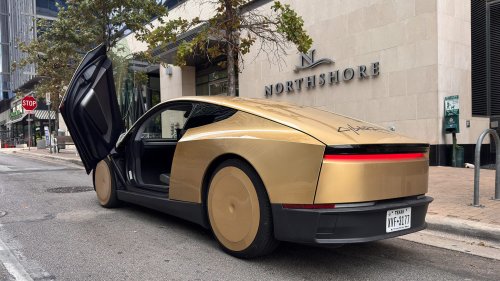
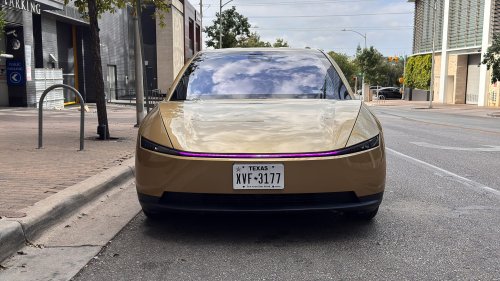
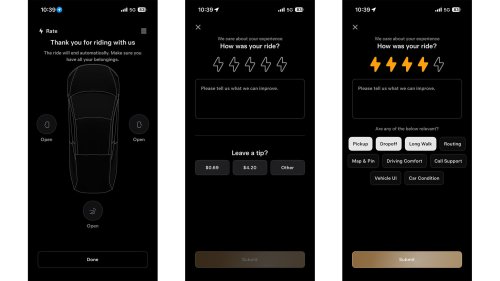
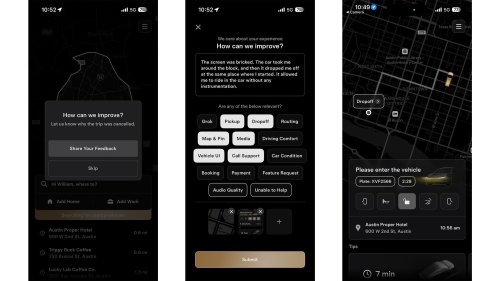
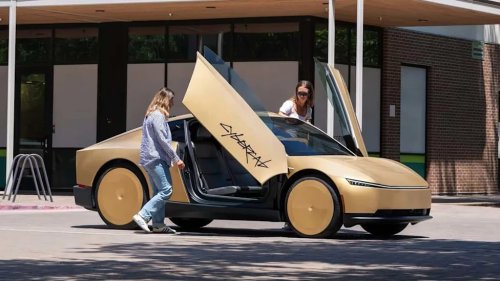
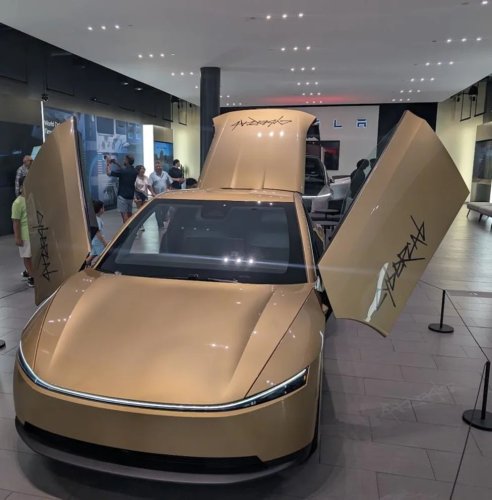
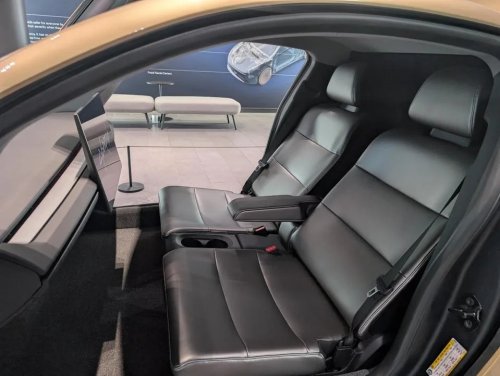
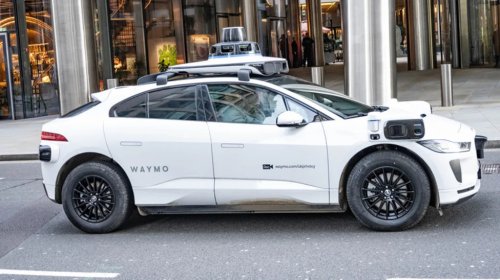
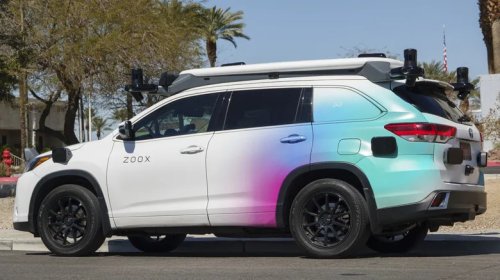
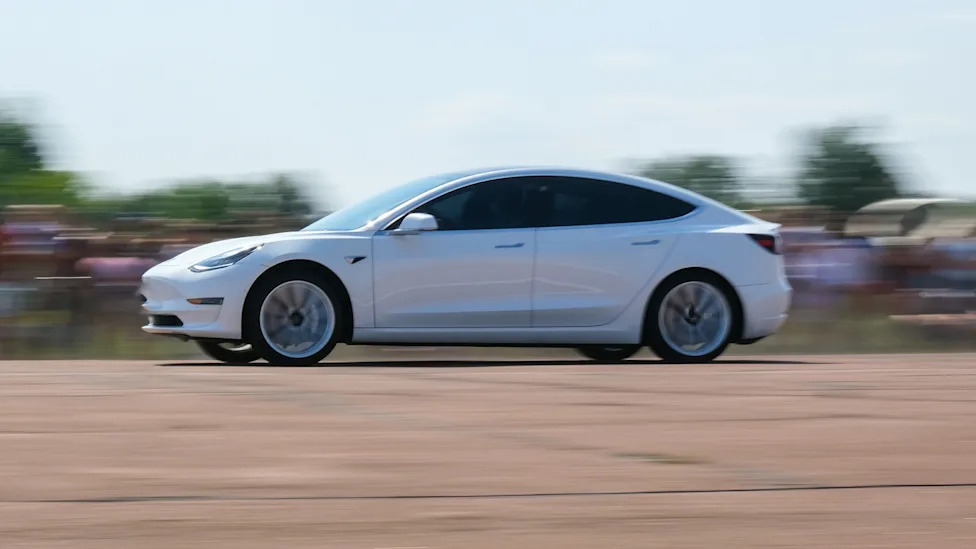
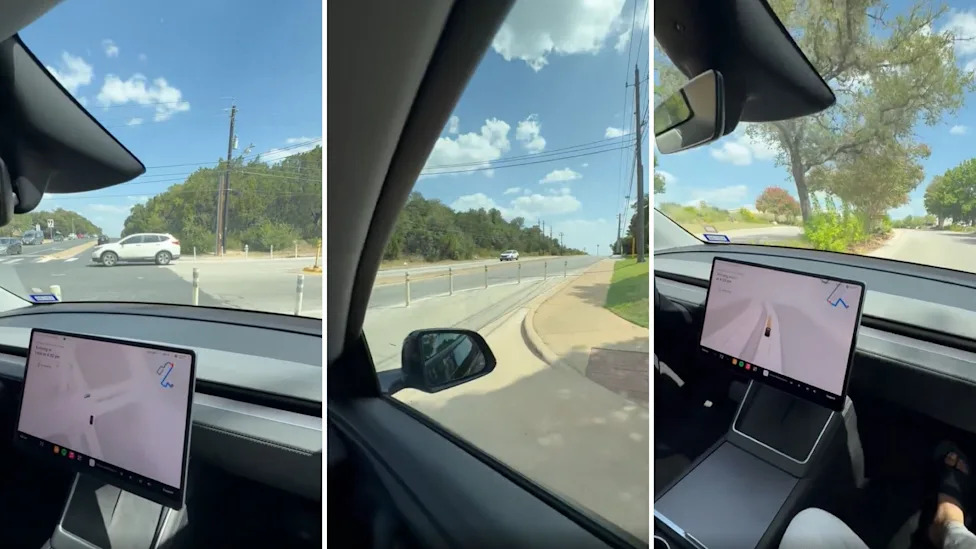
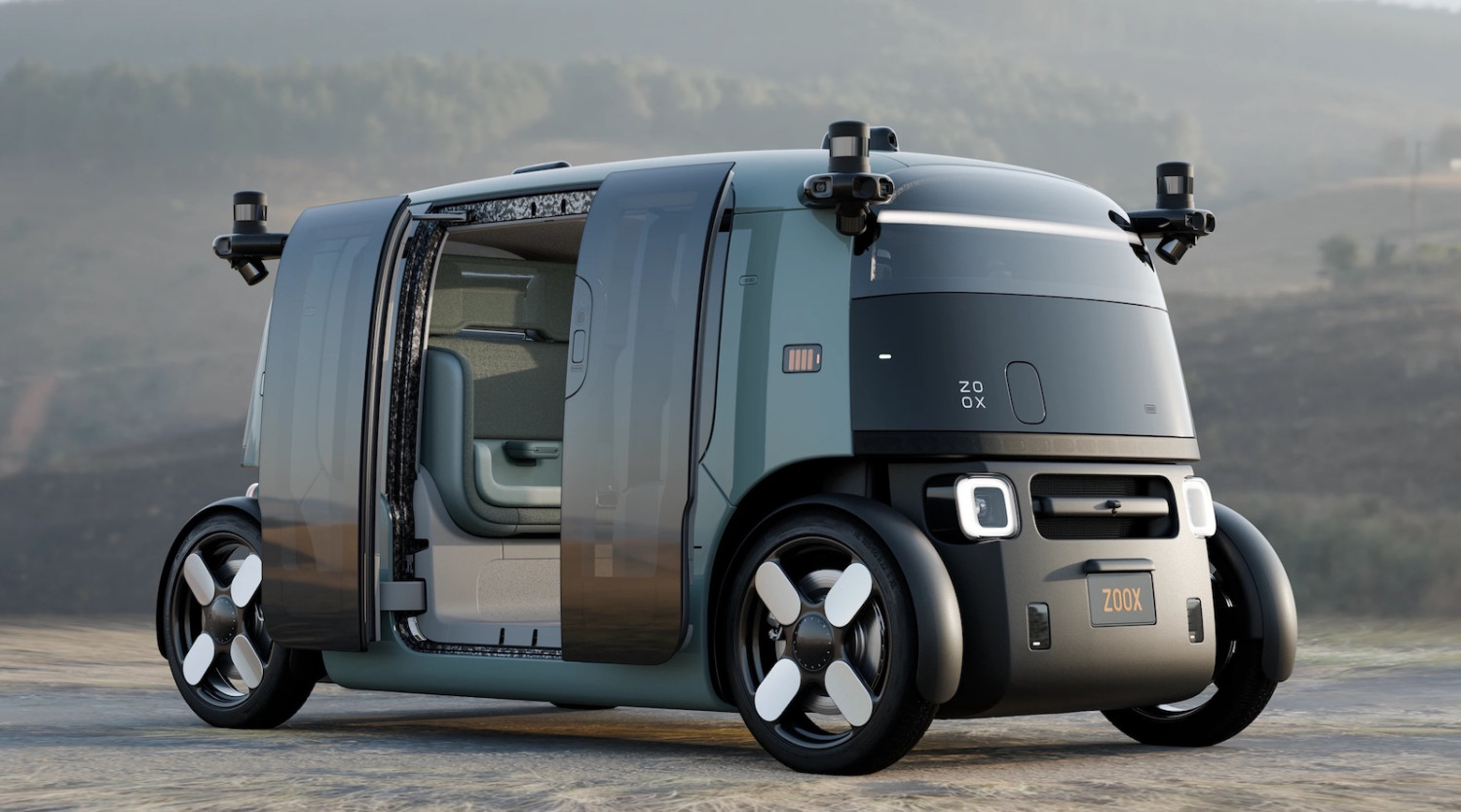
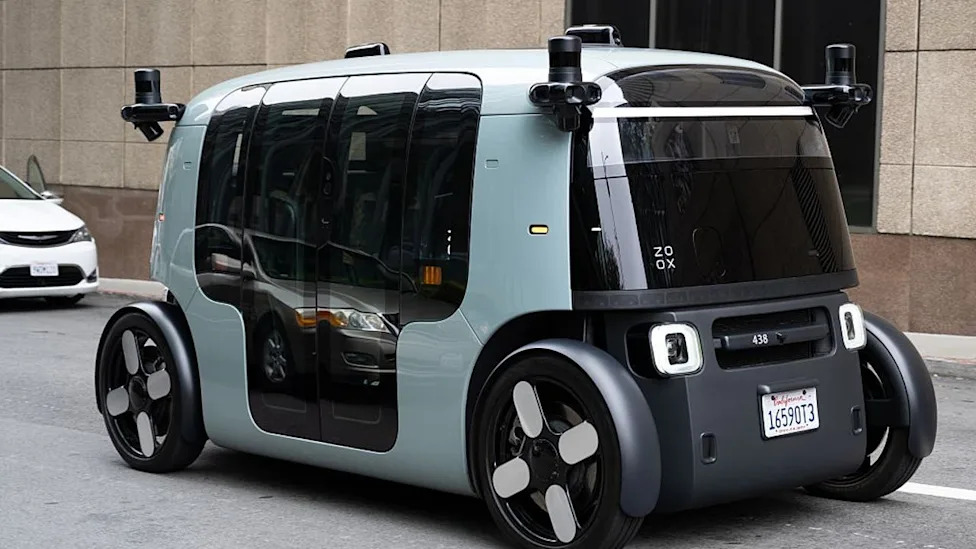
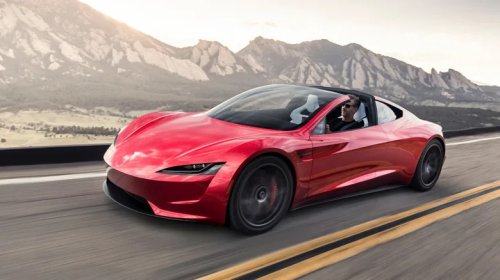
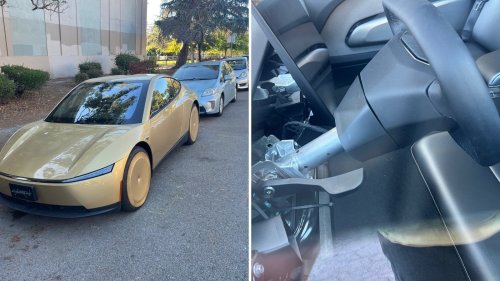
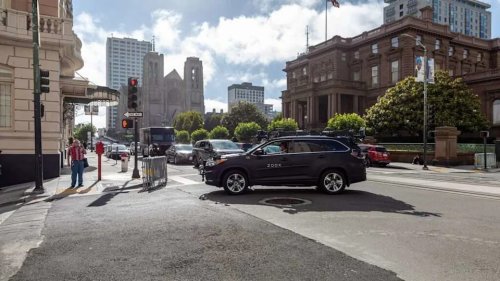
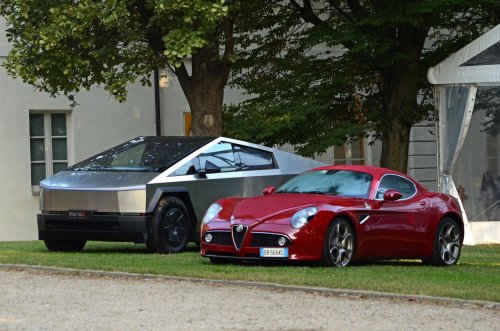
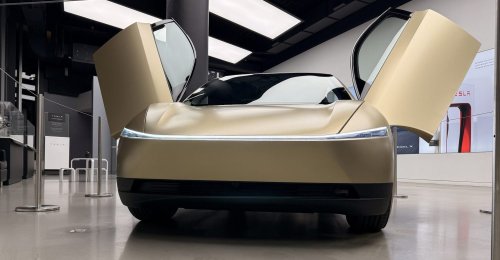
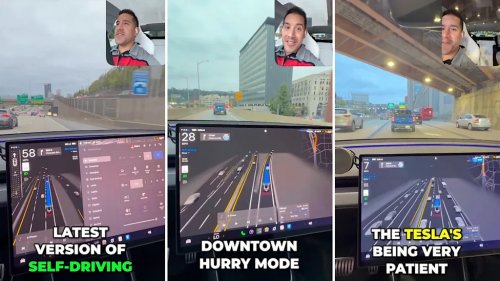
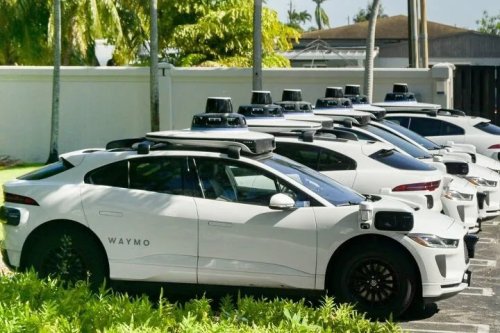
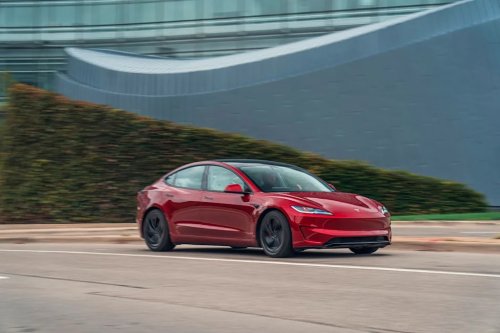
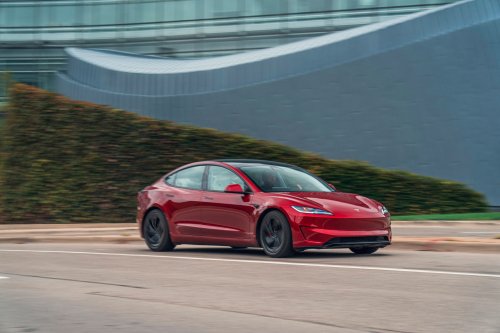
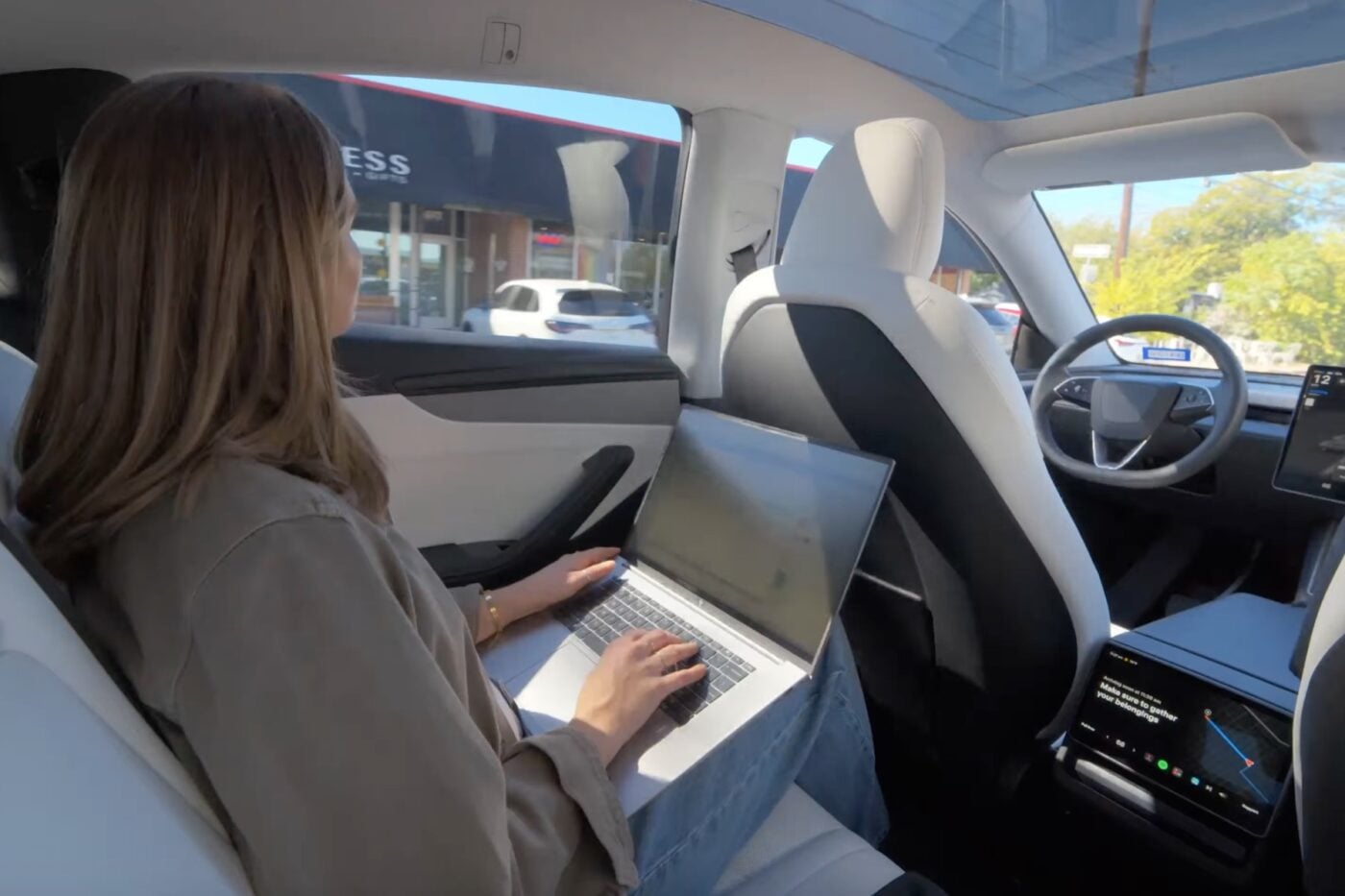
Image: TeslaTesla launched its robotaxi service in Austin ten months ago, initially with a safety driver seated in the front passenger seat. This driver could take control of the vehicle via a display in case of an emergency. In January, Tesla moved the “Safety Monitor” to a follow vehicle.The company also operates a Robotaxi service in San Francisco, but there, a driver remains behind the wheel at all times, as Tesla does not yet have approval to run fully autonomous vehicles in California.Expanding the robotaxi service from Austin to Dallas and Houston should be considerably easier for Tesla from a regulatory standpoint, as all three cities are located in Texas. The state is regarded as a pioneer in autonomous driving and passed relevant legislation as early as 2017.However, the scale of the planned robotaxi rollout in Dallas and Houston remains unclear. Tesla has confirmed that the service will operate without safety drivers. In Austin, the company initially deployed a fleet of 20 Tesla Model Y vehicles, while the Cybercab—designed as a dedicated robotaxi without a steering wheel—has yet to enter service.During its last quarterly results presentation in January, Tesla announced plans to expand its robotaxi service to Dallas, Houston, Phoenix, Miami, Orlando, Tampa, and Las Vegas in the first half of the year. The first two of these seven cities have now been launched.However, US specialist publication Electrek notes that the operational area of the robotaxi service in both cities is currently very limited: in Dallas, the zone covers approximately 78 to 90 square kilometres, while in Houston, it spans just 30 to 39 square kilometres. For comparison, the Houston metropolitan area covers over 25,900 square kilometres. Additionally, according to a robotaxi tracking tool, hardly any vehicles are currently available in either city. Electrek suggests that Tesla may have prioritised releasing positive news ahead of its quarterly results announcement on Wednesday, 22 April.The US robotaxi market is currently led by Waymo, the sister company of Google. Waymo already operates services in Phoenix, San Francisco, Los Angeles, and Austin, and has recently opened its service to all customers in Miami and Orlando. In five additional cities, the company is rolling out the service with a limited user base and a waiting list system.Another key player is Zoox, a subsidiary of Amazon, which is already active in Las Vegas and San Francisco. Meanwhile, Uber is preparing a large-scale robotaxi push. The company has partnered with around 20 automakers and technology firms, including Rivian, Lucid Motors, and Volkswagen Group.electrek.co
















 +55 others