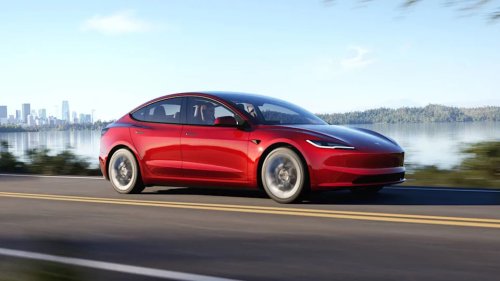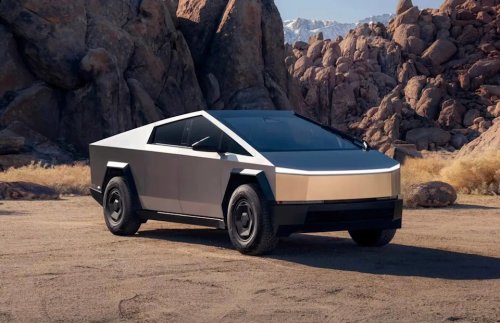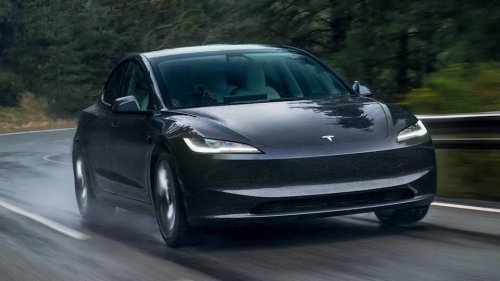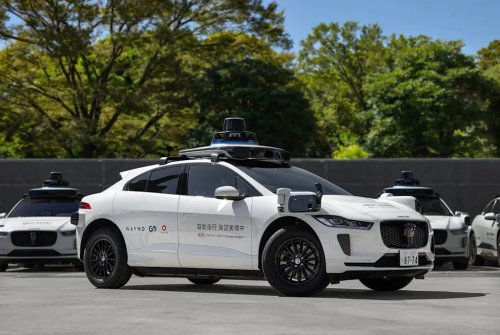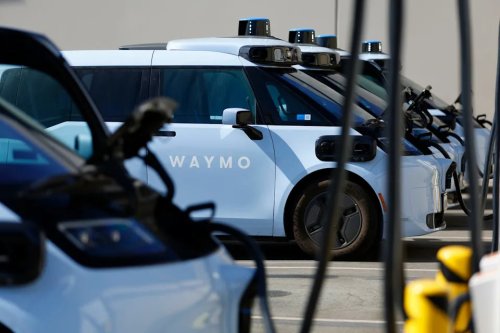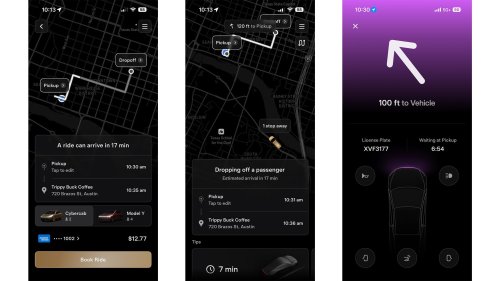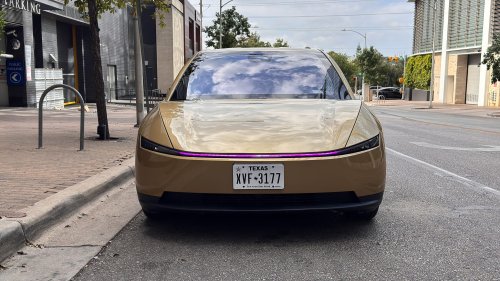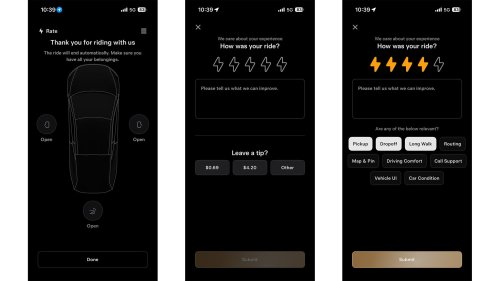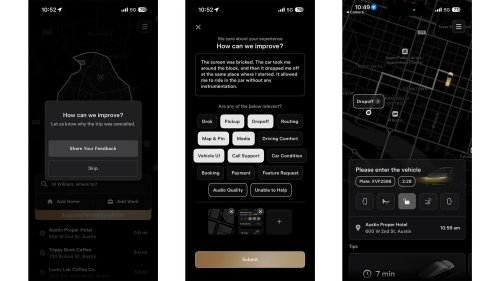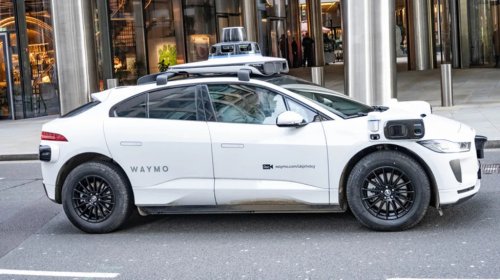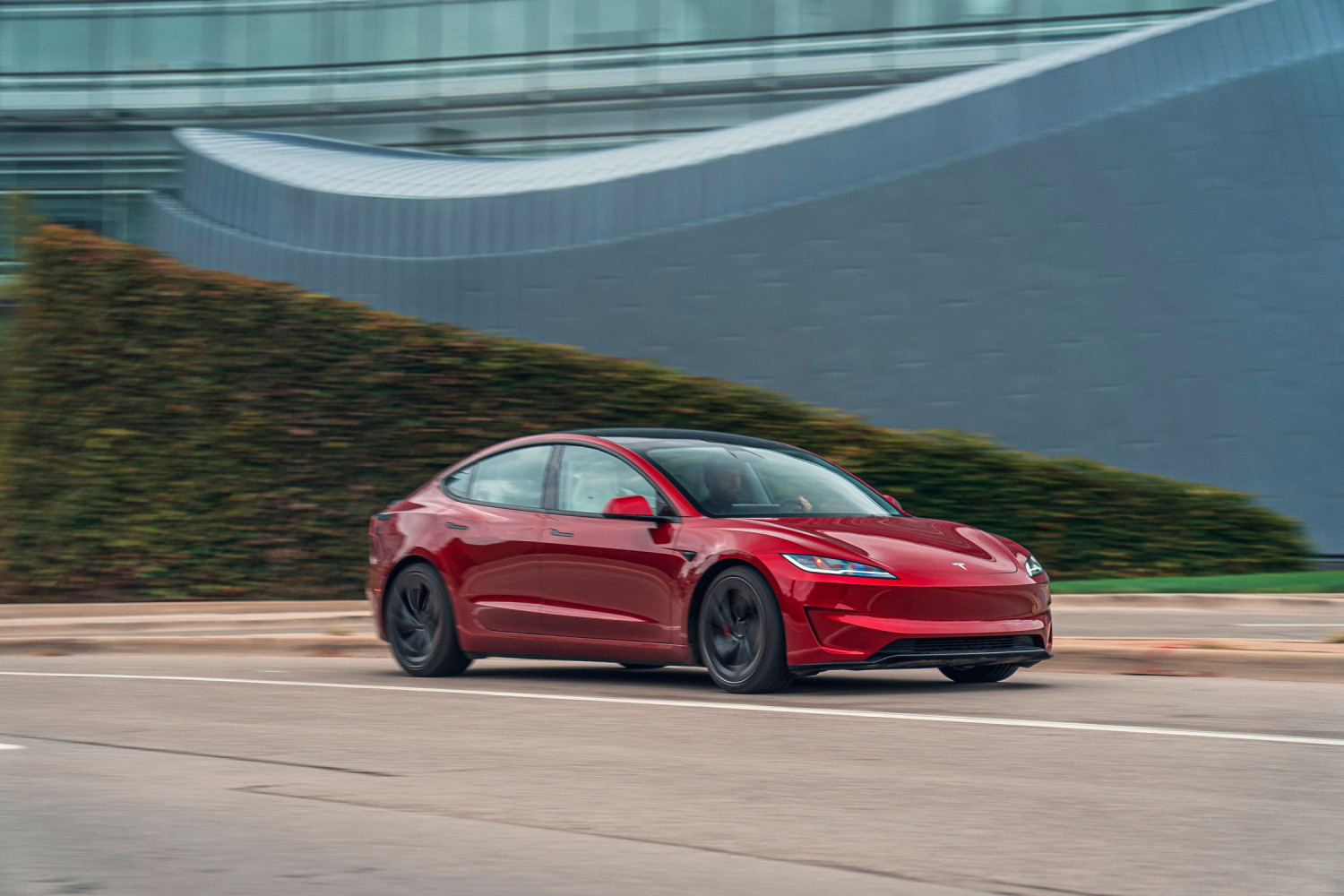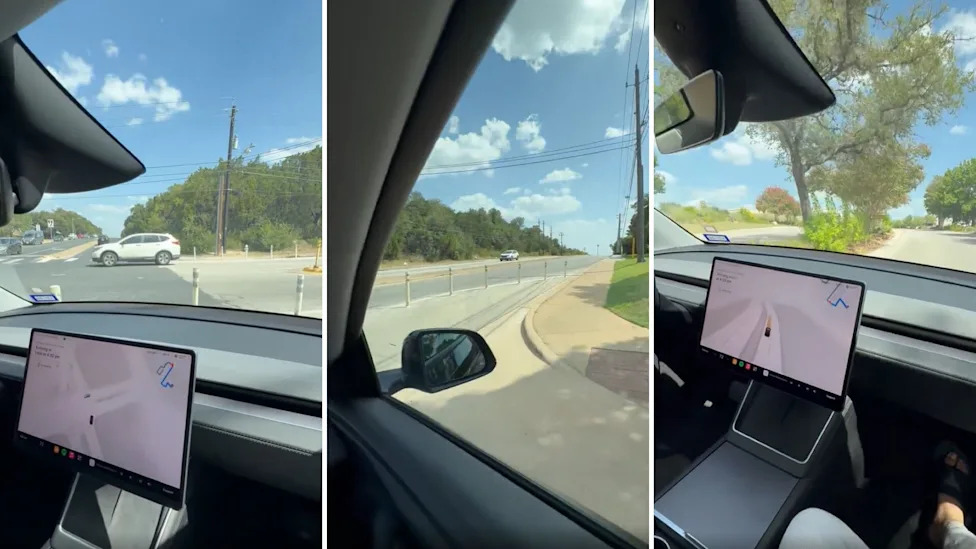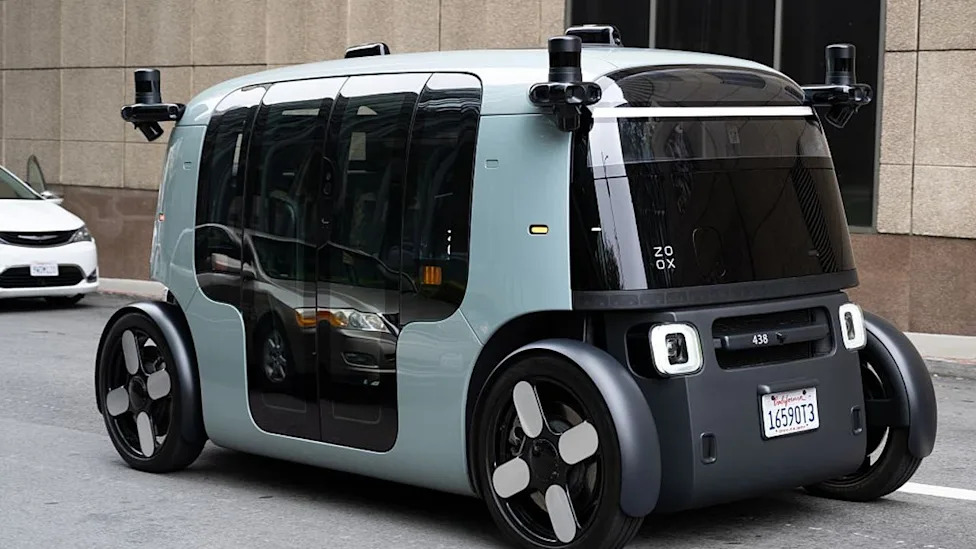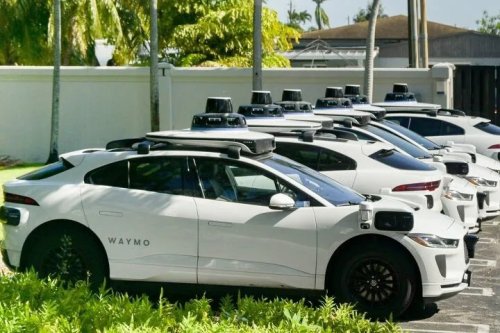
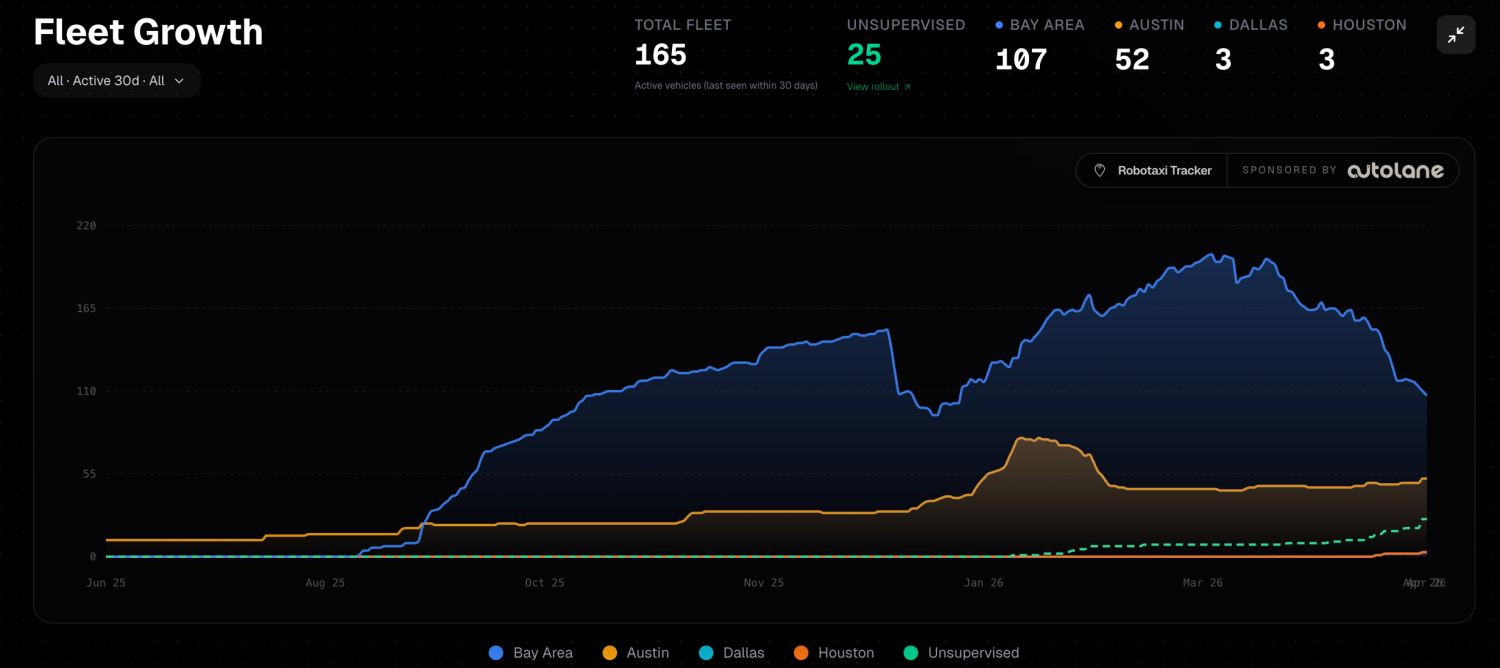
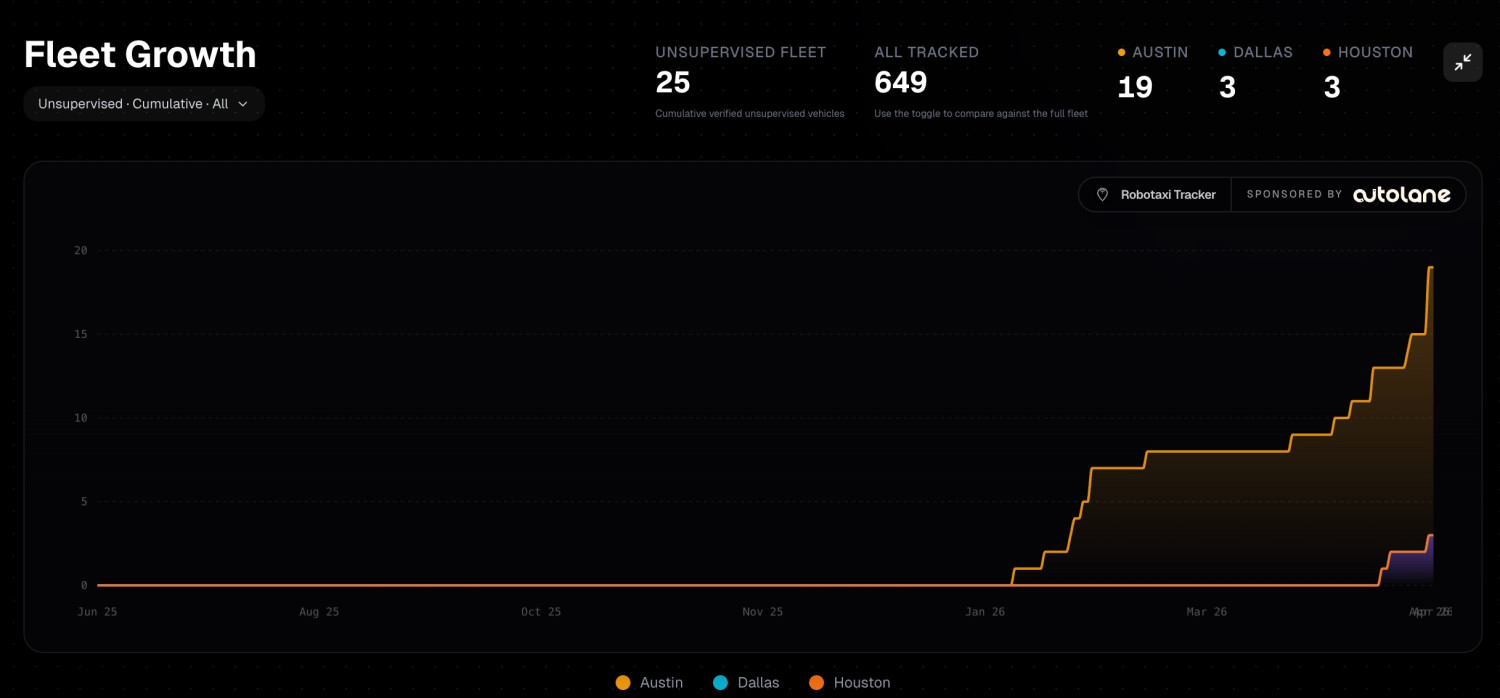
















Tesla’s “unsupervised” Robotaxi fleet has grown to 25 cumulative vehicles across three Texas cities, according to new data from the Robotaxi Tracker. It’s still an extremely number far below what CEO Elon Musk predicted, but it marks the first real signs of growth nearly a year into the program. The data shows Tesla adding unsupervised vehicles in Austin, Dallas, and Houston over the past few weeks — a notable change after months of stagnation that saw the fleet essentially flatline. A grim overall picture with a glimmer of growth The broader fleet data paints a grim picture of Tesla’s Robotaxi program. Looking at total active vehicles across all locations since the launch in Austin last June, the fleet has shown virtually no growth. Tesla currently has 165 total active vehicles (seen in the last 30 days), with the Bay Area accounting for 107 of those — vehicles running supervised Full Self-Driving, not the unsupervised Robotaxi service that Tesla is trying to build a business around. Here’s the chart from Robotaxi Tracker: Advertisement - scroll for more content The unsupervised fleet — the one that actually matters for Tesla’s robotaxi ambitions — sits at just 25 cumulative verified vehicles. Austin accounts for 19, Dallas has 3, and Houston has 3. But zoom into the unsupervised-only chart, and there’s finally some movement. After sitting near zero for the better part of a year, the cumulative unsupervised count has started climbing — mostly driven by Austin adding vehicles over the past two months, with Dallas and Houston joining the program on April 18. The Robotaxi Tracker, which crowdsources vehicle sightings and ride data, shows the unsupervised fleet stepping up from single digits in January to 25 by the end of April. It’s not a hockey stick by any measure, but it breaks a pattern of near-total stagnation. Still tiny compared to the competition To put Tesla’s 25 unsupervised vehicles in context: Waymo now operates approximately 3,000 robotaxis across 10 US cities, completing over 500,000 paid trips per week. The company raised $16 billion in February to fund international expansion to London and Tokyo, and is actively rolling out its new Ojai purpose-built robotaxi platform. Tesla’s 25 vehicles are also operating within small geofenced areas in Texas cities that have minimal autonomous vehicle regulations. And as we reported in February, these vehicles have been operating less than 30% of the time — far from the kind of utilization needed for a viable ride-hailing business. Meanwhile, Tesla has already pushed back its expansion timeline for five additional cities that were supposed to launch in the first half of 2026. Only Dallas and Houston have been added, and each started with a single vehicle – now 3. Electrek’s Take It’s always funny to me that Tesla shareholders believe I’m a “hater” when it comes to the Robotaxi program. The reality is that Tesla’s Robotaxi is underperforming even my own conservative expectations — expectations that were seen as ridiculously negative by Tesla investors. When Tesla launched the program in Austin last June, I thought that by the end of 2025 — roughly six months in — Tesla would have about 100 unsupervised robotaxis operating in limited geofenced areas across a few Texas cities with minimal regulations. That was my “bearish” view. We are now a full year into the program, and Tesla has around 25 cumulative unsupervised vehicles — only about 17 of which were active in the last seven days according to the tracker — and they are operating less than 30% of the time. Tesla is in a worse position than even my own view, which was considered absurdly pessimistic by the Tesla investment community. I can’t even say that I was right about how slow the Robotaxi would ramp since it has been much slower than my own prediction. But now there are some early signs of ramping. The unsupervised fleet is finally growing, and the expansion into Dallas and Houston — however small — shows Tesla is at least trying to broaden the footprint. It’s still very early, and these are very small numbers. Let’s see where things go from here, but Tesla has a long way to scale this into anything resembling a business — especially with Waymo running thousands of robotaxis across 10 cities and growing fast. Stay up to date with the latest content by subscribing to Electrek on Google News. You’re reading Electrek— experts who break news about Tesla, electric vehicles, and green energy, day after day. Be sure to check out our homepage for all the latest news, and follow Electrek on Twitter, Facebook, and LinkedIn to stay in the loop. Don’t know where to start? Check out our YouTube channel for the latest reviews.