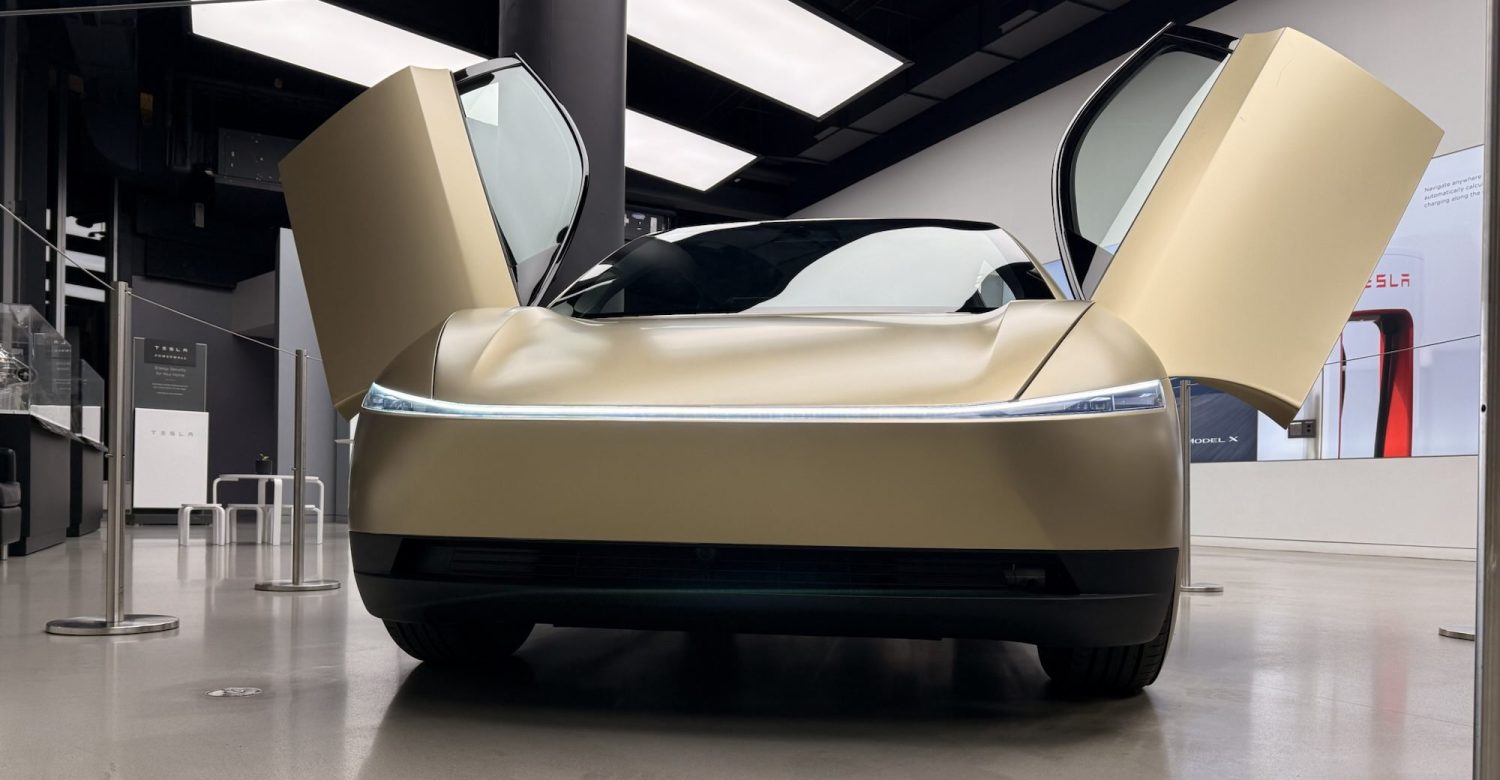
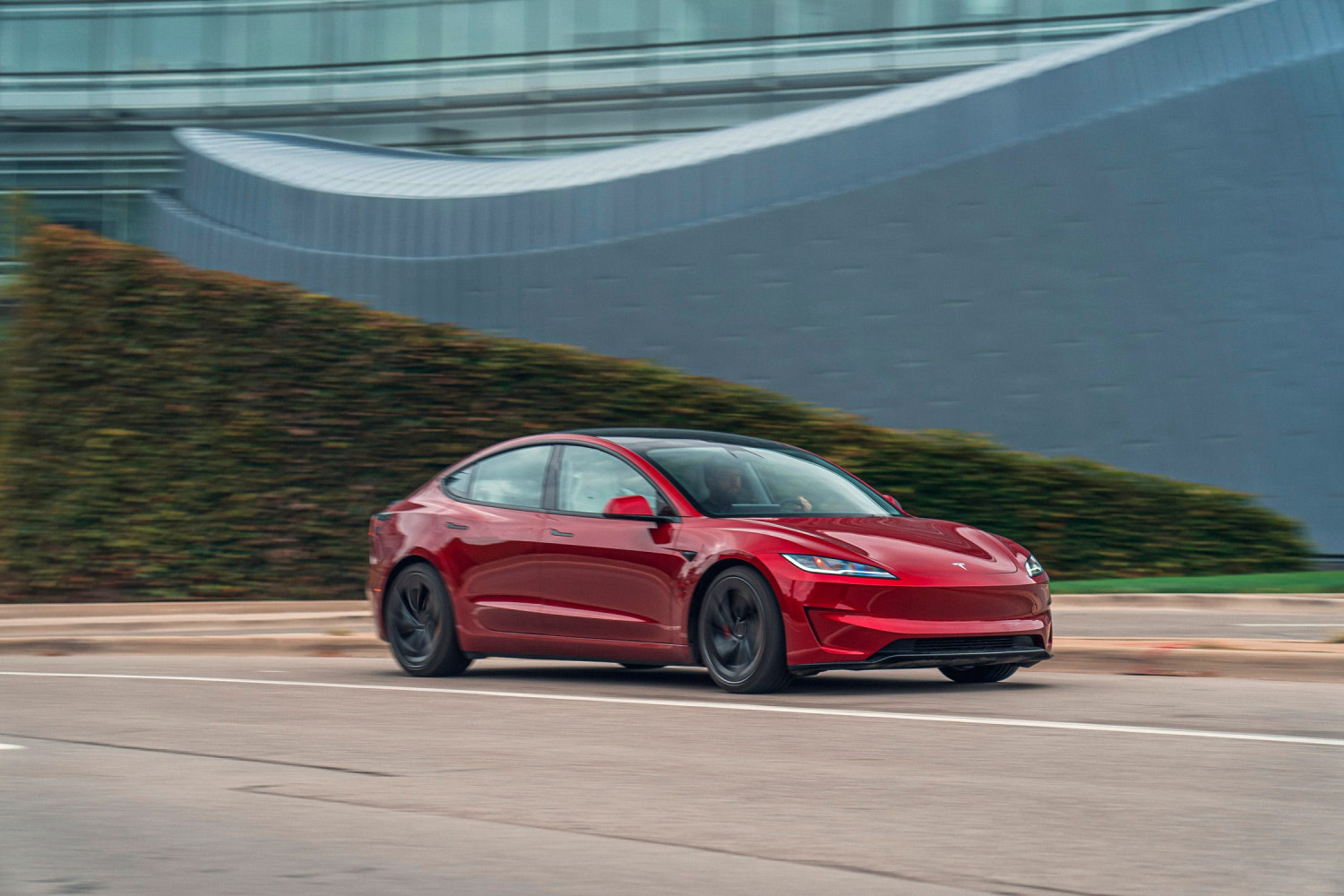
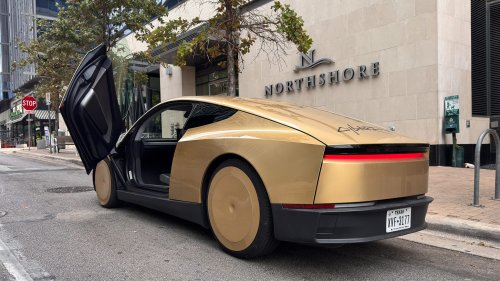
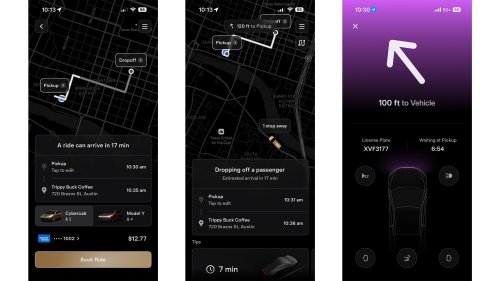
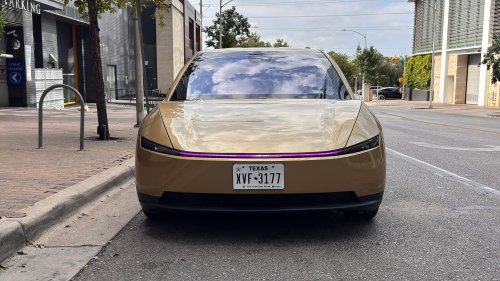
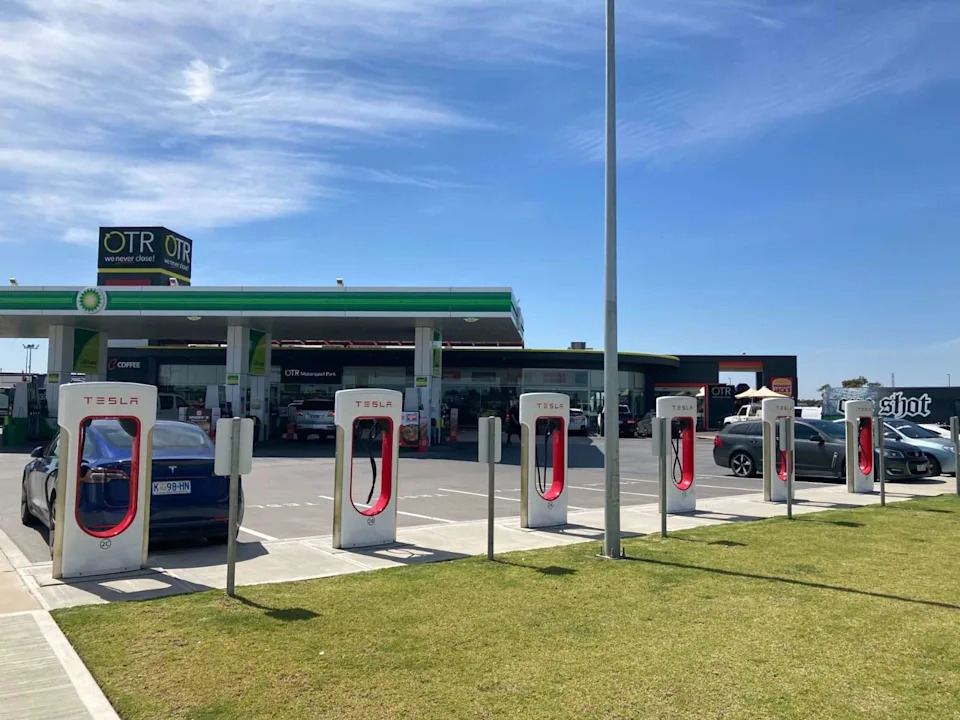
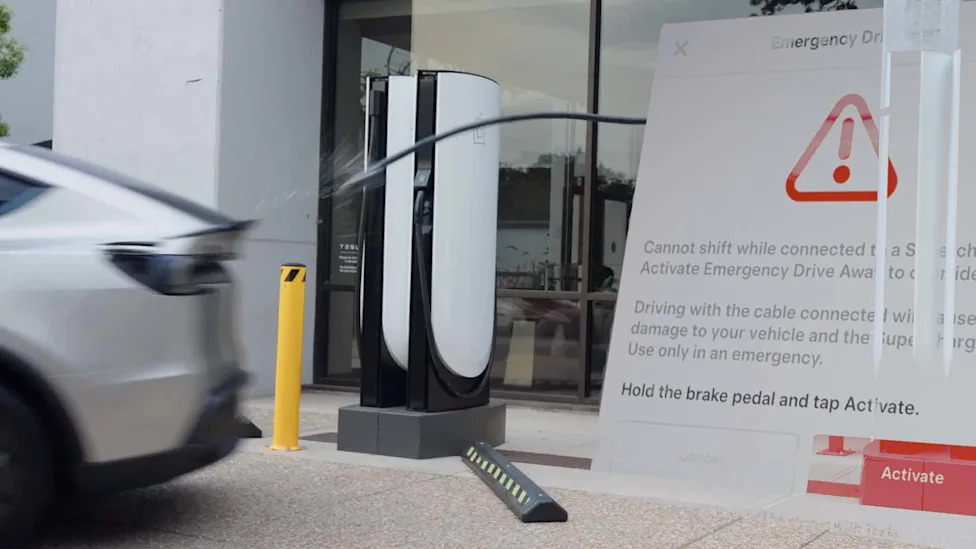
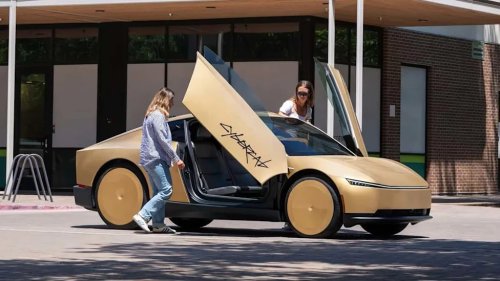
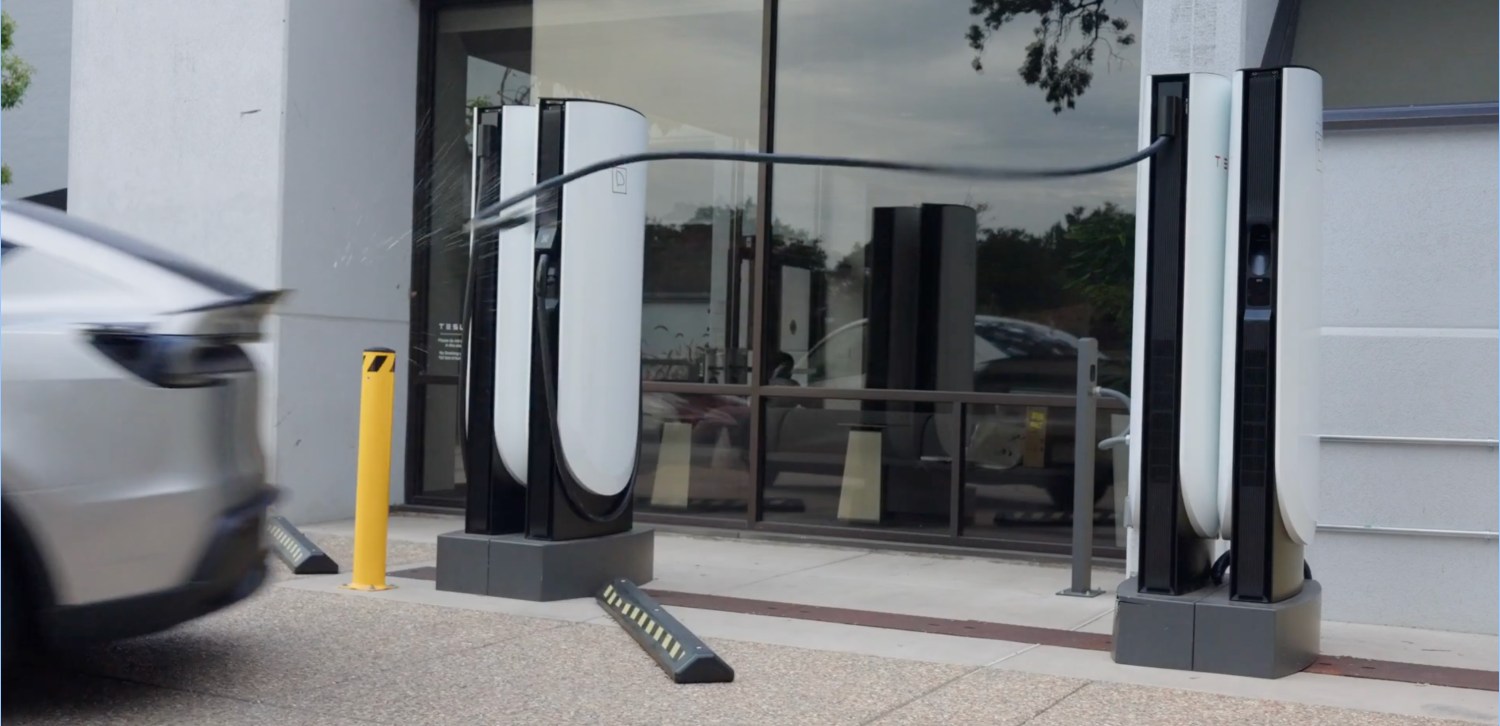
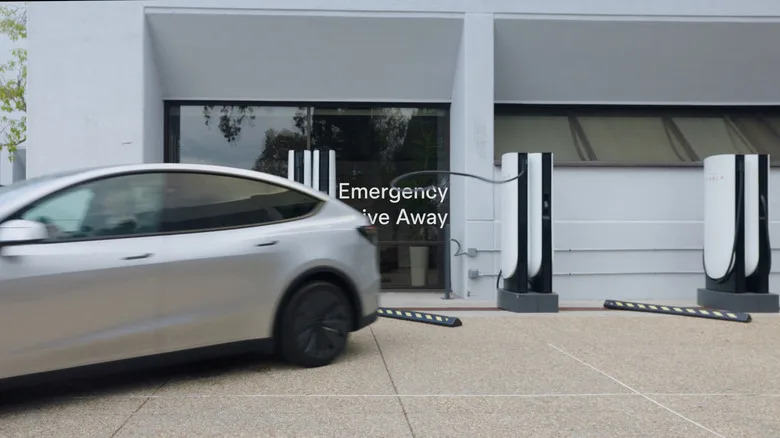
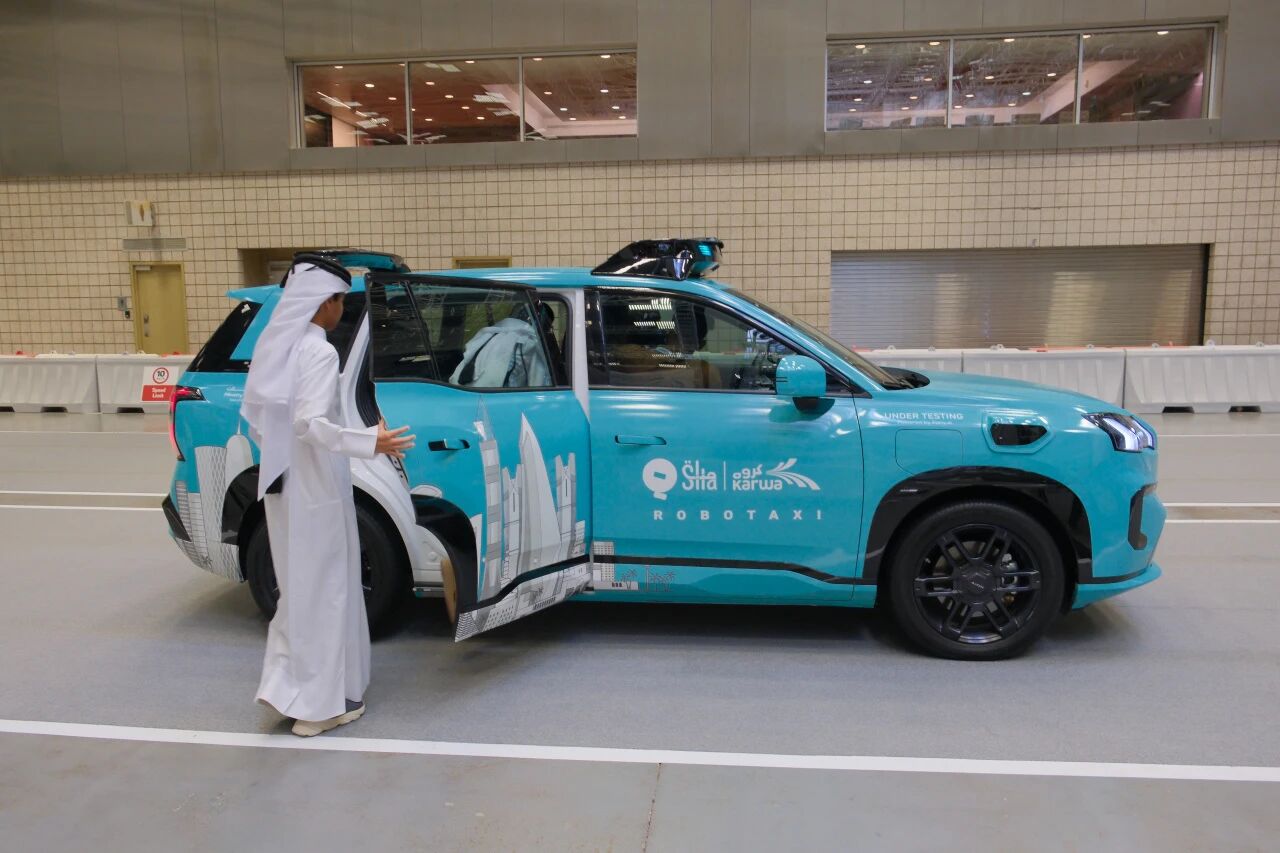
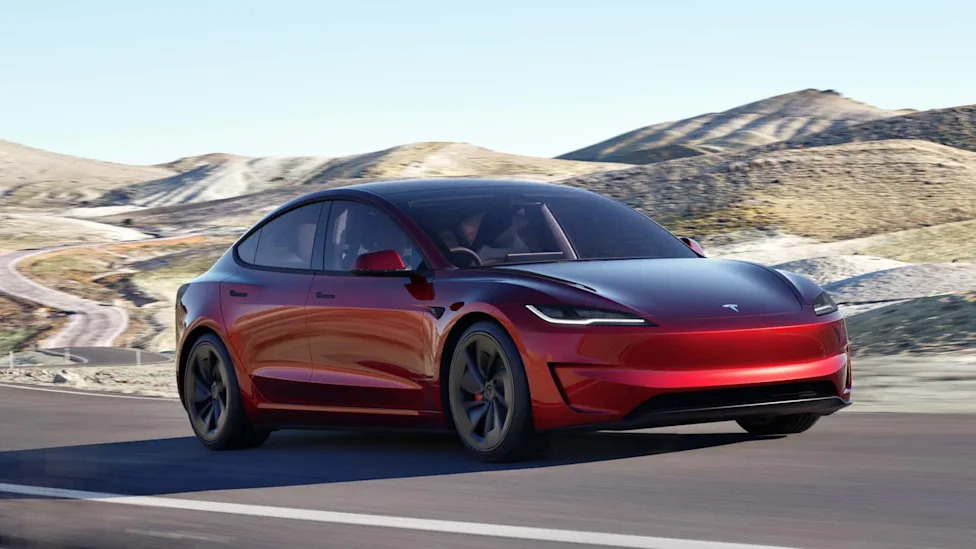
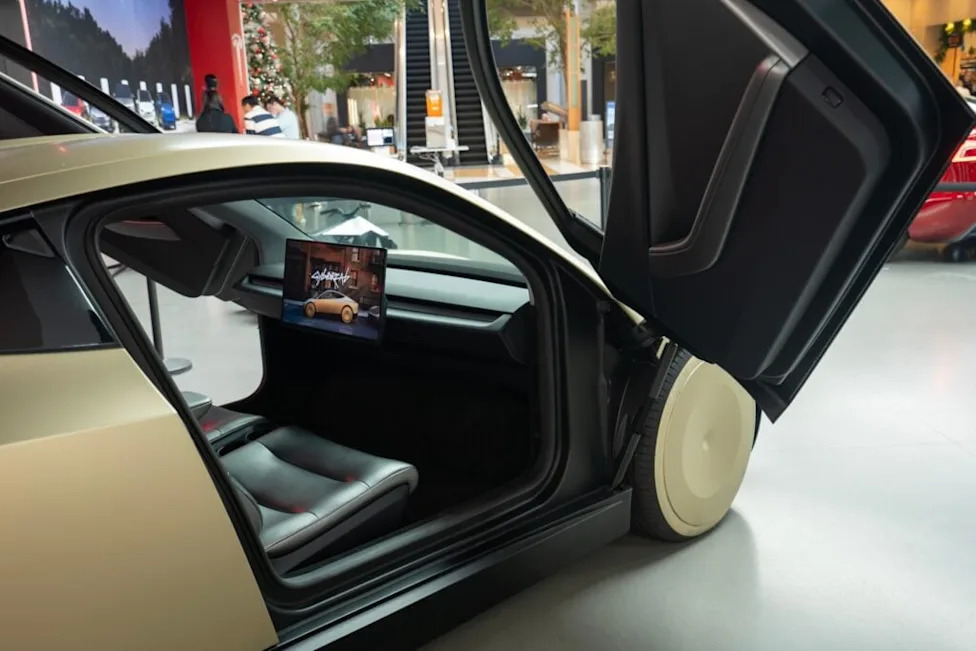
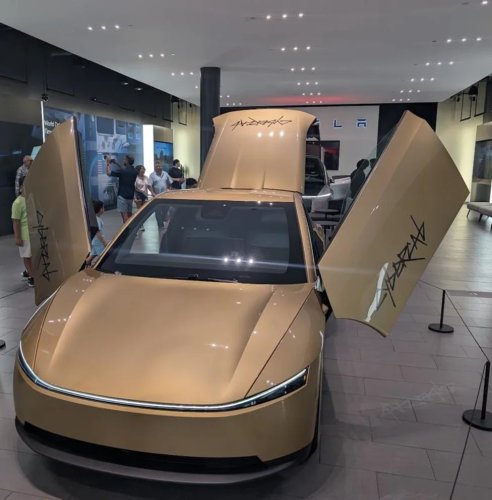
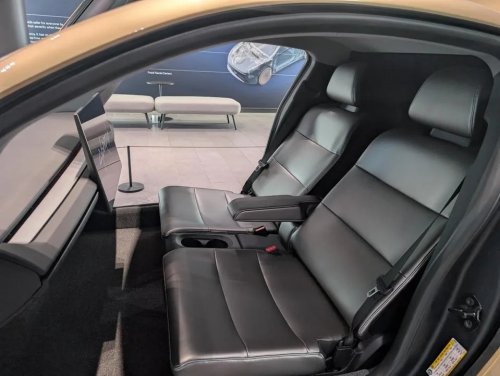
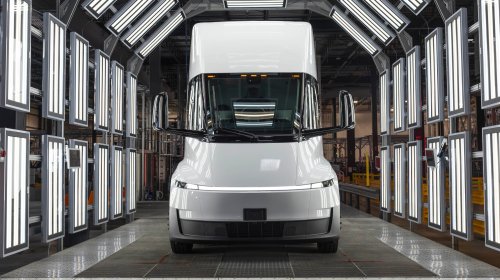
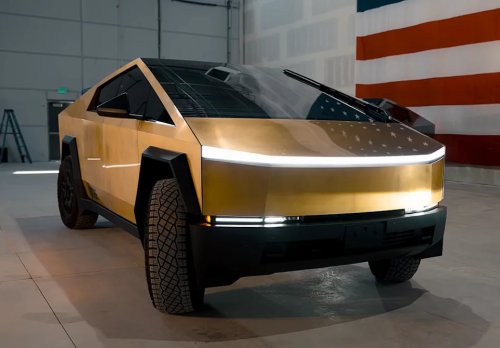
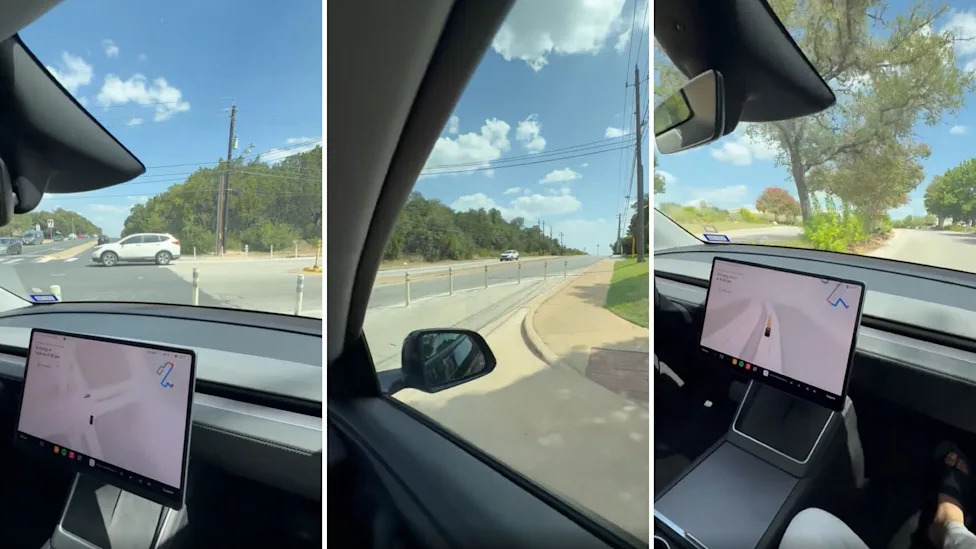
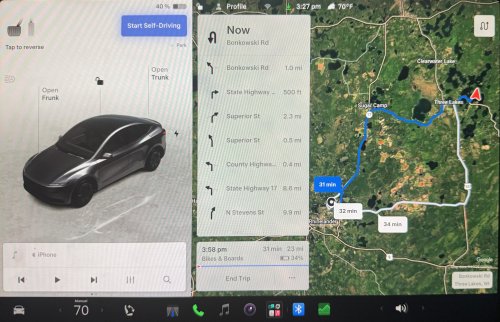
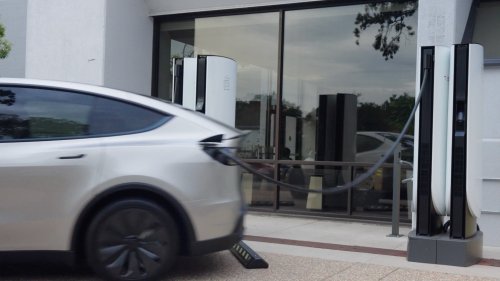
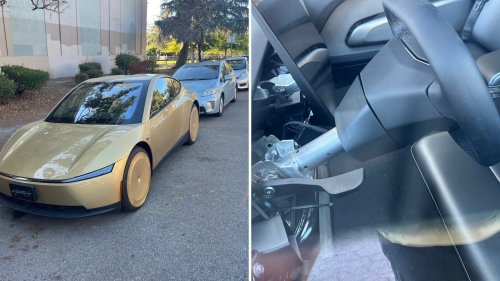
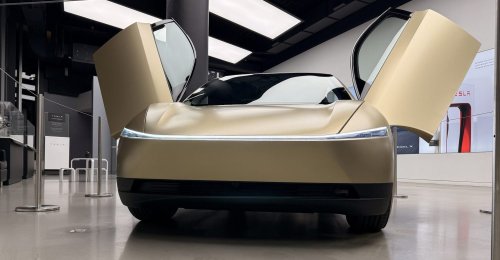
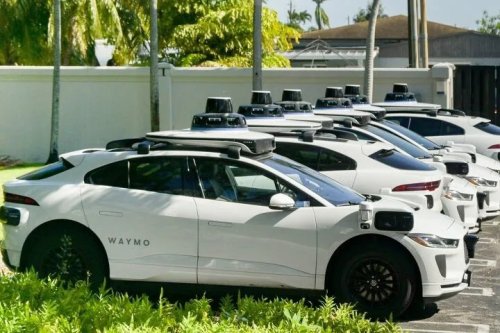
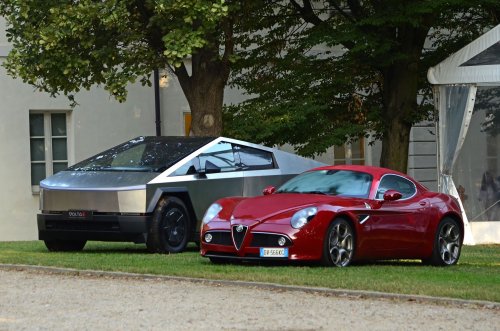
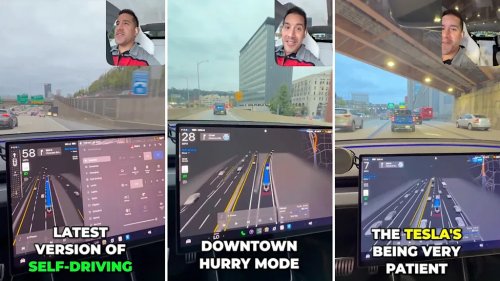
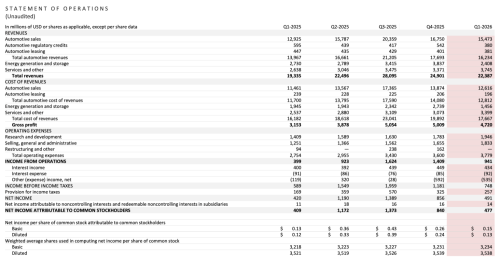
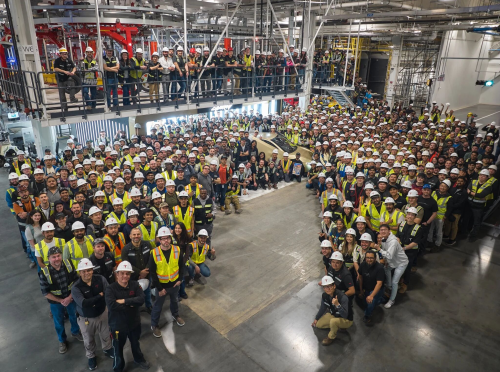
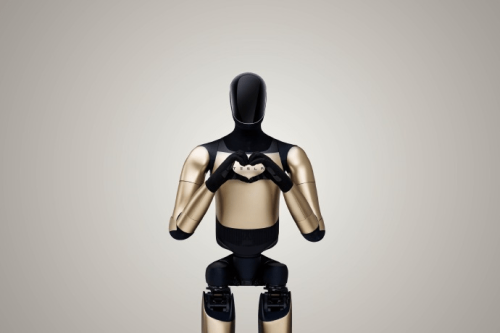
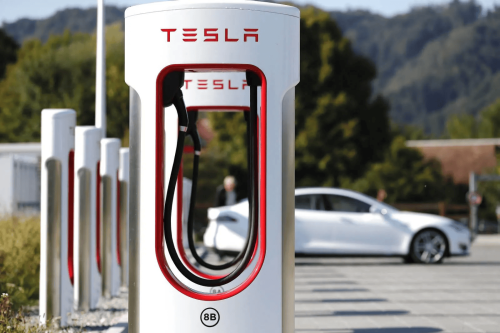
On April 23, Tesla released its financial results for the first quarter of 2026. During the quarter, Tesla delivered more than 358,000 battery electric vehicles globally, up 6.5% year-on-year. Of these, the Shanghai Gigafactory accounted for 213,000 units, rising 23.5% year-on-year and remaining the company’s primary source of incremental growth. Driven by higher vehicle deliveries and growth in other businesses, Tesla’s total revenue rose 16% year-on-year to $22.4 billion. Net profit increased 17% year-on-year to $477 million. Tesla’s financial results in Q1 However, the structure of the results suggests Tesla’s strategic focus is no longer centered solely on its vehicle business. Its advanced driver-assistance system continues to expand its commercial base. As of the first quarter, the number of paying users approached 1.3 million, with penetration steadily increasing among more than 9 million vehicle owners. Version 14.3 has been rolled out in North America, while the next-generation V15 is expected to launch between late this year and early next year. The Robotaxi business is entering a more substantive phase. In the first quarter, paid mileage from autonomous ride-hailing services nearly doubled quarter-on-quarter. In February, the first mass-produced Cybercab rolled off the production line at Tesla’s Texas factory. Tesla’s first mass-produced Cybercab rolled off At the same time, the company is stepping up investment in computing power and chips. The next-generation AI5 inference chip has completed design and will be deployed in robotics and data centers. The rollout of the TERAFAB project and the Cortex 2 cluster points to significantly expanded training capacity, which will directly influence the iteration speed of autonomous driving and robotics models. In humanoid robotics, Tesla plans to begin preparations for its first large-scale robot manufacturing facility in the second quarter, with its third-generation product expected to debut in mid-2026. Tesla’s humanoid robot Elon Musk reiterated during the earnings call that this business could become the company’s most important long-term growth driver. The energy business provides another pillar of support. In the first quarter, the gross margin of energy storage exceeded 39.5%, remaining at a high level. Although installations temporarily declined to 8.8 GWh, full-year growth is still expected. On the charging front, Tesla added 2,200 Superchargers during the quarter, up 19% year-on-year, delivering 1.8 TWh of electricity, a 22% increase. Tesla’s Supercharger station As of April, Tesla has built more than 2,600 Supercharger stations in mainland China, achieving full coverage across major cities and gradually opening the network to non-Tesla vehicles. During the earnings call, Musk said Tesla is intensifying investment in core technologies this year, including batteries, powertrains, AI software, AI training, and chip design and manufacturing, laying the groundwork for a significant expansion in future production capacity. The company is also strengthening its supply chain across batteries, energy and AI chips. Musk reiterated his view that humanoid robots could become Tesla’s most important product ever, and potentially one of the most significant products in human history.


















 +25 others