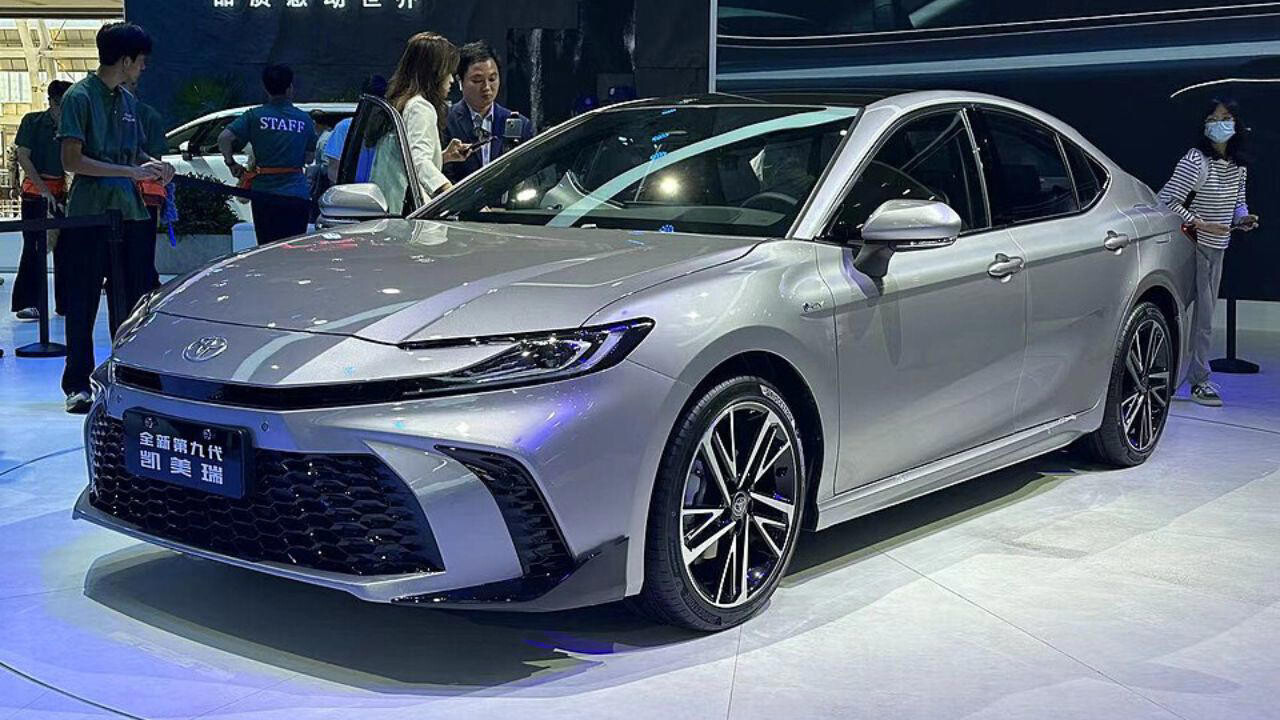
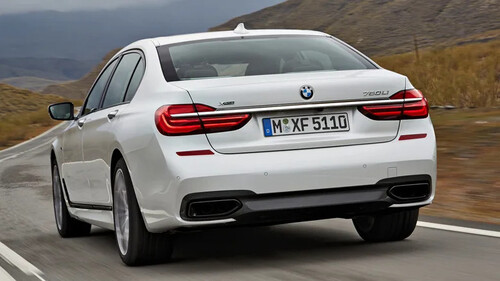
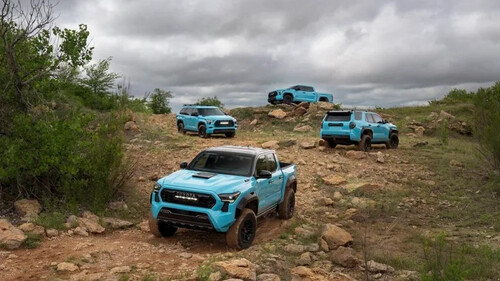
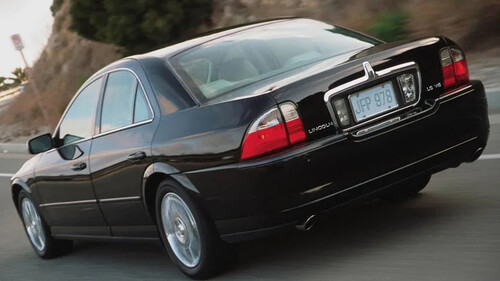
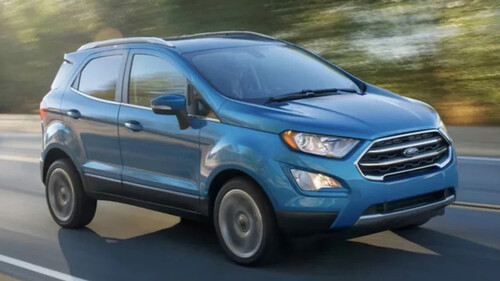
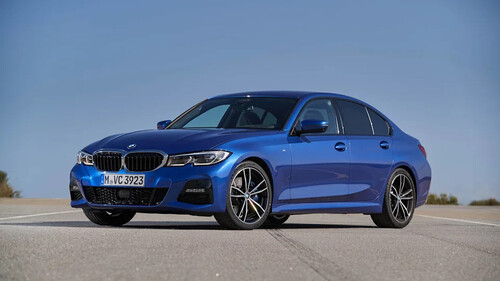
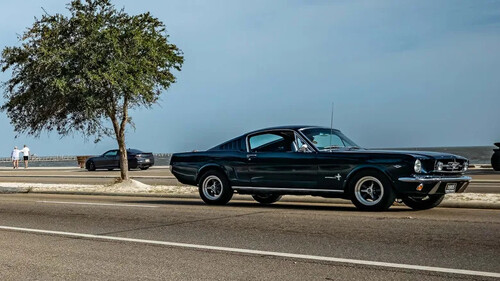
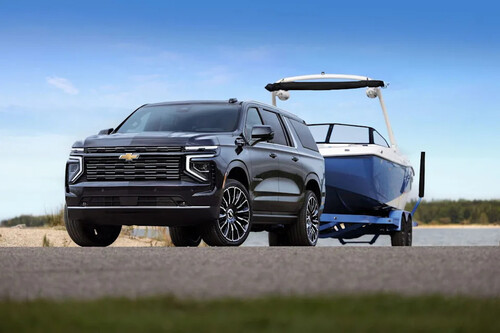
As the automotive landscape evolves, many wonder about the future of gas-powered vehicles amidst the rise of electric alternatives. While electric cars are gaining traction, gas cars continue to hold a significant place. Here are nine compelling reasons why gas cars aren’t disappearing anytime soon. Established Infrastructure Image Credit: Tyler A. McNeil – Own work, CC BY 3.0, via Wikimedia Commons The infrastructure supporting gas-powered vehicles is deeply embedded in our society. Gas stations are ubiquitous, providing a convenience that electric charging stations have yet to match. Take the 2022 Ford F-150, for example, a popular truck whose owners rely on the extensive network of gas stations for road trips and daily commutes. The vast network of maintenance and repair facilities is another critical factor, as many mechanics are more familiar with internal combustion engines than electric ones. This established infrastructure ensures that gas cars remain a convenient and reliable choice for many drivers today. Until electric infrastructure catches up, the convenience of gas stations and repair services will continue to play a significant role in the automotive industry. Consumer Preference Public domain / Wikimedia Commons Consumer habits and preferences are slow to change, and many drivers still favor the familiarity of gas-powered vehicles. The 2023 Toyota Camry is a testament to the enduring appeal of traditional sedans. Drivers appreciate the sound and feel of a gas engine, associating it with reliability and performance. Additionally, some consumers are hesitant about the range limitations and charging times associated with electric vehicles. For many, the decision to stick with gas cars is based on personal comfort and long-standing preferences. This demand ensures that manufacturers will continue to produce gas-powered models to meet consumer expectations. Versatile Performance Image Credit: U.S. Navy photo by Petty Officer 1st Class James Hong, Public Domain, via Wikimedia Commons Gas-powered vehicles often offer a level of versatility in performance that electric vehicles are still working to match. The 2024 Chevrolet Silverado, for example, provides robust towing and hauling capabilities that are essential for many truck owners. Gas engines can offer high power output and are well-suited for heavy-duty applications and long-distance travel. While electric vehicles are making strides in performance, gas cars still provide a sense of power and versatility that appeals to a wide range of drivers. This performance aspect is crucial for those who require their vehicles for more than just commuting. Economic Impact Public domain / Wikimedia Commons The automotive industry is a significant contributor to the global economy, and gas-powered vehicles play a vital role in this sector. The production and sale of gas cars, such as the 2025 Honda Accord, support thousands of jobs worldwide. From manufacturing to maintenance, the economic impact of gas vehicles is substantial. Governments and industries are cautious about transitioning too quickly to electric, as it could disrupt economies reliant on gas vehicles. The economic implications ensure that gas cars will remain an integral part of the automotive landscape for the foreseeable future. Technological Advancements Image Credit: Alexander-93 – Own work, CC BY-SA 4.0, via Wikimedia Commons Technological advancements continue to enhance the efficiency and performance of gas-powered vehicles. The 2026 BMW 3 Series showcases improvements in fuel efficiency and reduced emissions, demonstrating that innovation is not exclusive to electric cars. These advancements help gas vehicles remain competitive in an evolving market. As manufacturers strive to meet environmental standards, they are investing in cleaner and more efficient gas engines. These efforts indicate that gas cars will continue to evolve alongside electric vehicles, offering consumers more choices. Fuel Availability Image by Saad Alawi via Pexels Gasoline remains readily available and relatively affordable compared to some alternatives. The widespread availability of fuel ensures that vehicles like the 2021 Jeep Wrangler can be driven without concerns about refueling infrastructure. This availability is a significant advantage over electric vehicles, which require charging infrastructure that is still developing. The global distribution of gasoline makes it a reliable energy source for drivers worldwide. Until electric charging infrastructure becomes as pervasive and convenient, gas vehicles will continue to be a practical choice for many. Regulatory Flexibility Image Credit: Vauxford – Own work, CC BY-SA 4.0, via Wikimedia Commons While governments are implementing stricter environmental regulations, there is still considerable flexibility surrounding gas-powered vehicles. The 2020 Audi A4 is an example of a model that meets current emissions standards while providing the benefits of a traditional engine. Policymakers are balancing environmental goals with the economic and practical realities of transitioning to electric vehicles. This regulatory flexibility allows gas cars to remain viable options for consumers who are not ready or able to switch to electric vehicles. The gradual approach to regulation gives manufacturers time to innovate and adapt. Resale Value Image Credit: MercurySable99 – Own work, CC BY-SA 4.0, via Wikimedia Commons Gas-powered vehicles often maintain a reliable resale value, making them a sound investment for many buyers. The 2019 Subaru Outback, for instance, is known for its durability and strong resale market. This financial aspect can be an attractive factor for consumers who plan to sell or trade their vehicles in the future. The well-established market for used gas cars ensures they remain a practical choice for budget-conscious buyers. As long as demand exists for pre-owned gas vehicles, they will continue to have a place in the automotive industry. Cultural Significance Image Credit: Jeremy from Sydney, Australia – 1965 Ford Mustang GT, CC BY 2.0, via Wikimedia Commons Gas cars hold a cultural significance that electric vehicles are only beginning to cultivate. Iconic models like the 1965 Ford Mustang are ingrained in automotive history and popular culture. This emotional and historical connection to gas cars is strong among enthusiasts and collectors. The passion and nostalgia associated with gas-powered vehicles contribute to their enduring presence. As long as car culture celebrates these vehicles, gas cars will continue to captivate the hearts of drivers and enthusiasts alike. More from Fast Lane Only: Unboxing the WWII Jeep in a Crate The Fastest Farm Truck Ever Built 10 Old Trucks That Were Built Like Tanks 12 Classic muscle cars still within reach for budget buyers *Created with AI assistance and editor review.