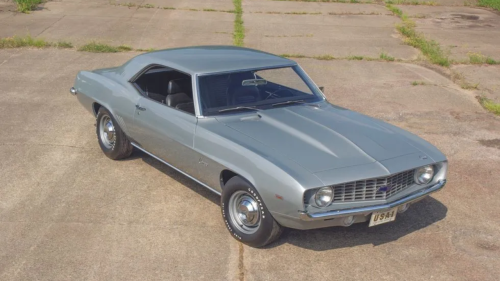
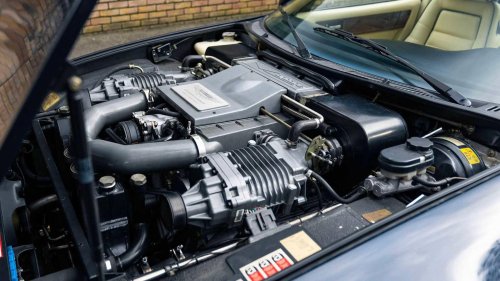






















Supercharged muscle cars are the epitome of raw power and aggressive styling. From classic Camaros to modern-day Hellcats, these vehicles always amaze us with their thunderous acceleration and commanding presence. The allure of a supercharged engine lies in its ability to deliver immediate power, making every drive an adrenaline-pumping experience.However, the reality of owning such a beast extends beyond the thrill of the ride. While the performance is undeniable, there are practical considerations that potential owners must weigh. From maintenance costs to daily usability, supercharged muscle cars come with a set of challenges that can impact the overall ownership experience.This article examines ten critical factors that may deter enthusiasts from owning a supercharged muscle car. Each point is based on real-world data, expert opinions, and firsthand accounts to provide a comprehensive understanding of the potential drawbacks. The goal is to offer a balanced perspective and help readers make informed decisions regarding their automotive aspirations. Higher Maintenance Costs Owning a supercharged muscle car often means higher maintenance expenses. For instance, brake replacements at dealerships can cost around $2,000, and oil changes may run up to $200. These costs can add up quickly, especially if the vehicle is driven regularly.Moreover, the specialized components in supercharged engines require expert attention. Regular servicing by professionals familiar with high-performance vehicles is essential, which can further increase maintenance expenses. Even basic parts, such as spark plugs or belts, tend to wear out faster under the strain of a supercharger. And when those parts fail, they often take other systems down with them. That means bigger repair bills and more time off the road. Poor Fuel Economy Supercharged engines are notorious for their fuel consumption. Supercharged Mustang owners, for example, report highway mileage around 23–24 mpg, with city driving dropping to 15–17 mpg. Of course, this is just an aggregated average figure, but in general, this inefficiency can lead to frequent fuel stops and higher overall fuel costs.The added weight and power of superchargers demand more fuel, making these cars less economical for daily commuting. And if the car is tuned aggressively or driven hard, mileage can dip even lower. The cost of premium fuel – which is often required – only adds to the burden. Over time, fuel expenses can rival or even exceed monthly payments, especially if the car is used frequently. Elevated Insurance Premiums Bring A Trailer Insurance for supercharged muscle cars is typically higher due to their performance capabilities and associated risks. For example, insuring a Dodge Challenger SRT Super Stock can cost over $2,700 annually.The increased premiums reflect the potential for higher repair costs and the likelihood of accidents, given the vehicle's power. Insurance companies also factor in theft rates and speeding ticket trends when calculating risk. Because these cars attract attention – both wanted and unwanted – drivers may also face coverage limitations or require specialty policies. All of this makes budgeting for ownership harder than expected. Reliability Concerns Via: Collecting Cars The added stress of a supercharger can impact engine longevity. Improper installation or tuning may lead to frequent breakdowns and decreased reliability.Additionally, the increased power output can strain other vehicle components, leading to accelerated wear and potential failures. Transmission, cooling systems, and drivetrain components are often pushed beyond their intended limits. If the car is driven aggressively or raced, the risks increase even further. Repairs become not just more frequent, but also more expensive due to the need for upgraded parts. Depreciation And Resale Challenges FoxbodyFX via YoutubeModified vehicles, including those with aftermarket superchargers, often face depreciation challenges. Dealerships may offer lower trade-in values, and private buyers might be wary of potential issues.The niche market for such vehicles can make resale more difficult, potentially leading to longer selling times and reduced returns on investment. Many buyers shy away from highly tuned or modified vehicles, fearing reliability problems or poor installation. Even factory-supercharged cars face scrutiny if service history isn’t well documented. Enthusiasts may love them, but the general market often doesn’t. Emissions And Environmental Impact The Gentleman's Garage YouTube Supercharged engines can produce higher emissions, potentially leading to environmental concerns and regulatory issues. While some superchargers are 50-state certified, improper tuning or modifications can result in failed emissions tests.Owners must ensure their vehicles comply with local emissions standards, which may require additional modifications or certifications. In states like California, failing a smog check could prevent vehicle registration. Environmental fines are also possible for those caught running illegal exhaust or tuning setups. These cars may impress on the street, but they rarely meet clean air standards without compromise. Daily Driving Practicality Supercharged muscle cars may not be ideal for daily driving. Their aggressive power delivery can make them challenging to handle in traffic, and their size and visibility issues can complicate parking and maneuvering in rare cases.Furthermore, the firm suspension setups common in these vehicles can lead to a less comfortable ride on regular roads, affecting overall drivability. These cars often ride low and stiff, bouncing over potholes and scraping on driveways. Cabin noise, heat from the engine bay, and lack of modern comfort features also wear on drivers over time, if we are talking about vintage muscle. The thrill wears off fast during long commutes. Supercharger Whine And Noise Levels Roush Performance The loud exhaust notes of supercharged muscle cars can lead to noise complaints from neighbors and potential legal issues. For instance, a driver in Seattle faced significant fines for not addressing noise-enhancing modifications on his Dodge Charger SRT.Such attention can be unwelcome and may result in restrictions or penalties, especially in residential areas. Cities are increasing noise enforcement, and some even have camera-based monitoring for loud exhausts. In some states, repeat violations can lead to forced equipment changes or impoundment. What sounds good to the driver may sound like a headache to everyone else. Tire Wear And Replacement Costs Via: FordThis really applies to all high-horsepower cars, but the immense power of supercharged engines can lead to rapid tire wear. Owners often need to replace tires more frequently, especially if the vehicle is driven aggressively.High-performance tires suitable for these cars are typically more expensive, adding to the overall cost of ownership. Even moderate acceleration can eat through soft rubber quickly. A full set can cost over $1,000, and in some cases, owners replace them twice a year. Burnouts may look cool, but they burn through your budget just as fast.