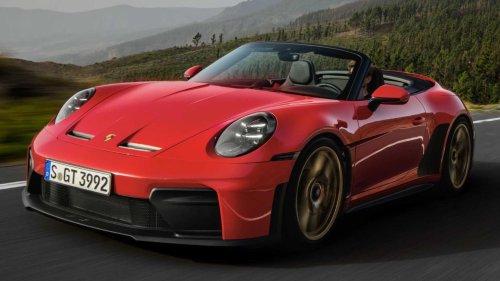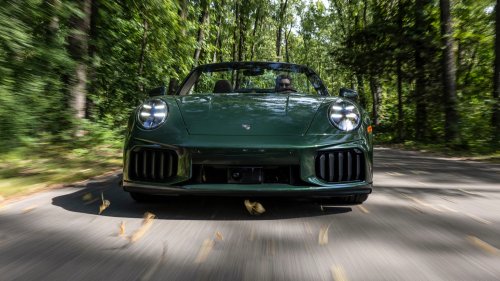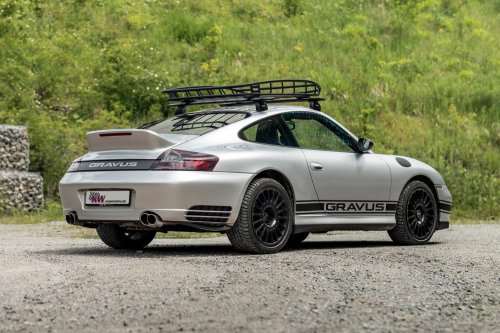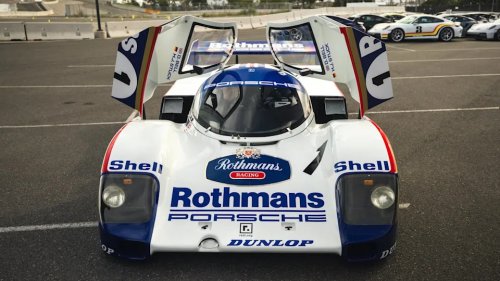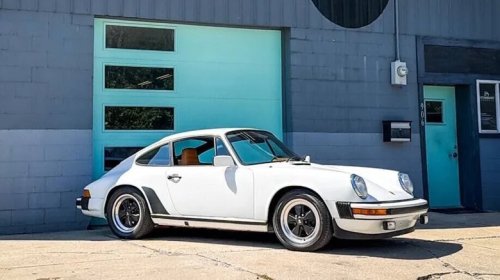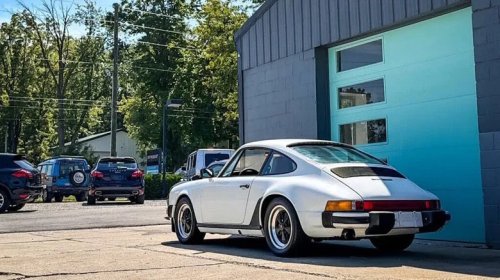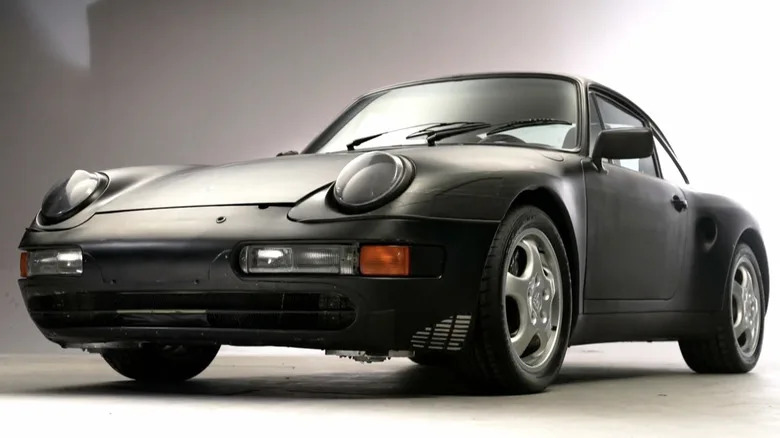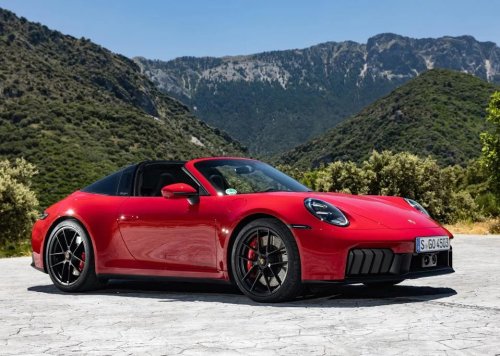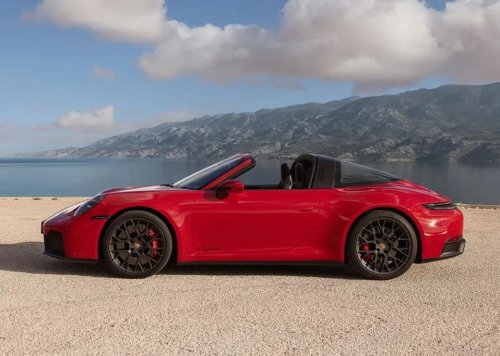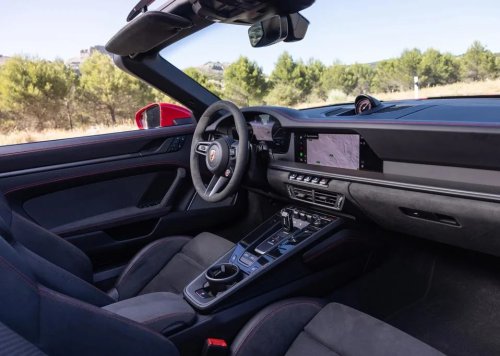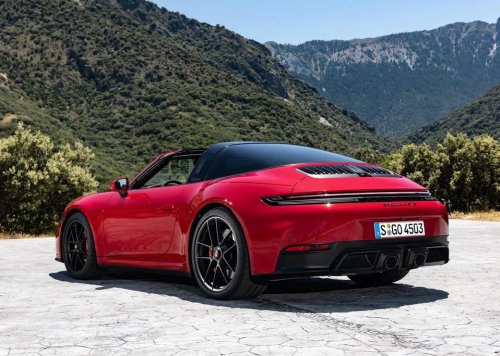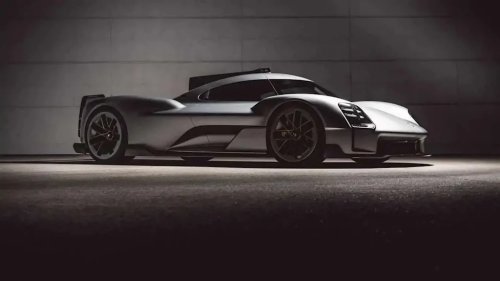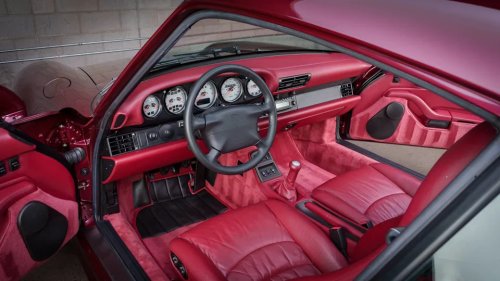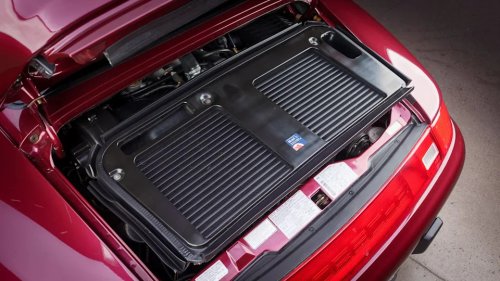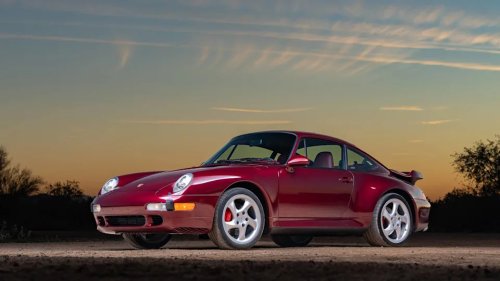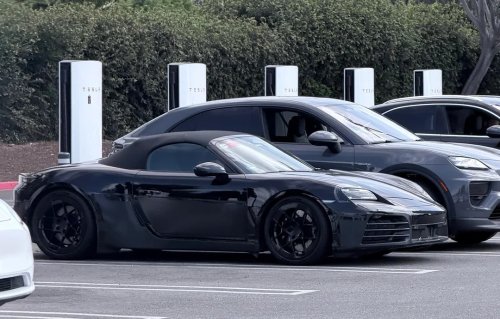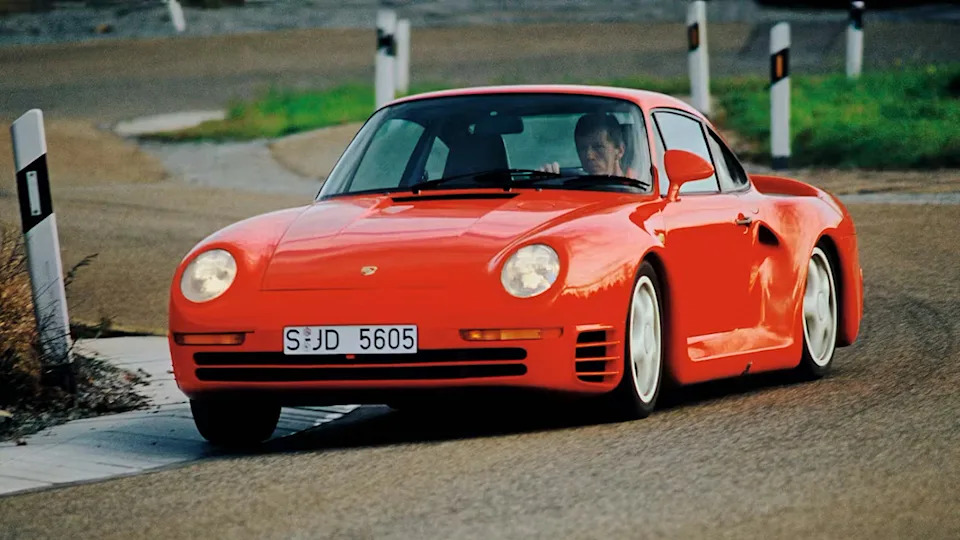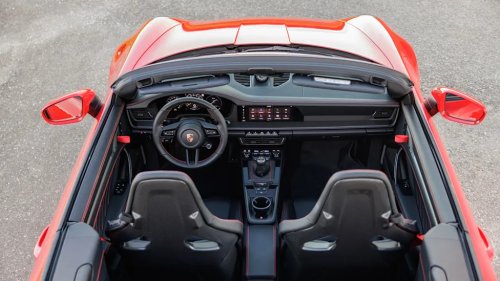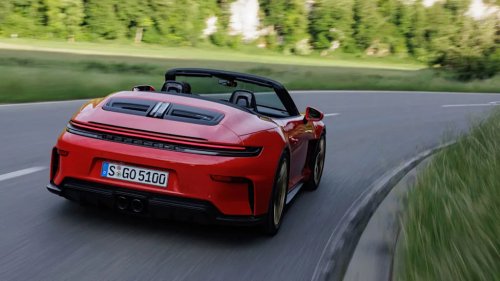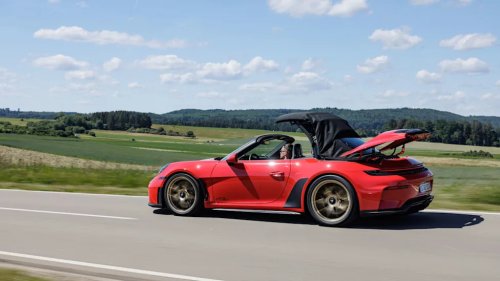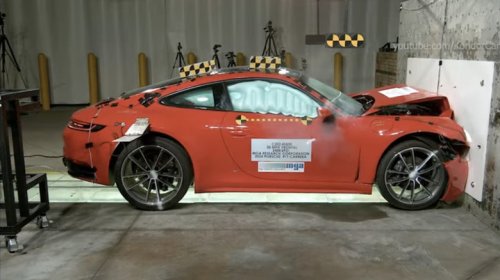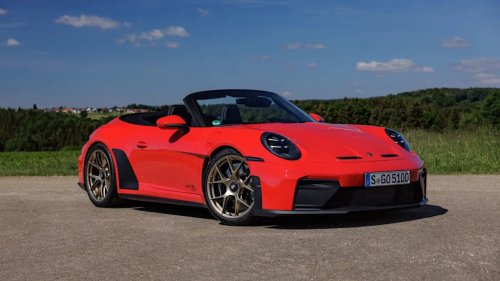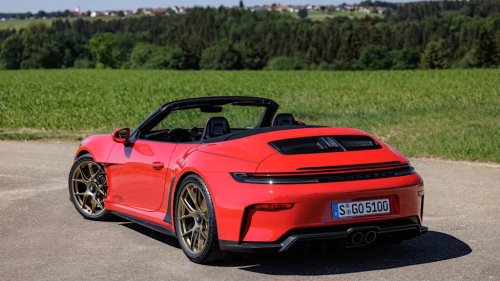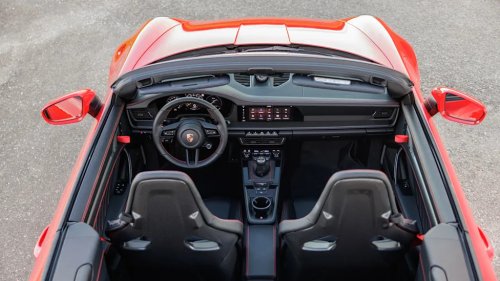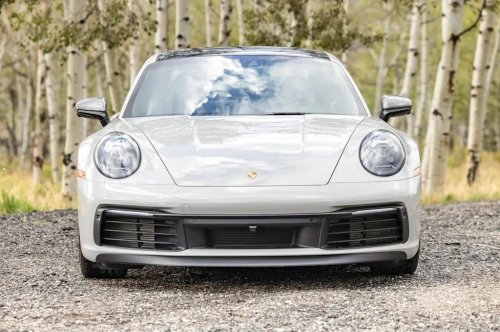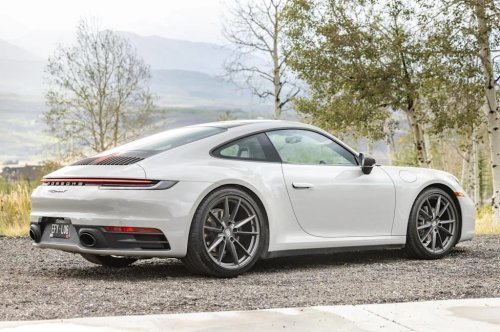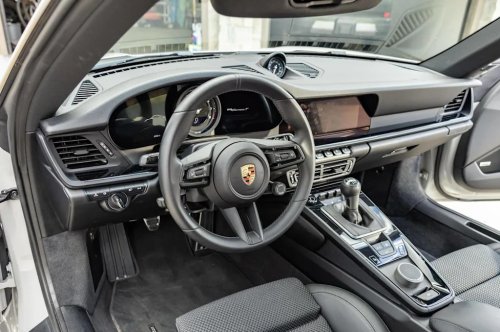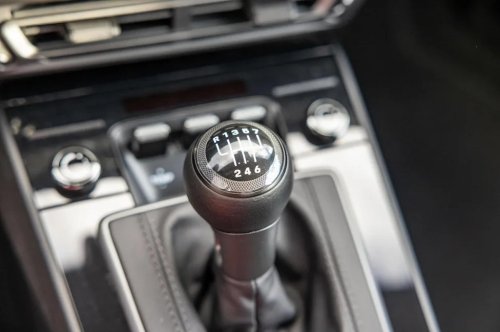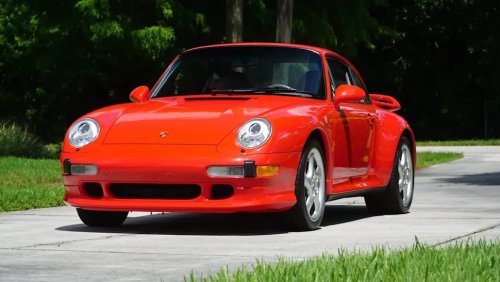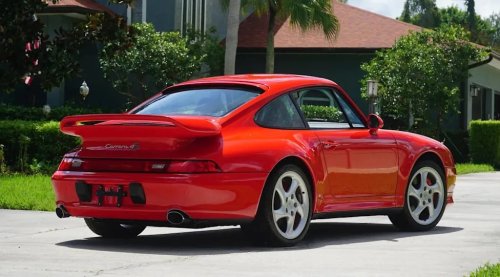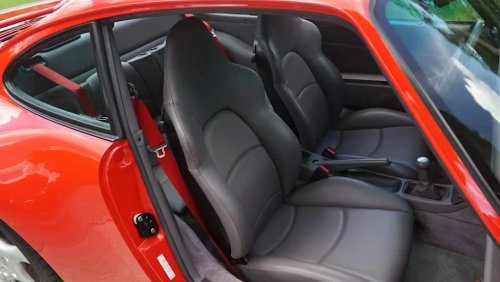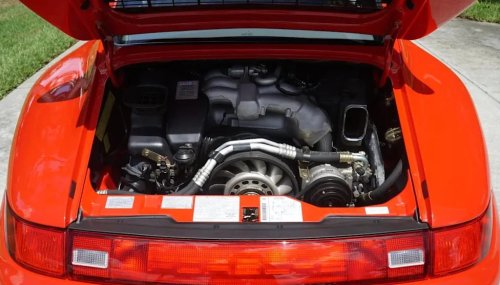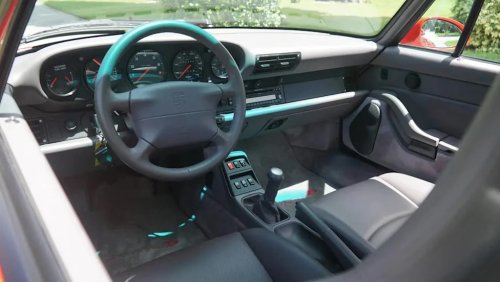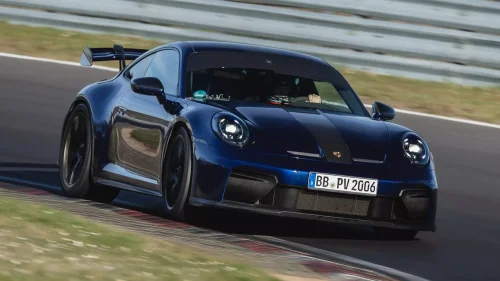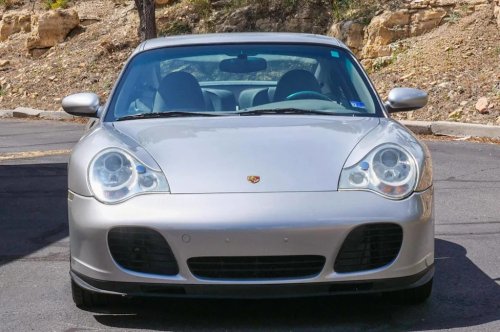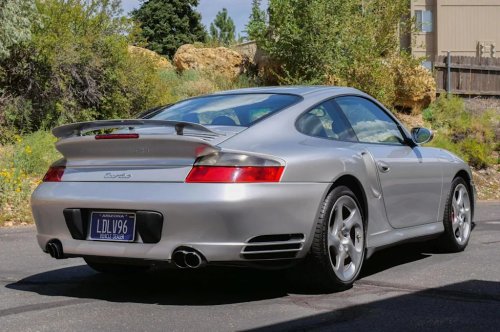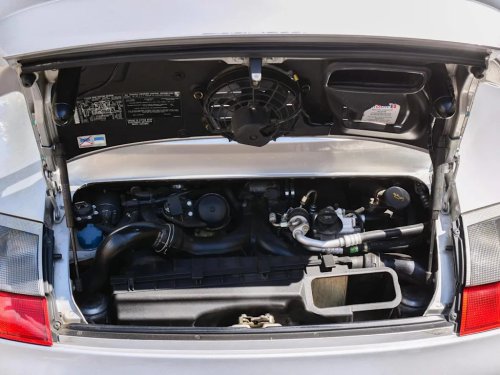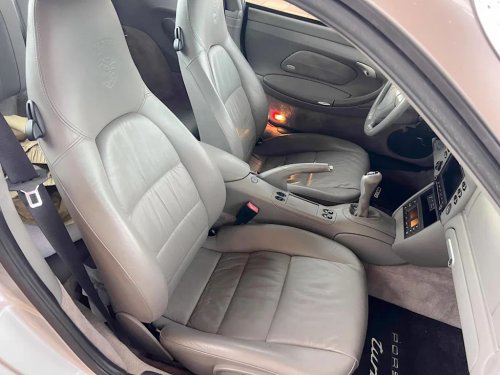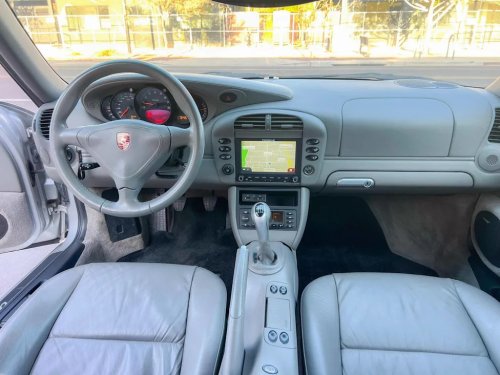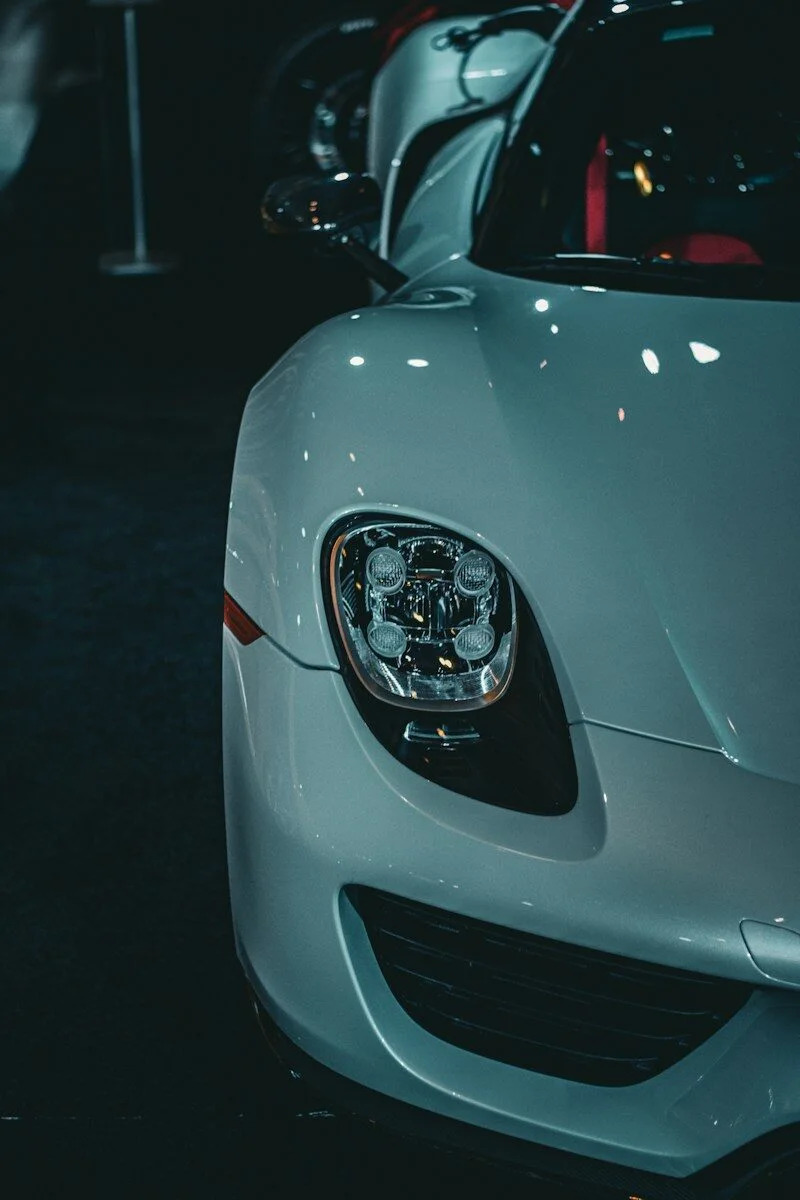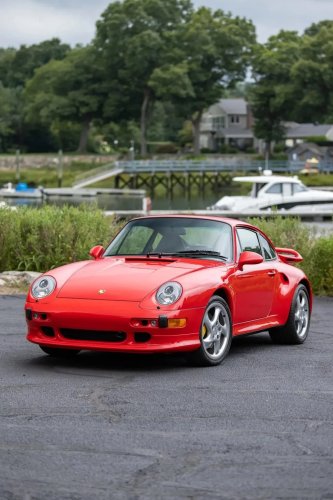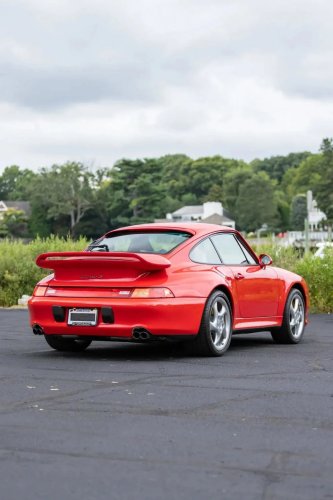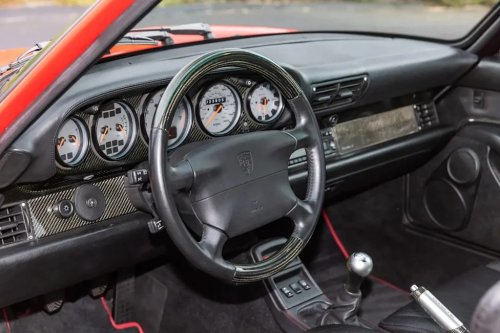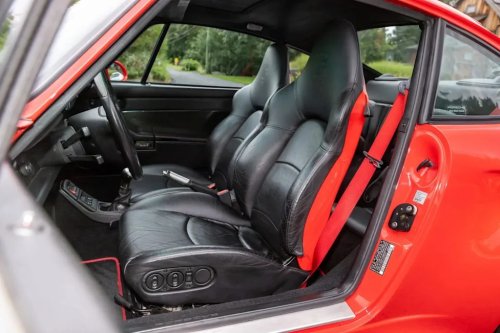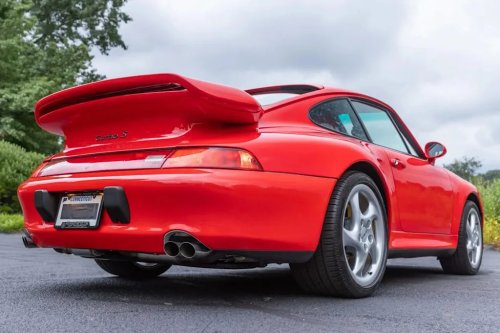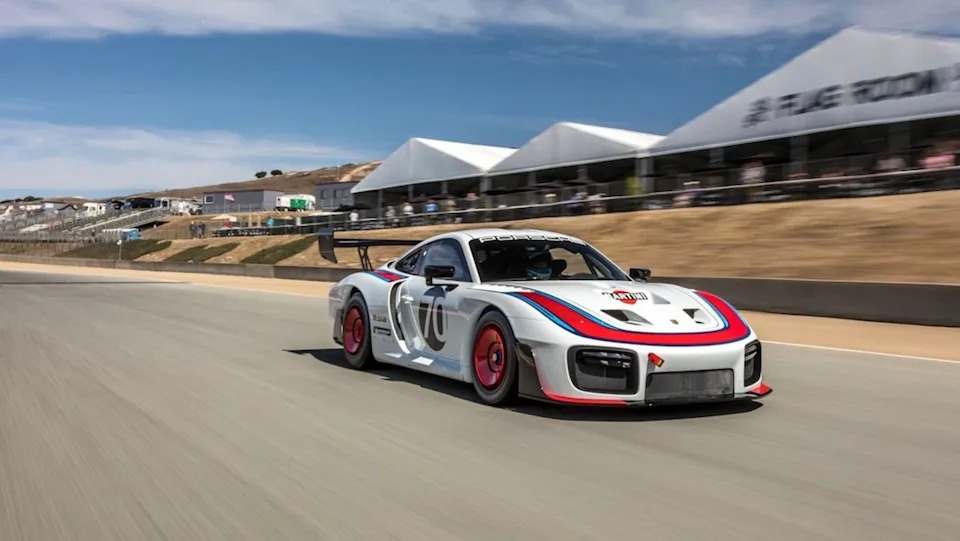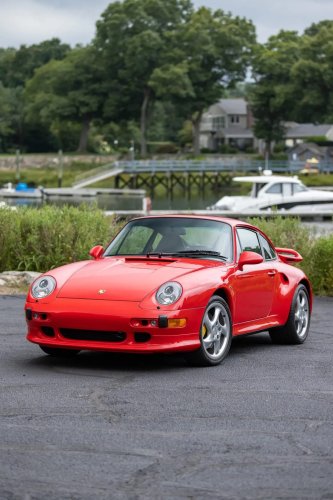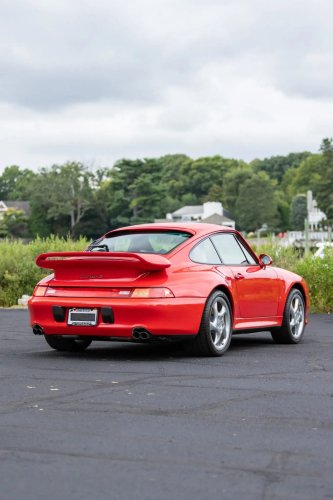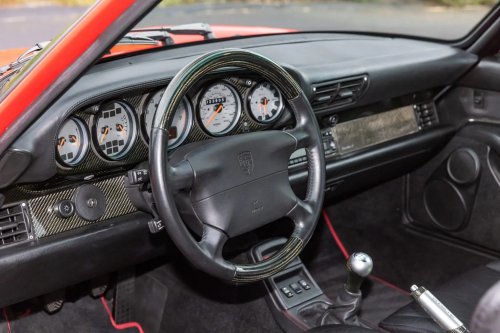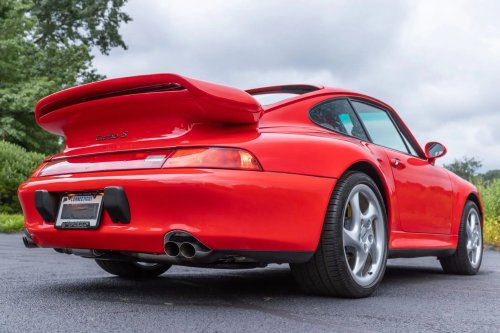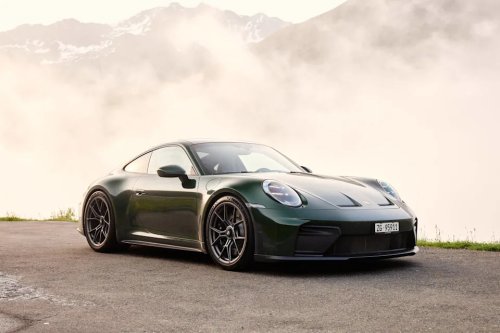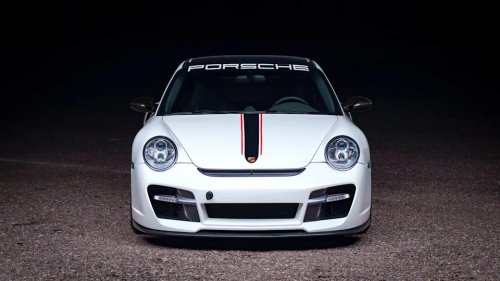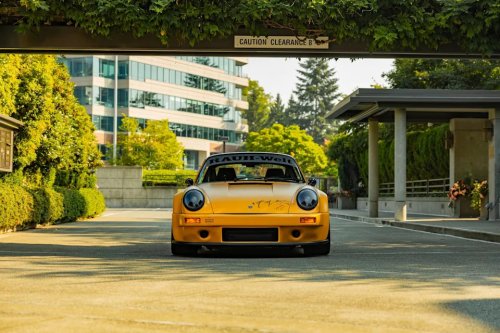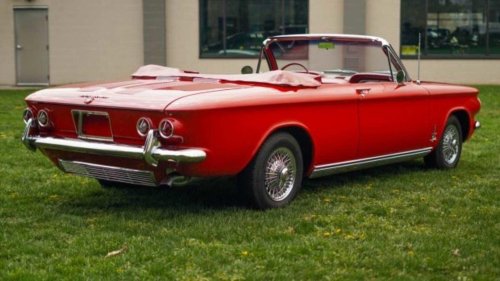
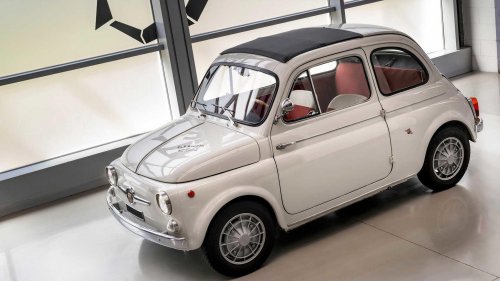
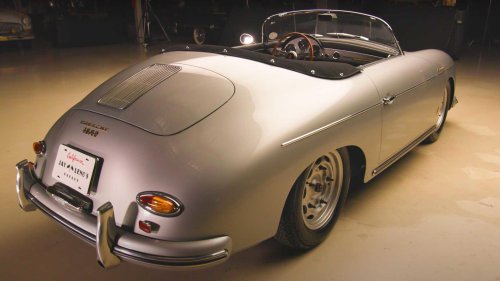
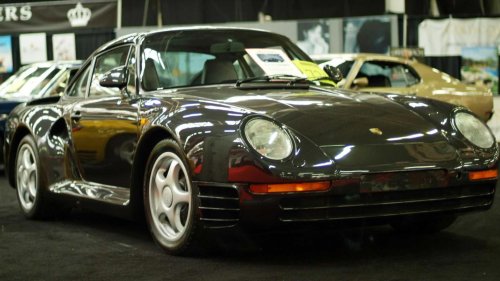
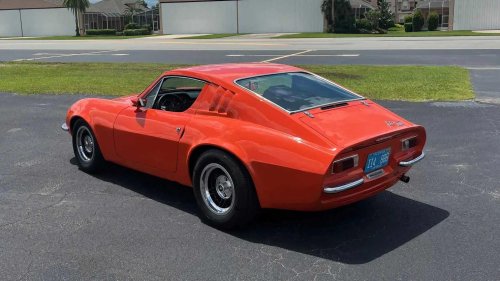
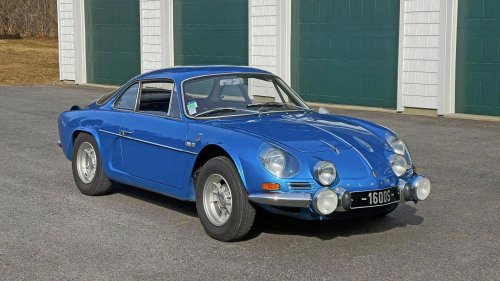
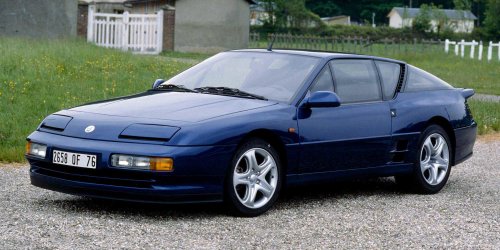
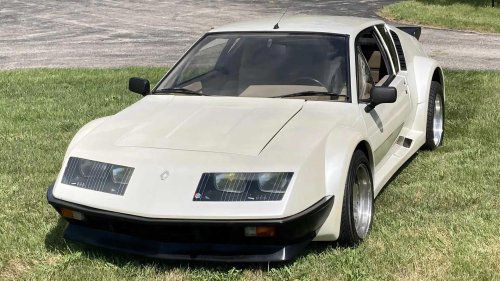
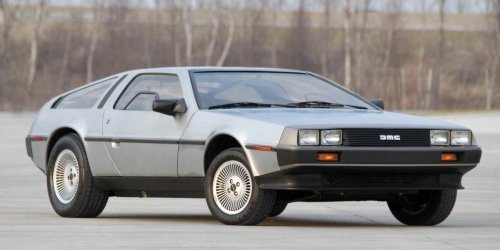


















Porsche's 911 is a showcase of just how far one can get with some engineering know-how and an immense amount of stubbornness. Over decades, Porsche refined the rear-engine layout, but they weren't the only ones to take a crack at building a car with an engine where the trunk normally is.Automakers from around the world tried their hand at the rear-engined layout, which provides both immense rear traction and excellent packaging opportunities, in addition to some potentially wicked handling characteristics. Welcome to the world of rear-engine automobiles. 1969 Chevrolet Corvair Monza Bring a Trailer1969 Chevrolet Corvair Monza Specifications Back when Porsche was barely prototyping the 911, Chevrolet had stuck a flat-six engine in the very back of a production car. Coupes, sedans, and wagon bodystyles of the Corvair were offered, though the wagon was dropped for the more sleekly styled second generation seen here. The Corvair was no muscle car, but that's what makes it one of the least expensive classic American cars you can get today, and it responds very well to modification. The Corvair was dodged by controversy in its day for its challenging handling, but the tales of "Unsafe at Any Speed" were likely somewhat overblown, at least specifically in terms of the Corvair. Fiat Abarth 595 FiatFiat Abarth 595 SpecificationsThis humble Fiat is from an era when a genuine performance model could push 30 horsepower. Of course, it helps that the little thing weighed half what a factory Miata does. While the Fiat 500 helped get Italy moving after World War Two, the Abarth 595 helped add some spice to what was pretty basic transportation. A loud exhaust and much more power than the basic 500 made for a surprisingly sprightly machine. If only the original builders of these cars could see what modern Abarths could do. Porsche 356 A Speedster Jay Leno's Garage / YouTubePorsche 356 A Speedster SpecificationsThe 911 was the climax of Porsche's rear-engine madness, not its genesis. After designing the original Beetle, the first Porsche production car with seriously sporting intentions was the shapely 356. The 356 A Speedster added power and a more competent chassis, while competing directly with the original Chevrolet Corvette. Then, as now, the Porsche was smaller, lighter, and less powerful, relying on agility rather than brute force. With less than a hundred horsepower at the crank, that was for the best. Porsche 959 David Traver AdolphusPorsche 959 SpecificationsAfter the 911 had already built a legacy, this Porsche supercar brought both agility and brute force into the mix. Among the fastest and quickest cars in the world at the time, the 959 dueled the Ferrari F40 for performance supremacy. In truth, much like the later 918 Spyder vs LaFerrari battle that would play out almost half a century later, the Porsche was the faster over-the-road car. Having immense horsepower is one thing, but all-wheel drive is the only way to fully use that immense power on imperfect pavement. The 959 matched the incredible rear traction of the rear-engined layout with an AWD system decades ahead of its time. Puma GTE 1800 Bring a TrailerPuma GTE 1800 SpecificationsBrazilian car company Puma has built a full and diverse range of sports cars for decades, including some truly beautiful machines powered by Volkswagen engines. Unlike many of Puma's other vehicles, the Puma GTE kept the VW's rear-engine rear-drive (RR) layout. It also kept an extremely trim curb weight thanks to extensive use of fiberglass. As one would expect with a hopped-up Beetle engine, the Puma GTE isn't powerful, but with a thousand pounds less weight than a modern Subaru BRZ, it still holds its own, especially in the turns. Puma had quite a bit of racing experience, after all. These days, the Brazilian auto industry is a little less exciting. Alpine A110 1600S1971_alpine_a110-1600vb_IMG_2442-70438-scaled Alpine A110 1600S SpecificationsA car with similar specs to the Puma GTE, but much more recognition in the West, the Alpine A110 put its RR layout to devastating use in rally racing. Before the advent of all-wheel-drive, cars with all the weight and all the drive in the rear were effectively the next best thing. The A110's legacy as a supremely capable rally car also means that it was genuinely quick on the street compared to vehicles of the same era. It wasn't an easy car to get the most out of, similar to the 911, which was also winning rally races at the time. But the drivers who could master it were always in the running for first. That legacy has carried over well, as the modern A110 is a mid-engine sports car that garners praise from everyone, including Gordon Murrayand James May. Alpine A610 AlpineAlpine A610 SpecificationsSkipping over a generation, the striking A610 was the future counterpart to the original A110. Gorgeous and sleek, the A610 suffered from something the DeLorean did: the PRV V6. In the Alpine's case, the PRV was boosted via a single turbocharger to 247 horsepower, which effectively matched the base Porsche 911 Carrera of the same era in both outright power and power-to-weight ratio. The difference is that the Porsche was more reliable, and the A610 never got more factory power than the entry-level 911. Alpine went under with the A610, but has achieved significant success with the new A110. To the point where an American market entry was once seriously talked about, before tariffs screwed the pooch. Alpine A310 V6 Pack GT Bring a TrailerAlpine A310 V6 Pack GT SpecificationsThe immediate successor to the original A110 was this V6-powered and positively sci-fi-looking A310. Several different variations were built over the car's 13-year run, the most powerful of which used a naturally aspirated version of the PRV V6. 150 horses is plenty to have some fun with a car that weighs as much as an NA-generation Miata, though it doesn't say much that 150 horses was the most you could get after thirteen years of production. There are plenty of hot V6 cars, but none of them use a PRV engine. DeLorean DMC-12 MecumDeLorean DMC-12 SpecificationsPerhaps the best example of how bad the PRV is comes in the form of everyone's favorite time machine, the DMC-12. Originally meant to be much more than just a pretty brushed stainless steel face, the DeLorean was supposed to have a raft of advanced features, including a rotary engine. Development and funding faced continuous problems, though, to the point where the production cars were pathetically slow shells of what they were meant to be. John DeLorean himself wound up getting entrapped by the FBI in a supposed drug deal, which isn't even the most dramatic thing the DMC-12's development and production were involved in.