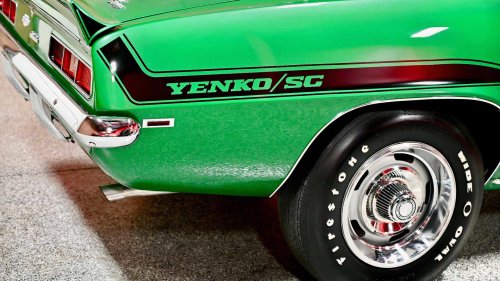
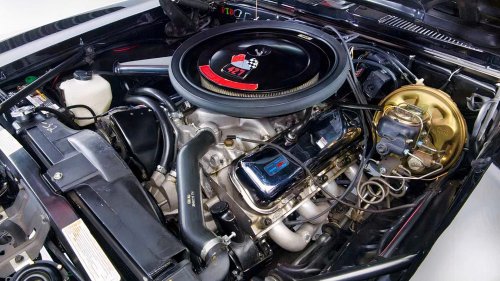
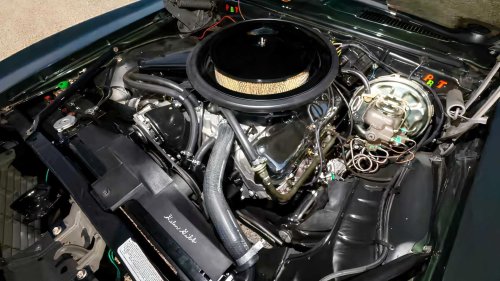
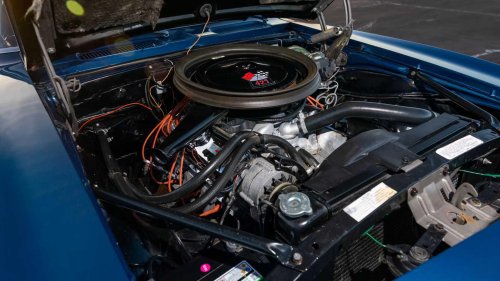
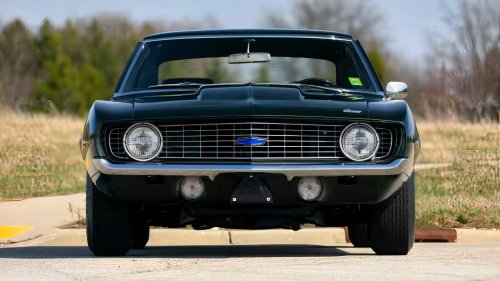
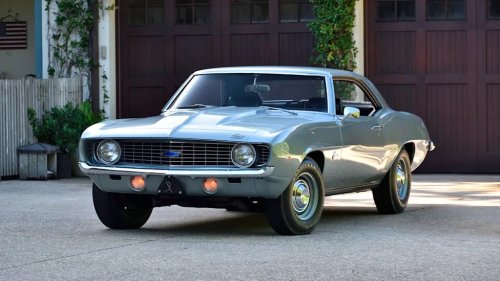
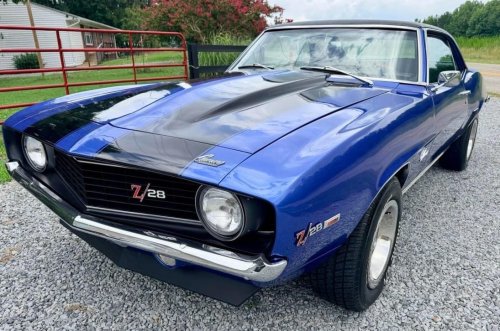
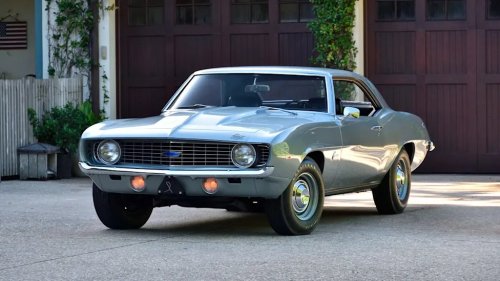
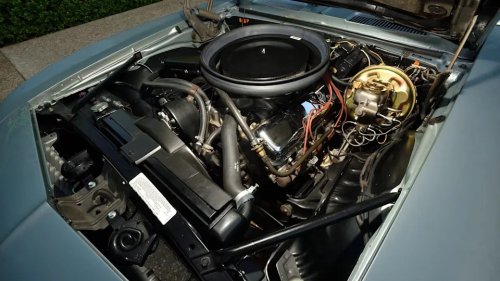
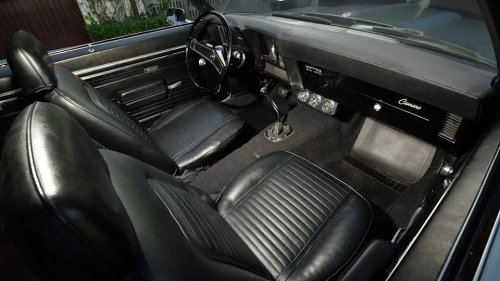
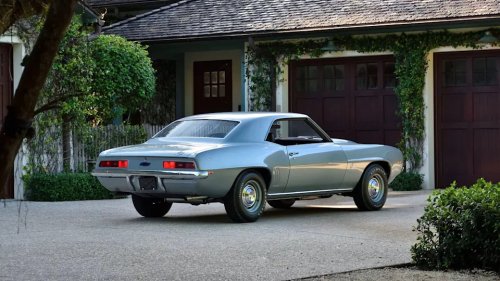
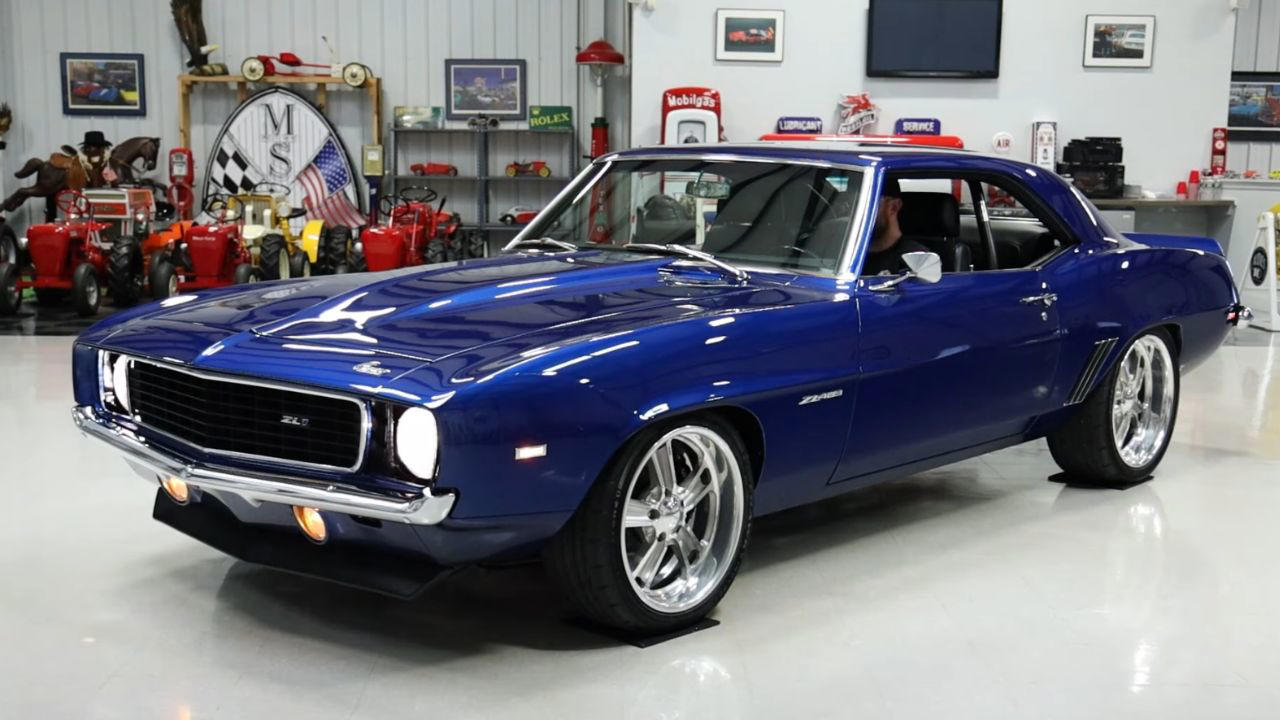
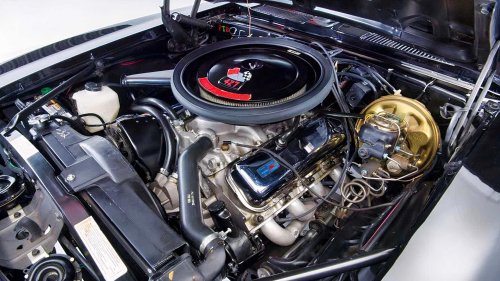
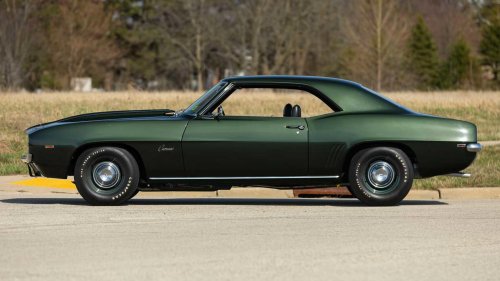
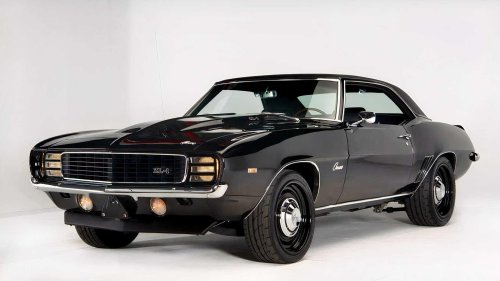
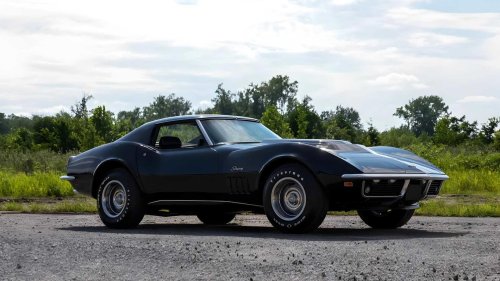
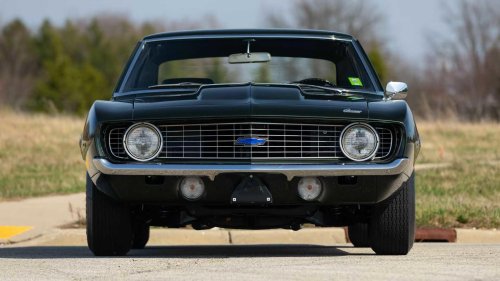
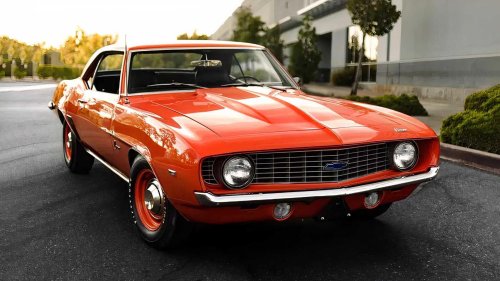
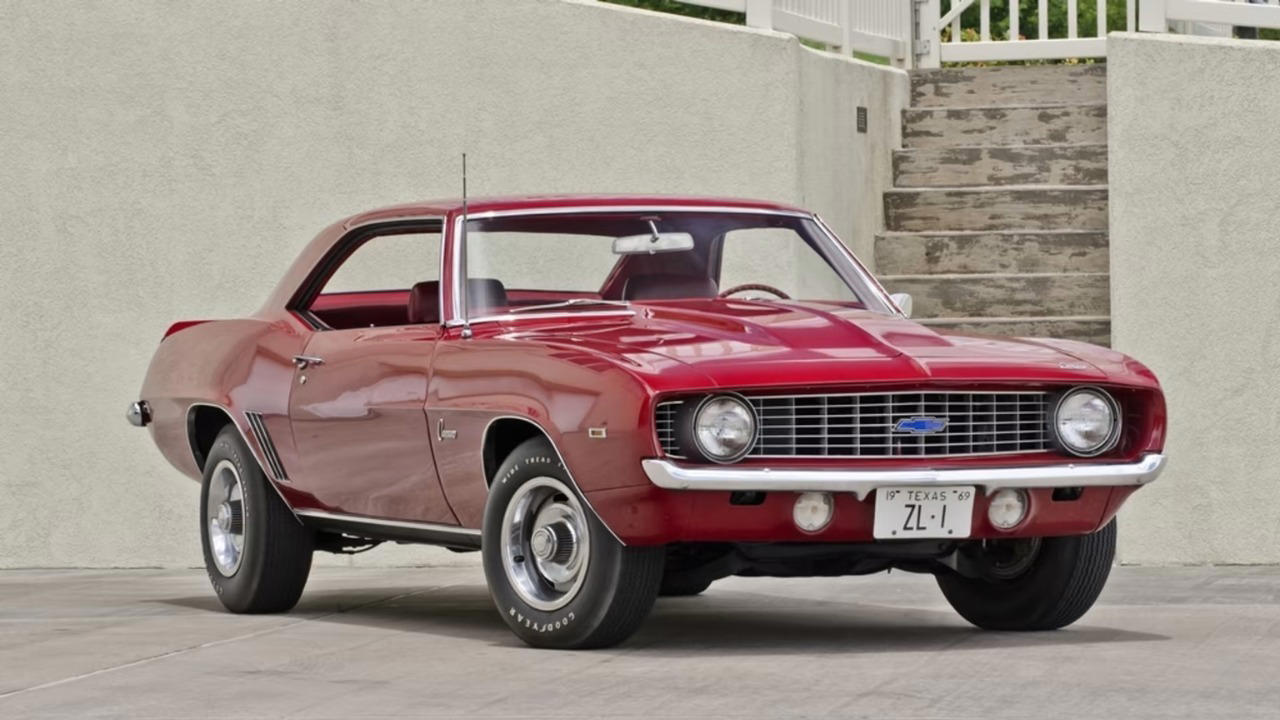
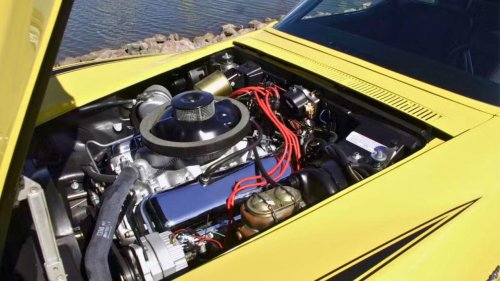
In the 1960s, the "Win on Sunday, Sell on Monday" mantra reigned supreme in Detroit, and every automaker understood that drag strip domination would directly translate to more showroom traffic. However, just as the horsepower wars were heating up, General Motors imposed an internal ban on factory-supported racing and restricted most intermediates and pony cars to 400 cubic inches in 1963. The ban quietly tied The General's own brands' hands, leaving rivals free to dominate where it mattered most—on the strip.The limits were clear on paper, but in reality, they were anything but. Behind closed doors, dealers, racers, and insiders began exploiting a little-known ordering system that allowed them to sidestep corporate limits, unlocking a level of performance that officially didn't exist. What emerged from this loophole was a brutal machine that blurred the line between factory production and pure competition, and it was powered by a race-bred all-aluminum V8 that cost a fortune. The Loophole That Let Dealers Rewrite The Rules Bring A TrailerIn 1963, a mix of corporate, safety, and antitrust concerns forced GM to end all factory-backed racing, and the top brass went a step further by introducing an engine displacement limit of 400 cubic inches on midsize and compact cars. This move left GM brands in a tough position, with cross-town rivals having no restrictions, and some dealers even resorted to performing engine swaps themselves to offer their customers larger engines than GM policies allowed. Tired of performing engine swaps for Camaros in his dealerships, legendary Chevrolet dealer Don Yenko leveraged his friendship with Chevrolet executive Vince Piggins to exploit a factory ordering loophole that would allow him to order Camaros equipped with an engine larger than 400 cubic inches from the factory. Using the Central Office Production Orders (COPO) system, which was initially a mundane system reserved for fleet and special equipment orders, Yenko ordered 201 Camaros equipped with the 425-horsepower L72 engine using the COPO 9561 option, and the Central Office approved it.Shortly after Don Yenko broke the seal, Illinois-based Chevy dealer Fred Gibb followed his lead and used the COPO system for similar purposes, but since he wanted a machine that could beat Hemi-powered Mopars and dominate NHRA drag racing, he ordered something far more sinister. Not only was the engine Gibb ordered larger than 400 cubic inches, but it was also an all-aluminum racing mill developed for Can-Am racing, and it ended up being more expensive than the car it was installed in. Chevrolet Aluminum ZL1: The Rule-Bending Engine That Cost A Fortune Bring a TrailerFed up with Mopar dominating NHRA drag racing with the Hemi, Fred Gibb hatched a plan to create a special version of the 1969 Camaro SS that would be powered by a race-bred engine that not only generated more power than the Hemi but was also lighter. Gibb specifically wanted to use the ZL1 engine, a hand-built 427-cubic-inch all-aluminum V8 that Chevrolet had developed for its Can-Am racing program, so he leveraged the COPO 9560 option to make it happen with the help of drag racer Dick Harrell and high-ranking Chevrolet performance insiders.Gibb used COPO 9560 to order a batch of 50 ZL1-equipped Camaros in 1969, which was the minimum number required to meet NHRA homologation rules at the time. The ZL1 transformed the Camaro SS into one of the most feared drag weapons of the day, the 1969 Camaro ZL1, but it came at a steep cost. The ZL1 option cost a whopping $4,160, which was a lot more than the $3,100 a standard 1969 Camaro SS 396 cost. Why The ZL1 Engine Cost More Than The Camaro via MecumThe ZL1 cost over $1,000 more than the Camaro it powered, making it one of the most overpriced options in automotive history. The secret behind that heart-attack-inducing price tag was the 427-cubic-inch aluminum block. The ZL1 used aluminum construction and high-tech aerospace casting techniques to keep it remarkably light for a 427, with period accounts often comparing its weight to a small block rather than a big block. The ZL1 was also a hand-assembled masterpiece with race-level tolerances, beefed-up internals, and a high-performance valvetrain originally bred for the brutal world of Can-Am endurance racing. It had a stratospheric 12.0:1 compression ratio, a K66 transistorized ignition system, and was the first production Chevy to use the 850-cfm double-pumper Holley carburetor on a high-rise intake manifold, optimizing breathing and volumetric efficiency.Because Chevrolet only built 69 of these monsters, they barely had any economies of scale. In fact, many enthusiasts believe Chevy actually lost money on every unit just to gain street cred on the drag strip. When you look at the sticker price, it becomes clear that the buyer wasn't really paying for a Chevy. They were paying for a world-class racing engine, and the Camaro just happened to be the delivery system. Official Vs Real-World Performance Via Mecum AuctionsThe factory rating for the 1969 Camaro ZL1 was a "modest" 430 horsepower and 450 pound-feet of torque, which put it ahead of the Hemi Fred Gibb originally wanted to compete with. However, it's a common consensus in the car community that the ZL1 was underrated to help buyers dodge massive insurance premiums and to give racers a competitive advantage in NHRA classes. Chevy also wanted to fly under the corporate radar while selling a street-legal drag monster that could humiliate almost anything else in the GM lineup.In reality, the ZL1 was a total beast that made way more power than advertised. Period dyno tests revealed that actual output was 505–535 horsepower, and with open headers and other drag tweaks, the ZL1 could reportedly generate over 600 horsepower. Buyers might have paid a fortune for the ZL1 package, but they definitely got their money's worth. One Of The Rarest Factory V8 Engines Ever Built Bring A TrailerThe legend of the ZL1 isn't just about horsepower; it's about the sheer impossibility of finding one, and there are several reasons why it was so scarce. The biggest reason was the price. Fred Gibb used the COPO system to order 50 units to meet NHRA homologation rules, but once the cars arrived with a price tag that doubled the cost of a standard Camaro SS, they proved nearly impossible to sell. Gibb ended up returning 37 units to Chevrolet, where they were eventually redistributed to a handful of other dealers who actually knew what they were looking at.Another reason was the complicated ordering system and the fact that Chevy never officially marketed the ZL1 to the public. This wasn't a car you found on a glossy brochure; it was a "hush-hush" racing weapon for those in the loop. In the end, Chevrolet built only 69 Camaro ZL1s, and that tiny number was dictated entirely by the availability of the engine itself. Interestingly, the ZL1 was also a Regular Production Option (RPO) for the 1969 Corvette, but since it pushed its price tag beyond the $10,000 mark, only two buyers bit the bullet. The ZL1 Created A Camaro Like No Other MecumFord struck gold when it introduced the Mustang in 1964, and it was quickly rewarded with over 400,000 examples sold in the first 12 months. The Mustang was such a smash hit that Chevy had to respond with a rival, and about two and a half years after its arrival, Chevy introduced the Camaro for the 1967 model year. The Camaro looked the part, but the GM engine displacement limit held it back, even though performance-oriented trims SS 396 and Z/28 were strong performers.Thankfully, the COPO program allowed dealers to equip the Camaro with an incredibly powerful race-sourced engine and heavy-duty performance hardware straight from the factory, creating a speed demon in the 1969 Camaro ZL1. The ZL1's main party piece was the all-aluminum racing engine under the hood, but it also had a heavy-duty Muncie M22 four-speed close-ratio manual, a massive 12-bolt rear axle housing a 4.10:1 Posi-traction differential, heavy-duty cooling, and the F41 suspension package. Chevy also put the Camaro on a diet by stripping down the interior for further weight savings, deleting the radio, and using a manual steering system. The 1969 Camaro ZL1 Was A Drag Strip Monster via MecumThe 1969 ZL1 was never meant for a casual Sunday drive. A purpose-built weapon designed to dominate the quarter-mile, this aluminum-headed beast could clock low 13-second times straight from the factory, making it one of the quickest factory-derived muscle cars of its era.However, with little tuning, open headers, and drag slicks, the ZL1 unleashed a whole new level of brutality. A drag-prepped Camaro ZL1 ran the quarter-mile in just 11.64 seconds at 122.15 mph with Dick Harrel behind the wheel, putting it in a league of its own. From Dealer Oddity To Million-Dollar Icon via MecumWhen the ZL1 first landed on showroom floors, it was a total dealer nightmare. It was simply too expensive and too extreme for the average buyer, leading many of the original 50 units Fred Gibb ordered to sit unsold for months. Decades later, ZL1-equipped cars still appear to be made of unobtanium for mortals of meager means, as prices are firmly in blue-chip territory. A 1969 Camaro ZL1 is estimated to be worth $640,000 on average.A production run of just 69 units already makes the 1969 Camaro ZL1 one of the rarest Chevy models ever, and since some were raced to death or stripped of their engines, survivors are even rarer. If you're one of the lucky few who can afford it today, get ready for a bidding war because car no. 2 of 69 is the main attraction at Mecum's upcoming Indy 2026 auction, and some enthusiasts believe it could beat the ZL1 Camaro auction benchmark set by a Hugger Orange example that sold for $1,094,500 in 2020.MecumThe rarity of the Camaro ZL1 is only eclipsed by its Corvette sibling, which remains even more valuable with only two units ever produced. One of them sold for $3.14 million at a 2023 auction, the highest ever recorded sale for a ZL1-equipped car.The ZL1 started as a backdoor loophole, but it ended up creating one of the most outrageous machines ever to wear a Chevrolet badge. The ZL1 didn't just break the rules. It rewrote them with an aluminum block and a price tag nobody saw coming, and it remains one of the clearest examples of how far manufacturers were willing to go to win.Sources: NHRA, Hemmings, MotorTrend, Hagerty Valuation Tool, Mecum Auctions, RM Sotheby's