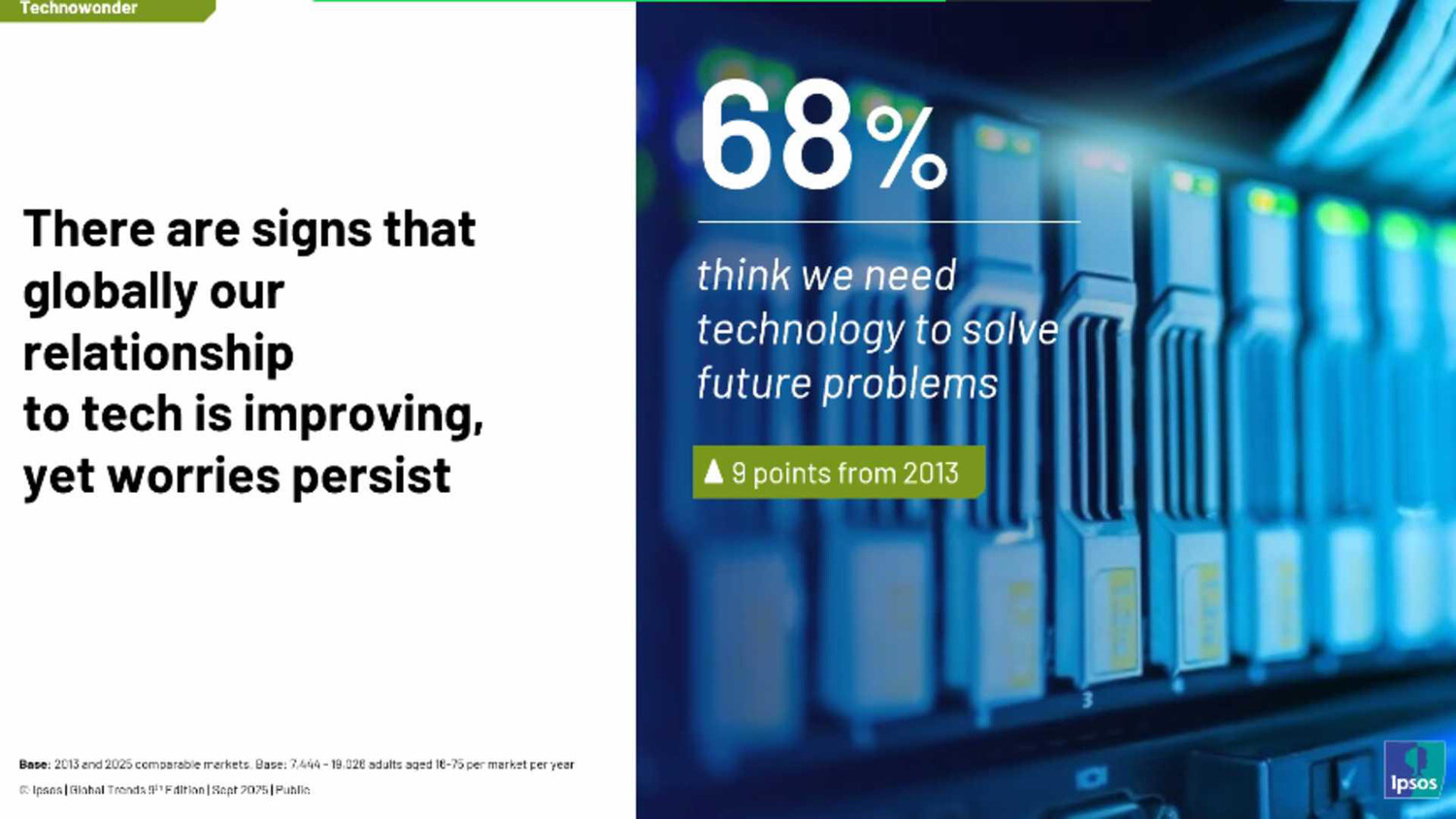
True, there's a lot that goes into buying a new car, from research and financing to understanding the new technology onboard and feeling pleased with the purchase. It can be pretty overwhelming and stressful.But talk to market researchers who spend their days studying the decision-making process, and you quickly learn there are layers upon layers upon layers of considerations that lead us down that path to the showroom, to internet research portals and build configurators, to the auto show floor and to the bank to see how much car we can afford.Ford Communicating Brand Values This is where the values of automotive brands become crucial and the way those values are communicated through advertising and other consumer messaging. If you love dogs, you know Subaru is the brand for you. If sustainability and environmental causes are important to you, a hybrid or a battery-electric car will be calling out. If your pockets are insanely deep and you need to feel truly special, Rolls-Royce or Bentley will roll out the red carpet and let you help shape your one-of-a-kind gem.But nowadays, purchase considerations have veered into much more potentially problematic territories, like geopolitics, economic uncertainty, immigration, income discrepancies, generational divides, affordability and how we measure success in our daily lives – to name just a few of the hot-button topics that lurk in the subconscious and come into play, whether we want to admit it or not. Let's not overlook globalization. Trust In Local Goods Ipsos "What we see in the data is that more than half of the consumers, almost two-thirds, are getting to the point where they prefer to buy products from their country rather than products from abroad, and we think this is really tied to the sense of national pride, of trust in local goods," Jennifer Bender, global head of trends and foresight for global research firm Ipsos, says during a webinar hosted today by the Society of Automotive Analysts."At the same time, there's still more than half of consumers who think that globalization is good for the country... and that there is cultural value as well as economic value to the exchange of goods and ideas," Bender says.Over the past year, Ipsos research has found that U.S. brands – for cars and many other goods – have struggled with brand messaging overseas while navigating the impact of Trump administration tariffs on imported products."One example is a brand like Coca-Cola, who do have a very American image, starting to dial that back carefully in other countries because of the concern about negative impact of an American brand. The flip side of that is a lot of pride in local (goods), and we... certainly see that in terms of buying American brands." Can You 'Buy American?' Honda In the car-buying space, the concept of "buying American" has been clouded over the past 40 years by Honda, Nissan, Toyota, Subaru, Mercedes-Benz, BMW, Subaru, Hyundai, Kia, Volkswagen and Volvo. All these brands have established vehicle assembly plants in the US, employing tens of thousands of Americans and becoming woven into the community fabric in towns from Ohio to Alabama to South Carolina.But "globalization" of the auto industry means Detroit brands (and many others) build cars in Mexico or Canada, too, and that engines going into BMW and Mercedes SUVs built in the US come from Germany, while millions of other car parts come from overseas in what is a truly international supply chain. If it all makes your head hurt, imagine what it's like for bean counters calculating tariff levels based on how much content onboard comes from overseas. Tariffs Impacting Brand Loyalty Tom Murphy | CarBuzz "Tariffs have a huge impact on prices, but it also is having an impact on brand loyalty and sentiment about association with a particular country... and brands are not necessarily viewed in the same way in automotive as they are elsewhere," Bender says. "So it's really kind of a thought starter: How do you think about capitalizing on patriotic or nationalist sentiment without turning off other buyers?"She sees "certainly the politicization of more topics than ever before," perhaps including the US men's Olympic hockey team showing off their gold medals at the president's State of the Union speech on Tuesday.Bender refers to Tesla as a "case study" of an EV maker whose fortunes turned when CEO Elon Musk helped Trump eliminate more than a quarter-million federal jobs last year."It really comes down to, how well do you navigate and understand your core constituents' feelings on these hot button issues," she says, "and then realistically understanding as well... does it truly matter, when people are coming to choose a vehicle, what your stance is on a particular issue, or what your brand is associated with?" Opinions Getting In The Way Ipsos There are divisive opinions on lots of different topics – not just around politics – that impact purchase decisions. "A lot of Americans are understanding more and more that there's this higher level of conflict even between their family and relatives, that it certainly makes getting together for the holidays and for family gatherings tricky," Bender says."But it's a growing sense that there's this kind of disagreement happening in more places than normal," she says, referring to arguments about income, wealth and inequality and trying to bridge those gaps."As we think about what this means, one of the things we're looking at from a market perspective is... highlighting the importance of understanding all the diverse perspectives of your buyers. How can you really understand how to engage with some ... who may have much deeper and harder stances on some of those hot-button issues?" Just Wanting To Drive BMWVehicle technology, while intended to make life better for consumers, does not always succeed. Consider how many people turn off driver-assist technologies they paid for, because they don't want to be nagged. Sometimes, folks just want to drive, in analog."I think we have to be careful about where public opinion stands, because there's still some kind of desire to disconnect and desire to turn technology off," Bender says. "So, how do we think about serving both ends of that spectrum, which, by the way, may be the same person on different days? Is there a way to shut off all of the technology that you feel is invasive or that you're worried about? How do you make the car more a sanctuary?"Ipsos Bender admits she "can't get anywhere without Google Maps right now" and understands how consumers come to appreciate certain technologies. "There's also this kind of push and pull in the usage of brands and in the usage of vehicles, specifically. So, how do you offer more transparency, more options to turn different features on and off? How do you give people a little bit more control over privacy settings that would appeal to people who are more skeptical?" Bait And Switch Pricing VolkswagenSkeptics are also quick to complain about new car transaction prices, hovering close to $50,000 in the US, even though affordability has been a buzz word, Ipsos Director Graham Gordon says during the webinar."I keep seeing new car prices going up in the aggregate across the industry, and some of it is also a little bit of gaming in the industry. ... You introduce a base trim for the first year so that you can say it starts below $30,000, but then you cut it off immediately. Right now, the big trend that we're seeing is just longer loans – people really reaching for that. 'What's going to be my monthly payment?' That shift in psychology has led to these high prices being sustainable, at least for the time being. How far can that stretch before all of a sudden you've got loans beyond 100 months? I don't know."-Ipsos Director Graham GordonBender brings the conversation back to the analytical."If we're all drivers on the same roads, we're all navigating the same challenges and literal obstacles in the road, how does that potentially translate to mutual understanding? she asks. "Can we come to some kind of a common ground? How do we think about cultural moments and feelings that can unite us?"