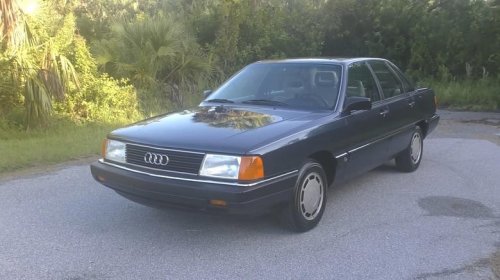
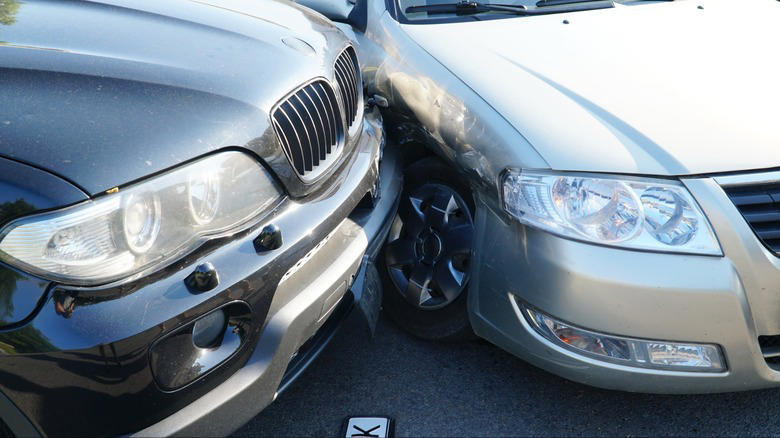
Multiple owners in a short periodWhen reading a Carfax report, one of the clearest signs of trouble is the ownership history. If a car has had several owners in a short period, that's a huge red flag. In the auto world, they call these cars "hot potatoes" because nobody wants to hold onto them for long. Think about it: why would someone spend thousands on a car and then sell it just months later? When you see two or more owners do the same thing in short succession, chances are good that they ran into problems and didn't want to deal with the cost or stress of fixing them. If a vehicle keeps getting passed from one owner to the next, that's a good sign something's off. The trouble with cars that have this kind of ownership history often goes beyond the mechanical. With each change, maintaining a complete service history becomes increasingly difficult. Regular maintenance records may become scattered across different service centers or lost entirely, making it challenging to verify whether the vehicle received proper care. Even if you can confirm that a car has been properly serviced or you fix whatever issues come up, that long list of previous owners will still show up on subsequent Carfax reports. That alone can make it harder to resell, which means money out of your pocket later. Nonetheless, if you're considering a car with a long list of past owners, get a pre-purchase inspection from an independent mechanic who can spot potential issues. It's one of the smartest ways to protect yourself before closing the deal.Accident historyA vehicle's accident history is one of the most important sections to check on a Carfax report. It gives you insight into the car's overall condition and its potential for future problems. Not all accidents are equal, though — the severity of the damage matters a lot. But even if a car doesn't have a salvage or rebuilt title, you should find previous collision repairs on the Carfax report. Some damage can compromise a car's safety in ways that aren't obvious right away. Take frame damage, for example. If the frame has been bent, it's sometimes impossible to bring it back to factory shape. That can lead to poor handling, uneven tire wear, and excessive vibrations. These kinds of problems may start small, but they often get worse and more expensive to fix over time.Vehicles with accident histories also can experience recurring mechanical problems. What might appear as an unrelated issue months later can sometimes be traced back to previous collision damage. These problems can include electrical faults, rough gear shifts, and noisy suspension systems. There are also financial implications to buying a car that has been in an accident. Insurance companies often charge higher premiums for vehicles with serious accident histories since they're more likely to have problems in the future. And when it's time to sell, cars with a history of damage usually lose value, even if they look fine on the outside. So what should you do? Option one is to steer clear. Option two is to check when the accident happened, how severe it was, and what kind of repairs were done. If you see anything about frame or structural damage, be extremely cautious. Get a qualified mechanic to inspect the car. They can identify signs of incomplete or inadequate repairs.




















 +34 others