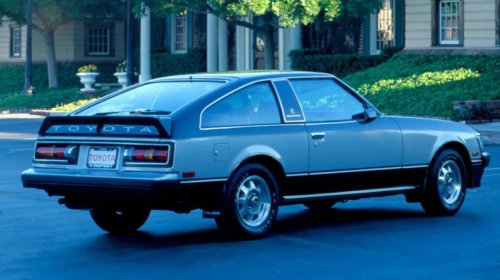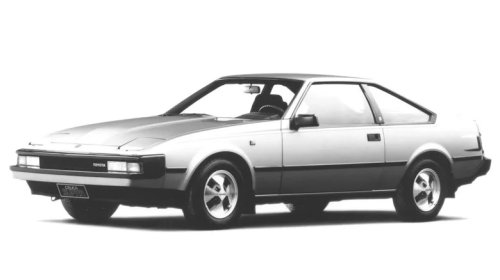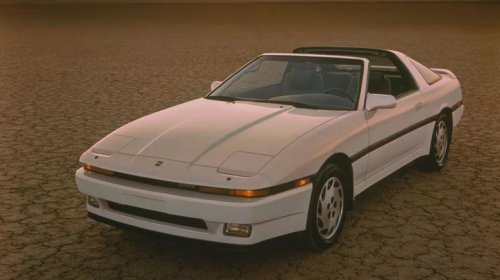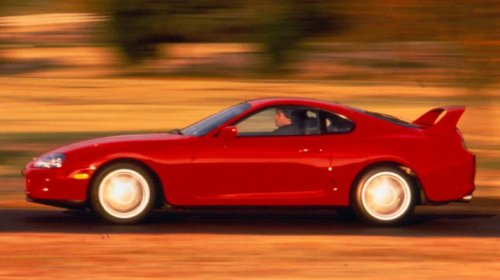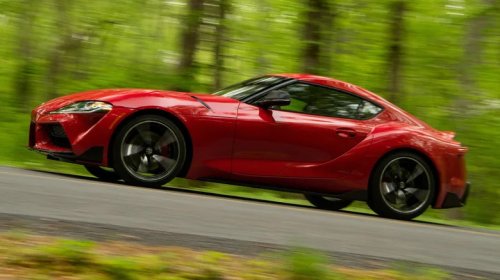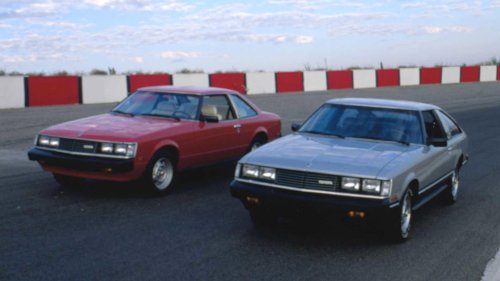
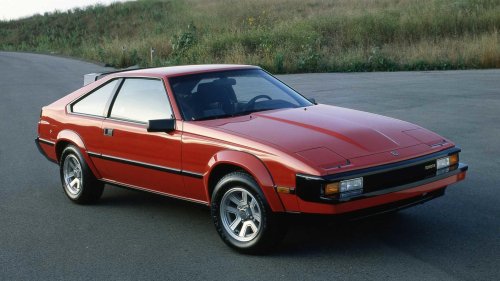
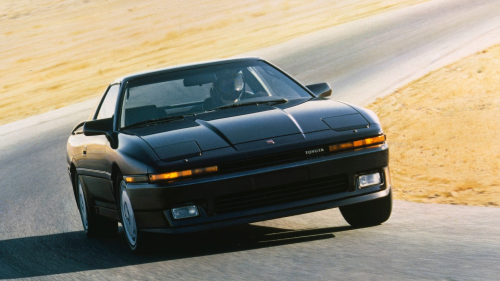
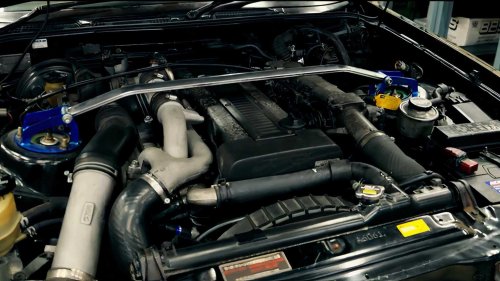
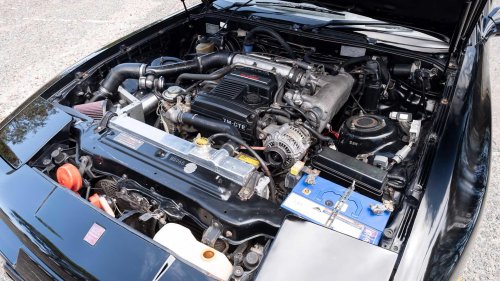
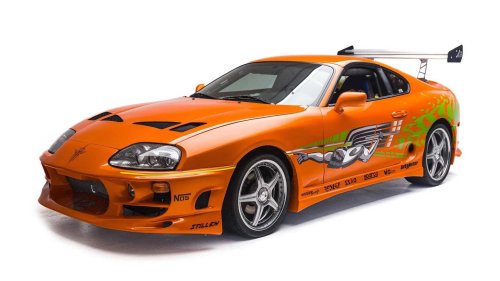
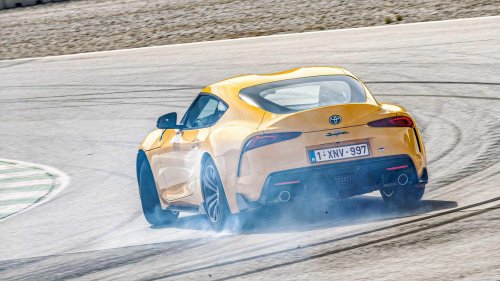
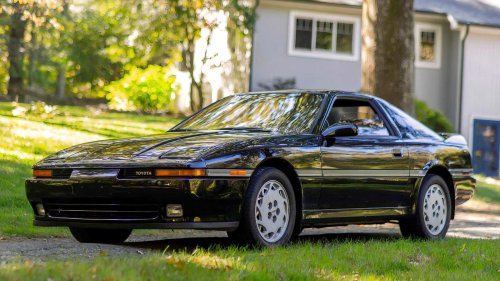



















Jump LinksA40 Supra: The Celica SupraA60 Supra: Focus On SportinessA70 Supra: The Iconic Nameplate Stands On Its OwnTuning Potentials: Favored Among EnthusiastsA80 Supra: A Hard One To MissA90 Supra: The Return Of A LegendReliability And Common ProblemsHow much is a MK3 Supra worth?What's better, the 2.0L or 3.0L Supra?How much hp does a MK3 Supra have?Are MK3 Supras rare?When we think of iconic Toyota nameplates, what comes to mind for many people might be the off-road-oriented Land Cruiser, the flagship Toyota Century or even just the best-selling Corolla models. However, when talking about performance cars, there's one Toyota model that stands head and shoulders above all the rest - that's the Toyota Supra. Throughout five generations and over 40 years of evolution, the model has become the symbol of the sports car within Toyota's lineup even to this day. The Toyota Supra MK3 has long been considered a car that's been overshadowed by its later siblings, the MK4 and MK5 Supra.But being overshadowed doesn't mean that we should forget about the Supra MK3. In fact, the model provides enormous potential and performance even in 2026 while being far more reasonably priced due to depreciation. The history and story behind the 3rd-gen Supra is worth telling, and we intend to do just that with this article. Toyota Supra: The Early Years Of Success A40 Supra: The Celica Supra 1981 Toyota Celica Supra A40 A50 Red and Silver Front Angle on a TrackTo understand the history of the Supra, we have to take ourselves back to the late 70s, when the Supra name was first introduced. The first-generation Supra, code name A40, shared the same chassis as the Toyota Celica coupe and is referred to by many as the Celica-Supra. Being introduced in 1978, the first-gen Supra was aimed to compete in the popular grand tourer market at the time, which was being dominated by Datsun's Z model. The A40 Supra replaced the old four-cylinder on the Celica with a smoother six-cylinder engine that offers a more luxurious vibe. This set the tone for all the Supra models that came after it. A60 Supra: Focus On Sportiness 1998001_1983_Celica_Supra-6The second-gen Supra was introduced in 1981. The A60 Supra still shared the same platform with the Celica but with an emphasis on sportiness. Based on the third-gen Celica platform, the A60 Supra also shared some similarities with the Celica coupe. However, with a stretched front-end, Toyota was able to fit a new flagship 2.8L straight-six engine to the A60 Supra, along with other unique features such as independent rear suspension, pop-up headlights, and more aggressively flared wheel arches. The A60 Supra truly expressed a sporty feel unlike any Toyota models at the time. A70 Supra: The Iconic Nameplate Stands On Its Own 1987 Toyota Supra front on trackFor the first time since its introduction in 1978, the Supra was separated from the Celica and the iconic sports car nameplate finally stood on its own reputation alone. The third-generation Supra, code name A70, was launched in 1986 with a new coupe body, double wishbone suspension, and several cutting-edge innovations, such as Toyota Electronically Modulated Suspension (TEMS), which allows the suspension to be set in different positions depending on surface conditions. The A70 Supra saw Toyota's effort to try to turn the Supra into a real sports car with a new rear-wheel-drive chassis, sportier exterior design, and more powerful engine options. A70 Supra Powertrain: More Options, More Power, More Potential TOYOTA GAZOO Racing (YouTube) Throughout the eight-year lifespan of the MK3 Supra, we saw various engine options offered by Toyota, though some choices were not available to all markets. In the US, the naturally aspirated 3.0L inline-six 7M-GEU was first offered in 1986; the engine produced 200 horsepower and 196 lb-ft of torque. A more powerful turbo inline-six was introduced later in 1987. The 7M-GTE provided an impressive 232 horsepower and 254 lb-ft of torque.In Japan, however, the engine that was available was quite different from the ones available in the US and other markets. Rather than a 3.0L inline-six, the A70 Supra sold in the Japanese market was available with a 2.0L inline-six engine. Both naturally aspirated and turbocharged options were available. The nat-asp 1G-GEU produced 158 horsepower and 130 lb-ft of torque while the twin-turbocharged 1G-GTE produced 207 horsepower and 180 lb-ft of torque. Another powertrain that was available exclusive to the Japanese market is the 1JZ-GTE, a 2.5L twin-turbocharged inline-six that produced the most power out of all at 276 horsepower and 268 lb-ft of torque. Tuning Potentials: Favored Among Enthusiasts 1988 Toyota Supra Mk3 Turbo ATuning is one of the terms that people closely associate with the Supra as a whole. Although the later MK4 Supra, with its 2JZ engine, is better known due to its immense potential, the powertrains on the MK3 Supra were also popular among tuners and enthusiasts thanks to their tunability and variety of options. The 7M powertrains, which can be found on US spec models, provide a good starting point. The 3.0L inline-six has good torque and can easily push for 500 hp without any major work. The engine best suits those who are looking for mild street builds or period-correct setups.However, if you are looking to maximize the figures on your MK3 Supra, the 1JZ engine is the one to go for. This powertrain, which was introduced to the MK3 Supra close to the end of its run, provides the A70 with a high-revving nature. With proper modifications, the 1JZ can even push for 1,000 horsepower. Add to that tons of aftermarket support and great reliability, and the 1JZ is definitely a first choice if you are looking for pure performance in your MK3 Supra. Supra MK4 & MK5: Pushing The Nameplate Even Further A80 Supra: A Hard One To Miss Orange Supra Petersen MuseamTo understand how the Supra earned the reputation it has today, we also have to understand how the models that came after the A70 Supra helped shape the perspective of the mass public. The fourth-gen Supra was unveiled at the 1993 Chicago Motor Show after four years of development. The A80 soon became an icon due to its unique proportions and design elements. A long, low hood with a high-rise rear wing not only makes the A80 aerodynamically efficient but also distinctive to look at.Apart from the exterior, the new 2JZ powertrain also helped push the A80 onto the list of the best sports car of the 90s. It further embedded itself in the zeitgeist by appearing in the movie series Fast and Furious and many popular racing games. The model instantly became one of the most recognizable cars of the 90s and left a mark on the Supra nameplate unlike any model before. A90 Supra: The Return Of A Legend 2021 Toyota GR Supra 2.0 A70 Supra: Pricing And Verdict 1989 Toyota Supra front 1/4With the price of the MK4 Supra reaching a crazy six figures for some examples, the MK3 Supra sits in a perfect sweet spot for enthusiasts and collectors in 2026. According to recent auction results and sales records, the average price of an MK3 Supra is around 20 grand. Depending on the mileage and condition, some automatic examples can even be had for less than $10,000. The most popular and expensive model is the turbocharged manual version, with a final auction price close to $60,000.Despite not being as popular and well-known as its successors, the MK3 Supra still shares the same recipe of a rear-wheel-drive layout and straight-six powertrain. Being built from the years 1986 to 1993, the MK3 Supra also came from the golden era of the Japanese automotive industry, which saw the blooming of the industry that would shape the automotive landscape for decades to come. A70 Supra Reliability And Common Problems Before you start looking for a MK3 Supra on the market, there are a few things you should look out for when considering buying one. The first issue is corrosion. Being a model that's over 30 years old, rust can be a huge issue if not taken care of properly. The areas that need extra attention include the rear arches, sills, strut towers and the lower edge of the windscreen. The interior shouldn't be a major issue for the MK3 Supra, but do pay attention to seals and the carpet for any sign of water damage. As for the powertrain, the 3.0-liter 7M engine has a common issue with the head gasket. Make sure the head gasket has been either replaced recently or upgraded before purchasing. FAQs How much is a MK3 Supra worth? In 2026, according to recent auction and sale results, the average price of the MK3 Supra is around $20,000. A low-mileage turbo manual is the most expensive, with a good condition example normally exceeding $30,000. What's better, the 2.0L or 3.0L Supra? The 3.0L Supra (7M-GUE/7M-GTE) provides more horsepower and tuning potential when compared to a 2.0L model, making it a better choice when considering buying one. How much hp does a MK3 Supra have? Depending on the engine underneath the hood, the horsepower figure of the MK.3 Supra is normally around 158–207 hp for the 2.0L models and 200–232 hp on the 3.0L models. However, the 2.5L inline-six produces the most horsepower at 276 hp. Are MK3 Supras rare? The MK3 Supra is not particularly rare when compared to other JDM models of the same era, with over 100,000 units being sold in the US for the eight-year sales period.Sources: Toyota