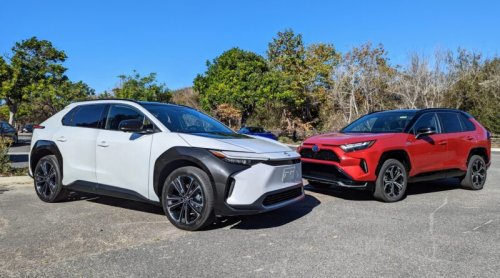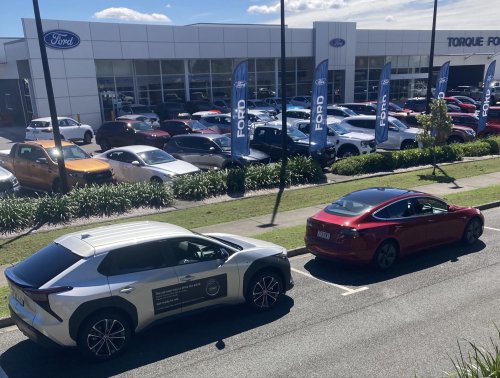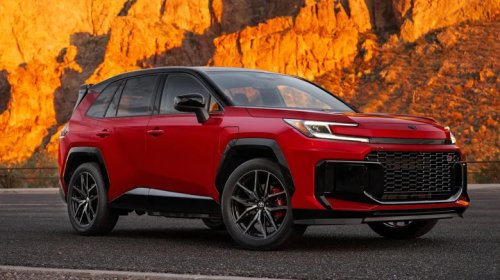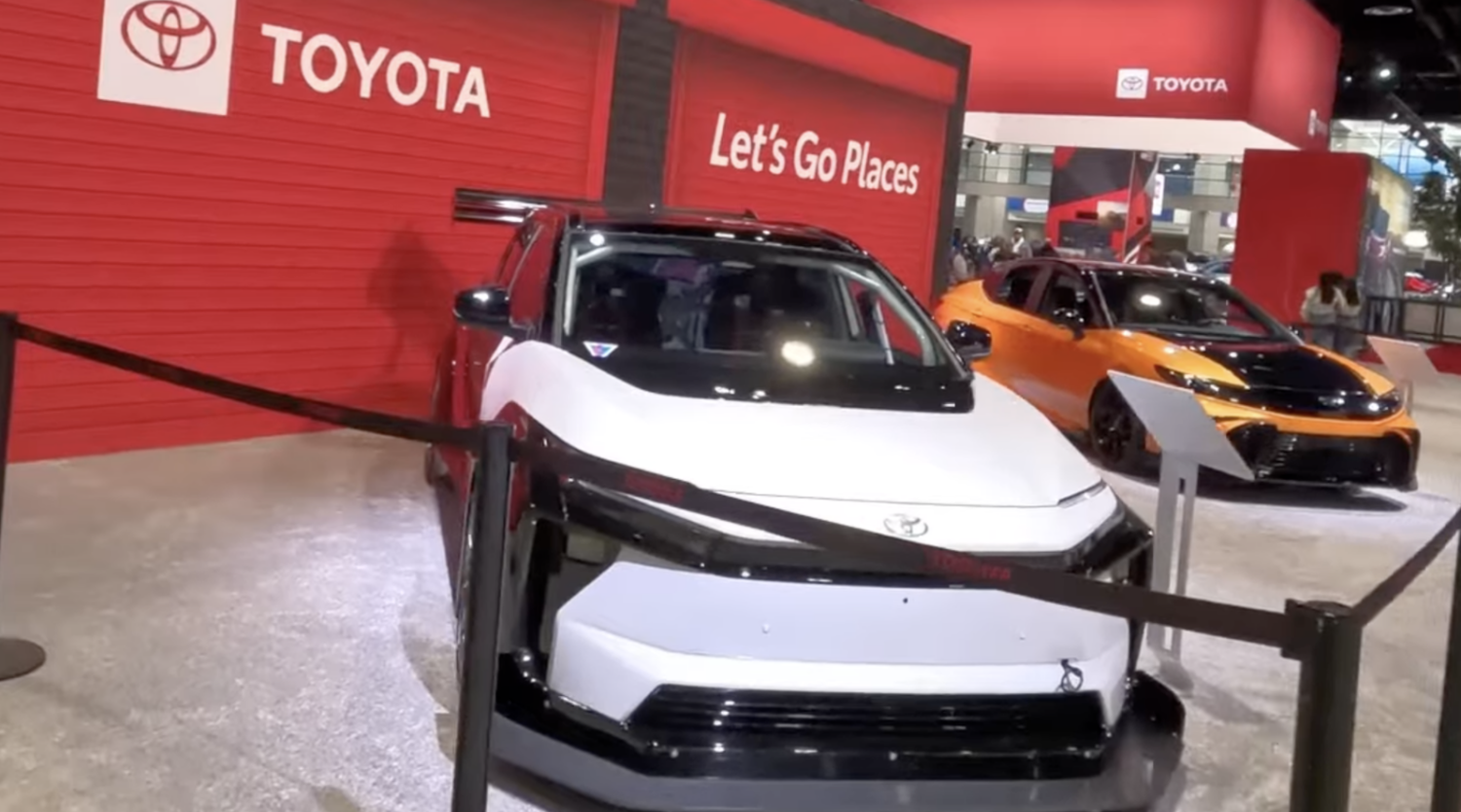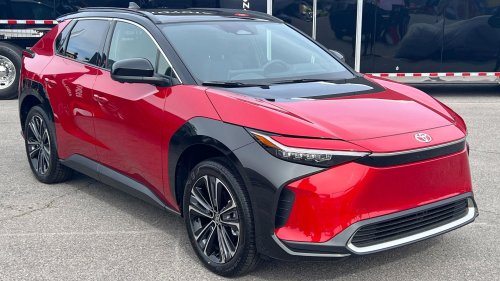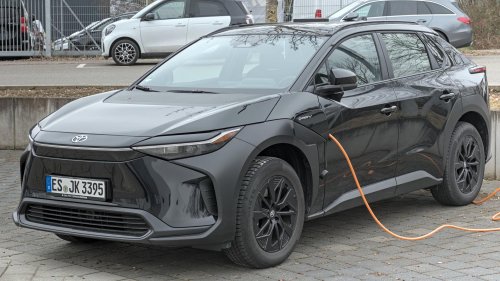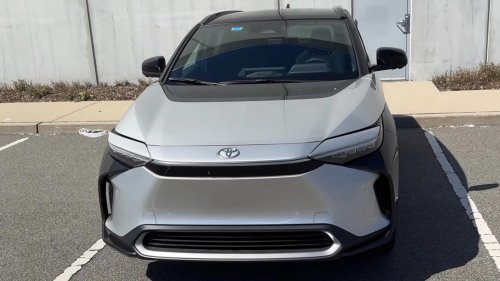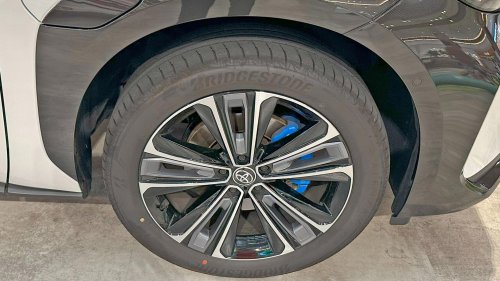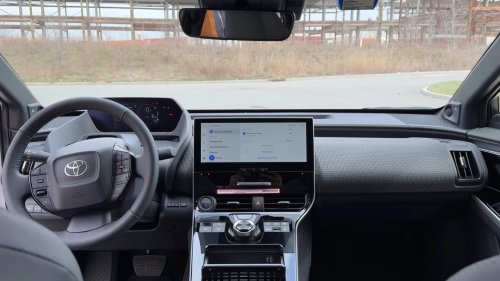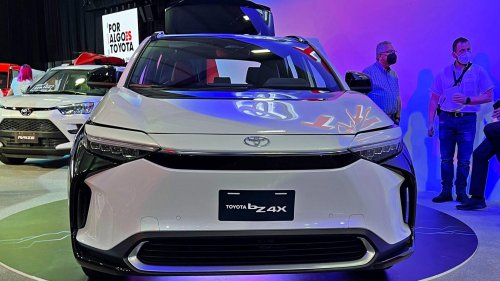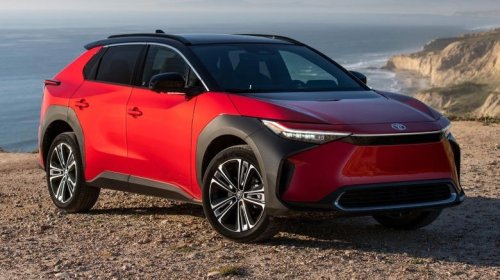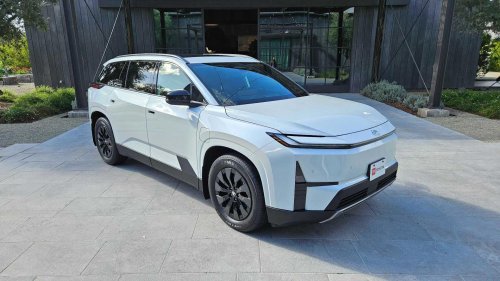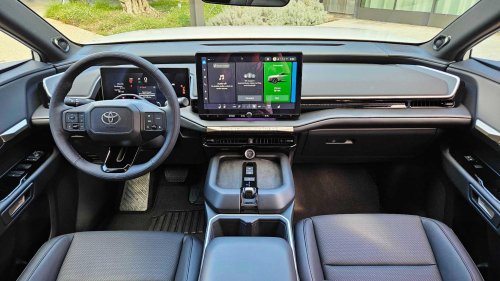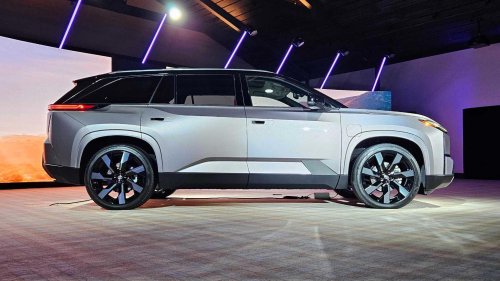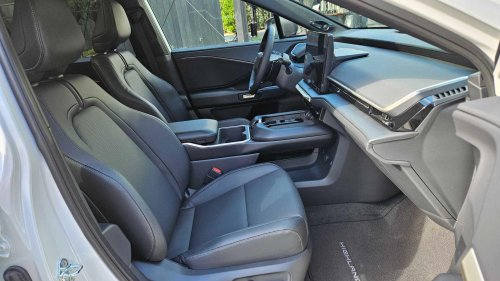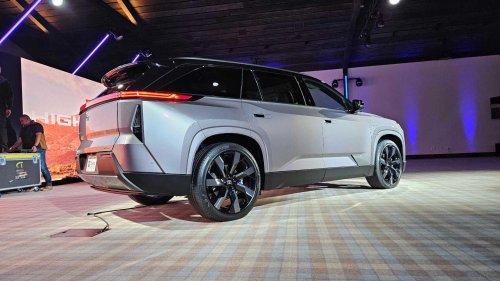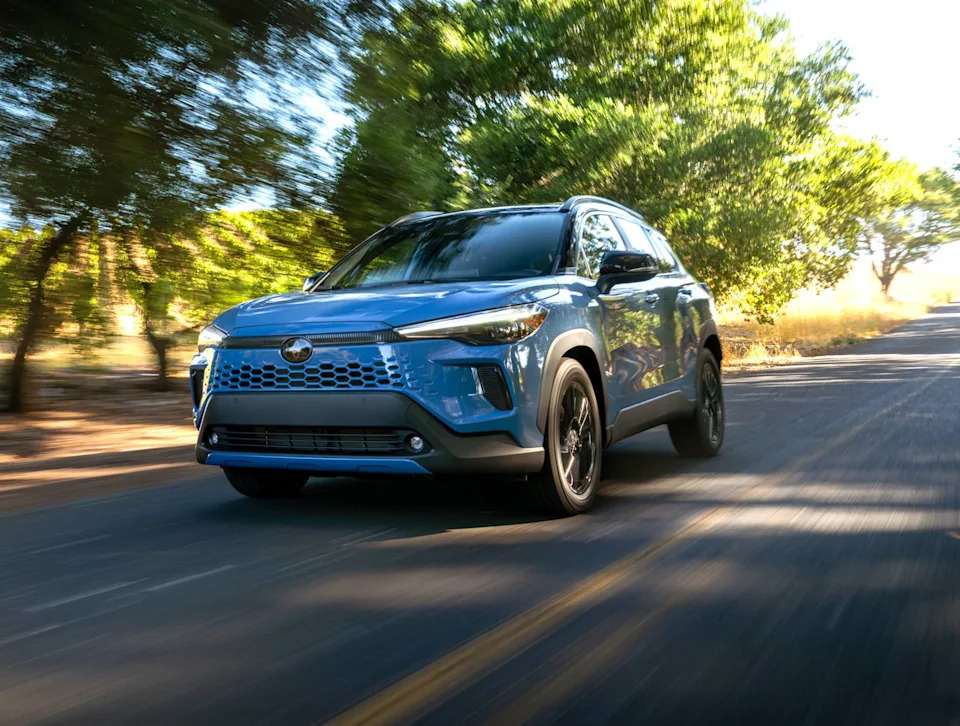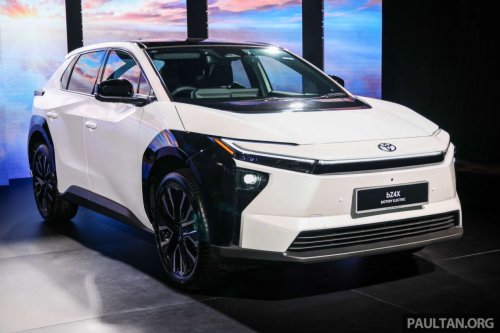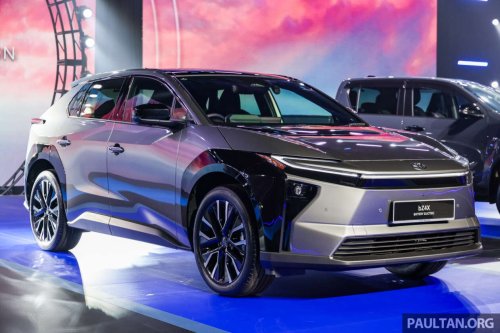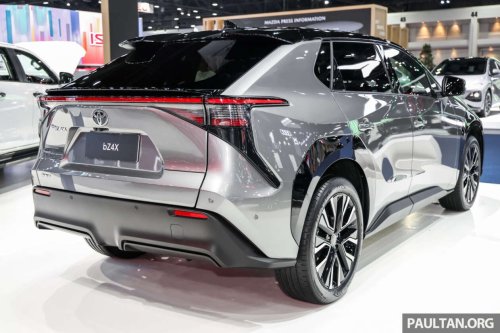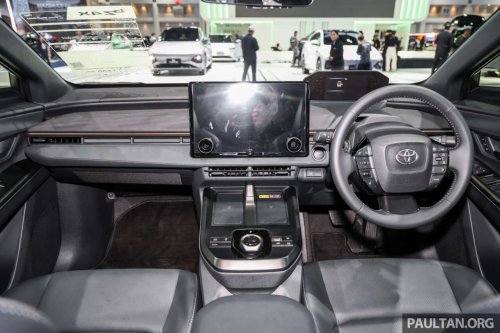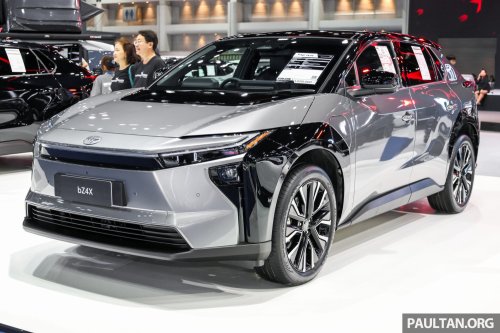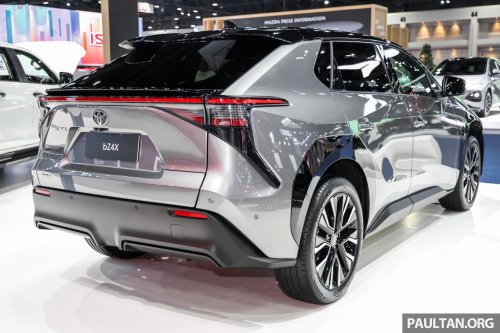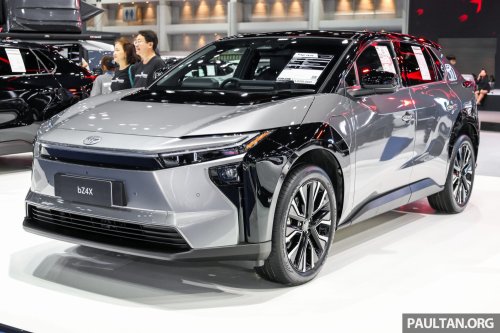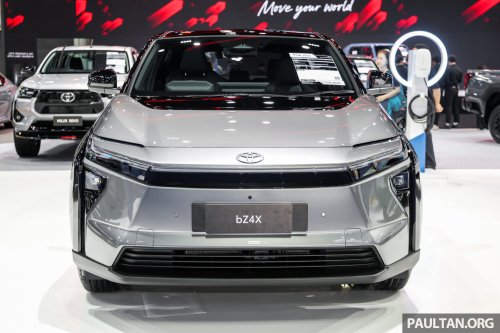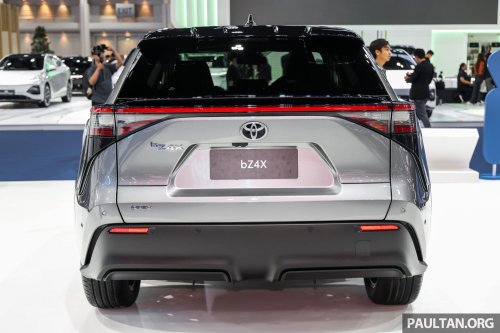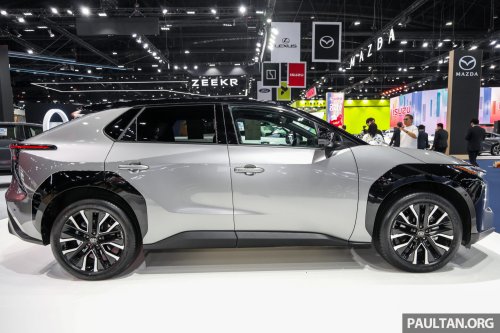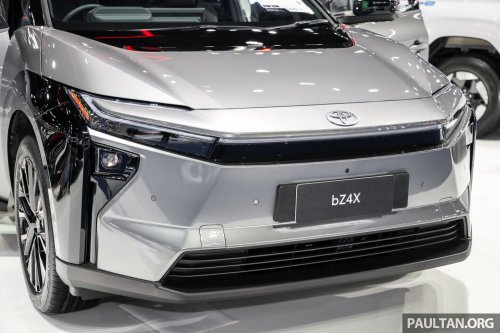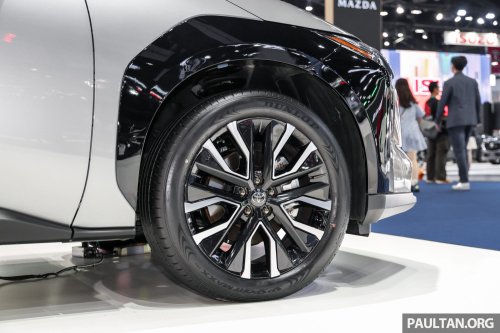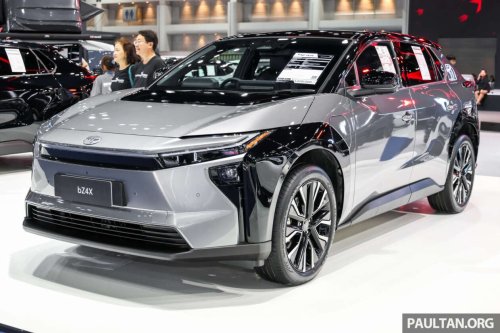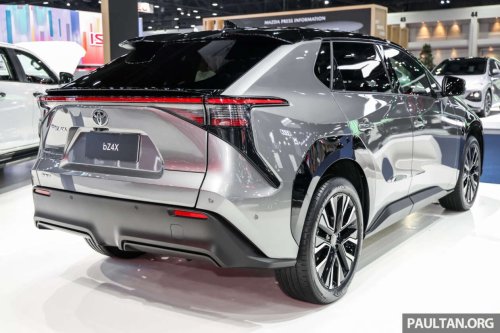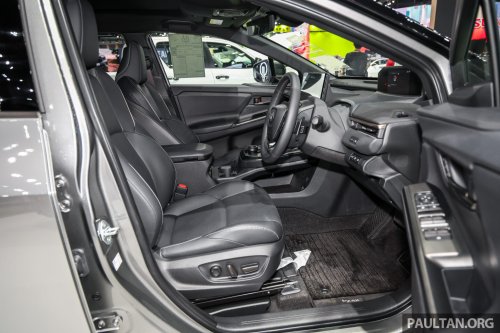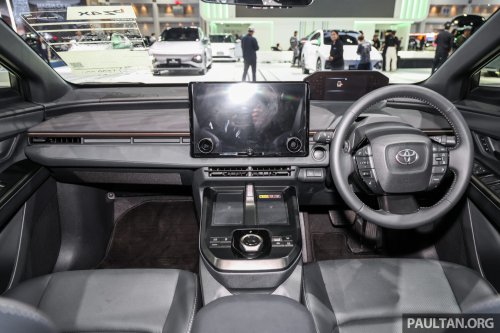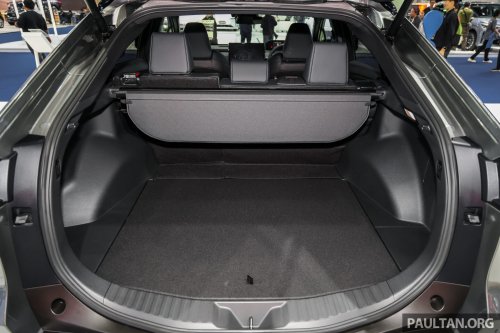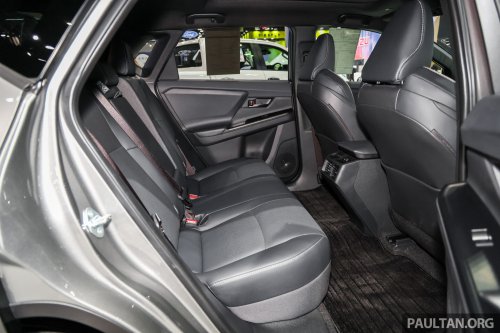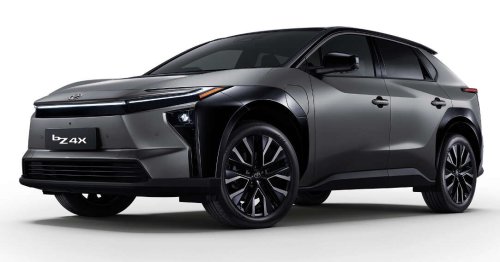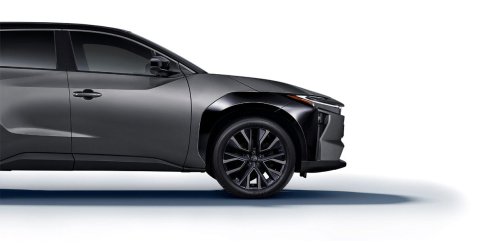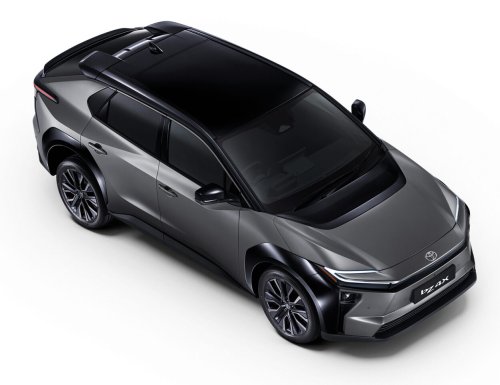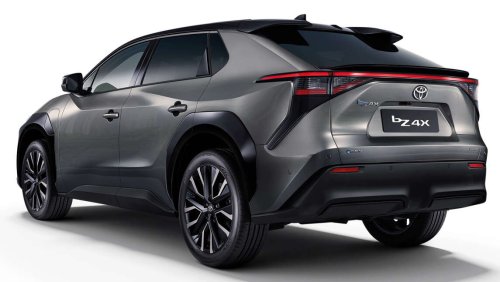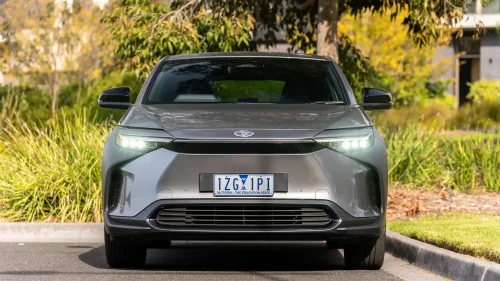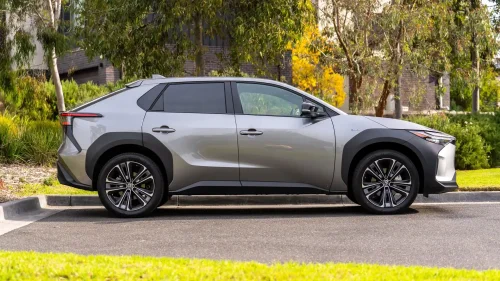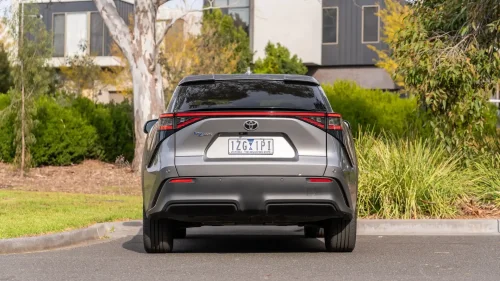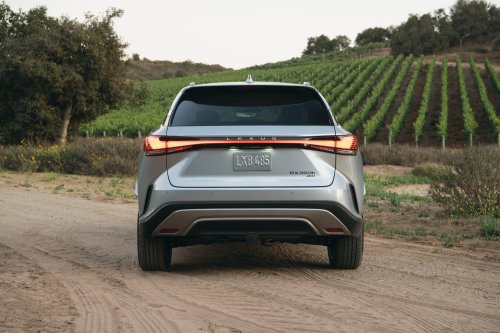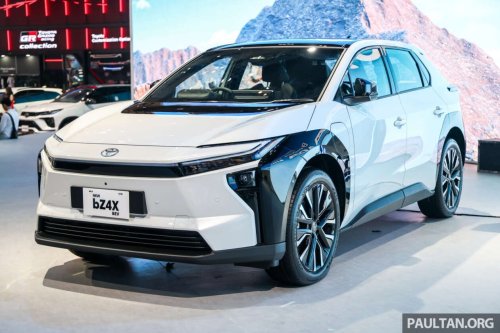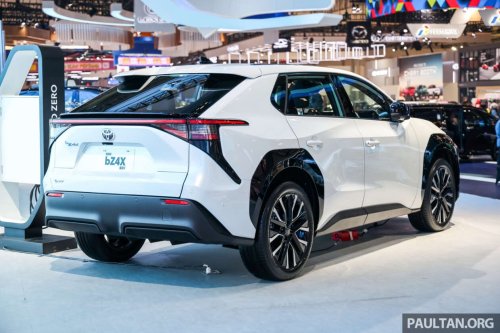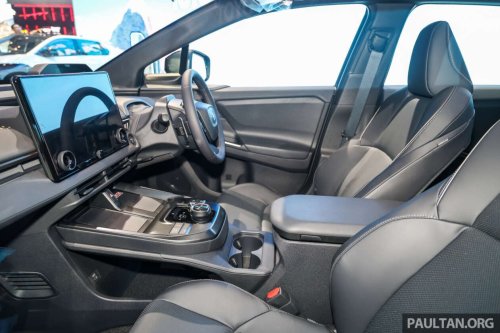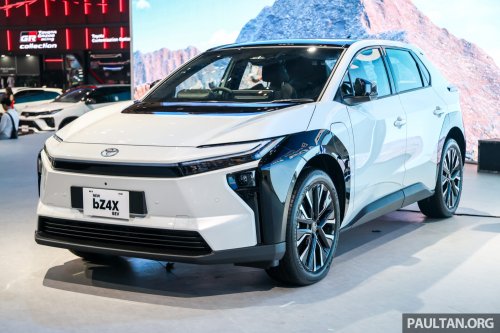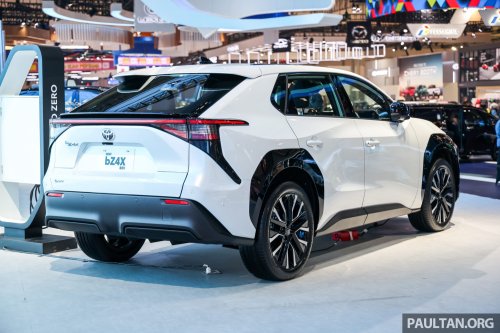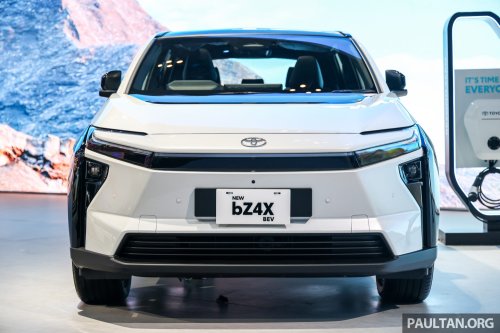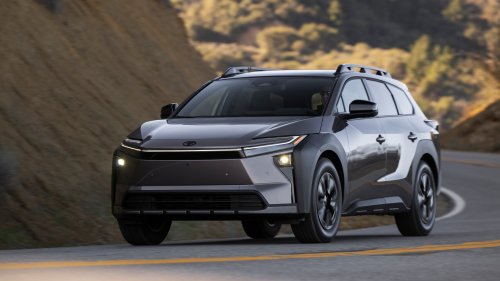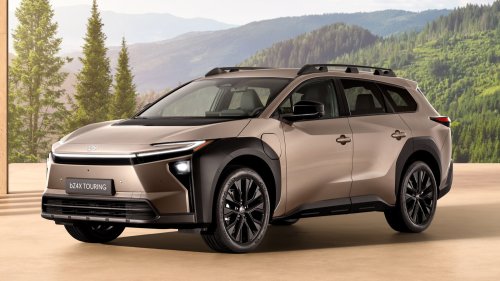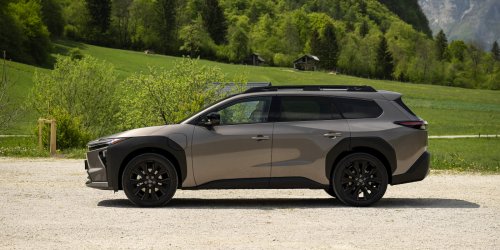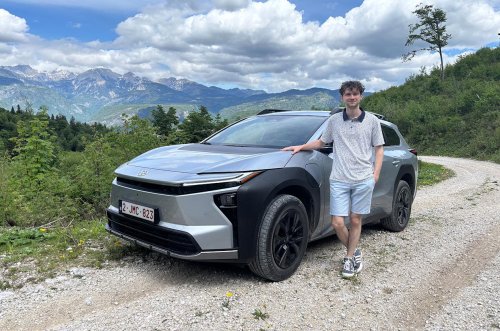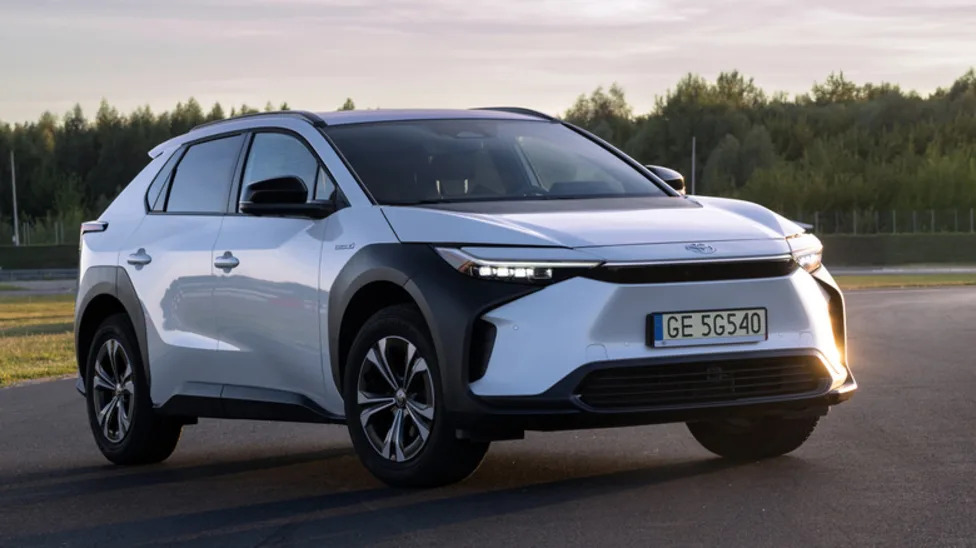
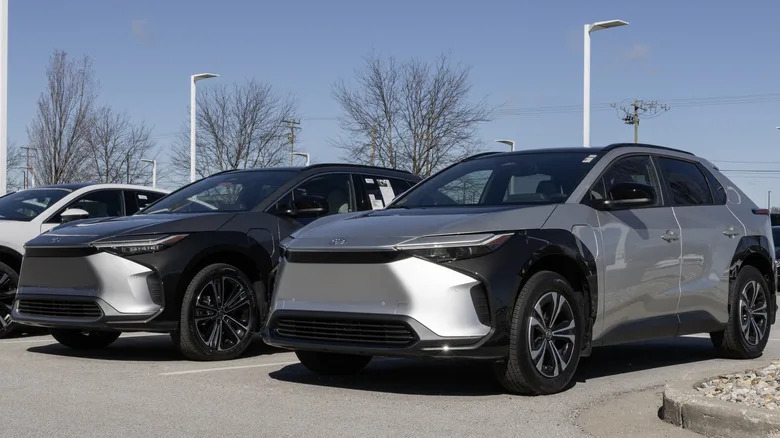



















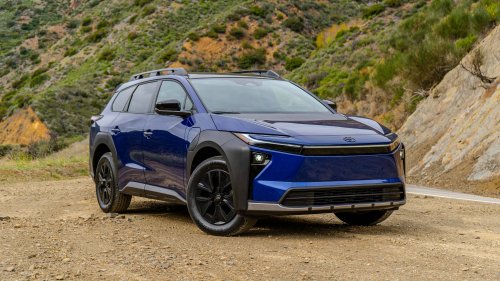
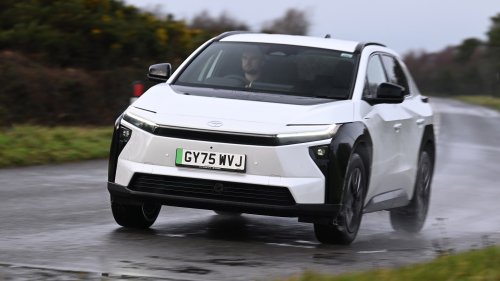
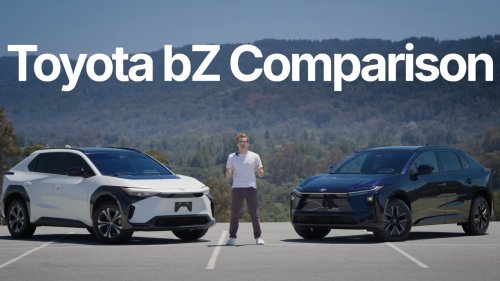

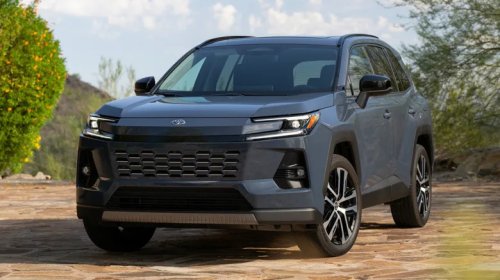
Tramino/Getty Images Add Jalopnik on Google: Google Discover While most Toyotas hold their values really well, the Japanese brand has two models in its portfolio that apparently go against the convention: the hydrogen-powered Mirai and the all-electric bZ4X. Revamped for 2026 with better range, looks, and a less silly name than before, the latest bZ is reportedly a much nicer proposition than the outgoing bZ4X, to which depreciation hasn't been all that kind. According to Kelly Blue Book (KBB), a 2023 Toyota bZ4X stands to lose over 50% of its value in just three years, which is a lot, given the electric crossover has only been on sale since the spring of 2022. The KBB three-year depreciation figure is also roughly in line with Car Edge's estimates. Per KBB, the entry-level XLE trim now has a resale value of $21,700, representing 52% depreciation, given its original suggested price of $45,295. KBB's resale value estimate for the Limited trim sits at $23,200, which is 54% lower than the original $49,995 MSRP. But that said, both trims have seen their resale values increase by over $2,000 between 2025 and 2026, evidenced by KBB's depreciation chart slightly curving upward. Although prices may vary across locations, at the time of writing, the trade-in value of a "Good"-condition 2023 bZ4X in its entry-level XLE trim is $17,900, while KBB reckons its Fair Purchase Price to be $23,300. The trade-in value jumps to $19,050 for the Limited trim, with its Fair Purchase Price estimated to be around $24,900. While there are a few bZ4Xs in the $26,000-$27,000 range, the rest of the listings are pretty much in line with KBB's estimates, with one notable FWD example listed for a touch over $18,000. Why does the Toyota bZ4X depreciate so much? Jetcityimage/Getty Images The bZ4X was never an EV that wowed reviewers — mediocre range and uninspiring performance were the common theme. In fact, Car and Driver managed just 160 miles of highway range when testing the dual-motor version, and the publication found its 6.4-second 0-60 sprint anything but exhilarating. Competing products from Tesla, Hyundai, Kia, and VW look far more compelling. What's more, the bZ4X hasn't exactly had the smoothest reliability record, at least from a recall perspective. Multiple recalls have been issued in the brief window that it's been on sale. If you thought things have improved with the latest 2026 model, think again. Just this June, Toyota issued a fresh recall for its 2026 bZ and RZ vehicles. These, coupled with the fact that consumer confidence is perhaps not as strong with used EVs as it is with proven ICE and hybrid technology, may have also worked against the bZ4X's resale values, reckons Robby DeGraff from AutoPacific (via InsideEVs). Speaking of values, Toyota slashed the EV's prices by a decent amount over the years, a practice that generally doesn't bode well for existing owners looking to sell their bZ4X. For instance, while the 2023 model was a near-$50,000 proposition in its top-spec form, a 2025 bZ4X sat much lower, with an MSRP of just over $43,000 for the Limited trim. Even the starting price of a 2026 Toyota bZ, which is a noticeably improved version of the EV, is around $2,000 less than it was for the 2025 model. Would you buy a 2023 bZ4X FWD that's driven around 22,000 miles for $26,240, or rather consider this 2025 AWD model listed for around the same price but with just 8,000 miles on the odometer?