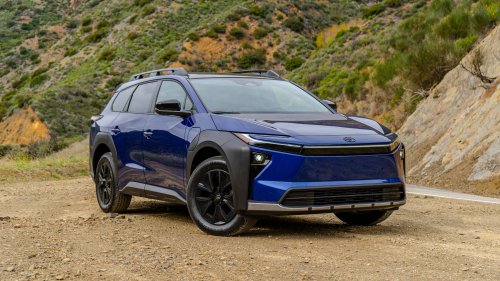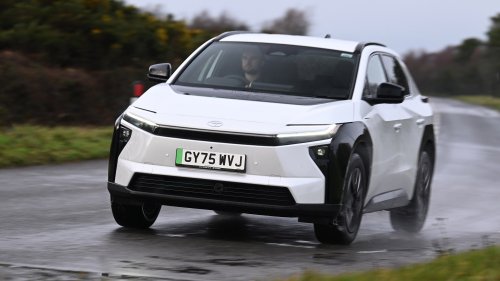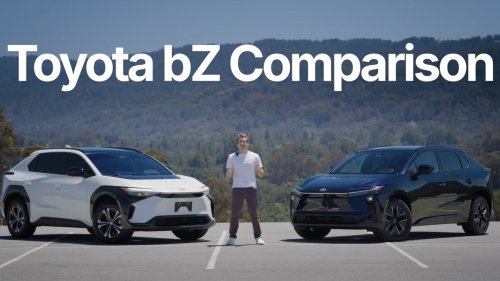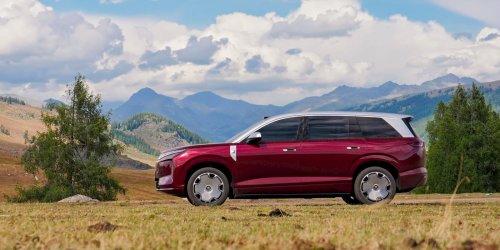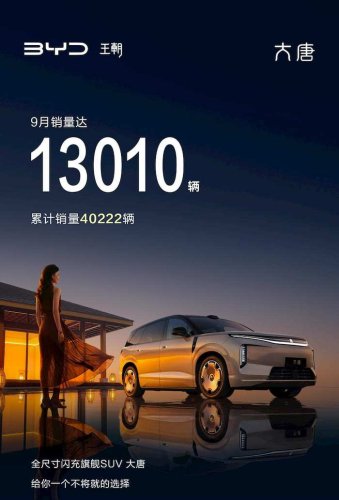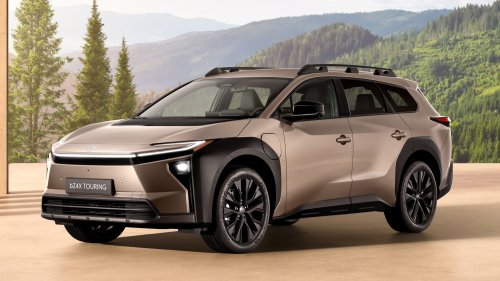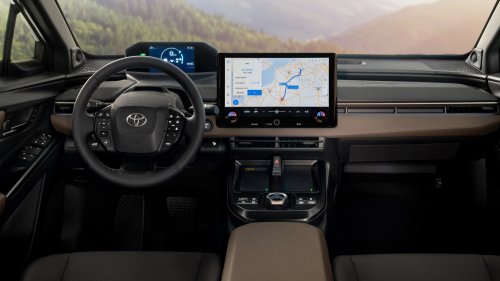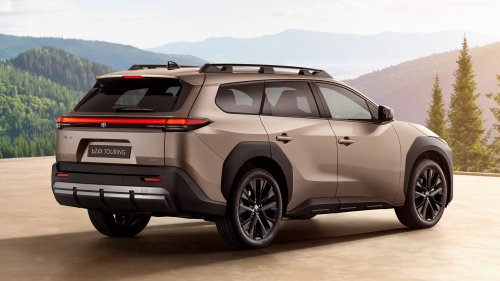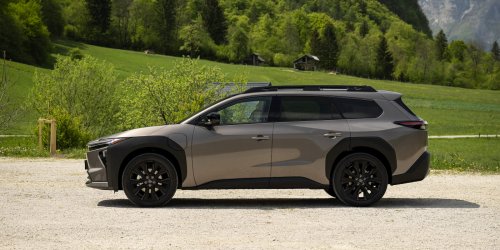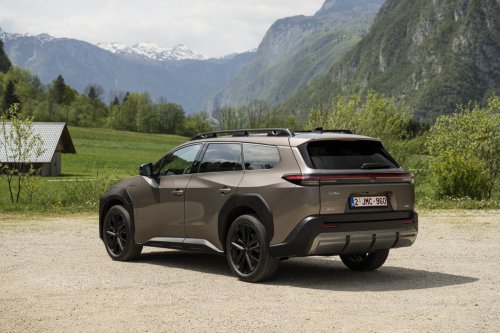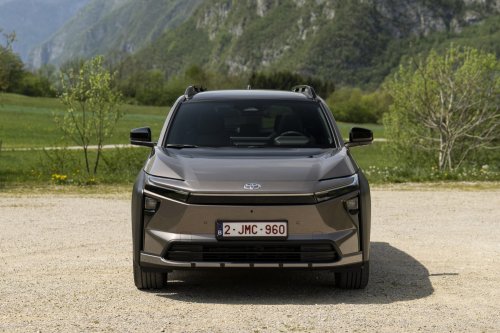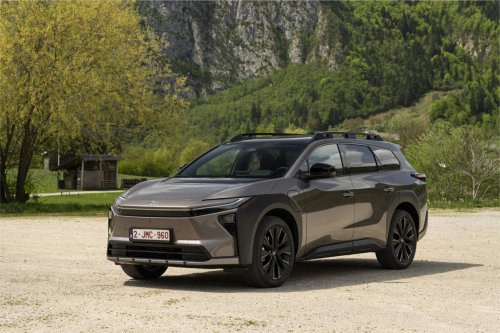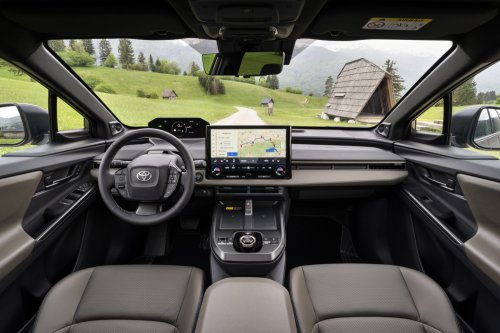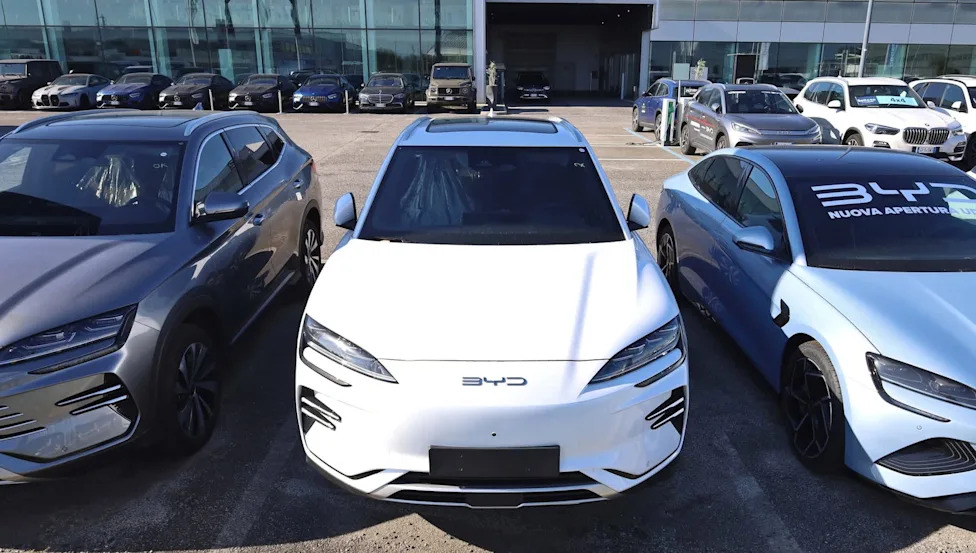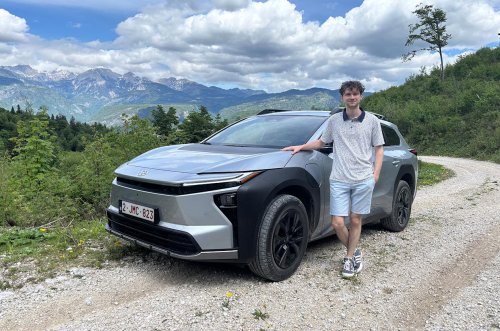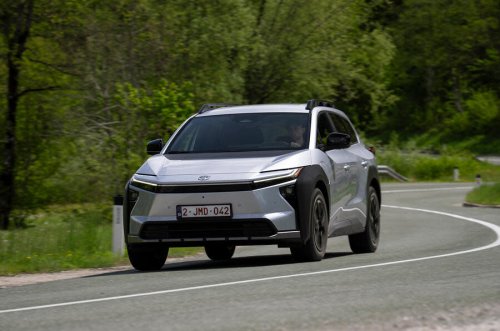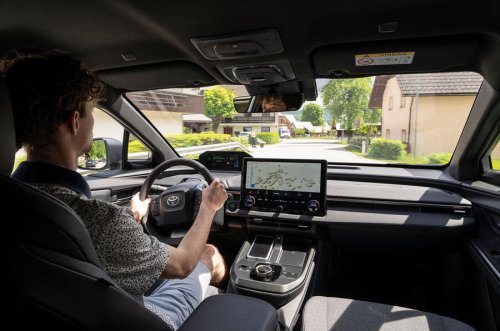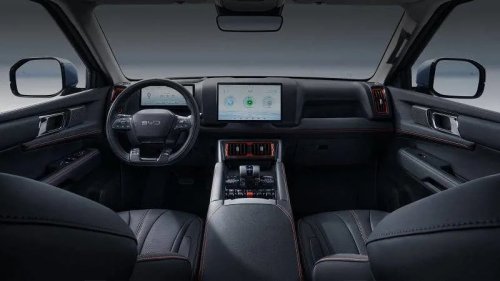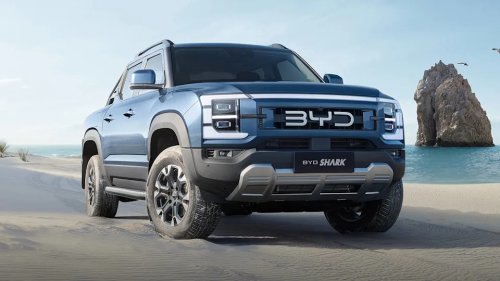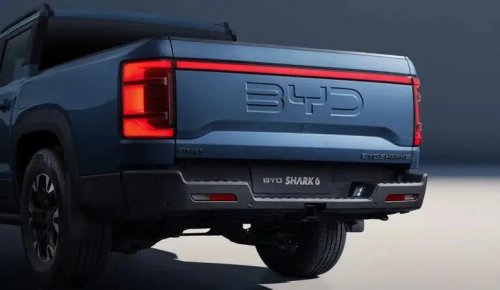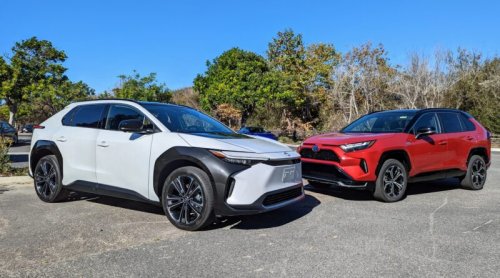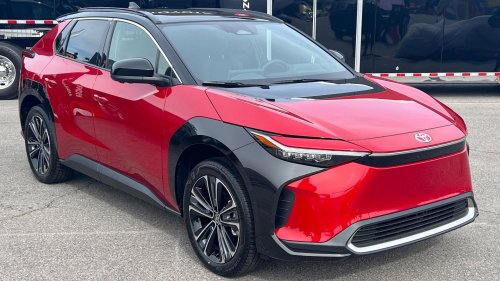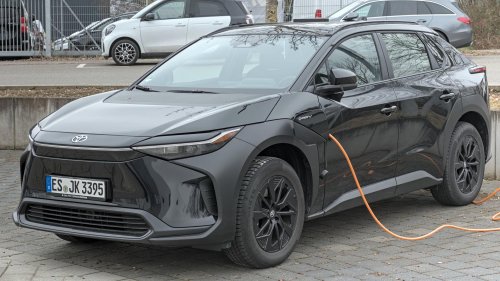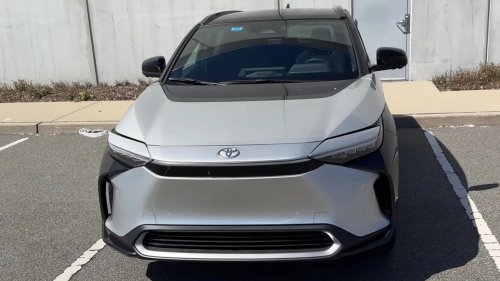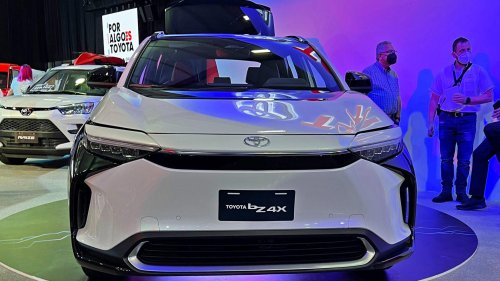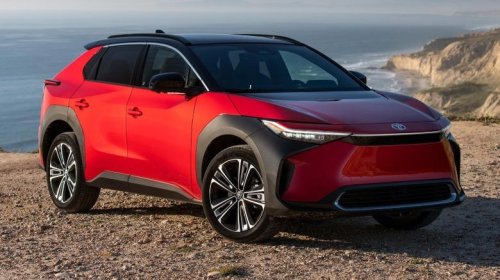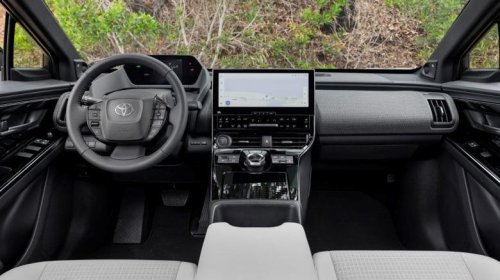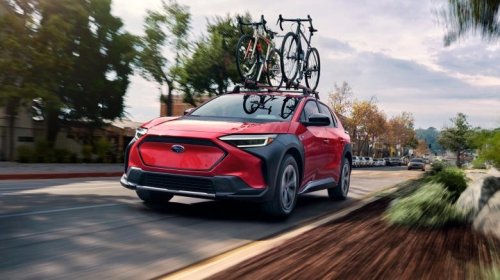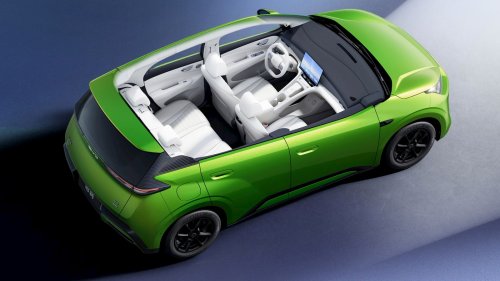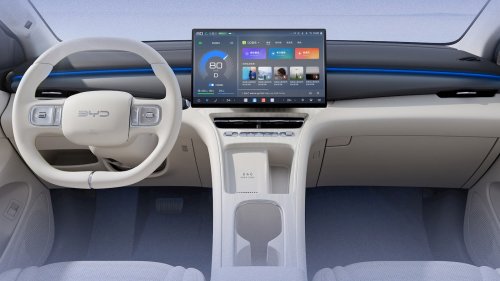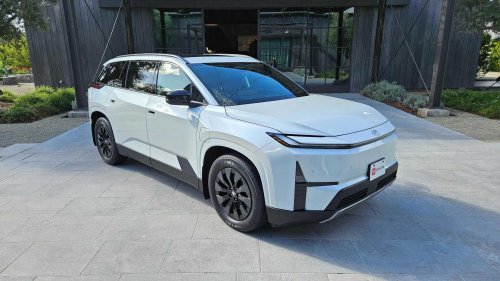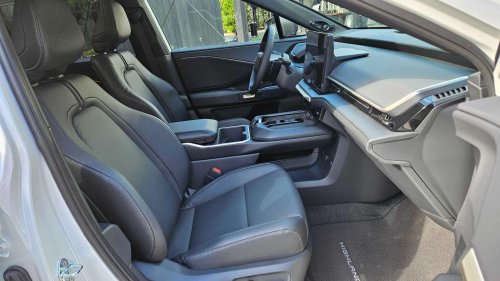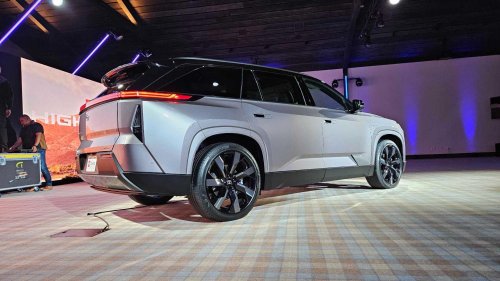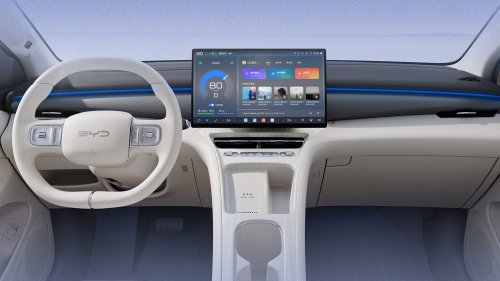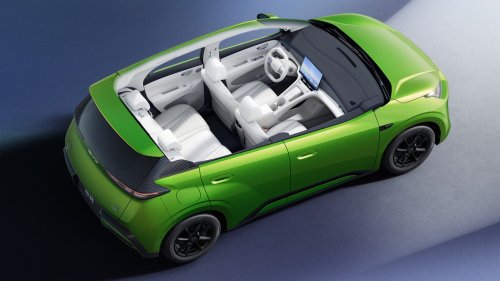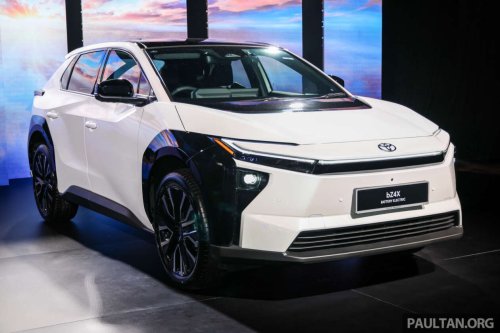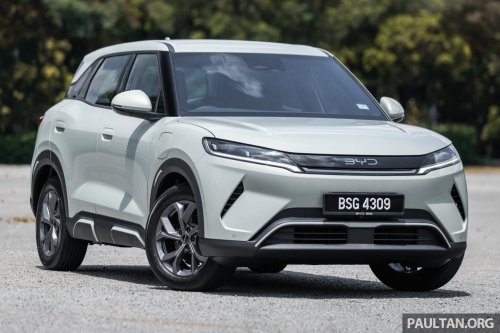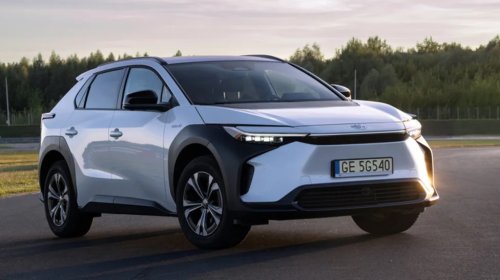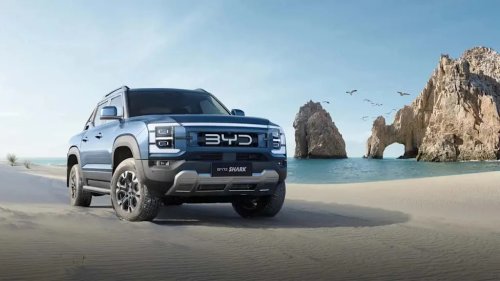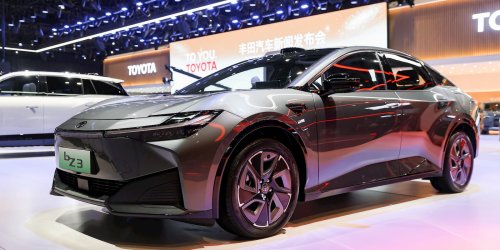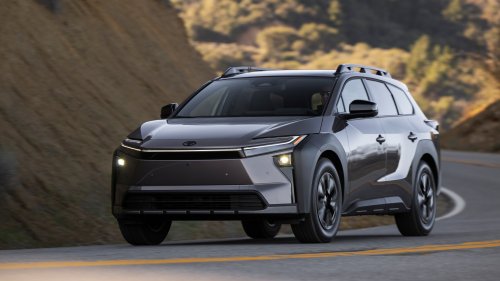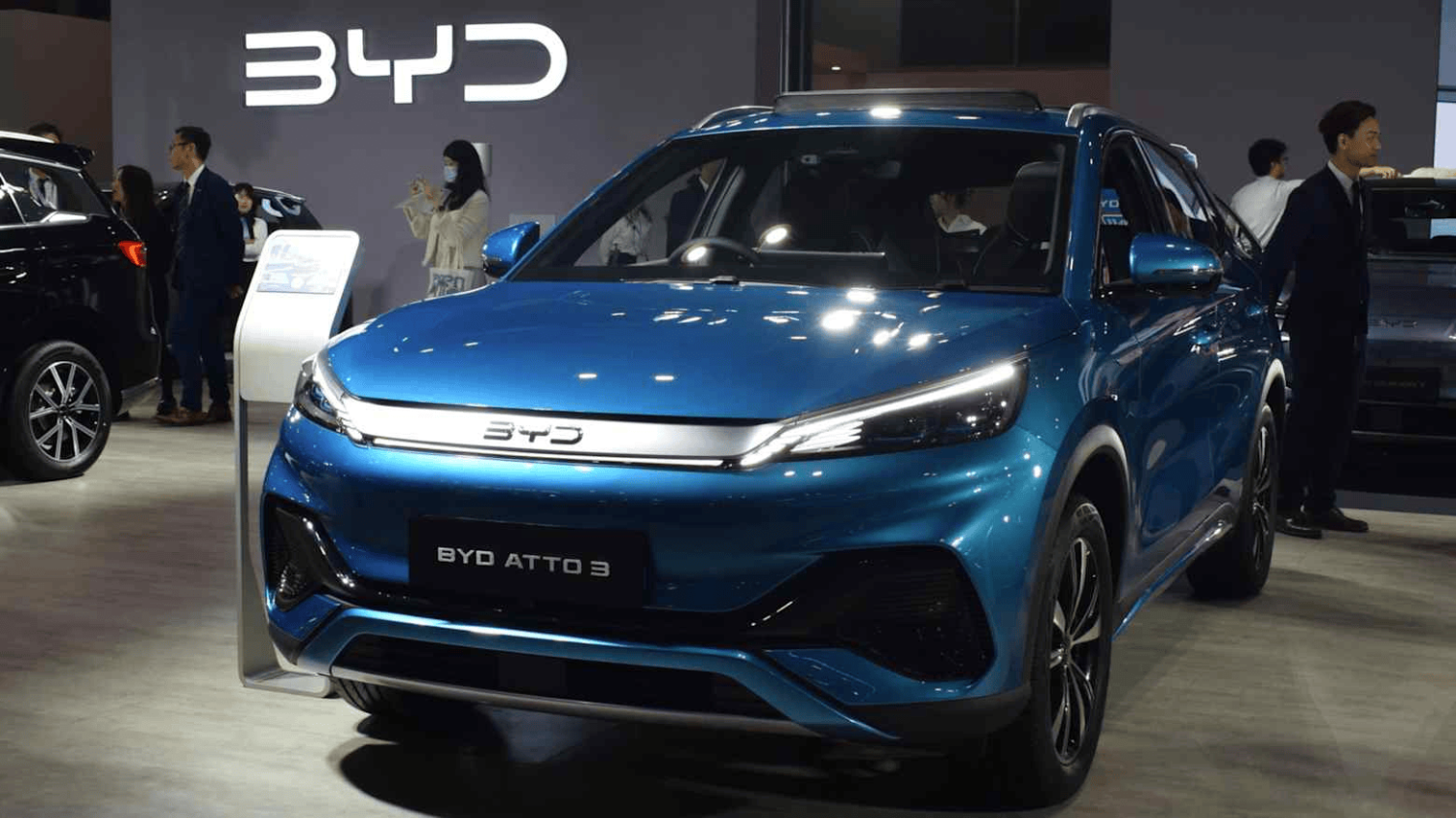
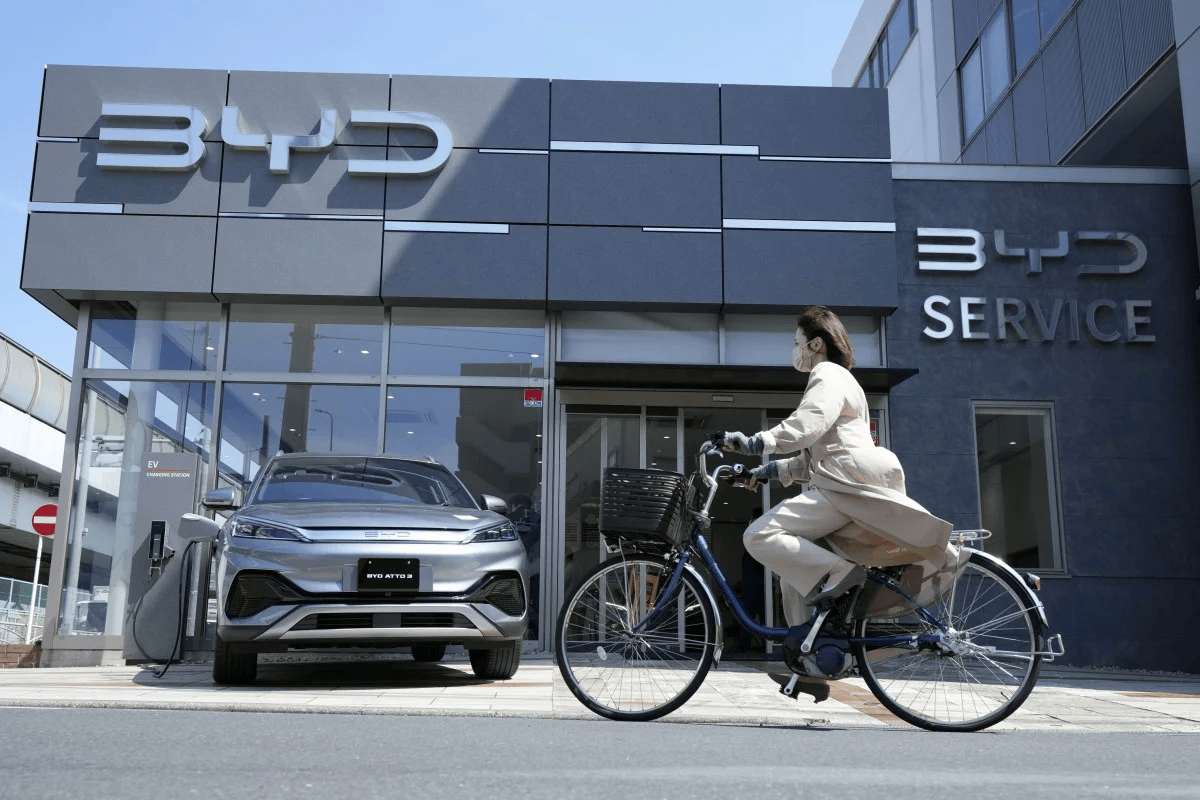
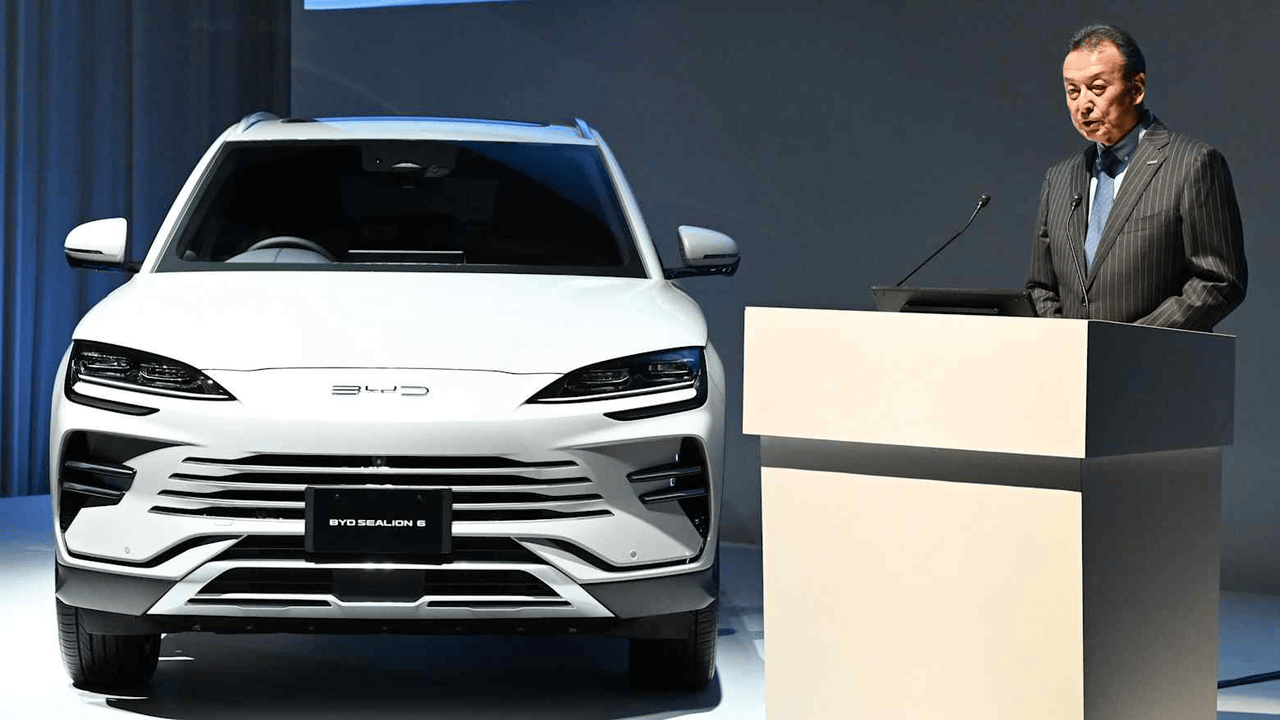



















Japan’s Ministry of Economy, Trade and Industry has unveiled a revised subsidy scheme for new energy vehicles, under which per-unit subsidies for BYD in Japan will be reduced to 150,000 yen ($939), down by more than half from the previous 350,000–400,000 yen ($2190–$2500), according to Nikkei Asia. The recalculated subsidy framework will take effect in April this year, while models subject to significant cuts will transition to the new rules starting January 2027. Following the adjustment, BYD’s subsidy level ranks among the lowest across automakers in Japan, affecting its core models including Sealion, Dolphin, and ATTO 3. BYD ATTO3 in Japan In contrast, Japan’s domestic brands continue to receive significantly higher support. Toyota’s bZ4X, equipped with Japan-made batteries, retains a subsidy of 1.3 million yen ($8,190), nearly ten times that of BYD. Nissan’s Ariya sees its subsidy reduced from 1.29 million yen to 1 million yen, still substantially higher than most overseas brands. Tesla models such as the Model 3 can receive subsidies of up to 1.27 million yen ($8,000). BYD Japan has publicly expressed dissatisfaction with the sharp reduction, arguing that the policy undermines business development and harms consumer interests. Authorities stated that subsidy differences are based on a comprehensive scoring system. BYD Dealership in Japan However, Atsuki Tofukuji, president of BYD Japan, questioned the fairness of the evaluation, noting that despite the company’s active investment in fast-charging infrastructure, it received zero points in that category. However, other automakers without such deployments were awarded points. BYD has raised inquiries with the ministry but has yet to receive a clear response. Industry sources suggest the adjustment may be linked to the Japan-U.S. tariff agreement, with Japanese authorities citing the need to ensure fair competition. Atsuki Tofukuji, president of BYD Japan Yoshia Ki Kawano, an analyst at S&P Global Mobility, noted that while evaluation criteria remain unchanged, the significant divergence in subsidies suggests potential policy bias toward certain automakers. The impact extends beyond BYD. Brands such as Audi and Hyundai, which do not use domestically produced batteries in Japan, are also facing subsidy reductions.