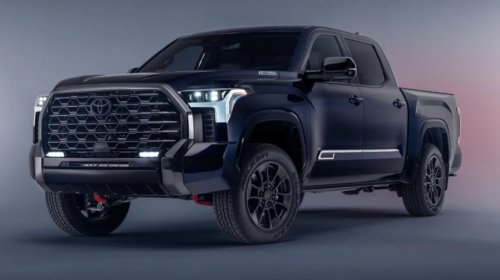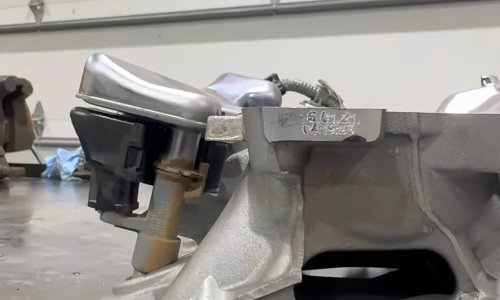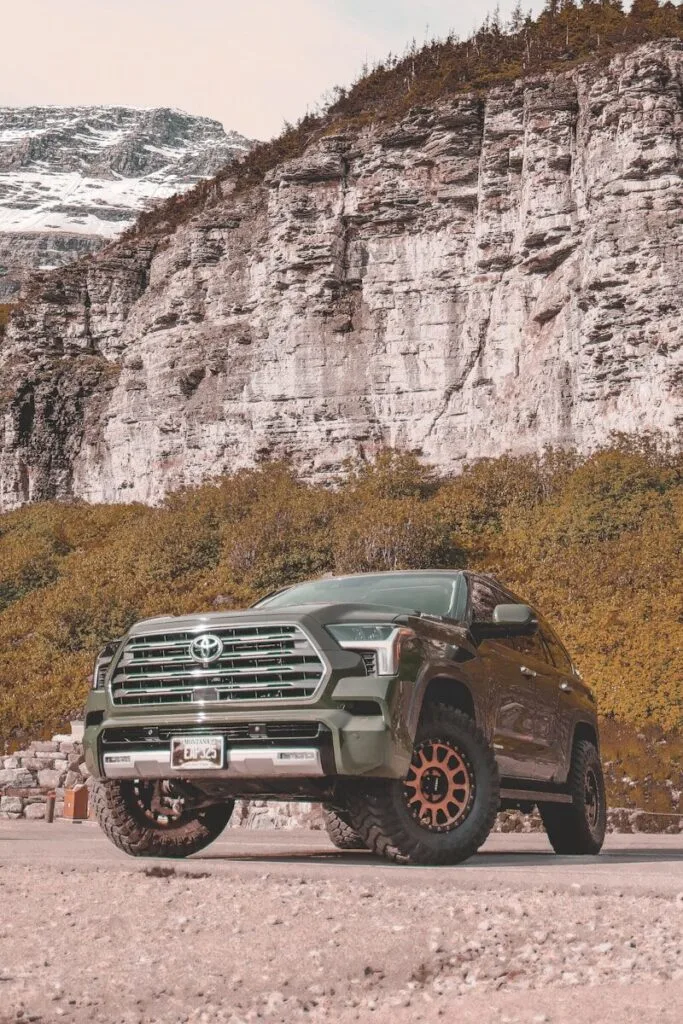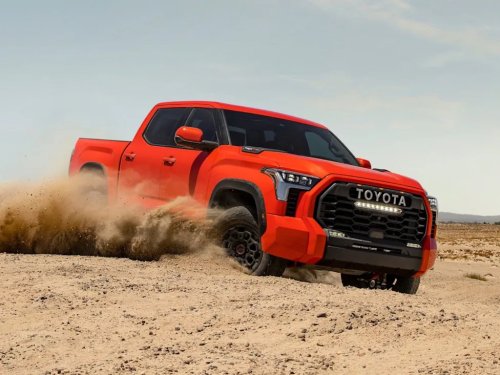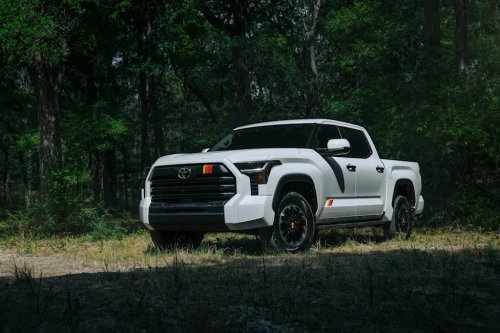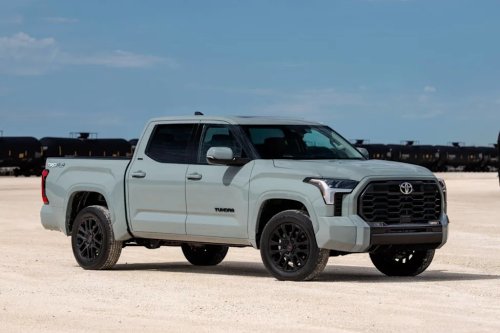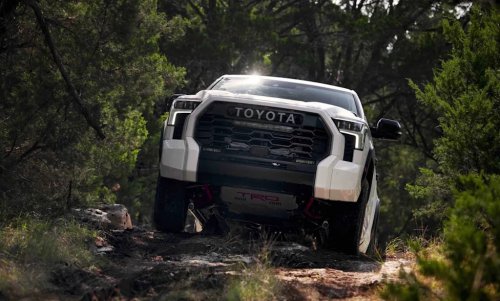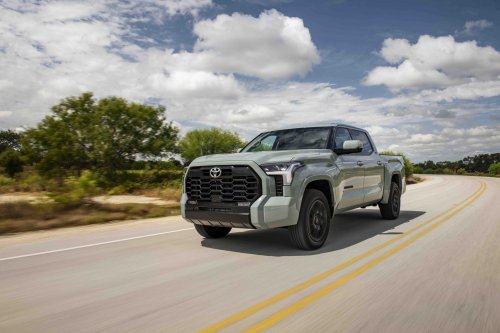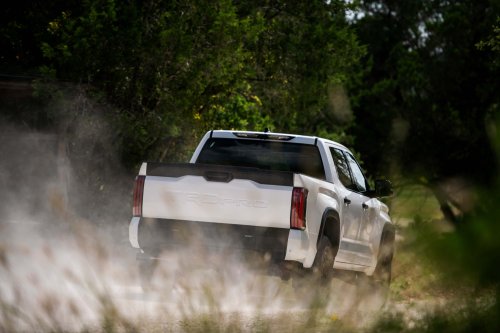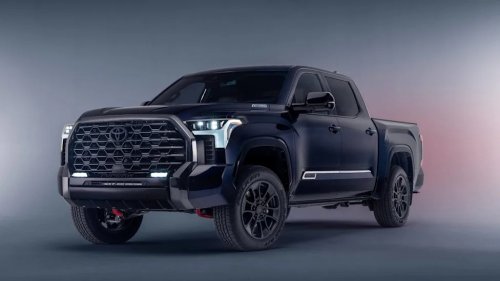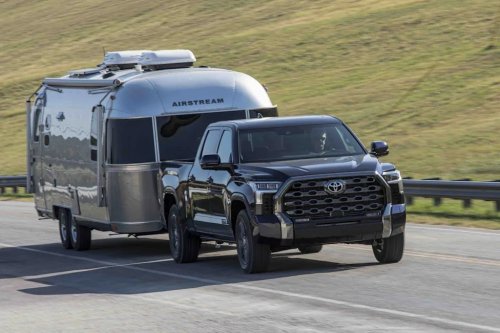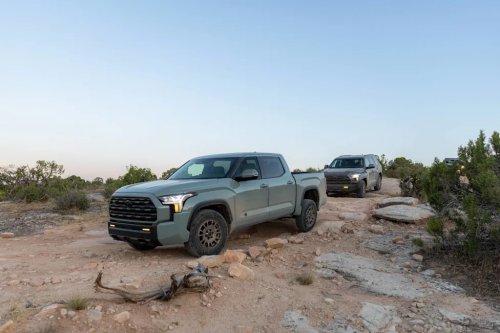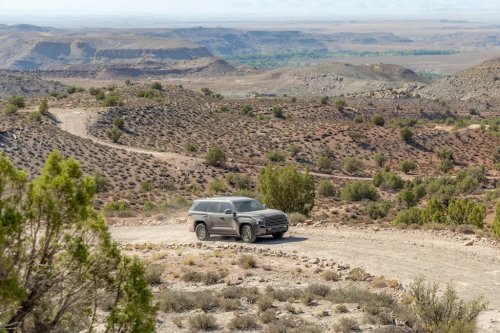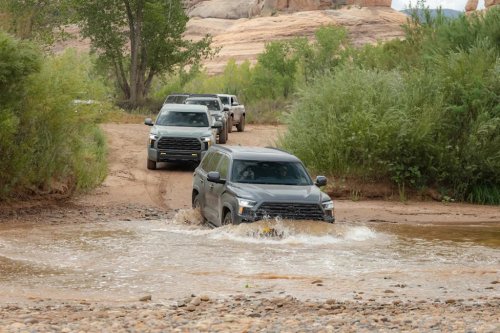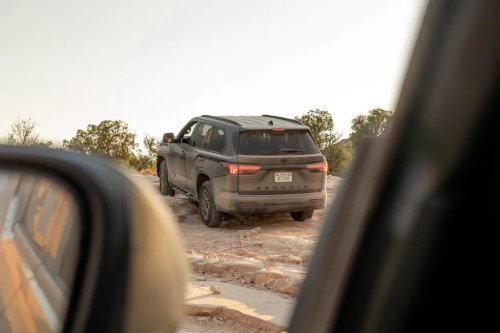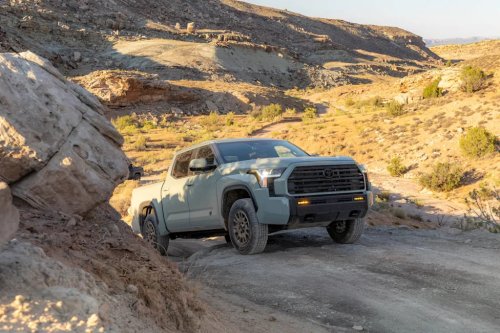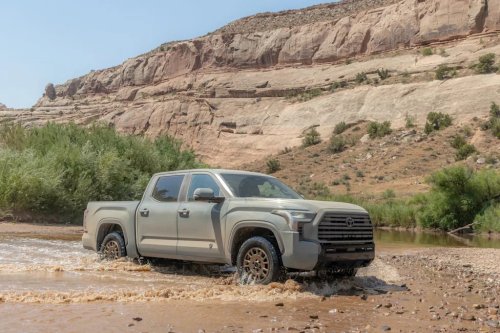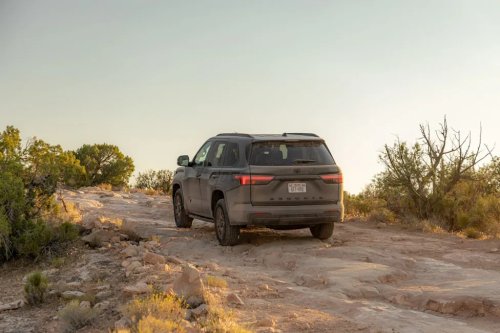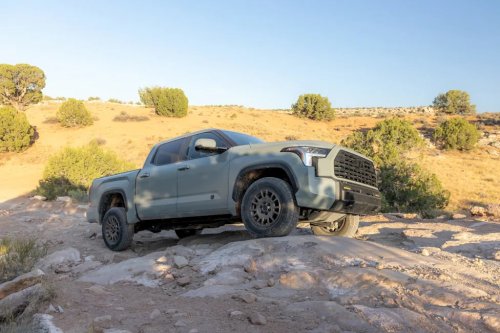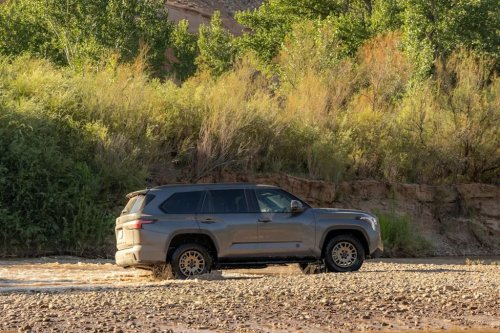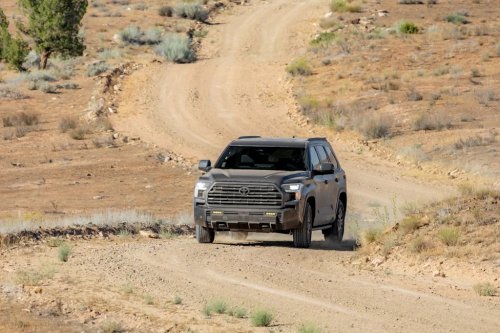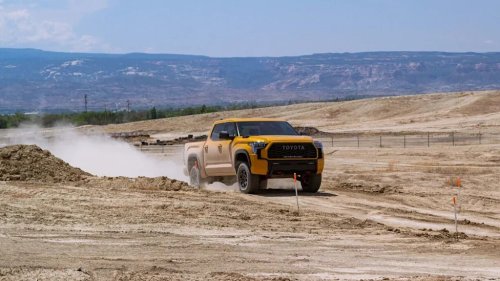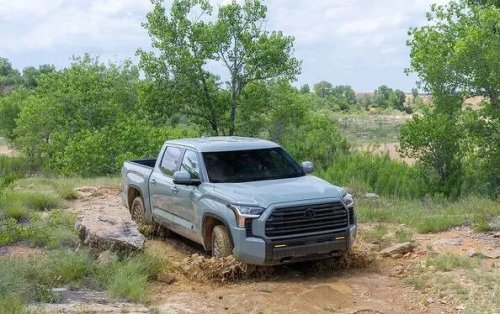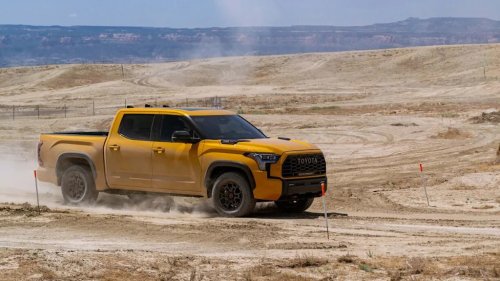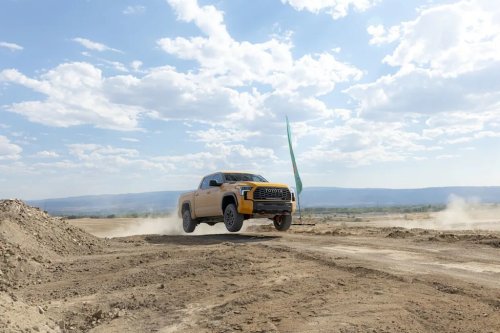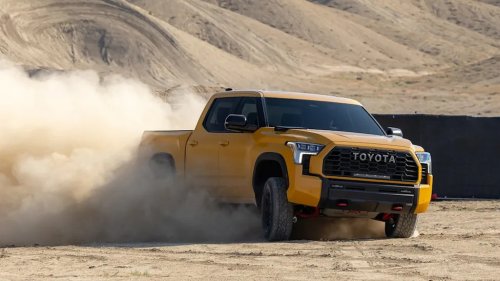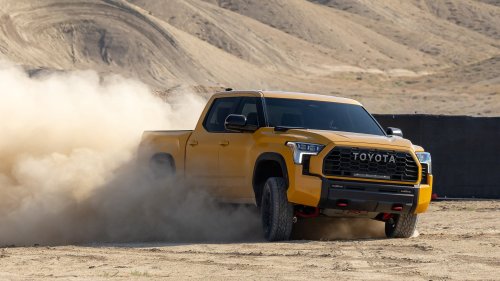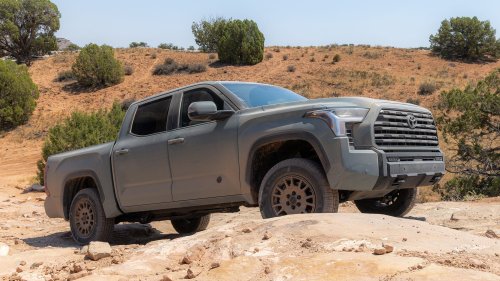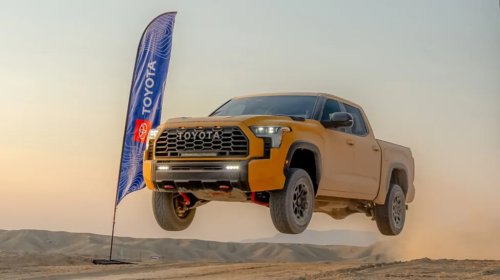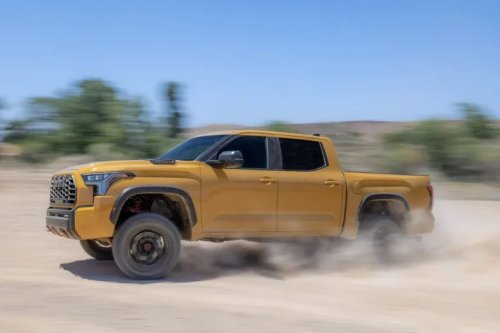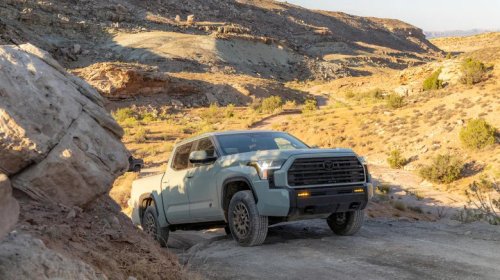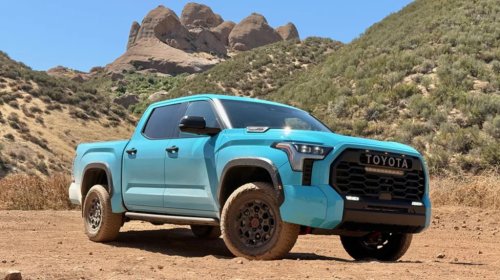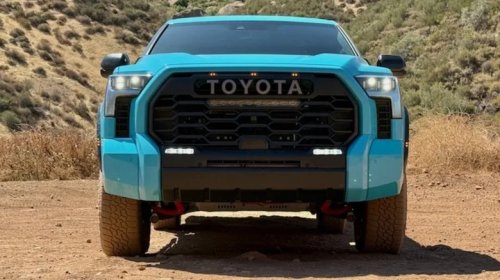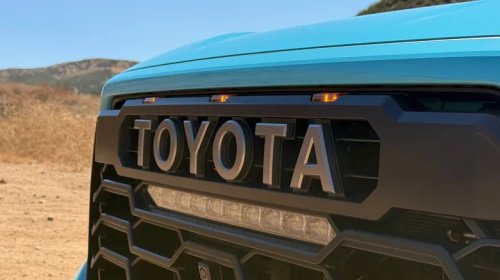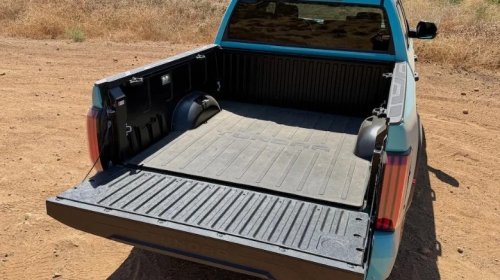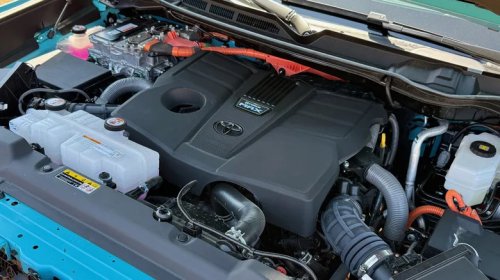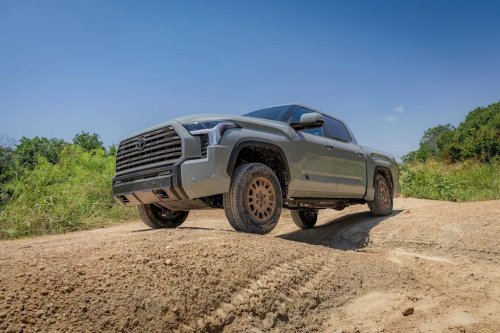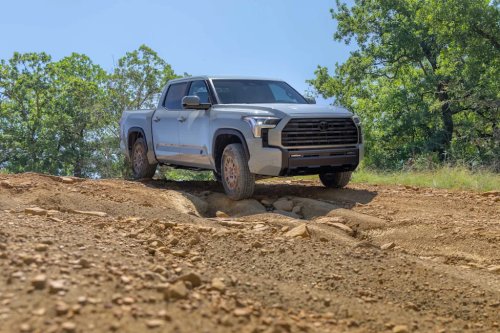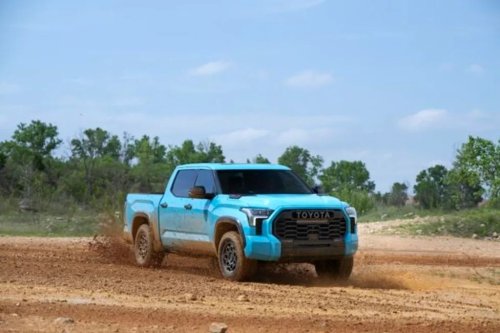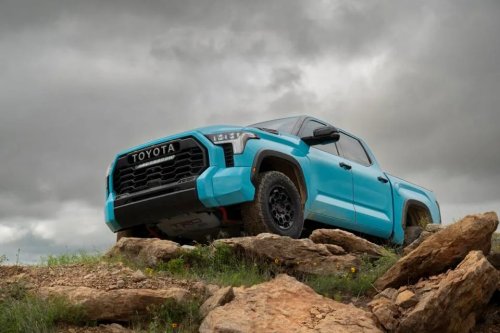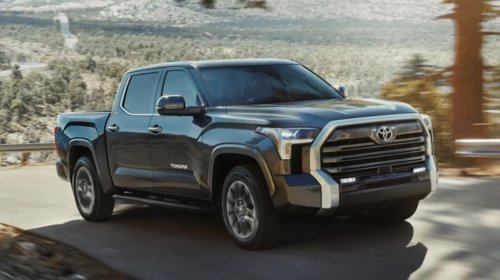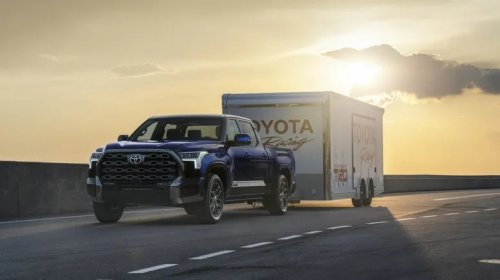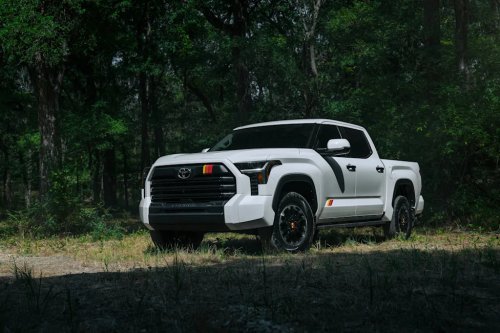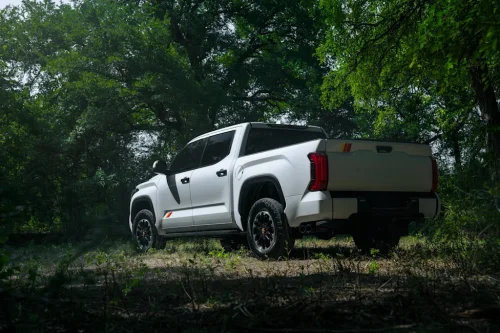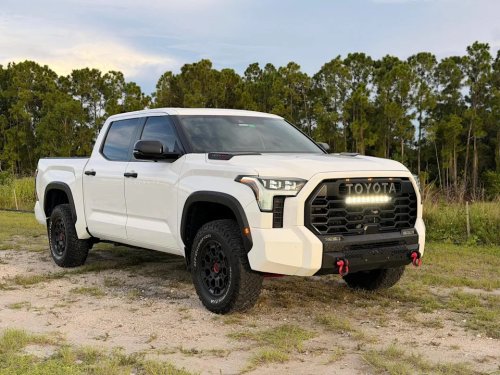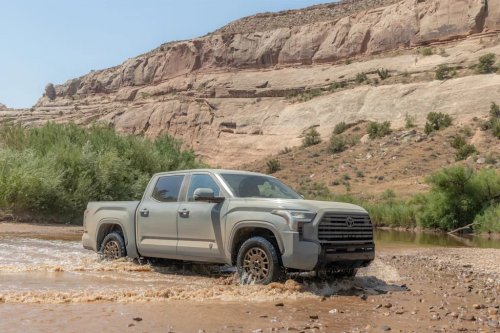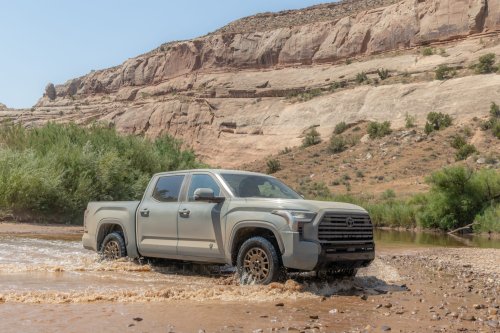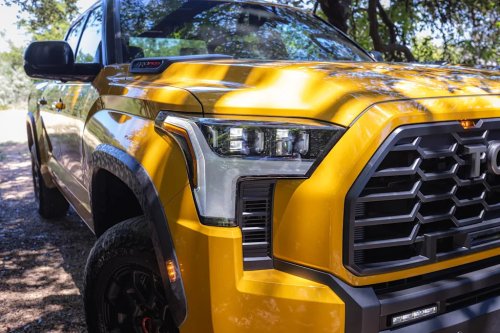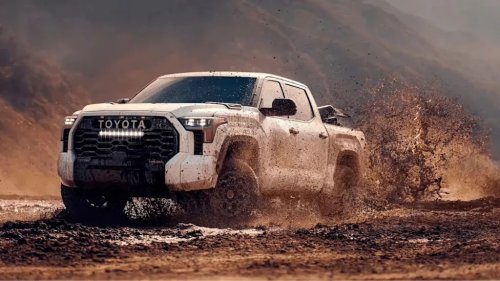
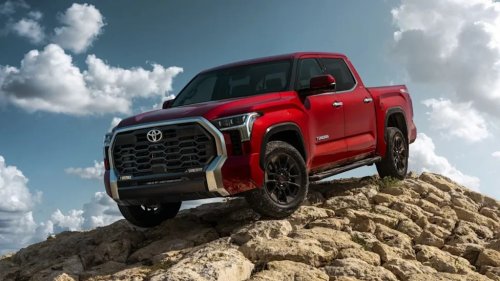
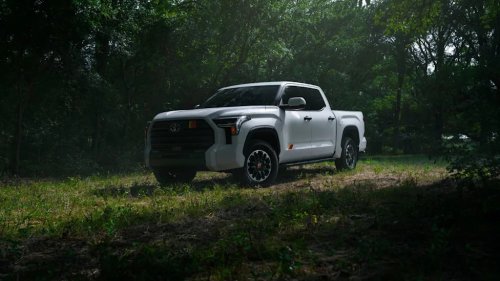
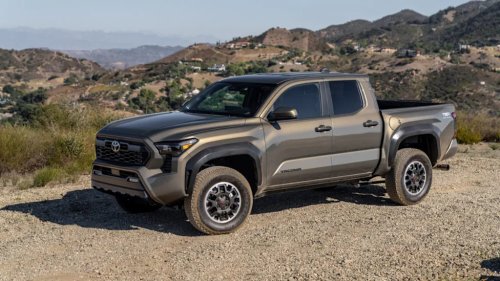



















Image Credit: Toyota.Toyota built its reputation on reliability long before the modern truck wars turned into horsepower battles and luxury showdowns. For decades, buyers trusted the company to deliver engines that simply kept running long after competitors started developing expensive problems.That reputation is now facing one of its biggest challenges in years. Toyota has recalled roughly 270,000 third-generation Tundra engines, and the company still has not fully explained the exact root cause behind the failures affecting thousands of trucks.The issue centers around the twin-turbocharged 3.5-liter V6 introduced with the redesigned 2022 Toyota Tundra. While Toyota has acknowledged that machining debris may contribute to the failures, the recall campaign has continued expanding across multiple model years instead of ending with a single contained fix.AdvertisementAdvertisementFor many truck buyers, that uncertainty may be more concerning than the recall itself. Toyota owners expect problems to get solved quickly and clearly, especially when the issue involves catastrophic engine failures in one of the brand's flagship trucks.Which Tundras Are Affected?Image Credit: Toyota.The recall currently affects certain 2022, 2023, and 2024 Toyota Tundra models equipped with the twin-turbo V6 engine. Toyota expanded the campaign again in May 2026 to include additional 2024 trucks, pushing the total number of affected engines to roughly 270,000 units.According to owner reports and technical filings, the failures often begin with knocking noises, bearing wear, or sudden loss of power. In the worst cases, the engine can fail completely without much warning.Toyota has pointed toward machining debris left inside the engine during manufacturing as a likely contributor. The debris can contaminate oil passages and accelerate wear on critical internal components, potentially leading to oil starvation and severe engine damage.AdvertisementAdvertisementThe company's current remedy involves engine inspections and, in some cases, complete engine replacement. However, many owners still say they have received inconsistent information regarding timelines, parts availability, and whether their specific truck is at risk.The V6 Replaced One Of Toyota's Most Trusted EnginesThe recall also reignites debate surrounding Toyota's decision to retire the legendary 5.7-liter i-Force V8. That naturally aspirated engine earned a reputation for durability and simplicity during its long production run.On paper, the new twin-turbo V6 looked like a major improvement. The 3.5-liter V35A-FTS produces 389 horsepower and 479 lb-ft of torque, easily surpassing the outgoing V8's performance figures while improving fuel economy.The problem is that modern turbocharged engines introduce significantly more complexity. Twin turbochargers, tighter tolerances, sophisticated oiling systems, and additional cooling demands create far less margin for manufacturing errors.AdvertisementAdvertisementThat does not automatically make turbocharged engines unreliable. However, when something does go wrong during production, the consequences can become much more serious and much more expensive.Toyota Still Has Important Questions To AnswerPhoto Courtesy: Toyota.What makes this recall especially unusual is that Toyota still has not provided a fully detailed explanation for why the issue spread across multiple model years. The recall's continued expansion suggests engineers may still be investigating the complete scope of the problem.Typically, major recalls arrive with a defined root cause and a clear production correction. In this case, Toyota has acknowledged machining debris but has not publicly outlined exactly how the contamination entered the manufacturing process or when the issue was permanently corrected.That uncertainty is important because buyers want reassurance that newer production trucks are unaffected. Right now, Toyota has not publicly confirmed the specific manufacturing changes that fully resolved the issue moving forward.AdvertisementAdvertisementFor a company known for engineering discipline and long-term dependability, the lack of clarity has become increasingly noticeable. Toyota built its reputation by avoiding exactly these kinds of situations.Toyota's Reliability Image Is Facing PressureThe Tundra has always competed differently than domestic full-size trucks. Buyers often accepted slightly lower towing numbers or fewer luxury features because they trusted Toyota durability more than anything else in the segment.A recall involving 270,000 engines directly threatens that advantage. Reliability remains one of Toyota's most valuable assets, especially in the truck market where owners expect vehicles to survive heavy use for hundreds of thousands of miles.At the same time, competitors have improved dramatically in recent years. Ford, GM, and Ram now offer trucks with stronger interiors, advanced technology, and increasingly refined powertrains, making Toyota's reliability edge even more important than before.AdvertisementAdvertisementThe twin-turbo V6 itself is not necessarily a bad engine. When functioning properly, it delivers strong torque, smooth power delivery, and better efficiency than the V8 it replaced.The issue is that Toyota customers rarely expect to ask whether an engine works properly in the first place. For many longtime Tundra owners, that question alone represents a major shift from what the brand traditionally promised.Tundra Buyers Want Certainty AgainPhoto Courtesy: Toyota.Current Tundra owners should check their VIN through Toyota's recall database and schedule inspections if their truck falls within the affected production range. Owners experiencing knocking noises, warning lights, or unusual engine behavior should contact dealerships immediately.For prospective buyers, the situation creates a more difficult decision. The redesigned Tundra remains competitive in many areas, but uncertainty surrounding the engine recall may leave some shoppers hesitant until Toyota fully closes the book on the issue.AdvertisementAdvertisementToyota has spent decades earning consumer trust through consistency and durability. Rebuilding confidence after a recall this large may take more than simply replacing engines.Truck buyers can forgive problems when manufacturers communicate clearly and solve them decisively. Right now, many Tundra owners are still waiting for Toyota to provide that level of certainty.If you want more stories like this, follow Guessing Headlights on Yahoo so you don't miss what's coming next.