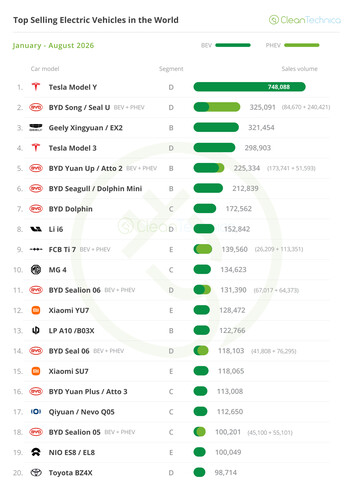
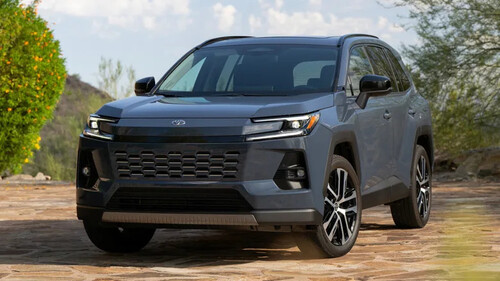
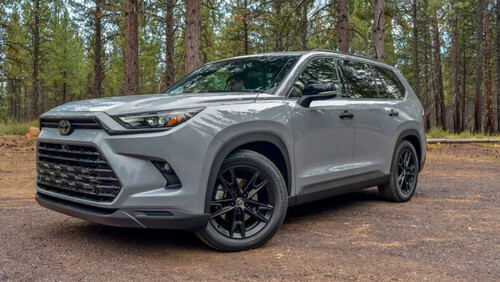
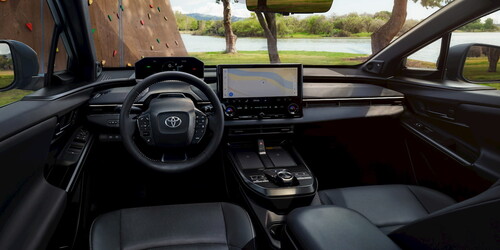
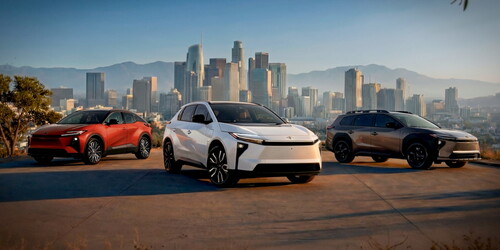
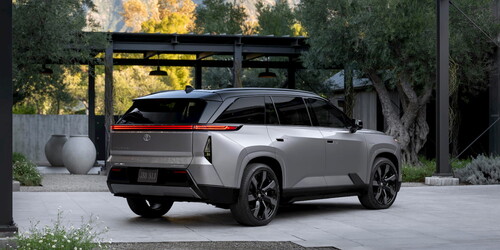
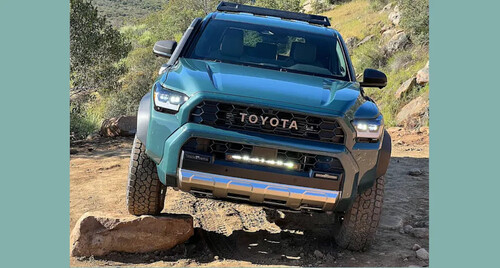
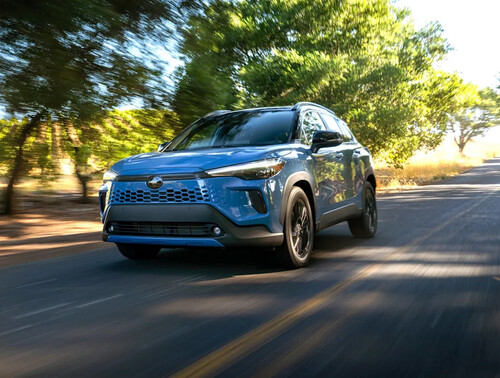
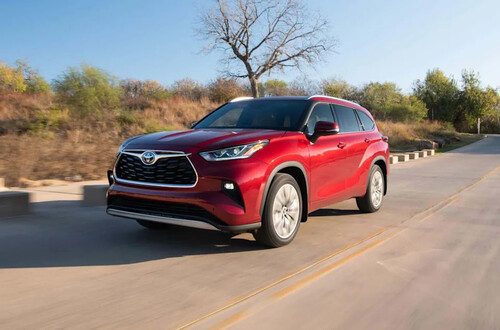
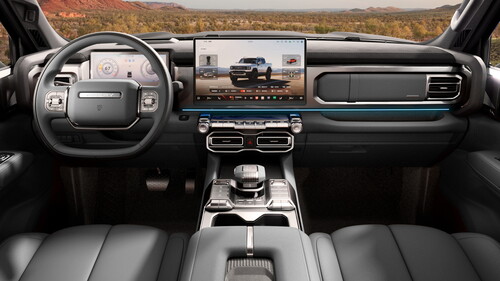
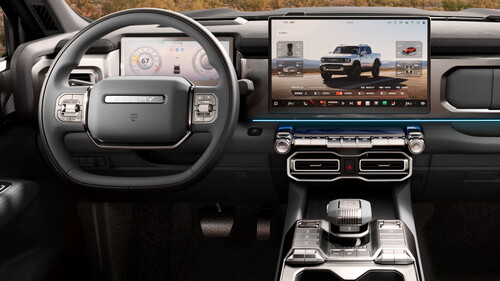
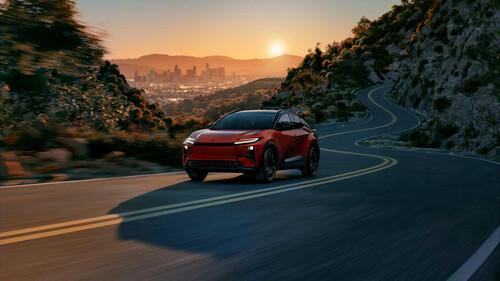
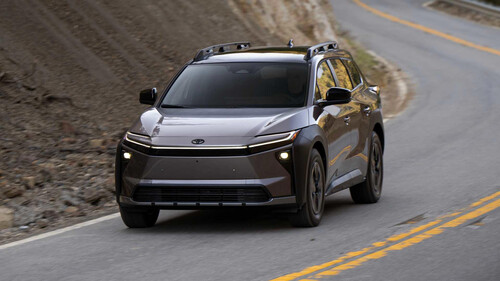
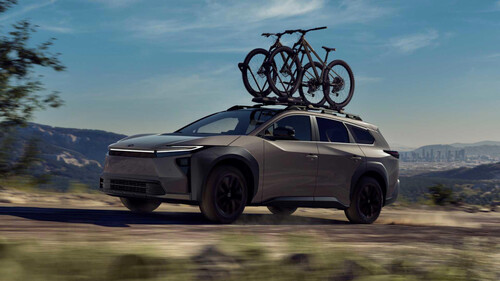
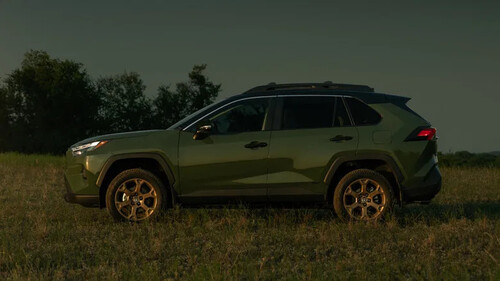
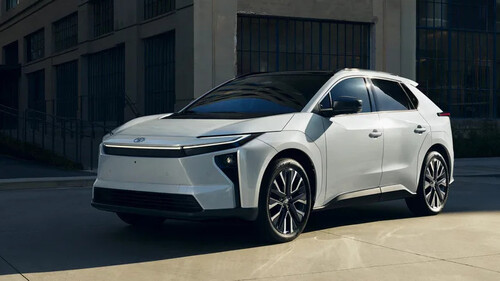
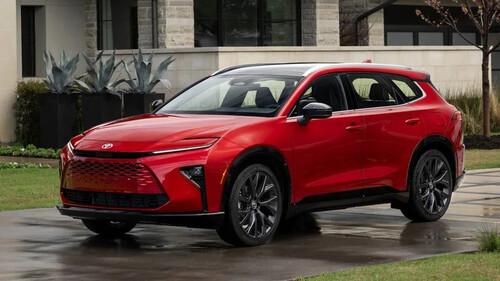
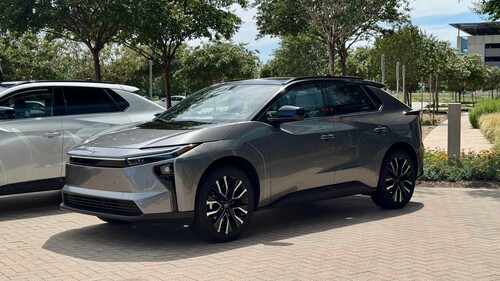
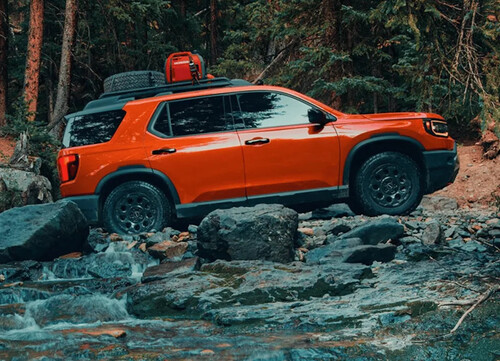
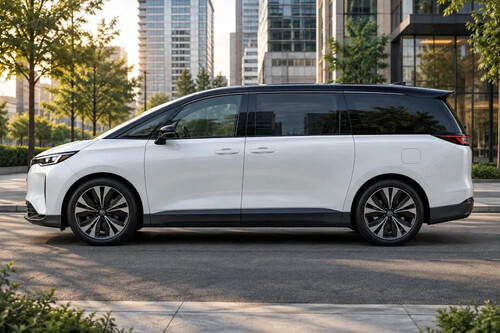
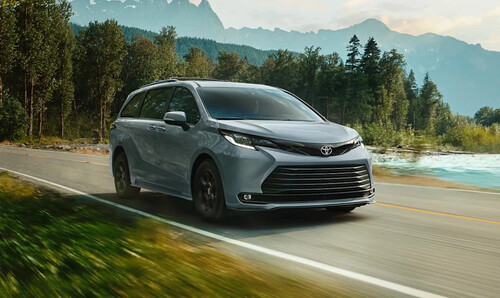
Toyota had options as it was considering names for its fourth battery-electric vehicle. Something old, something new, something borrowed, something blue? Its success with EV names got off to a rough start with the 2022 launch of the bZ4X, a mystifying moniker that required too much explanation about "beyond zero" emissions and size class (4, similar to RAV4). The way to make this name really shine is to do what every automaker does to sell an SUV: Slap an "X" at the end and call it a day. Does it even matter whether Toyota's first EV was actually an SUV? A Bizarre Naming Fiasco The name got a little better when half the characters were lopped off as the refreshed 2026 Toyota bZ started reaching showrooms. After that fiasco, Toyota resurrected the C-HR name for its next sporty all-wheel-drive electric crossover. And with the bZ's name all sorted out and no chance that snarky industry observers would still snicker when they heard it, Toyota stood firmly behind this two-row EV by announcing a stretched version suited for light off-roading, called the 2026 bZ Woodland, the third EV in Toyota's stable. Oy!Tom Murphy/CarBuzz/Valnet Highlander With A New Mission But there was more to come, and Toyota started teasing another battery-electric vehicle. When the 2027 Toyota Highlander broke cover last month in Ojai, California, there must have been a collective sigh of relief in Toyota showrooms from Oxnard to Ocala.The Highlander will be Toyota's first three-row SUV and the automaker's first EV assembled in the U.S., as is its high-voltage battery pack, at a plant in North Carolina. The current two-row gasoline-powered Highlander ends with the 2026 model year, but the longer Grand Highlander will maintain internal combustion – with and without hybridization – for the foreseeable future. Sticking With A Familiar Moniker Tom Murphy/CarBuzz/Valnet So as the product planners were toiling away on the Highlander EV, how difficult was it coming up with a name? Toyota could have called it anything, and the company has a decent track record creating names from thin air – the bZ4X comes to mind. Deciding on the Highlander name just made a lot of sense, Owen Peacock told CarBuzz at the recent reveal. He is vice president of sales and service operations, product development and marketing for Toyota Motor Sales."When you decide to bring what's called an all-new model to market, you're faced with the question: Do we start with an all-new name with zero awareness and build from there? Or can we capitalize on something we have?"—Owen Peacock, Toyota Vice President of Operations, Product Development, and MarketingThe automaker obviously chose to go with an already established nameplate, giving the Highlander its most substantial change since its 2001 introduction. But with the existing name, Toyota could potentially create another point of confusion in the marketplace – keeping an internal-combustion Grand Highlander in the lineup alongside an all-electric Highlander, both of them with three rows of seats. Won't the overlap be a problem? Part Of A 'Highlander Family' Tom Murphy/CarBuzz/ValnetPeacock doesn't think so because Toyota shoppers already know the brand is committed to electrified powertrains, and he sees room for both nameplates to grow."What we really start to have now is a Highlander family, right? And you've got ultimate diversification within the powertrains there as well, with the BEV model coming in," he says. "So we do anticipate the Grand Highlander will continue to grow," perhaps as the more dominant player of the Highlander family. Toyota Has The Three-Row Market Covered Tom Murphy/CarBuzz/ValnetThe Highlander first arrived in 2001 as a two-row crossover and has built up a following over the previous four generations. When current Highlander owners are needing new wheels, Peacock is confident that having both ICE and EV versions will prove to be a good strategy."They may say, 'Tell you what, I'm in a three-row mindset, and I want a BEV.' Cool, we got you covered," Peacock says. "Or, 'I'm in a three-row mindset, and I want a hybrid.' Cool, we got Grand Highlander. We got you covered." Upsizing or downsizing takes these customers to Sequoia, RAV4, or Crown Signia. Avoiding The Threat Of Red Ink Despite Peacock's optimism, the U.S. EV market today does not share the same ebullience as three or four years ago, which raises the possibility that Toyota's four-EV strategy will end up bleeding red ink the way other automakers have been recently. But the executive says he believes Toyota shoppers want EVs.Tom Murphy/CarBuzz/Valnet"We've got 30 million Toyota customers out there in the United States today, and it's our belief that there is a good portion of them that still would consider EV even today," Peacock says. "And we've got to be there for them, otherwise you risk losing them out of the brand." Pricing Comes This Fall One factor that might hinder Highlander EV sales could be price, which won't be released until later this year. While pricing starts around $43,000 for the front-wheel-drive 2026 Grand Highlander LE and around $47,000 for the 2026 Highlander XLE AWD, the three-row Highlander EV will certainly cost more than Toyota's current most expensive EV, the bZ Woodland Premium, which starts at $48,850 with destination charges. The challenge will be to keep 2027 Highlander pricing below the most expensive 2026 Highlander, which is the $56,470 Highlander Hybrid Platinum AWD.