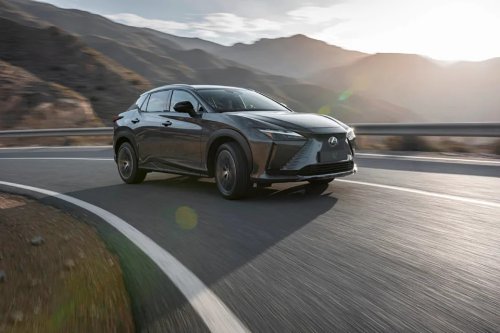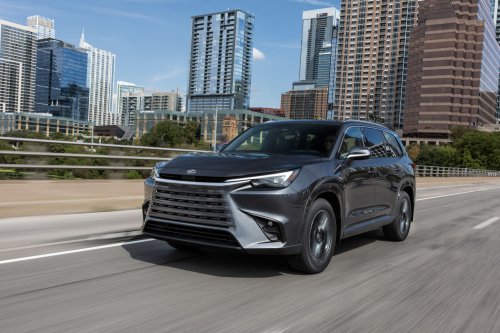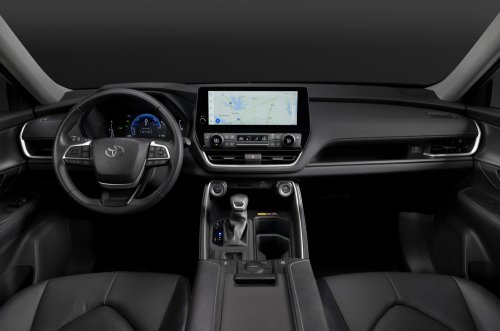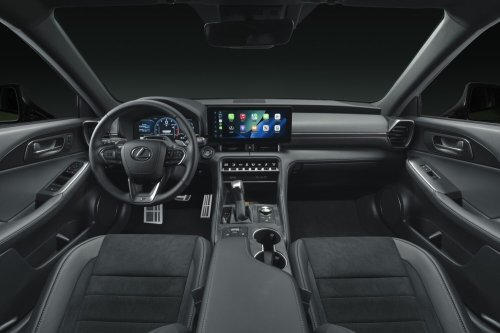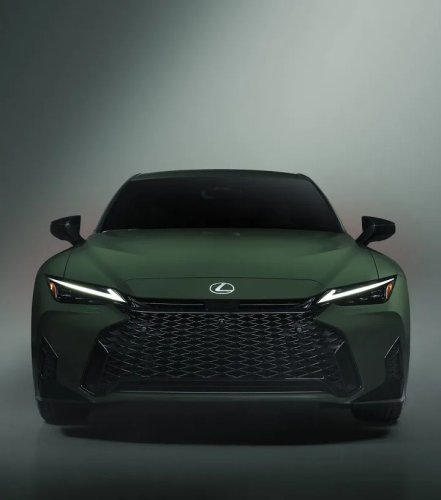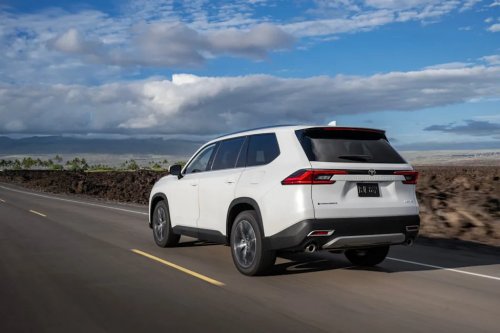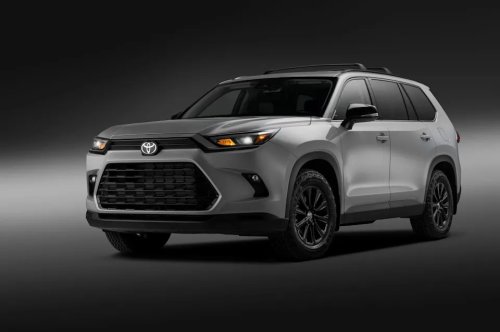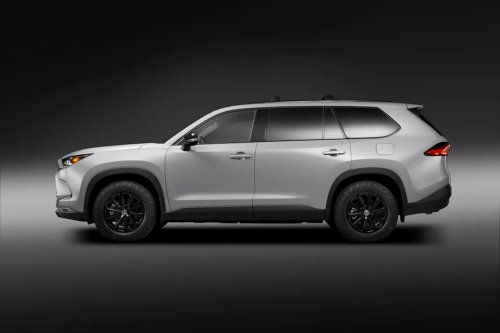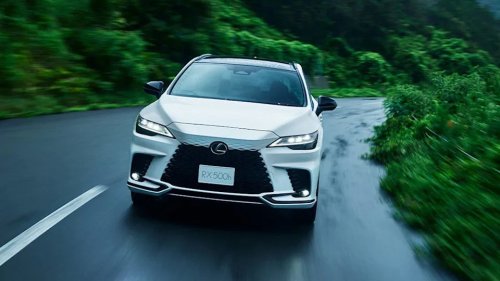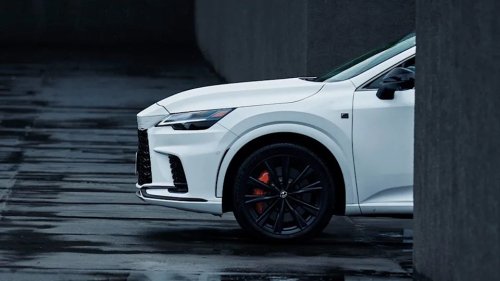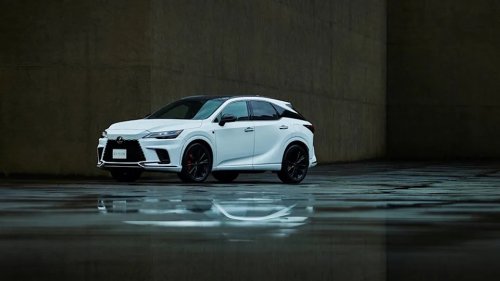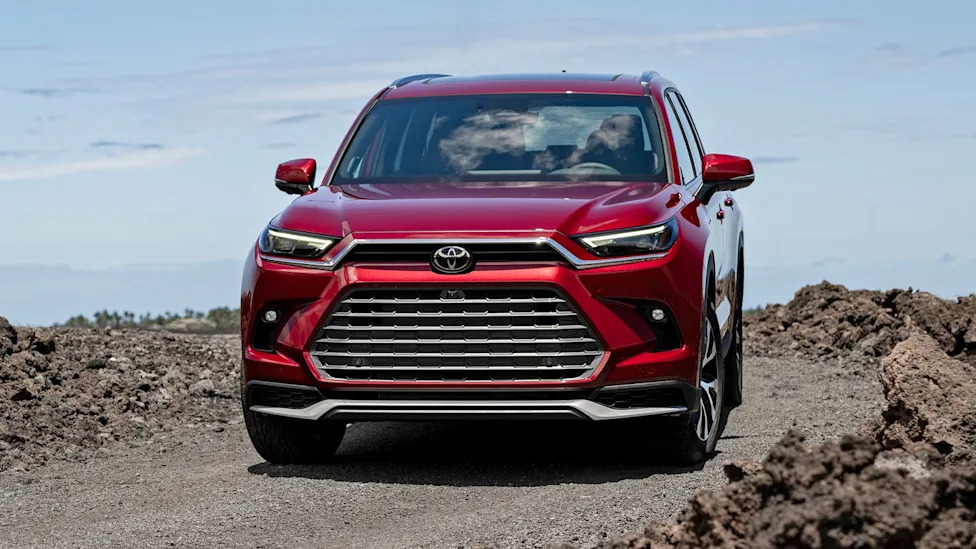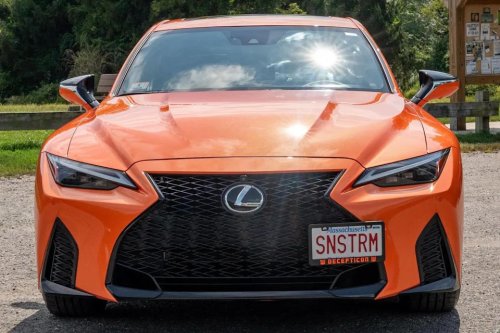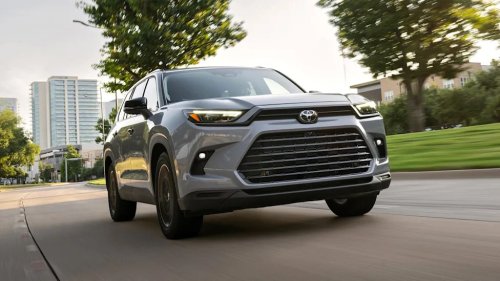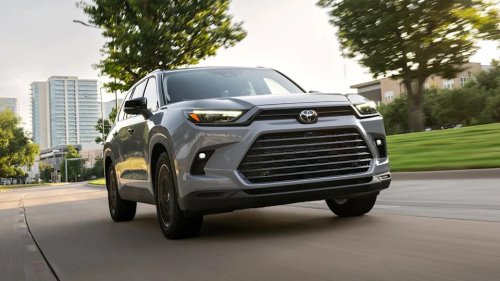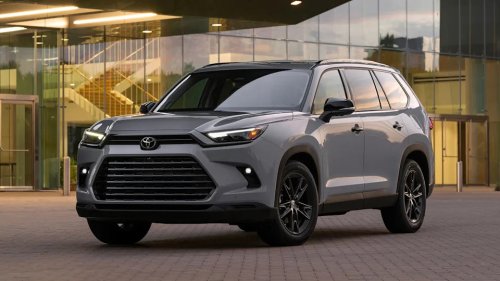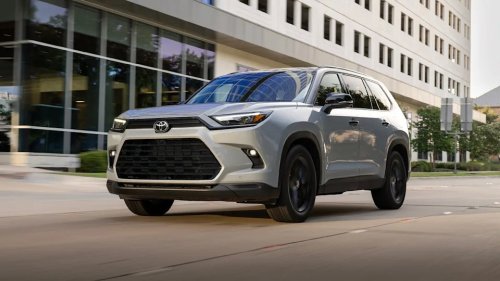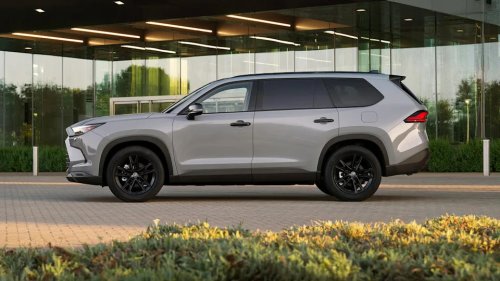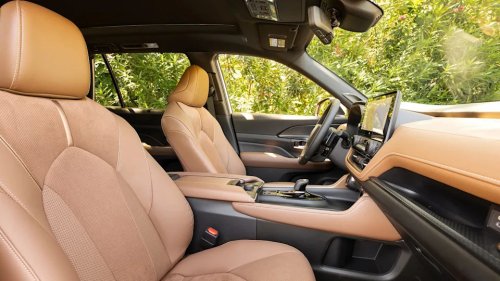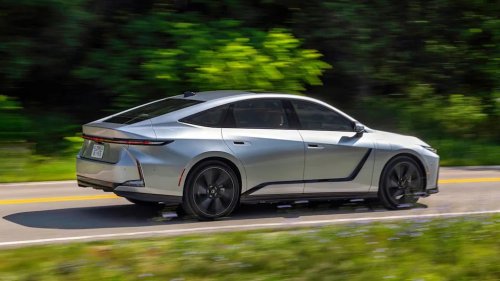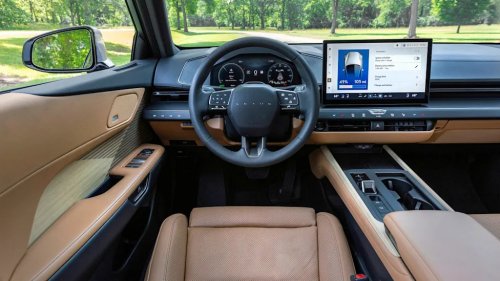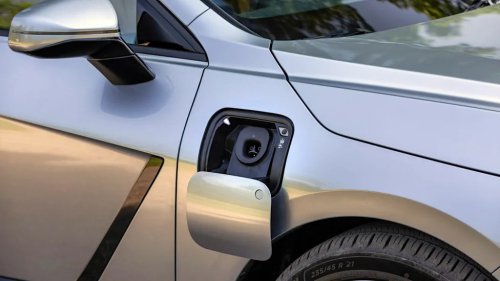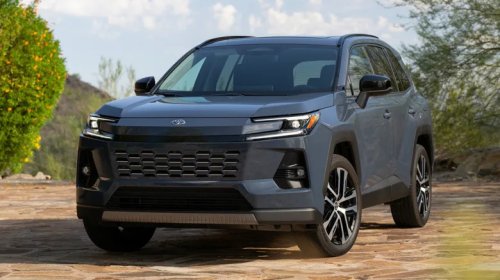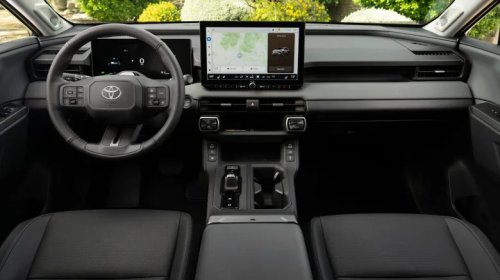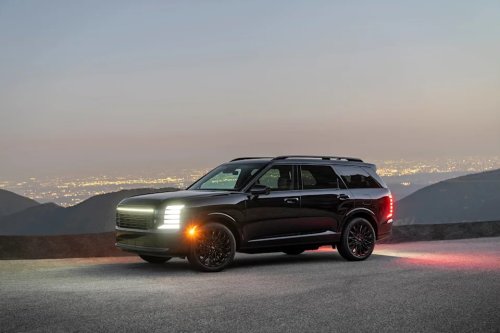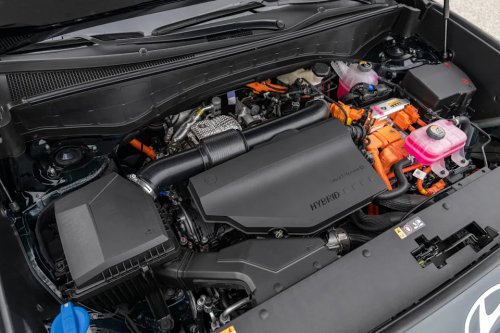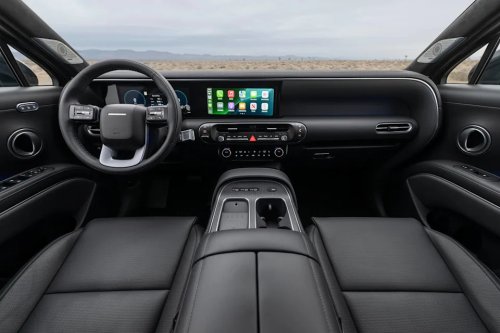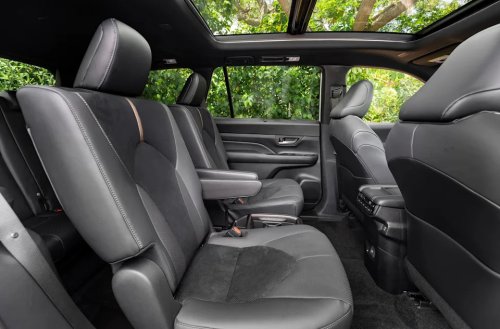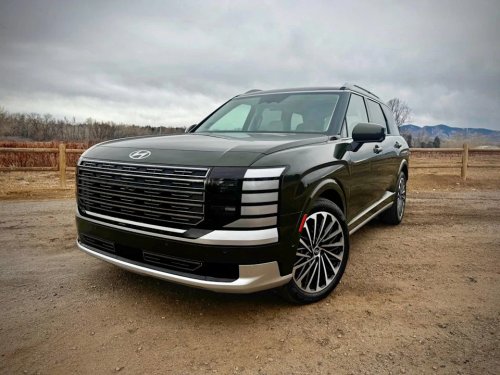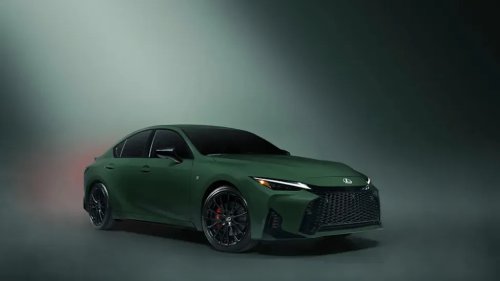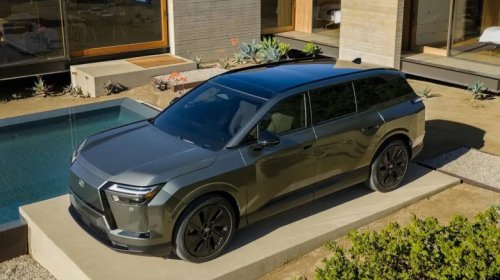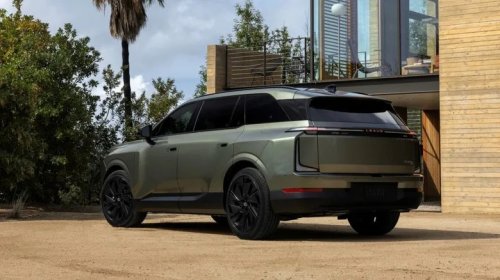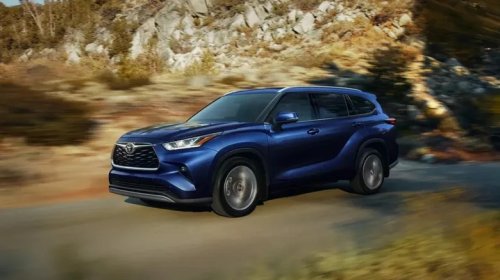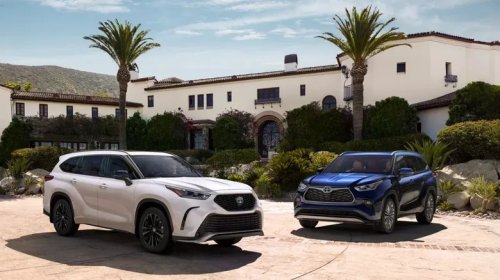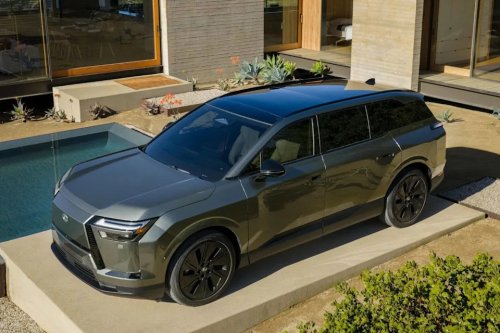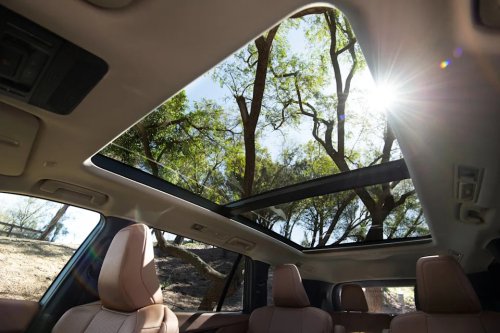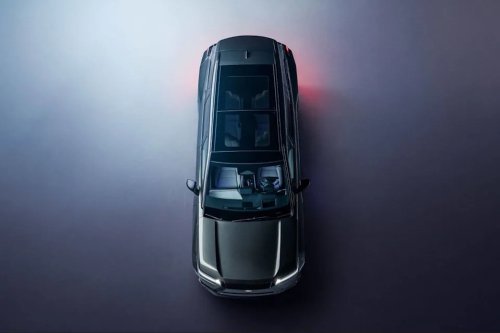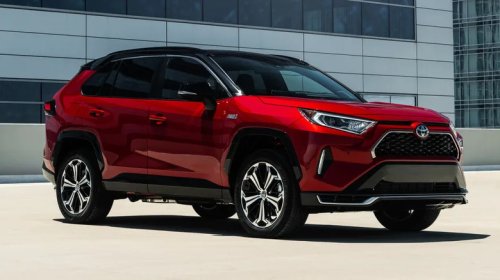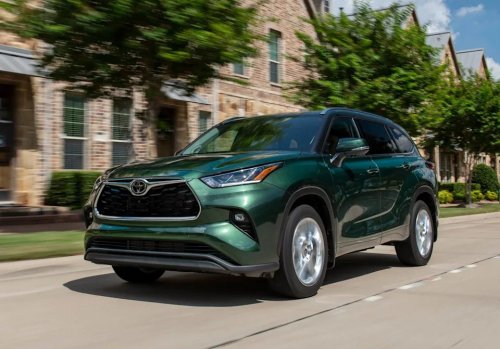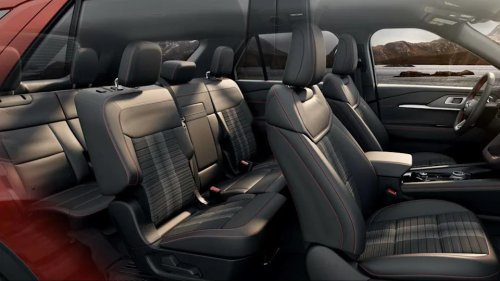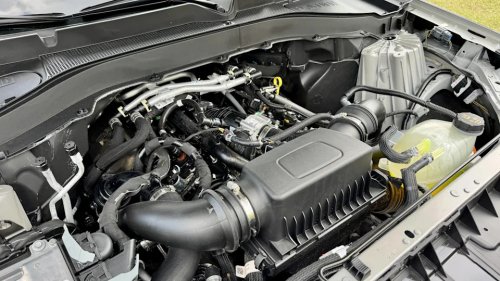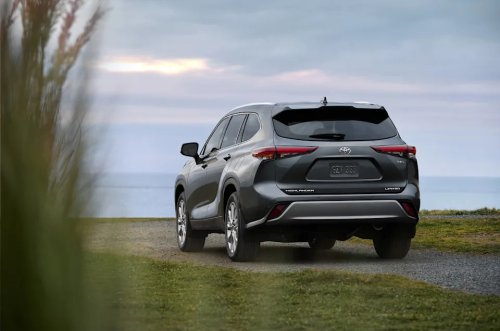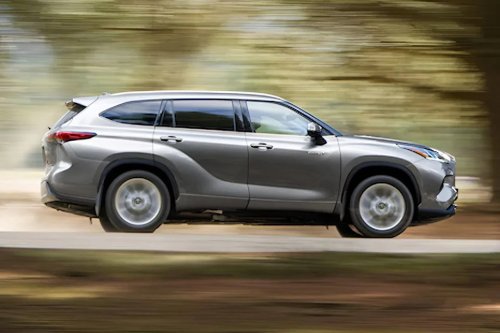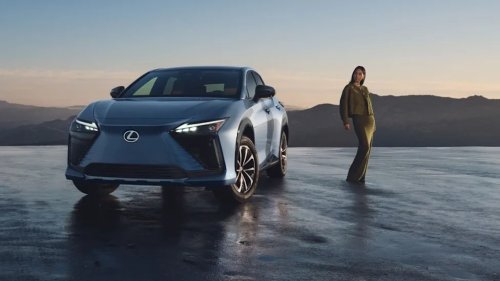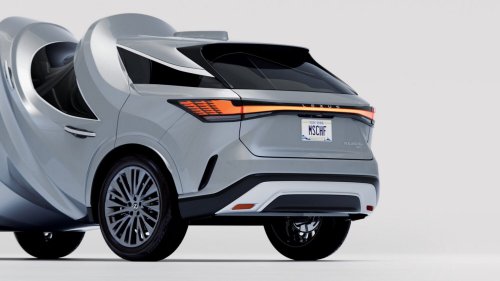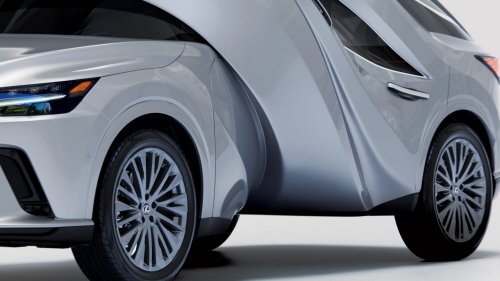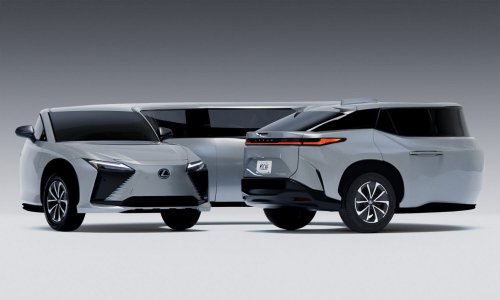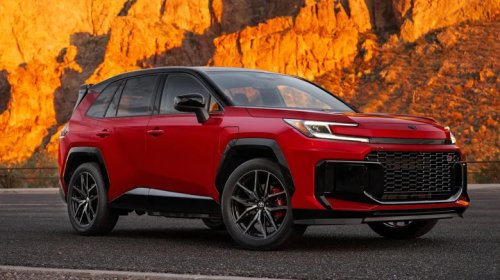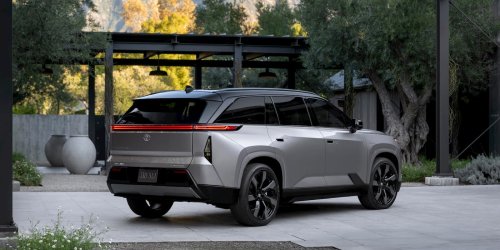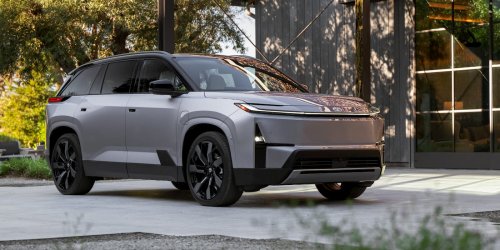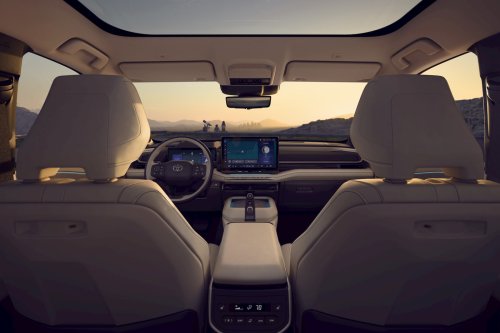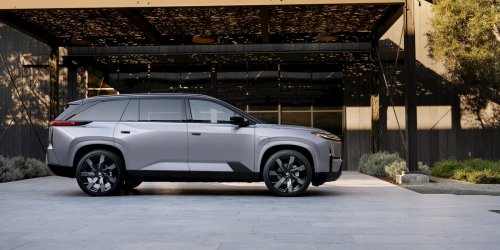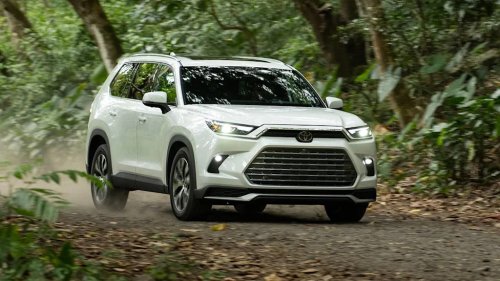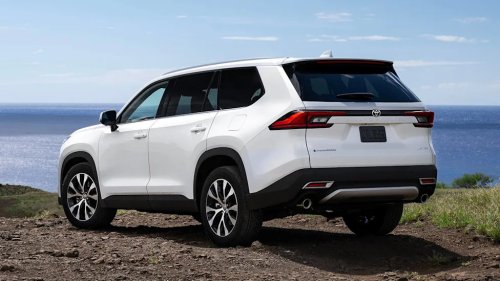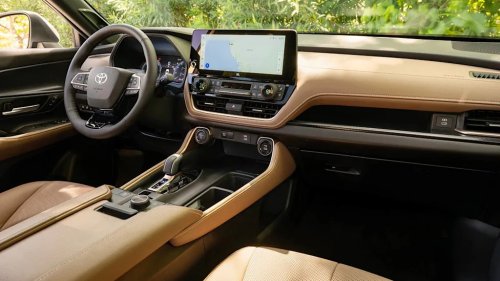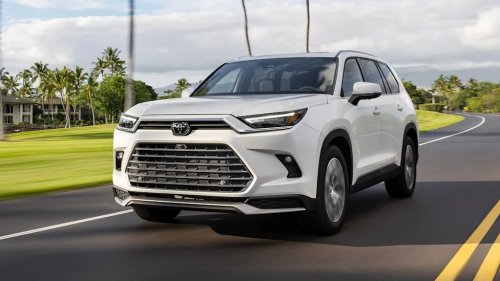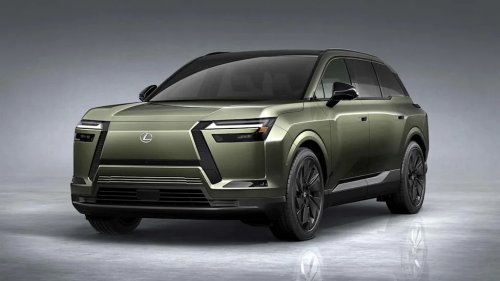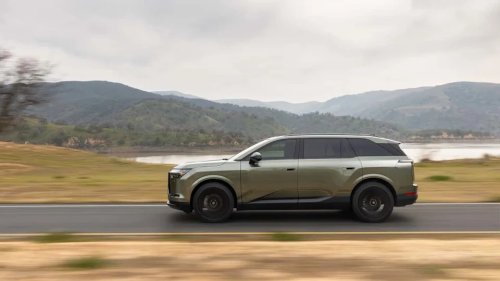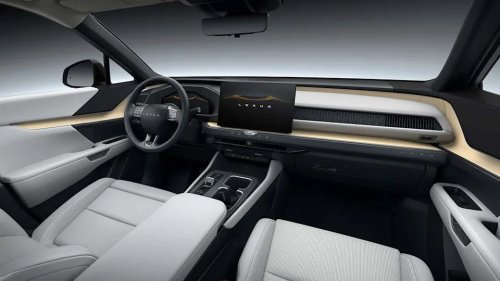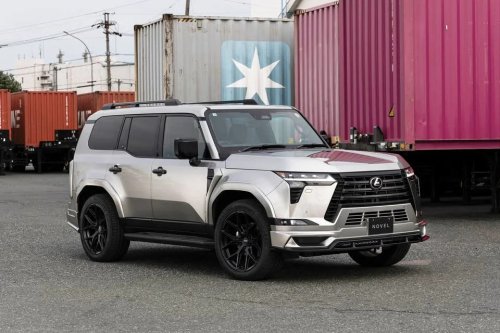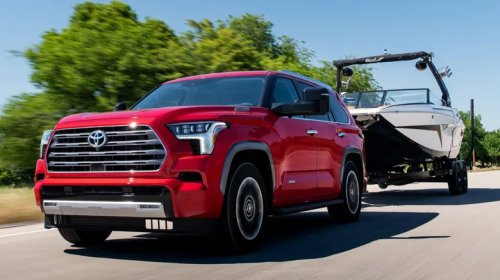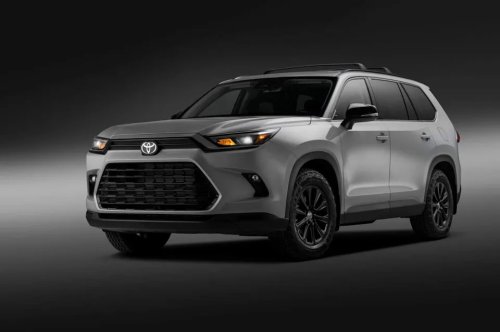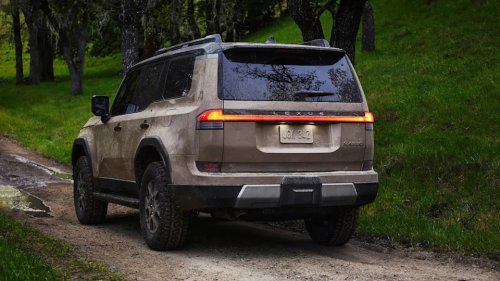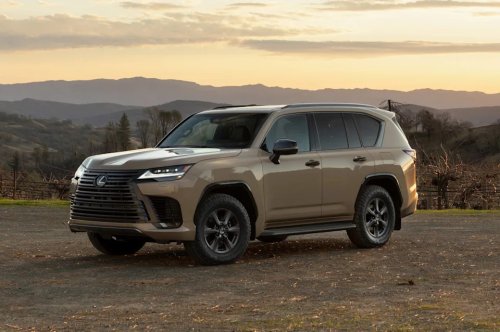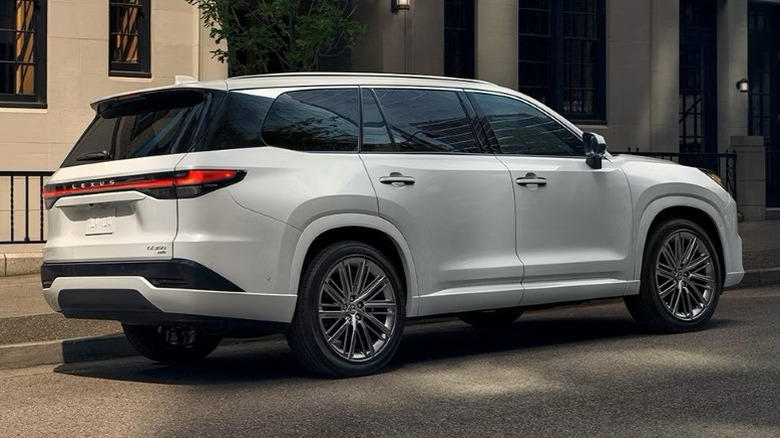
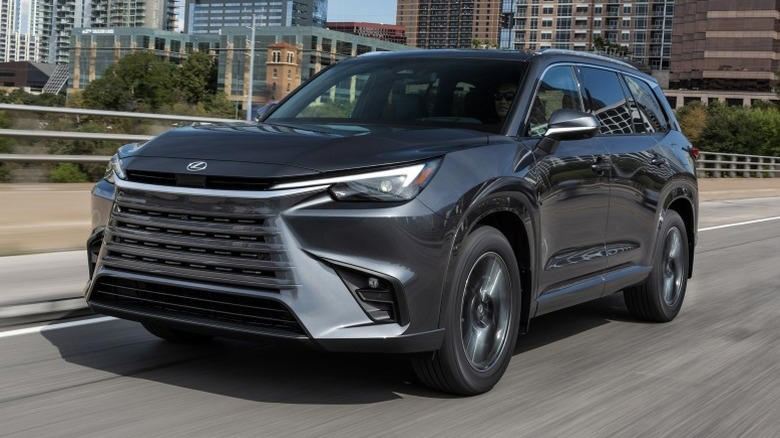
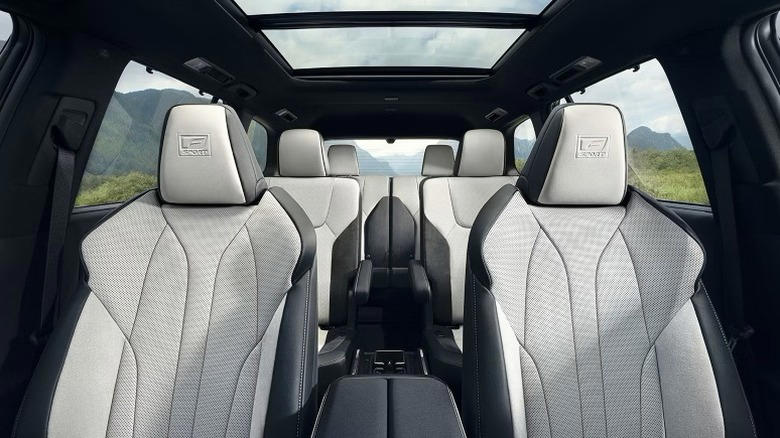



















The Lexus TX is considerably costlier than the Toyota Grand HighlanderWhile the TX and Grand Highlander both belong to the same family of Toyota unibody SUVs, Lexus' luxury leanings mean that its cars will typically cost more than their Toyota counterparts. If you're considering the Lexus TX, the overall range consists of four trim levels: the standard TX 350, Premium, Luxury, and F Sport Handling. The Toyota Grand Highlander, meanwhile, is available in five grades of LE, XLE, Hybrid Nightshade, Limited, and Platinum.That said, the Lexus TX is a lot more expensive in the base trim, with the TX 350 costing $56,490 (MSRP), which makes it $15,630 costlier than the $40,860 Toyota Grand Highlander LE. From there, each trim level sees the base MSRP increase as you move up through the grades, with the TX 350 Premium starting at $59,290, the TX 350 Luxury at $61,640, and the TX 350 F Sport Handling commanding $65,760. Lexus also offers hybrid and plug-in hybrid options, starting with the TX 500h F Sport Performance Premium, which begins at $70,010. The TX 500h F Sport Performance Luxury and TX 550h+ Luxury start higher at $73,160 and $78,560, respectively. Being the value champion it is, the Toyota Grand Highlander doesn't get as expensive. The XLE is the next step up from the base LE, and it starts at $43,630 — $580 less than the $44,210 Hybrid LE — while the Hybrid XLE is priced from $45,380. To drive off in the Grand Highlander Hybrid Nightshade, you'll need at least $52,610, while the Limited and Hybrid MAX Limited will set you back a minimum of $48,360 and $54,690. Pricing for the Grand Highlander Platinum starts from $54,045 for the gas-powered model, rising to $58,775 for the top-level Hybrid MAX Platinum grade. The Lexus TX produces more power than the Toyota Grand HighlanderAlthough both the Lexus TX and the Toyota Grand Highlander are powered by the same turbocharged 2.4-liter four-cylinder engine, they make two different power outputs. In the Lexus TX, the powertrain is tuned to generate 275 horsepower and 317 lb-ft of torque. That's 10 more hp and 7 extra pounds of torque over the Toyota Grand Highlander's base output of 265 hp and 310 lb-ft, resulting in a 0-60 mph time of 8.0 seconds in TX models with front-wheel drive; AWD TX variants do 0-60 in 7.8 seconds, according to Lexus estimates. Toyota's claimed figure for the four-cylinder gas engine is 7.5 seconds, meaning the gas-powered Grand Highlander is quicker than the equivalent Lexus TX on paper. In hybrid guise, the TX 500h combines the same 2.4-liter turbo inline-four mill above with two electric motors to generate 366 total hp and achieve a 6.1-second 0-60 time. The plug-in hybrid TX 550h+ Luxury, meanwhile, features a 3.5-liter V6 engine and two electric motors that combine to produce 404 horsepower and hustle it to 60 mph in 5.9 seconds. With the Grand Highlander, you have a choice of two hybrid engine options. The less potent variant is centered around a 2.5-liter four-cylinder gas engine that works alongside two electric motors to generate a combined 245 horsepower and manage zero to 60 mph in 7.8 seconds. The most powerful Grand Highlander engine is the 362-hp Hybrid MAX, which Toyota says will accelerate the midsize SUV from zero to 60 mph in 6.3 seconds. Both the Lexus TX and the Toyota Grand Highlander can tow up to 5,000 pounds. The Toyota Grand Highlander hauls more people than the Lexus TXThe Lexus TX and Toyota Grand Highlander are both equipped to cater to families, but the Grand Highlander comes with eight seats as standard, while the Lexus TX offers seven seats. If you opt for the second-row captain's chairs, the seating capacity reduces to seven for the Grand Highlander and six for the Lexus TX. Headroom and legroom figures are almost identical, with the base Grand Highlander LE offering 41.5 inches of headroom and 41.7 inches of legroom up front. The second row provides up to 40.2 inches of headroom and 39.5 inches of legroom, while the third row has 37.2 inches of headroom and 33.5 inches of legroom. With the base Lexus TX 350, there's a slight reduction in front headroom and legroom to 41.4 and 41.6 inches, respectively, whereas second-row occupants get 40.1 inches of headroom and 39.5 inches of legroom. The TX's third-row figures are similar to what you get in the Grand Highlander, at 37.2 inches of headroom and 33.5 inches of legroom. Predictably, there's little to separate the two in terms of cargo capacity, too, as you get a maximum of 97 cubic feet in the Lexus TX and 97.5 cubic feet in the Grand Highlander. You also get a useful 20.2 cubic feet of room in the Lexus TX behind the third row; fold that down, and you'll have 57.4 cubic feet to play with. The Grand Highlander, for its part, claims 20.6 cubic inches when all seats are in place and 57.9 cubic feet when you fold down the third row.