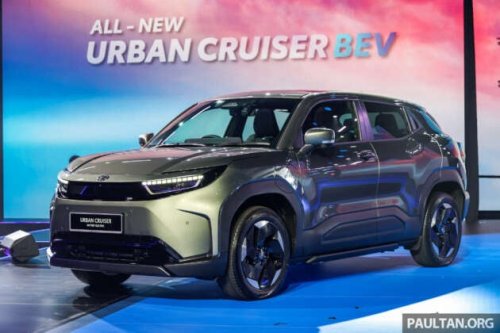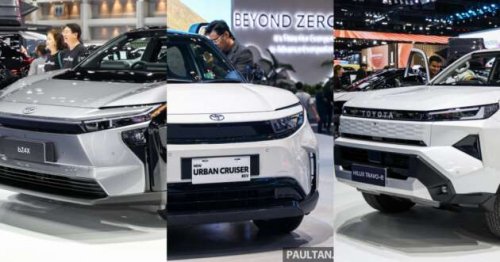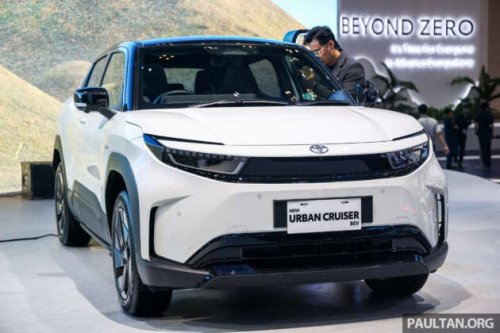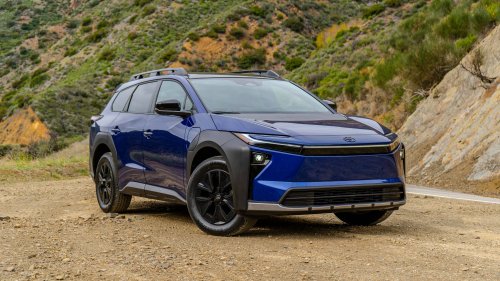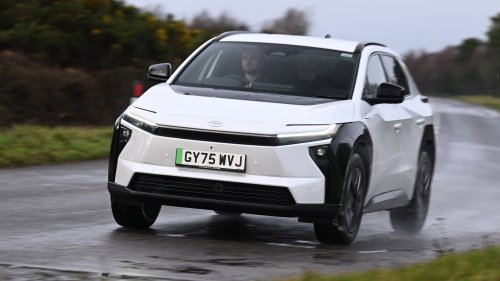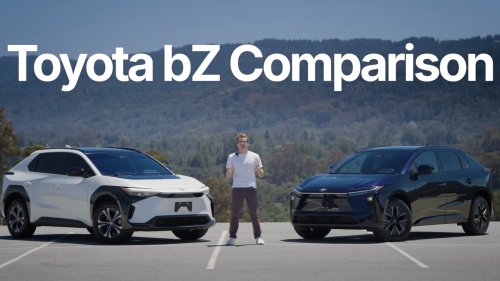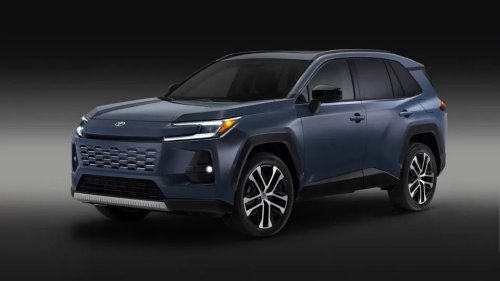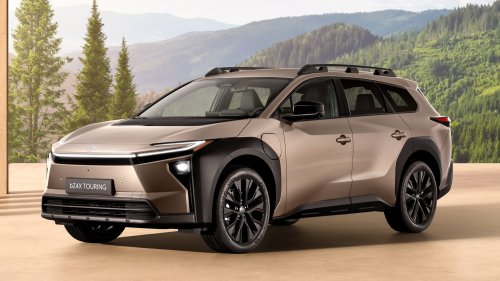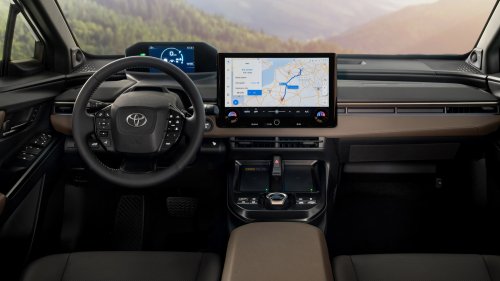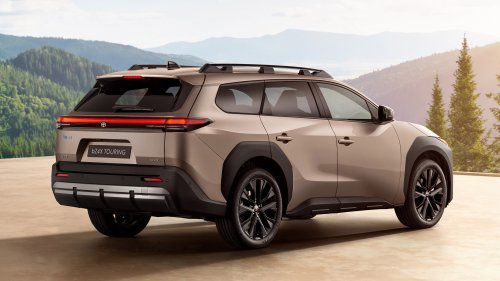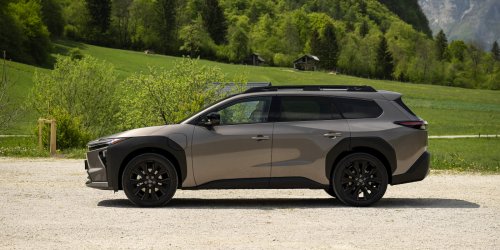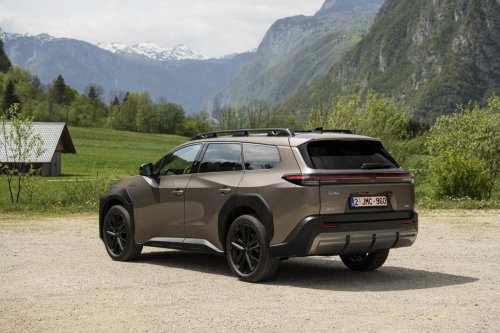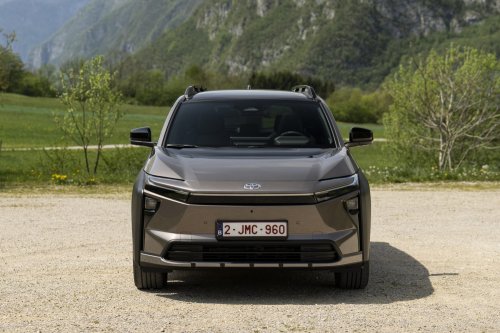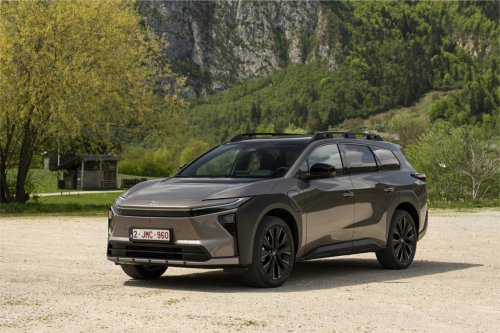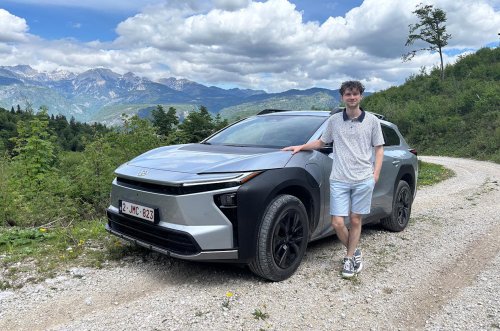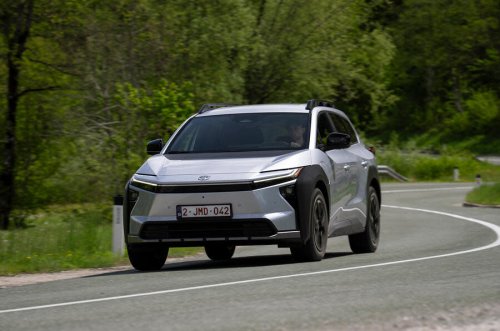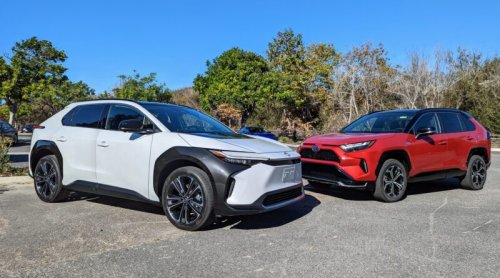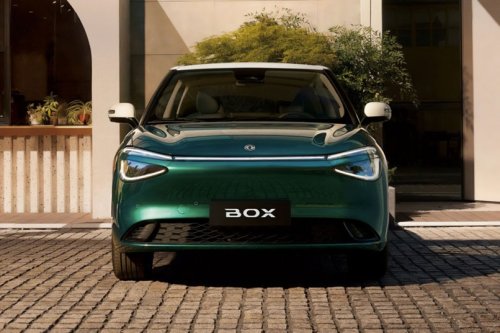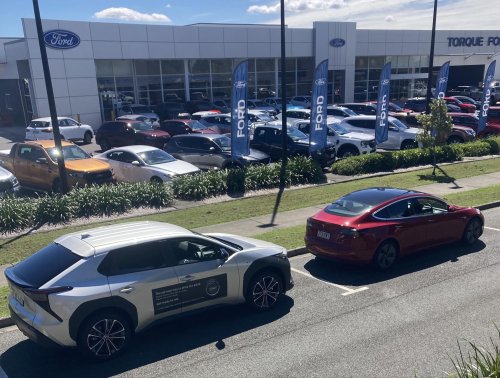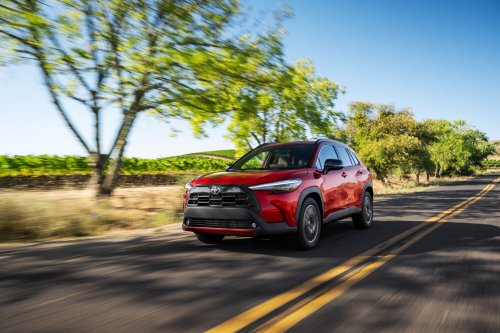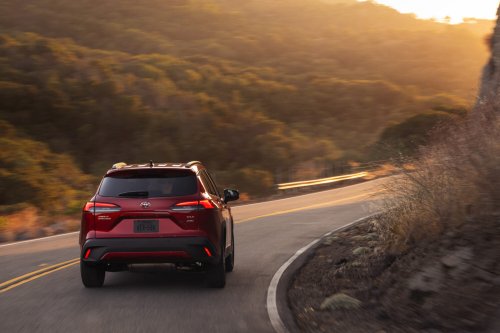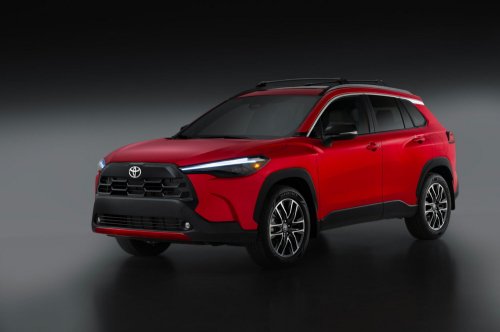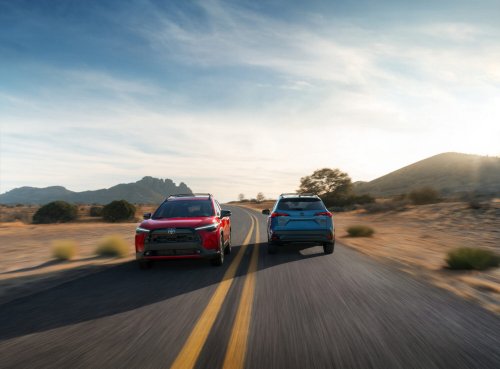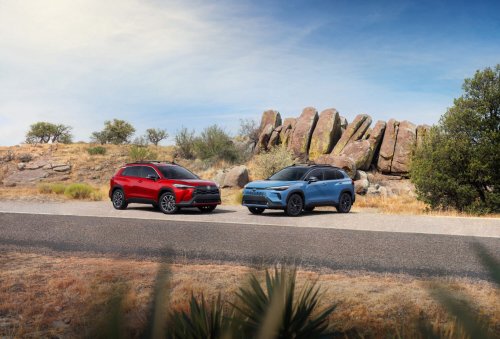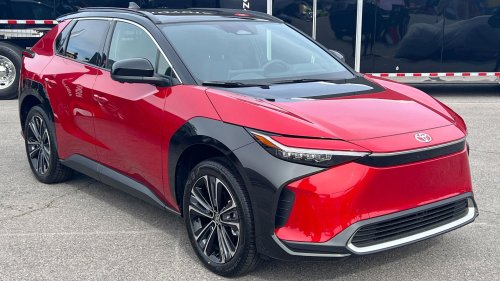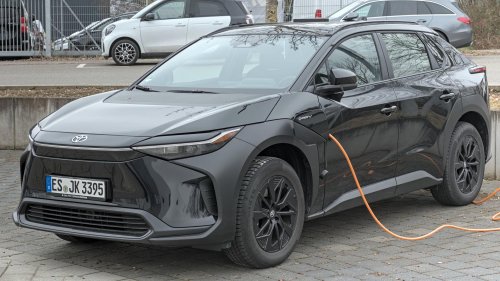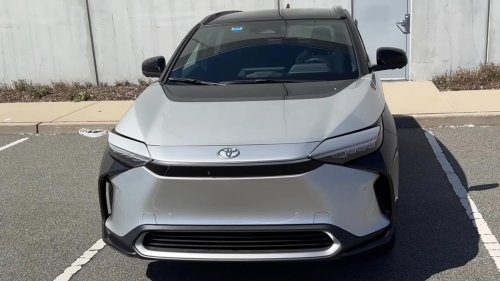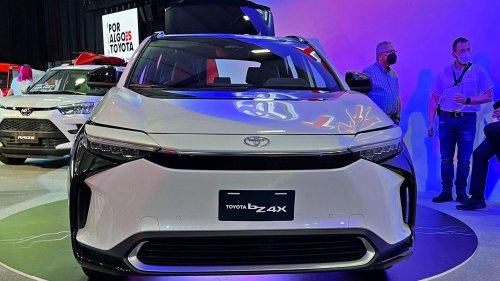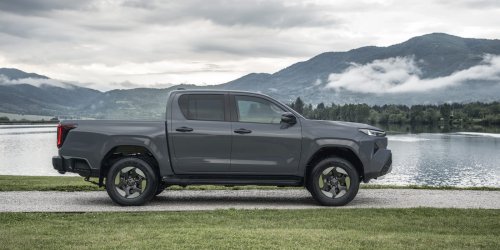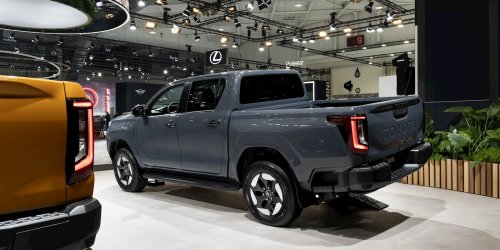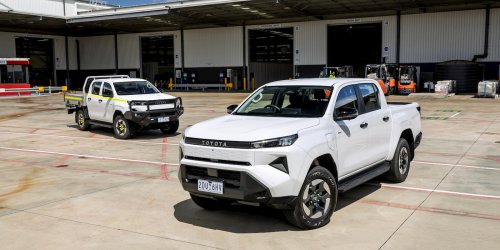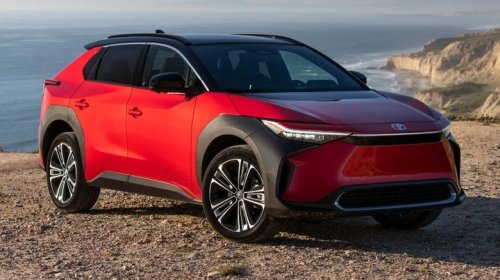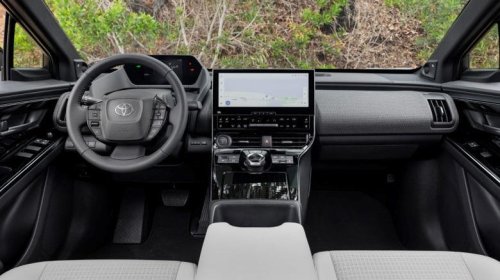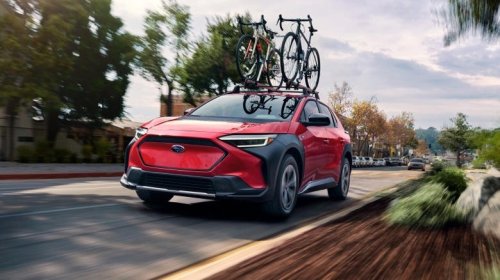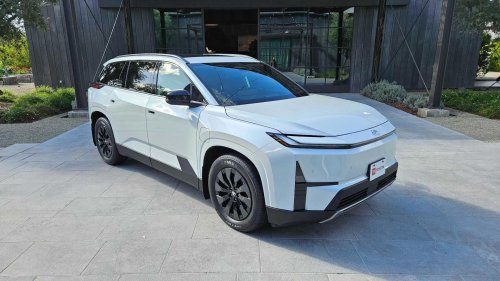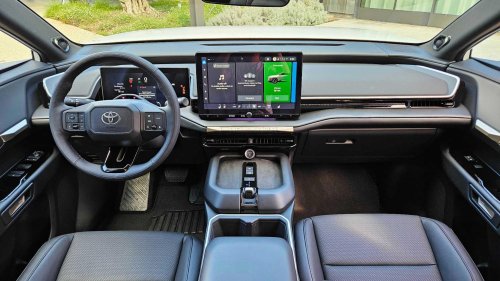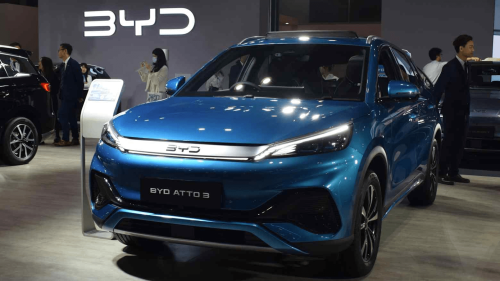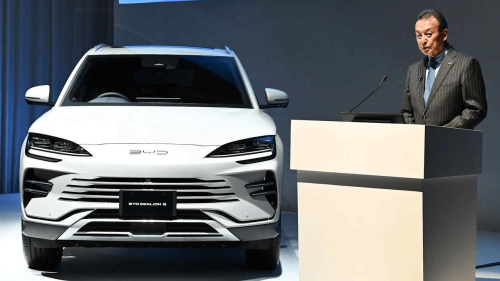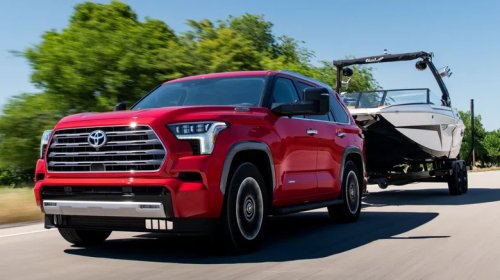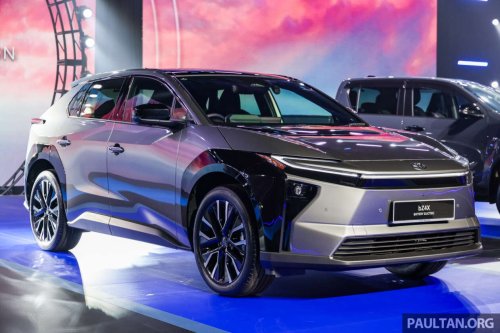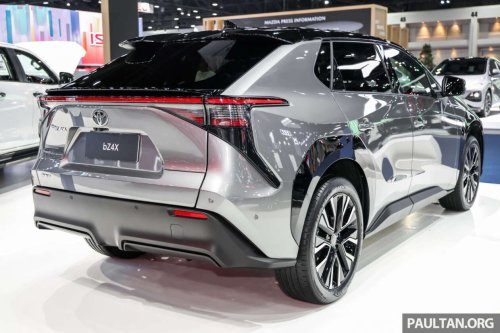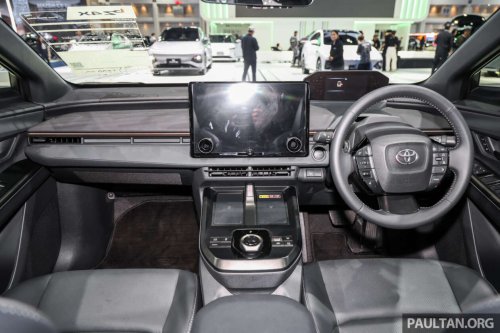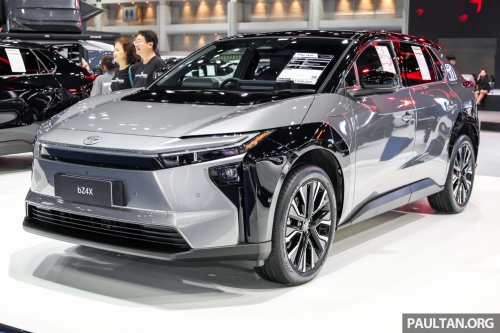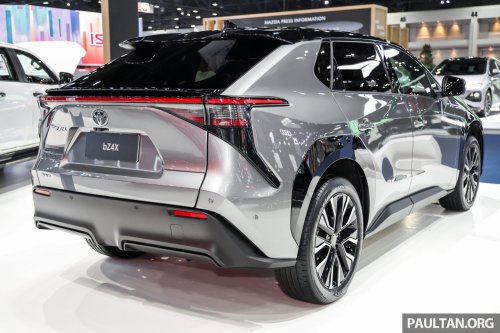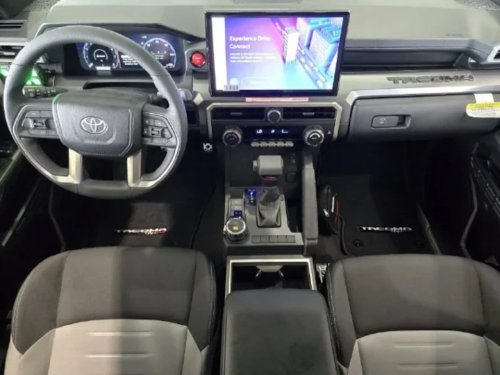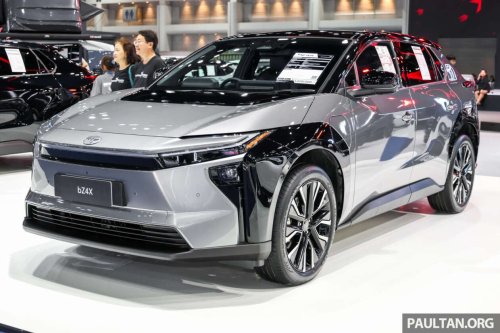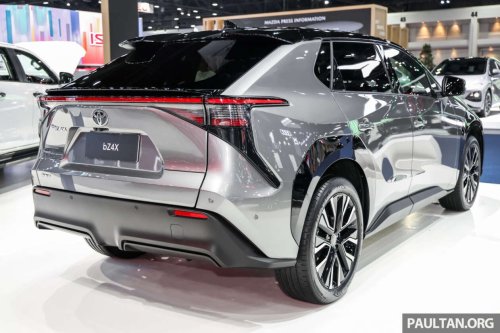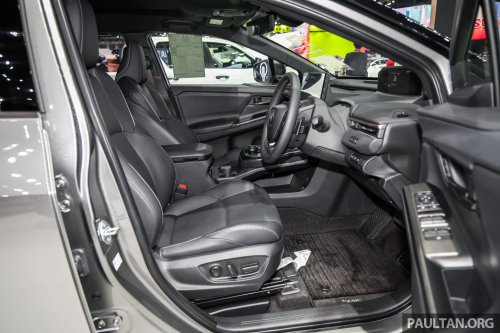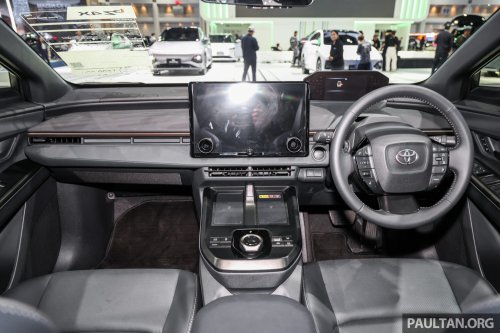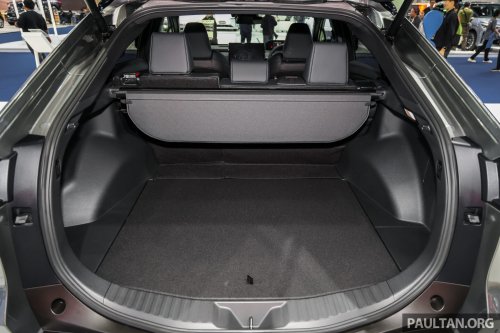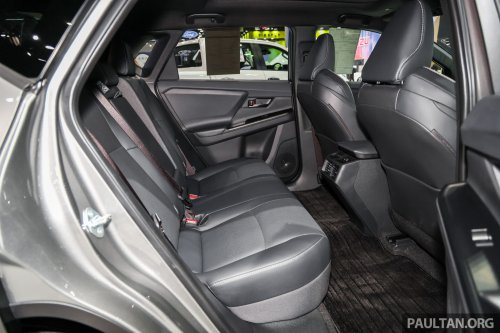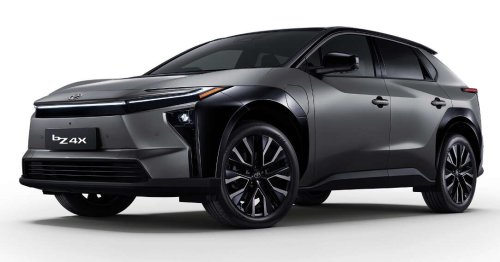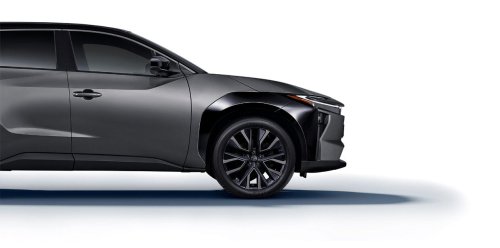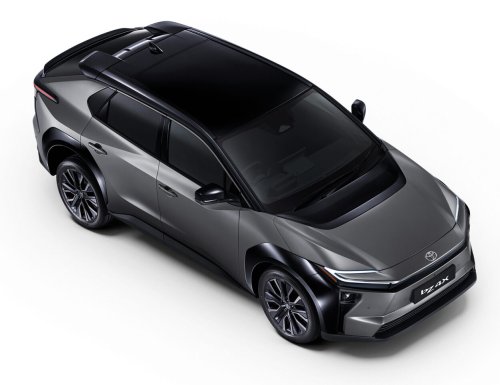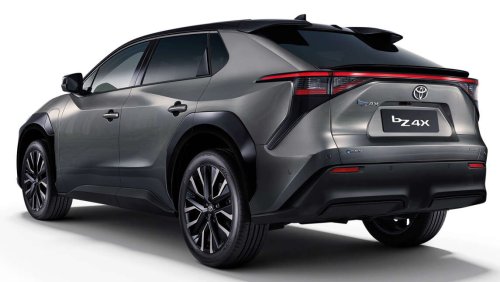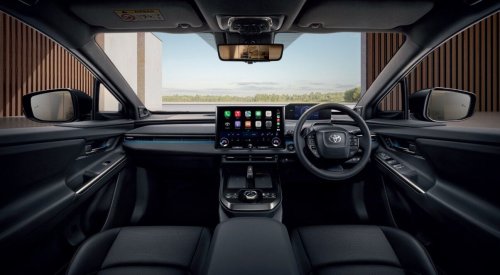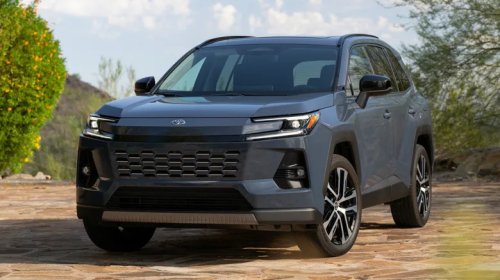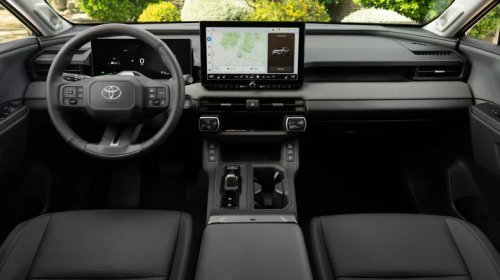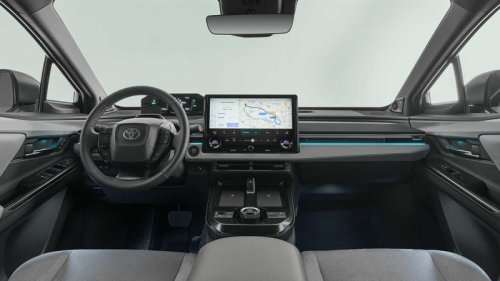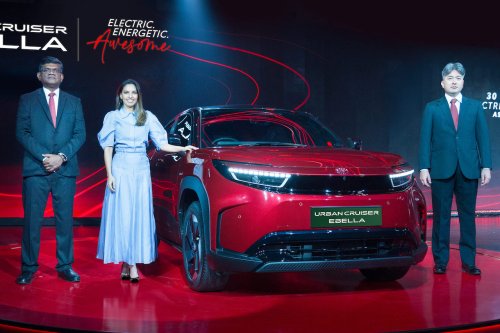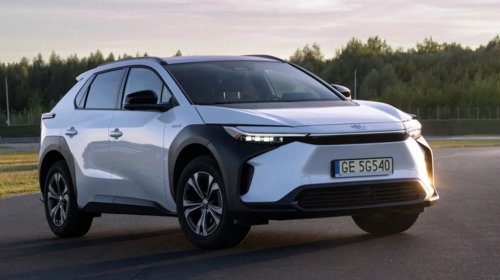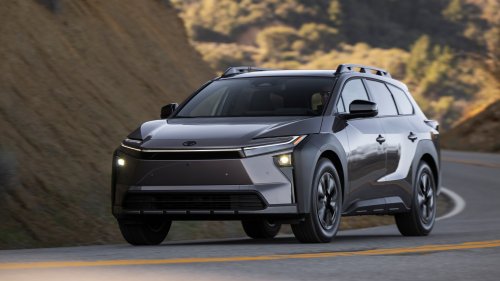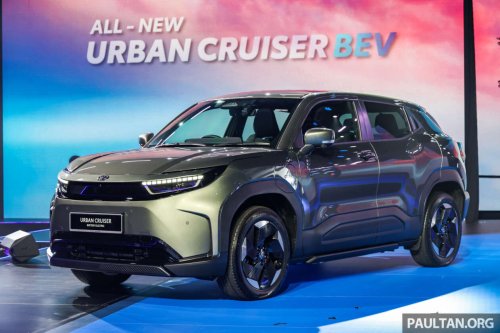
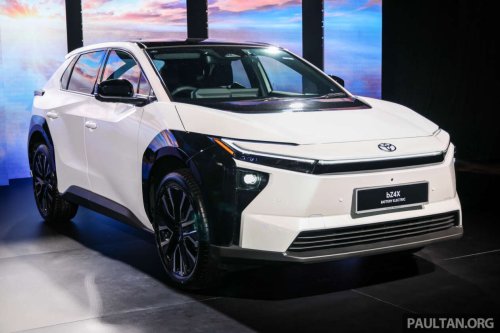
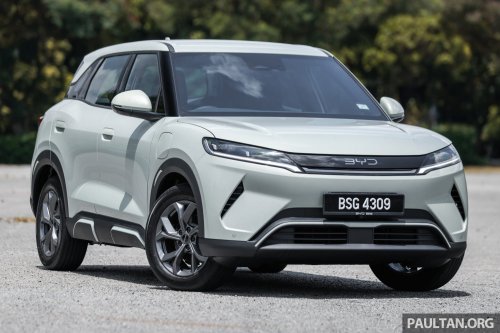
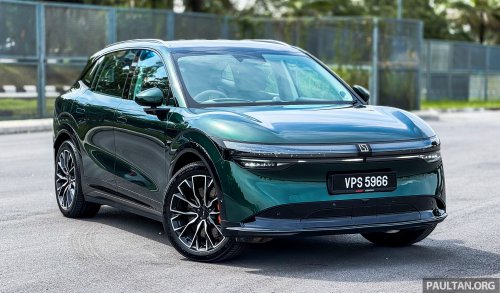
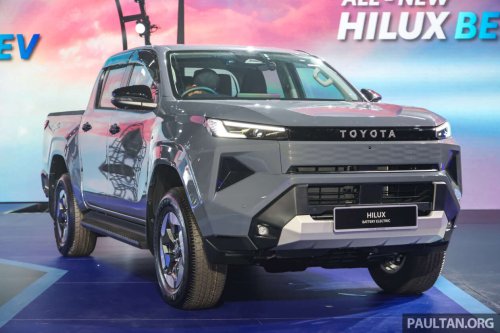



















Toyota Urban Cruiser Last week, Toyota shocked the Malaysian auto scene by introducing not one, not two, but three full EVs. This, from a brand that is perceived by many as swimming against the EV current, banking instead on its signature hybrids. For many, the second shock was sticker shock. The most affordable of the EV trio is the Toyota Urban Cruiser, a B-SUV CBU import from India with an RRP of RM198,000 – that’s double the price of a BYD Atto 2. The rebadged Suzuki eVitara actually makes the RM220k bZ4X facelift looks great value, as the CBU Japan EV is significantly larger and more advanced. Still, the bZ4X is pricier than the top-spec BYD Sealion 7. The Thai-made Hilux EV is yours for RM226,300. For a car-buying population used to tax-free EVs, often doubled down with Chinese pricing, UMW Toyota Motor’s EV prices seem outrageous. But as tax-free Langkawi prices show, they’re not mad, it’s just taxes. Toyota bZ4X The Urban Cruiser’s price in paradise is RM133,600, which means that Peninsular Malaysia pays RM64,400 or 48% more for the SUV. The bZ4X’s Langkawi price is RM153,000, which means we’re paying RM67,000 or 43.8% more on the mainland. These LGK prices, while far from a bargain, would have at least made the duo look competitively priced (more so for the bZ4X) against rivals from China. How does Malaysia’s tax structure for CBU EVs work? Broadly, it’s 30% import duty + 10% excise duty + 10% sales tax. However, the first number, import duty, is influenced by free trade agreements (FTAs) that Malaysia has with other countries or trading blocs. For instance, the tariff reduction schedule of the ASEAN-China Free Trade Agreement (ACFTA) prescribes that EVs entering our region will face 5% import duty, so it’s 5%+10%+10% for CBU EVs from China, a big advantage over the standard 30%+10%+10%. EVs imported from China like the BYD Atto 2 and Zeekr 7X enjoy relatively low import duties Not all FTAs are the same, and the one ASEAN has with China is in stark contrast with the FTA we have with South Korea, for instance. Here, cars are in the ‘highly sensitive’ list so import duty remains at 30% for CBU EVs from Hyundai and Kia. These tariff barriers are erected to protect local industries from being overwhelmed by more cost competitive imports; however, it all boils down to the ‘give and take’ in negotiations. Clearly, China has scored a good one when it comes to EVs. China is already the world champion in producing good EVs at the lowest possible cost; couple that with their favourable FTA and that’s why we have been getting so much electric car for the ringgit in recent times. The Urban Cruiser’s production hub is India, and so it gets the full 30%+10%+10% tax slap. The bZ4X is made in Japan, so it’s likely that it kena 5% lower import duties for FTA reasons. Bear in mind that our calculations are a bit skewed because we’re looking at Langkawi prices that factor in extra delivery costs versus Peninsular Malaysia, but you get the point. Toyota Hilux EV As for the Hilux EV, we’re only paying RM16,800 or 8% more than the Langkawi price of RM209,500. This can be explained by the fact that commercial vehicles are duty free, and we’re only paying the 10% sales tax for pick-up trucks. So, whether it’s low or high, prices happen for a reason. That’s not to say that Toyota’s electric SUVs would automatically be fantastic value next to Chinese EVs without the tax factor (the Urban Cruiser still looks expensive at RM133,600), but they would at least be more competitive, price wise. Bear in mind that RRPs for most Chinese EVs are yet to be revised from their 2025 tax-free prices. It’s likely that new shipments will come with a new price. Internally, the bZ4X looks fantastic value next to the recently-launched Harrier Hybrid. But then again, CBU ICE cars have a different, higher tax structure. We get the sense that UMWT tried its best here – the bZ4X’s Langkawi price is very close to the Honda e:N1’s tax-free price. The latter is of course a smaller car with a smaller range, and it’s shipped from China instead of Japan. Of course, all of this can change if UMWT decides to locally assembled the electric SUVs (the Hilux is already import duty-free), but would there be enough volume to warrant the significant CKD effort and investment? Now that we’ve given some context, what do you think? Compare prices between different insurer providers to save the most on your car insurance renewal compared to other competing services. Many payment method supported and you can pay with instalment using Atome, Grab PayLater or Shopee SPayLater. Use the promo code 'PAULTAN' when you checkout for 10% discount!