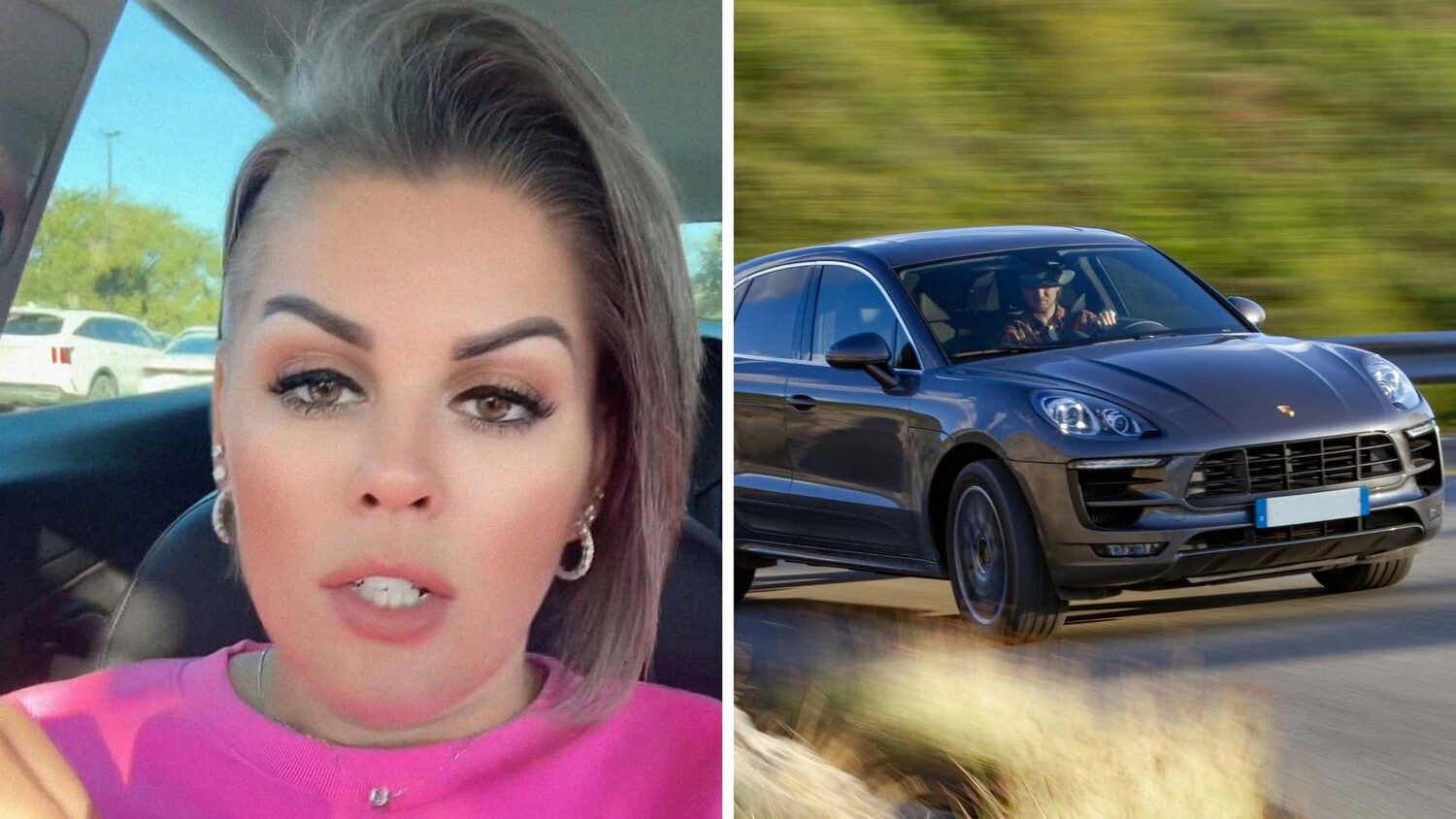
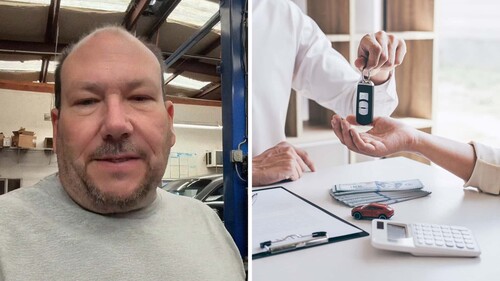
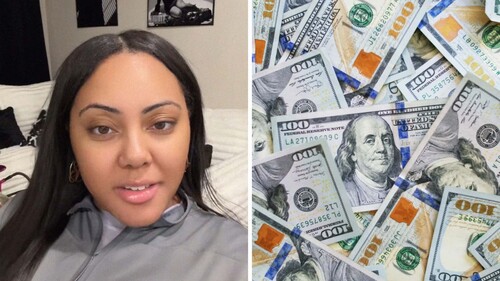
For drivers with bad credit, the promise of “everyone’s approved” can be hard to resist. But according to one San Antonio car salesperson, that promise often comes with a hidden cost. She urges buyers to think twice before using their down payment at a buy-here, pay-here lot, arguing that the cars, terms, and long-term consequences are rarely worth it. The clip from salesperson and TikTokker Lisa (@lrodgz) presents itself as helpful for budget-minded buyers and presents the creator as someone who’s looking out for interested customers who may be shortchanging themselves for a quick, easy deal. “I can help you get into something reliable, low mileage, lower monthly payment, lower interest rate, and it's gonna help you make your credit better,” she said in the clip. “This person wanted to go there 'cause they said that they can get a lower interest rate. Not true at all. That's not gonna happen at a buy-here/pay-here [dealership].” What Is a Buy-Here, Pay-Here Dealership? Buy-here, pay-here dealerships, often abbreviated as BHPH, operate differently from most traditional car lots. Instead of arranging financing through a bank, credit union, or captive lender, the dealership itself acts as the lender. Buyers make payments directly to the dealer, sometimes weekly or biweekly, and approval is typically based more on income than credit score. That structure is precisely why these dealerships appeal to buyers with recent repossessions, bankruptcies, or very low credit scores. According to the Consumer Financial Protection Bureau, BHPH customers are often borrowers who have been turned away by conventional lenders and need a vehicle immediately for work or family obligations. The trade-off is that these loans often carry higher interest rates, require older vehicles, and offer fewer consumer protections than traditional auto financing. Lisa’s warning zeroes in on a common criticism of the BHPH model: vehicle quality. Many buy-here, pay-here lots stock older, higher-mileage vehicles sourced from auctions, trade-ins, or repossessions that traditional franchise dealers are unwilling to retail. Data from industry analysts show that the average vehicle sold at a BHPH lot is significantly older than the national used car average, often with odometer readings well over 100,000 miles. While high mileage alone doesn’t doom a vehicle, pairing it with long loan terms and elevated interest rates can dramatically increase the buyer’s total cost of ownership, especially if repairs begin before the loan is paid off. Lisa’s reference to a “dirty Carfax” reflects another risk. While some BHPH dealers provide vehicle history reports, others do not, and a clean Carfax doesn’t guarantee mechanical reliability. Consumer advocates have long cautioned that buyers should treat any used vehicle, especially those sold under in-house financing, as a candidate for independent inspection before purchase. Can You Build Credit By Choosing Buy Here-Pay-Here? One of the most consequential claims in Lisa’s video concerns credit reporting. Many buyers assume that making on-time payments will automatically help rebuild damaged credit. That’s not always the case. According to Experian and Equifax, not all buy-here, pay-here dealerships report payment activity to the major credit bureaus. Some report only missed payments or repossessions, while others don’t report at all. In those cases, a borrower can make every payment on time and still see no improvement in their credit score. That distinction matters. A traditional subprime auto loan, even one with a higher-than-average APR, typically reports monthly to credit bureaus, allowing borrowers to establish or rebuild positive payment history. Without that reporting, buyers may find themselves locked into a cycle where they still qualify only for high-risk financing when it’s time to replace the vehicle. Despite the drawbacks, buy-here, pay-here dealerships continue to serve a sizable segment of the market. Borrowers with recent repossessions, limited job history, or cash income may not qualify for even subprime loans through banks or credit unions. Others need a vehicle immediately and don’t have time to rebuild credit before buying. In those situations, BHPH dealerships often represent a last available option. That reality is reflected in the comments on Lisa’s video, where viewers openly discuss credit scores in the 400s, past repossessions, and short employment histories. For those buyers, the decision is less about optimal financing and more about whether it is possible to acquire transportation. Credit unions, nonprofit lenders, and some franchise dealerships offer second-chance financing programs designed specifically for borrowers rebuilding credit. These loans often come with clearer disclosures, standardized reporting to credit bureaus, and protections that don’t always exist in in-house financing arrangements. Even a modest down payment, such as the $1,500 Lisa references in her video, can significantly expand a buyer’s options when applied toward traditional financing. The key, experts say, is to focus on total loan cost rather than just the monthly payment, and to confirm in writing whether the loan will be reported to credit bureaus. Motor1 reached out to Lisa via direct message and comment on the clip. We’ll update this if she responds. We want your opinion! What would you like to see on Motor1.com? Take our 3 minute survey. - The Motor1.com Team