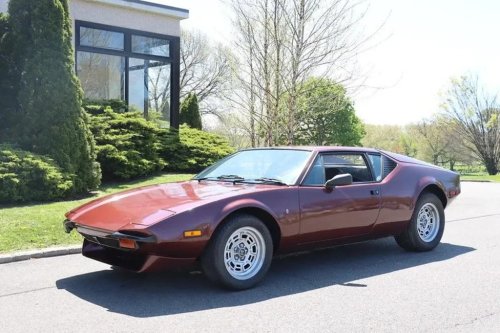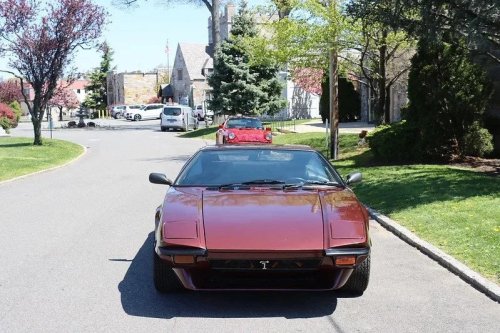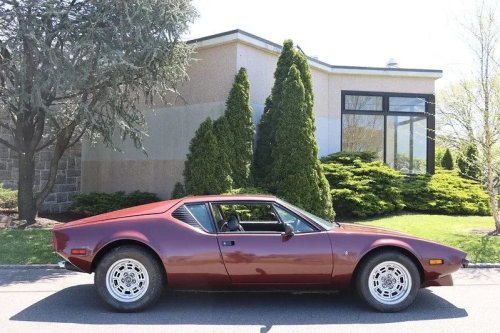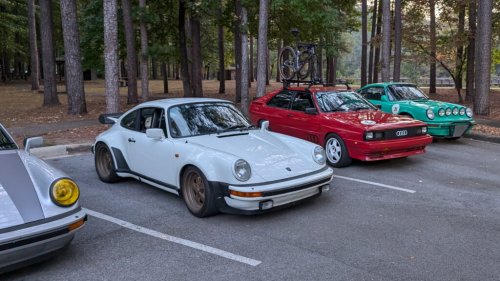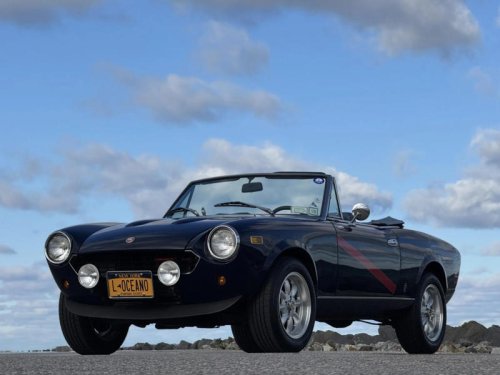
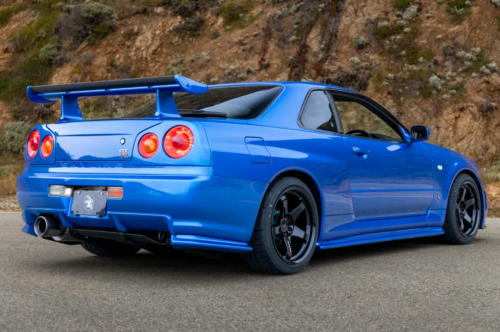
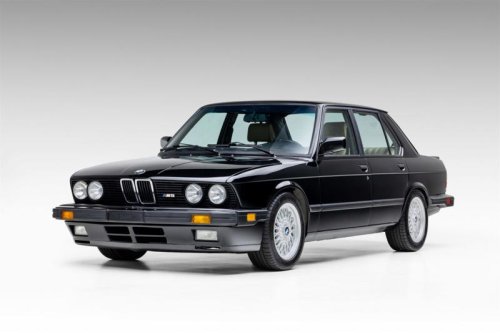
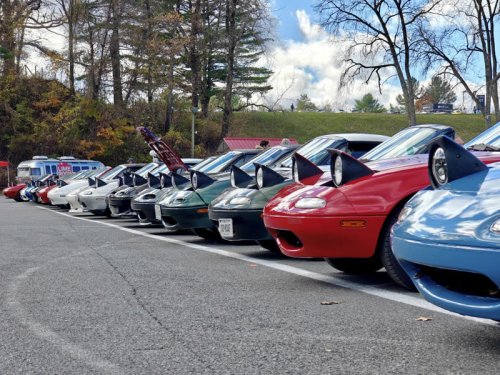



















What to expect before you sign the checkThere’s something undeniably romantic about classic cars. Maybe it’s the look, the sound, the smell, or the way they force you to drive with both hands and actual intent. But buying one isn’t like picking up a lightly used Corolla. Classic cars come with quirks, hidden costs, and a sometimes-steep learning curve. If you’re thinking about pulling the trigger on your first vintage ride, it pays to slow down, take a breath, and understand what you’re really getting into.Start with an honest look at your budgetClassic cars can be deceptively affordable at first glance. You might find a 1960s convertible for the same money as a decent used crossover, and that alone can lure people in. But the purchase price is just one slice of the cost. The real money often comes later, in parts, maintenance, storage, and insurance. Even a car advertised in “excellent condition” might need fresh suspension bushings, brake work, or a full tune-up once you start driving it regularly. It’s also important to be honest about how much you’re willing to spend over time. A car that fits neatly into your budget today can turn into a project tomorrow if something crucial breaks. If the car you’re eyeing is rare, expect the cost of parts to scale accordingly. And if you’re dreaming of a European classic from the ’60s or ’70s, prepare for a level of craftsmanship that’s beautiful but often expensive to maintain.Decide how you want to use the carBefore you go any further, think about what your life with a classic car looks like. Are you hoping for weekend drives to the coast, or do you want something to show and shine at local meets? Do you see yourself wrenching on it in the garage, or do you want a car that’s turnkey and ready to enjoy? Understanding your use case helps narrow your options dramatically. A show car that lives under soft lighting and microfiber covers is one thing. A driver you plan to take out every weekend is another. Some classics tolerate regular use better than others. A vintage Porsche 911 tends to be more robust than a neglected British roadster. Older American V8s can be relatively simple and durable, but they’re also thirsty and sometimes a little rough around the edges. Matching the car’s personality to your intentions makes ownership far more rewarding.Buy the best example you can affordWhen it comes to classic cars, condition matters more than anything else. There’s a reason collectors chase well-preserved, rust-free examples: restoration work is expensive, time-consuming, and sometimes frustrating. Even small rust spots can hide larger structural issues. That cheap “project car” might become a money pit before you ever get to enjoy it. Spending more up front for a car with solid mechanicals and a clean body saves you both time and stress later. Look for cars with thorough documentation. Receipts, service records, and photos of past work can tell you a lot about how well it’s been cared for. A car that’s been loved by its previous owner tends to be easier to live with.Know what issues to look forRust is the number-one enemy of classic cars. It’s not just cosmetic; it can weaken suspension mounts, floor pans, and frame rails. Walk away from any car with serious structural corrosion unless you’re prepared for an expensive repair. Mechanical issues are less daunting, especially with older engines that are relatively simple. But you should still pay attention to oil pressure, cooling systems, carburetor tuning, and electrical gremlins. Many older cars have wiring that’s been hacked together over decades, especially if they’ve had multiple owners. Tracking down poor connections or brittle insulation can quickly eat into your time and budget.Interior condition also matters. Replacing seats, carpets, or dashboards can be surprisingly pricey. A car that looks clean inside usually signals careful ownership, and that often extends to the rest of the vehicle.Get a pre-purchase inspection from someone who knows these carsA pre-purchase inspection is non-negotiable, especially if this is your first classic. But don’t use just any shop. You want someone who knows the specific make and era of the car you’re considering. A general mechanic might miss quirks that are obvious to a specialist. Vintage Mercedes have their own problem areas. Classic Mustangs have theirs. Early Japanese sports cars, now rising in value, come with unique weak points that an expert can spot immediately.A good inspection might cost a few hundred dollars, but it can save you thousands. A mechanic can tell you what the car needs today, what it might need soon, and whether you should run away entirely.Think about where you’re going to store itClassic cars don’t love the elements. Rain, snow, sun, and humidity can accelerate wear. If you don’t have a garage, consider whether you’re willing to rent one. Even a car cover won’t fully protect a vintage vehicle from months of harsh weather. Storage also affects how often you’ll drive the car. If it’s tucked away across town, it becomes harder to take it out on a whim. If your garage is attached to your house, that car will start to call your name every sunny Saturday morning. The easier it is to access, the more you’ll actually enjoy owning it.Be realistic about maintenance and parts availabilityParts availability varies wildly between brands and eras. Classic American muscle cars enjoy widespread support with easily sourced parts. German cars may require more patience, especially if you’re chasing original components rather than modern replacements. Some Japanese cars from the 1970s and ’80s are rising in value, but parts can still be scarce.You should also expect to do maintenance more often than you would on a modern vehicle. Oil leaks aren’t uncommon. Carburetors need tuning. Rubber components age faster. If you want a trouble-free driving experience, you’ll need to either learn your way around tools or find a trustworthy shop.Don’t forget to factor in insuranceInsurance for classic cars is different from standard auto coverage. Many owners use agreed-value policies, which let you set the car’s insured value rather than relying on depreciation formulas. These policies often require limited mileage and secure storage, but they can be more affordable than you’d expect. Before you buy the car, check whether you qualify for classic coverage and how much it’ll cost. Some insurers specialize in vintage vehicles and can offer surprisingly good rates.Join the communityOne of the best parts of owning a classic car is the community that comes with it. Local clubs, online forums, and social media groups can be invaluable sources of advice and parts recommendations. They’re also great places to hear about cars for sale before they hit the public listings.First-generation NA Miatas are lined up in B Paddock for the Moss Miata Car Show on Saturday, October 25th. Elijah Nicholson-Messmer Seasoned owners know what breaks and how to fix it. They know which shops are honest and which auctions to avoid. Surrounding yourself with people who share your passion makes the whole experience richer.Final thoughtsBuying a classic car is as much about the journey as it is about the car itself. You’ll learn things, you’ll make mistakes, and you’ll probably spend a little more money than you expected. But if you pick the right car and go in with the right mindset, the reward is something special: a machine that turns every drive into an event and every gas station stop into a conversation.Take your time, do your homework, and buy a car that speaks to you. If you do, your first classic won’t just be a vehicle. It’ll be a story you get to tell for years.