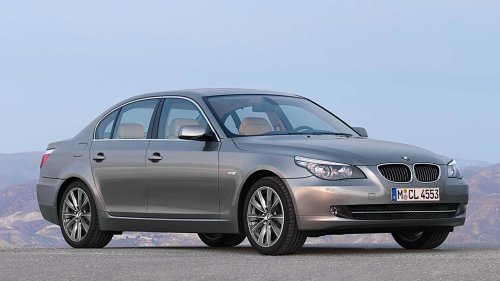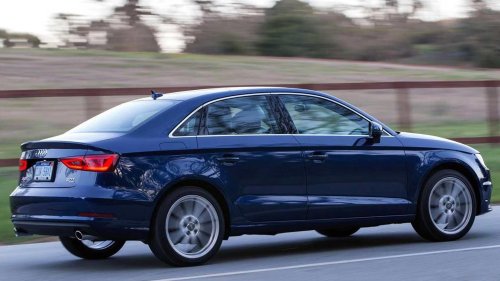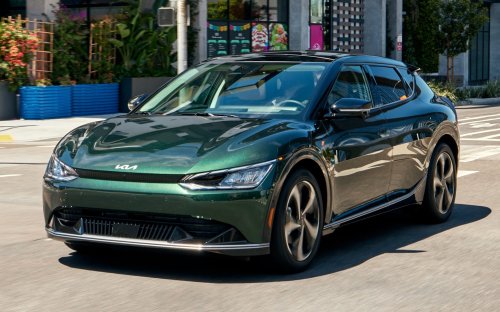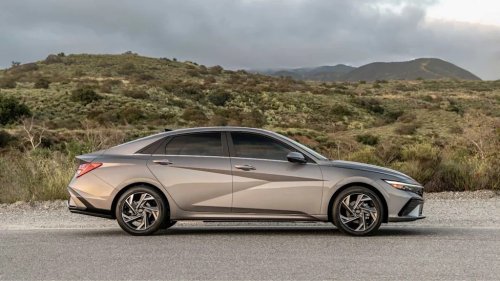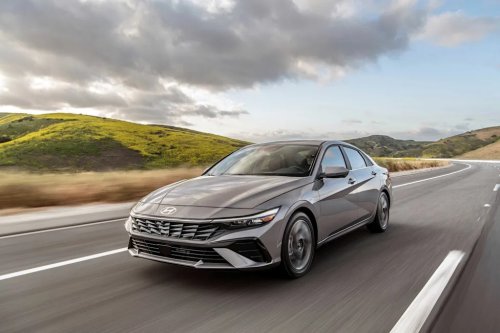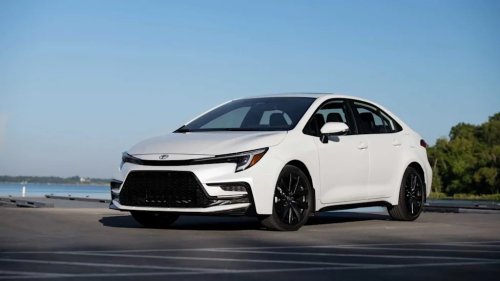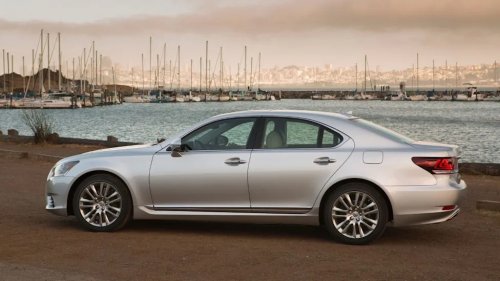





















The automobile world is full of names, terms, and abbreviations. One of the simplest terms - compact car - is one that is also open to interpretation, and some vehicles can straddle different classes. With the massive expansion of model ranges and types, including the unstoppable crossover, the simple task of identifying a car's class is now more difficult than ever. The compact class is thriving thanks to its lower costs, advancements in powertrain technology and safety, as well as the availability of decent technology and comfort features that have trickled down over time to smaller vehicles. Below, we'll take a look at the main ingredients of a compact and look at its smaller cousin, the subcompact. The Definition Of A Compact Car 2025-toyota-corolla-jptc25-6.jpgDefinitions usually refer to the smaller overall size, but luckily, the EPA has a handy way to define the class: a compact car is defined as 'having an interior volume index of 100–109 cubic feet, specifically referring to the combined passenger and cargo space'. This is a specific measurement, but one that is hard to gauge from the outside. It's clear that a car could essentially be a compact car while not fitting into the above measurement window, but it exists as a guide commonly referred to by many sources, including the EPA.Commonly, compact cars are the second-smallest cars available, positioned between the smallest subcompact market and the mid-sized market. Compacts are now generally as big as some mid-sized cars from decades ago, while subcompacts occupy the space previously taken by compacts. For this reason, it's important to note that compact models are not the smallest on sale and may offer more space than you think. Some examples of compact cars today include the following (their lengths in inches for reference): Toyota Corolla - 181.1" Volkswagen Golf - 168.8" Honda Civic - 184.0" Toyota Prius - 181.1" Mazda 3 - 183.5" Nissan Sentra - 182.9" Hyundai Elantra - 184.1" Kia K4 - 185.4" Subaru Impreza - 176.2" Nissan Sentra - 182.9" Benefits And Drawbacks Of Compact Class Compact cars are popular for various reasons, most of them obvious. Usually, it comes down to price, but there are various benefits to running a smaller car: Smaller engines - increased economy / lower emissions (this is generally the rule, but there are exceptions) Compact size - easier to drive and maneuver, thanks to small dimensions / easier to fit in tight spaces or keep in a garage Lower overall costs - purchase price lower, insurance and taxes can be lower, parts could be cheaper Not all compacts offer the same great benefits just for being small (although this is generally the case). Here are some drawbacks or pitfalls to compacts: Limited passenger space - generally comfortable space for four adults only, low interior space (headroom, hiproom, legroom) Smaller cargo volume - usually limited trunk space that's good for a small shopping trip or a weekend getaway only Low-power engines - smaller engines are designed with economy in mind and lack the power and torque of larger cars Safety aspect - the perception is of compact cars being less safe than a mid-size or full-size car in a crash, although this is debatable Versatility - useful for a specific and limited usage case, i.e., commuting, small families, only in areas with normal asphalt roads Here's an example of a typical compact car versus a mid-size car by the price, fuel economy, power, and dimensions metrics, both by Toyota: Examples Of Economy And Luxury Compact Cars 2023 BMW 5 Series side profileCompact cars are not always the most economical options available, nor the cheapest to buy, since luxury brands also produce compact-class vehicles. It's true that often, compact cars are economy vehicles due to the focus of the vehicle on affordability and ease of operation, but brands like BMW, Audi, and Mercedes-Benz have also produced many models that fit into the compact category.In the case of luxury compacts, some of the same benefits apply as those for economy ones: Ease of maneuvering and parking Lower costs relative to more expensive mid-sized models An additional bonus for compact luxury cars is the sporty handling, which is one of the reasons these cars are also desirable, combining a small footprint with a premium powertrain The Definition Of A Subcompact Car 2025 Mini Cooper Convertible, front 3/4Subcompacts are the smallest class of vehicle generally on sale. The EPA rates these models as having 85-99 cubic feet of combined passenger and cargo volume. This is below the 100-109 cubic feet expectation for most compacts. Some cars even smaller than this may be available, such as the Smart ForTwo and other specialized urban minicars. Their benefits are clear, and price, maintenance, maneuverability, and more are all attractive at this level, although the drawbacks are the extremely limited space available for passengers and cargo.For this class, power and torque from the small engines are minimal, and despite the attractive purchase price and suggested fuel economy figures, overtaking and longer trips are made more difficult. The engines are also strained at higher speeds, which can mean fuel economy can actually drop if the cars are driven at speeds to keep up with faster traffic.Here are some subcompacts on sale in the US and their respective lengths:Nissan Versa - 182.1"Mitsubishi Mirage - 151.4"Mitsubishi Mirage G4 - 169.5"Mini Cooper - 152.6"Refinement is generally low for this class, while the engines fitted are, on the whole, only suitable for urban and occasional longer-distance driving due to the lack of power. These engines are generally non-hybrid and unassisted by turbochargers, meaning they are simple, rudimentary, and deliver reasonable fuel economy. However, relative to larger engines, their efficiency is not especially impressive. Here are the specs for the Mitsubishi Mirage: There Are Many Other Classifications Of Cars 2025 Nissan Versa Front 3.4Compacts and subcompacts occupy the lowest tiers of the car classes. In the US, the automobile landscape has historically been occupied by larger cars, an important part of American culture. In Europe, larger classes also exist, but the popularity of larger models is lower overall compared with the US. Generally, cars fit into the following categories, which are also sometimes used interchangeably by some sources:Minicompact: Less than 85 cubic feet. Subcompact: 85-99.9 cubic feet. Compact: 100-109.9 cubic feet. Mid-size: 110-119.9 cubic feet. Full-size / Large: More than 120 cubic feet Examples of the above car classes (as classified by the EPA, not including minicompact) with real models: Mitsubishi Mirage Toyota Corolla sedan Honda Accord Lexus LS Other Types Of Vehicles And Classes 2025 Nissan Kicks Play, front 3/4The world of SUVs applies the same class names for vehicles. It can often be difficult to visually tell the difference between crossovers and SUVs from the different size classes, since the overall shapes are very similar. Sometimes it can be hard to tell the difference between SUV models in a brand's range.Crossovers: crossover usually refers to a mildly raised car-based SUV with little to no off-road pretensions. However, there are various classes of crossovers, including up to mid-size and higher, so the rule usually applies to road-based SUVs with off-road styling.SUVs: traditionally truck-based construction, but today unibody construction is increasingly more common, with truck underpinnings usually used for full-size models (with exceptions). They may provide more credible off-road ability and features.As we know, the crossover is essentially taking over the role that was previously taken by cars, thanks to the perception of safety, the higher driving position, and the availability or perception of off-road ability and all-weather traction. They're here to stay, and the term 'car' is often applied to crossovers as well as hatchbacks and sedans in discussion.