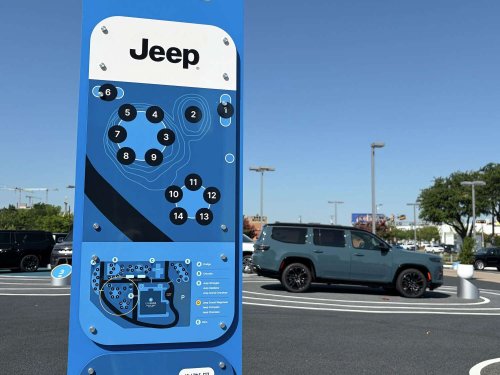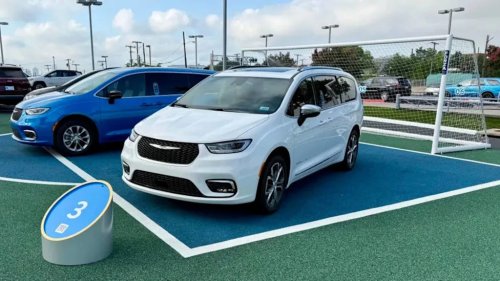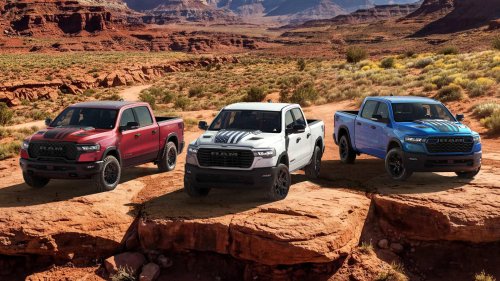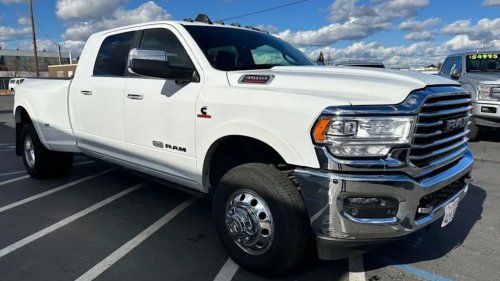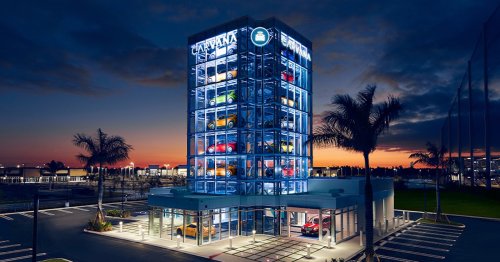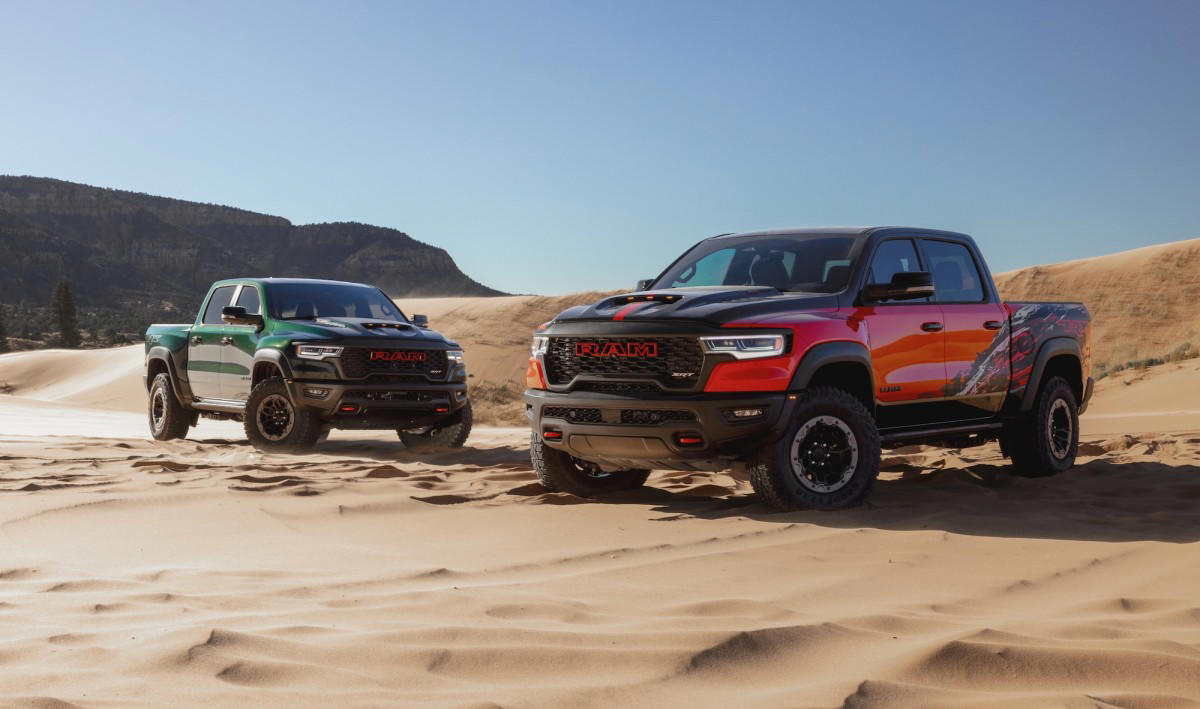
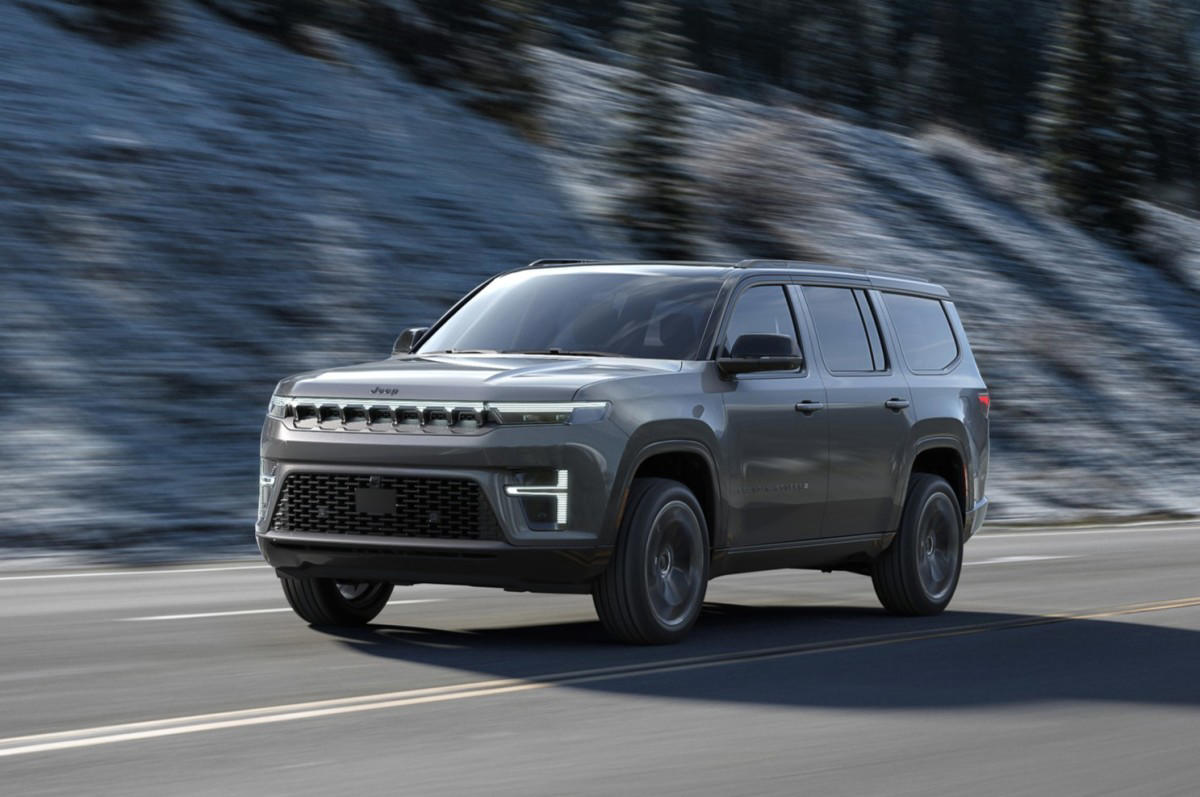
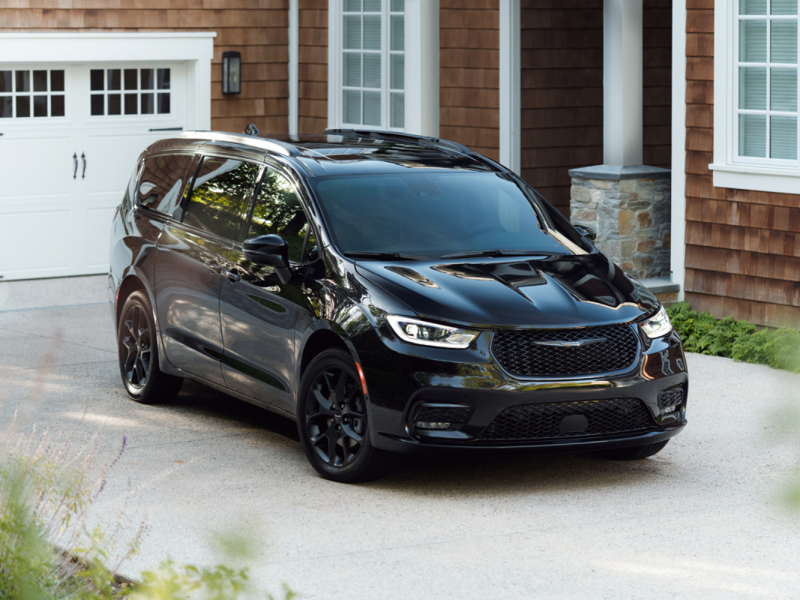



















Carvana’s Next MoveWhile Carvana remains one of the top used-car retailers in the U.S. – alongside competitors like CarMax – the company has quietly expanded into the new-car space by acquiring several Stellantis dealerships. According to The Detroit News, Carvana recently purchased a Chrysler, Dodge, Jeep, and Ram dealership outside Boston, bringing its total to six over the past year, with other locations in Phoenix, Atlanta, Dallas, San Diego, and Sacramento.The exact reasons for venturing into the new-car space are not entirely clear, though the report states that this business model could help Carvana undercut traditional Stellantis dealerships on price – potentially a win for consumers but a loss for dealers. The used car retailer also offers home delivery, which can be a strong selling point, particularly for buyers located far from a CDJR dealership. Cracking the New-Car MarketThe report notes that Carvana may view Stellantis dealerships as a “cheap entry point” into the new-car market. The automaker is also reportedly expected to regain sales momentum in the coming years, particularly with new V8- and hybrid-powered vehicles set to hit the market.The V8 option was initially discontinued amid tightening emissions regulations and the earlier surge in EV adoption, before the current administration rolled back several policies, contributing to a broader slowdown. The Hemi is now returning to the lineup, including to the Ram 1500 TRX, which produces 777 horsepower – 57 more than the Ford F-150 Raptor R.With the aforementioned EV slowdown, the U.S. market has shifted toward hybrid vehicles, with brands like Toyota doubling down on their electrified lineups. Stellantis, however, does not yet have as extensive a hybrid portfolio – especially following the discontinuation of 4xe plug-in models. Still, the automaker has several electrified models in the pipeline, including range-extender versions of the Jeep Grand Wagoneer. A New Competitive EdgeIn addition to these models, the report suggests that Carvana’s acquisition of CDJR dealerships could help the company generate more trade-in vehicles at a lower cost, while also opening up opportunities for repairs and maintenance services. Given its online-focused business model, Carvana is also unlikely to require as many employees as traditional dealerships.While it remains to be seen what the full-scale plan is, the company is expected to remain focused on its used-car business. After all, Stellantis recently sent letters to dealers reminding them that no one can acquire more than one CDJR dealership within a rolling 12-month period – without specifically referencing Carvana.